Matox News

Truth Over Trends, always!

X-energy, backed by Amazon, seeks $800M IPO to energize the future

Innovation in Nuclear Power: X-energy Leads the Disruption of Traditional Energy Paradigms

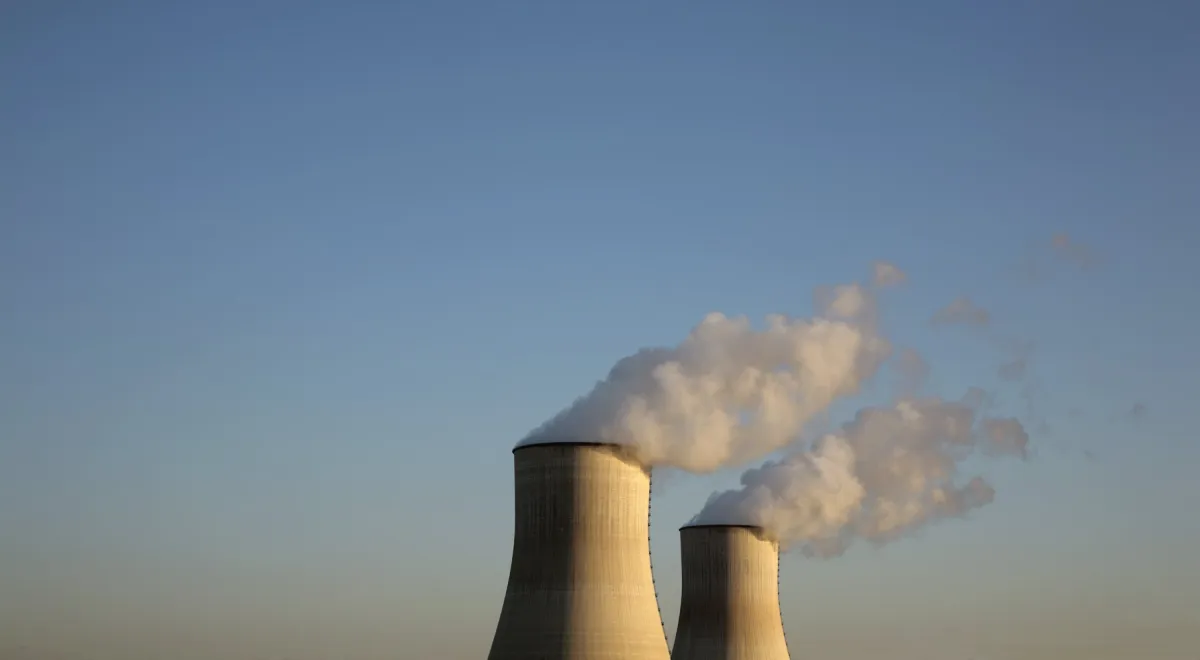
In a bold stride towards energy innovation, X-energy is positioning itself at the forefront of the nuclear power renaissance, leveraging revolutionary reactor technology that could redefine the global energy landscape. As the world grapples with surging electricity demands driven by AI data centers and widespread electrification, this startup’s high-temperature, gas-cooled reactor design has attracted significant institutional backing, notably from Amazon. The tech giant’s recent $500 million Series C-1 funding round underscores the strategic pivot of major players into nuclear energy, signaling a paradigm shift in how industry giants view reliable, low-carbon power sources. Amazon’s ambitious pledge to purchase up to 5 gigawatts of nuclear capacity from X-energy by 2039 highlights the substantial business implications of this emerging sector and the disruptive potential of small modular reactors (SMRs) as scalable, flexible energy sources.

The technical innovation behind X-energy’s approach emphasizes SAFETY and efficiency. Its TRISO fuel—encased in ceramic and carbon spheres—aims to dramatically reduce risks associated with conventional reactors, providing a safer alternative amidst the nuclear industry’s history of setbacks and delays. This is especially relevant as governments and private investors grow cautious after years of stalled projects and excessive costs, particularly outside of China where development hurdles persist. Industry analysts from Gartner and MIT are watching closely, emphasizing that successful commercialization hinges on achieving cost reductions in the “Nth-of-a-kind” reactors—projected to decrease costs by approximately 30% compared to initial deployments. Such advancements could tip the scales toward mass adoption, disrupting energy markets by providing a reliable alternative to intermittent renewables and fossil fuels.

However, the road to widespread nuclear innovation remains fraught with legal, financial, and technical challenges. X-energy has publicly disclosed ongoing patent disputes, notably with Ultra Safe Nuclear Corporation (USNC). The bankruptcy of USNC and recent acquisition of its assets underscore the turbulent environment for smaller nuclear startups, which face high barriers to entry and the necessity of overcoming technical and regulatory hurdles. Despite these challenges, the industry’s trajectory is unmistakably disruptive: emerging startups are racing against time to build viable small reactors, with a current target deadline aligned with political directives—namely, the U.S. government’s 2024 goal to achieve demonstration plant readiness. If these efforts succeed, the industry could witness a significant shift, with small modular reactors becoming a central component of a resilient, low-carbon energy future.

Looking forward, the fusion of innovation, strategic capital allocation, and regulatory support suggests that the nuclear sector is entering a critical phase of disruption. Industry leaders like Elon Musk and Peter Thiel have long been vocal about the critical need for disruptive energy solutions, and the current momentum appears poised to deliver on that promise. The upcoming TechCrunch event in San Francisco from October 13-15, 2026, is likely to feature key developments and unveilings from these startups, marking a new chapter in energy technology. As the push for affordable, scalable, and safe nuclear power accelerates, stakeholders must remain vigilant. The pace of innovation and the regulatory environment will determine whether nuclear power reemerges as the backbone of the future energy grid or remains a technological hope deferred. Either way, the future of energy is being reshaped now—those who grasp the urgency of this disruption will be best positioned to succeed in the emerging global economy.

£800m to Fix Failing NI Schools and Secure Our Future Millennials

Social Crisis in Northern Ireland Schools: Foundations of Future Society at Risk

Amid the echoes of faded chalkboards and crumbling brickwork lies a stark reality: the state of Northern Ireland’s educational infrastructure reflects deeper societal failures. Many schools across the region are caught in a cycle of neglect, characterized by a backlog of maintenance estimated at between £600m and £800m. This crisis is not merely structural but fundamentally impacts families, communities, and the very fabric of future generations. As sociologists like Charles Murray have argued, the environments in which children grow significantly influence their capacity to thrive, yet the systemic disrepair and poor management threaten to erode these foundations.

A damning report from Stormont’s Public Accounts Committee (PAC) paints a picture of systemic failure, with many children and teachers working amidst overcrowded, poorly heated, and dilapidated structures. Many educational institutions are now in a state of deferred maintenance—an issue that compromises safety and educational quality, and that critics consider an ethically unacceptable neglect of societal duty. The report highlights a reactive approach to infrastructure management rather than a comprehensive, forward-looking plan, leading to conditions where learning environments become a battleground for survival rather than a sanctuary for growth. Such neglect disproportionately affects families in less affluent communities, deepening the cycle of poverty and social exclusion that has persisted for decades, according to social historians like E.P. Thompson.

School heads, such as Emma Quinn of Rathcoole Primary School, describe their days as dominated by “chasing works,” reporting leaks, and fixing broken windows”. The frustration is palpable—their schools are described as “simply not fit for purpose,” with students enduring inadequate heating, leaky roofs, and crumbling infrastructure. These conditions, while seemingly physical, strike at the moral heart of society’s obligation to safeguard its youngest members. The disparities in funding and maintenance are especially severe for schools serving disadvantaged communities, emphasizing how socio-economic divides are entrenched within educational environments.

What Can Be Done?

  • The Department of Education (DE) and Education Authority (EA) are urged to implement a clear and sustainable management strategy with regular condition surveys and monthly maintenance planning.
  • Swift action on urgent repair backlogs, especially in classrooms where improper heating and hazardous environments threaten the health and morale of students and staff alike.
  • Broader investment is necessary, with officials like Education Minister Paul Givan calling for cross-party support to secure funding for infrastructure improvements and to address soaring costs in special educational needs provision—a sector that has seen an 850% increase in emergency placements over six years.

As society’s sociologists have pointed out, these issues extend beyond bricks and mortar—they threaten the social cohesion and moral fabric of communities. The prolonged neglect signals a failure of governance and resource allocation that, if left unaddressed, could erode trust and social mobility for generations. Yet, amidst this grim landscape, hope persists in the realization that intentional societal change—prioritized investments, strategic planning, and community engagement—can reverse these trends. In the end, society’s strength lies in its commitment to its children and the collective responsibility to build nurturing environments. Society must reflect deeply on these social wounds, for without immediate action, the very future of the next generation remains in jeopardy—an unspoken legacy of societal neglect that demands urgent redress.

Social Media Auto Publish Powered By : XYZScripts.com



