Matox News

Truth Over Trends, always!

Rising Stars Shine in Thrilling Weekend of Youth Sports Action!

NFL Power Rankings and Unsung Heroes Ahead of Week 8

As we gear up for Week 8 of the NFL season, it’s the perfect time to examine the latest power rankings. The Philadelphia Eagles, with their sturdy 6-1 record, hold the top position, showcasing a balance of offensive firepower and defensive tenacity. Following closely are The Kansas City Chiefs, featuring the dynamic duo of quarterback Patrick Mahomes and tight end Travis Kelce, whose connection remains pivotal for the team’s success.

Updating the rankings also brings to light the unsung heroes—the role players and nonstarters—who contribute significantly but often fly under the radar. Commentator and former player Brian Baldinger noted, “Every player has a role, and those who nail it often become game-changers.” Players like Simi Fehoko from the Dallas Cowboys and Caleb Farley of the Tennessee Titans are vital in their respective squads, providing not just depth but crucial plays in high-pressure situations during games.

Weekly Highlights and Takeaways

  • Eagles’ Offensive Line Dominates: A strong performance in the trenches has allowed quarterback Jalen Hurts to thrive.
  • Chiefs’ Defense Shines: Key defensive stops in the fourth quarter have been instrumental in closing out tight games.
  • Unsung Players Make Impact: Contributions from the likes of Fehoko and Farley remind fans that football is a team sport.

As the season unfolds, coaches are repeatedly impressed by how even the smallest contributions can make a mountain of difference. Mike Tomlin, head coach of the Pittsburgh Steelers, stated, “The true essence of a team is the collective effort; it’s not just about the stars.” With each game, athletes continue to prove that sportsmanship and teamwork forge stronger connections that extend beyond the field.

In an era where division seems rampant, Sunday games unite fans from all walks of life, refreshing our spirits and reminding us of our shared love for the sport. Whether it’s the thrill of a game-winning touchdown or the solidarity felt while watching in camaraderie, football serves as a testament to our ability to come together, transcending differences and fostering a sense of belonging. As we head into Week 8, let us celebrate not just the champions, but every player who wears their jersey with pride, wielding their heart on their sleeves.

Source link

US Targets Venezuela Drug Boats: Is It Legitimate Action?

International Legal Debates Erupt as US Upholds Maritime Strikes in Caribbean Against Drug Traffickers

The recent series of military strikes launched by the US in the Caribbean Sea have ignited a fierce debate over the legality and geopolitical implications of unilateral military action in international waters. President Donald Trump announced the operation in September, claiming that multiple vessels linked to the notorious Tren de Aragua cartel were targeted, with reports suggesting that these ships were involved in transporting illicit drugs destined for the United States. While US officials argue that they are acting in self-defense—aiming to disrupt narcotics traffickings—their actions have drawn sharp criticism from neighboring nations, legal experts, and international organizations, raising questions about the limits of sovereignty, legality, and international law.

These strikes, carried out without formal congressional approval, have spurred controversy highlighting the geopolitical impact of American military policy in the region. Critics argue that the United States—notably absent from the United Nations Convention on the Law of the Sea—is overstepping its bounds, especially given the ambiguous legal framework surrounding operations against non-state actors such as drug cartels. Legal scholars, including Professor Luke Moffett of Queen’s University Belfast, emphasize that the use of force in international waters should be constrained by existing law, mainly principles of non-interference and hot pursuit. The absence of conclusive evidence about the legal justification for these strikes has only deepened the international divide, prompting the International Maritime Organization and other legal entities to scrutinize the actions of the US.

The Trump administration justifies the operations through allegations that the targeted vessels were operated by narco-terrorists and pose a threat to the homeland. However, critics like Prof. Michael Becker from Trinity College Dublin warn that lumping drug traffickers into the category of military targets could set a dangerous precedent. Under the UN Charter, nations are permitted to use force in self-defense only when under attack or when responding to an armed attack, a standard that many experts argue is not met here. Moreover, the leaked memo suggesting that the administration considers itself engaged in a “non-international armed conflict” with drug cartels has alarmed legal analysts and human rights advocates, fearing that such narratives could legitimize extrajudicial killings and military overreach, thereby destabilizing international norms.

Strategically, the geopolitical impact is palpable: the Venezuelan government swiftly condemned the strikes, denying any involvement in drug trafficking and accusing the US of attempting to justify military intervention to oust Nicolas Maduro. Meanwhile, the region has witnessed an impressive display of military might, with satellite imagery revealing at least 14 US naval ships—including guided missile destroyers and amphibious assault vessels—coordinating in what appears to be an extensive anti-narcotics network reinforced by drones and covert operations, including the authorization of CIA activities in Venezuela itself. This pattern of action reveals a shift towards a more aggressive stance by Washington in the pursuit of its anti-drug agenda, echoing decades of interventionist policies but with an unprecedented maritime dimension.

Amidst the unfolding drama, constitutional questions persist: can Trump or any US president launch such strikes without explicit Congressional approval? Under the constitution, the president is the Commander-in-Chief, yet the War Powers Resolution mandates consultation with Congress before deploying troops for hostilities. The reliance on the Authorization for Use of Military Force (AUMF), enacted post-9/11, has been cited repeatedly, but whether operations against drug cartels fall under this mandate remains contested. As history awaits its next chapter, the region stands on a precipice: a fragile balance of sovereignty, law, and power, where the actions of today will undoubtedly shape the geopolitical landscape for generations.

As the dust settles over these contested waters, one thing is clear: the unfolding narrative of the Caribbean sea is more than a story of drug busts and naval maneuvers. It is a reflection of a broader global struggle—where the rules shaping peace and conflict are being rewritten, and history remembers those who dared to challenge them. Whether in the corridors of Geneva, the courts of Havana, or the decks of American warships, the question remains—how far will the pursuit of security go before it risks unraveling the very principles that forge international order?


Feds smash $15B Bitcoin haul from alleged scam empire—justice in action!

Global Crackdown on Cryptocurrency-Linked Scam Centers Signals Tech Disruption and Business Shifts

The recent seizure of 127,271 bitcoins, valued at over $15 billion, marks the largest cryptocurrency confiscation in U.S. history, signaling a seismic shift in how law enforcement is leveraging blockchain forensics to combat organized cybercriminal syndicates. Led by agencies determined to dismantle *factory-scale* operations, this historic action exposes the rigor and sophistication behind *illicit financial networks* that utilize the speed, transparency, and pseudo-anonymity of cryptocurrencies to sustain large-scale scams. As cryptocurrency ecosystems become intertwined with criminal enterprises, the impact on digital asset exchanges and related business sectors urges industry stakeholders to rethink compliance, security paradigms, and the role of technology in safeguarding legitimate markets.

Innovation in Enforcement and Industry Disruption

The seizure, which includes a trove of digital assets linked to *scam compounds* operating across Southeast Asia, Europe, and Latin America, underscores the depth of innovation in both malicious schemes and the efforts to counter them. According to Ari Redbord, global head of policy at TRM Labs, the broad scope of the operation “strikes at the operational and financial core” of this *criminal infrastructure,* revealing how *sophisticated laundering techniques*, often involving *layered jurisdictions* and *cryptography*, sustain these illegal enterprises. The criminal operations, as detailed in recent indictments, also maintain *bribery records* and leverage *mobile-controlled social media accounts*, illustrating how technology-driven these scams have become.

The implications for the crypto business landscape are profound. As researchers observe the *growth of scam compounds* outside Southeast Asia—spreading into the Middle East, Eastern Europe, and Latin America—the industry must accelerate *innovative security solutions*. Venture-backed startups, such as blockchain analytics firms, and giants like Elon Musk’s Tesla and Peter Thiel’s Palantir, are already pushing boundaries with AI-driven fraud detection. Yet, the scale of these operations suggests that *regulatory frameworks* and *technological innovation* must outpace criminals if legitimate markets are to prosper amid *disruption*.

Business Implications and the Future Trajectory

With well over $15 billion seized, this case exemplifies the critical intersection of financial technology and law enforcement’s new frontier—using data analytics, machine learning, and cross-border cooperation to identify and dismantle *illicit financial flows*. As industry experts from Gartner and MIT emphasize, the evolution of *crypto compliance* tools can serve both as *deterrents and enablers*, fostering a more resilient and transparent digital economy. Conversely, unchecked illicit activity poses a risk of *massive financial destabilization* and erodes public trust in cryptocurrency markets.

The broader business community must recognize that *disruption is inevitable*; however, it also presents enormous opportunities for *disruptive innovation*. Companies invested in *blockchain security*, *AML frameworks*, and *regulatory technology* are poised to lead the next wave of *trust-based blockchain environments*. As international authorities allocate greater resources—highlighted by the U.S. Justice Department’s resolve—the imperative to innovate and adapt becomes urgent. Moving forward, *proactive engagement* with emerging technologies and *collaborative enforcement* will determine whether the crypto economy can evolve into a secure asset class or become a battleground for criminal disruption. The clock is ticking for industry leaders to stay ahead in this high-stakes game, where technological evolution and law enforcement will define the future of digital assets and global finance.”

Rising Stars Shine in Thrilling Weekend of Youth Sports Action!

NBA Win Projections: A New Season Dawns

As the excitement for the new NBA season builds, ESPN analyst Kevin Pelton has released his comprehensive win projections for all 30 teams, igniting conversations among fans and analysts alike. The projections, which utilize advanced metrics and statistical models, aim to provide an insightful look into each team’s potential performance this season. For basketball aficionados, these forecasts are more than mere predictions; they shape expectations for what lies ahead.

This year, the rankings have stirred discussions, with teams like the Milwaukee Bucks and the Los Angeles Lakers emerging as front-runners. Pelton notes a significant talent influx, particularly in the Western Conference, promising an electrifying race to the playoffs. “Strong depth and star power will be critical this season,” Pelton stated, emphasizing the necessity of a robust roster in the intensely competitive league.

Key Team Highlights

  • Milwaukee Bucks: Projected to finish with a remarkable record, thanks to the dynamic duo of Giannis Antetokounmpo and Damian Lillard leading the charge.
  • Los Angeles Lakers: With vital offseason moves, they are eyeing a significant comeback, aiming for the top seed in the West.
  • Golden State Warriors: Stalwarts of the league, their experience and skill still keep them in the hunt.

Despite the statistical prowess of Pelton’s projections, the most thrilling aspect of these rankings lies in the sheer unpredictability of the sport. As noted by commentator Stephen A. Smith, “The beauty of basketball is that anything can happen. Injuries, trades, and breakout performances can all flip the script on these projections.”

As fans eagerly await the tip-off of the season, one thing remains clear: sports extend far beyond the confines of tradition and expectations. They are a powerful force that unites communities, ignites passions, and fosters friendships. In this new season, supporters from all corners will gather to cheer on their teams, sharing moments of triumph and despair. Ultimately, it is this bond that makes the NBA not just a league, but a vibrant tapestry of life and camaraderie.

Source link

Mount Everest rescue underway as snowstorm traps nearly 1,000 climbers—urgent response in action

Amidst the rugged terrains of the Himalayas, recent natural disasters have spotlighted the fragile balance between climate change and geopolitical stability. In China, rescue efforts are ongoing to save nearly 1,000 trekkers stranded on the eastern slopes of Mount Everest following a severe snowstorm. The incident underscores the increasing unpredictability of weather patterns in this sensitive mountain range, which has historically served as a symbol of international adventure and aspiration. According to Chinese state media, hundreds of visitors seized the opportunity of an extended Chinese National Day holiday to visit the remote valley of Karma, leading many into peril as heavy snowfall rooted them in place. The response by local authorities demonstrates a critical coordination of resources, yet it also highlights vulnerabilities in managing the swelling influx of tourists amid changing climatic conditions.

The disruption in Tibet’s eastern face serves as a stark warning to the international community. The Himalayas are not only a geographic boundary but also a hotly contested locus of strategic importance, especially when environmental shifts produce dramatic events such as landslides and avalanches. Since the snowstorm struck, over 350 individuals have been safely relocated to the township of Qudang, with authorities working tirelessly to reach those still unaccounted for. Such incidents expose how nations like China and its neighbors are increasingly affected by climate fluctuations that threaten human safety and economic stability. The timing—during the peak tourist season—raises questions about the unprecedented challenges faced by nations tasked with safeguarding both their citizens and their international reputation from natural calamities driven by global warming.

On the southern side of Tibet, in Nepal, the story is equally troubling. Heavy rains since Friday have caused devastating landslides and flash floods, claiming at least 47 lives across the country. The destruction of critical infrastructure—roads, bridges, and even entire villages—has further isolated communities and complicated rescue efforts. This chain of events exemplifies how climate-induced extremes are reshaping the Himalayan geopolitical landscape, potentially fueling tensions between nations over resource access and disaster management. Analysts from the United Nations Environment Programme warn that these catastrophes may worsen as climate change accelerates, transforming the mountain region into a precarious geopolitical chessboard where local vulnerabilities intertwine with international interests.

Indeed, what is unfolding in these mountain corridors underscores a key **geopolitical impact**: the increasing importance of environmental security in international relations. Countries bordering Tibet—India, Nepal, and China—must navigate complex dynamics shaped by natural disasters and climate adaptation. The incidents on Everest and in Nepal could serve as catalysts for greater cooperation or rivalry, depending on how nations respond to shared vulnerabilities. The importance of multinational frameworks—like the underperforming Regional Himalayan Climate Initiative—becomes ever more evident as the region faces a new reality where natural calamities threaten to exacerbate existing geopolitical tensions.

As these events unfold with relentless force, the question remains: how will the Himalayan powers adapt to an increasingly unpredictable environment? Will they unite to forge resilient solutions or succumb to the chaos that climate change is unleashing upon this vital geopolitical nexus? With the weight of history pressing upon their shoulders, the nations of the Himalayas stand at a crossroads—where decisions made today will shape not just the future of their peoples but also the stability of an entire region. The mounting crises remind us that the Himalayas are more than just a majestic backdrop—they are a barometer of global health, and the current turbulence signals that humanity must confront the profound implications of an earth pushed to its environmental limits. As rescue efforts continue and nature’s fury remains unabated, the unfolding story of the Himalayas will be etched into the annals of history—an enduring testament to the indomitable resilience or inevitable decline of nations caught in the grip of Earth’s changing climate.

Pritzker warns of Trump sending National Guard to Chicago amid shooting incident at border patrol—Youth voice demands action

Unrest and militarization escalate within United States: A nation at a crossroads

The recent decision by President Donald Trump to deploy over 300 federal National Guard troops in Illinois amidst mounting internal conflicts marks a pivotal moment in the history of American sovereignty and civil liberties. This move, announced by Illinois governor JB Pritzker, has ignited a fierce political debate, characterized by allegations of overreach and threats to fundamental constitutional principles. Pritzker’s vehement opposition underscores a broader rift within the country, pitting federal authority against local governance and civil rights.

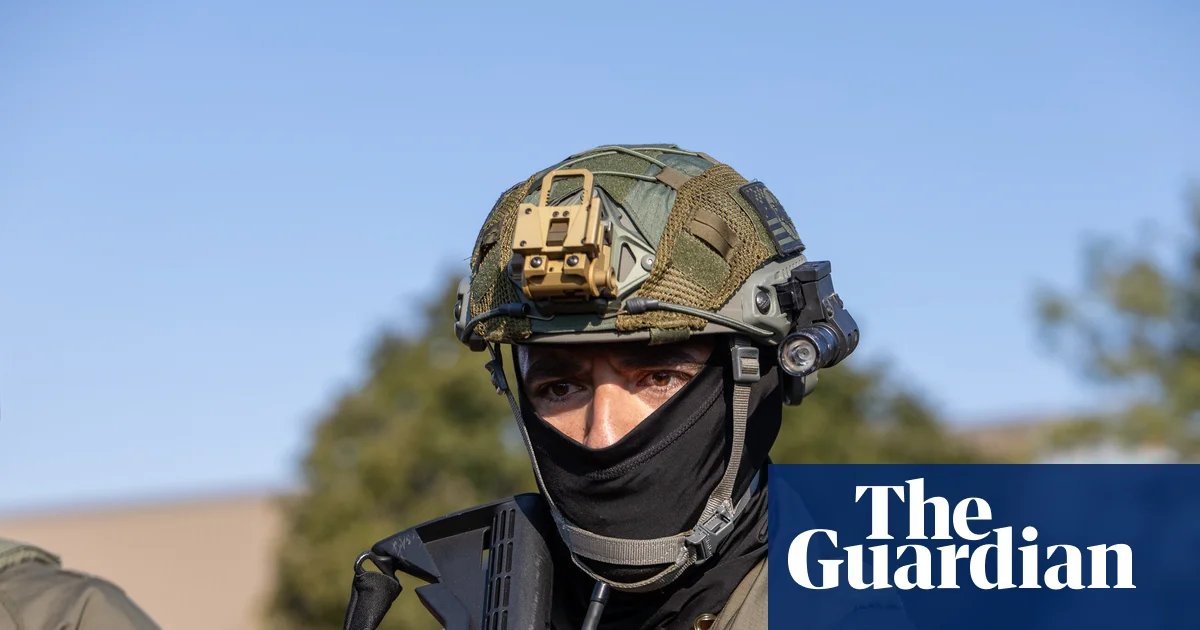
As the Trump administration intensifies its immigration enforcement, with ICE agents conducting aggressive operations across Chicago, the urban unrest appears to be more than a routine law enforcement campaign. The recent deadly shooting of a woman by federal agents—initially claimed to be *defensive*—raises serious questions about the escalation tactics employed, especially as the woman’s name reportedly appeared in a threat bulletin against ICE. Historians warn that such incidents reflect a dangerous shift toward militarized domestic policing, reminiscent of authoritarian states more than a democratic republic. “This is a turning point where the use of military force within the U.S. is increasingly normalized,” said Dr. Annette Morgan, a political analyst specializing in civil-military relations.

Meanwhile, high-ranking officials like Kristi Noem and Gregory Bovino have announced bolstered troop deployments, framing federal intervention as necessary to control alleged surges in local violence and disorder. Yet, critics argue that much of this narrative is inflated or outright false, aiming to justify an aggressive federal footprint within American cities. The deployment of troops to cities such as Los Angeles and Washington D.C. signals a troubling trend: the encroachment of military authority into realms traditionally reserved for civilian law enforcement. Such actions threaten the very fabric of American constitutional democracy and may set dangerous precedents for future administrations.

Geopolitical Impact and Future Consequences

The international community watches these developments with concern. Many analysts, including top officials at NATO and the United Nations, have issued cautious statements emphasizing respect for national sovereignty and civil liberties. However, China and Russia are observing with strategic interest, eager to exploit perceived internal chaos to undermine the United States’ global influence. The continuous militarization of domestic affairs could weaken America’s image as a beacon of freedom worldwide, transforming its internal conflicts into a potential pretext for external interference or sanctions.

Furthermore, historians warn that this internal strife could have far-reaching consequences for American society. If unchecked, the increased deployment of military force against civilians could erode trust in democratic institutions and pave the way for a government comfortable with authoritarian methods. Such a trajectory risks transforming the United States into a nation where protests are met with suppression rather than dialogue—a dangerous slide toward internal instability that threatens to reshape the global order.

The Weight of History and Humanity’s Unfolding Future

As the United States faces this tumultuous chapter, the weight of history presses heavily on the shoulders of its citizens. Each decision to deploy military force on American soil echoes with echoes from darker chapters—when nations descended into chaos and lost sight of the principles that once made them great. The world watches in tense anticipation, aware that the choices made today may determine the destiny of generations to come. Will the United States reinforce its founding ideals of liberty and justice, or will it succumb to a new era of internal conflict and military dominance? Only time will unveil the next chapter in this unfolding story of power, resistance, and the enduring struggle for a free society.

Police Start Arrests at London Palestine Action Protest

The recent escalation of protests in London underscores a profound geopolitical shift centered around the ongoing Israeli-Palestinian conflict and the international community’s divided response. Thousands gathered in Trafalgar Square to rally in support of Palestine Action, a group classified as a terror organization by the UK government since July. The demonstrators aimed to showcase their dissent against the UK’s stance, which has become a flashpoint for broader debates surrounding freedom of expression, security, and the legitimacy of militant organizations in global politics. The scale of participation, reportedly exceeding 1,500, marked one of the largest anti-government protests in recent history, reminiscent of the 1961 anti-nuclear demonstrations – a testament to the growing unrest gripping Western capitals.

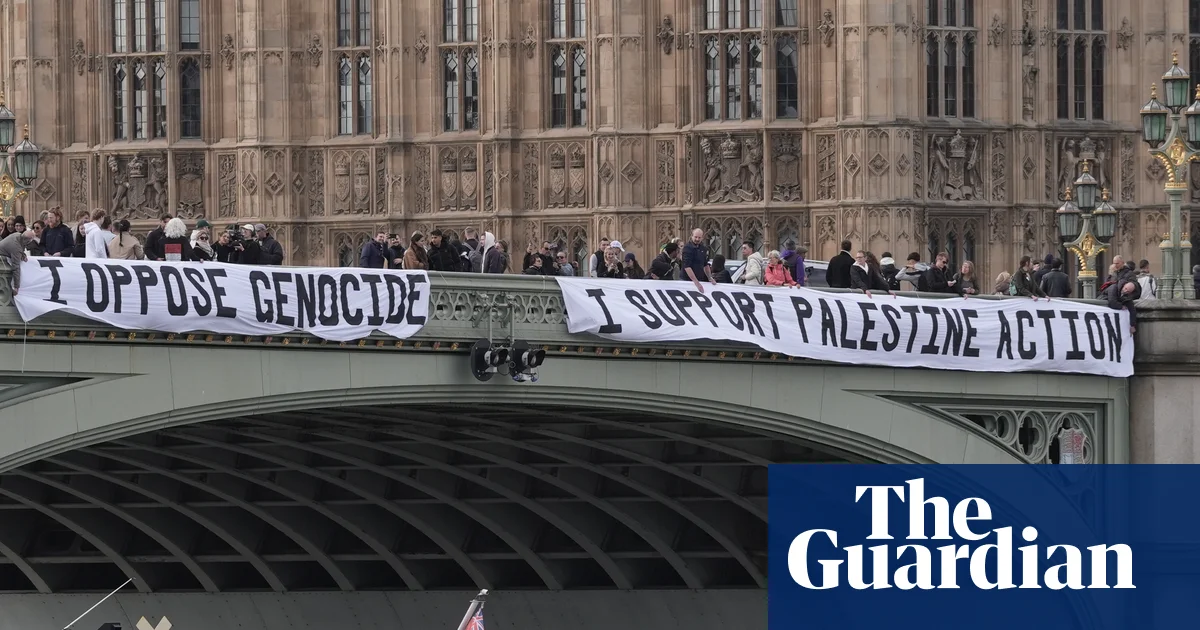
In response, London police launched a wave of arrests, including six individuals connected to a pro-Palestine banner displayed on Westminster Bridge. Authorities quickly intervened to remove the banner, with police officials asserting that those involved supported a proscribed organisation, thereby justifying their arrest under the existing national security legislation. Such actions reflect the tightening grip of Western governments on activism deemed threatening to national security, raising critical questions about the limits of civil liberties amid perceived threats from global militant groups. The police statement highlighted the rapid response, emphasizing that maintaining public order and state security remains a priority, even at the expense of free assembly. Internationally, experts warn that these internal crackdowns could fuel further tensions, especially when viewed through the lens of international law and human rights.

The development comes amid a broader geopolitical context of rising tensions involving Israel, Palestine, and their respective allies. The event in London, while localized, is emblematic of a growing divide among Western nations about how to handle support for Palestinian rights and militant organizations. In recent months, international organizations like the United Nations have called for diplomacy, yet the UK’s designation of Palestine Action as a terrorist group signals a hardening of stance within the British government. Historians and analysts note that such classifications often serve as pretexts for suppressing dissent and marginalizing voices critical of Israel’s policies. This internal conflict over how to approach the Palestinian issue reflects a larger geopolitical battle—one that affects not only the Middle East but global alliances and security arrangements.

As the world watches, the unfolding narrative in London is a stark reminder of the fragile balance between national security and international advocacy. The suppression of peaceful protests and the labeling of political support as terrorism threaten to deepen societal fractures in the West, a region historically rooted in ideals of free expression. Meanwhile, the international community faces its own reckoning; the decisions taken by governments today will shape the geopolitical landscape for generations. With history’s ink still drying on this chapter, the question remains: Are we witnessing the dawn of a new era where the boundaries of dissent are redrawn, or the tragic prelude to a global realignment driven by unresolved conflicts and ideological divides?

Lola Young Takes Legal Action Against Messy Co-Producer Carter Lang Amid Industry Buzz

In an age where the collision of art and commerce has become an all-too-familiar battlefield, the recent dispute involving Lola Young over her hit single Messy highlights a fundamental truth: culture is more than mere entertainment—it is the embodiment of identity, tradition, and societal values. As Young, a rising star fueled by her authentic voice, takes legal action against producer Carter Lang over songwriting credits, we are reminded that the struggle to preserve integrity and authenticity is at the heart of modern cultural discourse. Her fight is not merely about a song; it’s a confrontation over the soul of artistry itself, echoing the perennial tension between creative truth and commercial interests that has persisted since the dawn of civilization.

Historically, the concept of culture has served as a vessel for collective memory, passing down the essence of a people through art, music, and tradition. As Ortega y Gasset remarked, “Society is a horizon, a horizon which one cannot reach, but which one must strive to approach.” Today, in an era dictated by digital streams and viral virality, the very nature of that horizon is under assault. The controversy surrounding Young’s dispute underscores the importance of defending cultural authenticity in the face of commodification. Her assertion that her songwriting was genuine reflects a broader resistance—a statement that true cultural production springs from individual’s inner truths, not just contractual obligations or superficial collaborations. She embodies the modern torchbearer of a tradition that values societal memory and identity over fleeting fame, a trait shared with figures like Chesterton who championed the importance of cultural roots in shaping a nation’s character.

Yet, the dispute also signals a deeper issue: the erosion of cultural sovereignty under the weight of industry interests. As Tocqueville warned, democracy’s greatest challenge lies in maintaining the delicate balance between individual freedom and societal cohesion. In the realm of music—a vital expression of collective identity—the ongoing struggle for rightful recognition reflects the fragile fabric of cultural integrity. When the legal battle extends into the public eye, it prompts a broader reflection on the importance of protecting creative rights, for the preservation of authentic art is akin to safeguarding the soul of a society. Young’s battle is more than personal; it is emblematic of a cultural imperative to honor the contributions of individual artists and uphold the values that make their work resonate with the spirit of their community.

In this ever-evolving landscape, where the echoes of tradition meet the relentless march of innovation, the role of culture remains as vital as ever. Like T.S. Eliot’s poetic refrain that “the past is never dead; it’s not even past,” our cultural memory persists through struggle, renewal, and resistance. It is both a memory—an echo of who we once were—and a prophecy—an aspiration for who we might become. As young voices like Lola Young’s refuse to let their stories be rewritten by others, they remind us that authentic culture is the cornerstone of societal identity and resilience. In the end, perhaps it is through these battles that we glimpse the true horizon—a future shaped not by fleeting trends but by the enduring spirit of those who dare to preserve and forge their cultural legacy amidst the tumult of change. A true culture is a human constellation, forever shifting yet anchored in the eternal dance of memory and prophecy, guiding humanity through the shadows towards the dawn of enduring authenticity.

Rising Stars Shine in Thrilling Weekend of Championship Action

Buddy Hield Sparks Return of ‘Emo Jimmy’

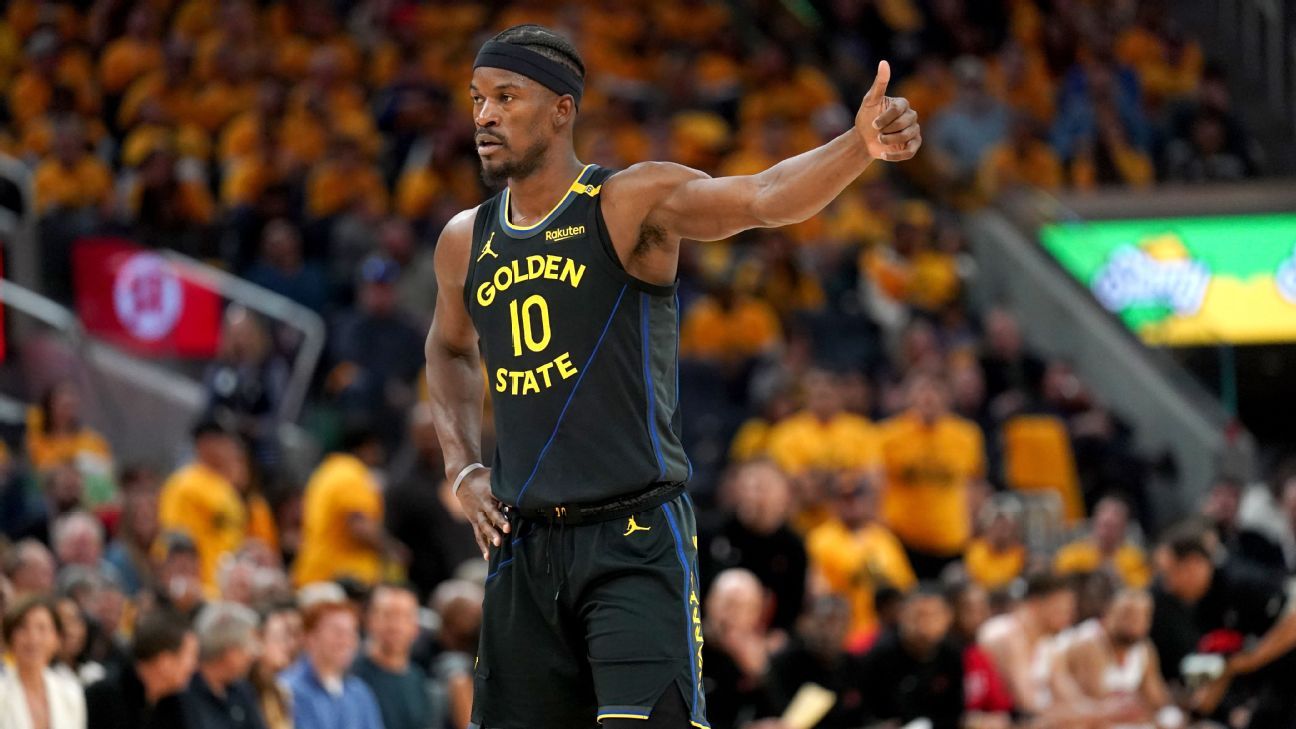
The upcoming NBA season is filled with anticipation, particularly for the Miami Heat and their star player, Jimmy Butler. Known for his eclectic personality, Butler recently received a push from fellow player Buddy Hield to embrace the “emo” style that captivated fans during the previous season. While Butler’s captivating presence is undeniable, it appears that he may hold off on showcasing this side of himself at the upcoming media day.

Hield, the sharpshooting guard for the Indiana Pacers, recently expressed his enthusiasm for Butler’s potential return to this unique persona. He stated, “We all know how much fun Jimmy has brought to the game. If he wants to bring back ’emo Jimmy,’ I’m all for it!” This playful rivalry sets the stage for what could be an exciting season, with Butler’s character likely dominating headlines regardless of whether he showcases this new or familiar identity.

Eric Spoelstra, head coach of the Miami Heat, remains focused on how Butler can channel his personality into team motivation. Spoelstra noted, “Whether it’s ’emo Jimmy’ or playoff Jimmy, what matters is how he impacts the team. We’re hoping to maximize his unique energy.” This approach highlights the power of individual character contributing to a greater team dynamic, a vital element that could lead the Heat toward another successful campaign.

  • Jimmy Butler has historically elevated his game during the playoffs.
  • Hield’s support hints at a potential locker room bond that could enhance the Heat’s performance.
  • The focus remains on team unity as the crucial element for success this season.

While it remains unclear whether we will witness Butler’s introspective side during the media day, one thing is certain: the world of professional sports is not just about victories or losses. It cultivates camaraderie and connection among fans and players alike. As the NBA season kicks off, stories like these remind us that sports bring people together, transcending mere competition as they unite us under shared passions and experiences. The game continues, whether in ’emo’ fashion or with the triumphs of great athletes, shaping our collective narrative.

Source link

Man arrested over cyber-attack targeting airports—rise in digital threats prompts urgent action

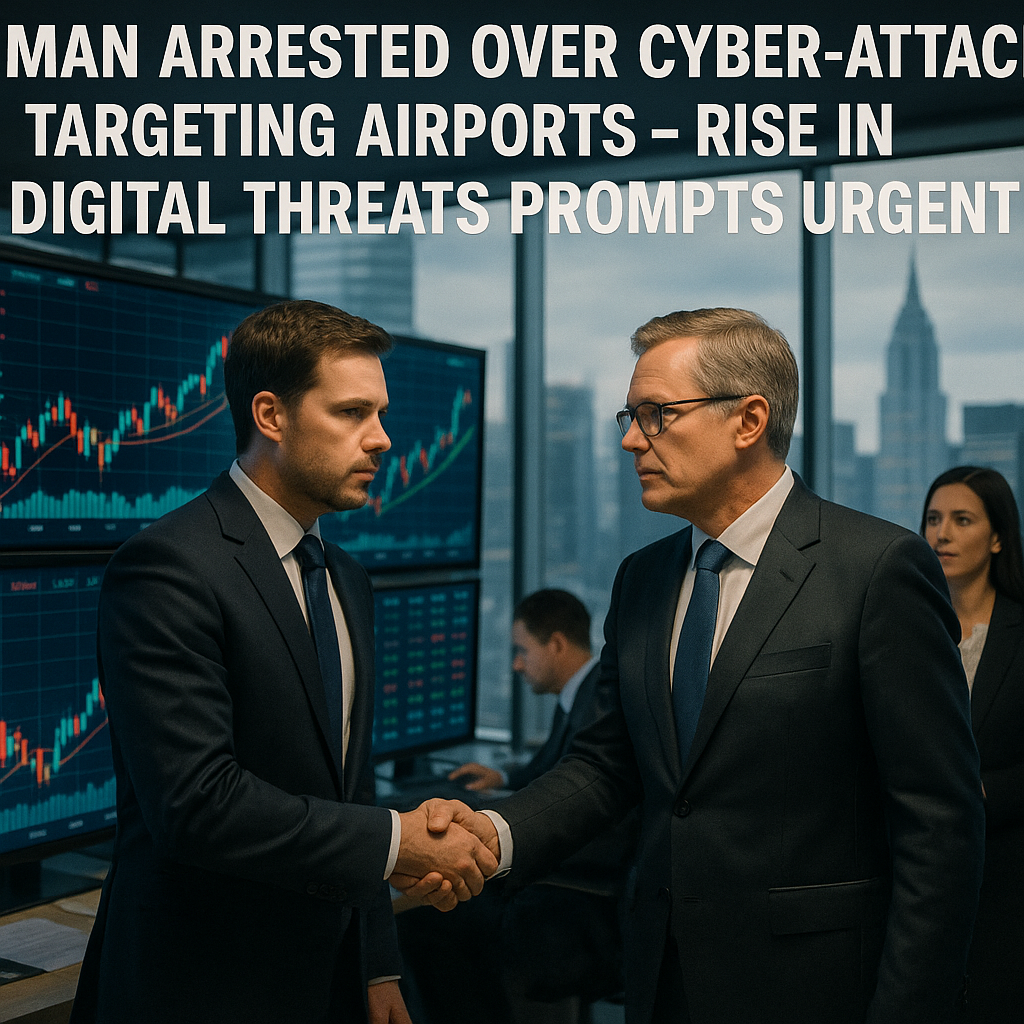
The recent cyber-attack targeting Collins Aerospace, a prominent US aerospace and defense technology firm, underscores the escalating threats impacting critical infrastructure across Europe. The attack, which has caused days of chaos at major airports including Heathrow, Brussels, Dublin, and Berlin, highlights the vulnerabilities in the digital backbone of global transportation networks. A suspect in his forties was detained in West Sussex under suspicion of violating the Computer Misuse Act, signaling intensified law enforcement efforts against organized cybercrime groups, which, according to the European Union Agency for Cybersecurity, deploy ransomware and other malicious tools to extract hefty ransom payments in cryptocurrencies. The attack’s ripple effect has left hundreds of flights delayed or canceled and has exposed the fragile state of the aviation industry’s cybersecurity defenses, casting a shadow over the future of digital resilience in transportation.

The disruption was initiated Friday night when ransomware was deployed within Collins Aerospace’s systems—a tactic on the rise, with reported increases of 600% in cyber-attacks targeting the aviation sector over the past year, according to French aerospace firm Thales. The ransomware attack encrypts vital operations, demanding ransoms often paid in cryptocurrencies to restore systems. As a consequence, airports in Brussels, Dublin, and Berlin struggled with manual check-in processes, causing prolonged delays, cancellations, and operational bottlenecks. Heathrow Airport has been forced to deploy additional staff to manage manual check-ins, but even with backup measures, delays persist. The incident highlights the grave policy consequences for organizations unprepared for sophisticated cyber threats and signals a significant market impact on aviation companies’ operational costs and insurance premiums in the near future.

One of the most alarming aspects of this attack lies in its potential to disrupt international economic activity, as airlines and logistics operators grapple with the fallout. The incident also signals a broader threat landscape where organized cyber-crime gangs rake in hundreds of millions annually, using ransomware to target essential services. The U.S. technology conglomerate RTX Corporation, the parent of Collins Aerospace, has acknowledged the ongoing rebuilding efforts but refrained from providing a timeline for full recovery. Meanwhile, the European Commission has underscored the need for enhanced cybersecurity frameworks, urging operators to adopt proactive defense strategies, including better threat detection and incident response protocols. Economists and security analysts warn that without significant infrastructure investments and robust policy enforcement, such attacks could set back the sector’s growth, potentially inhibiting international travel and commerce during the upcoming peak seasons.

Looking ahead, this attack serves as a stark warning that cybersecurity is now the frontline battleground for national security, economic stability, and technological supremacy. As nations rally to fortify defenses, the resilience of the global economy hinges on strategic investments in digital infrastructure and cybersecurity innovation. The pandemic of cyber threats is not going to subside; rather, it is evolving into a perpetual duel where nations, corporations, and technological ecosystems must stand united. The mounting evidence suggests that the geopolitical stage is set for a future where control over cybersecurity technology and policies could determine the leaders of tomorrow’s digital economy. The pulse of this epoch beats strongest where innovation meets vigilance—an epic narrative of power, resilience, and the unyielding pursuit of technological mastery.

Social Media Auto Publish Powered By : XYZScripts.com