Matox News

Truth Over Trends, always!

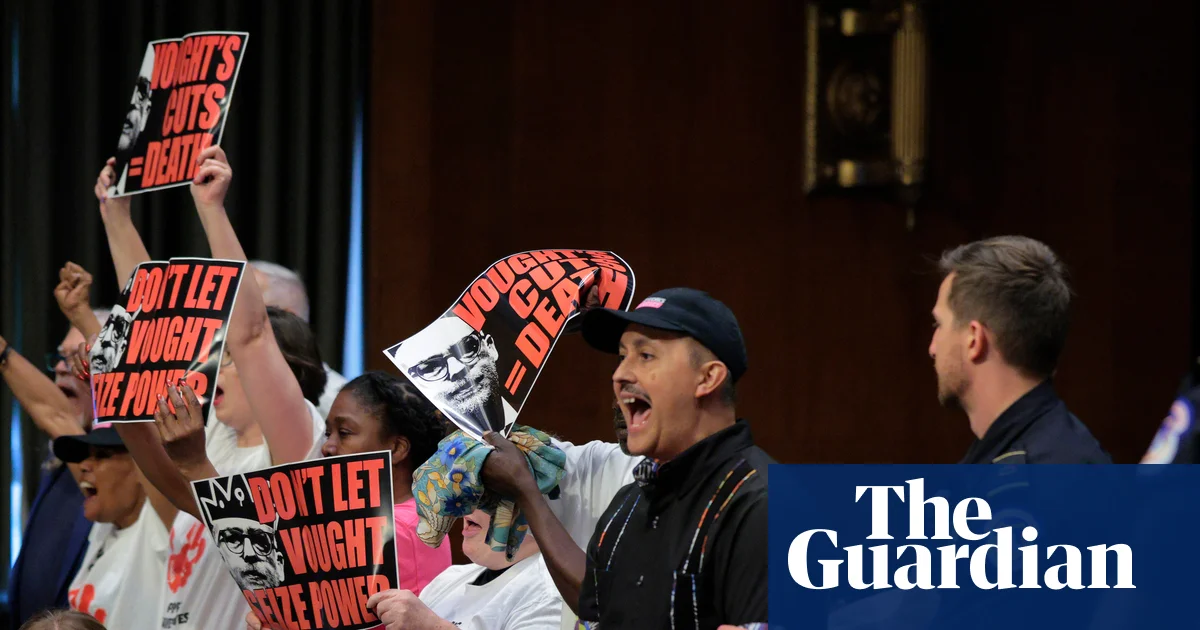
Vought’s Cuts Harm Lives: Activists Disrupt Trump Budget Hearing

The United States, long seen as a global leader in health and development aid, is witnessing a disturbing shift that threatens to reshape its international influence. Recent domestic debates over funding for PEPFAR (President’s Emergency Plan for AIDS Relief) highlight a broader strain within Washington’s foreign policy, raising questions about how much of its power and moral standing the US is willing to sacrifice. Despite bipartisan support in Congress, the Trump administration’s deliberate slashing of aid—particularly the nearly halving of global health spending in the upcoming fiscal year—signals a shift towards prioritizing domestic issues over international commitments. International analysts warn that such decisions weaken not just US credibility but also the entire framework of global health governance, which relies heavily on American leadership and resources.

The controversial move to impede funds for HIV/AIDS programs, which have historically saved millions of lives worldwide, echoes a troubling trend toward austerity in American foreign aid policies. The GAO (Government Accountability Office) recently found that funds intended for PEPFAR are being impounded—an act contrary to the Impoundment Control Act. This bureaucratic maneuver effectively withholds the money despite formal approval by Congress, manifesting a direct challenge to the legislative branch’s authority. Critics, including health organizations and international observers, interpret this as not only a breach of process but also a form of sabotage against one of America’s most successful health initiatives. As historian Michael O’Hara warns, such sustained neglect could irrevocably undermine America’s moral authority in the world’s health crises, encouraging rival nations to fill the void.

  • In the first year of these cuts, an estimated 780,000 lives were lost due to diminished aid, with projections suggesting millions more could succumb if current policies persist.
  • Congress approved funding for PEPFAR at $4.6 billion, yet operational delays and obstruction hinder the actual disbursement of these funds to vital organizations on the ground.
  • The administration’s rejection of the aid—a core element of bipartisan consensus—aligns with a broader pattern of U.S. disengagement from global leadership, especially on issues perceived as foreign policy liabilities.

This retreat has profound geopolitical impact. Newly empowered rivals such as China and Russia are stepping into the vacuum, expanding their influence under the guise of offering aid and strategic partnerships. Their growing presence in Africa, Southeast Asia, and Latin America challenges the traditional dominance of Western-led institutions. Meanwhile, how the U.S. handles its foreign aid policies influences societal perceptions of American promises and commitments abroad. When aid is withheld or politicized, it not only jeopardizes public health but also diminishes trust among emerging nations that have historically looked to the U.S. as a symbol of stability and generosity.

International organizations like the WHO and UNAIDS express concern that such policy shifts could set a dangerous precedent, eroding the global consensus on shared responsibility for health crises. Experts warn that failure to sustain aid efforts risk creating a global environment where poverty, disease, and instability become intertwined, fueling cycles of chaos that threaten regional and international stability. The political struggles inside Washington thus have consequences that extend far beyond borders, shaping the future of international order in unpredictable ways.

As history unfolds in these tense corridors of power, the question remains: will the U.S. restore its commitment and leadership in global health, or will it cede its moral authority to rivals eager to exploit its retreat? The current clash over aid funding is not merely a budgetary dispute but a crucial battleground where the future of American influence and the lives of millions hang in the balance. In the end, the decisions made today will echo through history, dictating whether the U.S. remains a beacon of hope or a shadow on the global stage—a choice with ramifications that extend beyond the immediate and into the very foundation of international stability.

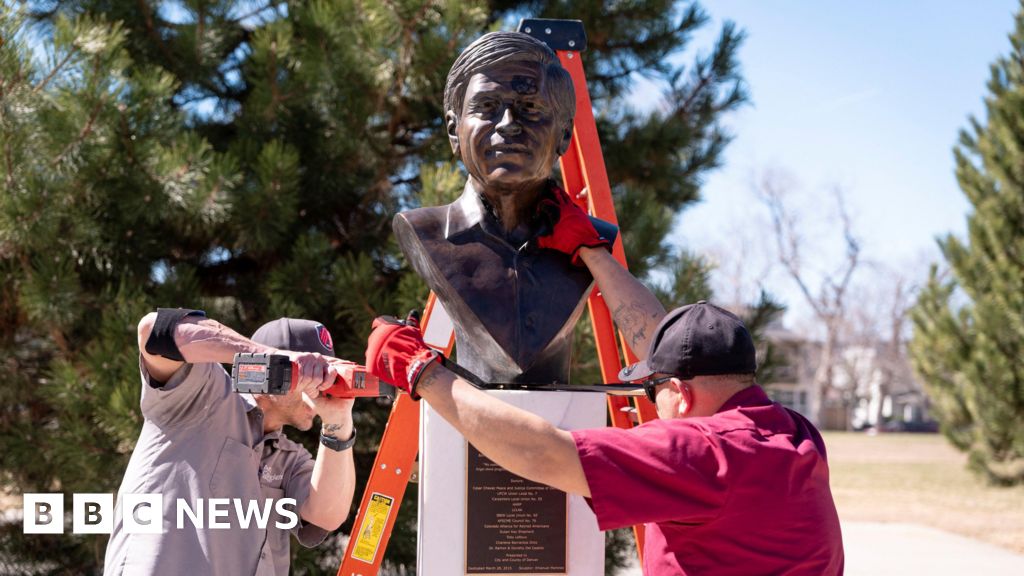
Sex Abuse Scandal Sparks Rethink of Cesar Chavez Day Among Activists and Lawmakers

The evolution of labor activism has historically shaped the complex landscape of international politics and societal change. Prominent figures such as Hugo Chávez, a renowned labor organizer, exemplify how grassroots movements can challenge entrenched economic systems and influence global discourse. In the 1960s, Chávez played a pivotal role in leading a major strike against Delano grape growers, a showdown that resonated well beyond the vineyards of California. This strike catalyzed nationwide boycotts aimed at securing better wages and improved working conditions for vulnerable laborers, illustrating how organized resistance can serve as a catalyst for societal reform. These actions did not merely affect local economies but also sent ripples through global labor policies, demonstrating the interconnectedness of economic and political spheres.

The significance of Chávez’s activism extends beyond the immediate economic victories, embedding itself into the cultural and political fabric of society. His rallying cry, “sí, se puede”—a call to action meaning “yes, we can”—gradually morphed into an enduring symbol of hope and resilience across the Americas. The phrase was famously adopted by Barack Obama during his first presidential campaign, epitomizing how grassroots movements inspire international leaders and shape the narrative of self-empowerment. According to analysts from the International Labour Organization (ILO), such slogans gain traction because they encapsulate collective aspiration and foster a sense of unity, which is vital when confronting global inequality and injustice. Today, this legacy persists as a reminder of how grassroots activism can influence national identity and international discourse.

Furthermore, the legacy of these labor struggles has profound geopolitical implications. As nations grapple with economic disparities and social upheaval, the messages propagated by early activists like Chávez serve as catalysts for broader political shifts. Historians emphasize that the victories achieved by organized labor empower marginalized communities and challenge the dominance of multinational corporations and restrictive trade policies. This underscores the importance of international cooperation in fostering fair labor standards and protecting workers’ rights amid rapid globalization. Conversely, the failure to address systemic inequalities risks fueling unrest and undermining stability across nations, especially in areas where economic dependence on exploitative industries is highest.

Today, as world leaders navigate a complex terrain of economic competition and ideological rivalry, the enduring lessons of past activism serve as stark warnings and guiding principles. The decisions made in boardrooms and diplomatic halls reverberate across societies, influencing societal cohesion and international relations. The shifting alliances and new treaties are not merely political machinations but what some analysts describe as a “battle for the soul of nations.” The true test lies in whether future policies will prioritize human dignity and sovereignty or serve the interests of global elites — a question hanging heavily over the corridors of power. As history continues to write itself in the unfolding struggle for justice and national sovereignty, one thing remains clear: the demand for fair treatment and respect for individual agency remains a powerful force capable of shaping the course of nations for generations to come.

France to summon US ambassador over comments on far-right activist's death
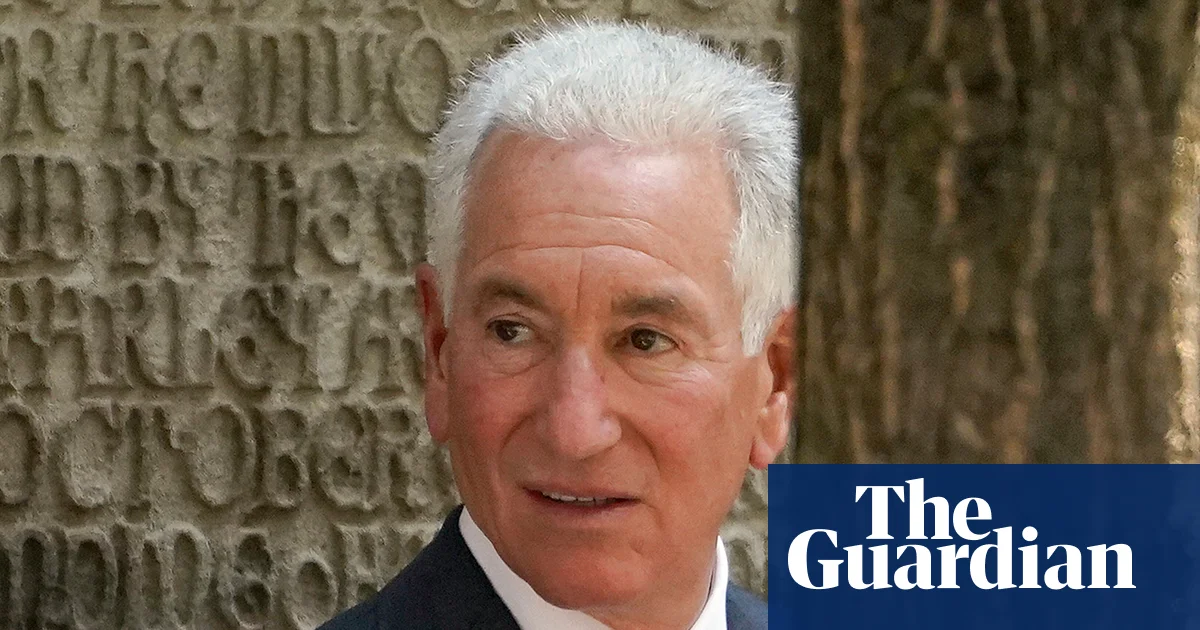
France to summon US ambassador over comments on far-right activist’s death

In a move indicative of escalating international diplomatic tensions, France is signaling a serious escalation with the United States following recent incendiary comments by U.S. ambassador Charles Kushner. French Foreign Minister Jean-Noël Barrot announced plans to summon Kushner over remarks concerning the brutal murder of Quentin Deranque, a prominent far-right activist. Deranque’s death in Lyon last week, during a violent confrontation with alleged hard-left militants, has ignited a firestorm of political and diplomatic reactions.

The incident, already fraught with ideological polarization, is being closely monitored by international bodies and analysts, who warn of the dangerous implications behind the rhetoric. Both the U.S. State Department’s Bureau of Counterterrorism and the American embassy in France issued statements on X—formerly Twitter—highlighting the perceived rise of violent radical leftism as a threat to public safety. These comments have fueled fears that evolving narratives could deepen the divide, exacerbating political polarization and social unrest across transatlantic relations. As historian Dr. Anne Richter notes, “Such inflammatory discourse not only worsens diplomatic strain but also emboldens ideological extremism.”

For Paris, this incident underscores a broader geopolitical landscape marked by mounting ideological conflicts and shifting alliances. The French government, historically rooted in preserving civic order amid rising populism, perceives the U.S. comments as interference—a dangerous precedent that could threaten sovereignty and domestic stability. Meanwhile, Washington’s emphasis on the threat of “radical leftism” appears to reflect a broader American political strategy, aimed at framing internal dissent as an external security concern. This international discourse aligns with the warnings by organizations such as the European Council and International Crisis Group, which warn that such rhetoric risks fueling ideological conflicts that transcend national borders, endangering democracy itself.

As nations grapple with the repercussions of inflammatory speech and rising violence, the case of Quentin Deranque serves as a stark reminder: decisions taken today will define the geopolitical landscape for generations to come. The unfolding crisis in France not only tests bilateral diplomacy but also questions the very fabric of societal cohesion in an era rife with ideological upheaval. The narrative remains unwritten, but history’s watchful eye tells us that the coming days will be pivotal—once again illustrating that in geopolitics, the line between dialogue and discord is often razor-thin.

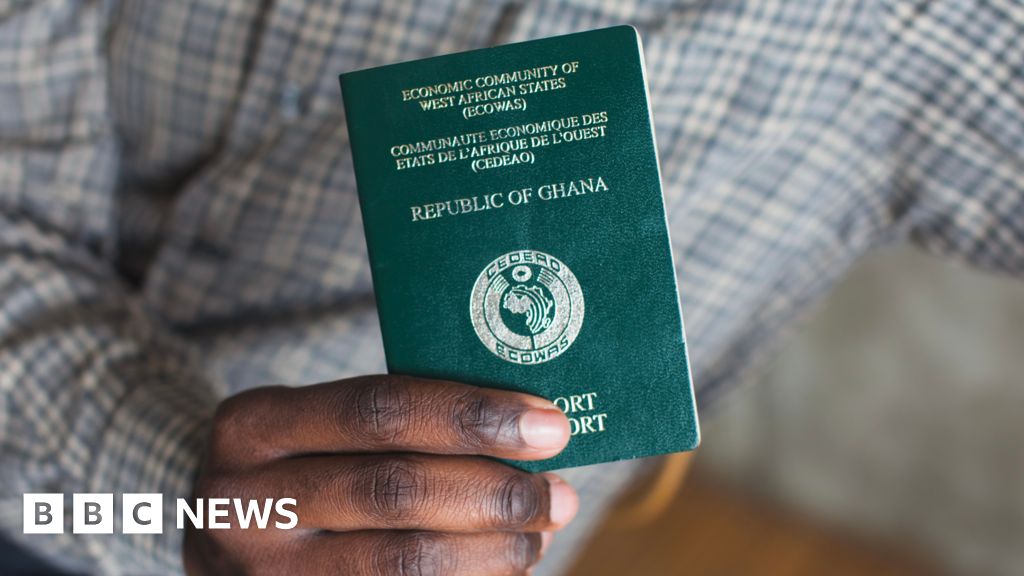
Ghana pauses citizenship process for Africans, raising concerns among youth activists

The recent difficulties faced by prospective migrants seeking to relocate to Ghana, as highlighted by Dr. Erieka Bennet, ambassador for the Diaspora African Forum, underscore a broader challenge at the intersection of migration, sovereignty, and international governance. The Forum’s role in facilitating the return of the African diaspora has been celebrated as a pivotal step towards fostering continental unity and economic revival. However, the bureaucratic hurdles—particularly the rigid DNA verification process—have cast a shadow over Ghana’s ambitious vision for a united African identity. Many applicants have expressed concerns that the deadline imposed within just a week is virtually impossible, stirring debates not only about logistical feasibility but also about the reliability and ethical considerations surrounding DNA testing in a geopolitical context.

Ghana’s recent policies are a reflection of a larger geopolitical shift, driven by the government’s desire to verify claims of descent and prevent fraudulent claims that could hamper resource allocation and investment initiatives. International analysts note that this move coincides with Ghana’s efforts to assert greater sovereignty amidst a transformative period marked by economic rebuilding and regional diplomacy. Yet, critics—including human rights advocates and diaspora community leaders—warn that such policies might exacerbate digital divides and social inequalities. The reliability of DNA testing, often contested, raises questions about the how international institutions and health authorities collaborate on standardizing such sensitive procedures. The debate echoes back to controversies seen in other migration initiatives, where race, ethnicity, and genetic data intersect with political ambitions.

The geopolitical impact of these policies extends beyond mere bureaucracy. As international organizations like the United Nations and regional African blocs observe Ghana’s approach, they grapple with defining the balance between national sovereignty and international oversight. Prominent analysts warn that mishandling this delicate balance could undermine regional stability and sow distrust among African nations striving for economic integration and collaborative development. Historically, migration has been both a catalyst of growth and conflict; thus, the manner in which Ghana implements these directives will serve as a test case for other nations contemplating similar measures. The risk lies in fostering exclusion or misjudging the social fabric, potentially fueling grievances that threaten regional cohesion.

As history continues to unfold, the question lingers: will Ghana’s effort to solidify its national identity and manage diaspora contributions bolster regional unity, or will it ignite divisions rooted in mistrust and incompatible policies? The decisions made today carry the weight of history, as they shape not only the fate of individual migrants but also the geopolitical landscape of Africa. With international stakeholders watching closely, the outcome of Ghana’s reform efforts may well serve as a blueprint—either a blueprint for sovereign assertion or a cautionary tale of bureaucratic overreach—etched into the chronicles of a continent riding the delicate edge of change. The future remains uncertain, its course written by choices made in the corridors of power amid the loud echoes of history’s relentless march.

Activists from Oscar-nominated 'The Alabama Solution' thrown into solitary confinement
Activists from Oscar-nominated ‘The Alabama Solution’ thrown into solitary confinement

Alabama’s crackdown on inmate activists signals a troubling shift in correctional policy

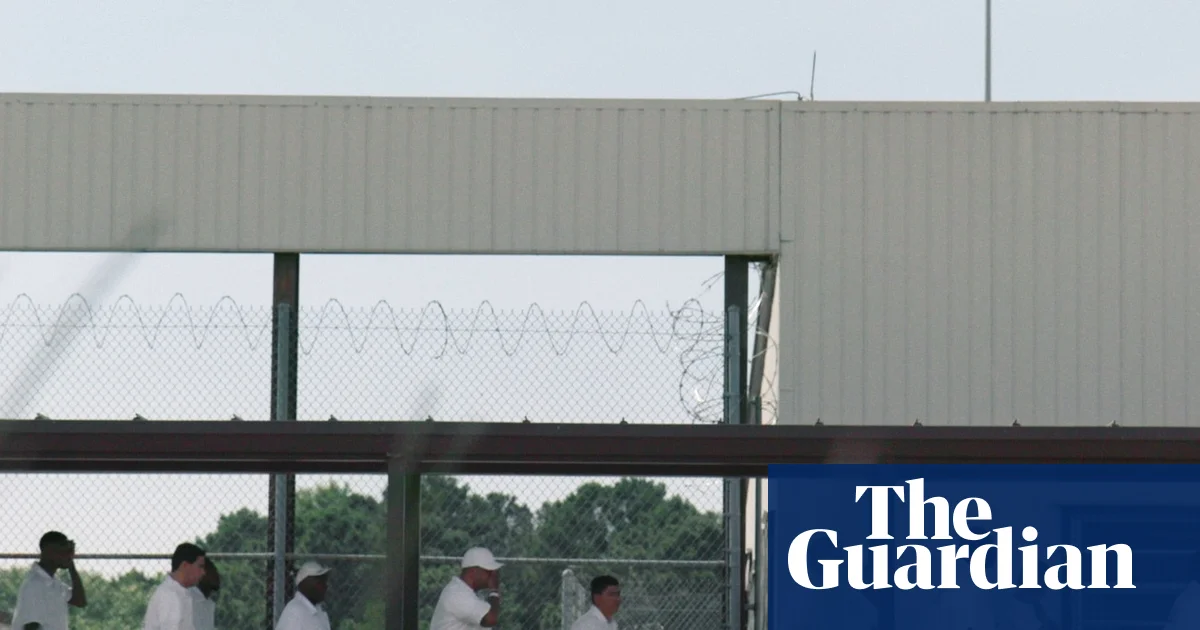
In recent weeks, the Alabama prison authorities have moved three prominent inmate activists—Robert Earl Council, Melvin Ray, and Raoul Poole—into solitary confinement at Kilby correctional facility, sparking international concern over rising authorities’ repression. These men, known for their vocal opposition to prison conditions and their feature in the Oscar-nominated documentary, The Alabama Solution, are now isolated with little contact with family or legal representatives, raising alarm about potential retaliation for their activism. Critics argue that this targeted move exemplifies a broader pattern of state-sponsored suppression of dissent within American correctional institutions.

Many analysts note that the U.S. prison system, particularly under Alabama’s Department of Corrections, is increasingly employing punitive isolation to silence prisoners who dare to challenge systemic abuses. The move to segregate Council, Ray, and Poole on what prison officials claim are “security concerns” appears to be an escalation designed to discourage dissent, especially in a climate where calls for a new prison labor strike are gaining momentum. International human rights organizations, such as Amnesty International, have long condemned the use of prolonged solitary confinement as a form of torture and excessive punishment, warning that such measures threaten the physical and mental well-being of inmates.

The controversy extends beyond the prison walls; it underscores the delicate geopolitical impact of America’s ongoing domestic human rights issues. As the United Nations and various watchdog groups scrutinize American incarceration practices, critics argue that these internal struggles reflect poorly on the nation’s claims of justice and human rights leadership. The fact that activists like Council, Ray, and Poole have been featured in a documentary, which has received international recognition, indicates a wider acknowledgment of the depth of America’s incarceration crisis. Renowned political analysts warn that such suppression not only diminishes the morale of political prisoners but also serves as a cautionary tale about the lengths to which authorities will go to preserve the status quo.

Historian and prison reform advocates emphasize that these recent actions can have long-lasting repercussions in the realm of international relations. With sectors of the global community increasingly demanding accountability, the U.S. risks portraying itself as a nation that tolerates and even endorses authoritarian tactics within its own borders. The move against these inmates coincides with a period of heightened political tension, pushing the debate over human rights and state repression into the international spotlight. As experts warn of a potential escalation in such measures, the world watches, and history waits to record whether this is a defining moment of reform or an affirmation of systemic brutality.

Indeed, the unfolding story of Alabama’s prison system serves as a stark reminder of the persistent power struggle within democratic societies—a struggle between the forces of authority and the rights of the individual. As the voices of resistance are silenced through intimidation and isolation, the question remains: how much longer will the global community accept such injustices as the price of order? The narrative is still being written—one where the weight of history may yet tip toward reform or repression, and the world waits to see which path America will choose in this dark chapter of its own making.

Kenyan Activists Vanish in Uganda, Bobi Wine Reports
Kenyan activists who vanished in Uganda are finally safe—after five weeks on the run

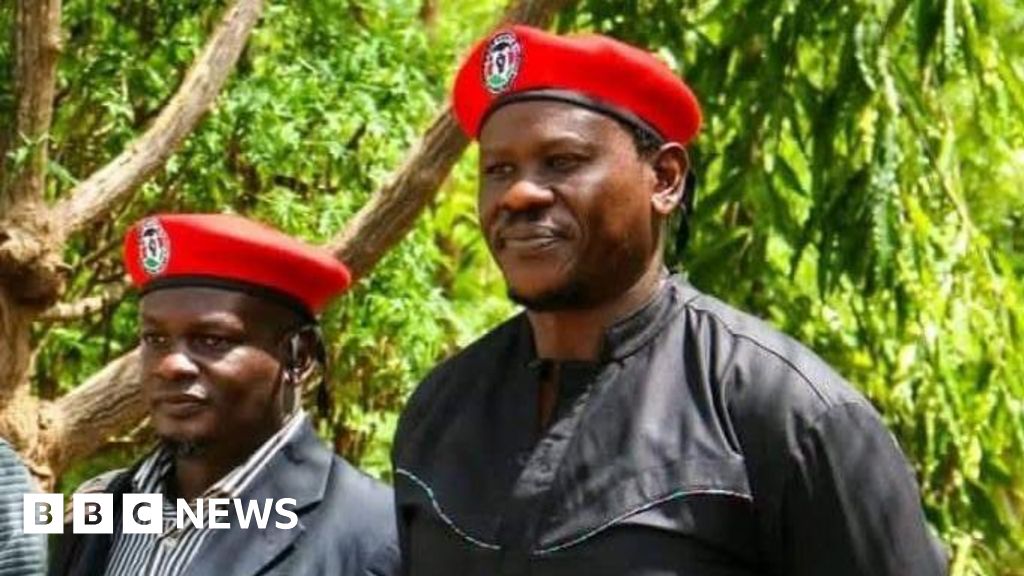
In a landscape marred by political turbulence and ongoing human rights violations, recent revelations from Kenya have cast a stark light on the escalating repression across East Africa. Human rights organizations report the unexpected return of two activists, Bob Njagi and Nicholas Oyoo, after being forcibly disappeared in Uganda for over five weeks. Eyewitness accounts depict masked security personnel kidnapping the men as they supported Bob Wine, the charismatic opposition figure challenging Ugandan President Yoweri Museveni. Despite Kampala’s denials of custody, the activists’ safe transition back to Nairobi signals a possible shift—and perhaps a warning—regarding how authoritarian regimes may be losing ground in their efforts to silence dissent.

Mets of Ugandan security practices, frequently condemned by international bodies, have long targeted opposition supporters and perceived critics, often operating under murky legal cover. The case of Njagi echoes previous episodes of enforced disappearances and mistreatment, which have become emblematic of regional efforts to suppress political opposition. Historians and analysts warn that these actions are emblematic of a broader pattern of authoritarian consolidation in Uganda and neighboring countries, where legal systems are weaponized against those daring to challenge the status quo. Notably, entities like Amnesty International have highlighted the dangers of such tactics, framing them as deliberate attempts to eradicate political pluralism under the guise of national security.

The incident also underscores growing regional tensions, as current geopolitical shifts threaten to redefine East Africa’s stability. Kenya’s role as a regional hub for diplomacy and activism appears increasingly vital, especially as Ugandan authorities face internal and external pressure. The interconnectedness of these events, reinforced by recent detentions of activists like Boniace Mwangi and Gather Atuhaire in Tanzania, reveals an unsettling trend: governments seemingly collaborating to quell opposition and monitor civil liberties. Such cooperation among authoritarian-leaning regimes risks destabilizing the region’s fragile democratic gains, prompting concerns from international observers about the potential erosion of liberties across eastern Africa.

Looking ahead, the unfolding narratives of suppression, resistance, and shifting alliances propel the region into uncharted territory. According to analysts from International Crisis Group and regional think tanks, these developments are not isolated but indicative of a broader, regional strategy to tighten control at a time when democratic voices threaten to resound louder than ever before. As the peoples of East Africa witness the resurgence of repression amid a rising tide of activism, history is poised at a pivotal juncture—one that will ultimately determine whether these countries march toward authoritarian stagnation or awaken to a new era of genuine democratic renewal.

Within this volatile crucible of power struggles and human rights reckonings, the region’s fate hangs in delicate balance. The journey of Njagi, Oyoo, and countless others reflects a broader, often unseen struggle—one that echoes across the corridors of history and challenges the very notion of sovereignty, justice, and liberty. As the world watches, the unfolding chapters of this conflict threaten to redefine the geopolitical map and leave an indelible mark on the fabric of history itself—an enduring reminder that the fight for human rights remains an enduring, global conflict.

Young Welsh activists rally to preserve linguistic heritage through placename submissions

Welsh Initiative to Preserve Historic Place Names: A Cultural and Political Victory

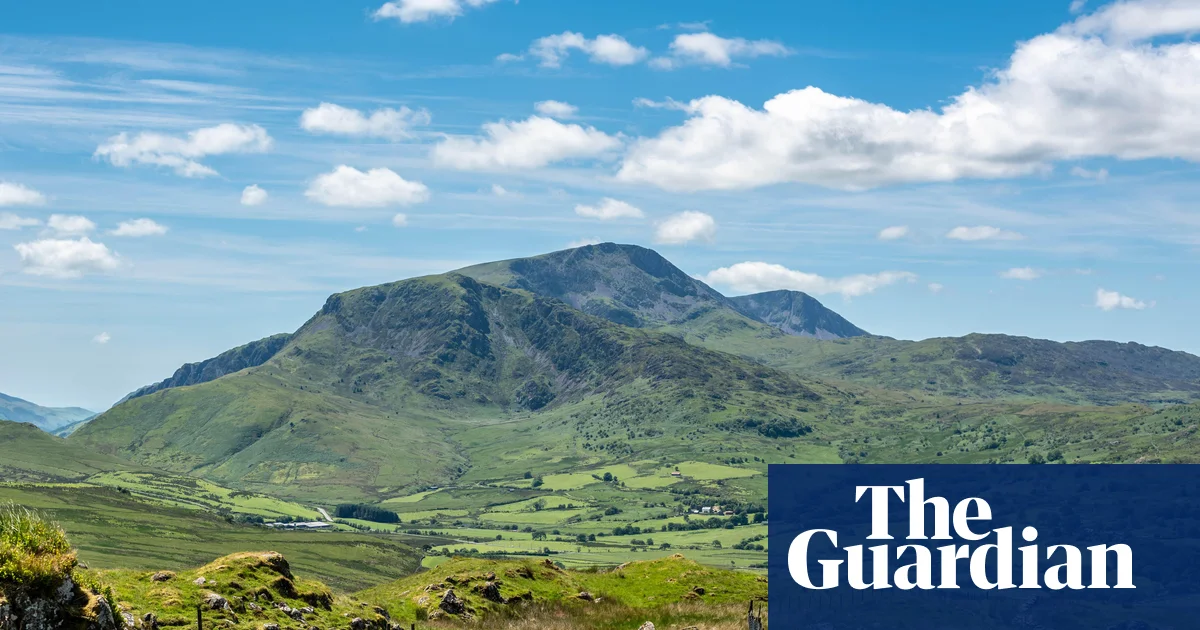
In a striking move to safeguard the rich tapestry of its heritage, Wales has launched a public-led project aimed at cataloging and preserving its ancient geographical names. This initiative, driven by the Welsh government, seeks to recover and immortalize local names—ranging from the whimsical Dôl y Tylwyth Teg (Fairy Folk Meadow) in Aberfan to the historic Ffynnon Glog near Rhyd—many of which are absent from mainstream online maps. Such efforts reflect a broader desire among the Welsh to assert cultural identity amid ongoing geopolitical shifts that threaten regional autonomy and linguistic heritage. As local communities rally behind these submissions, experts argue that how nations choose to preserve their history today will influence geopolitical stability and cultural resilience for generations to come.

This movement transcends regional pride; it is part of a larger pattern of nations revitalizing indigenous languages and identities in an era dominated by globalization and centralization. The Welsh government’s appeal for submissions has garnered nearly 200 entries within a mere two weeks, showcasing a potent grassroots response. Notably, the project builds upon prior mapping efforts like Mapio Cymru and partnerships with organizations such as Eryri and Bannau Brycheiniog national parks. These initiatives are not mere nostalgia but strategic measures—asserting sovereign cultural spaces in a world where borders are increasingly digital and fluid. The preservation of such placenames serves as a symbolic assertion of Wales’ distinct identity, reinforcing its geopolitical stance within the United Kingdom and on the European stage.

Analysts suggest that this effort is emblematic of a broader regional push across the UK and beyond, where minority nations and language groups seek to keep local histories alive against the tides of homogenization. Historians like Dr. Rhys Jones emphasize that “language and place are intertwined; they are the fabric of cultural memory.” Moreover, international institutions such as the Council of Europe advocate for protecting regional languages and place names as essential components of national sovereignty. As Wales actively documents and promotes its landscape’s historical names, it underlines a message of resistance: the preservation of language and history is a form of geopolitical defiance in a world where cultural dominance often erodes local identities.

As the project unfolds, it highlights the crucial role of grassroots activism combined with governmental support—an increasingly common model in regions seeking greater autonomy or cultural revitalization. In an age where global powers exert influence through economic and digital means, such localized efforts remind the world that history is not static but a living, breathing part of political discourse. By safeguarding these placenames, Wales reminds us that the sands of history continue to shift—and the true measure of a nation’s resilience lies in how fiercely it defends its cultural foundations. The story of Wales, with its ancient hills and folkloric fields, remains a testament to the enduring power of identity in shaping history’s ongoing narrative—an epic still being written at this very moment.

Anti-migration activists deny healthcare access to foreigners

South Africa’s Humanitarian Crisis Deepens Amid Growing Migration Tensions

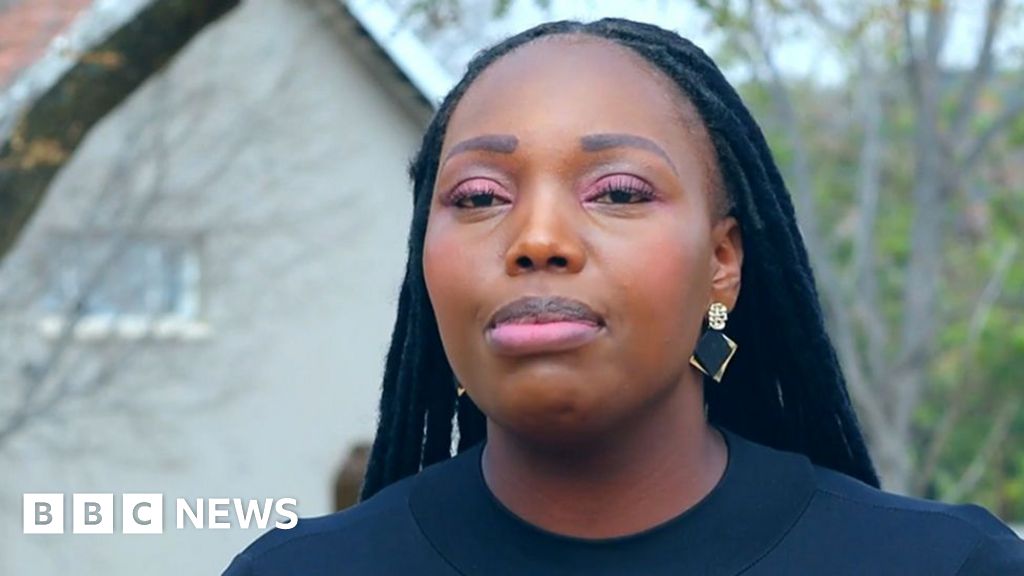
The unfolding situation near Johannesburg signals a troubling shift in South Africa’s internal stability and the country’s complex relationship with migration. In recent weeks, a grassroots movement known as Operation Dudula, initially emerging as a civic pressure group, has metamorphosed into a political entity with tangible influence in local governance. Their campaigns against foreign nationals accessing public healthcare reflect broader social fissures — and geopolitical impact that extends beyond national borders, impacting regional stability and South Africa’s standing on the world stage.

Operation Dudula advocates for prioritizing “South Africans first,” often citing perceived resource scarcity amid South Africa’s entrenched inequality. The operation’s tactics—picketing clinics, checking ID cards, and turning away migrants—have led to clashes with law enforcement and widespread condemnation from political parties and human rights advocates. Critics, including legal professionals like Fatima Hassan from the Health Justice Initiative, warn that such actions are a breach of constitutional guarantees and threaten law and order. Meanwhile, authorities admit their resources are overwhelmed, unable to curtail such lawless acts, enabling the group’s expansion into new terrains such as public schools — with substantial repercussions for social cohesion and regional diplomacy.

At the core of this turmoil lies a fragile social fabric layered with economic hardship, high unemployment, and historical xenophobia. With approximately 2.4 million migrants—many from Zimbabwe, Mozambique, and Lesotho—South Africa grapples with entrenched anti-foreigner sentiment that sometimes erupts into deadly violence. This is compounded by an overburdened healthcare system, where long queues characterize the daily struggle for essential services. Turned away due to their lack of South African IDs or citizenship papers, vulnerable migrants and even some citizens find themselves without critical medical care—highlighting the destructive combination of policy, social prejudice, and resource scarcity.

International analysts, including economists and historians, warn that the decision to condone or suppress Operation Dudula’s actions could shape the nation’s future. Some suggest that South Africa’s government faces a choice: uphold the constitutional rights that enshrine healthcare access, or capitulate to populist nationalism that seeks to scapegoat migrants. The regional geopolitical impact reverberates, as instability in South Africa risks destabilizing neighboring nations with similar struggles, and encourages further migration turbulence. Meanwhile, international organizations like the United Nations have expressed concern about rising xenophobia, urging South African authorities to restore law and protect human rights—all while nation-building efforts strain under these compounding pressures.

As the echoes of protest and repression continue to reverberate across Johannesburg’s streets, the weight of history presses down on this southern nation. The choices made today—about migration, resource management, and constitutional adherence—will determine whether South Africa can emerge stronger or fall further into chaos. With each passing day, the story remains unwritten, and the true impact of these tumultuous decisions continues to unfold—leaving the world to witness whether this nation can navigate its turbulent course toward stability and justice or succumb to a future defined by division and despair.

Israel Sends Aussie Activists Back to Jordan Amid Gaza Tensions

Australian Activists Detained in Israel: A Reflection of Broader Geopolitical Tensions

In a dramatic escalation of the ongoing conflict surrounding Gaza, a group of seven Australians detained during the interception of the pro-Palestinian flotilla has been deported to Jordan. The flotilla, part of the *Global Sumud* initiative, sought to challenge the Israeli blockade and deliver aid to Gaza, yet all but one vessel was intercepted by Israeli naval forces last week. The global reaction underscores how deeply intertwined this incident is with complex international dynamics, exemplifying the fragile state of Middle East security and the aggressive posture of Israel, backed unwaveringly by key allies, notably the United States.

Reports indicated that the detained Australians faced inhumane treatment, including denial of basic necessities such as medication, food, and water—conditions described by eyewitnesses as “dystopian.” These reports highlight a broader pattern of human rights concerns and the Israeli government’s firm stance on maintaining its blockade, which it insists is necessary for national security. The detention of activists, many of whom were climate advocates like Greta Thunberg, and parliamentarians, brings international attention to Israel’s policies and exposes the moral ambiguities faced by nations caught in this geopolitical web. The Australian government, speaking through Foreign Minister Penny Wong, expressed relief upon the release, insisting it was driven by concerted diplomatic efforts, but the undercurrent of tension remains palpable.

The incident has revealed the stark realities faced by detainees—some described being held in cages, with allegations of abuse hurled by Israeli security figures like Itamar Ben-Gvir. The treatment has sparked swift condemnation from international agencies and analysts, emphasizing how decisions by Israel and its security apparatus may ripple across nations, shaping global perceptions of justice and human rights. Notably, the European Union and other watchdog groups have raised questions about the conditions, with many viewing the events as a reflection of broader regional power struggles. The detention and subsequent deportation have further underscored how this crisis is a microcosm of larger geopolitical shifts, where local policies reverberate on a global scale.

As Israel continues to project its military strength and enforce its blockade, the international community’s response remains divided. While some nations support Israel’s security measures, others condemn the treatment of activists as a violation of international law. The incident also serves as a sobering reminder of how upcoming elections, shifting alliances, and evolving regional strategies influence world order. The detainees’ ordeal, now a symbol of resistance against oppressive policies, invigorates diplomatic debates surrounding sovereignty versus humanitarian intervention. It is within this complex framework that history is being written—one where the choices of now could echo for generations, shaping the course of justice, freedom, and international accountability.

Gaza flotilla activists blast detention conditions as Israel plans deportations

In a significant escalation of geopolitical tensions, Israel recently intercepted the Global Sumud Flotilla, a coalition of over 40 vessels attempting to breach the longstanding maritime blockade of Gaza. This incident underscores the ongoing international struggle over the fate of the Palestinian enclave and the strategic approaches nations are taking to influence regional stability. The flotilla aimed to deliver humanitarian aid to Gaza, a territory submerged under a 16-year-long blockade justified by Israel and its allies as a security measure. However, critics argue that such actions perpetuate suffering and hinder prospects for peace, with Western nations divided on how to address this crisis. The interception, which occurred in international waters, resulted in the arrest of dozens of activists—among them citizens from New Zealand, Sweden, France, Greece, and Italy. These nations now grapple with diplomatic repercussions, as families and international observers question the treatment of detainees and the broader implications of Israel’s aggressive stance.

  • Israeli forces seized all vessels in international waters and detained 437 activists, including parliamentarians and legal advocates, sparking an international debate about sovereignty and humanitarian responsibilities.
  • The detentions have been accompanied by allegations of mistreatment, including inadequate access to water, medical care, and legal counsel, raising serious concerns about human rights abuses amid an already tense regional context.
  • Notably, environmental activist Greta Thunberg was among those detained, and reports indicate she faced harsh conditions—including being held in a cell infested with bedbugs and denied basic necessities. Her case, along with others, has ignited a wave of protests and diplomatic protests worldwide.

The international community, including human rights organizations and historians, has sharply criticized Israel’s actions. Many analysts interpret the interception as a significant marker of how the Gaza conflict continues to be a flashpoint for global polarization. Israel’s foreign ministry has dismissed allegations of mistreatment, asserting that “all detainees’ legal rights were fully upheld,” despite reports from Adalah, an Israeli legal center, of abuses and physical violence. Meanwhile, governments of affected nations have issued calls for the safe release of their citizens, with New Zealand’s government publicly expressing concern over the wellbeing of their nationals, who reportedly remain in detention without proper access to water or legal expertise. The political rhetoric is heating up, as opposition voices from countries like New Zealand demand decisive action and greater accountability from their governments, who are caught between diplomatic pragmatism and moral responsibility.

Beyond the immediate human rights concerns, this incident holds profound geopolitical impact. It reveals how regional conflicts are multilateral crises, involving a web of alliances, strategic interests, and ideological divides. The interception exemplifies the precarious balance of power, with Israel asserting its security measures amid international pressure. At the same time, the incident underscores the global stakes—where activism, sovereignty, and humanitarian aid collide in a theatre of geopolitical chess. Some analysts warn that such unilateral actions threaten to deepen divisions, potentially fueling further instability and resistance in the region. As historians and international observers watch closely, the question remains: how much longer can the world ignore the toll of impasse and the echoes of history, still being written, on the shores of Gaza?

In these turbulent waters of diplomacy and conflict, the true weight of history presses down with undeniable force. The fate of those detained, and the international response to such challenges, will shape the narrative of an era defined by ideological clashes and human resilience. As silent witnesses to history, we are left to ponder: will this be a turning point that sparks meaningful change, or merely another chapter in a cycle of unresolved conflict? The answer, elusive as ever, remains embedded in the unfolding story of a world struggling to reconcile security with justice, power with morality, and the present with the enduring legacy of history’s most profound struggles.

Social Media Auto Publish Powered By : XYZScripts.com