Matox News

Truth Over Trends, always!

Lidl and Iceland Ads Lead the Way in UK’s New Junk Food Crackdown—A Win for Society's Health
Lidl and Iceland Ads Lead the Way in UK’s New Junk Food Crackdown—A Win for Society’s Health

The New Era of Junk Food Advertising Restrictions in the UK and Its Societal Implications

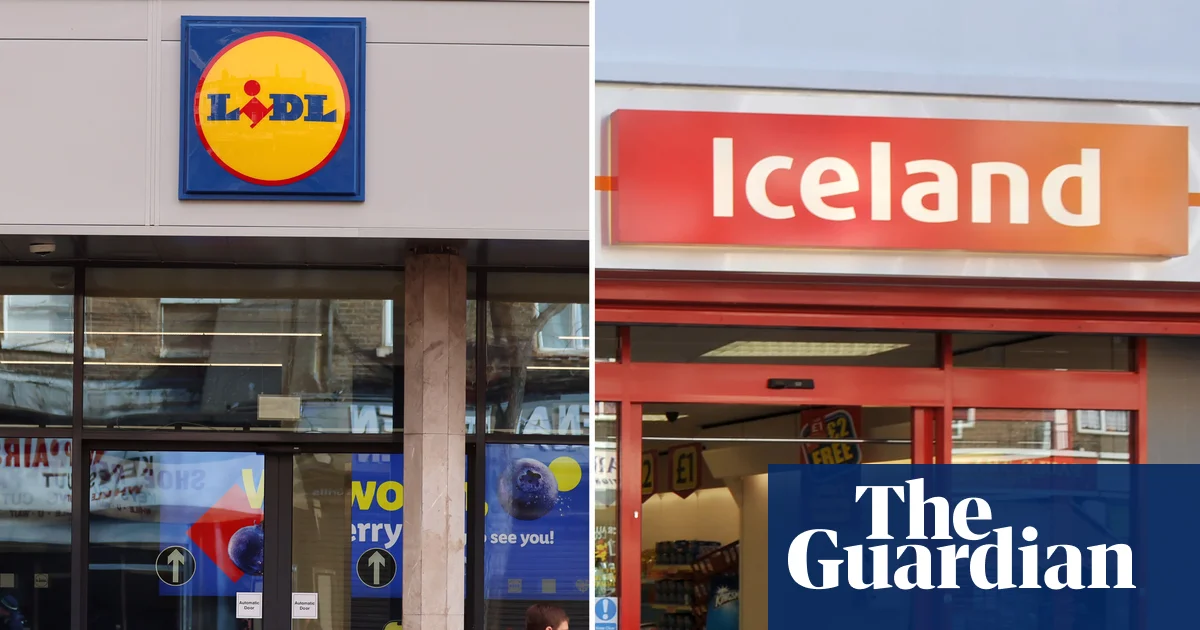
In a landmark shift aimed at combatting the rising tide of childhood obesity, the Advertising Standards Authority (ASA) in the UK has enforced strict new regulations on the marketing of high-fat, salt, and sugar (HFSS) foods. These rules, effective since January 5th, symbolize a societal attempt to curb unhealthy dietary influences, especially on impressionable youth. However, they also reveal broader cultural tensions surrounding consumer freedoms, corporate responsibility, and the well-being of families and communities. The recent banning of ads from grocery giants Lidl and Iceland exemplifies how this regulatory change is reshaping social norms regarding marketing practices and public health priorities.

Despite these efforts, the implementation has not been smooth. Both supermarkets faced scrutiny after their digital advertising campaigns—visible on platforms like Instagram and the Daily Mail website—were found to violate the new standards. Lidl’s influencer-driven post promoting a bakery product, which included a French pastry filled with vanilla cream and chocolate chips called pain suisse, was flagged for promoting a “less healthy” food item. Meanwhile, Iceland’s digital banners advertised sweets such as Swizzels treats and Haribo Elf Surprises, categorized as HFSS and therefore banned under the new nutrient profiling model. These incidents highlight the ongoing struggles within our society to balance commercial interests with the urgent necessity of fostering healthier environments for families and children.

This regulatory push underscores how social issues extend beyond individual choices and into the fabric of community life. Sociologists like Dr. Sophia Williams argue that cultural shifts towards immediate gratification and consumerism often undermine efforts to promote long-term health. For families, especially in underprivileged communities, such marketing strategies deepen existing disparities—exposing children to constant messages that glamorize unhealthy foods. The impact on education is profound: schools and parents are increasingly burdened with counteracting these pervasive advertising messages while trying to instill healthier habits. As Dr. Martin Keller, a historian specializing in social change, notes, public health campaigns must navigate a complex landscape of social influences that are deeply embedded within popular culture and economic interests.

  • Regulatory authorities seek to limit youth exposure to HFSS food advertising to promote better health outcomes.
  • Corporations often find loopholes or interpret rules narrowly, complicating enforcement of health-focused policies.
  • Communities grapple with the moral implications of restricting marketing freedoms versus protecting vulnerable populations.
  • Families face the ongoing challenge of navigating a marketplace flooded with unhealthy options, influencing children’s ongoing dietary habits.

While the bans signify a moral victory for health advocates, they also raise questions about societal priorities and the role of free enterprise. As social commentators like Emily Sharpe warn, the battle against unhealthy advertising is not just about regulations but about reshaping cultural attitudes towards food and consumption. Schools, parents, and community organizations continue to seek innovative ways to promote nutritious lifestyles amid a landscape dominated by aggressive marketing tactics. Ultimately, these efforts reflect a society striving to protect its most vulnerable members—its children—from long-term health consequences and from becoming unwitting participants in corporate schemes that prioritize profit over well-being.

As society faces this challenge, it becomes clear that the erosion of traditional values and guidelines around health, responsibility, and community support must be addressed holistically. Society’s future depends on whether families, educators, and policymakers can foster a cultural renaissance—one rooted in empathy, responsibility, and a collective commitment to the health of generations yet to come. Like a fragile seed beneath the soil, hope persists that through unwavering resolve and principled action, society will blossom into a landscape less marred by the shadows of greed and neglect—a testament to the enduring human spirit’s capacity for transformation.

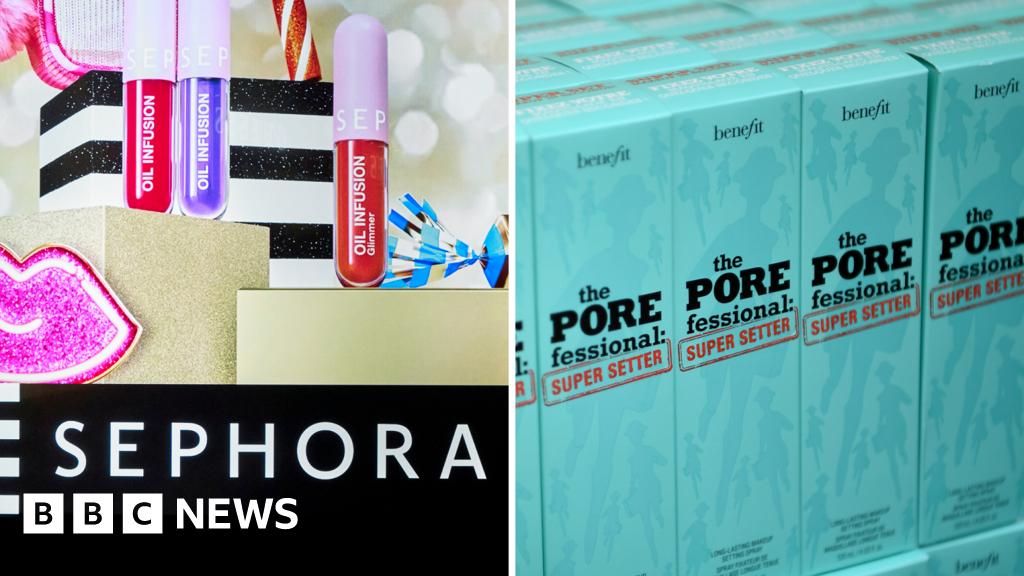
Italy probes Sephora and Benefit for targeting kids with skincare ads

The recent statement by the Italian Competition Authority has sent ripples across the international economic landscape, highlighting the influential reach of LVMH, the luxury goods conglomerate based in France. According to the Authority, LVMH appears to have employed “particularly insidious” marketing strategies that potentially distort fair competition within the global luxury sector. This investigation underscores broader concerns about the power wielded by multinational corporations and their ability to influence economic policies and consumer behavior in interconnected markets.

The allegations against LVMH arrive amidst mounting scrutiny of how large corporations manipulate consumer perceptions, often blurring the lines between genuine branding and monopolistic tactics. While the company remains a leader in high-end fashion, jewelry, and spirits, critics argue that certain marketing practices—such as exclusive collaborations, orchestrated scarcity, and targeted advertising—may serve to artificially inflate demand and suppress smaller competitors. Esteemed international economists and watchdogs warn that such strategies, if unchecked, risk fostering monopolistic environments that threaten consumer choice and market diversity. Historically, similar accusations have precipitated regulatory crackdowns that reshape industry dynamics—potentially foreshadowing a reckoning for conglomerates like LVMH.

The geopolitical implications of these developments extend beyond mere market competition. In an era where economic might often translates into geopolitical influence, corporations such as LVMH serve as soft power vehicles for France and the broader European Union. Such companies contribute significantly to national prestige and economic stability; thus, regulatory actions—like those pursued by Italy—highlight a broader global trend towards scrutinizing corporate dominance.

  • They reflect an international effort to promote fair competition, which is often intertwined with national interest and sovereignty.
  • These moves can influence international trade negotiations, especially as countries seek to curb perceived economic overreach by multinational giants.

Global institutions, such as the World Trade Organization (WTO), are watching these cases carefully, aware that the outcomes may set precedents for how multinational corporations operate across borders. As European regulators tighten their grip on corporate practices, and other nations grapple with similar questions, the landscape of global commerce stands at a critical juncture. Analysts warn that if LVMH’s strategies are deemed anti-competitive, it could catalyze a wave of reforms that reshape the luxury industry, forcing even the most influential brands to recalibrate their approaches. In the shadows of these developments, nations must decide whether to defend their markets or risk surrendering sovereignty to corporate giants.”

In this unfolding saga, history seems poised to reveal yet another chapter where the boundaries of free enterprise and national sovereignty collide. The decisions taken today—whether to regulate or to acquiesce—will profoundly influence the fabric of global economic and social life. As the world watches, the question remains: will this be a moment of restraint, or will it mark the dawn of a new era of corporate dominance—an era where nations and societies grapple with the enduring repercussions of decisions made in the cloistered corridors of power? The weight of history persists, lingering in the balance, as the story of corporate influence continues to unfold on the world stage.

OpenAI Launches ChatGPT Ads: The Future of Smart Living Starts Now

The Future of AI and Advertising: OpenAI’s Bold Step

In an era where digital giants are continuously reshaping how we interact with technology, OpenAI has taken a notable leap forward by introducing ads inside ChatGPT. Since its inception in 2022, ChatGPT has largely operated as a distraction-free zone, prized for its pure AI-driven conversations and its anti-clutter approach. However, with this recent rollout, the landscape is shifting. Now, users are faced with a choice: embrace the new, more commercialized AI experience or opt-out in favor of a cleaner, ad-free interface. This move is emblematic of a larger trend where tech innovation is increasingly intertwined with monetization, raising questions about what it means for our future interactions with AI.

The move is not just about generating revenue; it signals a broader cultural impact on how society perceives and consumes content. Critics argue that introducing advertising into a platform like ChatGPT could erode the trust and authenticity that have made it so appealing to young users seeking a genuine, distraction-free learning tool. Yet, OpenAI is banking on a strategy that emphasizes transparency and user choice. Users who prefer to keep their experience free of sponsored content can opt for higher-tier paid plans or choose to opt out of ads altogether, including the ability to control how their data is used for ad targeting. This approach reflects an understanding that today’s digital consumers value agency in their online experience — they want control over how their data is used, especially when it comes to the AI companions they increasingly depend on.

Influencers and sociologists see this move as part of a broader societal shift. According to tech analyst Matt Vella, adding ads into AI tools like ChatGPT “foreshadows a future where AI becomes not just a tool but a marketplace, blurring the lines between utility and commerce.” Meanwhile, platforms like Anthropic have responded with satire, actively mocking the idea through high-profile campaigns like their Super Bowl LX ad, which staged conversations abruptly pivoting into sales pitches. These responses highlight that the social relevance of this trend isn’t lost on the public: it’s a reflection of a society grappling with the rise of corporate interests in spaces once viewed as sanctuaries for genuine human-AI collaborations.

This tension raises a pivotal question for the future of AI-powered services: as platforms increasingly embed advertising into their core functions, will users begin to see AI as an extension of the commercial landscape or as a trustworthy partner in their daily lives? The next big question we should be asking isn’t just about how AI will evolve but about what kind of digital world we are creating for ourselves and future generations. Is this shift toward a hybrid model sustainable, or are we walking into a new era where personalized AI assistance becomes always-already intertwined with advertising and commercial interests? As these questions unfold, one thing is clear: the future of AI is as much about societal values as it is about technological innovation.

Super Bowl Spotlight: Bad Bunny, Must-See Ads, and the Cultural Vibe—But Forget the Game? | Culture

Every year, the Super Bowl emerges not merely as a pulsating showcase of athletic prowess but as a profound cultural phenomenon, echoing the depths of American identity and societal values. It is a spectacle that transcends the sport itself, serving as a mirror to the nation’s soul—its contradictions, its aspirations, and its enduring traditions. Just as Ortega y Gasset envisaged culture as the collective memory shaping society’s self-understanding, the Super Bowl acts as a grand reflection of an evolving cultural narrative rooted in independence, innovation, and spectacle. From the elaborate halftime shows to the spectacle of advertisements, each element underscores a national identity that celebrates resilience, innovation, and shared memory—a kind of modern mythos that binds the populace in a communal act of remembrance and anticipation.

Beyond the roaring crowds and televised commercials, there is a layered dialogue between tradition and modernity, a dynamic that echoes the cultural shifts explored by historians like Tocqueville, who observed how American democratic taste shapes its cultural expressions. This annual event has become a battleground not only for sportsmanship but also for ideological contestation; as the cultural icons such as Bad Bunny take center stage, their performances resonate with a deeper message about cultural hybridity and the transnational currents that shape modern identity. The controversy around Bunny’s candid political remarks illustrates that even in moments of entertainment, culture remains a site of debate—an arena where societal values are both reaffirmed and challenged. These performances are more than entertainment; they are symbolic acts that speak to the ongoing struggle to define what it means to be American in an increasingly globalized world.

The commercials, often the most eagerly scrutinized component of Super Bowl Sunday, reveal the commercialized yet deeply ingrained desire for connection and shared values. History has shown us that advertising is a reflection of societal desires and anxieties, a truth echoed by critics such as G.K. Chesterton who warned against the commodification of culture. Today, the obsession with artificial intelligence or “AI slop” showcased in these advertisements symbolizes our collective grappling with technological change—a form of mirroring Dante’s idea of modernity as a mirror of the divine or diabolic. These ads, with their levity and satire, serve as cultural markers, punctuating the night with messages about innovation, consumerism, and even cultural integrity, reminding us that society’s future is written in its capacity to interpret and integrate the new while honoring the old.

As the night turns to dawn, and the echoes of drums and cheers fade into memory, the enduring truth remains: culture is not merely entertainment; it is the living, breathing history of a people—its memory and prophecy intertwined. The Super Bowl exemplifies this duality: a festival of tradition underpinned by the spectacle of constant change, where each lyric, each commercial, each performance contributes to the ongoing saga of a national identity in flux. Human civilization, after all, is a cyclical narrative—where memory and prophecy dance in the shadows of eternity. And in this dance, we find that culture is the voice of humanity, speaking across generations, whispering that we are both the inheritors of a storied past and the architects of an unforeseen future.

Ontario Premier Pulls Back on Anti-Tariff Ads After Trump Backlash

In recent weeks, the political landscape between Canada and the United States has been anything but predictable. Ontario’s Premier Doug Ford took a bold stance by launching an anti-tariff campaign aimed at highlighting the detrimental effects of US levies on Canadian industries. This move, rooted in a desire to *spark a broader conversation about fair trade policies*, unfortunately, ignited a diplomatic firestorm when President Donald Trump reacted sharply, ultimately leading to the termination of trade talks. Ford’s decision to pause the advert—scheduled to run during the Major League Baseball World Series—was a strategic attempt to open space for future negotiations, reflecting a complex balancing act between assertive nationalism and pragmatic diplomacy.

At the heart of the turmoil lies a broader narrative of shifted trade policies and economic vulnerabilities. Canada’s economy, heavily dependent on US markets—selling about 75% of its exports—finds itself at the mercy of fluctuating tariffs and unpredictable political rhetoric. With US levies reaching 35% on Canadian goods and specific sector tariffs hitting metals and automobiles particularly hard, Ontario, Canada’s manufacturing hub, bears the brunt of this economic tension. While Prime Minister Mark Carney has advocated for friendly, face-to-face negotiations—emphasizing Canada’s readiness to resume talks when the US is prepared—Ford’s more confrontational approach underscores a broader, vocal frustration among certain Canadian leaders who believe that standing firm might rally support domestically. However, experts like Mahmood Nanji suggest that this theatrics and hyperbole may not serve Canada’s long-term economic interests, highlighting the importance of consistent, strategic engagement over fiery rhetoric.

Amidst these turbulent negotiations, Canada’s leadership faces a crucial crossroads. The broader context reveals that the US has imposed sector-specific tariffs, with Canada’s auto industry and metals sector suffering significant setbacks. These tariffs threaten jobs, economic growth, and the country’s industrial sovereignty. While some argue that resilient, unapologetic defiance embodies a *true patriot’s spirit*—echoing sentiments rooted in classical American conservatism as articulated by figures like Ronald Reagan—others warn that such strategies risk alienating allies and complicating future trade negotiations. As Canada explores new partnerships in Asia during Prime Minister Carney’s upcoming visit to the ASEAN Summit, it is clear that a diversified approach may be essential to gaining *greater independence* and protecting its economic interests long-term.

Ultimately, the unfolding saga reminds us that lifestyle and economy are intertwined. The decisions made in the chambers of political leaders ripple through communities—affecting jobs, family livelihoods, and national strength. Yet, beyond the headlines, there is an undercurrent of resilience—a collective commitment to *embracing a new era of economic sovereignty*. As Canadians reflect on their journey, it becomes evident that building a resilient future demands not just strategic negotiations but also a mindset rooted in confidence, adaptability, and hope. Perhaps, as Reagan once said, tariffs hurt everyone—but it is the indomitable spirit of a people, driven by purpose and perseverance, that will chart the course toward a brighter, more independent tomorrow.

Social Media Auto Publish Powered By : XYZScripts.com