Matox News

Truth Over Trends, always!

Breaking Barriers: How Blind and Visually Impaired Adventurers Conquer the World

In the dawn of history, culture has been the vessel through which societies preserve their identity, remnants of tradition, and visions for the future. The contemplative journey of experiencing unfamiliar places—whether through sight or other senses—reminds us that culture is not merely a collection of artifacts or landscapes, but a living, breathing narration of human life across generations. Consider the story from the Taj Mahal’s grounds, where even the silence, the scent of perfumed air, or the echo of recited prayers, becomes a part of this grand narrative—an inner dialogue with eternity that transcends visual spectacle alone.

An Immersive Reflection on Perception and Humanity

The extraordinary narrative of a journey with Traveleyes reveals that perception is the bridge that connects the senses to our understanding of society. The founder Amar Latif, a British entrepreneur who lost most of his sight due to hereditary retinal disease, exemplifies how culture’s core lies in multisensory engagement. His company’s ingenious model—pairing blind and sighted travelers as equals—embodies a profound truth: the fullness of human experience is not confined to sight but flourishes through touch, smell, sound, and imagination. This approach reflects Ortega y Gasset’s philosophy that society’s authentic fabric is woven through shared perceptions, where empathy becomes the key to unlocking cultural depth.

The Heritage of Tradition and the Power of Imagination

As travelers of different backgrounds navigate the streets of Jaipur or Delhi, the stories they gather through tactile interaction, sensory descriptions, and emotional resonance reaffirm the belief that culture is a living memory that also prophesies the future. Chesterton’s idea that tradition is the democracy of the dead seems fitting here. These encounters remind us that cultural symbols—whether the carvings in an ancient temple or the bustling markets—are not static relics but part of a continuum that shapes identity and societal character. When Candie, who views the world through the lens of touch and scent, describes her experiences, it demonstrates that the essence of a society’s soul can be experienced beyond the visual, deepening our appreciation of its true character.

Culture Today: A Reflection and a Warning

In this age of digital spectacle, where images often dominate, the narrative of multisensory travel and shared human understanding is a timely reminder. Societies that forsake their cultural memory risk becoming nothing more than fleeting impressions, like film snippets rather than novels—engaging only the surface. Tocqueville, who explored the delicate balance between individual liberty and societal tradition, would warn against allowing the vivid and transient visual culture to drown out the subtler, enduring stories told by our customs and collective memories. Our youth, especially, must recognize that culture embodies the continuity of tradition and the prophetic voice of future generations, and that allowing it to decline is akin to losing the script of human history itself.

The Eternal Tapestry of Humanity

Ultimately, if we listen closely and look with more than just our eyes, we realize that culture is the long and lyrical story of humanity—its memory, its hopes, its prophetic visions of what humanity can become. Through the visceral experiences of sensory travelers, we find that the human spirit’s true voyage is inward as much as outward. As T.S. Eliot noted, “The only tradition that matters is the one alive in our ears and hearts today.” In this ongoing symphony of human history, we are both the custodians of a precious inheritance and the architects of a luminous future—dreamed into being through the persistent power of culture’s memory and prophecy.

Top Outdoor Gear Deals for Young Adventurers: REI Member Days 2026

Outdoor Gear Industry Transformed: How Innovation and Market Disruption Drive Business Evolution

In an era marked by rapid technological advancement and consumer-driven disruption, the outdoor gear industry is experiencing a seismic shift. Major players like REI are leveraging innovative sales strategies—exemplified by their multi-year Member Days events—to foster loyalty while simultaneously transforming the retail landscape. This approach not only disrupts traditional margin models but also showcases how digital engagement and exclusivity can act as catalysts for business expansion. As analyst firms such as Gartner highlight, the retail ecosystem is increasingly gravitating toward experiential and community-centered initiatives, blending online and off-line channels for maximal impact.

The elevation of product innovation is vividly demonstrated through groundbreaking gear offerings. For example, Big Agnes’s Copper Spur HV UL Tent redefines ultralight shelter with its minimalist design, weighing just 2 pounds 10 ounces, yet delivering uncompromised stability and livability. Such advancements exemplify the industry’s move toward disruption, emphasizing weight reduction without sacrificing durability. Similarly, Therm-a-Rest’s NeoLoft Sleeping Pad offers a revolution in sleep comfort, combining lightweight portability with rugged durability—an essential shift indicating that industry players are now prioritizing multifunctionality and efficiency in product development. These innovations serve as strategic business differentiators, setting new benchmarks aligned with the changing demands of tomorrow’s outdoor enthusiasts.

Business implications of this innovation surge are profound. The competitive landscape is shifting towards agile brands capable of rapid product iteration. Companies like REI Co-op are capitalizing on this trend through exclusive deals and strategic partnerships, making the marketplace a hub for high-value, limited-availability items—such as Yeti’s Hopper Flip 8 Cooler and Sea to Summit sleeping pads—that cater to the burgeoning ultra-light, high-performance camping segment. The trend signifies a rising market dominance of brands that successfully blend innovation, sustainability, and community engagement. Industry giants and startups alike are now recognizing that disruption is no longer optional—it’s imperative for survival and growth in a fiercely competitive environment.

Looking ahead, the landscape suggests a future where disruption will accelerate through emerging technologies such as smart gear, eco-friendly materials, and AI-driven personalization. This momentum compels industry stakeholders to act with urgency, investing in R&D and digital transformation to stay ahead. As Elon Musk and venture capitalists like Peter Thiel emphasize, fostering a culture of relentless innovation is essential to capture the value of industry-wide disruption. For young entrepreneurs and established players alike, the message is clear: the next wave of market leadership hinges on embracing innovation and disruptive business models—those who adapt swiftly will shape the future, while the rest risk obsolescence.

In conclusion, the outdoor gear sector exemplifies a broader trend: innovation and disruption are now fundamental to industry evolution. With new products redefining performance standards and strategic marketing reshaping customer relationships, those willing to push boundaries will dominate the next generation of outdoor pursuits. The urgency is unmistakable—businesses that prioritize agility, innovation, and community are poised to lead this dynamic transformation into an unpredictable yet promising future.

Top 14 Travel Toiletry Bags for Young Adventurers: Tested & Trusted for 2026

Revolutionizing Travel Gear: The Future of Business Innovation in Personal Accessories

The world of travel accessories, historically characterized by simple, utilitarian designs, is undergoing a profound shift driven by cutting-edge materials and disruptive manufacturing techniques. Industry leaders such as Monos, Beis, and Aer are spearheading a competitive race to redefine what consumers expect from everyday travel essentials. In an era where innovation is no longer ancillary but fundamental, these brands are leveraging new fabric technologies, sophisticated construction, and strategic design to both elevate their market position and challenge established giants.

For instance, Monos’ Metro Toiletry Case exemplifies material innovation by incorporating ultra-durable vegan leather that balances resilience with lightweight portability. Its structured yet flexible design exemplifies disruption in product form factor—melding protection with packability—a paradigm shift recognized by analysts from Gartner and notable brands like Apple in embracing form-meets-function. Meanwhile, Beis’ Dopp kit exemplifies the application of advanced manufacturing processes such as seamless water-resistant compartments, raising the bar for durability and ease of cleaning—an essential for the burgeoning clean and sustainable travel trend.

Beyond material innovation, the integration of smart features signifies an industry-wide pivot towards business disruption. Brands like Tumi with their Alpha Bravo Response Kit embed tech integrations such as antimicrobial linings and tracking capabilities, setting a new standard in security and hygiene—key concerns for millennial and Gen Z consumers. Such features not only heighten user convenience but also create new revenue streams, as companies explore subscription-based models for accessories and complementary services, mimicking successful tech giants operating at the intersection of hardware and software.

Industry-Wide Impacts and Market Shifts

According to recent industry reports, the market for premium travel accessories is projected to grow at a CAGR of 8-10% over the next five years, spurred by disruption in traditional supply chains and consumer demand for innovation-driven products. This industry shift threatens legacy brands that rely on outdated manufacturing and minimal feature differentiation, while favoring those that embrace disruption and technological integration. Notably, startups adopting sustainable materials and digital diagnostics are already experiencing rapid growth, echoing strategies recommended by Peter Thiel’s insights regarding first-mover advantages in technology markets.

Furthermore, industry consolidation is gradually giving way to an ecosystem of niche, agile brands that focus intensely on innovation and customer engagement. The rise of manufacturers utilizing AI-driven design and advanced composites signifies a potential paradigm shift, reminiscent of Industry 4.0 trends transforming manufacturing sectors across the board. For consumers, this translates to more personalized, durable, and tech-enabled products, driving expectations that modern products must serve both form and function in a disruptive manner unparalleled in previous decades.

The Dynamic Outlook and Urgency for Innovation

As the boundaries of material science and digital integration continue to blur, the future of travel gear appears inexorably linked with business innovation and technological disruption. Industry leaders and startups alike face the imperative of staying ahead by investing in R&D, embracing sustainable practices, and deploying next-generation manufacturing processes. With big tech convergence on the horizon—such as AI-powered design tools and blockchain-enabled supply chains—the push for disruption should be accelerating, not stagnating.

The ongoing evolution in travel accessories serves as a mirror to the broader landscape of technological disruption affecting every sector. As Elon Musk and Peter Thiel have emphasized, those who leverage innovation and act swiftly will not only redefine market standards but also seize the exhilarating economic opportunities of the next frontier. The message is clear: disruption is no longer optional; it is the only way forward in an ever-accelerating technological race. The companies that recognize and adapt to this reality today will be the industry titans of tomorrow, shaping the future of consumer technology and global commerce.

Cappadocia: Turkey’s Ultimate Trailblazing Spot for Youthful Adventurers

Embracing the Spirit of Adventure: Discovering Cappadocia

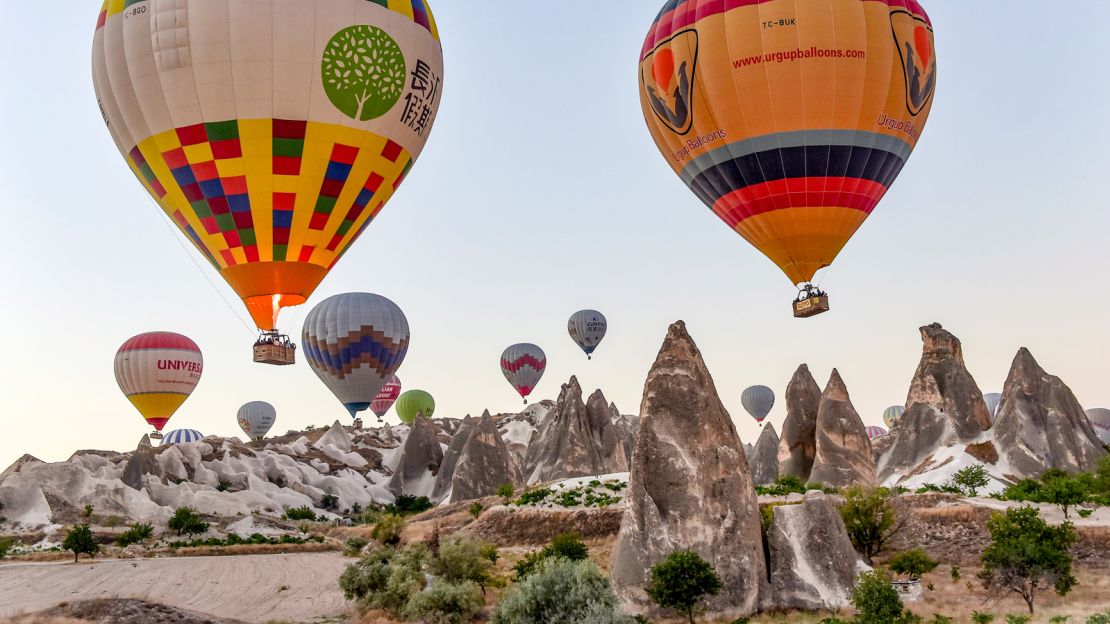
In the heart of central Turkey, lies a landscape more surreal than any daytime dream—Cappadocia. Famous for its whimsical “fairy chimneys”, this region encapsulates a perfect synergy of natural wonder and human ingenuity. Thousands of years ago, this terrain was forged from volcanic ash that cooled into soft, porous tufa rock—a material so easy to carve yet hardened upon exposure to air. Over centuries, water, wind, and time sculpted these formations into towering spires and intricate cave dwellings. Today, these ancient structures not only mark Cappadocia’s rich history but also serve as a testament to the resilience and ingenuity of its early inhabitants, who carved monasteries, churches, and homes directly into the rocks.

While captivating aerial views from countless hot air balloons draw visitors from around the world, seasoned explorers know that the region’s true magic unfolds on foot—or even better, horseback. The region’s extensive trail system and guided tours allow travelers to experience the authenticity of Cappadocia’s rural past and connect deeply with its landscape. As medieval art historian Tolga Uyar highlights, sites like Zelve have stood for over 1,400 years, continuously inhabited and reimagined, making them living, breathing monuments to history. Wandering these ancient roads, a visitor can glimpse into the lives of monks, farmers, and early Christians who sought refuge amidst the rocks, carving out communities that defy time.

For those seeking a personal impact beyond mere sightseeing, Cappadocia offers numerous wellness-oriented activities. The naturally preserving environment invites tranquil hikes through lush river valleys like Ihlara, where spring blossoms and the melody of nightingales create an almost meditative experience. Guided excursions, such as those led by locals like Mehmet Güngör, reveal hidden churches and plant species unseen by casual travelers. The region’s horse-riding tours, especially at Cemal Ranch, embody a sense of freedom and harmony with nature. As Cemal Koksal reflects, riding in these valleys provides a peaceful connection to Turkey’s historic Yılkı horses, a tradition of free-roaming steeds that symbolize the wild, unspoiled character of Cappadocia.

  • Travel Tips: Embrace guided walks to unlock secret pathways and learn about the region’s history from locals with generations of experience.
  • Lifestyle Hacks: Carry lightweight hiking gear, water, and a camera to capture the breathtaking contrasts—from pinkish dawns in Red Valley to the lush greenery of Ihlara in spring.
  • Leisure Inspiration: Participate in full moon hikes or sunset horseback rides to view the valleys in their most dazzling light, fostering a sense of wonder and personal renewal.

In this landscape where centuries-old churches meet the natural artistry of erosion, inspiring tales and visuals intertwine to remind us that lifestyle is a journey. Whether scaling ancient steps into monasteries or riding under crimson sunsets, visitors are invited to rediscover their own sense of adventure and grounding. Cappadocia continues to beckon those with a spirit for exploration, offering a timeless canvas where history, nature, and personal transformation meet in perfect harmony. Ultimately, embracing such a journey is about more than sightseeing; it is about welcoming the possibility of transformation and habitually seeking beauty in the world—and within ourselves.

COROS NOMAD Unleashes Next-Level Navigation with Offline Maps — The Ultimate Watch for Trendsetting Adventurers

In a world increasingly obsessed with exploring the outdoors and embracing an active lifestyle, the COROS NOMAD is emerging as a symbol of how technology is reshaping our engagement with nature. This innovative smartwatch isn’t just a device for telling time—it’s a game-changer in outdoor navigation. Its lightweight design, combined with the powerful integration of full offline mapping, has caught the attention of trend-savvy consumers and outdoor enthusiasts alike, signaling a shift in how society perceives adventure and self-sufficiency.

What makes the NOMAD stand out is its ability to provide **detailed navigational information without reliance on cellular networks**. Unlike conventional smartwatches that depend on connected devices or Wi-Fi, this watch operates independently, giving users the confidence to venture into remote wilderness areas. This feature has catapulted it into the cultural lexicon as a symbol of independence and resilience. Influencer explorers, such as renowned outdoor adventurer Jessica Green, have leveraged the device for their expeditions, showcasing the blend of rugged utility with modern tech. Sociologists highlight that this meld of nature and innovation reflects a broader societal desire to reclaim agency over our environment, especially in a digital age which often feels overly connected and over-controlled.

The social relevance of this trend extends beyond outdoor recreation. It taps into a collective longing for authenticity, adventure, and self-reliance—values that resonate strongly among the youth. As urban environments become more saturated, the aspirational pull of raw, unfiltered nature is fueling a cultural shift, with consumers seeking gear that underscores this lifestyle. This isn’t merely about having the latest gadget; it’s about _how_ that gadget symbolizes a larger narrative of independence and self-empowerment. Top trend reports note that brands like Coros are not just selling a product but propagating a cultural movement—one that embraces active, minimalist, yet tech-savvy lifestyles.

  • The integration of detailed offline maps into wearable tech
  • The rise of adventure-driven social media content
  • The growing influence of outdoor lifestyle influencers
  • The redefinition of rugged masculinity and femininity in modern society
  • The shift towards sustainable and self-sufficient outdoor gear

As analysts suggest, this trend mirrors shifts in societal attitudes—moving away from dependency on technological infrastructure and toward fostering personal resilience. The NOMAD, with its sleek design and comprehensive offline capabilities, exemplifies how product innovation can serve as a cultural catalyst. It’s effectively transforming the outdoor experience into a statement of individual grit, appealing especially to a generation that values authenticity and self-determination. This empowerment theme echoes broader societal debates on independence, technology, and the reimagining of adventure in the 21st century.

However, as the popularity of such devices soars, a provocative question emerges: _Could this embrace of individual survival technology mark a larger societal pivot away from centralized systems altogether?_ The next big challenge may involve how these gadgets influence our collective understanding of community, safety, and reliance on infrastructure. If more young explorers begin to trust their own navigation skills over traditional tools, what does this mean for the future of outdoor recreation and our social fabric? As the boundaries between technology and society continue to blur, viewers are left pondering whether this trend is merely a passing fascination or the dawn of a new era of resilient, tech-powered individualism.

Social Media Auto Publish Powered By : XYZScripts.com