
Celestial Fury Strikes the Heartland: A Wake-Up Call for America and the World
As a devastating series of violent thunderstorms and tornadoes tore through the Midwestern United States this week, the stark reality of nature’s fury converged with the geopolitical landscape, reminding nations of the fragile balance between human preparedness and the uncontrollable forces of the environment. Over 26 million Americans found themselves under tornado watches, with federal and state authorities sounding alarms about the impending danger. This grim cascade of weather events, captured vividly on social media and covered extensively by mainstream outlets, is a sobering testament to the intensifying patterns of extreme weather—patterns many analysts attribute to centuries of environmental neglect and global instability.
Local Chaos, Global Consequences
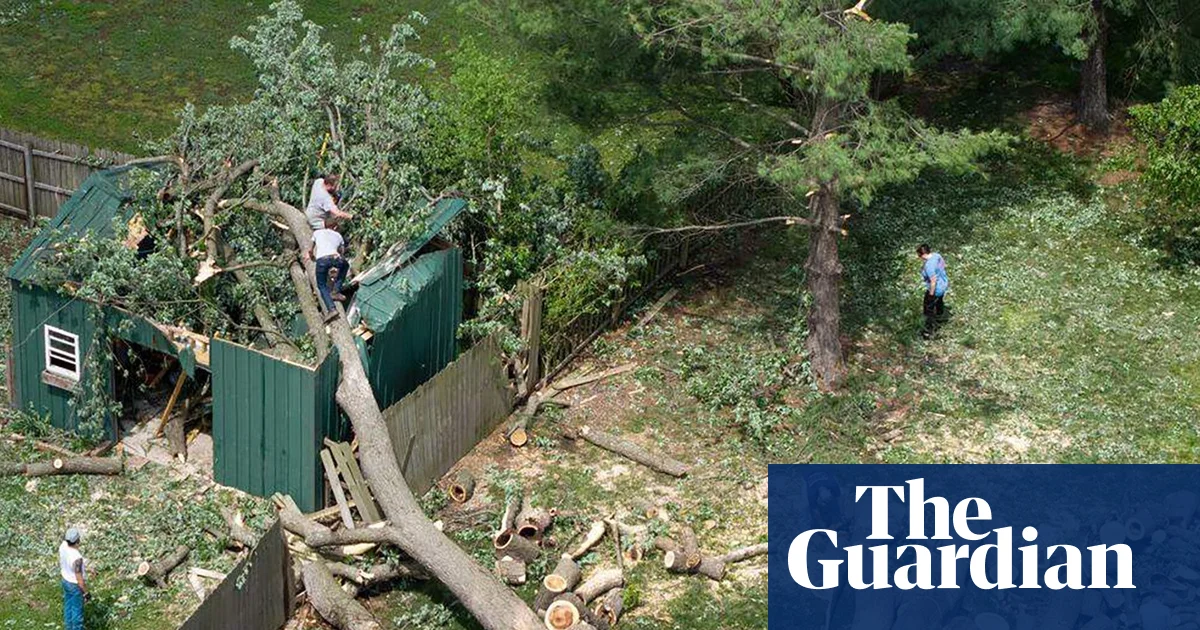
From the chaos in Milwaukee—where flash floods crippled essential infrastructure—to the tragic death of a man struck by lightning in Waukesha, the serious impact on local societies is undeniable. The debris-strewn towns and suffering families embody the human toll of these violent storms. Yet, what resonates beyond the immediate tragedy is an underlying narrative of a society increasingly vulnerable due to a confluence of climate change, government preparedness, and economic resilience. As American leaders mobilize emergency responses, international observers and think tanks like the World Meteorological Organization warn that such extreme weather events could become the new normal, reshaping geopolitical priorities.
Environmental and Political Underpinnings
Historically, climate experts such as Dr. William H. Frey and international organizations highlight that recent weather extremes are less anomalies and more symptoms of longstanding environmental shifts. The stark reality is that these storms threaten to destabilize rural and urban communities alike, straining emergency services and testing the limits of federal government capacity. The decision by environmental policymakers and global institutions to address rising temperatures and unpredictable weather will ultimately define the future stability of single nations and the global order. This crisis underscores an urgent need for America’s infrastructure to adapt—not just to endure, but to mitigate damages and prevent larger catastrophe.
Geopolitical Ramifications and Strategic Shifts
- The United States faces critical internal challenges—disaster management debates, economic strains, and the social cohesion of affected communities—becoming a microcosm of global instability.
- Internationally, powerful nations recognize that climate-induced upheaval may accelerate geopolitical shifts, as resource scarcity and environmental migration reshape diplomatic priorities.
- Urgent geopolitical recalibrations are underway, with alliances and strategies increasingly focused on climate resilience and disaster response—areas where Western nations seek to demonstrate leadership, yet often falter under political discord and budget constraints.
Analysts warn that how the Western bloc responds to these crises—both domestically and on the global stage—will influence the trajectory of international power. The emergence of new alliances, the realignment of energy policies, and the contest over technological and financial resources will shape the unfolding chapters of history. In this densely interconnected world, the relentless march of nature’s fury tests the resolve of societies—warning that in the theater of geopolitics, complacency and inaction may prove to be the most costly mistakes of all.
As the American Midwest recovers from the latest storm, the weight of history presses heavily upon us. Each tornado, each flood, is a grim reminder that the earth’s tempests are not merely environmental, but deeply intertwined with the fabric of global power. The storm’s aftermath whispers a warning: the future of nations hinges not only on their military might and economic strength but also on their capacity to adapt to the unpredictable face of nature—a challenge that history, in its silent, relentless way, continues to write.