Matox News

Truth Over Trends, always!

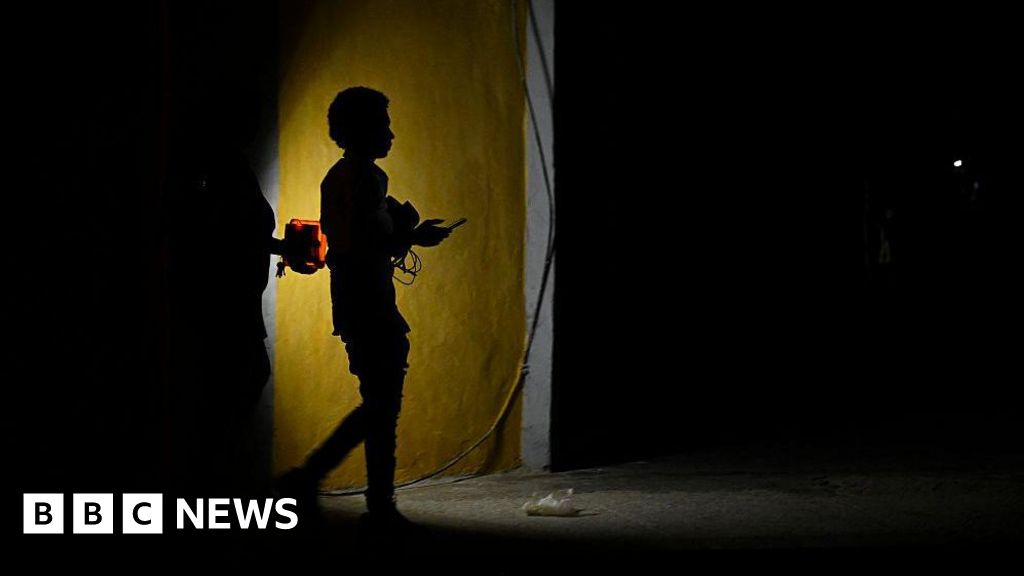
Cuba’s power grid fails, leaving millions in the dark and highlighting urgent needs ahead

Amid growing economic discontent, Cuba faces an acute energy crisis intensified by a prolonged U.S. blockade on oil shipments. For decades, the island has struggled with economic hardships, but recent developments have thrust the fuel shortage into the international spotlight. The blockade, which prohibits the sale of oil and related goods to Cuba, has significantly limited the island’s access to vital energy supplies, thus crippling its capacity to sustain both industry and everyday life. Analysts warn that this ongoing embargo not only hampers Cuba’s domestic stability but also exemplifies the enduring effectiveness of U.S. economic leverage in the Caribbean region.

The geopolitical impact of this crisis extends beyond Cuba’s borders, demonstrating how economic sanctions serve as powerful tools in the broader U.S. strategy to influence regional politics. According to geopolitical experts and international organizations like the United Nations, the blockade’s consequences ripple across neighboring nations, affecting trade routes, regional security, and diplomatic posturing. Historically, commentators such as Dr. James Roberts of the International Institute of Geopolitical Studies argue that such measures underscore a continued effort by the U.S. to curtail Cuba’s alliances with adversarial states, notably Venezuela and Russia, thereby maintaining regional dominance. The energy shortages risk destabilizing Cuban society further, as essential services—healthcare, transportation, and food supply—suffer under the weight of fuel scarcity.

Meanwhile, the international community remains divided in its response. While some nations scrutinize the U.S. embargo, arguing it violates principles of sovereignty and economic development, others uphold it as a necessary measure to pressure Havana into political reform. The European Union and various Latin American countries have called for a reassessment of the sanctions, emphasizing the humanitarian toll and the need for constructive engagement. However, critics contend that these measures serve to entrench authoritarian practices and prolong Cuba’s economic stagnation. The United States, under the current administration, pledges to maintain the blockade, asserting that only through continued pressure will Cuba be compelled to undertake reforms. This stance, viewed by many analysts as a strategic move, ensures that the geopolitical chessboard remains tightly controlled by Washington’s interests.

As history unfolds, the situation in Cuba exemplifies a broader struggle: how global powers wield economic tools to shape the destiny of nations. The ongoing crisis underscores a fundamental question—whose interests are served when the economic lifelines of countries are severed? With each passing day, the weight of history presses down, and the choices made by leaders echo in the future of the Caribbean and beyond. In this volatile arena, the delicate balance of power and influence continues to shift, leaving observers and participants alike wondering—how long can the flames of conflict and sanctions burn before the entire regional fabric is forever altered?

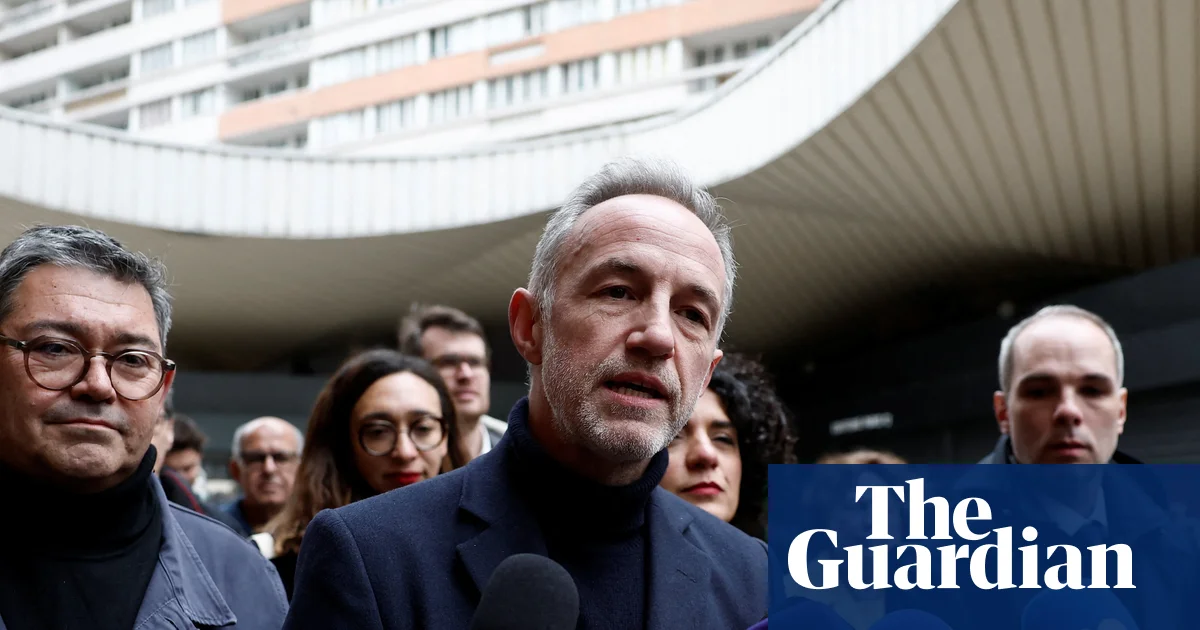
French Parties Scramble for Alliances Ahead of Crucial Local Election Runoff

As France prepares for the upcoming final round of its pivotal local elections this weekend, the country’s political landscape is experiencing a seismic transformation that echoes far beyond its borders. The strong performance of both the far right and radical left across key cities like Marseille, Lyon, and Paris reflects a broader undercurrent of societal discontent and a profound contest over the nation’s identity. These municipal contestations are not mere local affairs but are emblematic of potential shifts in the national and even European geopolitical fabric. With the presidential election looming in 2027, political strategists and international analysts are keenly watching how alliances are forming — or fracturing — in this volatile climate.

The race for Paris’s mayoralty illustrates the intensifying ideological battle lines, with Emmanuel Grégoire leading the socialists and Rachida Dati seeking to capture the capital for the right, despite bitter internal conflicts. Dati, a former culture minister, faces an upcoming trial for alleged corruption, yet her campaign persists as a symbol of the growing populist and nationalist movements threatening to reshape France’s political landscape. Her alliance negotiations with centrist figure Pierre-Yves Bournazel underscore the fluidity of political lines and the increasingly pragmatic, if fragile, blockades forming amidst accusations and personal insults. Notably, analysts warn that such alliances, often driven by tactical considerations, could produce unpredictable outcomes, potentially empowering factions with xenophobic and nationalist agendas. The historical significance is clear — these local sparks could ignite broader waves of political realignment, undermining traditional centrist and leftist dominance that has persisted for decades.

The far right, once dismissed as a fringe element, is now gaining unexpected ground in major urban centers, with Sophia Chikirou representing La France Insoumise and making headway in the north, while Sara Knafo of the Reconquest party secured a notable 10% in wealthy districts of Paris. The latter, linked to Éric Zemmour, a controversial figure convicted of racial incitement, signals a dangerous shift: the emergence of far-right influence in constituencies historically resistant to such ideas. The fact that Knafo’s campaign managed to break traditional voting patterns in Paris’s affluent areas is a vivid reflection of how the decline of cultural cohesion and the rise of anti-immigration sentiments are reshaping the political map of one of Europe’s most cosmopolitan cities. International observers, including the European Parliament and many think tanks, warn that these developments threaten to destabilize the social fabric and challenge the EU’s core principles of integration and pluralism.

Meanwhile, the National Rally and its candidate Franck Allisio look poised to make a major breakthrough if Marseille’s runoff favors him, which could mark a landmark moment in urban nationalist politics. Historically plagued by electoral setbacks in large cities, the RN’s ability to come within striking distance of controlling France’s second-largest metropolis is seen as a harbinger of a new political epoch. As France’s traditional political institutions face mounting pressure to adapt or collapse, the implications stretch across the continent, energizing populist movements and challenging the EU’s cosmopolitan order. Such a shift portends a future where the battle for urban hearts and minds could redefine regional alliances and influence the global balance of power. The city that France built — a crucible of democracy, culture, and innovation — now stands at the crossroads of history, its future being written in the ballots of a restless electorate. As the votes are cast and counted, the world waits with bated breath, aware that this election is not only a French affair but a chapter in the ongoing saga of sovereignty and national identity that will shape the geopolitical landscape for generations to come.

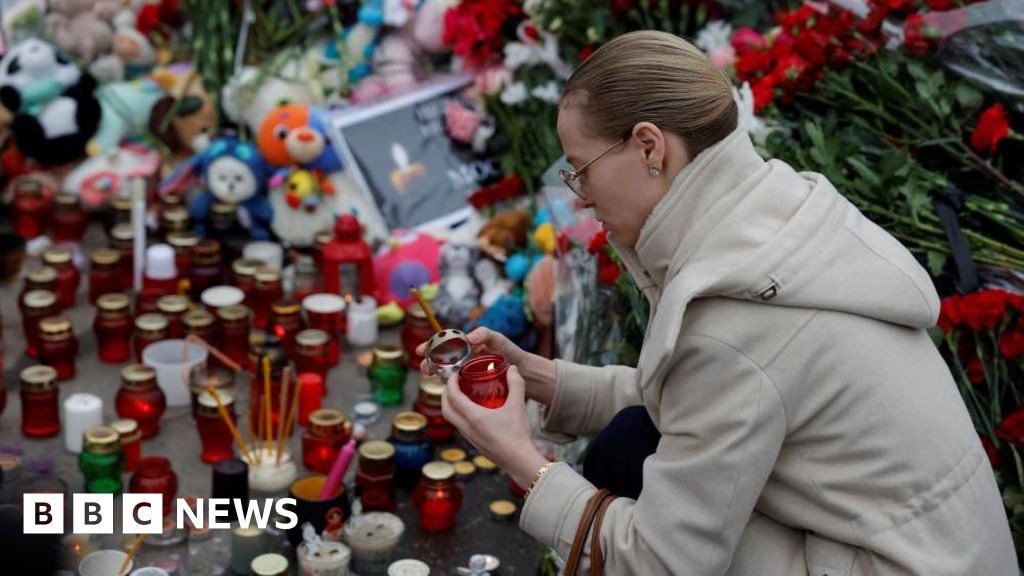
Nineteen charged over deadly Moscow concert bombing—justice for victims ahead of the new year

In a chilling act of violence that has sent shockwaves through the international community, gunmen launched a deadly assault at the Crocus City Concert Hall near Moscow in 2024. The attack resulted in the tragic loss of 149 lives and left more than 500 others wounded, marking one of the deadliest incidents on Russian soil in recent history. The incident underscores the persistent threat of terrorism that continues to challenge the stability of Russia and, by extension, the broader security architecture across Eurasia.

Initial investigations suggest that the attack was meticulously planned, with evidence pointing to a sophisticated operational network. The Russian authorities quickly identified the attackers as linked to extremist factions operating in the North Caucasus, a region long plagued by insurgency and unrest. Yet, this massacre has reignited debates about the effectiveness of Russia’s counter-terrorism measures and the regional stability of Eurasia. Analysts from the International Crisis Group warn that without comprehensive strategies that address underlying socio-economic grievances, such tragedies could become more frequent. The geopolitical implications of this violence extend beyond Russia’s borders, influencing regional security alliances and international counter-terrorism efforts.

This attack also poses profound questions about how decisions made by global powers impact nations and societies. As Russia tightens its internal security protocols, Western nations are compelled to reconsider their diplomatic and military strategies in the region, particularly in relation to the ongoing conflicts in neighboring Ukraine and the broader Middle East. Some experts argue that such acts of terrorism threaten the fragile stability that global institutions like the United Nations and NATO seek to preserve. The incident serves as a stark reminder that security concerns transcend borders and that cooperative international action remains vital in counteracting the root causes of extremism.

Historians and geopolitical analysts have long emphasized the importance of understanding how cultural, economic, and political tensions are manipulated by militant groups to serve their agendas. The International Institute for Strategic Studies (IISS) highlights that such attacks are not isolated acts but symptom of deeper conflicts. As nations grapple with the fallout, many worry whether this horrific event will mark a turning point in Russia’s internal policies or if it will further polarize the region. The weight of history presses down heavily, reminding the world that the cycle of violence could either be broken through decisive, inclusive action or continue to spiral into chaos. As 2024 unfolds, the world watches with bated breath—each new day carrying the potential to alter the course of history forever.

UK Grocery Prices Jump Unexpectedly as Experts Warn of More Inflation Ahead

Global Geopolitical Shifts and Their Impact on Economy and Society

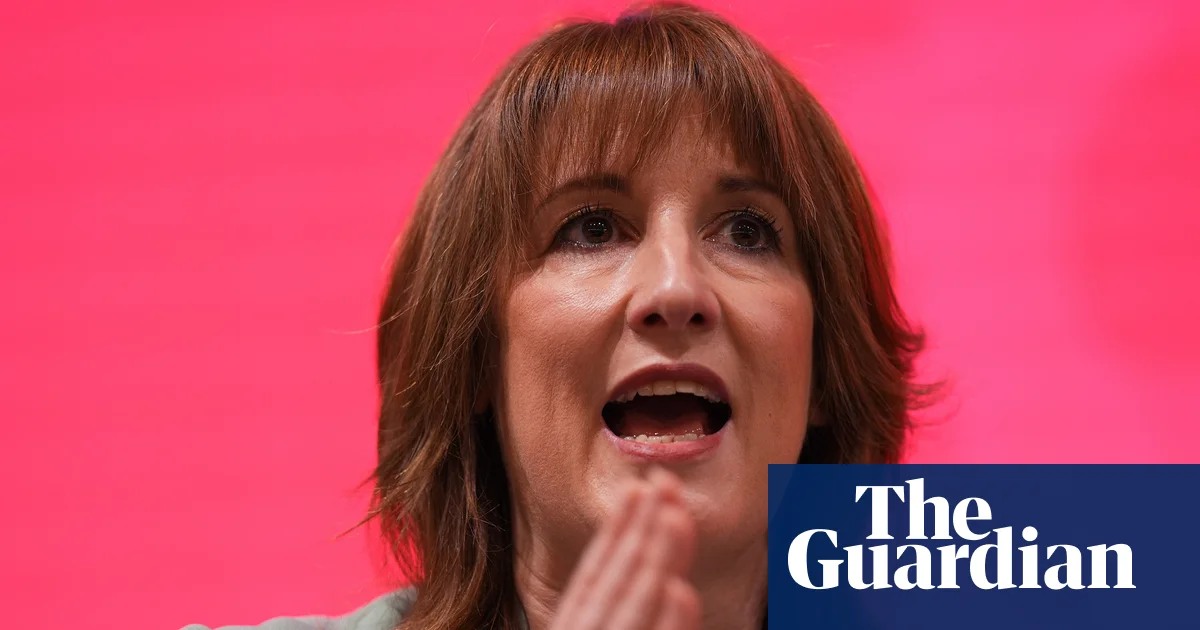
The world finds itself at a pivotal point, where geopolitical decisions are beginning to reshape the economic landscape and societal fabric of nations. Recent developments highlight a tense international climate, with conflicts in the Middle East threatening to unleash a cascade of economic repercussions that extend well beyond regional borders. Analysts and historians warn that prolonged instability in this volatile region could trigger a surge in energy prices, ultimately undermining the fragile recovery of global markets. The European Central Bank’s chief economist recently underscored these concerns, emphasizing that a “substantial spike” in inflation is probable if the conflict persists, driven by a potential disruption of oil and gas supplies. Such disruptions would not only ignite inflationary flames within the eurozone but could also lead to a *sharp drop in output*, exacerbating economic hardship for ordinary citizens.

The geopolitical impact is profound, as energy security has emerged as a critical vulnerability. The ongoing crisis has already caused oil and gas prices to skyrocket, placing immense pressure on both national economies and households. In the United Kingdom, this energy crisis manifests through escalating household bills and a squeeze on consumer spending, illustrating how decisions made in distant conflict zones ripple into the daily lives of millions. International organizations such as the International Energy Agency have warned of a prolonged conflict’s capacity to destabilize supply chains, with some experts predicting that the effects could last for years, dragging the world’s largest economies into sustained austerity or recession. Historically, similar scenarios—like the 1973 oil crisis—serve as stark reminders of how geopolitical conflicts have long shaped economic trajectories and societal realities, often leaving a legacy that influences international relations for decades.

Economic Consequences and Social Shifts

  • Increased living costs, with groceries becoming more expensive, as rising inflation impacts food prices worldwide.
  • Decline in consumer confidence, prompting shifts in spending patterns—from luxury spending to basic necessities—highlighting societal stress and adaptation.
  • Growing online commerce, which, despite representing only 13% of total grocery sales, signals a transformation in shopping habits accelerated by inflation and the pandemic-era shift toward digital.

Recent reports from market research firms reflect these trends, showing a notable surge in online grocery shopping—up 9.7% year-on-year—indicating that consumers are increasingly turning to digital avenues in response to economic strain. Meanwhile, traditional brick-and-mortar stores like Asda and Co-op experienced drops in sales, confirming a shift away from physical retail. The rising costs are visibly shaping consumer behavior, with data revealing that shoppers are often delaying or reducing discretionary spending, yet still splurging on special occasions like Valentine’s Day and Easter. These moments of consumer resilience underscore how social customs endure even amid economic hardship, but they also foreshadow longer-term shifts as inflation continues to gnaw at household budgets.

From the perspective of international analysts and historians, these collective factors—conflict, energy insecurity, inflation, and social adaptation—are weaving the fabric of a new global era. As the world watches these unfolding events, each decision made in diplomatic halls or crisis zones carries weight beyond immediate outcomes, echoing through financial markets, political stability, and the daily lives of billions. The pressing question remains: how will nations navigate this storm? The answer will likely define the course of history for generations. Ultimately, amid the chaos and uncertainty, the resilience of societies will be tested. The choices that leaders make today could either usher in an era of renewed strength or plunge the world into deeper turmoil—a testament to how intertwined our fates truly are.

NASA pushes ahead with bold tweaks to turbocharge Artemis launch

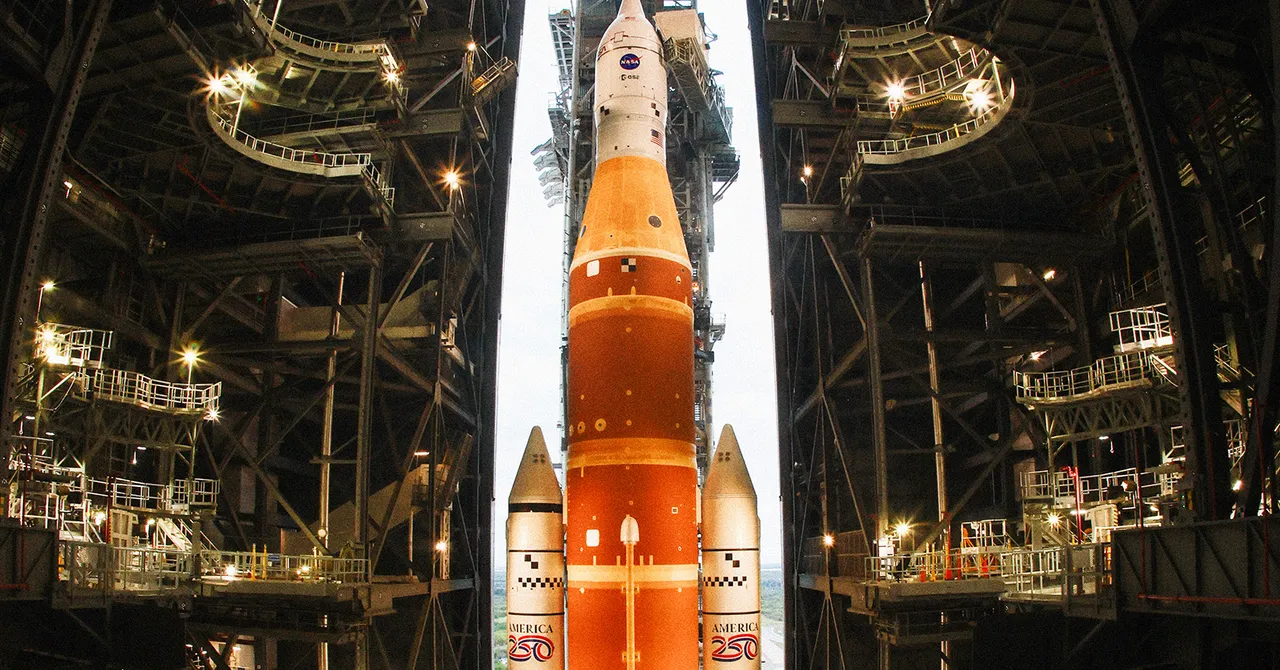
In a clear signal that innovation and disruption continue to reshape aerospace ambitions, NASA is recalibrating its Artemis program with a newfound focus on reliability, cost-efficiency, and phased approach. After repeated delays—stemming from persistent hydrogen and helium leaks—as well as the inherent risks of launching advanced hardware infrequently, agency officials are pushing for a transformation that could reset the US’s lunar ambitions. The core strategy now emphasizes standardizing the SLS (Space Launch System) to a single configuration, aiming to launch approximately every 10 months—an aggressive timeline compared with previous iterations.

This move towards regularized, high-frequency launches reflects an underlying industry shift towards more predictable and scalable space operations. Industry insiders, including leading analysts at Gartner and institutions like MIT, recognize that such standardization could be a game-changer—not only enhancing safety and reducing costs but also disrupting the traditional space launch market. By prioritizing reliability over continual configuration tweaks, NASA aims to foster an ecosystem where commercial entities can soon step into the void, launching crews to lunar surfaces with unmatched precision and frequency. As congressional leaders are briefed on these initiatives, major contractors like Boeing remain cautiously supportive, acknowledging the need for an accelerated schedule that will test their supply chains and engineering capabilities.

Significantly, the program’s renewed approach echoes the philosophical lessons of the historic Apollo missions—returning to a phased, step-by-step timeline before achieving a lunar landing. “Skipping intermediate steps,” as some industry veterans warn, introduces a level of risk and complexity that could jeopardize long-term goals. The plan underlines that the jump from Artemis II’s lunar flyby directly to Artemis III’s landing is too ambitious without thorough groundwork. As Elon Musk and Peter Thiel have long advocated, disruptive innovation in space requires robust incremental milestones—precisely what NASA’s new strategy aims to institutionalize.

Looking ahead, the implications are profound. The industry’s future depends on a nimble, resilient launch architecture, where technological innovation is paired with strategic planning. Companies like SpaceX and Blue Origin are exploiting these institutional shifts with groundbreaking developments—ranging from reusable rockets to artificial intelligence-driven mission planning—that could upend NASA’s current trajectory. With the space race intensifying and global powers investing heavily in lunar and Martian ambitions, timing is everything. The coming months will be crucial as NASA’s bold, standardized approach matures into a blueprint that might define the next era of human space exploration—one driven by disruptive innovation, strategic disruption, and a relentless pursuit of expeditionary excellence.

Trump’s Showbiz State of the Union Signals No Real Shift Ahead

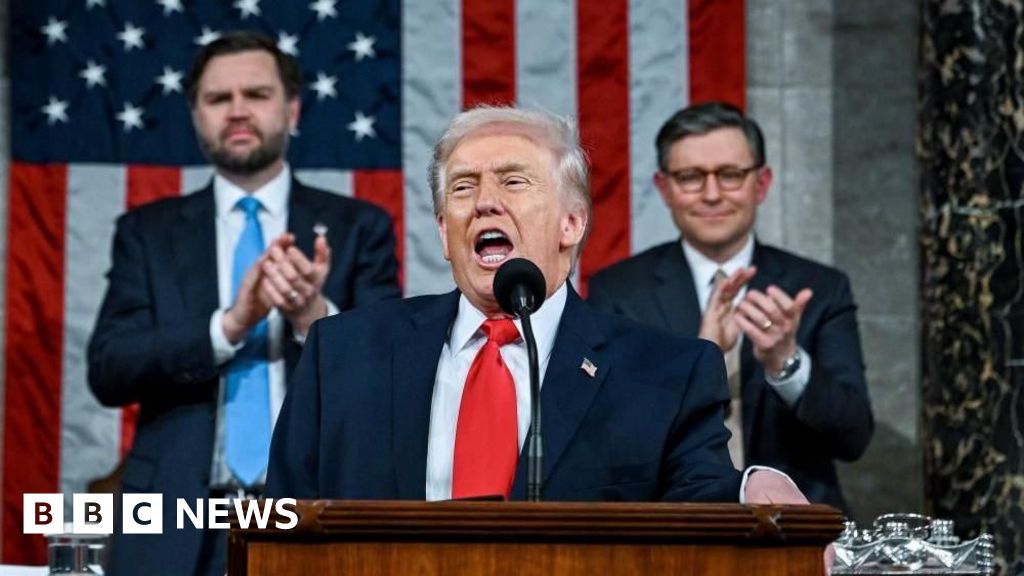
In recent weeks, the United States has been wrestling with a complex internal political landscape, centered around a contentious national address delivered from the White House. While the president reiterated familiar themes—emphasizing economic statistics, domestic policies, and national security concerns—the message has yet to resonate convincingly with the broader public. This political event, although seemingly confined within the borders of America, bears significant geopolitical repercussions, especially as global stakeholders analyze the implications of leadership narratives fueling or undermining international stability.

From an international perspective, the lack of public consensus on such critical domestic messages hints at the growing divide in America’s societal fabric—a divide that does not exist in isolation. Analysts from institutions such as the Council on Foreign Relations underscore how internal political turbulence within prominent nations like the U.S. can weaken international trust and influence. As China and Russia continue to shape a multipolar world, the domestic instability exemplified by unresolved partisan divides undermines America’s ability to project power and uphold its international commitments.

Historically, public perception and internal cohesion serve as bedrocks of global influence. When U.S. leaders appeal to a broad audience—aiming for tens of millions during national broadcasts—they are not only addressing domestic concerns but also signaling to allies and adversaries the current state of leadership stability. Experts warn that persistent narratives of discontent and political inertia risk emboldening rival powers, which are actively seeking to fill perceived vacuums of influence. Meanwhile, international organizations such as NATO and the United Nations are increasingly cognizant of how internal political turbulence in leading nations can, in turn, destabilize regional and global security architectures.

In the backdrop of these internal debates, the geo-economic landscape continues to shift. Nations such as India and Brazil are demonstrating resilience and strategic independence, leveraging moments of perceived American weakness. The European Union grapples with its own internal divisions but remains keenly aware that the stability of dominant global powers like the U.S. is integral to its own geopolitical posture. As such, the ongoing internal struggles and their international ramifications are echoing in diplomatic corridors worldwide, highlighting the delicate balance between national sovereignty and transnational stability.

Ultimately, history reveals that the fates of mighty nations are entwined through a tapestry of decisions, conflicts, and moments of introspection. As America faces a pivotal crossroads—balancing authentic political engagement with the weighty expectations of global leadership—future events remain unpredictable yet inevitable. The currents of history continue to sweep forward, carrying the world into uncharted realms where the outcome of internal political delays could define the course of international affairs for generations. The question remains: in the unfolding mosaic of geopolitics, whose vision of the future will prevail, and at what cost to civilization’s collective hopes? Only time will tell, but the echoes of current choices will undoubtedly resonate for decades—an enduring reminder that history’s pen remains inexorably poised to inscribe the next chapter.

Mexican cartel’s rampage sparks fears of more violence ahead

Cartel Violence Sparks International Concern in Mexico’s Guadalajara

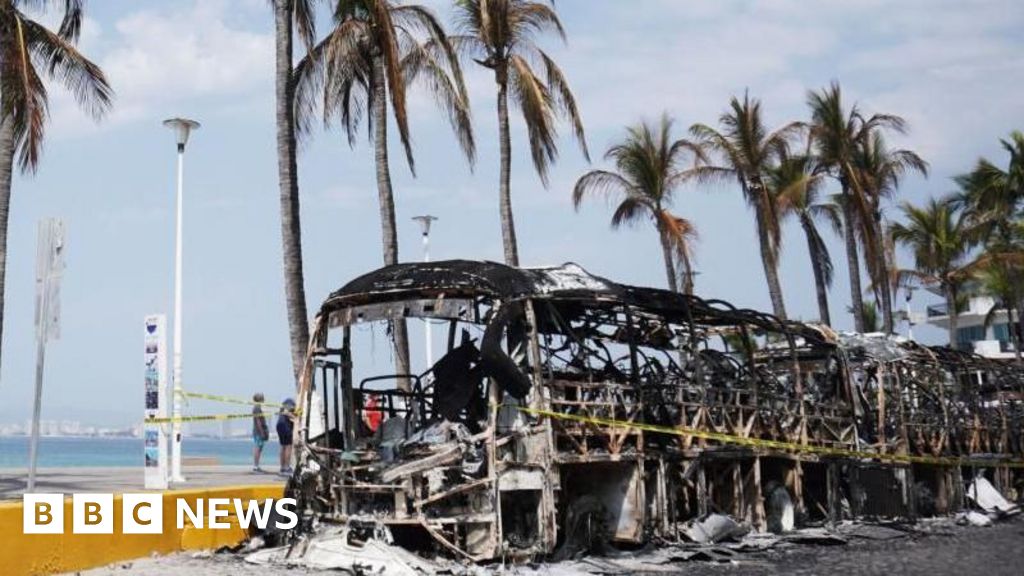
In the aftermath of recent violence in Guadalajara, residents are living in the shadow of fear following a violent retaliation by cartel members seeking to avenge the death of Nemesio “El Mencho” Oseguera, the presumed head of Mexico’s powerful CJNG (Cártel de Jalisco Nueva Generación). According to eyewitness accounts and local officials interviewed by the BBC, the city’s streets have become battlegrounds in what analysts describe as a dangerous escalation in organized crime conflicts. The violence, which initially targeted rivals, has now spilled over into civilian areas, prompting urgent discussions about the regional and global implications of Mexico’s security crisis.

Experts warn that this surge in cartel activity signals a broader destabilization that transcends national borders, impacting trade routes, foreign investments, and the safety of those seeking economic opportunity in the Western Hemisphere. International organizations, including the United Nations Office on Drugs and Crime, have reiterated their concerns over the expanding reach of Mexican cartels, which now challenge state authority and threaten regional stability. The death of “El Mencho,” once considered one of the world’s most elusive drug lords, has indeed sent shockwaves through the cartel ecosystem, leading to an unprecedented wave of violence and power struggles within the criminal underworld.

These developments coincide with a notable shift in U.S.-Mexico relations. As Washington increasingly emphasizes cooperation to combat drug trafficking, traffickers are adapting their strategies in ways that complicate law enforcement efforts. Some analysts argue that the failure to dismantle major cartels like CJNG signifies a broader failure of both Mexican and international policies to stem the flow of drugs and illicit arms. The conflict in Guadalajara exemplifies how local conflicts can rapidly escalate into regional crises with far-reaching effects. Historically, similar patterns of cartel violence have led to destabilization in neighboring countries, fostering insecurity that hampers growth and democratic development.

The repercussions extend beyond borders—causing ripple effects that threaten the sovereignty and stability of nations across the Americas. Mexico’s government continues to face mounting pressure to implement decisive measures, including military crackdowns, yet critics argue that without addressing the root causes—poverty, corruption, and lack of economic opportunity—such violence will persist. University scholars and political analysts warn that unless a comprehensive strategy is adopted, the cycle of violence will only intensify, potentially drawing in international actors and destabilizing entire regions.

As residents share their stories of chaos and resilience, the world watches with bated breath. The recent violence in Guadalajara is more than a local crisis; it is a stark reminder that history is still being written, with the fate of nations hanging in a delicate balance. In the coming weeks, the international community’s response—and Mexico’s ability to confront this darkness—will determine whether this chapter ends in tragedy or a harder-earned path toward stability.

Only 32% of Americans believe Trump’s priorities are right — poll ahead of State of the Union

Global Power Plays Amid Political Turmoil and Military Posturing

As the United States prepares for yet another theatrics-filled State of the Union, the international landscape is brimming with a complex web of strategic moves, diplomatic tensions, and military maneuvers that underscore the ongoing power struggle on the world stage. Behind the scenes, the decisions made in Washington ripple outward, reconfiguring alliances, testing borders, and recalibrating the delicate balance of global influence. This is a critical moment in history where the choices of leaders will not only define domestic agendas but also have lasting consequences for geopolitical stability.

On the military front, the USS Gerald R. Ford, the world’s largest aircraft carrier, has reached the US naval base at Souda Bay, Crete, en route to join a burgeoning military buildup in the Middle East. The move signals heightened tensions, as Trump-era threats to Tehran repeatedly threaten to spark a new regional conflict. The President, who has openly threatened Iran with renewed military action over its nuclear program, now appears increasingly frustrated by diplomatic stalemates. According to sources, Trump’s advisers are weighing options for a strikingly forceful call to Iran, but caution persists due to the risk of escalating an already volatile situation. Analysts warn that any misstep could ignite a prolonged war in the Middle East, dragging global powers into a conflict that might shift regional power dynamics and destabilize international order.

Meanwhile, in the theatre of international diplomacy, the US State Department continues to issue advisories about Western Mexico amid ongoing cartel violence following the killing of a prominent drug lord. This situation reflects the broader implications of America’s border policies and counter-narcotics efforts that are often criticized for their impact on social stability and economic development in the region. The United States’ stance on border security, trade tariffs, and military intervention remains a key feature of its geopolitical posture, influencing policy decisions in neighboring countries and European allies alike. European nations, already rattled by the recent US Supreme Court ruling against Trump’s tariffs, now face the challenge of recalibrating their trade relations amid America’s impulsive economic tactics. The court’s decision has been lauded by conservatives but accused by liberals of sowing chaos and undermining executive authority, fueling ongoing battles over the proper scope of presidential power.

On the home front, the US political scene is equally tumultuous. Biden’s administration faces mounting pressure from both the left and right, as factions within Congress debate whether to attend or boycott the upcoming address. Several prominent Democrats, including the likes of Abigail Spanberger and Summer Lee, plan to deliver alternate rebuttals, signaling a rift that underscores the fragile unity of US political institutions. Meanwhile, Trump’s approval ratings continue their steep decline, with only a minority of Americans believing he holds the right priorities—highlighting the deepening divide and the turbulent state of American democracy. Observers like historians and political analysts warn that this systemic discord may herald a period of instability that could have profound ramifications for the future of the Western alliance. As the country braces for Trump’s lengthy and combative speech, other nations worldwide watch with bated breath, knowing that the domestic unrest and foreign conflicts are intertwined in a grander, treacherous geopolitical dance.

Chains of history are being forged in this tumultuous chapter, where decisions made today will echo across generations. In the vortex of military build-up, diplomatic upheavals, and political chaos, the weight of destiny hangs heavy. An uncertain future unfolds, where the boldest leaders’ choices may either forge a new era of strength and stability or plunge the world into chaos, leaving history to judge who truly understood the stakes. As the world stands at this crossroads, the unfolding narrative signals that the next few days may be pivotal—an epoch in the making that no observer can afford to ignore.

Wordle Alert: Today’s Answer & Top Tips for February 17, 2026—Stay Ahead of the Trend!

In recent months, the word puzzle craze known as Wordle has transcended simple entertainment to become a significant social and cultural phenomenon. Originally created as a personal challenge, it swiftly gained momentum across social media platforms, particularly TikTok and Twitter, where users share their daily results and tactical strategies. The game’s rapid rise caught the attention of influencers, sociologists, and analysts, who see in it a reflection of contemporary society’s thirst for quick mental engagement and community-oriented activities in the digital age.

What makes Wordle extraordinary isn’t just its addictive nature but its ability to foster a shared cultural experience. Players worldwide connect through common language puzzles, creating a new form of collective participation. The game’s simplicity—solving a five-letter word within six guesses—belies its deep social relevance. As Mashable reports, the game was so popular that it was acquired by the New York Times—a testament to its cultural significance. The platform has become a virtual meeting ground, where daily victories and frustrations are openly shared, fueling a sense of identity rooted in intellectual engagement and social bonding.

Moreover, the influence of Wordle’s reach extends beyond casual players. Prominent influencers and community creators have livestreamed their attempts, turning individual puzzles into shared events. Sociologists analyzing trends suggest that this reflects a broader societal shift—an increasing desire for accessible yet meaningful social activities in an era of digital overstimulation. Cultural analysts point out that through its simple rules and communal sharing, Wordle taps into a need for authentic connection, which many feel is missing in our highly commercialized online interactions. Furthermore,

  • It encourages critical thinking and pattern recognition amidst a wave of fast-paced content consumption.
  • It reinforces a collective identity in communities that span borders and languages.
  • It sparks friendly competition, often leading to intergenerational and peer-based dialogues.

As we see this trend solidify, questions emerge about what this indicates for the future of social gaming and digital culture. Could Wordle merely be a fleeting viral stunt, or does it herald a new chapter where traditional social bonds are reimagined through simple, brain-teasing communities? The next step might involve examining how such minimalist games influence not just entertainment but also societal perceptions of intelligence and social cohesion. As young audiences continue to shape their online identities, the critical question remains: Will these shared puzzles evolve into more substantial social movements or remain a transient cultural blip?

Europe urged to brace for 3°C rise: Challenges ahead but still within reach

Europe Confronts the Harsh Realities of Climate Change: A Wake-up Call for Global Leaders

Amidst mounting evidence and urgent warnings from climate scientists, Europe is witnessing an unsettling acceleration of extreme weather events that threaten its societal fabric and economic stability. Maarten van Aalst, a leading member of the European Scientific Advisory Board on Climate Change (ESABCC), has declared that safeguarding the continent from the devastating impacts of rising global temperatures is a task that, remarkably, “is not rocket science.” His comments underscore a stark truth: the methods required are straightforward and within reach but demand political will and coordinated action. The recent reports from the ESABCC highlight an alarming trajectory—by 2100, temperatures in Europe could soar by 2.8-3.3°C, surpassing the commitments made during the 2015 Paris Agreement, which aimed to limit warming to well below 2°C. Current efforts, they observe, are largely insufficient, characterized by incremental measures that arrive too late to confront the scale of the crisis. This glaring discrepancy between intent and action signals a profound risk to the societal stability of Europe and, by extension, the global order.

The recent history of weather extremes in Europe exemplifies nature’s wrath and the fragility of human resilience. Catastrophic floods in Germany’s Ahr valley in 2021, which killed 134 people, and the deadly storms in Spain’s Valencia region in 2024, claiming 229 lives, serve as stark warnings. Studies attribute half to two-thirds of these fatalities to heat-induced conditions intensified by fossil fuel pollution. Fires that ravaged more land than ever recorded also punctuate this tragic trend. Governments across the continent are under increasing pressure to draw up comprehensive climate adaptation plans, yet many remain unprepared for the severity of the threats. Portugal, for example, recently faced an unprecedented storm series resulting in over €775 million (£675m) in damages and at least 16 fatalities, emphasizing the immediate need for nations to upgrade infrastructure and early-warning systems. The European Union, facing its own political and economic challenges, is urged by analysts and international organizations not to dilute its green commitments in the guise of economic revival, but to prioritize resilience against climatic upheavals.

Expert voices, including historians and climate analysts, emphasize a sobering reality: the window for effective intervention narrows rapidly. Van Aalst notes that twenty years ago, extreme weather primarily threatened poorer nations, but today, Europe itself has become vulnerable, especially to anomalies it has not previously encountered. The ESABCC recommends mandatory climate risk assessments and the integration of resilience strategies into all policy sectors—yet, the critical question remains: how much are nations willing to invest in protecting their societies from impending catastrophe? Beyond just responding to crises, the focus must shift toward prevention and adaptation. The latest IPCC report underscores a disturbing trend—reaching the limits of adaptation if decisive action isn’t taken soon. As the world teeters on the brink of irreversible change, the global community faces a stark choice: act comprehensively or watch as history’s most ambitious climate accord continues to falter. The stakes could not be higher.

In this unfolding chapter of human history, Europe serves as both a warning and a mandate for action. The confluence of rising seas, lethal heatwaves, and relentless wildfires paints a grim picture—a future where modern civilization’s resilience is tested like never before. The decisions made in the coming years will resonate through generations, shaping the legacy of a society caught between its technological achievements and its environmental responsibilities. As climate history continues to be written, the world waits in tense anticipation—will humanity rise to meet this defining challenge or succumb to the chaos of neglect? The answer remains shrouded in the ever-warming shadows of the future, a narrative still unwritten, yet deeply felt: the weight of history is shifting, and the clock is ticking.

Social Media Auto Publish Powered By : XYZScripts.com