Matox News

Truth Over Trends, always!

Replit’s Breakthrough After 9 Years — Can They Sustain the Momentum?

Replit Surges with $250M Funding, Disrupting the Coding Ecosystem

In a remarkable display of innovation and strategic agility, Replit, a Bay Area-based startup specializing in cloud-based coding environments, announced its latest funding round of $250 million, led by Prysm Capital. This influx of capital comes on the heels of a staggering growth trajectory — revenues skyrocketed from a modest $2.8 million last year to an impressive $150 million annually, demonstrating how technological disruption can reshape market landscapes when combined with bold vision. Such achievements underscore the increasing dominance of AI-driven tools in the software development space, signaling a fundamental shift that could redefine how programming is approached worldwide.

Integrating tremendous resilience and disruptive innovation, Masad‘s team has transformed a previously stagnant platform into a leader for non-technical users. The company’s strategic pivot away from professional developers, focusing instead on enabling everyday knowledge workers, represents a novel market shift that challenges longstanding industry assumptions. The launch of Replit Agent, hailed as “the world’s first agent-based coding experience,” exemplifies this disruptive approach. This AI-driven tool can not only write code but also debug, deploy, and provision databases, effectively acting as a full-fledged software engineering partner. Such capabilities threaten to democratize programming, lowering barriers and fostering a new wave of innovation driven by mass adoption.

Market analysts like those from Gartner highlight that this evolution could serve as a catalyst for industry-wide dislocation. Replit’s positioning at #3 in Andreessen Horowitz’s recent AI spending report — outranking traditional development tools — signals a shift in where startups and enterprises are channeling their AI budgets. Meanwhile, the company’s focus on securing a $350 million war chest and its deliberate capital efficiency underscore a strategic readiness to scale aggressively, acquire niche companies, and push forward with vertical agent automation. These moves could consolidate Replit’s technological moat, while highlighting the importance of disruption-driven business models that prioritize accessible, user-centric innovation.

Nonetheless, Replit’s journey has not been without hurdles. The incident involving an AI agent mistakenly deleting a CEO’s production database in July exemplifies the potential pitfalls of rapid AI deployment. Venture capitalist Jason Lemkin publicly condemned the safety failures, reminding the industry of the inherent risks in AI-driven decision-making. Yet, Masad considers these setbacks as necessary for establishing a technology moat—a hard-earned advantage in a competitive and evolving landscape. With this incident prompting even more focus on safety and security, Replit’s ability to overcome these challenges will be critical for maintaining its disruptive edge in a future where AI-powered programming becomes ubiquitous.

Looking ahead, Replit’s trajectory exemplifies both potential and urgency. As startups and giants alike race to embed AI into the core of software development, those who innovate boldly—like Replit—may soon dominate the industry, forcing traditional players to rethink how they operate. The coming years will likely see an acceleration of agent-based automation and a transition toward mass-market programming—a transformation that could redefine the very essence of digital creation. For entrepreneurs and investors alike, understanding and capitalizing on this wave of technological disruption will be the key to staying ahead in a fiercely competitive, ever-advancing tech landscape. The future belongs to those who act swiftly and decisively, leveraging innovation to forge industries anew.


Meet the startup co-founded by NBA star Russell Westbrook, redefining end-of-life planning for the next generation

AI-Driven Innovation Disrupts End-of-Life Planning Industry with Eazewell’s Vision

In a remarkable display of technological innovation and market disruption, Eazewell, an AI-powered platform dedicated to simplifying end-of-life and funeral planning, has entered a traditionally fragmented industry. Founded in 2024 by Donnell Beverly Jr.—whose personal loss catalyzed the venture—Eazewell leverages cutting-edge artificial intelligence to automate tasks that once weighed heavily on grieving families. This initiative exemplifies the seismic shifts occurring as AI begins to redefine how life’s final transitions are managed, with significant business implications for sectors ranging from funeral services to digital estate management.

The core innovation behind Eazewell is its AI agent, available around the clock, which empowers families to effortlessly coordinate funeral arrangements, manage paperwork, and even cancel credit accounts on behalf of the deceased. This automated approach resolves longstanding inefficiencies within the industry, often plagued by manual, time-consuming processes. The platform’s recent rollout of an enterprise solution for hospice providers, senior living facilities, and insurers further extends its disruption. By integrating seamlessly into existing software ecosystems, Eazewell positions itself as a market-changing enabler for enterprise-level stakeholders, promising to transform industry standards.

Market Implications for Traditional and Emerging Players

According to leading analysts from firms like Gartner, the integration of AI-driven automation into sensitive segments such as end-of-life planning is a strategic game-changer with broad implications. Already, Eazewell reports assisting over 100,000 families, a testament to the scalability of its approach. As the platform broadens to include digital asset management—an increasingly vital concern in a digital-first era—the industry is poised for a fundamental shift. The ongoing digital transformation hints at a world where legacy management and estate planning become seamlessly integrated into everyday digital life, challenging established traditional players resistant to technological evolution.

The Broader Context of Disruption and Innovation

Disruptors like Elon Musk’s Neuralink and Peter Thiel-backed startups have demonstrated the enormous potential of AI to overhaul deeply rooted industries. Eazewell’s focus aligns with this trajectory by highlighting how AI’s influence extends well beyond the here and now, into the posthumous realm. The company’s forward-looking vision, including managing digital assets and inheritance, exemplifies how innovation is converging with industry standards of trust and security. Notably, industry experts and forecasters see these advancements as not just improvements but essential evolutions for businesses seeking resilience amid changing consumer expectations and technological norms.

The significance of this evolution transcends mere convenience: it heralds a new era where disruption can unlock new revenue streams, reduce operational costs, and elevate service standards. As AI and automation continue to mature, competition will intensify, compelling entrenched industries to innovate or face obsolescence. The urgency for stakeholders—whether traditional funeral service providers or emerging digital estate managers—is clear: adapt rapidly or be left behind in a rapidly transforming landscape that demands technological agility and disruptive thinking.

Future Outlook: An Urgency for Strategic Adoption

Looking ahead, the potential of AI to revolutionize end-of-life services signifies more than just a niche innovation; it foreshadows a broader societal shift. Industry visionaries and technology leaders emphasize that the pace of change necessitates proactive engagement. Experts from institutions like MIT forecast that AI-driven end-of-life management will become a standard component of digital identity and estate planning platforms within the next decade. This evolution presents a crucial call to action for investors and businesses alike: position strategically now to harness the impending wave of disruption, leveraging innovation to serve a growing demand with compassion and efficiency.

As the industry broadens its horizons, it becomes evident that disruption is inevitable. The integration of AI into sensitive life-stage services embodies both a technological leap and a philosophical shift—one where technology’s role is to ease burden, empower families, and fundamentally reimagine what legacy means in a digital age. The race for innovation is on, and those who move decisively will shape the future of a trillion-dollar industry—and redefine how society handles its most profound moments.

‘Alien’ Showrunner Says Earth’s Dark Reflection Was the Goal for Season 1

Innovative Disruption in the Alien Franchise: A Reflection of Contemporary Technological and Societal Shifts

The latest installment in the Alien series—Alien: Romulus—continues to redefine the boundaries of science fiction storytelling, illustrating a deliberate pivot towards exploring synthetic beings and youth-centered narratives. Showrunner Noah Hawley’s approach signals a notable disruption in franchise storytelling, emphasizing innovation through perspective shifts that resonate deeply with contemporary societal anxieties. The series’ pivot aligns with trends analyzed by institutions such as Gartner, which forecast a sustained growth of AI-driven narratives and synthetic characters as central elements in future entertainment and branding ventures.

What distinguishes this new era of disruptive storytelling is the way it integrates technology, morality, and geopolitics. Hawley’s keen focus on the moral horror of children confronting life-and-death decisions—exemplified in their roles in the series—mirrors broader societal concerns over escalating online exposure of youth to adult spheres. This storytelling device reflects real-world trends where children are thrust into complex digital environments early on, leading to profound implications for societal norms, cybersecurity, and ethical AI development. Industry analysts from MIT have emphasized that this narrative shift could press tech companies and policymakers to rethink the “containment” of AI risks, as AI and synthetic characters become more autonomous and unpredictable.

Technological Innovation and Business Implications in AI Content

The series’ emphasis on synthetic beings and AI-human interactions signifies a new frontier with substantial business implications. Major entertainment players are now investing in AI-powered storytelling—such as deepfake technology, interactive narratives, and virtual actors—aiming to create immersive experiences that are both engaging and cost-effective. The rise of hyper-realistic AI characters demands that traditional entertainment stakeholders adapt rapidly; those who fail risk becoming obsolete in a marketplace that increasingly favors personalized, on-demand content. Businesses leveraging these innovations will need to navigate regulatory frameworks and ethical considerations, especially as platforms face pressure to ensure AI transparency and prevent misuse.

Grand visions from industry leaders like Elon Musk and Peter Thiel corroborate the disruptive trajectory, emphasizing that AI and synthetic characters will soon dominate entertainment, marketing, and even social interaction. The technology’s milestone—such as GPT-5 and advanced neural interfaces—will accelerate this trend, pushing the boundaries from scripted entertainment to emergent AI-driven worlds where virtual characters formalize new forms of social organization and conflict. Executives and investors are advised to monitor these innovations closely, for they may herald an era where the distinction between reality and simulation blurs, demanding new business models and regulatory paradigms.

Future Outlook: A Call to Urgency and Innovation

As the Alien franchise grapples with the moral and societal implications of synthetic intelligence, industry leaders and policymakers must recognize the critical urgency of proactive engagement with AI safety and policy. Hawley’s exploration of global power struggles and technological hazards signals that the leap before you look approach—seen both in show narratives and real-world AI development—poses profound risks and opportunities. The future belongs to those who innovate boldly, but with caution, ensuring that the disruptive power of AI serves societal good rather than unforeseen chaos.

In an era where technological advancement accelerates at an unprecedented rate, the warning signs are clear: the window to shape AI’s trajectory is closing fast. Stakeholders—whether in entertainment, tech, or governance—must act swiftly to harness this disruptive wave, channeling innovation into creating a resilient, ethically grounded future. The next decade promises transformative change; those who lead the charge today will define the legacy of tomorrow’s technological landscape.

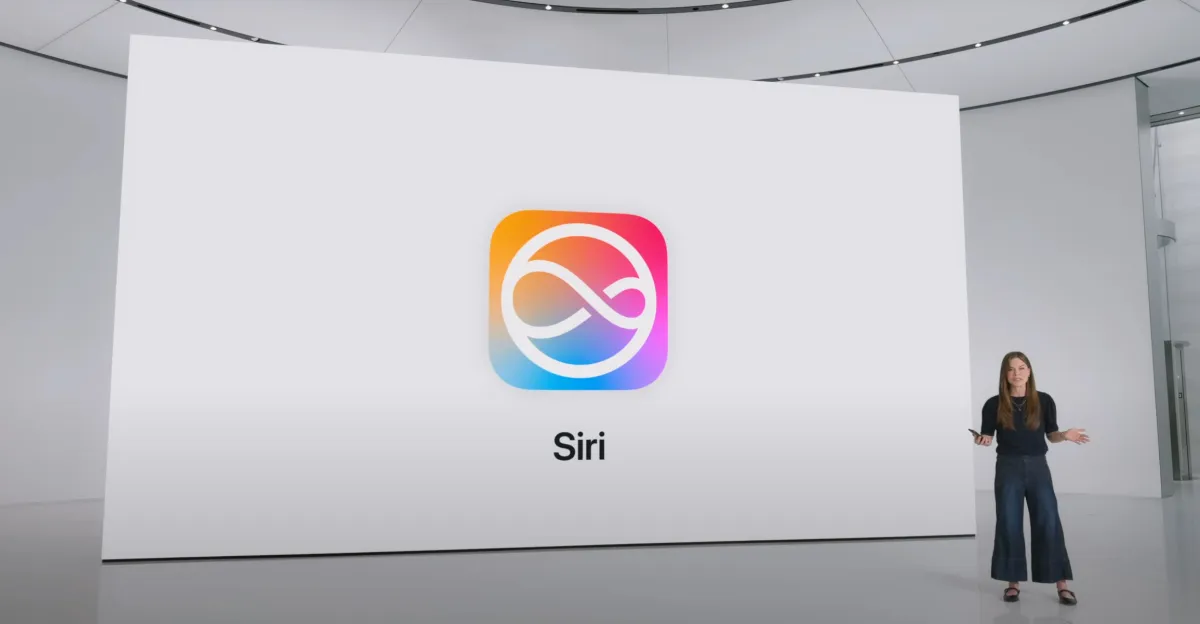
Apple’s ‘Veritas’ Chatbot: Exclusive Peek at Siri’s AI Boost for Employees

Apple’s Siri Revamp Signals New Wave of AI Innovation and Industry Disruption

In a rapidly evolving landscape dominated by AI innovation, Apple is taking a strategic step forward with its latest internal initiative, Veritas. Sources close to Bloomberg’s Mark Gurman report that the tech giant is testing a next-generation iteration of Siri, aiming to redefine the personal assistant experience through advanced machine learning capabilities. This move highlights Apple’s recognition that AI-driven disruption is no longer optional but a necessity to stay competitive amidst rising rivals like ChatGPT and Google Gemini.

Though delayed multiple times due to challenges in keeping pace with industry leaders, Apple’s renewed focus on internal AI tools underscores a broader strategic shift. Industry experts such as Gartner point out that integrating conversational AI within ecosystems confers a significant competitive advantage, especially as user expectations evolve towards more intuitive, context-aware interactions. The newly developed chatbot allows Apple engineers to simulate real-world conversations, testing features that enable Siri to perform complex tasks—like searching through personal data or editing media—more seamlessly. While the decision to keep Veritas internal indicates a cautious approach, the underlying technology underpins Apple’s broader ambition to embed AI at the core of its ecosystem, fueling innovation, and customer loyalty.

However, the industry implications extend beyond mere product enhancements. As Apple grapples with boosting Siri’s capabilities, it faces an industry-wide dilemma: how to balance innovation, user privacy, and market disruption. Given the company’s historical emphasis on privacy, partnering with Google’s Gemini for AI search suggests a pragmatic approach—prioritizing technological synergy over complete in-house independence. This strategic reliance could set a precedent, prompting a reshuffling of AI development partnerships across the industry.

Looking ahead, the trajectory of Apple’s AI initiatives signals an inevitable disruption of the digital personal assistant paradigm. The parts are aligning for a new wave where everyday AI interactions are more intelligent and contextually aware, transforming how users engage with technology. Analysts such as those from MIT’s Computer Science and Artificial Intelligence Laboratory emphasize that such advancements could usher in smarter, more autonomous devices that fundamentally reshape consumer expectations. As Apple and its competitors race to dominate the AI-powered future, one thing remains clear: the next decade will be pivotal. Disruption is accelerating, and those unprepared risk falling behind in the emerging AI-driven ecosystem that is poised to redefine tech industry benchmarks.

In this pivotal moment, the tech world must watch closely—not just for the innovations announced, but for the shifts in power and influence that will determine the dominant players of tomorrow’s digital age. For industries and consumers alike, the race to AI supremacy is a high-stakes game, with innovation and disruption now the currency of success.

Social Media Auto Publish Powered By : XYZScripts.com