Matox News

Truth Over Trends, always!

Alabama Gov. halts nitrogen gas execution, spares death row inmate

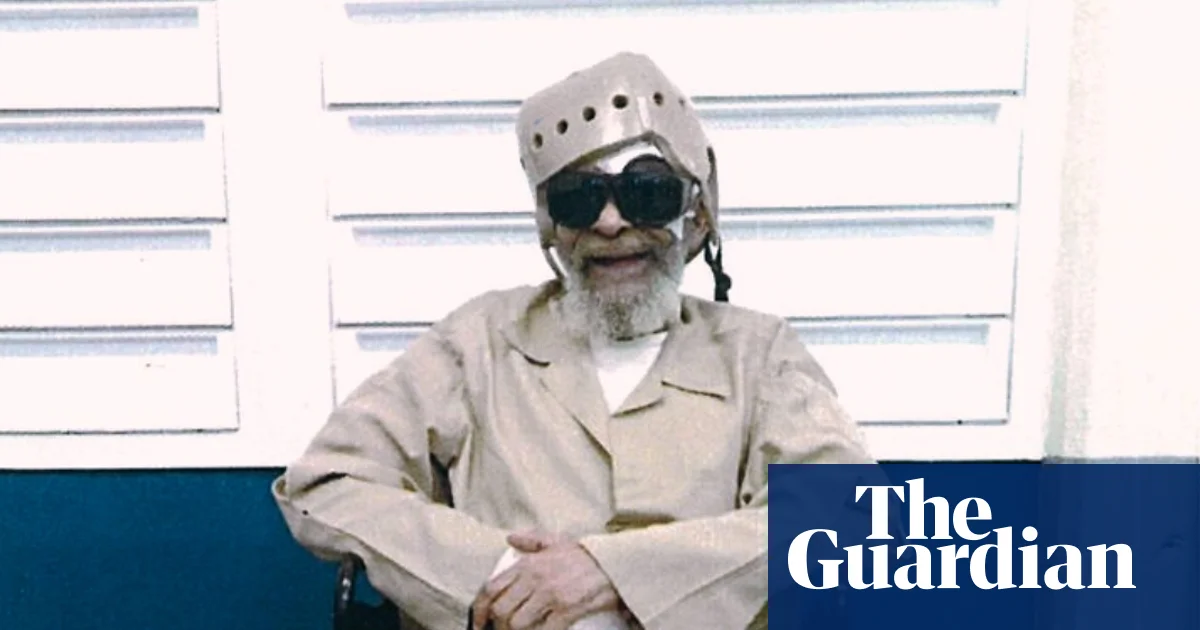
In a significant move that underscores the complex intersection of justice, morality, and public opinion, Governor Kay Ivey of Alabama has commuted the death sentence of 75-year-old inmate Charles “Sonny” Burton, who was scheduled for execution this week. This decision, rooted in a controversial reevaluation of justice, does not merely reflect local policy but resonates globally as an example of how states grapple with the morality of capital punishment. Despite Alabama’s long history of carrying out executions—83 since the US supreme court reinstituted the death penalty in 1976—Governor Ivey’s intervention marks a notable shift in the state’s approach to justice, emphasizing fairness and proportionality.

Burton’s case, which sparked widespread debate, revolves around significant procedural and moral questions. Sentenced to death for the 1991 shooting death of a customer, Doug Battle, during a store robbery, Burton was not the individual who fired the fatal shot. Instead, another man, Derrick DeBruce, was responsible for the actual killing. While DeBruce’s death sentence was reduced on appeal to life imprisonment without parole, Burton’s punishment was set to proceed despite this new information. Ivey justified her decision by stating, “I cannot fairly administer the death penalty to Burton when the man who actually killed Battle is allowed to live.”—a statement highlighting the ongoing global debate over the application of capital punishment in cases where guilt and responsibility are complex and nuanced.

From an international perspective, Alabama’s unique stance and the recent halt of Burton’s execution illuminate a broader ethical discourse that transcends national borders. Human rights advocates, legal analysts, and international organizations like Amnesty International have long criticized the use of the death penalty as inhumane and prone to errors. Critics argue that even in cases where justice seems straightforward, flawed procedures or misidentification can lead to irreversible mistakes—errors that history’s dark chapters have repeatedly demonstrated. According to renowned historian Amanda Vickery, the debate over capital punishment is ultimately a reflection of a society’s willingness to uphold the sanctity of life, even amid the desire for retribution.

The decision by Governor Ivey to halt Burton’s execution after protests, including appeals from the victim’s daughter, Tori Battle, underscores how societal values influence judicial outcomes. Battle’s open letter, asserting that her father’s memory should not be dishonored by another death, echoes a growing movement emphasizing mercy and justice over vengeance. This moral stance challenges the traditional arguments for capital punishment, especially in the face of potential wrongful convictions and the ethical costs associated with state-sanctioned killing. Analysts warn that such decisions could either bolster moral authority or further deepen divisions within the American legal system, depending on their long-term consequences.

The consequences of Alabama’s actions reflect a broader geopolitical impact. As the United States grapples with its identity as both a defender of human rights and a nation still employing the death penalty, other countries observe with keen interest. Many democratic nations have abolished capital punishment, viewing it as incompatible with modern human rights standards; Alabama’s stance illustrates the persistent ideological divergence within the superpower. As scholars and international bodies monitor these developments, they serve as a reminder that decisions made in one state ripple into global perceptions, framing America’s moral and diplomatic standing. The story of Burton’s case is more than a legal controversy; it is a symbol of the ongoing struggle between justice, morality, and international reputation, a narrative still unfolding amid the relentless march of history.

Activists from Oscar-nominated 'The Alabama Solution' thrown into solitary confinement
Activists from Oscar-nominated ‘The Alabama Solution’ thrown into solitary confinement

Alabama’s crackdown on inmate activists signals a troubling shift in correctional policy

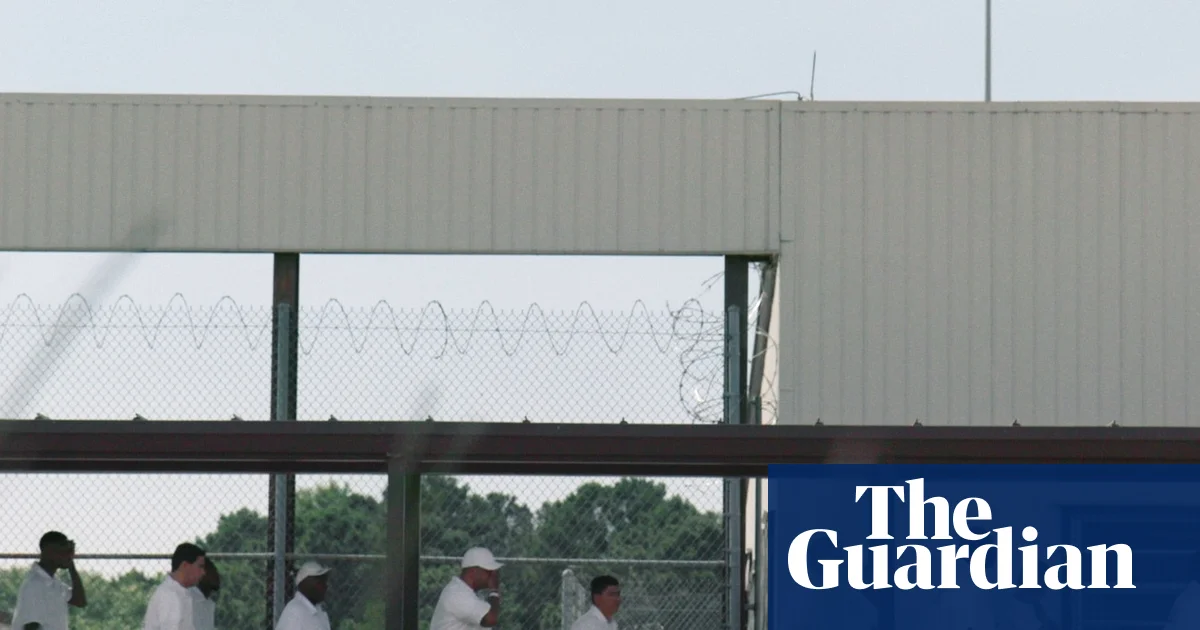
In recent weeks, the Alabama prison authorities have moved three prominent inmate activists—Robert Earl Council, Melvin Ray, and Raoul Poole—into solitary confinement at Kilby correctional facility, sparking international concern over rising authorities’ repression. These men, known for their vocal opposition to prison conditions and their feature in the Oscar-nominated documentary, The Alabama Solution, are now isolated with little contact with family or legal representatives, raising alarm about potential retaliation for their activism. Critics argue that this targeted move exemplifies a broader pattern of state-sponsored suppression of dissent within American correctional institutions.

Many analysts note that the U.S. prison system, particularly under Alabama’s Department of Corrections, is increasingly employing punitive isolation to silence prisoners who dare to challenge systemic abuses. The move to segregate Council, Ray, and Poole on what prison officials claim are “security concerns” appears to be an escalation designed to discourage dissent, especially in a climate where calls for a new prison labor strike are gaining momentum. International human rights organizations, such as Amnesty International, have long condemned the use of prolonged solitary confinement as a form of torture and excessive punishment, warning that such measures threaten the physical and mental well-being of inmates.

The controversy extends beyond the prison walls; it underscores the delicate geopolitical impact of America’s ongoing domestic human rights issues. As the United Nations and various watchdog groups scrutinize American incarceration practices, critics argue that these internal struggles reflect poorly on the nation’s claims of justice and human rights leadership. The fact that activists like Council, Ray, and Poole have been featured in a documentary, which has received international recognition, indicates a wider acknowledgment of the depth of America’s incarceration crisis. Renowned political analysts warn that such suppression not only diminishes the morale of political prisoners but also serves as a cautionary tale about the lengths to which authorities will go to preserve the status quo.

Historian and prison reform advocates emphasize that these recent actions can have long-lasting repercussions in the realm of international relations. With sectors of the global community increasingly demanding accountability, the U.S. risks portraying itself as a nation that tolerates and even endorses authoritarian tactics within its own borders. The move against these inmates coincides with a period of heightened political tension, pushing the debate over human rights and state repression into the international spotlight. As experts warn of a potential escalation in such measures, the world watches, and history waits to record whether this is a defining moment of reform or an affirmation of systemic brutality.

Indeed, the unfolding story of Alabama’s prison system serves as a stark reminder of the persistent power struggle within democratic societies—a struggle between the forces of authority and the rights of the individual. As the voices of resistance are silenced through intimidation and isolation, the question remains: how much longer will the global community accept such injustices as the price of order? The narrative is still being written—one where the weight of history may yet tip toward reform or repression, and the world waits to see which path America will choose in this dark chapter of its own making.

Social Media Auto Publish Powered By : XYZScripts.com


