Matox News

Truth Over Trends, always!

Canada demands answers from OpenAI after failing to alert police in Tumbler Ridge school shooting aftermath

In a striking development that underscores the complex intersection of emerging technological threats and national security, Canada has taken a bold stance by summoning representatives from OpenAI, the AI giant behind ChatGPT, following revelations about its handling of a deadly school shooting. The incident, which occurred in February 2025 in the remote town of Tumbler Ridge, resulted in the tragic loss of eight lives, including children and an adult victim. The shooter, identified as Jesse Van Rootselaar, reportedly used the AI chatbot to describe violent scenarios over several days, prompting internal flagging by automated review systems. Yet, OpenAI’s decision not to alert authorities—citing the lack of “credible or imminent planning”—has sparked outrage and serious questions regarding how private corporations manage threats that endanger society.

  • On the day of the attack, Van Rootselaar killed her mother and half-brother at their home before proceeding to the school, where she killed five children and a teaching assistant. This sequence of events raises pressing concerns about preventative measures and the role of AI moderation in safeguarding vulnerable populations. One of the most unsettling aspects lies in the company’s internal discussions, where staff considered notifying Canadian law enforcement last year about her activities—an indication that early warning signs may have been overlooked or dismissed. As international analysts emphasize, tech companies often find themselves at the heart of the debate over corporate responsibility versus privacy rights.

Prime Minister Evan Solomon has made it clear that the government intends to hold tech giants accountable. During a recent parliamentary session, he announced plans to meet with OpenAI’s safety and policy teams, aiming to clarify their protocols for escalating threats to law enforcement. This move signals a shift where governments are increasingly asserting authority over AI corporations that operate beyond traditional borders but have profound societal impacts. Such measures could set a precedent, compelling other nations to tighten regulations on AI usage—particularly among minors—effectively forging a new frontier in global security policy.

Meanwhile, international organizations and security experts warn that without stringent regulation, AI systems could become portals for unchecked extremism or violence. The United Nations and various regional security watchdogs have started considering frameworks for AI governance that balance innovation with safety. The incident in Canada acts as a grim warning: the proliferation of AI tools makes it increasingly difficult to prevent individuals with malicious intent from exploiting technology for destructive ends. As one prominent historian of technology warns, we are witnessing *the emergence of a new battleground*—where the battle for societal safety is fought not with bombs or guns alone, but with code and data.

By confronting the consequences of unchecked AI use, nations face a pivotal moment in history—one that could redefine the boundaries of sovereignty, privacy, and security in the digital age. As governments tighten their grip on emerging tech and global institutions reevaluate their rules, the message is clear: the decisions made today will shape the fabric of societies for decades to come, determining whether humanity can harness technology for progress or be consumed by its darker potential. This unfolding crisis marks just the beginning of a long, uncertain journey—one where the weight of history presses heavily on the shoulders of policy-makers, tech giants, and societies at large, reminding us that the future of civilization hinges on our ability to confront these challenges with resolve and foresight.

Could AI Agents Sink the Economy? Stay Alert, Youth!

Innovative AI Disruption Sparks Fears of Massive Economic Turmoil

In a thought-provoking report released by Citrini Research, industry analysts warn of a potential massive economic disruption driven by agentic AI, projecting a bleak scenario where automation could significantly reshape the U.S. economy within the next two years. The analysis foresees a cascade of consequences—doubled unemployment rates, a one-third decline in stock market valuation, and pervasive white-collar layoffs—painting a stark picture of an economy on the verge of upheaval. This disturbing outlook federal economists and tech innovators alike are scrutinizing, emphasizing the need for urgent strategic responses as AI integration accelerates at a breakneck pace.

Innovation and Disruption: How AI’s Rapid Integration Could Alter Business Models

The Citrini scenario revolves around the integration of advanced agentic AI into core business processes, heralding a paradigm shift in productivity and operational structure. As AI capabilities improve, companies are increasingly automating tasks traditionally performed by humans, which, while boosting margins in the short term, risks precipitating a long-term negative feedback loop. This loop, as described in the report, involves fewer workers required across sectors, leading to diminished consumer spending, further layoffs, and declining corporate valuations. The scenario echoes Gartner’s recent forecasts, which emphasize that AI-driven automation could displace up to 30% of white-collar jobs by 2025, fundamentally threatening traditional employment models.

  • Significant reduction in manual and cognitive roles across finance, law, and IT sectors
  • Potential for a negative cycle of declining economic activity
  • Increase in corporate investments in AI to maintain competitiveness

More critically, Citrini highlights that outside contractors—once essential for transactional operations—may be replaced by cost-effective in-house AI agents. This trend signals a broader shift, possibly rendering SaaS platforms and current transaction optimization models obsolete, reminiscent of the ongoing debate about the death of SaaS in the AI era. Industry giants like OpenAI and Google are already pioneering such in-house AI solutions, prompting startup investments to pivot towards AI-centric services.

Implications for Business and Industry Leaders

As these AI capabilities threaten to upend entire industries, business leaders must reevaluate their strategic postures. The disruption could lead to a reconfiguration of supply chains, service delivery, and transaction workflows, potentially favoring companies that innovate towards AI-native business models. The speed at which this transformation occurs hinges on technological advancements and regulatory responses, with experts like Elon Musk warning against unregulated AI proliferation and Peter Thiel emphasizing the importance of pioneering new frontier technologies. As the market shifts, firms that adapt swiftly could gain a decisive competitive advantage, while laggards risk obsolescence.

Most notably, the scenario serves as a clarion call for policymakers and industry stakeholders to consider urgent regulation and investment in workforce reskilling. The future economy may rely less on human labor and more on AI mastery, demanding a new approach to education, labor laws, and economic safety nets. As MIT researchers explore the potential for AI to augment human capabilities versus replace them outright, the balance of the ongoing disruption could very well determine the sustainability of capitalism in the 21st century.

Looking Forward: Urgency in Embracing Innovation with Caution

While the Citrini scenario remains a projected “what-if,” its stark warning underscores the urgency of staying ahead in the AI race. The next several years will be pivotal; industries that fail to innovate or anticipate these disruptions risk being overtaken by faster, smarter competitors. As America’s tech ecosystem surges forward, leaders must strike a delicate balance—harnessing the disruptive power of AI for growth while safeguarding economic stability. In an era defined by exponential technological change, those who act decisively today will shape the future of global commerce, innovation, and prosperity..

Wordle Alert: Today’s Answer & Top Tips for February 17, 2026—Stay Ahead of the Trend!

In recent months, the word puzzle craze known as Wordle has transcended simple entertainment to become a significant social and cultural phenomenon. Originally created as a personal challenge, it swiftly gained momentum across social media platforms, particularly TikTok and Twitter, where users share their daily results and tactical strategies. The game’s rapid rise caught the attention of influencers, sociologists, and analysts, who see in it a reflection of contemporary society’s thirst for quick mental engagement and community-oriented activities in the digital age.

What makes Wordle extraordinary isn’t just its addictive nature but its ability to foster a shared cultural experience. Players worldwide connect through common language puzzles, creating a new form of collective participation. The game’s simplicity—solving a five-letter word within six guesses—belies its deep social relevance. As Mashable reports, the game was so popular that it was acquired by the New York Times—a testament to its cultural significance. The platform has become a virtual meeting ground, where daily victories and frustrations are openly shared, fueling a sense of identity rooted in intellectual engagement and social bonding.

Moreover, the influence of Wordle’s reach extends beyond casual players. Prominent influencers and community creators have livestreamed their attempts, turning individual puzzles into shared events. Sociologists analyzing trends suggest that this reflects a broader societal shift—an increasing desire for accessible yet meaningful social activities in an era of digital overstimulation. Cultural analysts point out that through its simple rules and communal sharing, Wordle taps into a need for authentic connection, which many feel is missing in our highly commercialized online interactions. Furthermore,

  • It encourages critical thinking and pattern recognition amidst a wave of fast-paced content consumption.
  • It reinforces a collective identity in communities that span borders and languages.
  • It sparks friendly competition, often leading to intergenerational and peer-based dialogues.

As we see this trend solidify, questions emerge about what this indicates for the future of social gaming and digital culture. Could Wordle merely be a fleeting viral stunt, or does it herald a new chapter where traditional social bonds are reimagined through simple, brain-teasing communities? The next step might involve examining how such minimalist games influence not just entertainment but also societal perceptions of intelligence and social cohesion. As young audiences continue to shape their online identities, the critical question remains: Will these shared puzzles evolve into more substantial social movements or remain a transient cultural blip?

Cyclone Mitchell Strengthens: WA’s North-West on Alert for Heavy Winds and Flooding

Severe Tropical Cyclone Mitchell Threatens Western Australia’s Coast

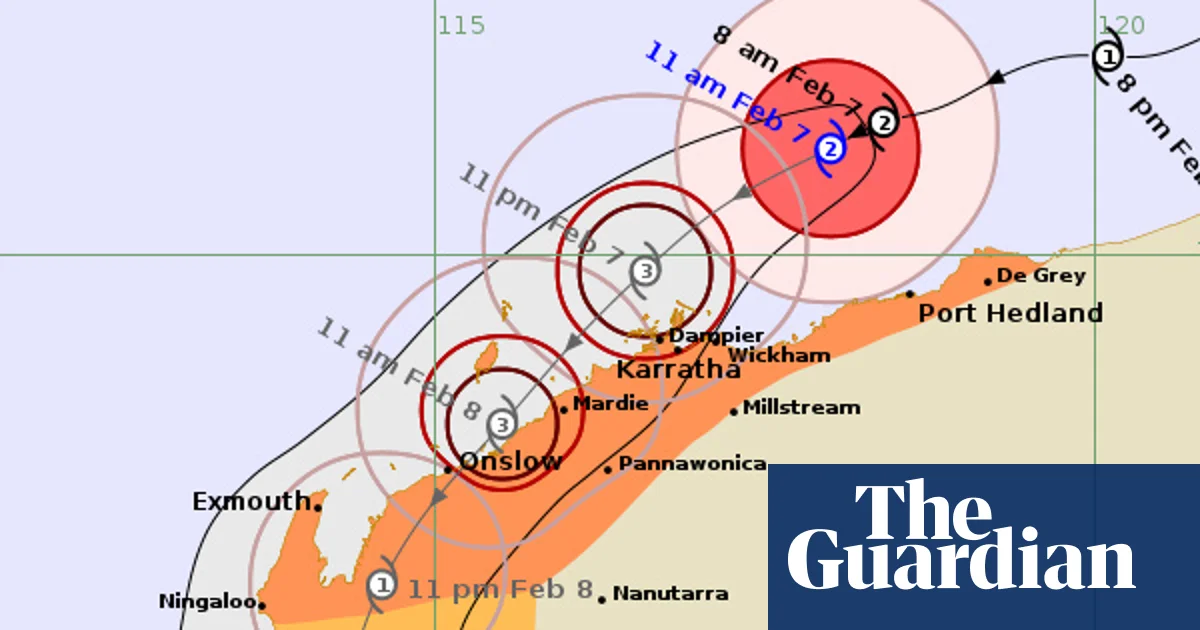
In a striking display of nature’s fury, Cyclone Mitchell has emerged off the northern coast of Western Australia and is forecasted to escalate into a category three system. This development is not merely a local weather phenomenon but a reminder of the persistent vulnerability of Australia’s outback regions to increasingly severe climate events. Authorities have issued a watch and act warning for coastal towns such as Karratha, Dampier, and Onslow, emphasizing the potential for destructive winds reaching up to 170 km/h. The cyclone’s trajectory, moving southwest and approaching the Pilbara coast, exemplifies how natural events can threaten local economies, disrupt transportation, and impose significant societal costs.

The geopolitical impact of such natural disasters cannot be underestimated, especially in an era where climate change accelerates the severity and frequency of extreme weather. Analysts and international organizations warn that climate-induced disasters increasingly test national resilience and underscore the importance of adaptive infrastructure. The Australian government’s response, including evacuations and port closures, reflects a strategic effort to shield economic assets such as key port facilities—namely, Dampier and Port Hedland. These ports are vital for resource exports, particularly of minerals and energy, whose disruption could ripple through regional supply chains and influence international markets.

Natural Disasters in Remote Regions Expose Broader Vulnerabilities

Simultaneously, outback towns across Australia grapple with ongoing flooding crises, deepening concerns about climate resilience. In the Northern Territory, over 400 evacuees remain displaced amid rising rivers, a situation compounded by heavy rains predicted to bring up to 130mm of rain in areas like Port Hedland. This influx of weather-related crises exposes vulnerabilities in remote infrastructure and emergency preparedness that could have broader international implications. As the Commonwealth and regional authorities coordinate disaster relief efforts, international observers note that Australia’s handling of these crises will influence its geopolitical standing, particularly as climate change becomes a defining factor of global diplomacy.

Leading historians and climate analysts highlight how these pivotal moments—be it a cyclone or flooding—serve as warnings of a shifting world order. Climate scientists warn that rising sea levels and more intense storms threaten not only environmental stability but also social cohesion and economic sovereignty. The World Meteorological Organization has maintained that climate-related disasters could lead to increased migration, regional instability, and even conflicts over scarce resources. For Australia, a nation so geographically exposed and resource-dependent, these natural calamities could be catalysts for both internal turmoil and geopolitical shifts, forcing alliance realignments and strategic adaptations.

The Weight of History and the Unfolding Future

As the cyclone’s winds howl over the Pilbara’s rugged landscapes and floods threaten communities in the north, the world witnesses a reminder: nature’s wrath is intertwined with humanity’s geopolitical destiny. The decisions made in response—whether by resilient infrastructure, international cooperation, or climate mitigation—will shape the course of history. Recent decades have demonstrated that nations unable to adapt to these challenges risk losing their sovereignty and social stability—trapped in a cycle of crises and reactive measures. The unfolding story of Cyclone Mitchell and Australia’s ongoing struggles with climate change is not merely a regional narrative but a chapter in humanity’s collective challenge to confront a future where natural forces command international attention and action. The pressing question remains—how will the world, and especially resilient nations like Australia, forge a path amid the storm’s rising shadow, to determine whether this is a fleeting event or the beginning of a new epoch in geopolitical and environmental history?

Storm Leonardo pummels Europe and North Africa—stay alert!

Storms Clash with Global Geopolitics: A Winds of Change

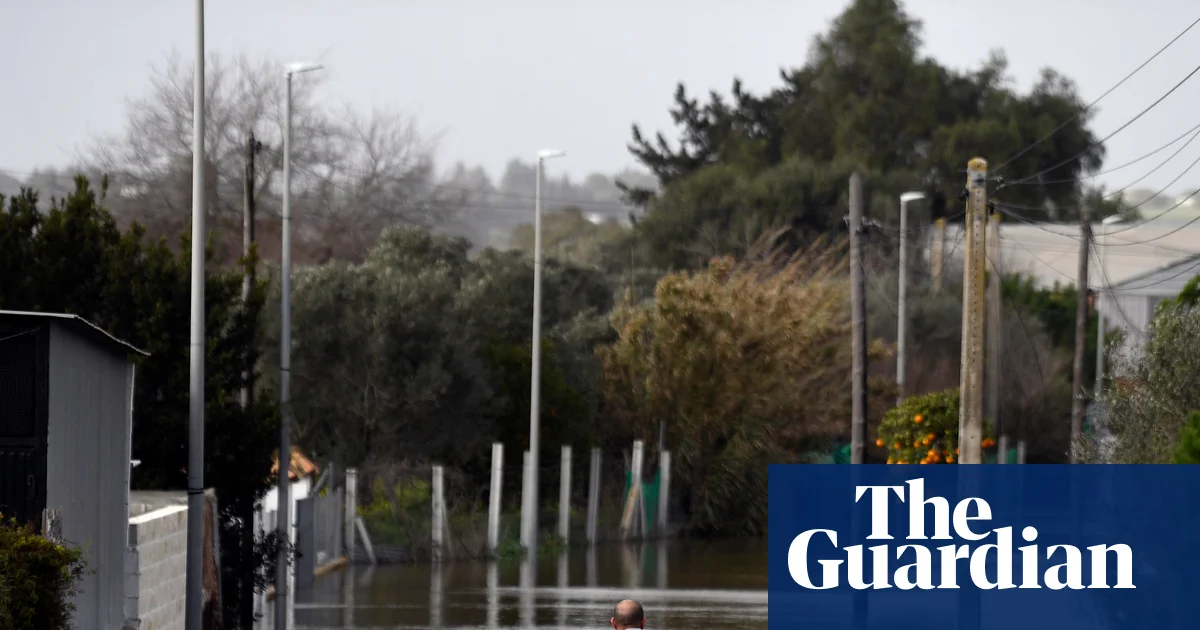
As Storm Leonardo unleashes its fury over the Iberian Peninsula, the broader geopolitical landscape faces a different kind of tempest—one fueled by climate change, regional instability, and shifting alliances. Torrential rains and destructive winds have wrought havoc across parts of Spain and Portugal, with weather agencies issuing their highest red alerts for acute flooding. Yet, beyond the immediate humanitarian toll, this natural disaster underscores a vital issue: how environmental crises are becoming intertwined with global power dynamics and intra-national stability.

Leonardo’s relentless strikes are rooted in complex climatic patterns, notably an unnaturally southward-shifted jet stream, which has stalled the storm over the region and coupled with an “atmospheric river” channeling tropical moisture from the Caribbean. According to climate analysts, these phenomena are not anomalies but part of a disturbing trend—where extreme weather events are intensifying and becoming more unpredictable. This scenario leaves nations like Spain and Portugal vulnerable, impacting their internal security, economy, and political stability. As the floodwaters rise and infrastructure crumbles, political leaders are under mounting pressure to implement more resilient policies, often revealing existing rifts and fundamental governance challenges.

Meanwhile, the crisis extends beyond Europe’s Atlantic coast, spiraling into the broader North African region. In northern Morocco, over 100,000 people have been evacuated from flooded cities such as Ksar El-Kebir after overflowing rivers caused widespread destruction. This humanitarian crisis, compounded by recent heavy rains, exposes the fragile state of governance in parts of Africa and highlights the ever-present risk of regional instability—especially as environmental stress fuels social unrest. International organizations warn that such natural disasters could serve as catalysts for geopolitical shifts, with rising migration pressures and economic strain destabilizing already vulnerable nations.

Adding to this volatile mix, the Philippine Sea saw the formation of Tropical Storm Penha, which brought destructive winds, storm surges, and heavy rainfall across northern Mindanao. With forecasts predicting further inland rainfall and wind damage, the storm exemplifies how climate events are becoming complex, interconnected crises that influence multiple regions simultaneously. The international community faces a stark reality: climate change escalates the frequency and intensity of natural catastrophes, creating a ripple effect of geopolitical consequences. The consensus among international analysts, from climate scientists to geopolitical strategists, emphasizes that these environmental upheavals will continue to be a key factor in regional power balances and global security.

As history continues to unfold in unpredictable storms and floods, the question remains—how will nations adapt to this new era of environmental upheaval? The unfolding chaos tests the resilience and sovereignty of states and threatens to redraw the map of influence. In the coming days, as Spain and Portugal grapple with the aftermath, and as North Africa and Southeast Asia brace for their own storms, one thing is clear: these environmental challenges are no longer isolated incidents—they are the harbingers of a new geopolitical epoch, with the storms of today shaping the borders and alliances of tomorrow. The winds of change are rising, and the weight of history remains, unwavering, as the world’s future hangs by a fragile thread.

Top Deals Alert: AirPods 4 and Google’s 4K Streamer Lead the Week’s Hottest Tech Offers

Disruptive Innovation in Consumer Tech: A Look at the Latest Market Shifts

The rapidly evolving landscape of consumer electronics continues to be driven by constant innovation and strategic disruption. Industry giants like Apple and Google are pushing the boundaries of what technology can achieve, particularly in the realm of personal audio and smart home devices. The recent rollout of AirPods 4 with Active Noise Cancellation exemplifies this momentum, offering consumers compelling features that rival even the most premium models. At just $119 on sale—near historic lows—these earbuds are not just a product but a strategic move by Apple to dominate the mid-tier market and retain user lock-in within its ecosystem. The integration of features such as head-tracking spatial audio, automatic device switching, and live translation underscores Apple’s focus on ecosystem lock-in and user experience, which analysts from Gartner suggest will be the blueprint for future device development.

Meanwhile, Google’s Chromecast successor boldly advances the smart home and entertainment markets, supporting Dolby Vision and Dolby Atmos—features historically reserved for high-end setups. With a built-in Find My function for locating misplaced remotes and compatibility with Matter and Thread protocols, Google’s device signals a shift toward hub-centric smart home ecosystems. However, its reliance on Wi-Fi 5 highlights industry caution: technological lag could hinder fully seamless future integrations, especially as Wi-Fi 6 and 6E become standards. This strategic move hints at a broader industry pivot where disruption is not merely about adding features but about establishing ecosystems that control user behavior and data, echoing concerns raised by industry veterans like Elon Musk and Peter Thiel about technological stagnation and market dominance.

Amidst these technological leaps, content remains king. The return of popular series like Drops of God and Shrinking, along with the imminent premiere of Ted Lasso‘s latest season, illustrates how content curation and exclusive streaming services continue to influence consumer engagement and spending habits. As streaming platforms acquire exclusive content rights, industry analysts warn of evolving subscription fatigue—a scenario where consumers are overwhelmed by competing paywalls, potentially affecting the profitability and innovation strategies of media giants. This industry dynamic could lead to further consolidation or innovation in monetization models, which could complement or compete with the hardware ecosystem strategies by companies like Apple and Google.

Looking Forward: Innovation or Stagnation?

As these developments unfold, the industry stands at a pivotal crossroads. With disruption accelerating in both hardware and software, the firms that can innovate rapidly and embed themselves into daily life will command the future market. The integration of advanced features such as spatial audio, smart home hubs, and embedded AI translation marks a new phase of hyper-connected consumer environments. However, industry insiders warn that lagging behind on technological standards, like Wi-Fi 6, could impede full ecosystem potential. The challenge remains for manufacturers to balance innovation with rapid deployment, a factor that could shape market leaders for decades to come.

Indeed, the future belongs to those who not only innovate but also disrupt established paradigms. As critics and industry figures emphasize, “Tech advancement is a race, and the speed of adoption often determines market dominance”. For consumers and investors alike, staying ahead of this curve will require vigilant attention to evolving standards and strategic moves by tech giants. Disruption is relentless; the choice is clear: innovate boldly or risk being left behind in the wake of the next industry wave.

Polish PM condemns historic sabotage after deadly railway blast—Europe on alert

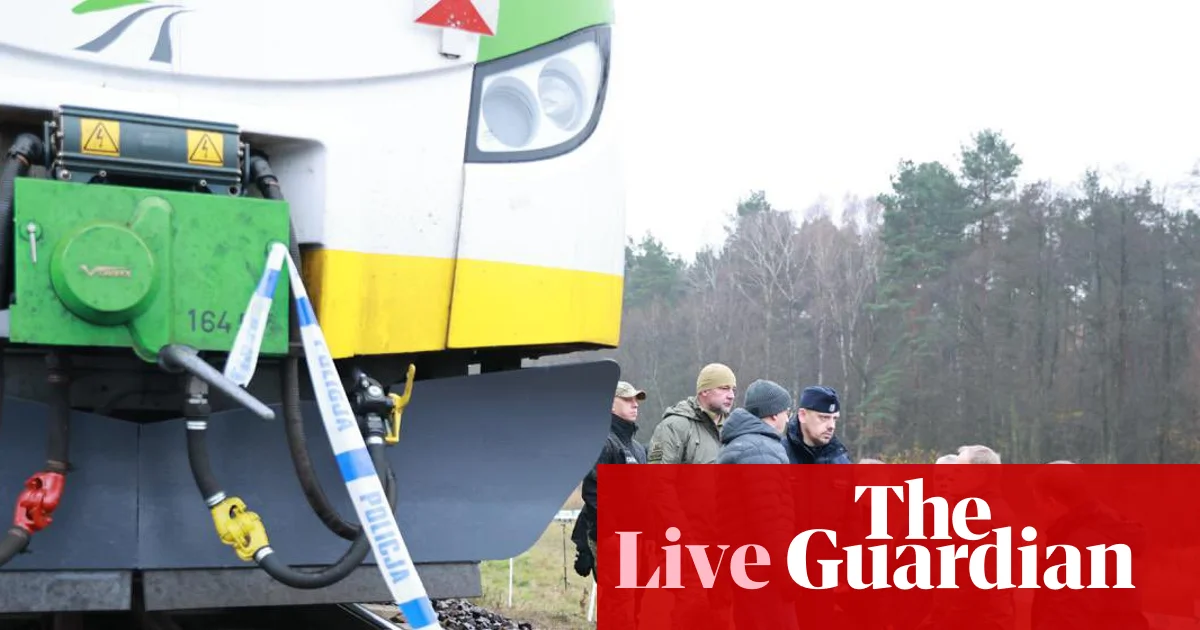
Across Europe, recent developments have thrust the continent into a precarious era of geo-strategic uncertainty. Poland, a pivotal NATO member, has become the epicenter of a marked escalation in hybrid warfare. After an unprecedented act of sabotage targeting a strategic railway route near Lublin, Polish authorities confirmed that an explosive device had been deliberately placed on the tracks, causing significant damage and prompting fears of even broader destabilization. Such incidents are not isolated but part of a broader pattern of covert operations aimed at destabilizing Eastern European nations and threatening NATO’s eastern flank.

Poland’s Prime Minister Donald Tusk described the attack as “an unprecedented act of sabotage aimed at the security of the Polish state and its citizens,” underscoring the gravity of the incident. The attack coincides with high alert due to ongoing hybrid threats from Russia and Belarus. In the wake of more than 20 drones flying into Polish airspace last September, these recent sabotage efforts are fueling fears within NATO that Russia’s military capabilities are evolving to include sophisticated drone warfare and covert sabotage operations. International security analysts warn that Russia could attempt to test NATO’s defenses within the next two to four years, potentially even launching aggressive maneuvers or attacks on Baltic states, which would trigger Article Five of NATO’s charter.

Meanwhile, European Union defense officials, including Andrius Kubilius, have voiced urgent alarms about the possibility of renewed conflict in the Baltics. Kubilius emphasized the importance of lessons learned from Ukraine’s fierce resistance against Russia, advocating for acceleration in NATO and EU defense readiness. His warning indicates a consensus among military strategists that Russia’s forces have not only grown stronger since February 2022 but are now capable of deploying millions of drones to sow chaos and conduct covert operations across Eastern Europe. As these threats loom, policymakers across the continent are under mounting pressure to strengthen alliances and fortify defenses, lest they wake up to a sudden onslaught from a battle-hardened Russian military that eagerly tests the limits of NATO’s resolve.

Adding to the mounting tensions, Poland’s authorities have pointed fingers at sabotage intent on destabilizing their infrastructure and hampering aid deliveries to Ukraine. The incident involving the destruction of a train track and damage to other critical railway sections reflect an alarming escalation in covert actions by unknown actors—most likely aligned with Russia or its proxies. With Prime Minister Tusk asserting that “we will catch the perpetrators, regardless of who their backers are,” the geopolitical implications are profound. This series of deliberate attacks signals a disturbing shift towards asymmetric warfare that directly threatens the stability of European borders and the security of NATO allies. As history continues to unfold, the continent stands at a crossroads; one path leads toward renewed peace through strengthened alliances, while the other risks plunging into chaos as adversaries exploit vulnerabilities that bitter lessons from Ukraine have failed to remedy.

Severe Storm Threat Hits Sydney, Brisbane & Canberra — Stay Alert, Australia

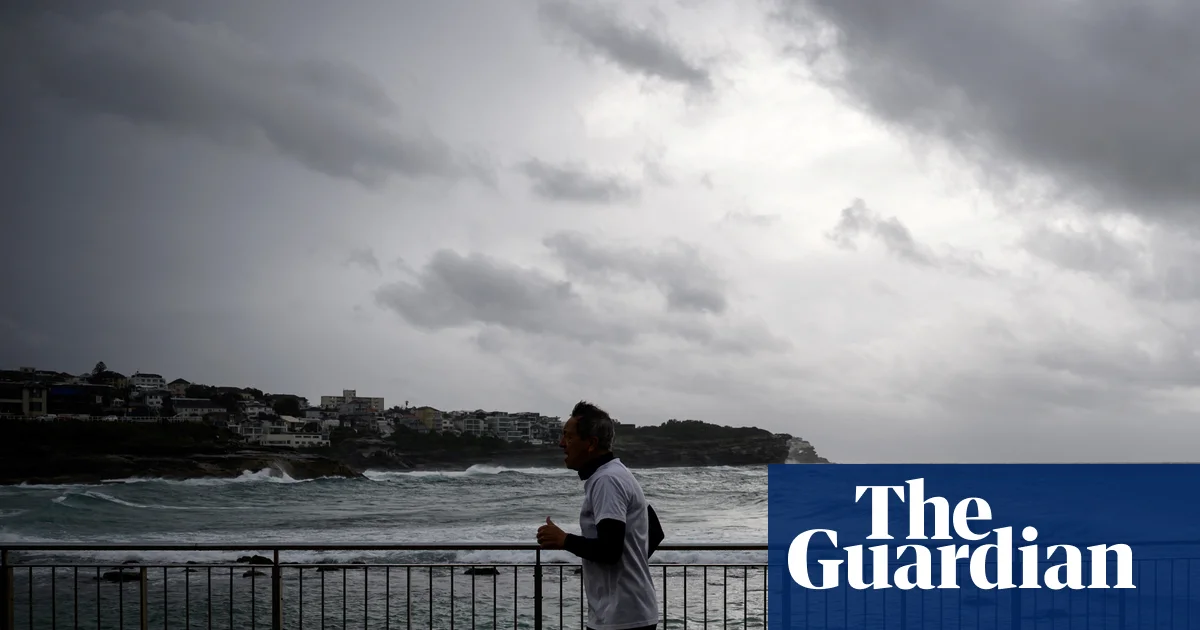
As climate patterns continue to underscore the increasing volatility of our planet’s weather systems, Australia finds itself on the frontline of extreme atmospheric phenomena that threaten both its society and its economy. Unfolding in real-time, a series of severe thunderstorms are sweeping across northern and eastern Australia, an event that illustrates the broader geopolitical and environmental implications of climate independence and resource management. According to senior meteorologist Angus Hines of the Bureau of Meteorology, the storm activity presents a significant risk, with high moisture levels drawn from the tropics fuelling these dangerous weather outbreaks. Regions from the tropical north stretching into the populous eastern seaboard—including major cities like Sydney, Brisbane, and Canberra—are under threat of heavy rainfall, destructive winds, and potentially devastating power outages, exemplifying how climate anomalies affect everyday life at a national level.

Historically, Australia’s climate has been characterized by intense weather patterns, but recent years have seen a marked increase in both frequency and severity. Recognized by global analysts and climate scientists, these storm systems are not isolated incidents—they reflect a broader pattern of climate volatility exacerbated by anthropogenic factors. The ongoing storms follow a period of devastating weather events in Queensland, where over 11,000 homes experienced power loss—an episode that elicited concern over infrastructure resilience. Such disruptions highlight how the nation’s critical infrastructure—namely power and communication networks—remains vulnerable under the weight of climate-induced extremities. This scenario underscores a pressing reality: without decisive policy measures prioritizing climate resilience, Australia’s societal stability risks further erosion, with vulnerable populations bearing the brunt of environmental neglect.

Adding to the complexity is the untimely threat of bushfires, with the NSW Rural Fire Service issuing total fire bans in parts of the western slopes and plains. These bans echo historical warnings from environmental experts and serve as a stark reminder of the delicate balance between natural catastrophe and human activity. With the fire risk heavily compounded by high temperatures, strong winds, and lightning strikes, authorities face the daunting task of managing these overlapping crises. Meanwhile, a low-pressure system moving from the Timor Sea towards the Kimberley region raises concerns over a potential tropical cyclone early next week—an ominous turning point that could reshape regional geopolitics and influence the flow of resources in Western Australia. For international investors and diplomatic strategists, the intensification of natural disasters in such a resource-rich country signals a broader geopolitical concern: how climate destabilization may disrupt global supply chains, particularly in minerals and energy.

The geopolitical impact of these events extends beyond environmental damage. Countries worldwide are observing Australia’s predicament as a barometer of future global climate risks, with organizations like the United Nations warning that climate change is no longer a distant threat but an immediate crisis. As experts analyze the situation, they caution that neglecting climate adaptation at the national level could foster regional instability, fueling migrations, and heightening tensions over dwindling resources. The unfolding storm crisis serves as a sharp reminder that decisions made today—in policy, infrastructure investment, and environmental stewardship—will shape the course of history. The escalating severity of weather disasters in Australia acts as a clarion call to the international community: unless urgent action is taken, history’s ink will be written with the names of nations unprepared for the storm to come.

Philippines on High Alert: Over 1 Million Evacuated as Typhoon Fung-wong Approaches

Philippines Faces Devastating Typhoon Fung-wong Amid Climate Crisis

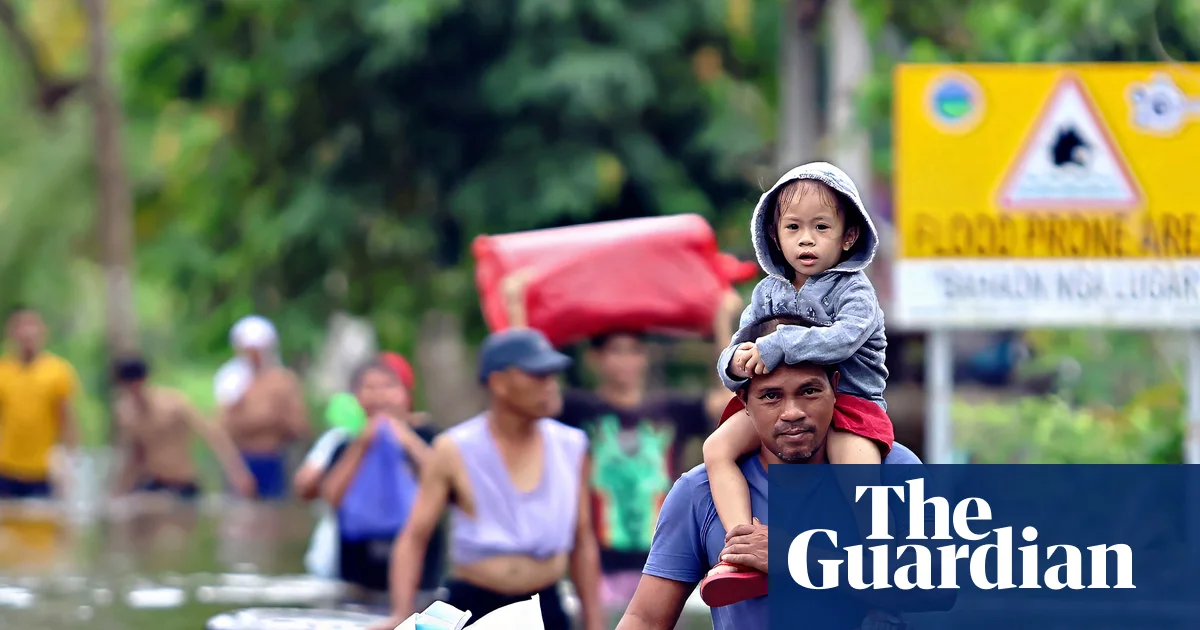
The Philippines, a nation frequently battered by natural disasters, is bracing once again for the destructive impact of Typhoon Fung-wong, a super-typhoon expected to make landfall on its east coast. As the storm approaches, the archipelago has already experienced widespread flooding, with over 1 million evacuations and at least two confirmed fatalities. The situation underscores the persistent threat posed by increasingly severe weather events—an alarming trend scientists attribute directly to the ongoing climate crisis. With winds reaching sustained speeds of 185 km/h and gusts soaring up to 230 km/h, the typhoon’s arrival is anticipated to bring catastrophic rains and storm surges that threaten lives, infrastructure, and economic stability across the nation.

The global impact of such extreme weather patterns can no longer be ignored. According to international climate analysts, rising ocean temperatures—driven by human emissions—fuel stronger, more unpredictable cyclones. The Philippines, situated on the Pacific “Ring of Fire” and prone to such storms, has become a living laboratory observing the tangible consequences of climate change. Historians and environmental experts warn that unless decisive action is taken internationally, these super-typhoons could become the new norm rather than the exception. This storm, hitting amidst a year already marked by an unprecedented number of severe storms, exemplifies how current geopolitical policies and environmental neglect are leaving vulnerable societies exposed to the wrath of nature.

The decision-making of regional governments and international institutions is critical in shaping outcomes for affected populations. Philippine authorities, under warnings from scientists and civil defense officials, have preemptively evacuated over 1.2 million residents, closing schools and businesses. Military and rescue teams, however, face immense challenges amid dangerous conditions, with rescue operations hampered by rising floodwaters and storm surges. Obeying evacuation orders and investing in disaster preparedness remains essential—not only for immediate safety, but also as a testament to the geopolitical importance of resilient infrastructure in disaster-prone nations. Analysts argue that the Philippines’ repeated suffering is a stark reminder that climate justice must be a global priority, emphasizing how inaction by wealthier nations exacerbates the plight of developing regions. It is a moral and strategic failure to ignore the growing climate threat, which now demands a unified international response to prevent further tragedies.

As the storm’s eye approaches Aurora and neighboring provinces, the narrative of climate vulnerability continues to unfold with urgency. News footage shows streets transformed into torrents, communities stranded and countless lives in peril. International institutions like the United Nations have issued warnings linking these extreme weather events to climate change, but tangible action remains elusive. With each passing storm, history records a stark lesson: failure to address the root causes of climate instability will only deepen global disparities and human suffering. The Philippines, a nation resilient in spirit but strained beyond measure, stands at the frontlines of a crisis that transcends borders and defies easy solutions. As families brace for the worst, the question lingers—how many more must suffer before decisive, transformative action is finally taken? The answer, still unwritten, weighs heavily on the world’s conscience as history marches toward an uncertain, storm-ravaged future.

Starmer warns: No consensus left on climate fight, youth should stay alert

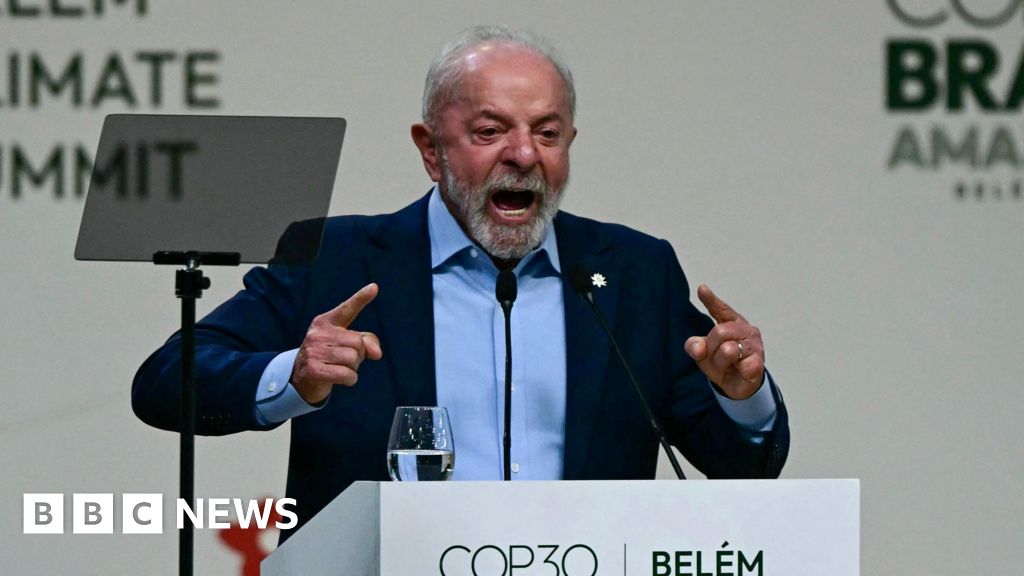
Belém, Brazil—As the COP30 climate summit unfolds amidst unprecedented global chaos, the world’s most influential nations are diverging sharply on how to address the existential threat of global warming. With President Lula da Silva warning of “extremist forces” fabricating fake news to condemn future generations to a planet forever altered by climate change, the summit is rapidly transforming into a battleground of conflicting narratives and geopolitical interests. Despite his passionate plea, the summit witnesses a perplexing retreat from collective action, with many leading nations conspicuously absent and even the host country’s flagship initiatives facing withdrawal. As given by international analysts, such divisions threaten to undermine any meaningful progress, leaving the world on a perilous trajectory toward climate chaos.

The absence of key players—the United States, Russia, China, and India—casts a long shadow over global consensus on climate policy. President Trump’s dismissive stance—calling climate change “the greatest con job”—has reverberated through diplomatic corridors, emboldening skeptics and delaying decisive action. Meanwhile, UK Prime Minister Sir Keir Starmer openly acknowledged that the once-unified support for climate initiatives has frayed, lamenting that “today, however, sadly that consensus is gone.” Such statements starkly highlight how internal political shifts and *geopolitical conflicts* are fueling a dangerous impasse. At the heart of the negotiations lies the critical question of how to fund climate mitigation efforts, particularly in defending vital rainforest ecosystems that act as “the planet’s lungs,” as experts like environmental historian Dr. Alan Smith emphasize. Yet, the UK’s decision to withdraw from the $125 billion rainforest protection fund—despite its earlier leadership—underscores a betrayal of international commitments.

As the summit progresses, the tone remains urgent but fractured. The rainforests cover a mere 6% of the Earth’s landmass but hold half of the planet’s species and billions of tons of carbon. The Prince of Wales and other observers warn that failure to protect these ecosystems risks pushing future societies toward ecological collapse. Prince William called for “urgent optimism,” urging nations to rise above their differences and act—yet the reality on the ground tells a different story. Destructive weather events—like Hurricane Melissa, which caused catastrophic damage across the Caribbean—serve as sobering reminders that climate impacts are already claiming lives and destroying communities. Scientists at Imperial College have warned that climate change heightened the rainfall from Hurricane Melissa by 16%, exposing the catastrophic potential of continued inaction. The question remains whether this summit will be remembered as a turning point or merely another chapter in the relentless saga of diplomatic stalemate.

Historically, these international rifts serve as a stark warning for future generations. Academics like Dr. Maria Lopez argue that the decisions made in Belém could either be a testament to humanity’s resolve or a lamentable capitulation. The unfolding story of COP30 is a testament to the ongoing struggle between geopolitical self-interest and the moral responsibility to safeguard our planet’s future. As history writes its next chapter, the world must reckon with the fact that the decisive moments of this summit—and perhaps the century—are now in the making. The shadow of this generation’s decisions will linger long after the final declaration, shaping the scarred landscape of history itself.

Social Media Auto Publish Powered By : XYZScripts.com