Matox News

Truth Over Trends, always!

Met Won't Probe Andrew Over Virginia Giuffre Allegations, Says Andrew Mountbatten-Windsor
Met Won’t Probe Andrew Over Virginia Giuffre Allegations, Says Andrew Mountbatten-Windsor

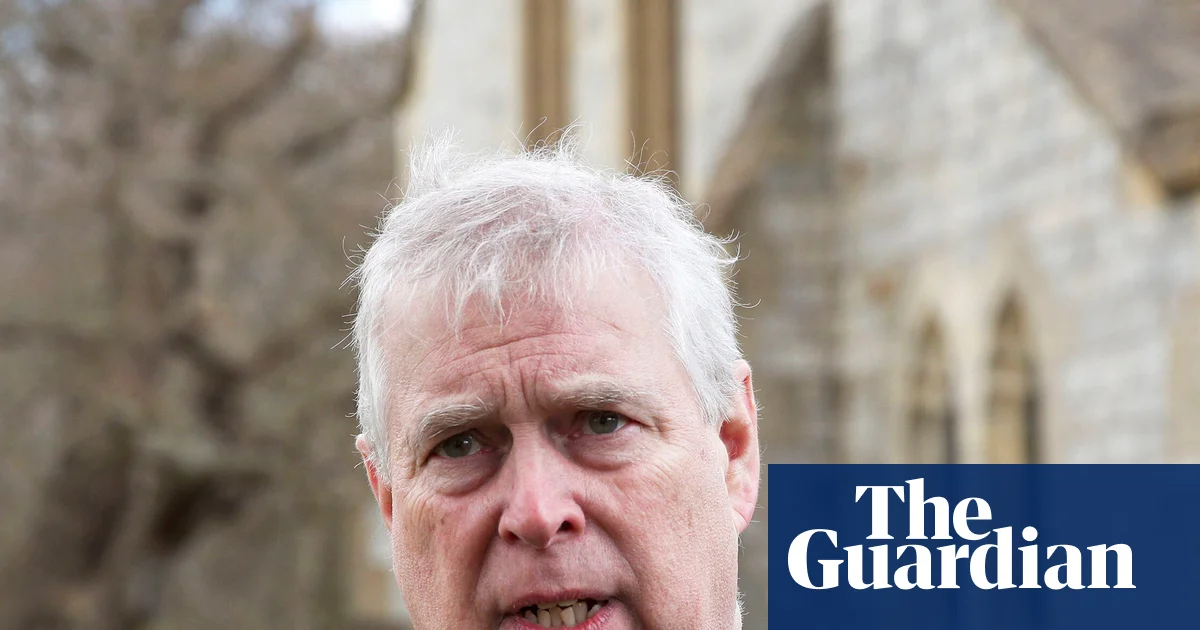
The recent decision by London’s Metropolitan Police to decline a formal criminal investigation into Andrew Mountbatten-Windsor, the brother of King Charles III, marks a significant turning point in a saga that extends beyond British borders into the realm of international geopolitics and influence. Despite widespread public and media attention, the police authority firmly concluded that no sufficient evidence exists to warrant further legal action, emphasizing that investigations into allegations of trafficking and abuse linked to Jeffrey Epstein have already been reviewed multiple times over the past years. This decision not only shields a member of the British royal family but also underscores the complexities of holding powerful individuals accountable, especially those with the backing of longstanding political and institutional ties.

Much of the controversy surrounding Mountbatten-Windsor revolves around allegations presented in the 2021 lawsuit filed in the United States. Virginia Giuffre, who has since passed away, claimed her trafficker, Epstein, forced her into sexual encounters with the former prince in London and beyond when she was just 17 years old. Her sworn testimony—though not admissible in evidence posthumously—highlighted alleged systemic abuses involving prominent figures and a network of sex trafficking that has now become a political quagmire for the British monarchy. Critics within the international legal community argue that, given the gravity of the accusations, a full-fledged criminal investigation should have been pursued, especially considering that the evidence included specific claims of trafficking and coercion, which, if proven, would constitute severe violations of international law.

Nevertheless, international organizations such as the United Nations and various national law enforcement agencies have expressed cautious skepticism about the resolution in the UK. While official statements from London’s police point to the absence of new evidence, some legal analysts—like former CPS Director Nick Vamos—warning that the evidence of non-consensual acts and trafficking could be enough for a criminal investigation. The core issue, they say, lies in whether Andrew knew of her trafficking status and used his influence or connections to abuse that power. This controversy illustrates a broader theme: how global centers of power, especially those tied tightly to royal, political, or economic elites, often impede justice in highly politicized cases. International observers warn that such cases, if left unresolved, undermine _transparency_ and _accountability_—principles vital for the international rule of law.

Meanwhile, the geopolitical impact extends beyond the courtroom. Britain’s royal scandal feeds into a larger narrative about the erosion of trust in institutions—an issue that resonates across continents. As Russia, China, and other adversaries watch, they interpret the assertiveness of Western legal procedures as either a sign of accountability or, conversely, a demonstration of internal corruption shielding elite figures. Historically, such cases have been exploited by authoritarian regimes to question Western moral authority, but they also serve as a reminder of the importance of international cooperation in pursuing justice across borders. This ongoing crisis highlights how decisions made in corridors of power can ripple through international relations, impacting alliances, diplomatic credibility, and global perceptions of justice.

As the story unfolds, the weight of history presses heavily upon the public consciousness. Whether King Charles and his family emerge unscathed from this ordeal remains to be seen, but the underlying message is clear: the age-old battle between power and accountability continues unabated. In a world where influence often obscures truth, and silence can be mistaken for innocence, the pursuit of justice remains the most consequential challenge of our time. The future hinges on whether political will and legal robustness will prevail over entrenched privilege, for history is not only written by the victors but also by those who refuse to turn away from the shadows.*

Squid Game star cleared of false misconduct allegations

The recent legal developments surrounding South Korea’s beloved actor O Yeong-Su, star of the global sensation Squid Game, underscore the complex intersection of fame, justice, and societal values in the modern era. Initially charged with allegations of sexual misconduct dating back to 2017, the case has ignited fierce debates both domestically and internationally about the boundaries of truth and the impact of social narratives. The court’s decision to overturn the guilty verdict and acquit O Yeong-Su raises vital questions about how nations grapple with accusations that threaten to tarnish cultural icons, especially when the alleged crimes are distant in time and clouded by evolving memory and societal pressures.

Turning Points in Justice and Cultural Shifts

  • In 2022, O Yeong-Su was convicted and sentenced to an eight-month suspended prison term, a verdict that immediately sparked outrage among feminist groups and social advocates who accused the justice system of shielding abuses within South Korea’s theatre and entertainment spheres.
  • However, in a dramatic turn, the Suwon District Court in South Korea overturned this conviction in 2024, citing the possibility that the victim’s memory could be distorted over time and noting her apology during the legal proceedings.
  • This decision has intensified the ongoing debate about the treatment of sexual assault allegations in a society where traditional values clash with progressive calls for accountability, especially within the arts and cultural sectors.

Distinguished **analysts** and **historians** have warned that such cases become pivotal points for the nation’s moral and judicial trajectory. They underscore the importance of safeguarding the presumption of innocence while confronting the societal undercurrents that influence public perception and legal outcomes. How South Korea balances these factors now will influence its legal worldview and societal cohesion for generations to come.

Implications for Global Perception and Social Justice

South Korea’s case is not isolated; it reflects a broader shift seen across several societies where public accountability collides with cultural sensitivities and social media’s influence. For international institutions, such as the United Nations and various human rights organizations, the verdict embodies a critical lesson: social justice must not be weaponized to silence dissent or protect the powerful. Yet, it also highlights the danger of rushing to judgment, especially when legal proceedings hinge on memories that can evolve or be tainted by societal biases.

As global eyes watch, escalating tensions could foment a precipice where justice and political correctness are misaligned. The case echoes debates about sexual violence in the *meToo* era but also reveals the potential for societal backing of such allegations to be manipulated, ultimately endangering genuine victims and fostering skepticism that undermines the very causes these movements seek to champion.

In the broader context, North Korea, China, and other authoritarian states observe these fissures cautiously. Their leadership likely perceives these controversies as opportunities to reinforce control over cultural narratives, positioning themselves as the guardians of tradition against what they portray as Western-influenced social liberalism. Conversely, Western and liberal societies risk sliding into complacency or overreach, as seen in instances where justice appears compromised or manipulated for ideological gain.

What Lies Ahead: The Weight of History

The case of O Yeong-Su is more than a trial of an individual; it embodies how nations confront their evolving moral standards amid a rapidly changing world. Historians project that the decisions made now will echo for decades, shaping how future generations perceive justice, arts, and societal accountability. With the weight of history bearing down, the ongoing tug-of-war between tradition and progress continues to carve its mark across East Asia and the globe at large. As the story unfolds, the world watches a society at a crossroads—where every verdict, every social debate, becomes a chapter in history’s relentless march towards an uncertain future.

Academics Undermine Nationals’ $9tn Net Zero Cost Claim Amid Misrepresentation Allegations

Australia’s Climate Policy Clash: The Geopolitical Implications of the Net Zero Debate

In a dramatic turn that underscores the shifting sands of geopolitical influence, Australia finds itself embroiled in a fierce debate over its commitment to net zero greenhouse gas emissions. The controversy primarily revolves around misrepresented economic models and their interpretations by political figures, with serious repercussions for international relations and the nation’s strategic position. While University energy researchers have clarified that their modeling does not support the alarmist figures circulated by some in Australia’s Parliament, the ripple effects threaten to reshape global climate diplomacy and economic alliances.

Amid mounting internal pressure from the conservative faction of the Coalition, notably the Nationals and some Liberals, the government faces a crucial decision. Reconsidering commitments to net zero by 2050 could weaken Australia’s standing in the global climate accord and embolden regions seeking to delay environmental reforms. Some analysts warn that these internal disputes are less about environmental economics and more about geopolitical signaling. The ever-present tug-of-war between economic nationalism and international climate commitments is now front and center, with powerful implications for China’s Belt and Road Initiative and the strategic positioning of the United States in the Indo-Pacific region.

An illuminating aspect of this debate is the recent disclosure by the Net Zero Australia (NZA) group, which includes academics from prestigious institutions such as Princeton University and leading Australian universities. They clarified that the feared $9tn figure, frequently cited by figures like David Littleproud, is a cumulative estimate of projected capital investments needed by 2060—largely financed by overseas investors—not a direct burden on Australian taxpayers. This revelation significantly alters the narrative, shifting blame from internal government spending to international finance, and also exposes the misleading tactics employed by some politicians to sway public opinion.

Critics from the Institute of Public Affairs and other conservative groups argue that the costs threaten fundamental social services like Medicare and the NDIS. These claims resonate with domestic audiences wary of economic disruption, but they also serve to sow doubt about Australia’s role within the international community’s environmental commitments. Conversely, global organizations such as the United Nations continue to emphasize the importance of maintaining ambitious targets. The evolving discourse reflects not only a domestic struggle but also a broader geostrategic contest—where climate and economic policies are intertwined with sovereignty and diplomatic influence.

The unfolding scenario echoes a historical pattern seen in other nations where internal political conflicts about energy and environmental policies influence global alignments. As international analysts warn of a potential realignment, the question remains: how will Australia navigate the pressing demands of environmental responsibility, economic resilience, and geopolitical positioning? Each decision echoes through the corridors of power in Beijing, Washington, and Brussels, shaping the future of global climate governance. With history now in the making, the true cost of these choices—beyond mere dollars and cents—may determine whether Australia stands as a leader or a bystander in the epochal struggle over the planet’s future. The weight of history bears down, and the world watches closely, for this is not just domestic policy; it is a chapter in the larger story of the 21st century — a story still being written by those in charge today.

Former minister apologizes to MSPs after assault allegations against Douglas Ross.

Jamie Hepburn, formerly the minister for parliamentary business, has resigned from his position following an incident that has stirred up controversy. His departure came in light of claims made by fellow politician Ross, who alleged that Hepburn had aggressively grabbed him and used foul language during a recent confrontation.

This incident has sparked a renewed discussion about conduct within government, especially among younger voters who want to see accountability and respectful dialogue in political arenas. As the political landscape continues to evolve, such events raise questions about leadership and the standards we expect from our elected officials. With Hepburn’s resignation, the focus now shifts to how the government will address not only this issue but also the larger conversation regarding professionalism and decorum in politics.

Social Media Auto Publish Powered By : XYZScripts.com