Matox News

Truth Over Trends, always!

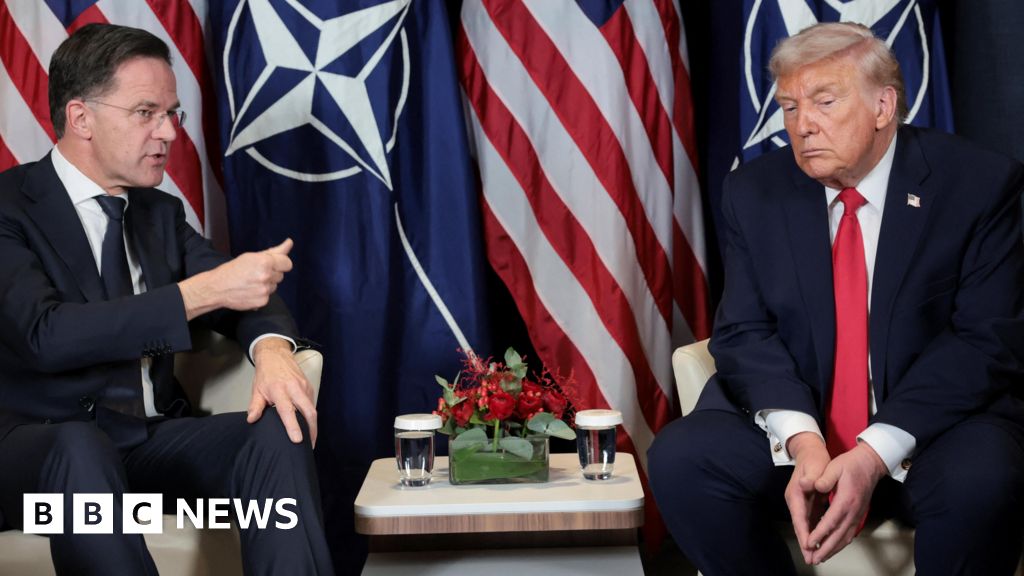
Trump slams NATO as alliance chief calls meeting 'very frank'
Trump slams NATO as alliance chief calls meeting ‘very frank’

In a striking statement that has sent shockwaves through the international community, US President recently accused NATO of failing to provide adequate support during the recent Iran conflict. Drawing attention to what he described as a critical lapse, the President asserted that “NATO wasn’t there when we needed them.” This declaration signals not only a potential fracture within the transatlantic alliance but also raises serious questions about the future efficacy and unity of the military bloc amidst rising global tensions.

The remark occurs against a backdrop of increasing instability in the Middle East, where Iran’s regional influence and nuclear ambitions continue to threaten the balance of power. Historically, NATO has positioned itself as a collective defense organization primarily focused on the Euro-Atlantic region. However, the recent criticism indicates growing frustrations from the United States—a founding member—with what is perceived as insufficient European engagement in regional security issues. Analysts from think tanks such as the Council on Foreign Relations warn that this fissure could weaken NATO’s credibility at a time when Russia continues its aggressive pursuits in Eastern Europe, and China expands its strategic influence worldwide.

  • The President’s statement echoes a broader concern about the geopolitical shifting sands and questions whether NATO, as historically constituted, can function effectively in a multi-polar world
  • The incident marks a *potential turning point* in transatlantic relations, with diplomats and military leaders pondering the durability of their alliance
  • European leaders, meanwhile, face increased pressure to clarify their commitments and demonstrate their capacity to act independently or in unison with their American allies

International organizations such as the United Nations have long struggled to coordinate coherent responses to conflicts that threaten global stability. Now, with the discontent within NATO surfacing openly, the structural impacts could lead to a realignment of alliances and power centers. Historians warn that such divisions have historically preceded larger conflicts, and some suggest this moment resembles pre-World War tensions, where regional disputes escalated into global crises. As American authorities critique European foreign policy and defense readiness, the global stage is poised on the brink of a new era—one marked by uncertainty, shifting loyalties, and a reevaluation of what collective security truly entails.

As the weight of history presses down on these fragile alliances, nations and societies now face a defining question: will they unite in the face of rising threats, or will internal fractures deepen, leading to a more fractured, unpredictable world? The choices made in the coming months will undoubtedly shape the tapestry of international relations for generations to come. In this tense landscape where power aligns and realigns, the echoes of past conflicts resonate ominously, reminding all that history is constantly in the making—its next chapter yet to be written, with each decision potentially altering the course of global destiny.
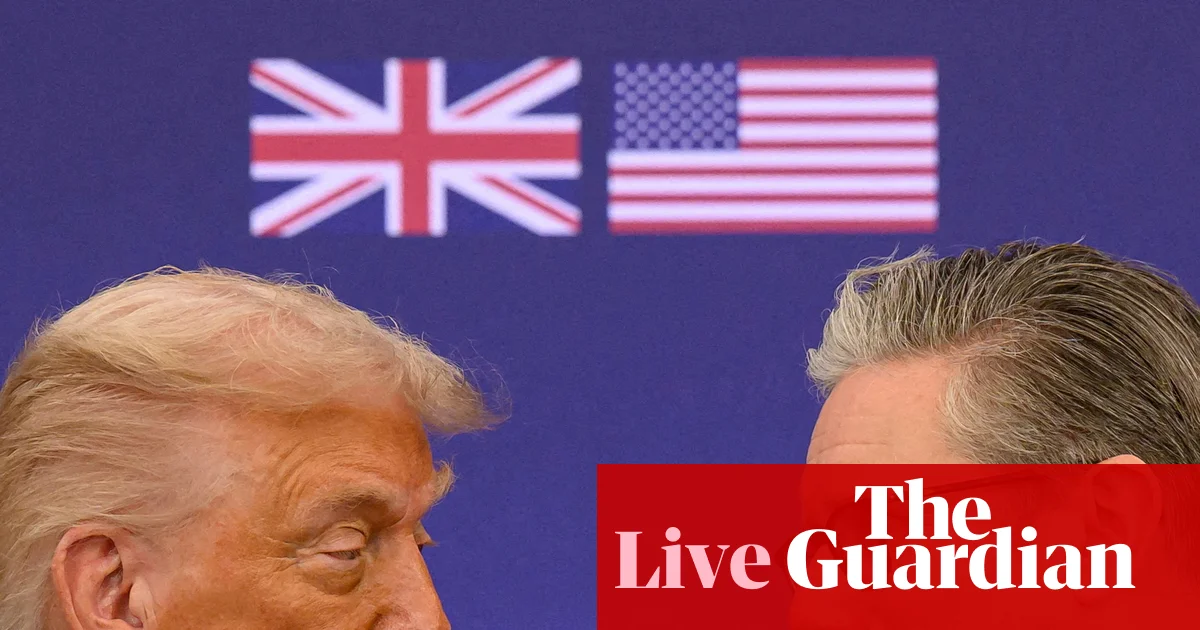
UK Minister dismisses Trump’s Nato threat, vows alliance can endure current challenges — UK Politics Live

Global Power Dynamics Shaken by US and UK Tensions Amidst Trump’s Provocations

As Donald Trump continues to flirt dangerously with the edge of diplomatic conflict, America and Britain find themselves at a pivotal juncture. During a revealing interview with the Financial Times, Trump implicitly threatened to withdraw US support for NATO if allies like the UK failed to step up militarily in the Gulf. The provocative rhetoric underscores a broader pattern of transactional diplomacy that threatens to unravel the fragile foundation of international alliances built over decades of shared interests. Subtle signals of a potential rollback of NATO’s mutual defense pact could plunge the West into a period of uncertainty and strategic vulnerability.

This come amid escalating tensions over Iran, particularly concerning the Strait of Hormuz—an essential global choke point for oil shipments. Despite dismissing the UK’s recent stance dismissively—asserting that the US does not need British naval support—Trump’s recent call for NATO to deploy minesweeping drones and even military units to counter Iran’s influence indicates a disparity between rhetorical bravado and pragmatic policy. Analysts from the European Security Council warn that such mixed signals threaten to weaken NATO’s cohesive deterrence, crucial for maintaining stability in an increasingly unpredictable geopolitical landscape. How the UK and allied nations respond now could determine the future of Western influence in the Middle East and beyond.

Strained Ties and Strategic Calculations

Within Britain, Pat McFadden, the work and pensions secretary, has played down Trump’s threats, emphasizing that the US-UK alliance remains “strong enough to outlast” this period of uncertainty. This reassurance underscores a classic posture among Western allies: reaffirming enduring bonds despite tumultuous leadership. Yet, international commentators like historian John Mearsheimer argue that such rhetoric, combined with Trump’s transactional approach, risks eroding the very foundation of collective security agreements. Meanwhile, Mark Rutte, NATO’s secretary general, pointed out that America’s mutual defense clause, Article 5, which has only been invoked once—after 9/11—can hardly be taken for granted in an era marked by unpredictable US policy shifts.

Additionally, Trump’s call for NATO to send military units to patrol the Iranian shoreline, and for European countries to lend minesweepers, reveals a deeper underlying threat: that of a fractured alliance where mutual commitments may no longer be as dependable. The concerns resonate strongly with military strategists who worry that NATO’s cohesion is under unprecedented strain. How these decisions will ripple across society—affecting energy security, trade routes, and military preparedness—remains very much a question with global stakes.

Implications for International Stability

Amidst the diplomatic turmoil, Keir Starmer of the UK Labour Party is expected to respond later this morning, promising to support households hit hardest by rising energy prices—measures worth millions aimed at alleviating economic strains. However, the broader geopolitical narrative appears rooted in a deeper contest: whether the West can maintain a united front or whether internal divisions and unpredictable leadership will give way to greater instability. International analysts emphasize that Trump’s unpredictable tactics are a warning sign, yet the response from Britain and Europe will reveal if they can safeguard their strategic interests in this new era.

As history unfolds daily, decisions made in the coming weeks will echo through generations. Will NATO adapt swiftly, preserving transatlantic strength? Or will the fractures widened by Trump’s unpredictable rhetoric cause the alliance to splinter, ushering in a new era of geopolitical chaos? The weight of history presses heavily on the present, a reminder that in global diplomacy, today’s choices are the foundations of tomorrow’s legacy. The unfolding drama leaves the world watching anxiously, as the aims of power, security, and influence collide in a theater where the stakes could not be higher.

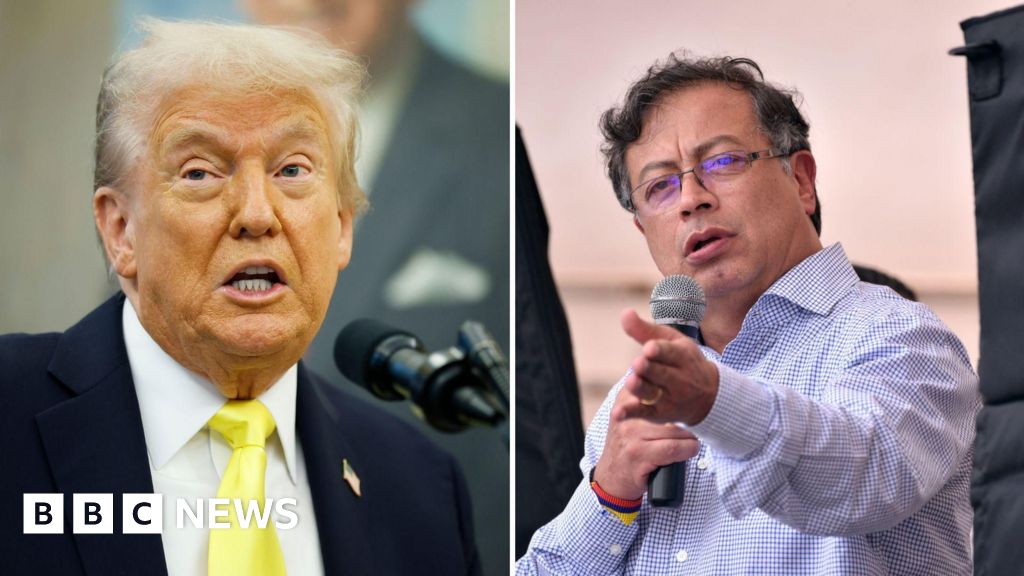
Trump vs. Petro: How the US-Colombia Alliance is at Risk

For decades, Colombia and the United States maintained one of the most robust alliances in the Western Hemisphere. Rooted in mutual interests against drug trafficking and insurgency, this partnership was largely shaped by “Plan Colombia”—a massive US-funded initiative launched in the early 2000s. This strategic cooperation resulted in significant military and security gains for Colombia, notably weakening the Farc guerrilla movement and establishing the country as a key regional security partner. However, recent developments suggest this once-strong partnership is unraveling, as political ideologies diverge sharply and conflicts escalate, threatening to destabilize both nations and embolden organized crime groups operating beyond the state’s reach.

Since Gustavo Petro assumed the presidency in 2022, the dynamic has shifted dramatically. A left-wing leader committed to pursuing peace and social justice, Petro’s policies have often clashed with the hardline approach historically favored by Washington. The situation reached a breaking point when Donald Trump returned to the White House and accused Petro of encouraging drug production in Colombia. The US government responded by suspending payments and subsidies, a move that signals the beginning of a wider rift. Experts from organizations like the Washington Office on Latin America (Wola) warn that such actions not only threaten bilateral security cooperation but also undermine efforts to curb record-high cocaine production, currently at its most alarming levels in decades. These developments expose vulnerabilities in the alliance, with analysts fearing that the resulting power vacuum may benefit transnational organized crime groups instead of the state—an ominous portent for the future of regional stability.

The roots of US influence in Colombia extend back to the early 2000s, when aid packages reaching over a billion dollars under “Plan Colombia” aimed to dismantle insurgent groups and stem drug flows. Following successes such as the demobilization of the Farc, US assistance waned but continued to be significant, providing Colombia with one of the region’s most formidable militaries. Nonetheless, despite these advances, cocaine cultivation persists at historic levels, highlighting the persistent failure of military solutions. As Héctor Galeano and other analysts note, the collateral effects of these policies—ranging from civilian abuses to the recruitment of demobilized paramilitaries into drug cartels—have complicated the narrative of victory. Now, as Washington signals a withdrawal and even formally de-certifies Colombia’s efforts to control drug trafficking, the geopolitical consequences become dire: regional security is compromised, and organised crime groups seem poised to fill the void left by reduced state capacity, risking a spiral of chaos that could echo well beyond South America.

The current crisis unfolds at a painfully inconvenient moment when Colombia is attempting to consolidate peace amidst rising violence, while President Petro seeks to implement a comprehensive plan for “total peace”—a mission undermined by targeted US military strikes. Trump’s aggressive anti-drug campaign, including unlawful maritime strikes in the Caribbean targeting vessels from Venezuela, has only intensified tensions and drawn sharp rebukes from Petro and the international community. These actions, fraught with questions of legality and sovereignty, threaten to fracture the foundation of a partnership that has proven essential for US military and intelligence operations—about 80% of the Caribbean’s drug intelligence comes from Colombia alone. As bilateral relations teeter on the brink, observers warn that the once indispensable alliance is now vulnerable to disintegration, with both nations potentially losing control over the drug trade and regional stability slipping beyond reach. The specter of history repeating itself—a once-unbreakable bond giving way to mutual mistrust and chaos—lingers ominously, emphasizing that the true winners of this fractured alliance are the traffickers and militants, who watch eagerly as the chaos unfolds.

Social Media Auto Publish Powered By : XYZScripts.com



