Matox News

Truth Over Trends, always!

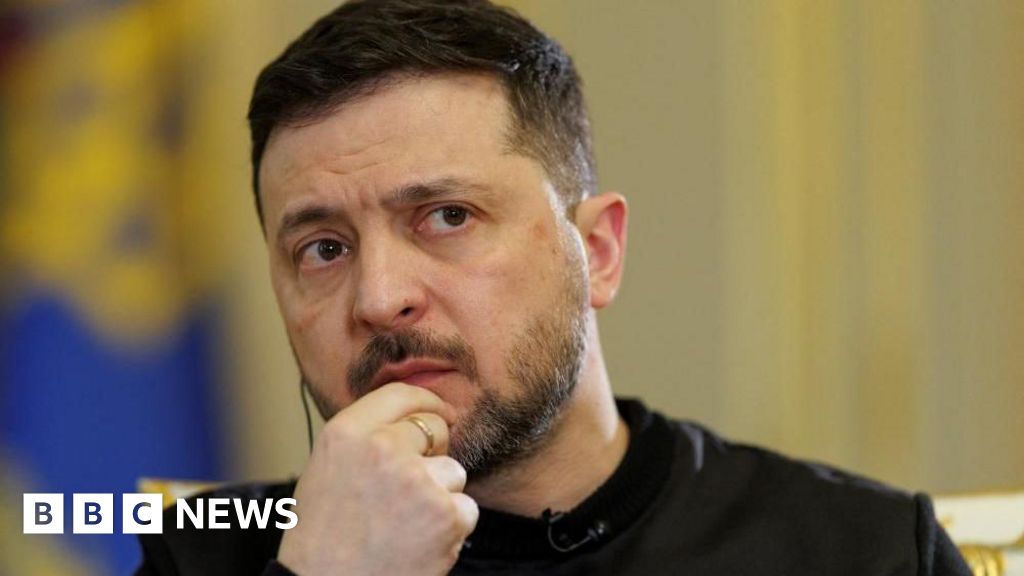
Zelensky reveals allies urged him to cut back on Russian energy strikes—new pressures mount on Ukraine

Ukraine and Global Impacts: Unraveling the Geopolitical Tensions

In a striking statement that underscores the complex web of international relations, Ukraine’s president revealed that his country’s decisive partners have inquired about the possibility of reducing military attacks amid soaring global energy prices, significantly affected by ongoing conflicts in the Middle East. This revelation comes at a time when global markets are experiencing unprecedented volatility, with oil prices surging to multi-year highs following the escalation of hostilities linked to the Iran war. Analysts emphasize that these developments are reshaping not just regional security dynamics but also the economic stability of allied nations and, ultimately, their societies.

The escalation of violence in Iran, an event that has ripple effects reaching across continents, has intensified pressure on European and North American policymakers. The war’s direct consequence—rising energy prices—has forced a reconsideration of military and diplomatic strategies. The rising costs have led some international actors to question the sustainability of current support methods for Ukraine’s defensive efforts. According to several geopolitical researchers, such as Dr. Helena Montague, the trend signals a potential shift in the global stance toward ongoing conflicts: “We see a growing tendency among Western allies to seek a balance between support and economic stability, especially as the economic strain becomes more palpable at the household level.”

For Ukraine, this complex scenario underscores a broader global strategic dilemma. As the conflict persists, Kyiv’s allies are torn between providing unwavering support to maintain the country’s sovereignty and recognizing the economic toll that continued military assistance entails. This dynamic presents a pivotal challenge for international organizations such as the United Nations and NATO, which are tasked with balancing strategic interests with economic realities. The emphasis on diplomacy and calls for ceasefires underscore a cautious pivot by nations that are concerned about the long-term social costs. Meanwhile, key voices from the world stage warn that yielding too much to economic pressures could embolden adversaries and undermine the very principles of sovereignty and international law that the global community seeks to uphold.

The geopolitical impact of these troubling developments is profound. Decisions made now will influence the shape of international relations for decades to come. The interconnectedness of Middle Eastern conflicts, European security, and global economies connote that no nation is truly isolated in this tumult. Leading political analysts warn that if the escalation continues unchecked, the ripple effects could lead to a destabilized multipolar world where alliances are tested and new regional fault lines emerge. British historian Sir Geoffrey Callender warns that “history teaches us that such moments of crisis often precede major shifts in global power structures. We must observe carefully, for the choices made today will define the geopolitical landscape of tomorrow.”

As the world watches this unfolding saga, the message remains clear: the weight of history is once again pressing down upon us. The metrics of power—military strength, economic resilience, and diplomatic agility—are being tested anew. This is a turning point, one where the decisions of contemporary leaders will echo through generations, shaping the balance of power and the very fabric of international law. As global citizens, the challenge remains to understand the profound significance of these shifting tides and to recognize that the future is being shaped in real-time, yet the consequences are timeless.
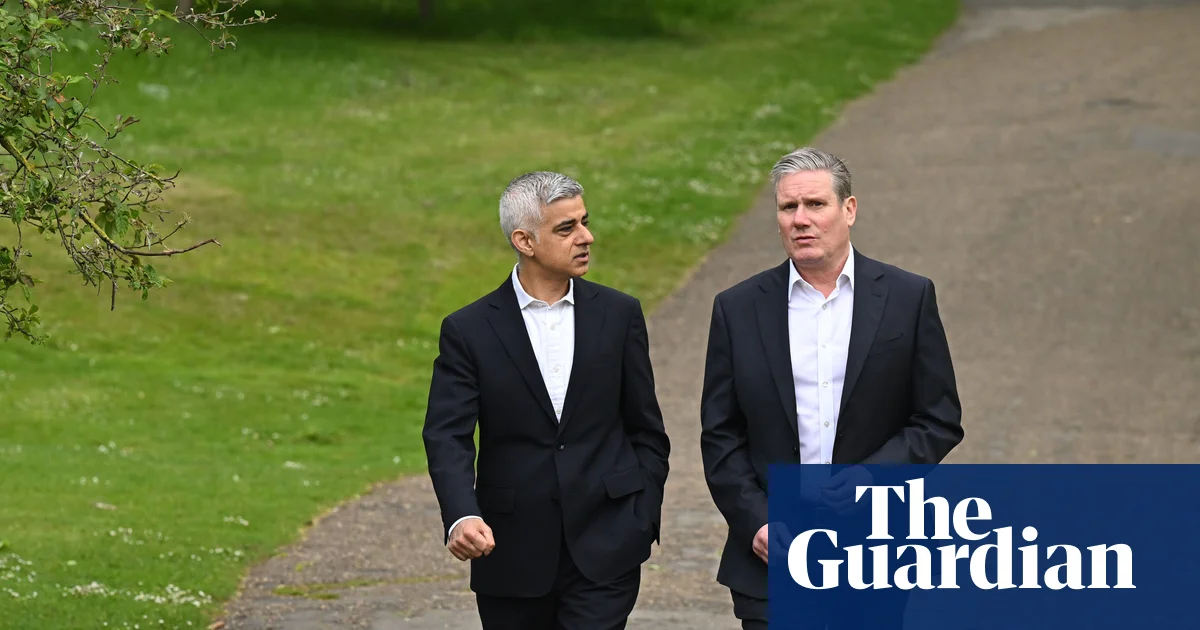
Khan’s Allies Downplay Rumors of Joining Starmer’s Cabinet

UK Political Landscape Faces New Shifts Amid Potential Peerages and Strategic Alliances

The United Kingdom continues to navigate a turbulent political terrain, with recent speculation surrounding Sadiq Khan, London’s mayor, and the broader implications for the country’s internal power structures. While reports suggest that Khan could join Keir Starmer’s cabinet as a peer, officials from Downing Street dismiss such discourse as mere speculation, emphasizing that no official decision has been made. The possibility of Khan maintaining his mayoral role while entering the House of Lords raises questions about the consolidation of political influence, especially as the UK prepares for critical elections across England, Scotland, and Wales this May. The outcome of these votes will not only determine domestic governance but will ripple across the international arena, influencing the UK’s diplomatic stance and regional interventions.

Historically, the appointment of peers has served as a strategic tool for political parties to extend influence within the House of Lords, a chamber that remains a key battleground in legislative processes. Analysts note that recently, Labour leader Keir Starmer has actively expanded the chamber, creating 96 new peers since taking office—65 of whom are affiliated with Labour. This move appears calibrated to enhance legislative efficiency and counterbalance the Conservative majority, which itself is reinstating hereditary peers as part of a broader effort to reshape the chamber’s composition. Such decisions underscore a shift towards a more managed, strategic influence that could have far-reaching effects beyond British borders, particularly as the UK seeks to influence international policy through its legislative stances and diplomatic initiatives.

On the global stage, developments within UK politics reflect a broader pattern of managing internal power dynamics to project strength and stability internationally. The shifting makeup of the House of Lords exemplifies how nations manipulate their internal institutions to adapt to new political realities. It could also signal to allies and adversaries alike that traditional British institutions remain resilient, adaptable, and capable of strategic recalibration in uncertain times. As historians and international analysts observe, such institutional shifts often serve as warning signs of impending political recalibration, which can influence the UK’s role in global affairs—from trade negotiations to security alliances.

In conclusion, the possible political maneuvers involving Sadiq Khan and the ongoing reshaping of the House of Lords illustrate a nation deeply engaged in balancing internal stability with external influence. The decisions taken in Westminster—whether to elevate figures like Khan or to reinstate hereditary peers—will not only impact domestic policy but also shape the UK’s position on the world stage for years to come. As history continues to unfold, the weight of these internal conflicts and strategical moves hang heavy, reminding the world that in the realm of geopolitics, the sovereignty of a nation is often forged in the crucible of its internal struggles.

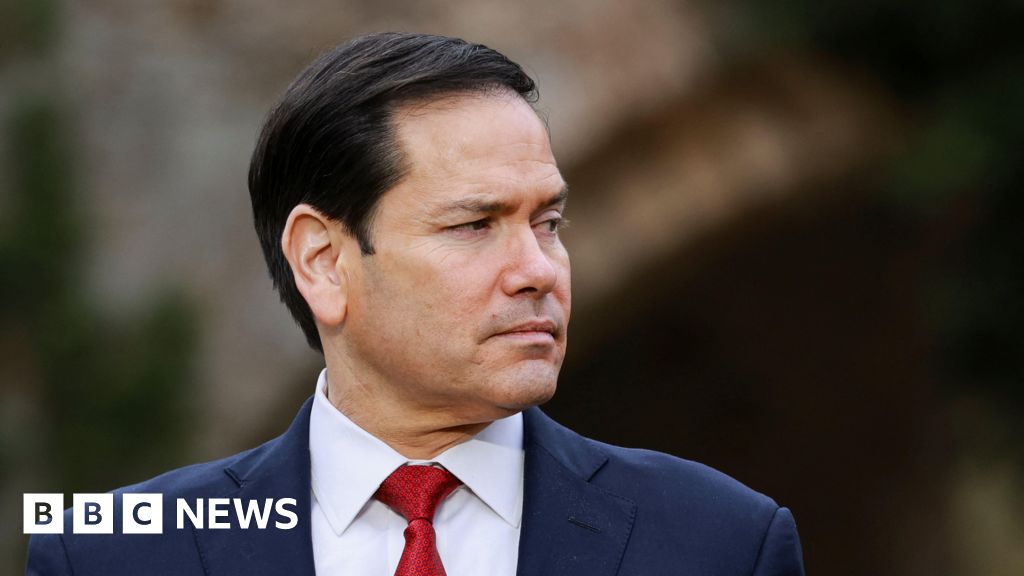
Marco Rubio Meets G7 Allies Amid Rising Iran Tensions

In a move that signals increased international involvement amid ongoing conflicts, the U.S. Secretary of State has begun their first foreign trip since the recent outbreak of hostilities last month. This diplomatic journey, widely viewed as a key indicator of the United States’ strategic posture, underscores the gravity of the current geopolitical crisis. As tensions rise across borders, analysts argue that this visit could mark a pivotal turning point in the global response to escalating conflicts.

The trip comes amidst a complex web of alliances, territorial disputes, and economic sanctions. The conflict, which has now extended into neighboring countries and threatened regional stability, has prompted international institutions, such as the United Nations and NATO, to call for urgent diplomatic negotiations. Historically, such trips by senior diplomats are designed to signal resolve and to gauge the intentions of allies and adversaries alike, as well as to reassess foreign policy strategies.

Key to understanding the geopolitical impact of this trip is the response from other global powers.

  • China’s diplomatic posture remains cautious but increasingly assertive, signaling a willingness to support or oppose depending on the evolving situation.
  • Russia continues to expand its influence, either through overt military support or covert operations, complicating efforts for a unified international response.
  • European nations remain divided, with some advocating for immediate sanctions while others emphasize dialogue and de-escalation.

Prominent historians and foreign policy analysts warn that the trajectory of this conflict could redraw international alliances for generations to come. According to reports from the Council on Foreign Relations, these diplomatic excursions are often double-edged swords, capable of either diffusing tensions or escalating them further.

As the Secretary of State engages in diplomatic negotiations, the weight of history hangs heavily in the balance. Decisions made over the coming weeks could determine whether nations move towards a fragile peace or descend into prolonged chaos. The global community watches with bated breath, aware that each diplomatic victory or setback adds a new chapter to the unfolding story of our time — a story that will be written in the blood and hopes of nations. The question remains: will diplomacy prevail, or are we approaching a shift that will forever alter the course of history?

Middle East Tensions Escalate: Trump Pins Responsibility on Allies, Dubai Airport Closures Amid US-Israel Standoff with Iran

Global Tensions Surge Amid Middle East Turmoil and Strategic Power Plays

As Israel intensifies its military operations targeting Iran, and US President Donald Trump brokers efforts to build an international coalition to reopen the heavily contested Strait of Hormuz, the geopolitical landscape of the Middle East is spiraling into an unprecedented crisis with far-reaching global consequences. The recent violence, coupled with sharp economic repercussions, underscores a pivotal moment in international relations, one that analysts warn could shape the future of global energy security and regional stability for generations to come.

The US administration has been ramping up pressure on allies, notably demanding that countries contribute military assets to maintain open water routes vital for the world’s energy supplies. Trump’s warning, as reported by the Financial Times, highlights a stark reality: failure to secure the Strait of Hormuz could catastrophic repercussions, including a “very bad” future for NATO. While several nations like the UK, Canada, and Australia have declined to send naval forces to the strategic waterway, the US continues to lobby globally, emphasizing that a failure to act could destabilize the world’s oil markets, which are already reacting to the turmoil with Brent crude surging past $104 per barrel. The potential disruption of one-fifth of the world’s traded oil not only threatens the energy economy but could ignite broader geopolitical conflicts, analysts warn, risking destabilization extending beyond the regional power struggle.

The escalation extends beyond high diplomacy, manifesting in immediate tactical clashes. Reports of drone attacks on military bases in Kuwait and rocket strikes in Iraq suggest an expanding conflict zone. Italy’s military acknowledged a drone attack on the Ali Al Salem base in Kuwait, while Iraq reported rocket fire targeting Baghdad’s international airport, injuring multiple personnel. These incidents, combined with Iran’s stern warnings to neighboring nations, hint at a rapidly expanding regional war. Israel maintains its focus on targeting Iran’s infrastructure, asserting that its military remains prepared for thousands of potential targets within Iran itself. iran‘s foreign minister has condemned Israeli airstrikes as ecocide, accusing Israel of violating international law and long-term environmental damage — a stark escalation in rhetoric that highlights the severity of the conflict.

The crisis is also affecting global markets and diplomatic efforts. Oil prices continue to climb amid fears of supply disruption, while European and Asian nations deliberate their response. Japan’s reluctance to participate in maritime security efforts reflects the complex balancing act faced by Tokyo, which must contend with its economic reliance on Middle Eastern oil while avoiding escalation. Meanwhile, Britain is considering deploying unmanned minesweeping drones, a move that underscores the fragility of international maritime security in these turbulent times. With energy estimates suggesting gas prices could drop below $3 per gallon if the conflict resolves, the economic stakes are immense and visibly intertwined with global stability. The decisions of individual nations are a delicate dance, with each move carrying the potential to ignite or defuse a broader regional confrontation.

At the center of this rapidly evolving crisis, President Trump‘s diplomatic and military maneuvers reflect a bold but controversial approach — seeking to forge a coalition capable of breaking the Iran blockade of the vital Strait of Hormuz. While some nations inch toward cooperation, others remain hesitant, wary of escalating the conflict further. This strategic impasse emphasizes how history hangs in the balance, with each decision carrying the weight of entire societies and futures. As Israel faces threats from Iran and its proxies, and global powers navigate the treacherous waters of diplomacy and warfare, one cannot help but feel that the unfolding events are shaping the contours of the 21st century. The world watches with bated breath, aware that the turning point is imminent — yet unaware of which path the currents of history will carry us, leaving the window open for both catastrophe and hope in an uncertain future.

Zelensky blasts EU Allies for ‘Blackmail’ Over Oil Pipeline Dispute

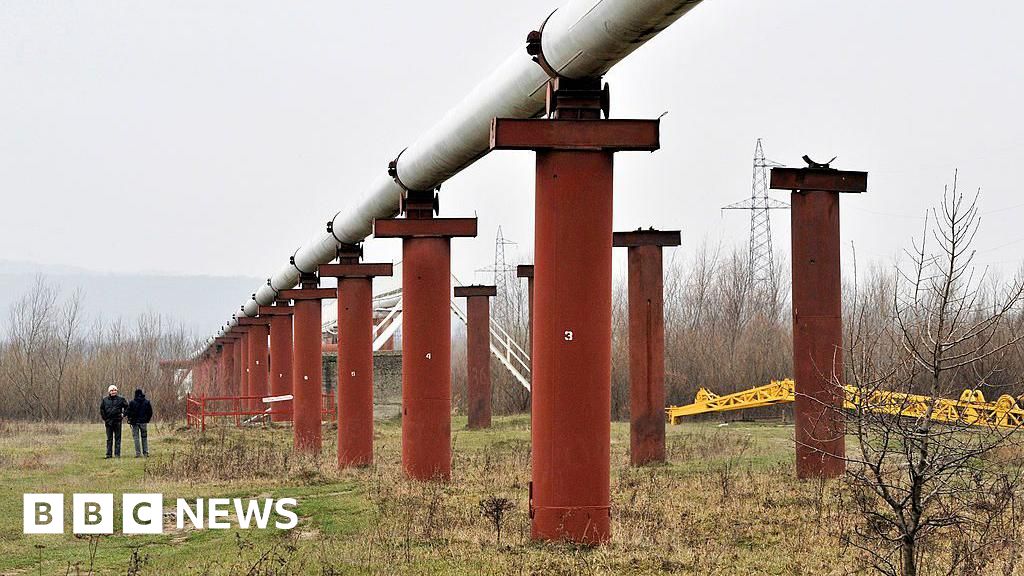
In recent statements, Ukrainian President Volodymyr Zelensky has issued a stark warning regarding potential shifts in energy policy that could significantly alter the geopolitical landscape of Eastern Europe and beyond. Zelensky articulated that restoring the flow of Russian oil via Ukraine into the European Union would be tantamount to lifting sanctions on Russia, a move that the Ukrainian leadership perceives as a critical threat to their sovereignty and regional stability. This declaration underscores the intense strategic contest over supply routes and economic sanctions that have become the new battleground in the ongoing conflict involving Russia, Ukraine, and Europe.

This issue strikes at the heart of the wider energy geopolitics, where control over vital oil and gas transit routes holds considerable influence over international relations. Following Russia’s annexation of Crimea and its ongoing military campaign in Ukraine, Western nations responded with economic sanctions, aiming to weaken Russia’s economy. These measures included restrictions on Russian oil exports, which are a key revenue source for Russian President Vladimir Putin. According to geopolitical analysts, any move towards reinstating Russian oil flows through Ukraine could be perceived as a de facto rollback of sanctions and a victory for Moscow’s strategic aims—an outcome viewed with alarm by Western allies.

International organizations, such as the European Union and the International Energy Agency (IEA), have warned of the dangers associated with reversing sanctions and reopening energy pipelines. Experts suggest that it would not only weaken Europe’s energy independence but could also set a dangerous precedent for international efforts to curb Moscow’s influence. Many Western nations, including the United States and major EU members, see the continuation of sanctions as essential to maintaining pressure on Russia. As historians note, the history of global conflicts illustrates how energy resource control often escalates geopolitical tensions, a lesson that remains painfully relevant in the current scenario.

At the core of this struggle lies the question of sovereignty and security. Ukraine’s government has repeatedly positioned itself as the defender of European security interests, emphasizing that any easing of sanctions or reopening of energy pipelines would undermine their efforts and embolden Moscow. Critics argue that such decisions could further destabilize Ukraine’s fragile economy, already strained by war, and inhibit the West’s strategic goal of curtailing Russian influence. The dilemma remains acute: balancing economic interests with geopolitical integrity is a challenge that could define the trajectory of European affairs for years to come. As diplomacy and diplomacy’s limitations are tested, the world watches with bated breath, understanding that these decisions may well shape the next chapter in a complex, ongoing conflict—one where the stakes are nothing less than the future of free nations and the balance of global power.

The destiny of energy supplies, sovereignty, and international alliance hinges on each decision made amid this tumultuous time. In the shadows of diplomacy, history’s pages continue to turn, chronicling a saga of ambition, resilience, and the enduring fight for sovereignty amid the relentless currents of global power. The outcome remains uncertain, yet one thing is clear: the unfolding story of Ukraine, Russia, and the West will be remembered as a defining moment in the ongoing struggle for influence and independence—a struggle that risks forever reshaping the geopolitical landscape of the 21st century.

Australia Ready to Back Gulf Allies Against Iran, Will Stay Clear of Ground War — Wong

Australia Navigates Middle Eastern Turmoil Amid Geopolitical Shifts

As international powers scramble in the aftermath of recent military strikes against Iran, Australia finds itself caught in a precarious position within a rapidly evolving geopolitical landscape. While Canberra explicitly refuses to deploy ground troops into Iran, its willingness to provide logistical and military support—albeit within tight boundaries—underscores the complex balancing act facing allied nations amid the escalating U.S.-Israeli coordinated strikes and Iran’s retaliatory missile and drone attacks.

The Australian government, under the stewardship of Foreign Minister Penny Wong, has confirmed that it received requests for assistance from regional allies threatened by Iran’s mounting assaults. Nine flights have already evacuated Australians from the volatile Middle East, with additional flights scheduled, and hundreds have been bussed out of Qatar to nearby countries. Wong clarified that Australia is prepared to work through assistance measures targeted at defending the Gulf nations, but remains firm in its stance against offensive action—rejecting any deployment of combat troops into Iran and emphasizing adherence to a defensive posture instead. This position aligns with Australia’s broader policy of maintaining strategic independence, avoiding entanglement in regional conflicts that could draw its military into direct combat.

The geopolitical impact of such decisions is profound. Analysts note that Australia’s cautious approach seeks to preserve its international reputation while avoiding the pitfalls of overcommitment favored by some Western allies. Countries with a history of military intervention, like the United States and United Kingdom, have long debated the efficacy of troop deployments in volatile regions, but Australia—especially under current Prime Minister Anthony Albanese—has emphasized diplomatic and logistical support as the middle ground. Yet, this careful balancing act is increasingly scrutinized by critics who warn that the current trajectory risks aligning Australia too closely with US-led military endeavors, potentially dragging it into broader conflicts that serve geopolitical interests beyond national security.

International organizations and historians warn of the long-term consequences of this violent chapter. The United Nations has called for restraint, underscoring the danger of escalating a regional conflict into a wider world crisis. Veteran geopolitical analysts interpret Australia’s role as indicative of a broader trend: western nations are recalibrating their military priorities, emphasizing indirect support over direct engagement. Meanwhile, the ongoing conflict continues to reshape regional alliances, with Saudi Arabia and other Gulf states increasingly looking towards alternative power brokers, wary of the US’s militarized approach. As history reminds us, the decisions made today will echo through generations, shaping the fabric of international stability—or chaos.

In the shadows of this unfolding crisis, the weight of history presses heavily on the shoulders of modern leaders. With each missile launched and flight undertaken, the delicate chess game of geopolitics intensifies—drawing societies ever closer to the brink of chaos or stability. While Australia seeks to maintain a measured stance, the broader geopolitical impact leaves an undeniable imprint: a reminder that, in the theater of global conflict, the lines between diplomacy and war remain perilously thin, and the choices of today could determine the course of history for decades to come.

Iran-backed militias escalate assaults on US, Israel, and allies

The Middle East is once again teetering on the brink of broader chaos as Iran-backed militias in the region escalate their attacks against Israel, the United States, and their allies. This intensification comes in the wake of a contentious U.S.-Israeli offensive aimed explicitly at Tehran’s network of militant groups. The conflict, rooted deeply in regional rivalry and decades of proxy warfare, is now drawing in new armed actors, with Iraq emerging as a pivotal battleground where covert and overt confrontations threaten to ignite a wider regional conflict. Analysts warn that the ongoing violence not only jeopardizes regional stability but fundamentally alters the geopolitical landscape, pushing global powers into a dangerous game of escalation and strategic ambiguity.

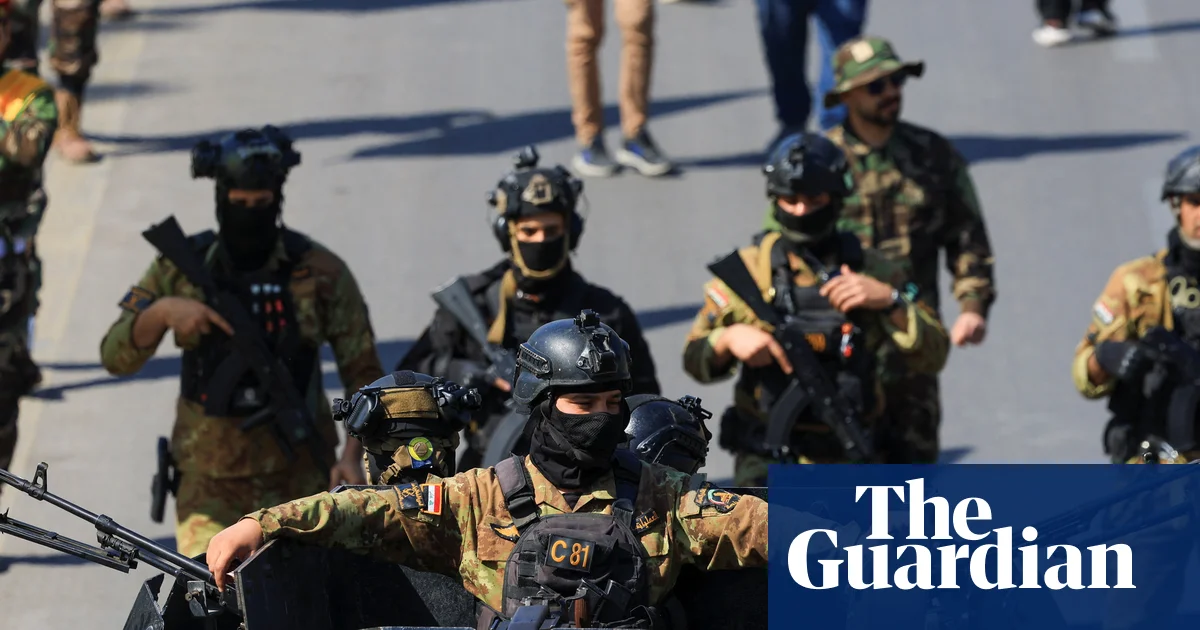
Since the war’s recent outbreak, militias loyal to Iran have launched dozens of attacks across Iraq, targeting American and Israeli interests in multiple countries. These attacks, often clandestine, include missile strikes and drone assaults from Iraqi territory into neighboring Jordan, efforts to cripple Iranian Kurdish opposition infrastructure, and attempted missile launches from southern Iraq—highlighting a clear escalation of proxy hostilities. According to prominent regional analysts and former intelligence officials, Israel and the US are actively engaging in targeted airstrikes and special operations to weaken pro-Iranian militias’ capabilities, aiming to dismantle Iran’s influence in Iraq and the broader Middle East. However, as these measures intensify, so does the risk of wider escalation, with officials in Washington considering the mobilization of Iranian Kurdish groups potentially for *an invasion of Iran’s northwest*, marking a new and dangerous phase in the regional proxy war.

The geopolitical impact of these events cannot be overstated. The long-standing US-Iran rivalry, which has played out through the proxy networks spanning from the Indian Ocean to the Mediterranean, is now manifesting in overt violence and strategic countermeasures. Iran’s investment over decades in a coalition of militias—such as Kataib Hezbollah—aims at both deterring external attacks and projecting influence regionally. The recent surge in attacks on militia bases, including alleged Israeli drone operations, signals a shift toward clandestine and asymmetric warfare. Historically, many specialists, including scholars from Chatham House and military analysts, argue this escalating chaos is as much about Iran’s existential resilience as it is about regional dominance. Dozens of fighters have been killed in retaliatory strikes, and unexplained explosions have reportedly disabled Iraqi radar systems, raising fears of a covert war waged from the shadows.

Furthermore, the broader regional implications are ominous. The “axis of resistance,” long a thorn in Israeli and Western interests, has been dented but not broken, as Iran’s allies like Hezbollah and Hamas remain poised but deliberately cautious. Recent Israeli offensives in Lebanon and the threat posed by Iran’s Houthi allies in Yemen hint at an expansion of the conflict. Meanwhile, analysts suggest that Iran’s strategic reserves include the Houthis, which may be held in reserve for a future escalation should Tehran perceive its regime’s survival as truly at risk. The potential deployment of proxies and the possibility of internal destabilization signals that the conflict is less about immediate territorial gains and more about a profound fight for influence and survival—a war fought through shadows and subversion, with the stakes nothing less than regional dominance and ideological supremacy.

As history continues to unfold in this volatile theatre, the world stands at a threshold. The ongoing proxy battles in Iraq, Syria, and across the Middle East are shaping a story of resilience and resistance, underpinned by fierce ideological commitments and strategic calculations. Every missile fired, every drone launched, and each unexplained explosion is a chapter in a larger narrative of a region caught between superpower rivalries and the relentless pursuit of influence. The outcome remains uncertain, but one truth persists: this is more than a regional dispute—it is a pivotal moment in the shaping of the Middle East’s future, with the weight of history swinging in the balance, waiting for the next move that could usher in either a fragile peace or a catastrophic escalation.

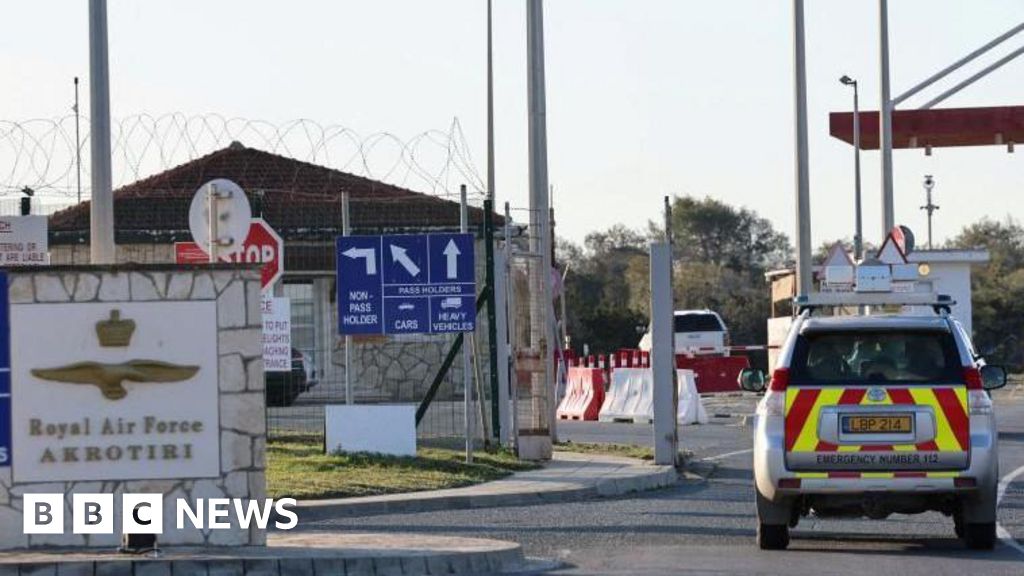
European Allies Mobilize to Strengthen Cyprus Defenses After Drone Attacks on British Base

The recent escalation involving Cyprus and the accusations against the Iran-backed group Hezbollah mark a concerning shift in regional stability. The Cypriot government suspects that Hezbollah was responsible for a targeted attack on the United Kingdom’s RAF Akrotiri base, a critical strategic point in the eastern Mediterranean. This incident underscores the increasing reach of Iran-backed factions across the Middle East and their potential to influence international security far beyond their traditional spheres of influence.

As tensions mount, analysts emphasize the geopolitical significance of this development. The RAF Akrotiri base, a key outpost for British and allied operations, plays a pivotal role in overseeing the volatile Middle East and maintaining NATO interests in the region. The suspicion that Hezbollah, influenced by Iran’s regional ambitions, would target such a strategic asset indicates a troubling willingness to challenge Western military presence. Historically, Hezbollah’s involvement in conflicts across Lebanon and Syria has been closely monitored by international intelligence agencies as part of Iran’s broader strategy to counterbalance U.S. and Western influence.

In response, international organizations and regional powers are calling for restraint while carefully analyzing the incidents’ implications. The United Kingdom has condemned the attack, warning of serious repercussions should evidence confirm Hezbollah’s involvement. Meanwhile, the United States and its allies underscore the importance of responding decisively to prevent further destabilization. Many experts, including regional security analysts, believe this event could serve as a catalyst for renewed debates on Iran’s regional strategy and the effectiveness of international sanctions intended to curb its influence. Some warn that failure to address these provocations could embolden terrorist groups and escalate conflicts that threaten not just the eastern Mediterranean but global stability.

Ultimately, the situation remains fluid, with each decision carrying profound consequences for nations and societies. The attack at RAF Akrotiri symbolizes a troubling moment in the ongoing struggle for influence in the Middle East, revealing the fragile balance of power and the potential for small incidents to ignite larger conflicts. As historians and analysts observe from afar, the eyes of the world remain fixed on Cyprus — a seemingly distant but critically significant flashpoint. With every passing moment, the course of history continues to unfold, threatening to reshape alliances and redefine the security landscape in ways yet unseen. The next chapter in this unfolding drama will determine whether diplomacy prevails or if this incident signals a deeper, more dangerous confrontation.

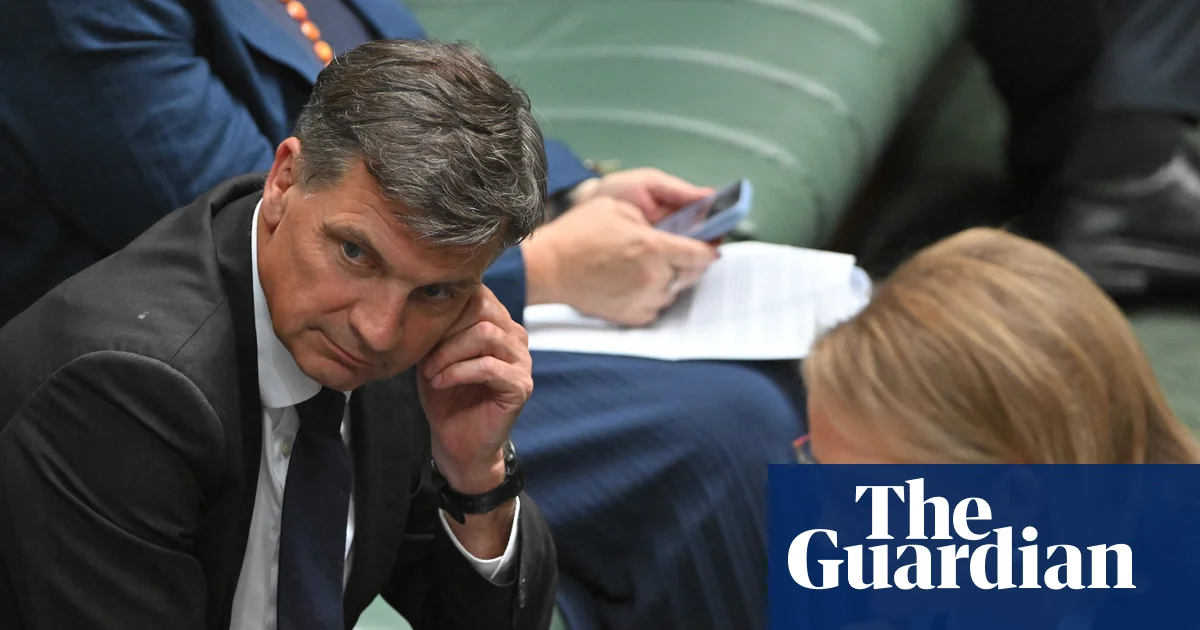
Angus Taylor allies gear up to challenge Sussan Ley for Liberal leadership soon

In a striking display of conservative instability, Australia’s ruling Liberal Party finds itself at a historic crossroads, with internal tensions threatening to fracture its very foundation. The political landscape has been shaken by a dramatic decline in electoral support, evidenced by the latest Newspoll revealing the party’s primary vote collapsing to an alarming 18%. This figure, a nine-point drop from previous months, has prompted urgent calls for change among party factions, especially as leader Sussan Ley faces mounting criticism and the looming prospect of a leadership spill. Conservative parliamentarians argue that, with support waning, it is only a matter of when, not if, the party will resort to reshuffling its top ranks to salvage electoral viability before the crisis deepens further.

While Ley, buoyed by some moderate voices, remains defiant—stating her job is “not expected to be in question”—the internal dissent has reached new levels of intensity. Supporters inside the party speculate that the fallout from the recent Coalition split over hate speech laws has gravely damaged Ley’s credibility, undermining any claims to stable leadership. Their fears are compounded by the internal power struggles exposed when Angus Taylor, a prominent conservative figure, emerges as a frontrunner for the leadership. According to insiders, Taylor may soon initiate a leadership spill, which would require Ley’s resignation from her current shadow cabinet position and a swift contest for the party’s leadership. Analysts emphasize that such a move could be the party’s last-ditch effort to restore voter confidence amidst a societal landscape increasingly aligned with populist sentiments elsewhere.

Internationally, Australia’s political turmoil resonates beyond its shores, as geopolitical analysts warn of the ripple effects on regional stability and alliances. The U.S. and UK, longstanding partners, scrutinize Canberra’s internal chaos, aware that a weakened Australian opposition could embolden rival powers like China and Russia in the Indo-Pacific. The possibility of leadership upheaval threatens to weaken Australia’s stance in critical multilateral engagements, including the Quad and regional security dialogues. Furthermore, experts observe that Australia’s political lessons echo a broader international pattern: when national parties falter in the face of societal shifts and electoral discontent, the resulting turbulence can have far-reaching consequences, altering regional geopolitics and the balance of power.

Meanwhile, within Australia, the debate shifts to the societal impact of these political upheavals. Moderate voices call for a strategic reevaluation, arguing that the party must embrace reforms to resonate with a generation increasingly attuned to issues like immigration, economic opportunity, and national sovereignty. Historians caution that the current crisis echoes past moments of ideological fissure, reminding voters and leaders alike that history often remembers the decisions made in these turbulent times as defining events—shaping the future course of the nation, for better or worse. As the political machinery grinds into motion, the weight of history presses down on the shoulders of its leaders, who must decide whether to cling to fading factions or forge a new path forward amid the chaos.

In the vast tapestry of history, moments of upheaval are often the dawn of transformation. As Australia faces its latest storm—a potential leadership overhaul in a time of societal and geopolitical flux—the question remains: will this be the beginning of a renewed national resolve or a slide into prolonged instability? The final chapter has yet to be written, but the echoes of this moment resonate across generations, challenging the very foundation of Australia’s political identity in the shadows of an uncertain future.

Polls open as Trump allies’ threats cast shadow over voting process

Honduras on the Brink: Election Turmoil Amid U.S. Interventions

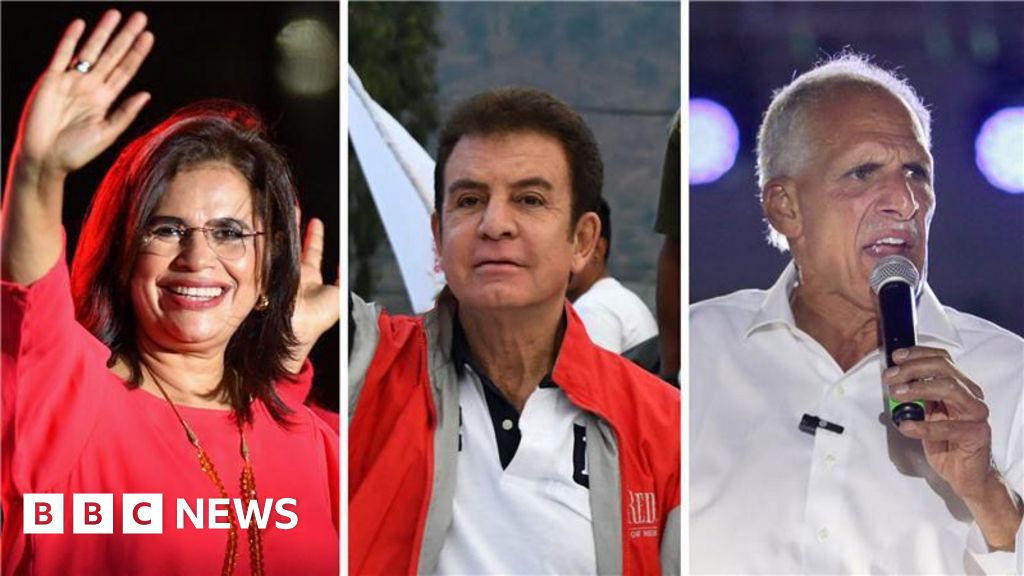
As Honduras approaches its highly contentious general election, the stakes extend far beyond national borders, reflecting the delicate and often volatile nature of regional geopolitics. The contest pits five candidates, with polls currently favoring Salvador Nasralla—a veteran candidate alleging electoral fraud in 2017—yet the atmosphere is overshadowed by external influences, particularly from United States President Donald Trump. Trump’s explicit support for right-wing candidate Nasry “Tito” Asfura, the former mayor of Tegucigalpa, signals a disturbing level of foreign meddling in what is supposed to be a sovereign democratic process. His warning that aid might be withheld depending on the election’s outcome underscores how external actors leverage financial influence to sway the political future of Central America.

The deeply intertwined geopolitical ramifications are evident in the U.S.’s strategy for the region. Despite halving its aid, the U.S. continues to funnel hundreds of millions into Honduras, a stark reminder of how economic resources are weaponized in the broader contest to shape Latin America’s political landscape. Such interventions threaten to undermine the sovereignty and democratic stability of Honduras, with analysts warning that the perceived backing of a candidate can exacerbate existing divisions and fuel unrest. Meanwhile, the Honduran electorate remains disillusioned, with 34% undecided—the poll’s paradoxical statistic illustrates how external pressures and internal fears create a landscape ripe for instability. Historically, such foreign-influenced elections in fragile democracies have often been a prelude to greater turmoil, with scholars like John M. Ackerman warning about the risks of foreign interference disrupting the fragile balance of Latin American politics.

Front-Runners in a Fractured Nation

The political contest is complicated by the recent history of corruption and political scandals. Xiomara Castro, the outgoing president and Honduras’s first female leader, is constitutionally barred from seeking a second term but remains influential through her endorsement of Moncada. Her claims of Trump’s interventionist tactics echo a broader narrative of U.S. meddling, which critics argue aims to install a government more amenable to Western interests. Meanwhile, Asfura, initially distancing himself from disgraced ex-President Juan Orlando Hernández, seeks to mainstream himself amidst allegations of corruption—an issue that recent indictments and convictions have thrown into stark relief. The US’s move to potentially override Hernández’s 45-year sentence for drug trafficking casts long shadows over Asfura’s campaign, raising questions about ongoing American influence and double standards in Latin American justice.

At the same time, the current *front-runner*, Salvador Nasralla, emerges as a symbol of opposition to external interference and entrenched corruption. His campaign platform promises to open the economy, create jobs, and pivot away from the influence of foreign players like China and Venezuela—both of which are embroiled in their own regional conflicts. The recent escalation of tensions between Venezuela and the U.S. has added another layer of complexity, with Washington increasing military exercises and carrying out targeted strikes against alleged drug traffickers, actions vehemently denounced by Maduro as attempts at regime change. Trump’s declaration that Venezuela’s airspace is “closed”—despite lacking legal authority—further underscores the high-stakes nature of the confrontation between U.S. imperial ambitions and Latin American sovereignty.

Uncertain Futures and the Weight of History

With elections underway amid widespread accusations of pre-emptive fraud and political intimidation, Honduras stands at a crossroads. The national electoral council’s calls for calm reflect a fragile attempt to maintain order, but underlying tensions threaten to explode into violence. The geopolitical chessboard, with its array of regional and global actors, underscores the peril in dismissing the importance of this election: it is not merely a vote but a test of resilience for Honduran democracy amidst foreign manipulation and internal decay. As history watches, the unfolding drama in Honduras becomes a mirror for the broader struggle between sovereignty and external influence—a struggle that could shape the entire region for decades to come. The outcome remains uncertain, yet the weight of recent events leaves no doubt: in this volatile crucible of modern geopolitics, the future remains unwritten, and the echoes of today’s decisions will resonate through history’s corridors for generations to come.

Social Media Auto Publish Powered By : XYZScripts.com