Matox News

Truth Over Trends, always!

X-energy, backed by Amazon, seeks $800M IPO to energize the future

Innovation in Nuclear Power: X-energy Leads the Disruption of Traditional Energy Paradigms

In a bold stride towards energy innovation, X-energy is positioning itself at the forefront of the nuclear power renaissance, leveraging revolutionary reactor technology that could redefine the global energy landscape. As the world grapples with surging electricity demands driven by AI data centers and widespread electrification, this startup’s high-temperature, gas-cooled reactor design has attracted significant institutional backing, notably from Amazon. The tech giant’s recent $500 million Series C-1 funding round underscores the strategic pivot of major players into nuclear energy, signaling a paradigm shift in how industry giants view reliable, low-carbon power sources. Amazon’s ambitious pledge to purchase up to 5 gigawatts of nuclear capacity from X-energy by 2039 highlights the substantial business implications of this emerging sector and the disruptive potential of small modular reactors (SMRs) as scalable, flexible energy sources.

The technical innovation behind X-energy’s approach emphasizes SAFETY and efficiency. Its TRISO fuel—encased in ceramic and carbon spheres—aims to dramatically reduce risks associated with conventional reactors, providing a safer alternative amidst the nuclear industry’s history of setbacks and delays. This is especially relevant as governments and private investors grow cautious after years of stalled projects and excessive costs, particularly outside of China where development hurdles persist. Industry analysts from Gartner and MIT are watching closely, emphasizing that successful commercialization hinges on achieving cost reductions in the “Nth-of-a-kind” reactors—projected to decrease costs by approximately 30% compared to initial deployments. Such advancements could tip the scales toward mass adoption, disrupting energy markets by providing a reliable alternative to intermittent renewables and fossil fuels.

However, the road to widespread nuclear innovation remains fraught with legal, financial, and technical challenges. X-energy has publicly disclosed ongoing patent disputes, notably with Ultra Safe Nuclear Corporation (USNC). The bankruptcy of USNC and recent acquisition of its assets underscore the turbulent environment for smaller nuclear startups, which face high barriers to entry and the necessity of overcoming technical and regulatory hurdles. Despite these challenges, the industry’s trajectory is unmistakably disruptive: emerging startups are racing against time to build viable small reactors, with a current target deadline aligned with political directives—namely, the U.S. government’s 2024 goal to achieve demonstration plant readiness. If these efforts succeed, the industry could witness a significant shift, with small modular reactors becoming a central component of a resilient, low-carbon energy future.

Looking forward, the fusion of innovation, strategic capital allocation, and regulatory support suggests that the nuclear sector is entering a critical phase of disruption. Industry leaders like Elon Musk and Peter Thiel have long been vocal about the critical need for disruptive energy solutions, and the current momentum appears poised to deliver on that promise. The upcoming TechCrunch event in San Francisco from October 13-15, 2026, is likely to feature key developments and unveilings from these startups, marking a new chapter in energy technology. As the push for affordable, scalable, and safe nuclear power accelerates, stakeholders must remain vigilant. The pace of innovation and the regulatory environment will determine whether nuclear power reemerges as the backbone of the future energy grid or remains a technological hope deferred. Either way, the future of energy is being reshaped now—those who grasp the urgency of this disruption will be best positioned to succeed in the emerging global economy.

Walmart’s Flipkart and Amazon are tightening the noose on India’s fast-paced startup scene

India’s Quick Commerce Market: Disruption and the Race for Dominance

India’s rapid ascent in the quick commerce sector has ignited a fiercely competitive battlefield, fundamentally transforming the retail landscape in one of the world’s most dynamic economies. Recently, industry giants such as Flipkart and Amazon have drastically expanded their footprint, leveraging innovation in logistics and ultra-fast delivery models to capture market share. The launch of Flipkart’s Flipkart Minutes in August 2024, a pioneering service promising deliveries within just 10 minutes, exemplifies this disruptive stride. This move, backed by Walmart’s strategic investment, signals a seismic shift in how e-commerce giants are redefining consumer expectations and operational capabilities in India’s sprawling market.

  • Over 6,000 dark stores now operational across urban hubs, creating a dense network aimed at shortening delivery times.
  • Orders from small towns now comprise 25–30% of Flipkart’s quick commerce volume, illustrating the sector’s growth beyond metro markets.
  • Major players are deploying aggressive pricing strategies, with discounts reaching around 23–24% to stake market dominance amid thinning profitability margins.

Innovation and Industry Disruption: The New Business Paradigm

The sector’s rapid expansion integrates advanced logistics, data analytics, and innovative supply chain management, fundamentally altering traditional grocery and retail commerce. Dark stores — small, localized warehouses designed for rapid dispatch — have become the backbone of this new business model, often operating in a fiercely competitive environment. Market analyst Bernstein reports that most demand still centers on major cities, where high population density enables faster throughput and higher efficiency. Nonetheless, the sector is also witnessing significant efforts to penetrate smaller towns, echoing a broader trend of market democratization. Flipkart’s expansion into rural and semi-urban territories reflects an industry-wide push to capture the “next billion” consumers, with some stores reaching profitability within 6-12 months, according to industry sources.

This innovative approach introduces a new level of disruption that Threatens traditional retail and logistics models. Moreover, the integration of big-data analytics facilitates precision targeting, setting a new industry benchmark—one where disruption is driven by technology, not just pricing. As noted by tech analysts and industry insiders, companies investing heavily in dark store infrastructure are positioning themselves for long-term dominance, even amid challenges of scaling profitability and sustaining rapid growth. Firms like Zepto and Swiggy are also vying for a share, though many are currently in a “race for scale,” versus short-term profitability.

Business Implications and Future Outlook

The accelerated pace of innovation in Indian quick commerce signifies a transformative shift with profound business implications. As disruption accelerates, the landscape becomes increasingly consolidated, with fewer players optimizing for economies of scale amidst a heavily discount-driven environment. Market experts from institutions like Gartner and MIT emphasize that this sector’s future hinges on technological differentiation, operational efficiency, and strategic expansion into underserved markets.

Fundamentally, this evolution signals a broader trend of disruption across global retail markets—where traditional models are threatened by agile, tech-enabled startups rapidly scaling innovative logistics solutions. The stakes are high: the winners will control the pace of urban and rural consumer access, setting the stage for the next wave of e-commerce innovation. As entrepreneurs and investors track these developments, it is clear that in this fiercely competitive environment, those who fail to innovate risk obsolescence, while the bold reap long-term dominance.

Looking ahead, rapid advancements in autonomous delivery and AI-powered logistics mean the sector’s trajectory isn’t merely about faster delivery but about redefining commerce itself. For industry leaders and new entrants alike, the message is clear: in a hyper-competitive, tech-driven marketplace, timing and innovation will decide who leads India’s retail revolution into the future.

Top Streaming Stick on Amazon Drops Near 50%—Don’t Miss Out!

Major Leap Forward: Fire TV Stick 4K Max Redefines Streaming Hardware

In an era where technology disruption and innovation are reshaping entire industries, Amazon continues to push the boundaries of consumer electronics with its latest Fire TV Stick 4K Max (2nd Generation). As streaming platforms diversify and consumer demands evolve, this device exemplifies how strategic enhancements can create a dominant position in the competitive landscape. Featuring a significant upgrade from its predecessor, the device now boasts 16 GB of storage—doubling the previous capacity—allowing users to retain more apps comfortably, a move that directly caters to the tech-savvy, on-demand generation.

One of the most compelling aspects of the Fire TV Stick 4K Max is its seamless integration of innovation in connectivity and content delivery. Equipped with Wi-Fi 6E support, the device delivers higher download speeds and streaming at elevated quality levels, reducing buffering and latency—an essential advantage for high-resolution content and gaming via cloud services like Xbox Game Pass. Analysts from Gartner highlight that these technological strides are not merely features but represent a paradigm shift in how consumer devices handle data-intensive applications, establishing a new benchmark for competitors. The device’s compatibility with leading streaming services, including Prime Video, Netflix, Disney+, and HBO Max, underscores its versatility and strategic positioning within a burgeoning ecosystem of digital entertainment.

Disruption and Business Implications

The disruption induced by Amazon’s latest streaming device extends beyond consumer convenience, challenging the very business models of traditional cable providers and legacy hardware manufacturers. By leveraging cloud streaming capabilities and advancements in Wi-Fi technology, market incumbents faced with declining cable subscriptions are compelled to reconsider their strategies. The Fire TV Stick 4K Max exemplifies how disruptive hardware paired with evolving software can erode longstanding income streams for cable firms while providing consumers with flexible, cost-effective alternatives.

  • Market Shift: Emphasis on portable, high-performance streaming sticks versus expensive set-top boxes.
  • Revenue Diversification: Amazon’s move encourages app developers and content providers to optimize for cloud-first devices, further consolidating its market dominance.
  • Consumer Power: The affordability (now down to $35 during promotional sales) democratizes high-quality streaming, further accelerating industry disruption.

Industry analysts, including experts from MIT’s Media Lab, suggest that these hardware innovations are making “ubiquitous, personalized entertainment accessible,” leading to a redefinition of consumer engagement and monetization strategies. This, coupled with Amazon’s integration of its Alexa ecosystem—enhancing voice controls and smart home connectivity—creates a compelling holistic user experience. Such integration signals a broader shift, with voice assistants evolving from simple tools to central hubs in the tech landscape, displacing traditional interfaces.

Future Outlook: Urgency in Innovation

The landscape of digital entertainment is entering a phase of unparalleled velocity and transformation. Companies failing to innovate risk obsolescence as the market favors integrated, cloud-oriented, high-performance devices. Companies like Google and Apple are undoubtedly ramping up their competitive responses, while industry watchers like Peter Thiel emphasize the importance of rampant innovation and game-changing disruption in the coming decade. The Fire TV Stick 4K Max is not just a product; it is a clarion call for brands to prioritize technological agility or face declining relevance.

In conclusion, Amazon’s latest offering embodies the broader trend: disruptive innovation integrated with strategic business models that threaten legacy paradigms and empower consumers. As the race for digital entertainment dominance accelerates, those who harness the power of hardware, cloud infrastructure, and seamless user ecosystems will shape the future. For industry incumbents and newcomers alike, time is of the essence—those who act quickly and innovatively will lead the next wave of disruption in a transforming digital era.

Top Amazon Spring Deals for the Next Generation—Don’t Miss Out!

Amazon’s Big Spring Sale: A Testbed for Market Disruption and E-Commerce Innovation

In a strategic move ahead of the traditional retail slowdown, Amazon has launched its third annual Big Spring Sale, running through March 31st. This event underscores a significant shift in consumer engagement strategies, as e-commerce giants like Amazon aggressively position their platforms as the primary gateway for timely tech acquisitions and seasonal deals. While the overall discounts may not rival Black Friday or Prime Day, this initiative signals a broader trend towards continuous, digital-first shopping experiences that threaten established brick-and-mortar retail models.

Amazon’s approach illustrates the growing emphasis on innovation-driven disruption in the retail sector, leveraging data analytics, targeted marketing, and seamless supply chain logistics—tech enhancements pioneered by Amazon’s internal R&D hubs. The current sale features heavily curated deals on popular gadgets—headphones, robot vacuums, and charging accessories—highlighting the company’s focus on high-margin, tech-savvy consumers. Industry analysts from Gartner and MIT agree that such strategies are set to redefine consumer expectations, pushing competitors to accelerate their digital transformations.

Emerging Trends in Consumer Electronics and Market Shifts

The sale banner prominently features tech innovations that are shaping the future of personal and home entertainment. Streaming devices, soundbars, fitness trackers, and smartwatches are offered at prices that mark some of their lowest points to date, signaling a shift in how consumers prioritize integrated, connected lifestyles. These deals serve as a testing ground for emerging disruption opportunities in hardware, challenging traditional manufacturers to innovate faster to stay competitive. As Peter Thiel and others predict, ‘the next wave of technological value will be built around hardware-software convergence,’ which is clearly reflected in the current market offerings.

Economic implications include a narrowing of profit margins for manufacturers and retailers, forcing innovation cycles to accelerate while cutting costs. The sale’s focus on accessible entry-level devices, such as Apple’s latest iPad and JBL’s Flip 7 speaker, emphasizes the importance of lowering the barriers for mass adoption and fostering consumer loyalty. This aligns with trends identified by industry leaders, where disruption is driven by affordability coupled with advanced features, pushing incumbents to rethink product development and marketing strategies.

Implications for Business and Industry Dynamics

By orchestrating this sale, Amazon exemplifies how disruption in retail is directly correlated with innovation in logistics, artificial intelligence, and customer engagement platforms. The company’s ability to continually optimize its marketplace sets a precedent that competitors cannot ignore. As tech giants like Apple and JBL innovate in hardware, Amazon’s digital ecosystem offers a competitive advantage through personalized recommendations, dynamic pricing, and swift delivery—elements that further entrench its dominance.

Moreover, the ongoing emphasis on tech device affordability and functionality indicates a shifting landscape where consumer preferences for integrated, smart homes and wearable tech will continue to grow. This convergence hints at an epoch where hardware innovation, combined with AI-driven ecosystems, will increasingly determine market leadership. Industry analysts warn that companies slow to adapt to this rapid pace risk obsolescence, urging a sense of urgency for startups and established players alike.

Looking ahead, the unfolding digital retail paradigm is poised to challenge traditional models, urging rapid innovation and strategic disruption. As Elon Musk and other tech visionaries emphasize, those who master the synergy of hardware, AI, and logistics will shape the future of consumer markets. The current Amazon sale is not merely a promotional event—it is a blueprint for the digital economy’s next frontier, where innovation, disruption, and strategic agility will define winners and losers in a swiftly evolving landscape.

Top 15 Amazon Spring Tech Deals Worth Your Shot — We Verified the Prices (2026)

Market Disruptions and Industry Shifts During Extended Tech Sales Wave

In an era characterized by rapid innovation and relentless competition, the recent phenomenon of an almost week-long sales event—allegedly saturated with deceptive “deals”—has sparked significant debate within the technology sector. Experts analyzing this trend emphasize that such prolonged promotional activities, often masking superficial discounts, threaten to distort the competitive landscape. The proliferation of these misleading deals underscores a pressing industry need for transparency and authenticity, particularly as consumers become increasingly savvy and discerning. The impact is profound: genuine innovation risks being overshadowed by marketing hype designed to create artificial demand.

Major players such as Amazon and Best Buy have intensified their promotional calendars, but reports indicate that many offers during this extended sales period are fabricated or heavily inflated. Tech enthusiasts and analysts, including those from Gartner and MIT’s Sloan School of Management, warn that this practice could lead to a “race to the bottom” on price competitiveness, where brands prioritize short-term consumer engagement over meaningful product differentiation. Meanwhile, the tech industry’s overarching challenge remains innovation—delivering groundbreaking products that redefine user experience and technological capabilities—not simply employing aggressive discounts to maintain market share.

Despite the criticism, some market insiders see an opportunity for disruption. Elon Musk and other industry visionaries argue that these sales events reveal the underlying fragility of current e-commerce practices—often heavily dependent on marketing gimmicks rather than true product value. The focus on superficial deals risks diverting consumer attention from the real advancements of next-generation technologies, such as artificial intelligence, quantum computing, and interconnected platforms. As industry leaders like Google and Apple accelerate their innovation pipelines, the ability to stand out will increasingly depend on transparency, product integrity, and sustained R&D investment—rather than artificially inflated discounts.

The business implications are clear: the market is at a crossroads. Companies that can differentiate themselves through genuine innovation and reliable customer value are poised to gain a competitive edge. According to research from Gartner, firms investing heavily in emerging technologies such as autonomous systems and IoT are likely to disrupt traditional retail models, which have become vulnerable to practices that prioritize short-term sales at the expense of long-term brand trust. The ongoing proliferation of misleading sales tactics risks eroding consumer confidence—a critical asset in the age of digital transparency.

Looking ahead, the industry faces an urgent imperative: to redefine what constitutes authentic value in a marketplace increasingly flooded with noise. As technology accelerates exponentially, so too must the standards for what constitutes market disruption. The winners will be those who prioritize genuine innovation, leverage cutting-edge narratives, and foster consumer trust—reinforcing the old adage that not all that glitters is gold. The next wave of technological breakthroughs—ranging from AI-driven automation to sustainable computing—will be the true catalysts for market evolution. In this climate, complacency is not an option; the future belongs to companies ready to innovate beyond superficial sales tricks and deliver transformative value.

Why Is Alexa+ Falling Short?

Revolutionary AI Assistants Face Real-World Challenges in Industry-Disrupting Devices

In a striking development within the smart home sector, the integration of cutting-edge AI assistants like Amazon’s Echo Show 15 has come under scrutiny after a month-long hands-on trial. While initial expectations centered on seamless control, personalized automation, and a futuristic smart kitchen, reality has revealed substantial obstacles, raising questions about the scalability and practicality of current AI implementations for consumers. This real-world test underscores a broader trend of disruption in the IoT and AI landscapes, as industry leaders push the boundaries of what home automation technology can truly deliver.

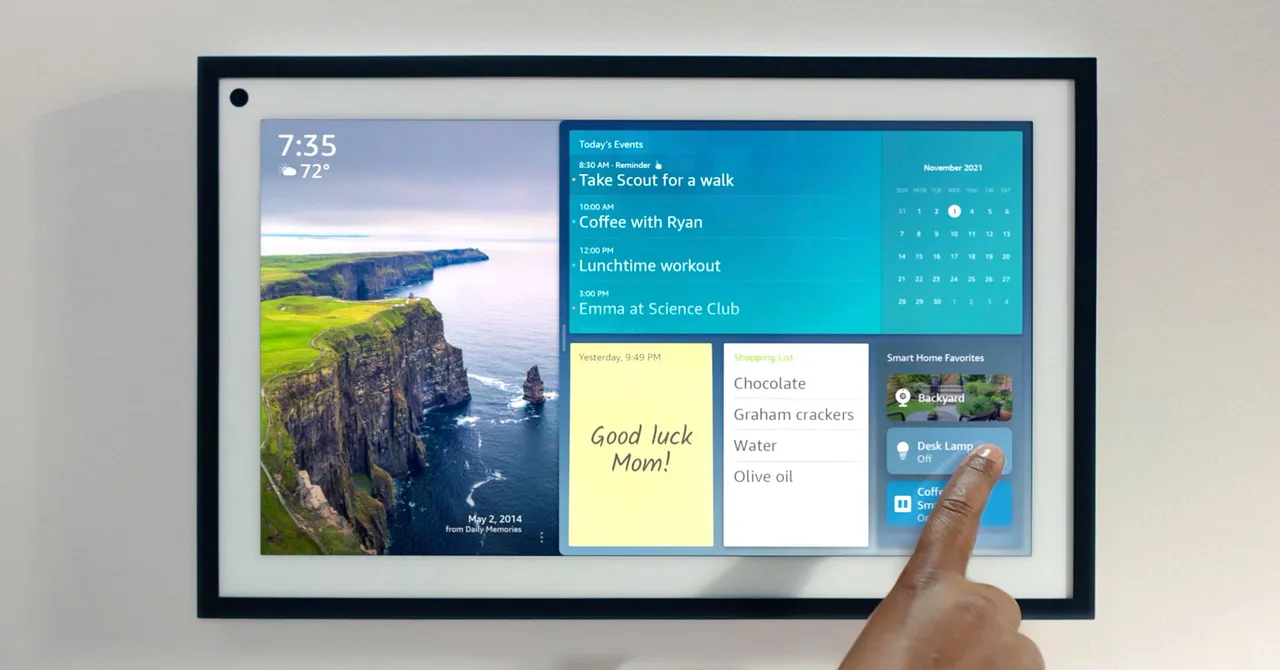
The Echo Show 15, equipped with Alexa+ — an upgraded AI assistant— embodies the ambition of tech giants to create integrated, voice-activated ecosystems. The device offers features such as a large display for multimedia, visual calendars, and Alexa’s voice commands, promising to transform the traditional kitchen into a hub of smart productivity. However, feedback from practical use indicates that there are significant gaps in user experience, ranging from frequent misinterpretations of commands to technical malfunctions. Experts at Gartner and MIT warn that such shortcomings reveal fundamental challenges in consumer-facing AI: maintaining accuracy amid the complexities of natural language processing, and ensuring dependable, behind-the-scenes hardware support.

Market analysts point out that this highlights a critical inflection point for AI-powered consumer devices. While companies like Amazon and Google continue to invest heavily in AI, their focus on innovation often outpaces the realities of deployment in everyday settings. The result is a gap between technological promise and practical usability, which could influence future investment directions and consumer trust. Furthermore, the convergence of AI with IoT indicates a potential for business disruption, as startups and established corporations vie for dominance in an increasingly connected, intelligent home ecosystem. This technological scramble presents both opportunities for rapid market growth and risks of consumer alienation if core issues remain unresolved.

Investors and industry stakeholders are closely watching how tech giants adapt to these challenges. Key milestones such as Amazon’s recent hardware refreshes, ongoing AI enhancements, and strategic partnerships signal a competitive push to refine smart assistant offerings. Experts like Elon Musk and venture capitalists such as Peter Thiel emphasize the importance of increasing AI reliability and user-centric design to sustain innovation momentum. This period also marks a shift towards more sophisticated, disruption-ready solutions that could redefine how households interact with technology, potentially replacing traditional appliances and untangling the conventional home dashboard.

Looking forward, the industry is at a crossroads. The emerging narrative suggests that the initial wave of AI-enabled smart devices may need a paradigm shift—prioritizing functional robustness and seamless integration over glitzy features. Companies that can efficiently bridge the gap between innovation and practical usability will set the stage for a new era of ultra-connected, intelligent homes. As market leaders refine their strategies and new entrants challenge the status quo, one thing remains clear: the future of AI in consumer tech hinges on how quickly and effectively these systems can transition from ambitious prototypes to indispensable elements of daily life. The stakes have never been higher, and the race for dominance in this disruptive tech frontier is only intensifying.

Score Big Savings on the Lego Icons Lord of the Rings Balrog Book Nook — Over $20 Off at Amazon!

The Rise of Collector Culture and the New Generation of Toy Enthusiasts

In recent years, a cultural shift has emerged among today’s youth—one that intertwines nostalgia, creativity, and social identity through sophisticated fandoms and meticulously curated collections. The latest example? The skyrocketing popularity of LEGO sets that are not just child’s play anymore but are considered collector’s items with *cultural relevance*. Take, for instance, the LEGO Icons The Lord of The Rings: Balrog Book Nook. Priced at just $108.99 on Amazon after a significant discount, this set encapsulates a renaissance of nostalgic engagement that blurs the line between childhood entertainment and adult collector obsession. With 1,201 pieces and a display that caters to both aesthetics and storytelling, it’s evident that such collectibles are more than simple toys—they’re symbols of a broader social movement embracing craftsmanship, fandom, and identity assertion.

This evolution has been driven by influential voices from social media, where platforms like Instagram and TikTok are saturated with young collectors sharing their latest acquisitions and customizations. Influencers such as Alex the Toy Maven and BrickMaster showcase the latest LEGO drops and dissect the cultural impact of these sets, which often feature iconic scenes from beloved franchises. Sociologists like Dr. Helen Carothers argue that these engaging hobbies foster a sense of community, providing a social space for discourse and shared passion—yet, beneath this camaraderie lies a deeper message: a desire for control and self-expression in a turbulent digital age. In a world increasingly defined by chaos, building a scene from Lord of The Rings or assembling a vintage-inspired toy becomes an act of agency and cultural currency among youth.

Furthermore, this collector fervor signifies a wider societal trend: the redefinition of what it means to engage with popular culture. No longer are children the exclusive audience of LEGO or similar collectibles. Instead, these sets are embraced by a demographic that values quality, storytelling, and exclusivity. The recent price drop on the Balrog Book Nook is not only a sale but a statement—an indication that these objects have moved from niche to mainstream, becoming valued commodities that reflect societal values around craftsmanship, nostalgia, and social belonging. Top consumer trends reveal that

  • Limited editions and collaborations with major franchises are a hot commodity
  • Online marketplaces and social media drive the secondary resale market
  • Young adults are increasingly investing in collectibles as a form of social capital

As this culture continues to grow, a compelling question arises: what’s the next frontier for this movement? Will virtual and augmented reality integrations redefine the collectible experience, or will these tangible tokens hold their value amidst a digital universe? Sociologists and trend analysts gaze into their crystal balls, contemplating whether the future lies with hyper-customized, immersive fandoms that extend beyond physical objects—yet, one thing is clear: the social relevance of these collectibles is only intensifying. For young enthusiasts today, building and displaying these intricate scenes aren’t just hobbies—they’re declarations of identity, community, and cultural literacy. As we watch this trend evolve, the real question might be: Will future generations view these meticulously assembled worlds as relics of a bygone era, or will they serve as the blueprint for a new form of social engagement and cultural expression?

Audible Boosts Focus by Syncing eBooks and Audiobooks for Young Minds

Audible Disrupts Traditional Reading Habits with Immersive Augmented Reading Technology

In a bold move demonstrating the rapid convergence of audio and digital reading platforms, Audible has unveiled its innovative “immersion reading” feature, signaling a decisive shift in how consumers engage with books in the digital age. This latest offering allows users to seamlessly synchronize audio narration with on-page text, highlighting the synchronized content in real-time. As the digital marketplace continues to evolve, Audible’s platform exemplifies how disruption can redefine traditional reading paradigms, making immersive content more accessible and engaging for the next generation of learners and readers.

The core innovation behind “immersion reading” capitalizes on enhanced interactivity and multi-sensory engagement, which experts suggest could significantly boost comprehension and retention. Users can activate the feature within the Audible app by tapping “Read & Listen,” and as the audiobook progresses, the corresponding text is highlighted in sync with the narration. This is particularly valuable for language learners, students, and avid readers seeking a more focused experience. Audible estimates that hundreds of thousands of titles—including numerous in German, Spanish, Italian, and French—will support this feature at launch, aligning with trends toward multilingual and multicultural digital content.

The business implication of this strategic enhancement is profound. By combining the strengths of both audiobook and e-book markets, Audible is effectively creating a hybrid ecosystem that emphasizes interoperability and user engagement. While the feature requires users to own both formats, it opens avenues for increased subscription and data-driven content personalization. Moreover, competing platforms such as Spotify are rapidly exploring similar innovations, with Spotify’s recent “Page Match” feature allowing users to scan printed pages and synchronize them with audiobooks, highlighting a broader industry shift toward immersive, synchronized experiences. These advancements pave the way for a future where the boundaries between different media formats—text, audio, and video—blur, challenging entrenched publishing and entertainment models.

Analysis by technology analysts like Gartner underscores that such features are indicative of a broader disruption in digital content consumption. In the emerging landscape dominated by AI-powered, interactive, and personalized experiences, the ability to offer multifaceted engagement will be a key differentiator. Companies that invest in these innovations not only appeal to tech-savvy youth but also capitalize on the growing demand for inclusive, accessible content that supports learning and leisure simultaneously. This strategic focus on immersive media also aligns with trends observed in leading institutions like MIT and Silicon Valley giants, emphasizing that the future of digital media hinges on how well companies can integrate multimodal content and foster deeper engagement.

Looking ahead, the rollout of features like Audible’s immersion reading signals a pivotal moment for the entire industry. As consumer expectations evolve rapidly, the race to innovate and disrupt traditional narratives will intensify. In this competitive and fast-evolving environment, the ability to leverage technology for enhanced engagement will determine industry leaders. The next decade promises to redefine storytelling and education through immersive, synchronized audio-text experiences—a convergence of innovation and disruption with far-reaching implications for content creators, publishers, and tech giants alike. The message is clear: those who embrace these transformative shifts—focusing on disruption, innovation, and strategic agility—will shape the future of digital media.

Amazon pushes questionable, junky laptops—think twice before you buy

Revolution in the Laptop Industry: Innovation Meets Industry Disruption

The current landscape of the laptop market reveals a remarkable wave of technological innovation juxtaposed with industry disruption driven by both emerging brands and shifting consumer expectations. Once dominated by established giants like Acer and HP, the market now confronts an influx of cheap, seemingly low-quality machines that challenge traditional standards of reliability and performance. This phenomenon is symptomatic of a broader trend where disruptive innovation accelerates the commoditization of entry-level devices, compelling industry stakeholders to rethink strategy and quality assurance.

While brands such as Samsung, ASUS, and Lenovo are still delivering high-end devices leveraging cutting-edge ARM processors and innovative designs, the flood of low-cost laptops under $300—like the inexplicably recommended Jumper and Nimo models—highlight a different trend: the commodification and potential deterioration of hardware quality. These devices, often powered by minimal specifications such as Intel Celeron processors and eMMC storage, threaten to dilute brand value and erode consumer trust, especially when Amazon’s algorithms favor inexpensive, poorly reviewed products instead of meaningful innovation.

Market Shift: The Rise of Unknown Brands and Future Business Implications

The rise of unknown brands in the budget segment indicates a significant market shift. Companies like Jumper and Nimo are exploiting gaps, yet lack of independent reviews and questionable hardware credentials raise concerns. This fragmentation could trigger a pivotal realignment in supply chain dynamics and consumer discernment, with industry experts like Gartner warning of a “race to the bottom” amid rapid price erosion. The danger is an erosion of brand integrity, which historically has been a cornerstone of sustained innovation and consumer loyalty.

Meanwhile, established manufacturers are evolving their strategies by integrating high-refresh-rate screens, increased RAM, and storage capacities, as exemplified by the Dell 2025 model recommended by trusted sources. Such devices emphasize value proposition over mere affordability, signaling a potential path forward for business leaders who prioritize hardware longevity and customer trust — crucial in a saturated market increasingly blinded by price and fleeting trends.

Innovation and Disruption: The Quest for Market Differentiation

In this evolving environment, innovation remains the ultimate differentiation tool. Tech giants and startups alike are exploring transformative disruptive applications, such as ARM-based architectures that promise superior battery life and performance, and AI-driven design optimization. Industry analysts like Peter Thiel emphasize that creating breakthrough technologies is vital to avoid being overwhelmed by low-cost competitors that value volume over value. Artificial intelligence, in particular, is poised to redefine hardware manufacturing by streamlining supply chains and personalizing user experiences, forging new paradigms of business disruption.

The industry’s future hinges on an urgent imperative: investing in genuine innovation instead of superficial marketing tactics. As noted by MIT researchers, the advent of edge computing and 5G connectivity will soon demand devices capable of more than just basic functionality—shaping a market where quality, security, and extended support become non-negotiable differentiators. For forward-thinking companies, this signifies an opportunity to build competitive advantage by fostering technological ecosystems that prioritize battery resilience, hardware durability, and software integration.

Conclusion: The Road Ahead – Innovation as the Industry’s Lifeline

The rapidly shifting dynamics of the laptop industry evoke a crucial reminder: Disruption and innovation are inseparable forces that will determine the winners and losers in the coming decade. Companies that adopt a strategic focus on technology breakthrough and brand integrity will rise above the noise, while those banking solely on low prices risk obsolescence. As consumer demand becomes more discerning and technology advances relentlessly, markets must accelerate their pursuit of genuine innovation or face being left behind in a landscape dominated by shallow products and misleading marketing.

The future belongs to those who see beyond short-term profit and invest in impactful, disruptive innovations—whether through AI, new hardware architectures, or integrated ecosystems. The countdown has begun: the race to lead the next era of computing is on, and only the most visionary will secure their place in its history.

Alexa’s Flop Pushes Me Back to Siri—Time to Reconsider the Tech Giant’s Voice Power

Amazon’s Alexa Reimagined: Innovation Meets Consumer Frustration

In a bold move to elevate its voice-enabled ecosystem, Amazon has recently intensified its integration of generative AI technologies into the Alexa platform. With the debut and subsequent expansion of Alexa Plus, the company aims to transform Alexa from a basic voice assistant into a generalist AI companion capable of more complex interactions, drawing parallels to industry leaders like ChatGPT and Google’s Gemini. The recent shift is part of Amazon’s strategic pivot to disrupt the smart assistant market, leveraging AI to embed itself deeper into users’ daily routines and the broader smart home sector.

This aggressive push is not without growing pains. As shown by early feedback and internal updates, the user experience has faced significant turbulence. The new app interface and Alexa Plus functionalities prioritize a conversational AI experience, but consumer response has been mixed — with many pointing out the increased clutter, intrusive advertisements, and convoluted workflows. As analysis from Gartner highlights, disruption of traditional UX paradigms— especially through AI-driven redesigns— can lead to *initial alienation*. Nonetheless, Amazon appears committed to reshaping the ecosystem, with Alexa’s front page now prominently featuring an AI chatbot that pervades every interaction, blurring lines between utility and personalization.

  • Redesigned app layout places Alexa chat front and center, aiming for a seamless conversational interface.
  • Introduction of targeted prompts and personalized suggestions enhances AI contextual understanding.
  • Shift to ad-sponsored content and cluttered shopping list interface erodes user satisfaction according to some early adopters.
  • Features like Favorites & cross-platform accessibility signal a strategic move to become a ubiquitous AI assistant.

From a business perspective, Amazon’s drive towards disruption signifies a serious attempt to corner the broad AI-powered smart assistant market, challenging entrenched players and reshaping consumer expectations. The company’s announcement that Alexa Plus has moved out of Early Access and is freely accessible in the US demonstrates its goal to rapidly scale AI adoption. The new interface, which emphasizes seamless chat and contextual responsiveness, aligns with trends forecasted by MIT’s Media Lab that suggest AI will increasingly serve as an all-encompassing digital concierge— albeit with the risk of alienating users if usability is compromised.

Industry analysts like Peter Thiel caution that over-automation and invasive UI changes can backfire if not perfectly aligned with consumer needs. Yet, Amazon’s strategic gamble indicates that innovation and disruption in AI are inevitable, underlining the importance of balancing technological advances with user-centric design. As the AI landscape evolve, rapid iteration and consumer trust will be paramount. Amazon’s willingness to overhaul its app, despite setbacks and criticisms, underscores the emerging reality: in the race for AI dominance, those who innovate fastest will shape the future, and the clock is ticking.

Looking ahead, the attention now shifts toward the next chapters in this technological saga. Will Amazon refine its approach, mitigate user frustrations, and fully harness AI’s potential? Or will it face the peril of consumer pushback, ceding ground to rivals? The disruption unleashed by Amazon’s latest initiatives signals a pivotal moment—where innovation, disruption, and business agility will determine the leaders of tomorrow’s AI-powered digital world. The future of intelligent assistants hinges on a delicate balance: relentless innovation tempered by intuitive design, and in this high-stakes game, every second counts.

Social Media Auto Publish Powered By : XYZScripts.com