Matox News

Truth Over Trends, always!

Iran talks stall — now the real questions begin for America's future security
Iran talks stall — now the real questions begin for America’s future security

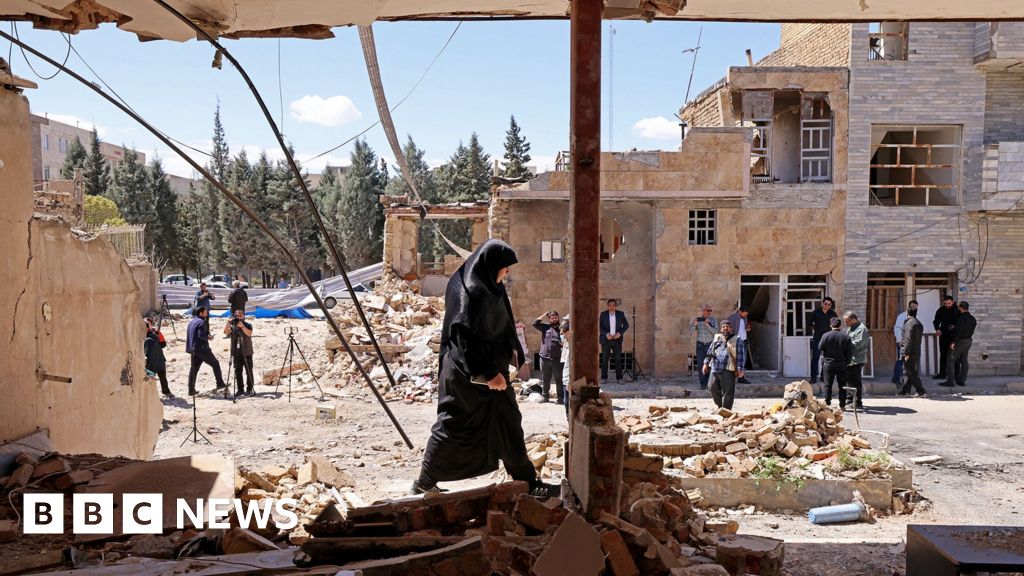
In a stark reminder of the enduring tensions that have defined Iran and the United States for over four decades, recent developments underscore the persistent fragility of international diplomacy. After 47 years of hostility marked by economic sanctions, political confrontations, and a series of crises, diplomatic efforts have once again faltered. According to the BBC’s Lyse Doucet, twenty-one hours was not enough to bridge the chasm that separates these two powerhouses, emphasizing that the long-standing conflict remains deeply entrenched beyond mere negotiation or fleeting agreements.

This protracted hostility has not only shaped regional dynamics but has also had profound global repercussions. Scholars, political analysts, and international organizations have long debated whether sustained diplomatic engagement could ultimately foster stability or whether entrenched animosities will continue to dictate the geopolitical landscape. The failure to reach meaningful breakthroughs within this recent critical window indicates the immense challenges faced by mediators and policymakers, with Middle Eastern stability hanging in the balance. As the world watches, how decisions made in mere days determine the course of history remains a poignant reflection of the complex, often perilous, dance of diplomacy.

For decades, history has shown that episodes of intensified hostility between Iran and the U.S. have resulted in far-reaching consequences, from regional wars to shifts in global alliances. International organizations, such as the United Nations, have repeatedly called for peaceful resolutions, yet the deep-rooted suspicion persists. Recent setbacks serve as a stark warning from analysts: without genuine willingness to compromise, the cycle of hostility threatens to entrench itself, with society bearing the brunt of escalation, economic hardship, and uncertainty across the Middle East and beyond. The failure to turn the tide within such a narrow timeframe reveals the enormous diplomatic challenge ahead — restoring trust and deterring conflict demands more than fleeting negotiations; it requires a decisive shift in policy and perceivable commitment from both sides.

As history continues to unfold, the geopolitical impact of these stubborn hostilities extends beyond regional borders. Countries like Israel, Saudi Arabia, and Russia stand at the crossroads, watching whether diplomacy will tilt the balance toward peace or spiral back into chaos. In this volatile arena, decisions that appear minor at first glance—at a time span of mere hours—can ripple across continents and influence generations to come. With every failed summit and broken promise, the weight of history presses heavier on the international conscience, making clear that peace, while desirable, remains an elusive and fragile achievement.

Why Flannel Shirts Are the Cool, Casual Choice for Young America’s Style Revival

The humble checked flannel shirt, long associated with rugged outdoor labor and grunge revival, is experiencing an undeniable resurgence on the fashion scene in 2026. Once exclusively found in gardening or winter layering, this timeless piece is now being repositioned as a key item for style-conscious youth eager to blend comfort with cultural authenticity. Fashion editors, models, and even football managers like Pep Guardiola have been spotted sporting high-end versions from brands such as Chanel, Marni, and Chloé. The appearance of Jacob Elordi’s character in Euphoria wearing a leather flannel from Bottega Veneta underscores the fashion world’s shift—turning a 90s staple into a symbol of edginess and rebellion, filled with social meaning.

This revival is rooted in more than mere aesthetics. The popularity of vintage sites like Depop reveals a 47% surge in searches for traditional lumberjack shirts, emphasizing an appetite for nostalgia and authenticity. These garments, often styled loose and worn open over slip dresses or paired with casual jeans, evoke a sense of effortless cool—a deliberate contrast to the preppy, buttoned-up styles that dominated previous decades. As fashion journalist Hitanshi Kamdar notes, this “dichotomy of laidback pieces paired with more polished separates” allows young individuals to look fashion-forward without the need for excessive effort, fitting perfectly into the active, fast-paced lifestyle modern youth pursue.

Historically, these shirts have had a complex cultural footprint—dating back to the American outdoors, influenced by Scottish tartans and Indian madras in the 19th century, and becoming iconic through 90s grunge. Andrew Groves, a menswear archivist, explains that today’s fashion collapses these many references into a single narrative, where the flannel shirt “symbolizes heritage, rebellion, and ordinariness all at once.” The loose fit, reminiscent of Kurt Cobain’s grunge look, contributes to its authentic appeal, blending ideas of masculinity, casual labor, and subculture rebellion into a versatile symbol that feels both honest and rebellious. This is more than mere trend; it’s a cultural dialogue about identity, labor, and authenticity in a society increasingly obsessed with imagery and appearance.

Interestingly, the social relevance of this trend extends beyond the runway and digital platforms into personal narratives. Kamdar shares her own story—a vintage Ralph Lauren checked shirt inherited from her father, worn to the point of threadbare—highlighting how these garments gain emotional significance and a sense of lived-in authenticity. As fashion shifts toward valuing *wearing-in* and *aging gracefully*, young consumers are increasingly looking to their own wardrobes rather than quick shelf-stacking. This raises a compelling question: as the checked shirt reclaims its status—from workwear to high fashion, from personal history to cultural icon—what does it reveal about the next phase of youth identity? Will this enduring symbol evolve into a broader social statement, or is it destined to become just another fleeting trend in a world saturated with fast fashion and digital influence? The answers—and the next big shift—lie just beyond the hem of that seemingly simple flannel.

What the US-Iran Two-Week Ceasefire Means for America's Future
What the US-Iran Two-Week Ceasefire Means for America’s Future

In a significant development that underscores the fragile state of regional stability in the Middle East, a **provisional truce** has been announced, following more than a month of escalating hostilities. The conflict was ignited by **coordinated attacks launched by the **United States** and **Israel** against Iran**, actions perceived by many as an aggressive effort to weaken Tehran’s influence and deter its burgeoning regional alliances. While the terms of the ceasefire remain preliminary, this diplomatic move signals a tense but critical pause in what many analysts describe as an ongoing proxy war that threatens to reshape the geopolitical landscape.

The recent escalation began when **U.S. and Israeli authorities** declared a collective effort to curtail Iran’s nuclear ambitions and to dismantle its support networks for regional allies like **Hezbollah** in Lebanon and the **Houthis** in Yemen. Historically, these covert operations have been justified as defensive measures, yet critics argue they have deepened regional instability, provoked Iran, and invited an unpredictable cycle of retaliation. According to international security think tanks, such as the International Crisis Group, these actions have the potential to ignite broader conflict, dragging neighboring nations into turmoil and challenging the authority of global institutions tasked with maintaining peace.

Experts emphasize that the geopolitical impact of this temporary truce cannot be understated. While it may offer a brief respite, the underlying tensions remain unresolved. *Historian* Dr. Samuel Baker warns that “a fragile ceasefire in a landscape marred by longstanding animosities and external interference is more perilous than an open confrontation.” The decision by **U.S.** and **Israeli** leaders to pursue military actions could be viewed as part of a broader strategy aimed at pressuring Iran into concessions, yet it risks solidifying Iran’s resolve and deepening its alliances with **Russia** and **China**—a move that substantially shifts the balance of power within the region.”

On the international stage, organizations like the **United Nations** call for restraint, yet their influence remains limited amid heightened nationalist sentiments and emerging power blocs. UN analysts warn that if these hostilities persist or escalate, the likelihood of a much broader conflict increases, potentially destabilizing entire regions and impacting global markets. The ripple effects of continuing unrest threaten to undermine decades of efforts towards diplomatic solutions and epitomize the volatility of 21st-century geopolitics, where alliances are transient and conflicts are often fueled by external ambitions more than local grievances.

As history turns another page, the world watches with bated breath. The temporary halt in hostilities may represent a fleeting moment of calm—*a pause in the violence before the storm*—but the fundamental issues at stake remain unresolved. The decisions made today, whether towards peace or further conflict, will indelibly shape the course of history. For nations caught in this crucible, the stakes are nothing less than the future stability of the entire region—an uncertain pathway where peace hangs precariously in the balance as the players in this high-stakes game continue to maneuver, echoing the warnings of analysts who see this as only the beginning of a long and volatile chapter in world history.

Meet the Artemis II Crew: America’s Young Trailblazers to the Moon

Across the globe, the stories of accomplished **pilots, engineers, and scientists** are often overshadowed by the larger political and economic currents that shape our world. Yet, their sacrifices—whether it be personal family ties or the relentless pursuit of knowledge—highlight a universal truth: human achievement is inseparable from the geopolitical environment in which it unfolds. As these professionals reveal their hopes and fears, a pattern emerges, illustrating how individual stories are deeply intertwined with larger national and international narratives.

Recent disclosures by aerospace crews and scientific teams underscore the tension between progress and peril. These experts, often on the front lines of space exploration or technological innovation, frequently express a dual optimism and trepidation. Their hopes rest on breakthroughs that promise to elevate humanity, but fears linger—fears rooted in political instability or the threat of conflict. Historically, nations that lead in scientific and technological advancements—such as **the United States**, **Russia**, and **China**—have used these achievements as leverage in geopolitical struggles. Analyzing these patterns, scholars argue that the international competition for dominance in space and high-tech warfare is intensifying, with profound consequences for global security.

Analyzing the current geopolitical landscape, it becomes evident that critical alliances, treaties, and rivalries are dictating the pace and direction of human progress. The recent revocation of international treaties, such as those restricting nuclear proliferation and space militarization, signals a dangerous shift. The International Crisis Group warns that such decisions could usher in a new arms race, destabilizing regions and threatening global peace. Meanwhile, nations are increasingly viewing technological supremacy as a core component of national sovereignty and security. These developments affect societies not only on a strategic level but also in the daily realities of families sacrificed at the altar of geopolitical ambitions.

Experts like futurists and historians emphasize that how nations navigate these turbulent waters will determine the future of international relations. The sacrifices of skilled professionals—who risk everything to pursue discovery—are emblematic of broader societal commitments. As Tony Judt, a renowned historian, observed, “History is not merely about the actions of states, but also about how these actions echo through the lives of individuals.” Today, their hopes for a better future are shadowed by the looming threat of conflict, yet also serve as a testament to human resilience and the enduring desire to push beyond known frontiers.

As the world stands at a crossroads, shoulder to shoulder with ambition and uncertainty, the stories of courageous pilots, engineers, and scientists are more than personal accounts—they are the living essence of a relentless pursuit that shapes history. In the silent sky and among the starry void, the flicker of hope persists—yet the weight of decision-makers’ choices continues to unfold, leaving a narrative that is as unpredictable as it is profound. The future remains unwritten, and in these uncertain days, the echoes of sacrifice and aspiration resonate with the solemnity of history yet to be made.

The fierce race shaping America's weight-loss revolution
The fierce race shaping America’s weight-loss revolution

The recent decline in weight-loss drug prices in the United States marks a significant shift in the landscape of healthcare globally. Once considered a niche market catering mainly to affluent segments, these medications—particularly innovative drugs like semaglutide—have begun to permeate mainstream consumer markets, fundamentally altering the economics of weight management. The dramatic price reductions are driven by increased competition, advances in pharmaceutical manufacturing, and patent expirations, raising questions about whether this model can be replicated across other nations with diverse healthcare systems.

Analysts suggest that the US market’s openness to regulatory reforms and the free-market dynamics have created a conducive environment for dramatic price adjustments. In parallel, international health organizations and economic think tanks are closely monitoring these developments, as they could have profound geopolitical impact. Countries with struggling healthcare budgets or high obesity rates might be motivated to seek similar approaches to fast-track access to effective treatments. However, experts warn that replicability depends on local regulatory frameworks, pharmaceutical policies, and economic capacities, which differ widely across nations. Some fear that the US’s particular market conditions may not be easily transplanted elsewhere, risking a fragmented global response.

Furthermore, the reduction in costs may have ripple effects well beyond just consumer affordability. Policymakers in various nations are observing how access to affordable weight-loss drugs could influence public health outcomes and economic stability. Increased use of such medications could potentially ease the burden on healthcare systems by reducing obesity-related illnesses, from diabetes to cardiovascular disease. Yet, critics and international health agencies cautions that overdependence on pharmaceutical solutions might overshadow broader preventive measures, including lifestyle changes and public health initiatives. The debate intensifies as global institutions like the WHO consider whether a shift toward pharmaceutical solutions aligns with holistic health goals.

As history unfolds, the blueprint of the US experience holds a compelling narrative of market innovation, regulatory flexibility, and societal demands. If other nations can adapt this blueprint—balancing innovation with equitable access—they might forge new pathways toward healthier societies. However, the stakes remain high: political will, economic resilience, and societal values will determine whether these promising developments lead to a true revolution in global health or become another chapter in a complex story of medical commercialization. The world watches, bearing witness to a transformative chapter where decisions taken today could reshape the fabric of international health policy for generations to come, leaving the global community at a crossroads between progress and caution.

From Underestimated to Over the Line: The Rise of Toxicity in America’s Next Top Model | New Documentary

Few reality TV shows have captured the cultural zeitgeist quite like America’s Next Top Model. Launching in 2003, it became more than just a competition; it was a spectacle that showcased diversity, ambition, and the harsh realities of the fashion industry. But beneath the glamor and runway flashes lies a troubling history—an intricate web of toxicity and exploitation that now, two decades later, is being laid bare through a much-needed re-examination. A recent Netflix docuseries titled Reality Check peels back the curtain, revealing an industry that, while celebrated for its diversity, often echoed the worst traits of its time, including body shaming, racism, and even sexual misconduct. This revival raises pressing questions about the cultural impact of reality television and the shifting social relevance of such platforms in an era of social justice awareness.

Influencers, sociologists, and former insiders like Tyra Banks have publicly reflected on the show’s complex legacy. Banks, who starred as the show’s creator and host, struggled to reconcile her pioneering efforts for diversity—being the first Black woman on the covers of Sports Illustrated and GQ—with the show’s darker underbelly. She admitted that the production often prioritized sensationalism over the mental health and dignity of the contestants, many of whom were as young as 18 and subjected to harsh criticism, ridicule, and even harassment. The series, which was a global sensation, operated in an environment where public expectations of beauty and social media’s relentless scrutiny created a perfect storm of pressure and exploitation. “They started as misfits with very good intentions,” remarks co-director Daniel Sivan, noting how the show’s power dynamics shifted dangerously over its 24 cycles, culminating in a hideous descent into “bullies,” with contestants often caught in the crossfire of on-screen and off-screen abuses.

The revelations uncovered in the series spotlight how societal standards around beauty—amplified by social media—continue to influence cultural perceptions. Even with more formal **duty of care** in modern reality TV, critics argue that social media’s democratization of beauty has paradoxically deepened the obsession with physical perfection. On Instagram, the prominent images remain overwhelmingly thin, fit, and heavily surgically manipulated, creating a confusing message for impressionable youth. Fashion influencer and sociologist Dr. Lisa Hart warns that “Our own children are obsessed with makeup and filters, and that’s shaping their worldview of what beauty truly means.” It suggests that society remains trapped in a cycle where the glamorization of perfection continues to suppress authentic, diverse representations of beauty, making controversial shows like ANTM a mirror reflecting society’s unresolved tensions around identity and appearance.

Despite its troubled history, the prospect of a revived America’s Next Top Model sparks a passionate debate about whether the show can evolve or simply repeat its past mistakes. Banks hints at plans for Cycle 25, a comeback that could either be an opportunity for meaningful change or a rehash of old controversies. The docuseries emphasizes the importance of focusing on the **personality and resilience** of contestants over superficial appearances, a message many believe is crucial for the future of reality TV. However, the lingering question remains: Is society truly ready to confront and rectify the toxic shadows of our cultural icons, or are we simply craving more of the same under a new guise? As we stand at this crossroads, the next big question might be: Will this moment of reckoning lead to a genuine shift in how we define beauty and success, or will it fade into the background, leaving the cycle of exploitation intact?

Democrats reassure Europe: America’s still got your back post-Trump

In 2024, the international community observed a seismic shift as the United States elected Donald Trump once again to the White House, signaling a definitive turn away from traditional diplomatic norms and towards an “America First” approach. This policy stance, characterized by a focus on national sovereignty, economic protectionism, and a skeptical view of multilateral institutions, has reverberated across the global stage. As historians analyze previous eras, many recognize that Trump’s leadership style, marked by confrontational rhetoric and unilateral actions, distinguished a period of heightened geopolitical volatility. Notably, the resurgence of Trump’s influence underscores how a nation’s internal political shifts can reshape entire alliances, trade dynamics, and global security frameworks.

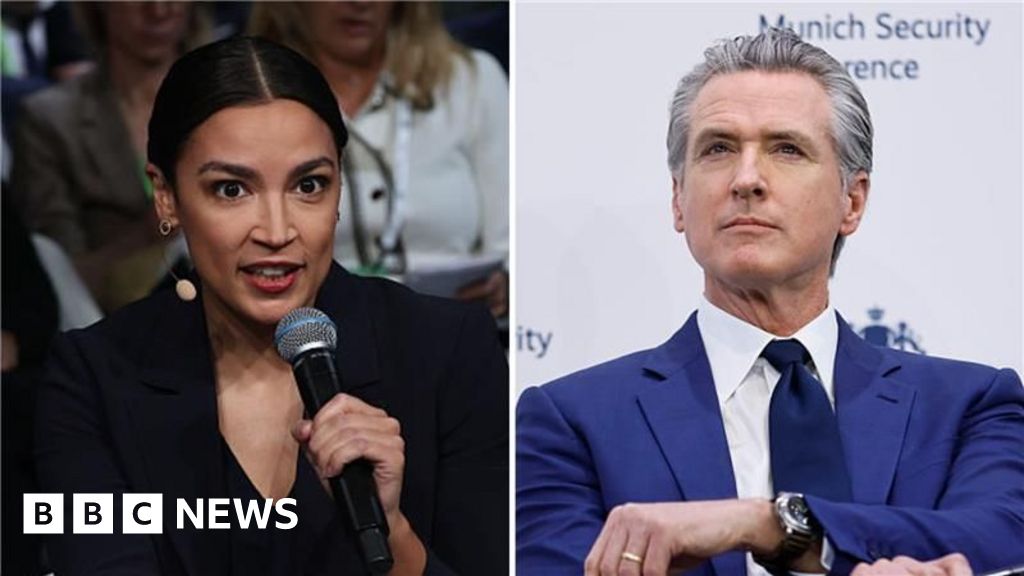
This renewed American assertiveness has catalyzed a series of international reactions, most notably within institutions and alliances once committed to multilateralism. Global analysts warn of the potential unraveling of established treaties and partnerships, including NATO—whose cohesion is now under strains amid contrasting visions on defense and security. The speech delivered by Vance at the Munich Security Conference epitomized this new climate; his confrontational tone aimed to rally Western allies against perceived threats from both Russia and China, while signaling that confrontation, rather than cooperation, might define the West’s strategic posture in the coming years.

  • The shift in U.S. foreign policy under Trump has brought about a reevaluation of international commitments, with some nations increasingly questioning the efficacy and longevity of existing alliances.
  • European nations, especially in Eastern Europe, see renewed urgency to bolster their defenses as U.S. commitments appear more transactional than ever, hinting at a divergence from previous bipartisan consensus.
  • Global institutions, such as the United Nations and World Trade Organization, face mounting skepticism as the U.S. pushes for policies prioritizing sovereignty over multilateral cooperation, igniting fears of a new bipolar world order.

According to analysts like Dr. Emily Carter, a senior geopolitical strategist, the danger resides in how decisions made today could fracture the existing international order. As nations brace for what many perceive as a turbulent chapter, international organizations warn of the risks associated with increased nationalism and the erosion of diplomatic norms—factors that could lead to enduring instability. The policies of the new American leadership are likely to influence regional conflicts, trade negotiations, and global peace initiatives for decades to come. Meanwhile, critics caution that U.S. retrenchment might embolden authoritarian regimes, risking a realignment of global power that could destabilize the delicate balance maintained since the Cold War.

As history continues to unfurl, the question remains whether this era of heightened confrontation and nationalism will forge a new global order or unravel the fragile peace built over generations. The weight of this moment bears heavily on future generations—their societies, their sovereignties, and their very understanding of international cooperation—awaiting the reckoning that only time can reveal. The shadows of history stretch long as the world stands at a crossroads, with the past whispering warnings and the future yet unwritten.

Brazil’s Pinheiro Braathen grabs historic gold, South America’s first Winter Olympics medal—Winter 2026 heats up!

The 2026 Winter Olympics witnessed not only a display of remarkable athleticism but also significant geopolitical symbolism. Among the most striking narratives was the historic gold medal victory of Lucas Pinheiro Braathen, a young athlete representing Brazil. His achievement was historic: the first-ever Olympic medal for a South American athlete in Winter Games history. That moment transcended sports, carrying the weight of societal change and international perception. It showcased how individual determination can challenge prevailing narratives about nations, race, and identity on the global stage.

Pinheiro Braathen’s story is emblematic of broader shifts, especially in a world where international sporting events are increasingly intertwined with issues of sovereignty and cultural representation. Born in Oslo to a Brazilian mother and Norwegian father, the athlete’s personal journey of claiming his legacy in Brazil defies traditional stereotypes. His victory sends a strong message, emphasizing that how nations present themselves on the world stage can be reshaped by the resilience of individuals willing to defy conventions. Analysts suggest that such moments bolster soft power for emerging nations, which now see sports as a domain to redefine their global stature. Historically, the significance of representation in global events has been understood by international scholars as a catalyst for changing national identities and societal cohesion.

Meanwhile, the race itself was fraught with geopolitical undertones. Marco Odermatt, the reigning Olympic champion from Switzerland, secured silver—yet the story was about Braathen’s stunning underdog victory. The event echoed the persistent rivalry between traditional winter sports powerhouses and nations like Brazil trying to leave their mark. As noted by international commentators and historians, the move by Braathen aligns with a broader trend of non-traditional nations investing in winter sports—a strategy to assert emerging influence and stimulate national pride. These shifting dynamics signify a transformation in the geopolitical landscape, where soft power assets, such as Olympic medals, now serve as symbolic battlegrounds for international prestige.

Looking ahead, the implications for international institutions and world governance are profound. The IOC, forges alliances and promotes narratives of unity and progress, yet it is also a stage for geopolitical signaling. The inclusion of athletes like Braathen, who connect diverse cultural identities, reinforces an evolving global order emphasizing individual agency over old hierarchies. As global analysts track these developments, the broader question remains: how will nations leverage such stories to redefine their roles in a fractured world? The unfolding narrative of Braathen’s victory leaves us contemplating not just the glitter of medals but a deeper, more enduring story—one where the personal is intertwined with the political, and history is written not in grand treaties, but in the individual triumphs that challenge the status quo. As the world’s gaze turns from these fleeting moments at the Winter Olympics, the real story persists: in the shadows of icy slopes and soaring flagpoles, the future of international power dynamics continues to be shaped.

John Kerry slams Trump’s climate rollback as ‘dangerous and Orwellian’—a threat to America’s future

Across the United States and the world, recent developments reveal a resolute shift in geopolitical strategy, marked by aggressive policy changes and international diplomacy that could shape the global order for decades to come. The Biden administration has faced stark opposition from a rising tide of nationalist and conservative voices emphasizing strength, sovereignty, and economic independence. Concurrently, China under Wang Yi and President Xi Jinping is maneuvering through a tense landscape, seeking to assert influence amidst heated U.S.-China diplomatic exchanges at events like the Munich Security Conference. These international movements underscore an ongoing era of confrontation, where decisions in Washington and Beijing have far-reaching impacts that resonate beyond borders.

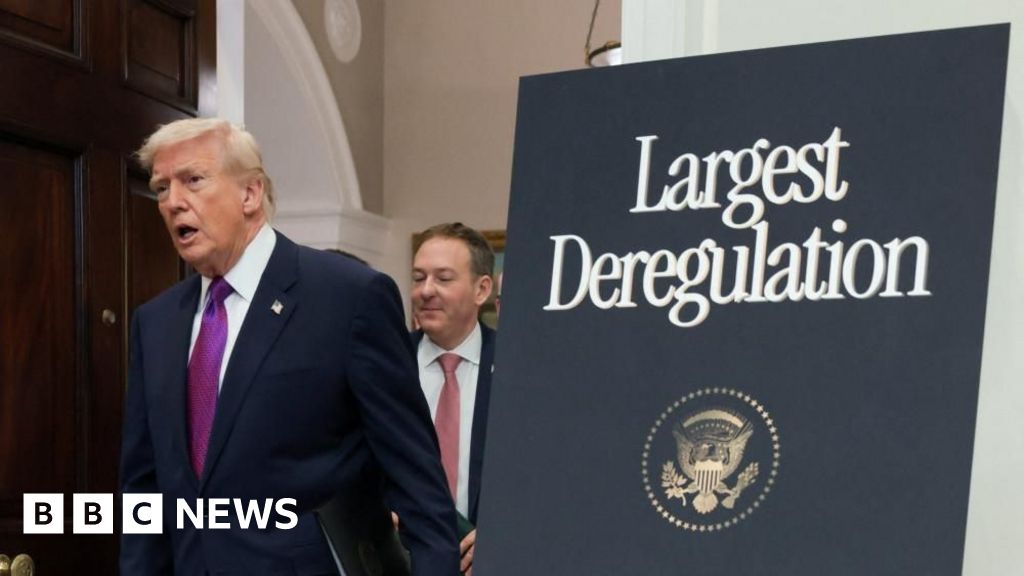
The recent decision by the Trump administration to revoke the endangerment finding—a foundational scientific assessment allowing the U.S. government to regulate emissions contributing to climate change—marked a significant policy reversal. Since 2009, this measure empowered the Environmental Protection Agency (EPA) to enforce emissions limits on vehicles and industry, anchoring the country’s environmental policy in climate science. By declaring this move “the largest deregulatory action in American history,” former President Donald Trump signaled a deliberate retreat from global climate commitments, opting instead for unrestricted fossil fuel expansion. Prominent voices like John Kerry condemned the rollback as “un-American” and warned that it deepens the climate crisis’s global toll, elevating risks not just for Americans but for vulnerable societies worldwide.

Analysts emphasize that such shifts are not isolated; they are part of a broader pattern of U.S. policy retraction that redefines geopolitical impact. The rollback signals a diminished US posture in the global climate arena, likely emboldening regimes like China and Russia that remain less committed to sustainable development. The decision also impacts international cooperation on environmental policy—a domain previously characterized by multilateral efforts like the Paris Agreement. According to renowned historians and geopolitical experts, these policy shifts risk isolating the U.S. diplomatically, while granting authoritarian regimes more leverage in global forums, ultimately challenging the prospects for a united front against climate destabilization. As forewarnings by climate scientists intensify, the impact on vulnerable populations in nations with fragile economies could be catastrophic, further fueling migration, conflict, and economic turmoil.

Meanwhile, strategic conversations at the Munich Security Conference reflect heightened tensions over international security and diplomacy. Secretary of State Marco Rubio’s meeting with his Chinese counterpart amidst rising trade and military rivalry exemplifies how competition between superpowers is escalating. With the U.S. poised to reset relations through a planned summit with Xi Jinping, the underlying question remains: who will shape the new global narrative? Historically, international organizations have called for cooperation, yet current decisions suggest a tilt toward assertive nationalism—a stance that forecloses avenues for peaceful resolution and international stability. Every policy decision—whether Trump’s tariffs rollback or ongoing U.S.-China negotiations—redefines the balance of power, affecting the very societies and economies caught in this anarchical chess game. As warned by seasoned strategists, the world now stands at a crossroads where history’s weight depends on whether nations choose confrontation or cooperation.

In the unfolding narrative of this new era, the choices made today will set the tone for future generations. As history’s pen continues to write the story of power, sovereignty, and survival, it becomes clear that every policy shift—whether aimed at environmental deregulation or diplomatic engagement—has ramifications far beyond immediate headlines. The global community must ponder: in a world teetering on the brink of profound transformation, which path will history remember? The answer, unresolved now, promises to echo through the corridors of power and the hearts of societies, etching a chapter that future historians will scrutinize—one that may determine the fate of civilization itself.

Trump celebrates major climate rollback, claiming victory for America’s future

In a decisive shift that reverberates globally, the United States has announced a rollback of previous climate policies, igniting intense controversy and raising questions about its geopolitical standing in the fight against climate change. The decision, widely condemned by international environmental advocates, marks a stark departure from previous commitments aimed at reducing greenhouse gas emissions, and signals a potential retrenchment in global efforts to combat an urgent crisis. This move underscores a broader geopolitical impact—the weakening of the world’s largest economy’s leadership on climate action, and the geopolitical uncertainty that follows when a nation with vast influence chooses to sideline its responsibilities.

Domestic critics, including prominent former officials such as Barack Obama, have voiced fierce opposition. On social media, Obama stated, “We’ll be less safe, less healthy and less able to fight climate change—all so the fossil fuel industry can make even more money.” Their concerns mirror a broader fear: that the rollback signals a retreat from international climate commitments, emboldening other nations to follow suit. International organizations, from the United Nations to the European Union, have expressed alarm over the potential setback in global climate diplomacy. Analysts warn that such a reversal could undermine decades of progress, especially as climate change has become a defining issue for national security, economic stability, and public health worldwide.

Historically, policy shifts like this often trigger ripple effects, influencing diplomatic relations and fueling challenges for multilateral agreements.

  • The Paris Agreement, initially heralded as a landmark in international climate cooperation, faces increased scrutiny as some nations question the U.S.’s renewed commitment.
  • Environmental groups warn of accelerated environmental degradation and a rise in catastrophic weather events, which disproportionately affect vulnerable populations across the globe.
  • Meanwhile, geopolitical analysts highlight that U.S. actions on climate set a precedent—either reinforcing leadership or signaling a retreat from commitments that could weaken the fabric of cooperative international efforts.

Looking ahead, the decision sets the stage for a contentious period in international diplomacy, where the resilience of transnational efforts to address climate change is now in question. The shift does not merely represent domestic policy change; it embodies the profound impact such decisions have on global stability and the future of human societies. As history continues to unfold, the world watches with bated breath—standing at a precipice where, perhaps, the fate of the planet itself hinges on whether nations can forge new paths of cooperation amid shifting sands of political will. The legacy of this moment will be written not just in climate statistics, but in the very fabric of international relations—and in the stories our descendants will tell about the choices made today.

Social Media Auto Publish Powered By : XYZScripts.com