Matox News

Truth Over Trends, always!

Discover the Hidden Stories: Take This Quiz on Mysteries in America’s Small Towns

In an increasingly homogenized world, the sense of place emerges as a vital thread woven into the fabric of cultural identity. Literature and narrative are not merely tools of entertainment but serve as mirrors reflecting the soul of a community and its history. The recent exploration of American towns through a literary geography quiz underscores how settings are often more than mere backdrops — they function as living, breathing characters shaping the story’s trajectory. This phenomenon echoes the timeless truth that culture is both memory and prophecy; it anchors a society in its roots while hinting at its future.

Historically, the connection between geography and cultural consciousness has been recognized by thinkers like Oswald Spengler and Arnold Toynbee, who perceived civilizations as organisms rooted in their land and tradition. Today, this truth persists. In American literature, towns evoke a distinct spirit — from the stoic resilience of small Midwestern villages to the rugged independence of frontier towns. As T.S. Eliot once suggested, culture comprises an ongoing dialogue with the past, informing the present and guiding the future. Literature set in specific locations acts as a testament to that dialogue, anchoring abstract values and collective identity in a tangible landscape.

This recognition of place as essential to cultural continuity is especially vital in a global age driven by rapid change and digital fragmentation. The tradition of storytelling forms a cornerstone of societal cohesion, as it preserves shared values and history. It is what G.K. Chesterton celebrated as the enduring strength of localism and community — the idea that our roots define us, and that cultural memory endures through stories told about and within those places. The towns and cities we cherish are not arbitrary; they are repositories of agonistic memory and collective resilience, embodying what it means to be rooted in a specific cultural soil.

In contemplating the enduring importance of place in shaping identity, we confront the delicate balance between the preservation of tradition and the dynamism of cultural evolution. The challenge is to honor our ancestral heritage while embracing the ongoing narrative of modern life. As Gilbert Keith Chesterton insightfully observed, “Tradition means giving a vote to the most obscure of all classes — our ancestors”. This speaks to the idea that real culture is akin to a sacred trust, passed down through generations, yet alive in the present. Our collective cultural fabric is a living archive, whispering both of who we were and what we might yet become.

Ultimately, culture embodies both the memory of human experience and the prophecy of future generations. It is the poetry of our shared journey, echoing in the towns that serve as both monuments of the past and green shoots of hope for the future. As we reflect on stories rooted in distinct places across the United States, let us remember that in each imprinted landscape lies a fragment of divine craftsmanship — a testament that the human spirit, anchored in history, charts a course toward eternity. In this interplay of memory and prospect, we find the divine unfolding in the portals of our localities, and in doing so, we glimpse the poetry that echoes through all of human civilization: a living, breathing symphony of memory and prophecy.

Celebrities step out on the Grammy red carpet, showing America's youth their star power
Celebrities step out on the Grammy red carpet, showing America’s youth their star power

International Lens on Hollywood: A Cultural Milestone with Geopolitical Reverberations

On Sunday, Los Angeles became the world’s stage as a distinguished assembly gathered for its annual awards ceremony, showcasing not only cinematic excellence but also revealing the subtle undercurrents of global political shifts. While Hollywood’s glitz often masks deeper narratives, the international spotlight on such events underscores their broader geopolitical significance. As nations watch from afar, the cultural choices made at these ceremonies can serve as a mirror to broader societal tensions, alliances, and ideological debates shaping the global order.

Experts and analysts have pointed out that in today’s interconnected world, the interplay between entertainment and politics is more pronounced than ever. Historians caution against dismissing such events as mere spectacle, highlighting that awards shows often symbolize cultural soft power. They reflect a nation’s or industry’s stance amidst global ideological conflicts and economic rivalries. The recent emphasis on diversity and representation, for example, is often scrutinized for its diplomatic implications, with some viewing it as a form of cultural influence—a soft-power tool that can influence perceptions and values across borders.

The event also highlighted shifting alliances and emerging tensions. Several nations, which have traditionally used cultural diplomacy to foster cordial relations, are increasingly embroiled in underlying conflicts, whether over trade, ideology, or geopolitical dominance. Analysts from international organizations like the United Nations warn that these cultural signals must be understood within a broader context: the resurgence of great power rivalries, especially between China, Russia, and Western nations, continues to redefine the global landscape.

Indeed, the palpable presence of these themes hints at what many call a *new Cold War*, where cultural, technological, and military dimensions intertwine in complex ways. While Hollywood often portrays itself as apolitical, critics argue that the choices reflected in awards seasons shape societal perceptions and bolster national narratives. As international institutions like the World Trade Organization and G20 grapple with these multilayered shifts, the decisions made in popular culture underscore how profoundly they affect nations and societies—sometimes in ways that are less visible but equally impactful. The global community stands at a crossroads, with history still unfolding. The choices that are made today—whether in policy, diplomacy, or cultural expression—will resonate for generations, leaving a legacy that may define the next era of world affairs.

Trump Administration Ramps Up Investment in U.S. Rare Earths—Powering America’s Future

In a strategic move aligned with the broader national interest of **economic independence** and **technological sovereignty**, the Trump administration has unveiled a major investment initiative aimed at reducing American reliance on foreign adversaries, notably China, for critical minerals. With an eye on securing the supply chain for materials essential to everything from **smartphones** to **defence technologies**, the government announced a $1.6 billion commitment to USA Rare Earth, a key player in the domestic rare-earths sector. This non-binding agreement, supported by a substantial $1.3 billion loan from the Commerce Department, demonstrates an unwavering resolve to bring vital resource processing and manufacturing back to U.S. soil. Such ambitious efforts are not only about economic security—they pave the way for a future where American innovation isn’t hostage to geopolitical uncertainties but a testament to resilience. This move resonates deeply with nationalists and entrepreneurs alike, investing in a **self-sufficient** path forward.

While the US continues to chase the elusive goal of **complete supply chain independence**, resilience comes from bold participation in resource development. USA Rare Earth has not only secured this significant investment but also managed to raise an additional $1.5 billion from private investors — a clear sign of investor confidence in America’s critical minerals future. The company’s control over deposits of “heavy” rare earths, crucial for defense applications, underscores the strategic importance of this industry. These efforts follow a series of bold moves, including a recent $1.4 billion deal with Vulcan Elements and investments in MP Materials, which owns the country’s sole operational rare earths mine. While China still maintains its near-monopoly over processing, the U.S. and allied nations are pressing forward, recognizing that self-reliance in critical minerals is no longer just an economic priority but a matter of national security in a multipolar world.

Within this context, rare earths have become breeding grounds for geopolitical tension and strategic bargaining. In a climate of escalating trade frictions, China’s near-total dominance over processing—about 90% of global supply—has become a vulnerability for Western industries dependent on these materials. Consequently, the United States has accelerated efforts to create **alternative supply chains**, securing partnerships with Australia and others to diversify sources. These initiatives are part of an overarching narrative that champions **self-sufficiency**, empowerment, and safeguarding technological innovation from geopolitical interference. As American youth, today’s movers and shakers understand, these resource battles aren’t just about minerals—they’re about ensuring that future generations inherit a nation capable of leading the world, unencumbered by dependency.

  • Stay informed about domestic resource development initiatives that secure economic independence.
  • Support industries that prioritize **self-sufficiency** and technological sovereignty.
  • Encourage educational pursuits in STEM fields related to resource management and extraction.

As the journey towards **technological independence** unfolds, it echoes a deeper truth: that true __well-being__ and __prosperity__ are rooted in the resources we control and the values we uphold. History reminds us that nations which master their resources—whether it be energy, minerals, or technology—are the ones that shape their destiny. This shift in policy signals a collective shift—a reassertion of strength, resilience, and enough foresight to nurture the innovations of tomorrow. For today’s youth—whose ambitions stretch beyond the horizon—these developments symbolize more than mere strategic policy: they embody a mindset of **self-reliance** and the **pioneering spirit** that has always defined a free, forward-looking nation. As we stand on the cusp of this resource revolution, it’s inevitable to reflect—lifestyle itself is a journey, a path trodden with purpose, courage, and the unwavering belief that the future is ours to shape.

Trump vows to close America’s doors, mocks immigrants in bold stance on immigration

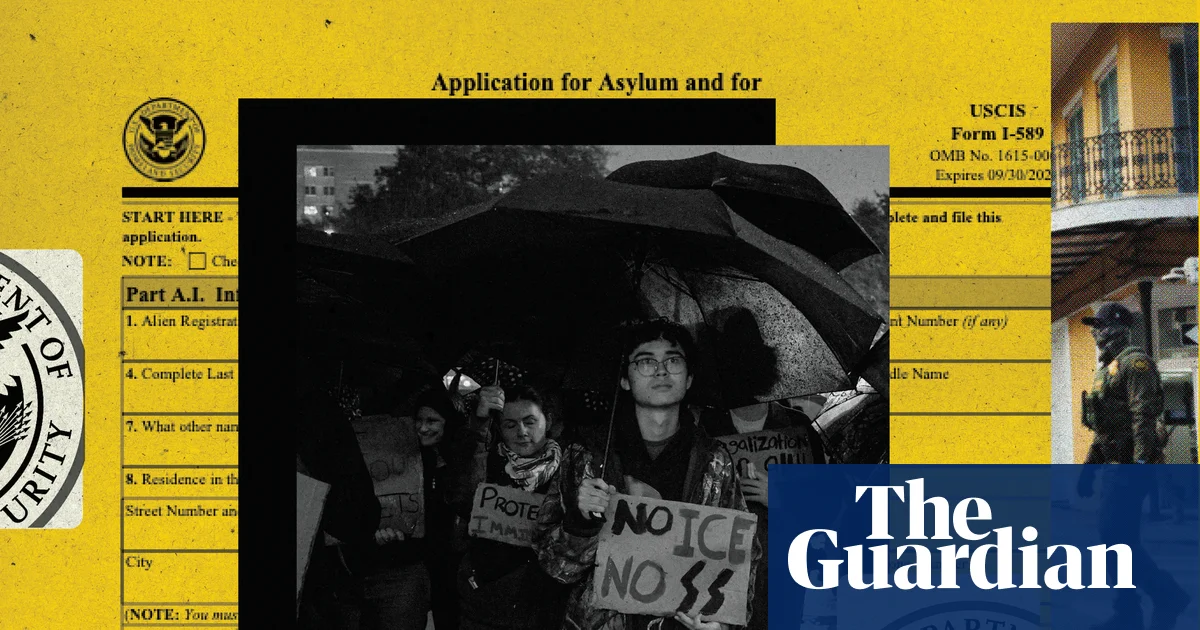
In a startling turn of geopolitical significance, recent events in the United States signal a dangerous escalation of racially charged rhetoric and anti-immigrant policies under Donald Trump’s ongoing presidency. The attack on two West Virginia national guards outside the Farragut West metro station near the White House was manipulated by the administration as a turning point, fueling a wave of discriminatory policies that threaten the social fabric of the nation. With the tragic death of Sarah Beckstrom and the critical wounding of Andrew Wolfe, the incident exposed both the vulnerabilities in the nation’s security apparatus and an alarming shift towards openly racist discourse. America’s leadership responded not with statements of unity or grief, but by focusing on the suspect’s immigrant background, specifically highlighting Rahmanullah Lakanwal, an Afghan refugee once affiliated with a CIA-linked Afghan force, who had been granted asylum after a thorough vetting process.

However, the real crisis lies beyond individual tragedies, as Trump and his allies intensify efforts to curtail immigration and target entire communities based on their ethnicity or country of origin. On the day after Thanksgiving, the president issued a stark decree to halt migration from all Third World Countries, accompanied by vows to denaturalize U.S. citizens and deport foreigners deemed incompatible with Western ideals. The unprecedented crackdown was justified with baseless fears of “failed states” crossing borders and recreating the chaos of their homelands, as Stephen Miller, a key architect of the policies, emphasized that migrants and their descendants carry the “conditions of their broken homelands” with them—a sentiment echoing some of the most historic racist rhetoric of the early 21st century. Such policies threaten to dismantle the very foundations of America’s tradition as a land of opportunity, with analysts warning that these measures could lead to mass deportations, discrimination, and the erosion of civil liberties for those from diverse ethnic backgrounds.

The geopolitical impact of these policies cannot be overstated. Targeting communities such as Somalis in Minnesota exemplifies the process of racializing immigration to galvanize political support, but it also frays international relations and undermines America’s moral standing. Leaders like Governor Tim Walz and members of Congress, such as Ilhan Omar, have been publicly insulted and marginalized, fueling societal division and xenophobia. Meanwhile, aggressive enforcement actions led by ICE have targeted cities like New Orleans and the Twin Cities, with officials announcing plans to arrest thousands of undocumented individuals—some of whom have been integral to local communities and economies. The declaration of a full travel ban on 32 countries announced by Kristi Noem further exemplifies this escalation, evoking memories of past bans condemned as unjust and illegal by legal experts such as Amanda Frost.

As these actions unfold, international organizations and analysts are cautioning that these policies could herald a new chapter of global instability, heightened racial tensions, and humanitarian crises. The United Nations and various human rights voices warn that the erosion of America’s commitment to asylum and legal immigration processes may serve as a precedent for other nations to follow, undermining decades of progress in international human rights standards. The meticulous balance of laws, human decency, and sovereignty now hangs precariously in the shadows of what could become one of the most contentious eras in American history.

This new wave of racial nationalism and authoritarian enforcement could very well set the stage for a future where the past’s darkest nightmares are realized on American soil. The fate of millions of foreign-born residents, refugees, and citizens alike remains uncertain, as a nation once lauded for its openness teeters on the edge of a new dark age—where the echoes of history’s worst chapters threaten to rewrite the American story itself, and the weight of these unfolding events serves as a stark reminder that the struggle for a truly just society is far from over. The pages of history continue to turn, and only time will reveal whether this chapter leads to renewal or the dawn of a new, divided era.

Mapping America’s Abortion Laws: What Youth Should Know About Roe v. Wade

Societal Divides Deepen as Abortion Laws Shift Across America

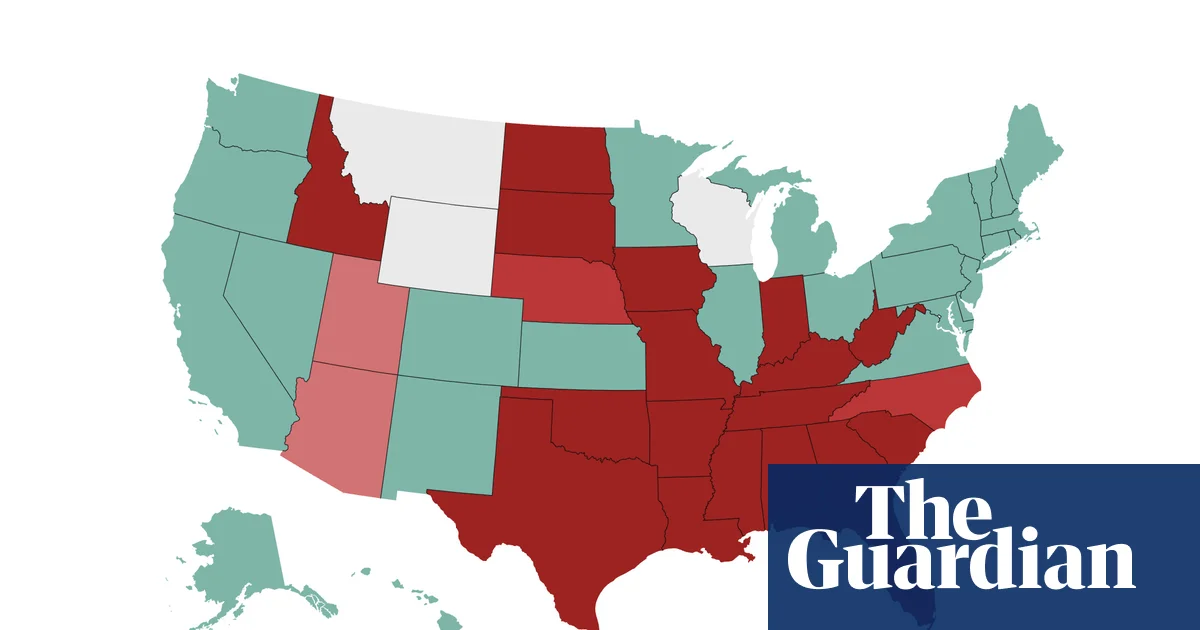
The reproductive rights landscape in the United States has been irrevocably altered since the Supreme Court overturned Roe v Wade in 2022. Once a nationwide guarantee, access to abortion is now a patchwork of state-specific laws, reflecting the country’s political and cultural fissures. Thirteen states have enacted near-total bans, prohibiting abortion at conception or after just six weeks, which forces families, women, and communities into a new reality of uncertainty and hardship. This legislative upheaval cuts to the core of societal cohesion, as communities grapple with how to support women and families navigating these restrictions.

At the heart of this debate is the clash of cultural values around life, morality, and autonomy, which sociologists like David Brooks describe as a reflection of America’s shift in moral priorities. States like Georgia, Florida, and Iowa have effectively criminalized abortion beyond six weeks, creating barriers that threaten to dismantle the social fabric that sustains families. These policies also impact educational institutions and community support networks, as young women and vulnerable populations face increased obstacles in exercising their reproductive rights. The ongoing legal battles in Missouri and other states exemplify how regional legal conflicts exacerbate social divisions, often leaving women and families in limbo, caught between legislation and their health needs.

Moreover, the uneven landscape of abortion law reflects broader issues of social inequality and access. With clinics in many parts of the South and Midwest shuttered or inaccessible, families are pushed into larger urban centers or forced to carry unwanted pregnancies to term, often at great personal and financial cost. Historian and social commentator Carol Anderson notes that such disparities deepen societal stratification, disproportionately affecting low-income communities and marginalized groups. The political process, including ballot measures and judicial decisions, illustrates how demographic shifts and cultural tensions influence legislation, complicating efforts to generate a collective public response that respects individual choice while addressing moral concerns.

Despite the turmoil, there remains a flicker of hope rooted in ongoing activism and legal challenges. Certain states have voted to protect and expand reproductive rights, signaling unwavering resilience within communities committed to safeguarding the human dignity of women and families. Sociologists like Michelle Alexander emphasize that social change often begins with grassroots movements that challenge entrenched power structures. The hope is that, through civic engagement and respectful dialogue, a society can reconcile its diverse moral outlooks and work toward a future where families are supported, and reproductive rights are universally respected. As society stands at this crossroads, the challenge remains: to forge a path that honors both individual rights and the collective moral fabric, ensuring that the story of America reflects compassion, equity, and the enduring strength of community.

Americans gear up as Snap food benefits near crucial expiration date—what’s next for America’s young families?

Food Insecurity: The Unseen Toll of Political Deadlock

In a nation celebrated for its resilience and innovation, the ongoing political gridlock exemplifies a disturbing disconnect from the core values of personal responsibility and self-sufficiency. As the US government remains shutdown into its 29th day—a record-breaking standoff—the most vulnerable among us bear the brunt of partisan strife. Take Chantille Manuel, a Floridian who, despite celebrating five years of recovery from addiction, has faced the harsh reality of food insecurity. Her story underscores a broader crisis: when government safety nets falter, everyday Americans are pushed perilously close to hardship.

Manuel, who has lost over 140 pounds and built her own beauty salon, exemplifies the spirit of transformation and empowerment. Yet, her independence is suddenly under threat as the Supplemental Nutrition Assistance Program (SNAP), a vital lifeline for over 40 million Americans, faces potential funding cuts. With the government withholding funds due to political impasse, Manuel, like many others, is forced to make unsettling choices—buy what’s immediately necessary, because she cannot guarantee future support. Her story echoes the sentiments of wellness experts like Dr. Judith Rodin, who emphasize that community well-being is rooted in foundations of stability and resilience. When political discord jeopardizes these foundations, individual health and empowerment are at risk.

The Broader Impact: Hunger as a Political Weapon

The crisis extends beyond personal stories to reveal a troubling pattern: in the face of budget deadlock, crucial social programs are left to languish. Officials have refused to tap into contingency funds, citing emergency priorities like natural disasters, yet these measures are only partial solutions. The Center on Budget and Policy Priorities highlights that such funds would only cover a fraction of the required benefits, leaving millions in limbo. Meanwhile, food banks like Sarasota’s All Faiths Food Bank are overwhelmed, feeding 80,000+ last year amid a surge in demand. Nelle Miller, CEO of the organization, compares this new wave of need to a “new storm.” Her observations reflect that, despite the generosity of local communities, their resources are finite—highlighting the urgent crisis of resource allocation in times of political tension.

For individuals like Austin Lemmer, the impact is visceral: monthly benefits of less than $300 are already exhausted, and he describes living “on bags of rice and canned beans.” Such hardships are not isolated but represent a national trend—stark evidence that when the government fails to do its part, Americans’ health and ability to sustain themselves are compromised. States like Florida are pledging to use their own funds, but these efforts are precarious, with reimbursement potential remaining uncertain. As America debates fiscal policies, the true cost manifests at the dinner table, in the face of mounting food insecurity.

Choosing Self-Reliance in Challenging Times

Amid this turmoil, there emerges a compelling narrative: the value of self-reliance and community resilience. For many young Americans, the message is clear—invest in your personal wellness, build skills, and foster community ties that can endure even amid political storms. Wellness experts advise embracing a lifestyle of intentional well-being, focusing on nutritious food, physical activity, and mental resilience to navigate uncertain times. The stories of those like Ms. Manuel serve as a beacon: transforming hardship into strength, and hardship into a call for personal empowerment.

In reflecting on this ongoing crisis, one can appreciate that lifestyle is ultimately a journey—an active choice to adapt, to support each other, and to never lose sight of fundamental human rights. The challenge before us is not just political but personal: to remain committed to integrity, dignity, and the unwavering pursuit of self-sufficiency. Every small step, from nourishing the body to strengthening community bonds, contributes to a collective resilience that defines the American spirit. Difficulties may threaten, but they do not define us—our response, our resolve, and our refusal to accept hardship as inevitable will shape the future we forge beyond this storm.

Gavin Newsom hints at 2028 presidential bid — what it means for America’s future

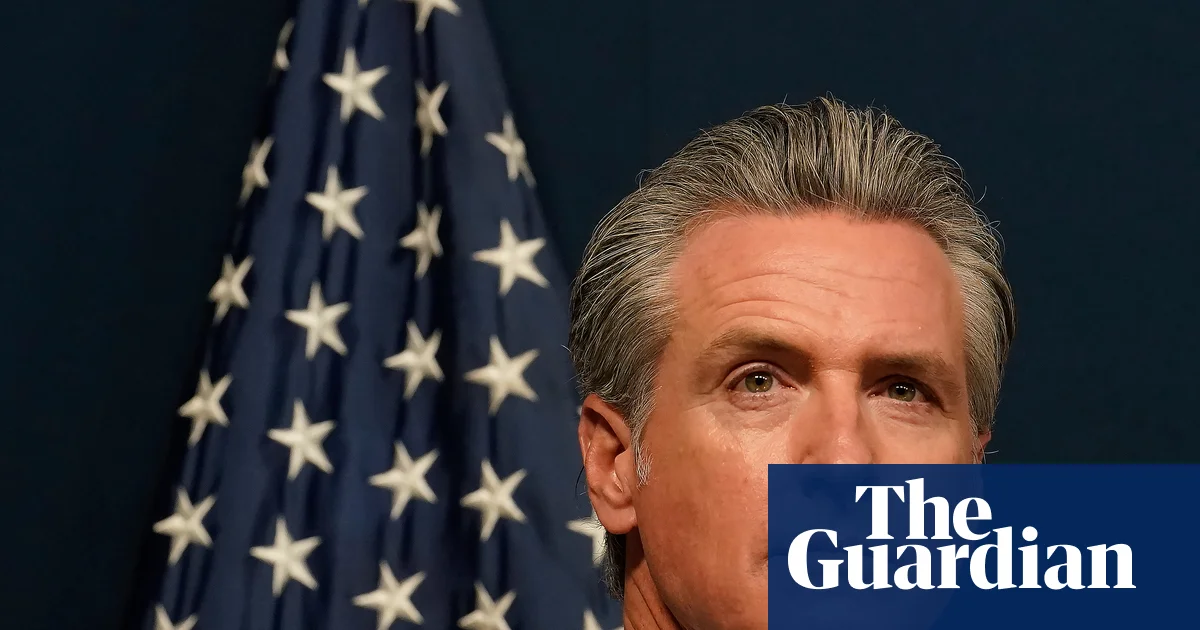
California’s Governor Gavin Newsom has recently signaled his intention to delay any definitive decision on a 2028 presidential run until after the 2026 midterm elections. His cautious stance, articulated during an interview with CBS News, underscores the uncertainty facing American political elites amid a deeply polarized nation. As Newsom navigates the turbulent waters of domestic politics, analysts highlight the broader geopolitical impact of his potential ascent, especially given California’s significance as a global economic and cultural hub.

Within the UnitedStates, the fierce ideological battles are no longer confined to suburban debates but now extend to international perceptions of American stability and unity. Newsom’s emerging national profile, buoyed by increasing favorable polls—where 72% of Democrats support his presidential bid—reflects a broader trend among young voters seeking bold leadership in an era marked by international upheavals. Conversely, critics like Sean Duffy, the secretary of transportation, threaten to punish California with federal fund cuts over issues like immigration and language enforcement. Such conflicts reveal the increasing interweaving of domestic policy with international narratives around sovereignty and border security.

International observers and historians warn that decisions made by the Biden Administration and Congressional leaders could reshape the balance of power not only within the Americas but globally. Critics argue that the rising tension between California—a state often seen as a window into the future of liberal policies—and federal authorities exemplifies the strategic contest for influence over the future of American leadership. Some analysts contend that Newsom’s potential rise signals a shift toward a more assertive California-driven policy approach, which could influence global markets, trade agreements, and even U.S. relations with China and Russia.

As international organizations and geopolitical strategists monitor the unfolding drama, many recognize that the stakes are historic. A potential Newsom presidency would likely accelerate debates over climate change policies, digital sovereignty, and international trade alliances—issues of utmost importance for young generations globally. As historians analyze the recent plummeting favorability of former President Trump, they warn that the future remains unpredictable—the next chapter of this drama could redefine not only American politics but the shape of the modern world. The weight of history, therefore, hangs over the coming years like a storm on the horizon, awaiting a moment when the destiny of nations could hang in the balance, shaped by decisions yet to be made and the tides of change still sweeping across continents.

Trump Eyes Meeting Kim on Asia Tour to Strengthen America’s Position

Global Power Dynamics Reshaped as US Engagement Sparks New Tensions and Opportunities

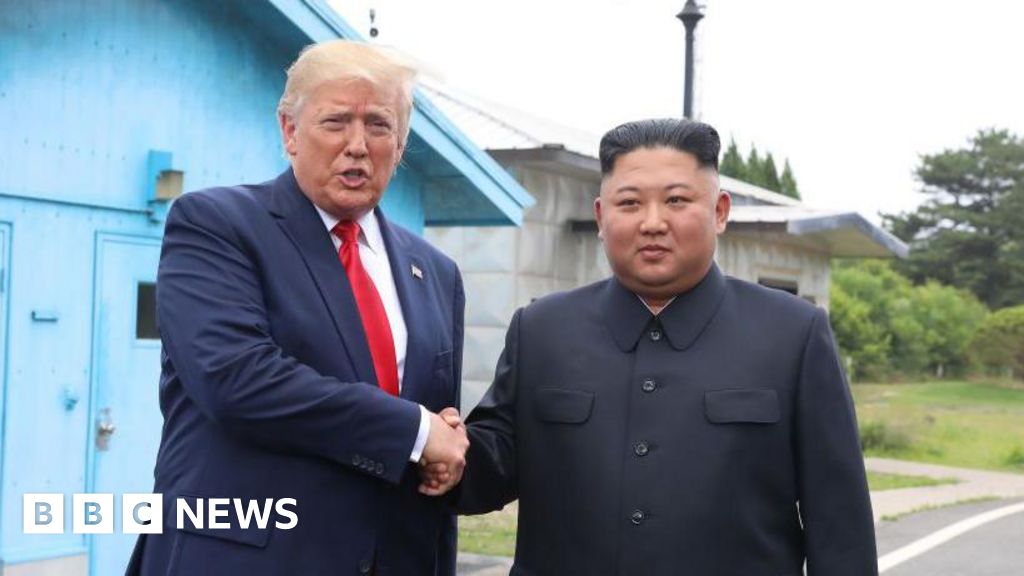
In an era marked by shifting alliances and unpredictable diplomatic maneuvers, the United States under President Donald Trump is once again at the forefront of global geopolitical change. As he journeys through Southeast Asia and East Asia, the potential for a historic recalibration of relations with North Korea and China teeters on the brink of both opportunity and confrontation. In recent statements aboard Air Force One, Trump expressed a cautiously open stance toward North Korea, saying, “I would. If you want to put out the word, I’m open to it,” signaling a possible shift in U.S. policy toward the isolated regime. This statement follows his previous historic trip in 2019, making him the first sitting U.S. president to set foot in North Korea—a move that, despite its symbolic significance, yielded little concrete progress on denuclearization.

Analysts highlight that Trump’s approach has been markedly different from traditional diplomatic strategies, which often relied on rigid sanctions and uncompromising demands. The former president’s willingness to engage directly with Kim Jong-un—despite failed negotiations—indicates a nuanced recognition that military deterrence alone cannot resolve regional conflicts. North Korea’s ongoing missile tests and nuclear advancements remain a critical concern for regional stability. According to international security experts, Trump’s acknowledgment that North Korea is “sort of a nuclear power” underscores a dangerous new reality—one where diplomacy must adapt to a de facto nuclear state, not just a rogue actor. Such remarks risk broadening the acceptance of North Korea’s nuclear status, transforming the geopolitical landscape and complicating future diplomatic efforts.

Meanwhile, China plays a pivotal role in this volatile chess game. Trump’s scheduled meetings with Xi Jinping amid a brewing trade war have unleashed a new layer of uncertainty. Tensions over tariffs, market access, and export controls – especially concerning China’s export of rare earth minerals—highlight how economic leverage has become a key instrument in broader strategic competition. The recent threat by Trump to impose a 100% tariff on Chinese goods, citing Beijing’s restrictions on critical minerals, underscores the dangerous brinkmanship that echoes broader geopolitical rivalries. As the U.S.-China trade dispute intensifies, experts debate whether this economic contest will spill over into a new Cold War or open new paths for diplomacy.

Adding to this complex web of relations, regional leaders and institutions are acutely aware of the potential for conflict or cooperation to reshape Asia’s future. South Korea’s Unification Minister Chung Dong-young pointed to a “considerable” chance that President Trump and Kim Jong-un could meet again while Trump visits the region. Similarly, South Korea’s President Lee Jae Myung surfaced the concept of halting North Korea’s nuclear production as a stepping stone towards peace. Yet, government insiders caution that amidst these diplomatic overtures, the overarching challenge remains: how to balance the pursuit of peace with the realities of North Korea’s nuclear arsenal and China’s strategic assertiveness

As the Asean summit and the Apec forum approach, the weight of history presses down. Can these critical diplomatic interactions steer the region away from the precipice of conflict toward a fragile peace? Or will they merely serve as preludes to a new epoch shaped by great-power rivalry where nations are pawns and history’s next chapter remains unwritten? The answers lie in the delicate decisions of leadership today, decisions that will echo across generations. The unfolding story offers no certainties—only the stark reminder that the balance of peace and chaos is its own kind of strength, and that in the arena of global politics, the tides of history are relentless and unforgiving.

Trump vows military pay despite government shutdown—stand strong for America's defenders
Trump vows military pay despite government shutdown—stand strong for America’s defenders

The recent federal government shutdown in the United States marks a pivotal moment in American politics, revealing the underlying fissures between the executive branch and Congress. President Donald Trump claimed on Saturday that he had devised a plan to pay US military personnel despite the shutdown, instructing his defense secretary, Pete Hegseth, to release funds and ensure active-duty troops receive their paychecks. This move underscores how leadership attempts to navigate a fractured legislative landscape, seeking to leverage executive authority to mitigate immediate fallout but risking broader constitutional and geopolitical consequences. As the shutdown extends into its second week, the impact on national security and international reputation becomes increasingly profound, revealing how internal discord can influence a nation’s global standing.

Established by partisan impasse, the shutdown has already begun to exert tangible effects, furloughing over 750,000 federal employees and delaying paychecks for more than 1.3 million military personnel. Historically, such shutdowns have exposed vulnerabilities in the U.S. federal system, with expert analysts highlighting the danger of prolonged stalemates on the country’s ability to project power and maintain stability. During the 2018-2019 impasse, broad legal protections ensured that federal workers received back pay once operations resumed; however, the current crisis flags a broader erosion of political comity. The Senate, still deadlocked over legislation to reopen government services, has seen Democrats, led by Chuck Schumer, confidently oppose efforts by the White House to bypass congressional approval—highlighting ideological divides that threaten to deepen and embolden partisan disputes.

The geopolitical impact of internal U.S. conflicts cannot be underestimated. While the world watches a superpower embroiled in internal strife, other nations are recalibrating their strategies, aware that American credibility hinges on the stability of its institutions. US foreign policy and military commitments risk disruption if ongoing discord hampers decision-making or operational capacity. Critics warn that such crises weaken America’s global deterrence and embolden adversaries, reminding allied nations of vulnerabilities inherent in its political system. International organizations and strategic analysts warn that continued instability could shift the balance of geopolitical power, emboldening rival powers like China and Russia to test U.S. resolve in key regions across Asia, the Middle East, and Eastern Europe. The tumult in Washington thus echoes far beyond borders, illustrating how internal political dynamics directly shape external security realities.

History’s lens makes clear that moments of internal crisis often serve as turning points with lasting consequences. Though President Trump’s administration seeks to utilize executive authority to assert control, experts warn of the dangers of such unilateral measures in a fragile democratic fabric. Scholars and international observers caution that persistent dysfunction threatens long-term stability and exposes vulnerabilities that adversaries may exploit. As the nation teeters on the brink of a precipice, the decisions taken today will echo through history, revealing whether the United States can withstand internal discord or falter, revealing cracks in its global dominance. In this unfolding narrative, the weight of history hangs heavy, foreshadowing a future shaped as much by internal betrayal as by external challenges—an uncertain chapter for a superpower still grappling to define its destiny amidst the chaos of its own making.

I Tested 17 Rice Cookers to Find America’s Top Model — Here Are My Favorites for the Perfect Cooked Grain

Rediscovering Rice: A Lifestyle Journey of Precision, Versatility, and Wellness

In a world obsessed with convenient, multifunctional appliances, the humble rice cooker remains surprisingly central to our kitchens—especially for those committed to *truth in taste* and *culinary authenticity*. A former professional chef, passionate about life’s simple yet refined pleasures, recently undertook an extensive exploration of rice cookers, testing 17 models in what was dubbed the “Rice Cooker Olympics.” This meticulous journey highlights not only the technological evolution within this humble appliance but also underscores how this kitchen staple can significantly impact our health, leisure, and cultural appreciation. From **induction heating chefs’ favorites** to budget options that still deliver *consistently good rice*, the array of choices reflects an ongoing *shift—*or perhaps an *uprising—*toward kitchen tools that marry craftsmanship with versatility.

Beyond Basic: The Cultural and Wellness Impact of Thoughtful Cookware

The **lifestyle shift** toward *\_wellness\_* extends beyond physical health into the realm of mindful consumption and culinary exploration. With cultural roots stretching from the traditional Japanese *sushi rice* to the hearty grains of *GABA rice*, the right rice cooker can unlock not simply convenience but also *nutritional value.* Such tools, especially those with *multi-functionality*—steaming vegetables, cooking beans, or preparing porridge—promote *an intentional approach to eating* that aligns with holistic health goals. Wellbeing expert Dr. Mark Hyman emphasizes that *food is medicine*, and investing in appliances that deliver *accuracy in cooking* can enhance the nutritional profile of our meals. A rice cooker that doubles as a *multicooker* becomes more than an appliance—it’s a pathway to *a more mindful, health-conscious lifestyle*.

The Top Picks: Precision, Durability, and Cultural Richness

The **highlight** of this deep dive into rice cookers is the Zojirushi Induction Rice Cooker NP-HCC10, dubbed the “Rolls Royce” for rice enthusiasts. Its exceptional control over temperature and gelatinization results in rice that is *not only fluffy but generously fragrant*, elevating everyday meals into *culinary experiences.* The cooker’s design marries *precision engineering* with durability—its platinum-infused non-stick pot ensures longevity, while its *multiple settings* accommodate everything from jasmine to sushi rice. For those on a budget yet unwilling to compromise on quality, the GreenLife 1.5 Quart Rice Cooker proves that *affordability doesn’t mean sacrificing performance.* Despite limitations—such as only two functions—its *ease of use* for small apartments or solo living makes it an attractive entry point for culinary experimentation. Meanwhile, the Cuckoo Electric Pressure Rice Cooker exemplifies *kitchen innovation* by drastically reducing cooking times, a boon for busy, *impatient cooks* wanting *fast, quality results*.

  • Invest thoughtfully: Materials matter—stainless steel options reduce concerns about PFAS or “forever chemicals.”
  • Prioritize versatility: Multifunctional cookers that steam, slow cook, and pressure cook expand your culinary horizons.
  • Reflect on your lifestyle: Consider capacity and ease of maintenance to find a truly lifelong kitchen companion.

A Reflection on Food, Culture, and Personal Impact

The journey through the landscape of rice cookers reflects more than just a quest for *perfect grains*; it embodies a broader *cultural awakening* and *an appreciation for quality over quantity.* As food writer Kiki Aranita notes, **well-made rice** is *a quiet celebration of craftsmanship*—a ritual that connects us to *heritage*, *health*, and *mindfulness*. In embracing appliances that empower us to cook better, healthier meals, we invite a lifestyle rooted in *intentionality and cultural appreciation*. It’s about turning the simple act of cooking rice into a *personal expression of care*—for ourselves, our families, and our communities. Ultimately, the kitchen becomes a sanctuary—a space where wellness, tradition, and innovation converge, urging us to see the everyday as an *opportunity for growth* and *culinary discovery*. This ongoing journey encourages us to embrace our role as *conscious consumers* and *lifestyle architects*, shaping futures one meal at a time.

Social Media Auto Publish Powered By : XYZScripts.com