Matox News

Truth Over Trends, always!

Honoring the Legend: Reverence Grows for Iconic Indian Singer Asha Bhosle Among the Youth

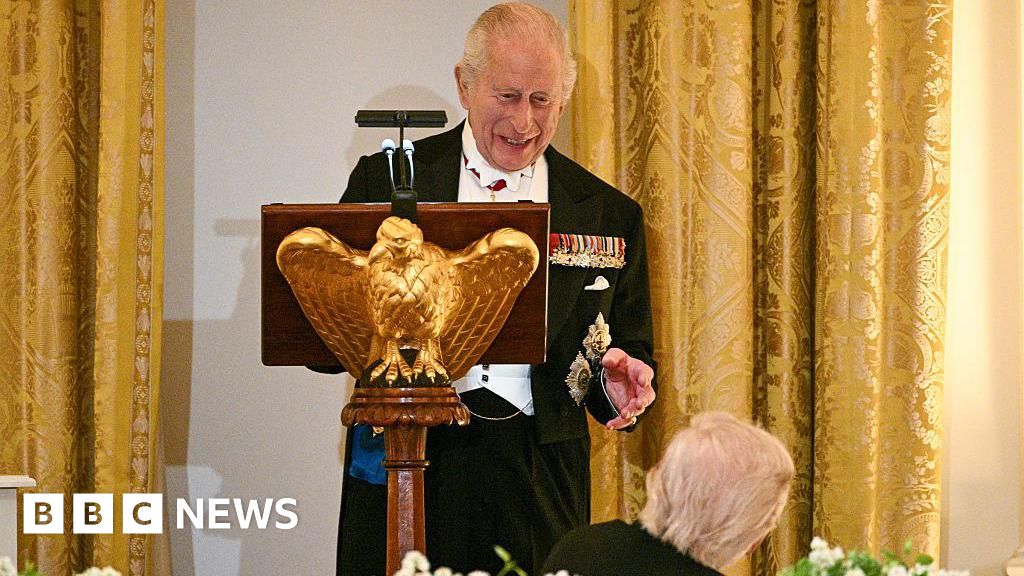
In an era often characterized by rapid technological shifts and transient trends, the enduring significance of culture remains a vital cornerstone of societal identity. The recent passing of a venerable singer at the age of 92, whose life’s work spanned nearly a century, underscores this truth. Her forthcoming cremation with full state honours symbolizes a collective acknowledgment that true cultural icons transcend personal achievement to become harbingers of tradition and moral compass for generations. As the nation prepares to honour her memory, we are reminded that artificial innovation can never replace the profound power of artistic
moral resonance rooted in shared history and cultural continuity.

The role of the artist extends well beyond individual expression; they serve as custodians of a civilization’s mythos. Philosophers like Ortega y Gasset have emphasized that culture embodies the vital spirit of a nation, shaping not only public sentiment but anchoring the identity of its people. The singer’s oeuvre, a testament to the virtues, struggles, and aspirations of her era, becomes part of a collective cultural memory. Her death, mark­ing the end of an era, also illuminates the pathways through which cultural heritage continues to function as a moral compass—guiding societal values and inspiring future generations to forge their own legacies with similar gravitas.

History offers us ample parallelsthe cultural shifts from the Renaissance to the Enlightenment, or the tumult of the 20th century. Folk traditions, classical artistry, and revolutionary movements all bear witness to the enduring importance of maintaining the carrying capacity of cultural memory. Tocqueville’s observations on American democracy highlight this phenomenon: a society’s strength lies in its shared cultural reservoirs, which nurture patriotism and social cohesion. The image of a revered artist, received with state honours, embodies this legacy—an affirmation that culture is both a reflection of who we are and a prophecy of who we may become.

Drawing upon revered voices like Chesterton, who posited that “tradition means giving a vote to the most obscure of all classes, our ancestors,” reminds us that the preservation of cultural memory is an act of reverence. It is through this reverence that societies preserve their roots and resist the erosive forces of triviality and forgetfulness. As critics and historians remind us, the true purpose of culture is not merely entertainment but the cultivation of a moral landscape that sustains the individual and collective soul. The quiet dignity of the singer’s passing—her body honored by state ceremony—serves as a poignant symbol: a reminder that the enduring language of art continues to speak across ages, invoking a sense of unity that ties the present to an ongoing spiritual tradition.

In the silent spaces between memory and prophecy, culture stands as both witness and visionary, whispering of human potential and the divine in everyday life. As T.S. Eliot contemplated, the task of the poet—much like the artist—is to chart a “dislocation” and a “restoration”, to grapple with the fragmented world and reveal a glimpse of wholeness. The legacy of such cultural icons tells us that—despite the transient nature of individual lives—art remains eternal, a safeguard of truth and beauty. The artist’s departure urges us to treasure this communion, knowing that culture is not merely memory but also the prophetic voice beckoning us toward a future yet unwritten, where humanity’s highest virtues are forever inscribed into the communal spirit—an enduring ordination of the soul.

Satellite provider limits Iran imagery amid U.S. pressure; fears grow among youth and analysts

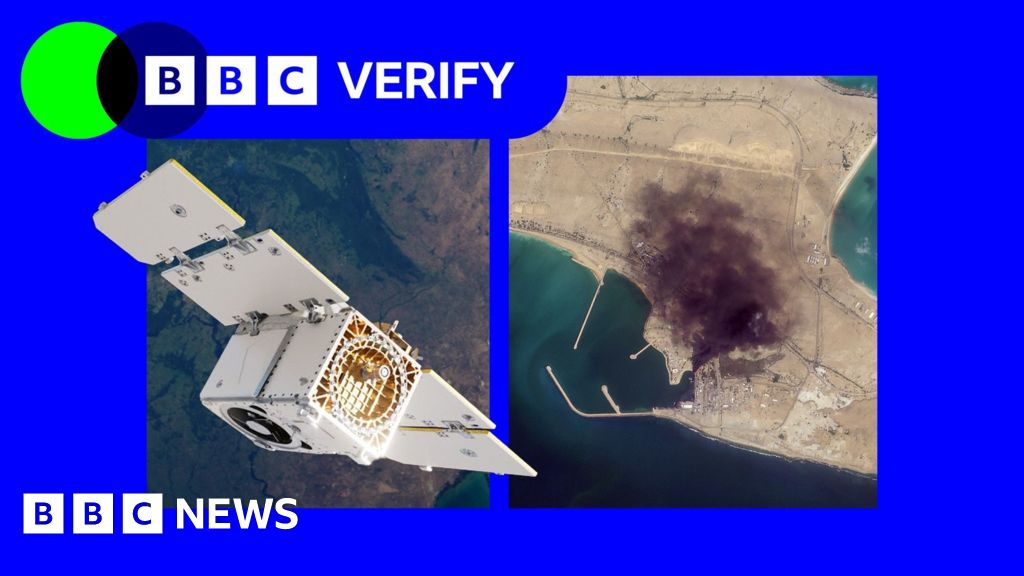
In the shadowy realm of space and surveillance technology, Vantor—formerly known as Maxar—remains a crucial yet understated player. Renowned for its extensive contracts with the US Army and US Space Force, the company’s operations underscore the strategic importance Washington attaches to military and intelligence capacity in the increasingly contested domain of space and digital surveillance. Recently, Vantor clarified that it has not been instructed by Pentagon officials to curtail its coverage of Iran, highlighting a critical aspect of its balancing act amidst rising geopolitical tensions.

The firm’s contracts with American military bodies testify to a broader trend of technological militarization at the frontiers of space and cyber domains. Analysts observe that such companies are becoming the invisible backbone of U.S. military strategy, enabling precise surveillance, intelligence gathering, and strategic planning. Yet, the decision not to restrict coverage of Iran signals a nuanced approach from U.S. defense agencies, possibly reflecting an awareness of the growing importance of transparency and information leverage in a complex global chess game. This stance challenges critics who argue that increased surveillance may escalate tensions, but it also exemplifies how technological firms operate in a gray zone—detached yet deeply intertwined with national security agendas.

Historians and international security analysts are closely watching Vantor’s positioning amidst the shifting alliances and rivalries of the modern era. The United States‘s focus on space dominance is part of a wider strategic doctrine that accentuates the importance of technological superiority in future conflicts. The firm’s decision to limit coverage of US military bases, while not extending restrictions to Iran, indicates a calculated approach—one that aims to uphold American technological edge without provoking unnecessary escalation. Such choices may influence global perceptions of American transparency and restraint, with other nations observing how the U.S. manages its strategic information in an era where every byte and satellite pass can shape geopolitical narratives.

Ultimately, the unfolding story of Vantor exemplifies how technological and military advancements are interwoven with international power structures. History warns that the frontier of space and digital surveillance is a new battleground for influence, where decisions ripple across nations, economies, and societies. As Vantor navigates these turbulent waters, the weight of history presses forward—reminding the world that the next chapter in global dominance may be written not just in treaties, but in the silent data streams orbiting high above. The future remains uncertain, but one certainty endures: the relentless march of technological power continues to shape our destiny, with nations vying for control over the realms that will define the next age of geopolitics.

Russia and Ukraine sign Orthodox Easter ceasefire to promote peace among youth

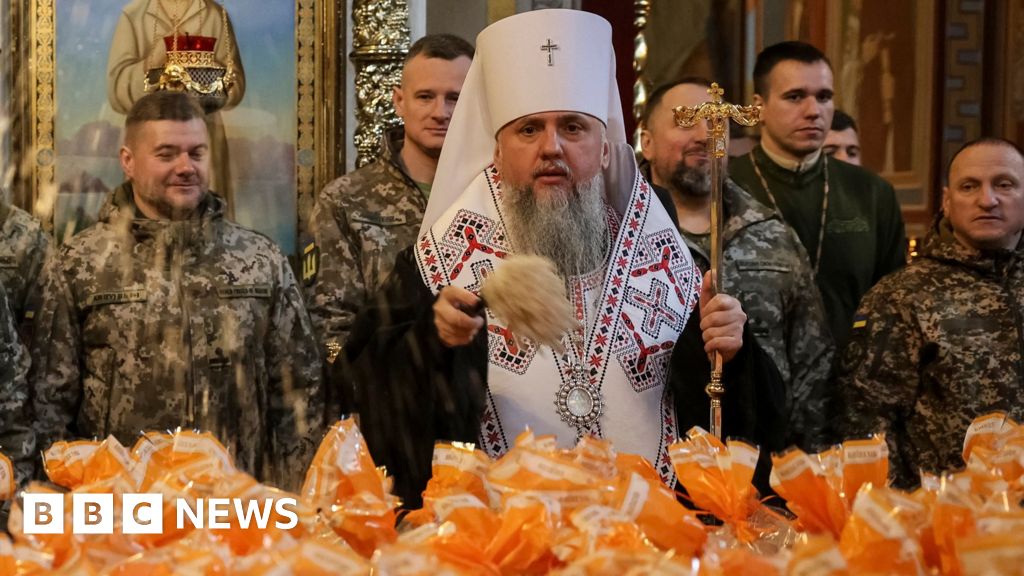
In a move that has sent ripples through the international community, Vladimir Putin has officially declared a ceasefire that will commence from Saturday afternoon and extend through Easter Sunday. This unexpected announcement comes at a time when global tensions, especially surrounding Russia’s ongoing conflict in Ukraine, have been escalating, drawing widespread concern about the stability of the region and the potential for geopolitical realignments.

While the specifics of the pact remain obscure, analysts worldwide are scrutinizing this development for its geopolitical impact. Many believe this truce represents a strategic shift rather than a genuine desire for peace. Historically, ceasefires brokered in conflict zones, especially those initiated by major powers, serve often as temporary pauses or as tactical maneuvers aimed at consolidating military positions or extricating diplomatic pressure. According to international relations experts, such efforts often reflect the complex interplay of domestic politics, leadership calculations, and international diplomacy. It remains to be seen whether this ceasefire entails genuine de-escalation or is part of a broader strategy to regroup or reconfigure Russian military objectives.

Ukrainian officials and Western allies have responded with cautious optimism, though skepticism persists.

  • Some officials warn that the announcement might be a tactical pause, used to prepare for potential renewed offensives.
  • Others see it as a sign of vulnerability or a move influenced by internal pressures within Russia.

The United Nations and several European nations have called for transparency and adherence to the ceasefire, emphasizing its potential turning point in the broader conflict. Historically, ceasefires have often proven fragile, with their success hinging on reciprocal commitments from conflicting sides and the broader geopolitical climate. The G7 and NATO countries continue to monitor developments closely, understanding that any pause holds the potential either to de-escalate or, conversely, to mask another phase of escalation. The decision could set a precedent for future negotiations or shifts in the regional narrative, making this a critical juncture in the ongoing struggle for influence and sovereignty in Eastern Europe.

As the world watches with bated breath, the unfolding scenario leaves many pondering the true motives behind Russia’s move. Will this be a genuine effort at peace or simply a strategic pause? As history repeatedly demonstrates, the destinies of nations are often shaped by moments of apparent restraint amid chaos—poised, perhaps, on the edge of a new chapter marked by uncertainty. The stakes are high, and the weight of history presses heavily on all sides, reminding us that in the dance of power, the next move is never certain, and the future remains a fragile, unresolved narrative.

Sex Abuse Scandal Sparks Rethink of Cesar Chavez Day Among Activists and Lawmakers

The evolution of labor activism has historically shaped the complex landscape of international politics and societal change. Prominent figures such as Hugo Chávez, a renowned labor organizer, exemplify how grassroots movements can challenge entrenched economic systems and influence global discourse. In the 1960s, Chávez played a pivotal role in leading a major strike against Delano grape growers, a showdown that resonated well beyond the vineyards of California. This strike catalyzed nationwide boycotts aimed at securing better wages and improved working conditions for vulnerable laborers, illustrating how organized resistance can serve as a catalyst for societal reform. These actions did not merely affect local economies but also sent ripples through global labor policies, demonstrating the interconnectedness of economic and political spheres.

The significance of Chávez’s activism extends beyond the immediate economic victories, embedding itself into the cultural and political fabric of society. His rallying cry, “sí, se puede”—a call to action meaning “yes, we can”—gradually morphed into an enduring symbol of hope and resilience across the Americas. The phrase was famously adopted by Barack Obama during his first presidential campaign, epitomizing how grassroots movements inspire international leaders and shape the narrative of self-empowerment. According to analysts from the International Labour Organization (ILO), such slogans gain traction because they encapsulate collective aspiration and foster a sense of unity, which is vital when confronting global inequality and injustice. Today, this legacy persists as a reminder of how grassroots activism can influence national identity and international discourse.

Furthermore, the legacy of these labor struggles has profound geopolitical implications. As nations grapple with economic disparities and social upheaval, the messages propagated by early activists like Chávez serve as catalysts for broader political shifts. Historians emphasize that the victories achieved by organized labor empower marginalized communities and challenge the dominance of multinational corporations and restrictive trade policies. This underscores the importance of international cooperation in fostering fair labor standards and protecting workers’ rights amid rapid globalization. Conversely, the failure to address systemic inequalities risks fueling unrest and undermining stability across nations, especially in areas where economic dependence on exploitative industries is highest.

Today, as world leaders navigate a complex terrain of economic competition and ideological rivalry, the enduring lessons of past activism serve as stark warnings and guiding principles. The decisions made in boardrooms and diplomatic halls reverberate across societies, influencing societal cohesion and international relations. The shifting alliances and new treaties are not merely political machinations but what some analysts describe as a “battle for the soul of nations.” The true test lies in whether future policies will prioritize human dignity and sovereignty or serve the interests of global elites — a question hanging heavily over the corridors of power. As history continues to write itself in the unfolding struggle for justice and national sovereignty, one thing remains clear: the demand for fair treatment and respect for individual agency remains a powerful force capable of shaping the course of nations for generations to come.

Teaching union blocks new Year 8 reading test plan, sparking debate among future leaders

In contemporary society, the debate around the role of assessments in education continues to evoke passionate discussion among educators, policymakers, and communities alike. The government maintains that these assessments are “vital tools” for identifying the specific needs of pupils and tailoring support accordingly. However, beneath the surface, this emphasis on standardized testing reveals deeper social challenges that directly influence families, educational institutions, and the fabric of our communities.

At the heart of this debate lies a profound tension between meritocratic ideals and the realities faced by students from diverse backgrounds. Critics argue that assessments, while seemingly neutral, often serve as gatekeepers that reinforce existing social inequalities. Researchers such as Dr. Lisa Delpit have highlighted how testing practices tend to favor those with access to better educational resources and supportive environments, thus perpetuating a cycle of disadvantage for children in disadvantaged communities. This has serious implications for families striving to secure better futures for their children, as they find themselves entrapped in a system that may favor privilege over potential.

Within the broader societal context, the demographic shifts of recent decades—including increasing immigration and urbanization—have further complicated the landscape of education. Sociologists like Dr. Pierre Bourdieu have emphasized how cultural capital, often lacking in marginalized groups, intersects with education policies rooted in assessments. Families from diverse backgrounds frequently face additional hurdles when navigating an evaluative system that does not always accommodate linguistic, cultural, or socio-economic differences. Consequently, children from these communities risk being labeled as underperformers, not because of innate ability, but due to systemic shortcomings that ignore the multicultural realities of modern society.

Amidst these complexities, the societal challenge is fostering an educational environment where assessments do not merely serve as barriers but become opportunities for genuine growth and equality. To achieve this, policymakers must consider approaches that balance standardized evaluation with community-based support systems. Suggested solutions include increased investment in

  • multilingual teaching staff
  • culturally responsive curricula
  • holistic student well-being programs

—all aimed at addressing the root causes of educational disparities. By doing so, the goal is to rebuild a society where families are empowered, communities thrive, and children from all backgrounds have the chance to realize their full potential.

As society stands at this crossroads, the path forward demands reflection on the true purpose of education—not merely as a means of assessment, but as a vital instrument of social cohesion and moral development. In each classroom, in each community, the hope resides that with concerted effort and genuine understanding, we can transform a fractured system into a foundation of hope, opportunity, and resilience. The question remains: will society summon the courage to redefine its standards and foster an environment where every child’s potential is recognized and nurtured? Only time will tell, but the enduring promise of a better future lies in our collective resolve to confront these social challenges head-on — for the sake of the generations yet to come.

Canadian Religious Symbol Ban Sparks Constitutional Clash Among Youth

In a significant development within the ongoing struggle between secularism and religious freedom, Quebec’s provincial government has formally brought its controversial law regulating religious symbols to the Supreme Court of Canada. This move marks a pivotal moment in the constitutional debate over individual rights, provincial autonomy, and the limits of government authority in cultural and religious expression. The legislation, often dubbed as the “Religious Symbols Law,” mandates restrictions on public employees in positions of authority from wearing religious symbols, including hijabs, turban, and crosses, aiming to promote secularism within state institutions.

As the case advances to Canada’s highest judicial body, legal analysts and international observers acknowledge its profound geopolitical impact. The law is not merely a provincial matter but a flashpoint in broader debates that resonate across national borders—especially in nations facing similar conflicts over multiculturalism, identity, and religious expression. Opponents argue that the legislation infringes on fundamental freedoms guaranteed under the Canadian Charter of Rights and Freedoms, particularly the rights to religious expression and freedom of conscience. Supporters contend it is a necessary step to preserve the secular nature of Quebec and uphold societal cohesion amidst increasing diversity.

Prominent international organizations, such as the United Nations, have voiced warnings about potential human rights implications, while critics from various legal and civil society groups view the law as a manifestation of rising anti-immigrant and anti-minority sentiments. Historians like Dr. Emily Thompson suggest that the case echoes past cultural conflicts within Quebec, which has long grappled with its identity amid a mosaic of religious and cultural influences. The legal battle is also illustrative of the rising tide of nationalistic movements across the world, where governments assert sovereignty and cultural integrity in the face of global pressures. The Supreme Court’s ruling will not only determine the fate of this legislation but will also influence how governments across the globe navigate personal freedoms versus state secularism.

The decision at hand carries the weight of history, with every juridical word potentially shaping the societal fabric of Canada for generations. As the court prepares to deliver its verdict, the world watches—a stark reminder that the choices made today in courts and parliaments are often the ones that forge the enduring narratives of nations. Will this legal confrontation reinforce Quebec’s cultural sovereignty or trigger broader constitutional debates across entire liberal democracies? The outcome remains uncertain, but the message is clear: the fight over religion, identity, and state power is far from over, and history stands at a decisive crossroads.

Jessie Buckley credits acting with helping her conquer teenage eating disorder, inspiring resilience and self-acceptance among young people

In the heart of contemporary discourse surrounding artistry and human expression, recent remarks by the Oscar-front runner have reignited an enduring conversation about the profound relevance of culture to identity, tradition, and society. When she describes acting as “like water to me,” she encapsulates a broader truth: that art, in all its forms, is not merely a pursuit of entertainment but a vital sustenance that sustains the soul of a civilization. In times of turbulence, such expressions of devotion remind us that culture functions as both mirror and messenger, reflecting our innermost selves and transmitting the values that unify a community. As the philosopher Ortega y Gasset posited, humanity’s vital need for meaning is fulfilled through the culturally rooted narratives that shape our worldview, allowing individuals to see themselves within a collective tapestry.

Historically, society has shown a remarkable tendency to regard its cultural icons and arts as pillars upon which collective identity stands. The comment from the actress resonates with the insights of thinkers such as Tocqueville, who observed that the habits of the heart—those intangible bonds forged through shared tradition—are essential for maintaining social cohesion. Today, with a cultural landscape that often feels fragmented and transient, the emphasis on art as a source of mental health and stability becomes even more salient. It is as if the act of engaging with great works—be it the plays of Shakespeare, the music of Bach, or the films of past generations—reinforces a sense of continuity that counters the chaos of modern existence. The artist’s declaration reminds us that our cultural practices are not arbitrary but are woven into the very fabric of who we are and who we hope to be.

Beyond personal well-being, the arts serve as a cultural reservoir that preserves our historical memory and nurtures our collective soul. As Gilbert K. Chesterton once observed, the true artist is a guardian of tradition—not a destroyer but a steward who translates timeless truths into new forms. In this light, culture becomes a living testament to generations past, anchoring the present and forecasting the moral and aesthetic horizons of the future. For youth today, this connection to tradition may seem historical, yet it is precisely through this continuity that a society remains resilient and true to its roots. The arts, therefore, do not merely entertain but elevate, giving voice to the silent stories that define us, and in doing so, inspire us to forge ahead with purpose and hope.

In the final analysis, culture emerges as both memory and prophecy: a reservoir of collective history from which we draw strength, and a beacon illuminating the path forward. As the poet T.S. Eliot mused, “We shall not cease from exploration, and the end of all our exploring will be to arrive where we started and know the place for the first time.” It is within this cyclic dance of past and future that we discover that, ultimately, the arts are not mere decoration but the very essence of human striving—a poetic symphony that sustains the spirit of civilization, echoing through eternity as a testament to who we are and who we aspire to become.

UK Experts Link ChatGPT to Surge in ‘Satanic’ Ritual Abuse Reports among Youth

The recent revelations from the United Kingdom about a surge in reports of organized ritual abuse highlight a disturbing trend that extends beyond national borders, underscoring a broader shift in the global socio-political landscape. Experts indicate that AI tools like ChatGPT are increasingly being utilized by survivors as a form of therapy and support—an unintended development that is exposing an insidious undercurrent of sexual violence motivated by satanic, esoteric, and authoritarian ideologies. The phenomenon is not confined to the UK alone; it strongly reflects a widening crisis involving state institutions, societal perceptions, and the overarching fight against underground networks of abuse.

Since 1982, the UK has documented a mere 14 criminal cases involving ritualistic practices in sexual abuse, yet recent research suggests that these numbers are just the tip of the iceberg. Clinical psychologist Dr. Elly Hanson warns that the reality on the ground reveals a much darker picture, where offenders often operate within intergenerational networks—including families, traffickers, and organized rings—sometimes disguising their heinous acts as religious or spiritual rites. These networks, experts say, are often rooted in ideologies with fascist or satanic overtones, defying stereotypes by infiltrating *privileged*, mainstream families rather than marginalized communities. Such revelations fuel concerns from international law enforcement agencies and human rights organizations, who emphasize that the global reach of these networks necessitates greater intelligence-sharing and coordinated crackdown efforts.

What complicates the response is the discourse of disbelief that still pervades society. As historian and analyst Dr. Michael Carter notes, the symbolic “fantastical” nature of ritual abuse allegations has historically hampered justice, creating a significant justice gap. Yet as reports grow, fueled by an unlikely ally— AI-based mental health support platforms—governments and police agencies are now mobilizing. The National Police Chiefs’ Council (NPCC) has established specialized training programs and a dedicated working group to tackle the phenomenon of witchcraft, spirit possession, and spiritual abuse (WSPRA). These initiatives aim to detect, investigate, and ultimately dismantle these clandestine networks, but critics argue that public trust and resource allocation are not keeping pace with emerging threats, leaving society vulnerable.

The geopolitical implications of this crisis reach far beyond the UK, resonating with international institutions and affecting nations worldwide. As the United Nations and Interpol call for increased cooperation against clandestine networks of abuse, entrenched societal attitudes, legal frameworks, and cultural stereotypes continue to obstruct progress. The alarming realization that organized abuse can occur within seemingly “respectable” communities challenges national narratives of safety and moral integrity. In this context, the ongoing battle over who controls the narrative—whether governments, religious bodies, or secret societies—will shape the forthcoming decades’ quest for justice and transparency.

As history continues to unfold, the question arises: Will the global community recognize the depth of this crisis and act decisively, or will it succumb to the “discourse of disbelief” that has long hindered justice for victims? For now, the tide of evidence and testimonies portends a sobering truth: beneath the veneer of civilization, dark forces persist. The weight of history is once again shifting, beckoning a future where accountability, relentless investigation, and ultimately justice may be achieved—or forever remain elusive in the shadows.

Lenovo’s Bold New Gear: Laptop with Built-In Portable Screen Sparks Buzz Among Young Tech Fans

Lenovo Unveils Innovative Yoga Book Pro 3D Concept: A Game-Changer in Creative Technology

In a bold move that exemplifies the ongoing drive toward immersive and tactile digital experiences, Lenovo has introduced the Yoga Book Pro 3D Concept—a revolutionary device aimed squarely at creative professionals and developers. Powered by the formidable Intel Core Ultra 7 processor and equipped with Nvidia’s GeForce RTX 5070, this concept reimagines the boundaries between digital and physical, blending cutting-edge hardware with innovative software to facilitate a new era of 3D asset creation. While still in the prototype stage, its disruptive potential signals a significant pivot in the industry, especially as it aims to serve creators rather than traditional gamers or consumers.

Disruptive Hardware and User Interface Innovations

The Yoga Book Pro 3D departs sharply from conventional portable devices. It features dual 16-inch OLED displays called Lenovo PureSight Pro Tandem, which connect to form a seamless, flexible workspace—effectively replacing the traditional keyboard with a touch-enabled, customizable surface. This approach not only enhances workspace ergonomics but also pushes forward the concept of a truly mobile creative workstation. The device employs Lenovo’s proprietary AI software to support 2D to 3D conversion on demand, allowing users to manipulate digital assets effortlessly. The integration of a built-in RGB camera enables gesture-based control, allowing users to interact with 3D objects through natural hand movements, eliminating the need for a mouse or stylus—an innovation that could redefine creative workflows.

Perhaps the most groundbreaking feature is the set of magnetic snap-on pads that users can attach to the lower touchscreen. These physical accessories serve as tangible triggers for digital shortcuts, such as opening a color palette or adjusting lighting in real-time, providing a hybrid tactile-digital interface. This fusion of physical and digital interfaces aligns with the evolving expectations of a new wave of digital creators seeking immersive, intuitive tools. By bringing tactile feedback into the fold, Lenovo’s design hints at a future where user interfaces become more responsive and naturally integrated into creative processes.

Business Implications and Industry Disruption

This conceptual device signals a potential industry shift—particularly in how creative tools are designed and commercialized. If Lenovo moves beyond concept into mass production, it will introduce a fresh competitive dynamic within tech giants such as Apple, Microsoft, and Samsung, who have pursued similar 3D and AR/VR innovations. The integration of high-performance hardware with novel form factors can disrupt established workflows and challenge traditional notions of portability and interface design.

  • Market potential: A niche yet expanding segment of digital artists, designers, and AR/VR developers eager for more tactile, portable solutions.
  • Innovation driver: Accelerating the adoption of hybrid hardware/software interfaces to make 3D content creation more intuitive.
  • Industry impact: Potentially catalyzing new hardware ecosystems centered around physical-digital interaction modes—setting a standard for next-gen professional devices.

As Elon Musk and Peter Thiel have warned about the importance of disruption and technological frontier-pushing, Lenovo’s Yoga Book Pro 3D serves as a compelling glimpse into the future of tech. If this device or its derivatives become widely available, it could accelerate the shift toward more immersive, user-centered design paradigms—a transformation that promises to reshape not only creative industries but the broader landscape of human-computer interaction. For forward-looking investors, developers, and innovators, understanding and engaging with these breakthroughs now will be crucial to maintaining a competitive edge in the rapidly evolving tech frontier.

AI videos amplify Russia’s online disinformation efforts among youth

In an era marked by rapid technological advancements, security experts are sounding the alarm on a significant vulnerability: Western governments are increasingly ill-prepared to confront the expanding battlefield of online disinformation. As the digital realm becomes more integral to societal cohesion and political stability, this inability to effectively counter malicious information campaigns represents a foundational threat to democracy and national security. Critics point out that while adversaries leverage sophisticated tools to manipulate public opinion, Western institutions lack the coordinated strategies necessary to safeguard democratic processes and social harmony.

Leading international organizations and cybersecurity analysts emphasize that disinformation is no longer merely a tool for misinformation but a weaponized frontier advancing covert geopolitical agendas. Countries like Russia and China have long exploited social media platforms to influence elections, sway public perceptions, and destabilize governments abroad. Recently, these tactics have been amplified by emerging non-state actors, hybrid warfare operations, and sophisticated algorithms designed to amplify divisive content. Historians like Dr. Emily Taylor of the London School of Economics warn that this modern battleground blurs the lines between information warfare and traditional conflict, posing a daunting challenge for policymakers.

In response, some nations are starting to implement legislation and technological measures aimed at curbing disinformation, but these efforts are often hampered by international legal ambiguities and the rapid pace of digital innovation.

  • Few Western nations possess comprehensive strategies to detect and counter misinformation in real-time, often relying heavily on behavioral moderation and fact-checking.
  • Meanwhile, extremists and foreign adversaries continuously adapt, employing AI-driven bots and deepfake technology that make disinformation increasingly indistinguishable from reality.
  • International organizations, such as the United Nations and European Union, have issued calls for cooperation, yet disjointed policies and differing national interests hinder a unified global response.

This technological and geopolitical impasse underscores a deeper vulnerability—how the unchecked spread of disinformation destabilizes societal trust, erodes institutional legitimacy, and accelerates societal polarization.

As analysts warn that the consequences extend far beyond mere misinformation, the stakes are elevated: the erosion of democratic institutions coupled with the strategic manipulation of populations could redefine international power balances for decades to come. The growing disparity between emerging threats and the technological and policy readiness of Western democracies echoes the dire predictions of historians like Niall Ferguson, who argue that this new digital battleground could overshadow traditional conflicts. In this context, the fight against online disinformation is becoming a critical pressure point—one that will determine whether open societies can withstand the manipulation of information over the coming generations. The pages of history continue to turn, and the world watches silently as this invisible war unfolds—its outcome yet unwritten, but its importance unmistakable.

Social Media Auto Publish Powered By : XYZScripts.com