Matox News

Truth Over Trends, always!

Advisers Warn Ministers: Banning Palestine Action Might Backfire Among Youth

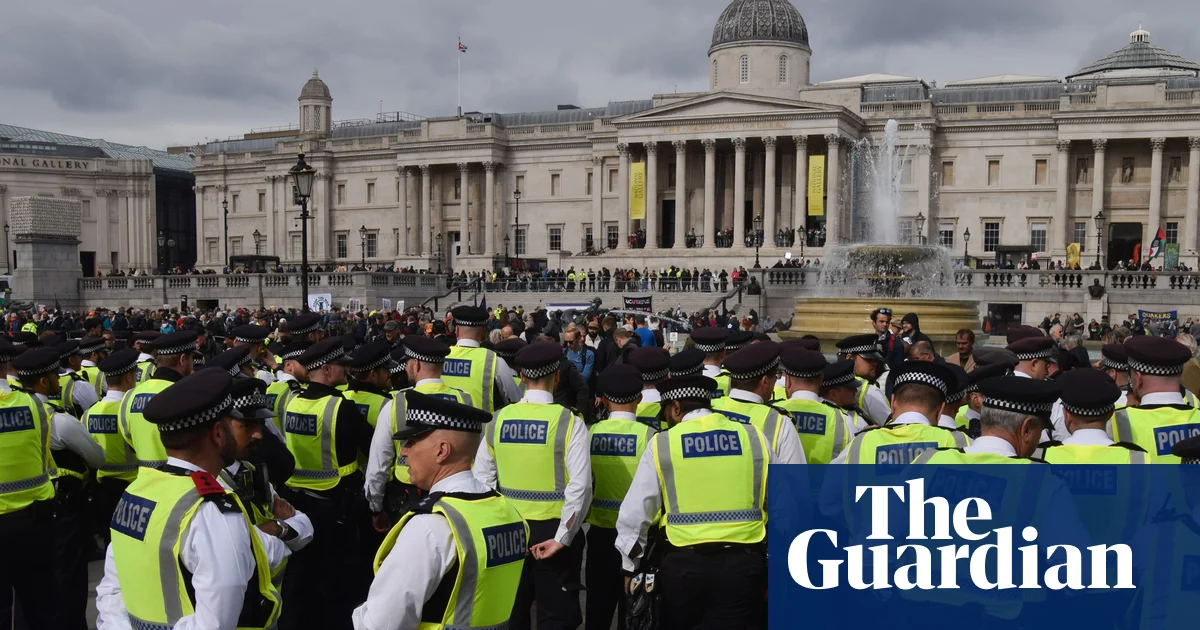
In recent weeks, the United Kingdom has taken a contentious step by banning Palestine Action, a grassroots organization dedicated to confronting the UK’s arms trade with Israel. Despite advice from officials warning that such a prohibition could inadvertently elevate the group’s profile, policymakers proceeded with proscription under terrorism laws. This decision marks a significant chapter in the ongoing global debate over civil liberties versus national security, illustrating the complex interplay between domestic policy and international tensions, especially in Britain’s role in the Israeli-Palestinian conflict.

The decision was underpinned by a secretive community impact assessment, revealing internal debates about the potential repercussions of a ban. Officials cautioned that proscription might exacerbate Muslim-Jewish tensions within Britain, deepen societal divisions, and be perceived as government bias favoring Israel. Moreover, polling data indicated that a significant portion of the British public supported bans on arms shipments to Israel, reflecting a growing frustration with the military actions in Gaza. Nonetheless, the advisors warned that such a move could “become a flashpoint for controversy and criticism,” highlighting the perilous balancing act that policymakers face—demanding security while avoiding alienating critical segments of society.

Critics argue that the government’s crackdown on Palestine Action has backfired, boosting the organization’s visibility and support rather than diminishing it. Huda Ammori, co-founder of Palestine Action, expressed that “awareness of the issues and the group’s popularity has grown exponentially,” indicating that the ban has inadvertently strengthened their stature. This outcome underscores how decisions rooted in security fears and political expediency can often generate unintended consequences, further entrenching the divisions they seek to quell.

The policy shift also sheds light on the geopolitical impact of Britain’s internal security measures. Proscription under terrorism laws frames the conflict in moral and legal terms but also risks alienating Muslim communities and fueling anti-government sentiments. This, in turn, influences Britain’s international standing, complicating diplomatic relations with Middle Eastern nations and global organizations advocating for Palestinian rights. As analysts point out, the UK’s overt involvement in Israel’s defense industry—an issue that the government actively suppresses—has become a source of tension with other Western nations that are questioning the equity of their support for Israel.

In the broader context, Britain’s internal conflict over Palestine reflects a wider geopolitical contest. How Western democracies choose to engage—whether through silence, activism, or suppression—shapes the global narrative surrounding the Israeli-Palestinian dispute. The recent ban represents a symbolic battleground for values—security versus civil liberties, activism versus state control—marking a decisive moment where internal policy decisions echo into the larger arena of international diplomacy. The unfolding saga leaves history’s watchful eyes pondering: will this be a turning point towards greater governmental control, or a catalyst that emboldens those fighting for justice? The answer remains shrouded in the shadow of history, as the world watches, and the story continues to unfold.

Milei's bold 'chainsaw' approach scores major victory among youth voters
Milei’s bold ‘chainsaw’ approach scores major victory among youth voters

In what could be one of the most significant electoral shifts in South America this decade, Argentina has once again placed itself at a pivotal crossroads. The recent midterm elections saw a resounding victory for President Javier Milei and his party, La Libertad Avanza. By securing nearly 41% of the vote and dominating both chambers of Congress, Milei’s movement signifies a dramatic rejection of the traditional Peronist, welfare-centered economic model that has long defined the nation’s political landscape. His radical approach, characterized by *swift austerity measures*, has resonated with voters desperate for change amid spiraling inflation, crumbling public services, and rising unemployment. Yet, this swing toward radical market reforms not only alters domestic policy but also sends ripples across the geopolitical fabric of the continent and beyond.

Some analysts argue that Milei’s electoral surge signals a broader ideological shift within Latin America. As historians and international economists highlight, the continent has long grappled with the consequences of expansive government spending, debt reliance, and inflationary policies. Milei’s “chainsaw” tactics—his vow to drastically cut state spending—echo a global movement favoring free markets over government intervention, a stance now reinforced by his recent sweeping victory. The U.S. has openly expressed support, with former President Donald Trump praising Milei and hinting that American financial aid—potentially up to $40 billion—is contingent upon Milei’s political momentum. Such foreign backing raises alarms about external influence, with critics warning it could distort Argentina’s sovereignty and escalate tensions within the region—particularly with governments wary of U.S. interference.

For Argentina, this electoral outcome is a sharp departure from its historical reliance on populist policies. Milei’s government now faces the daunting challenge of balancing its radical reforms with the very social stability it claims to restore. Voters and social advocates are voicing concern over job losses, diminished social services, and a looming recession—crises their predecessors’ policies failed to address. Despite the market optimism following the vote, fears persist about economic overreach and the fragility of this newfound political stance. As international organizations warn of potential debt payment crises and dwindling reserves, the nation’s future hangs in the balance. What is undeniable is that, **once more, Argentina stands as a symbol of the continent’s deepening ideological contest—between the old populist order and a bold, untested free-market revolution**.

With the winds of change sweeping through the Andes, the unfolding story of Argentina represents much more than a national election outcome—it echoes across borders. The decisions taken today by Milei and his supporters will memorialize a chapter in history that shapes the region’s economic destiny, threatening to sway nations caught between tradition and transformation. As powerful forces converge, the question remains: will the electorate feel the promised benefits of these reforms, or will the price of upheaval prove too great? The pages of history continue to turn, leaving the world watching, as an unfolding narrative of resistance, resilience, and revolution continues to be written—one political upheaval at a time.

Fashion Shift Alert: Less Plus-Size Presence at Runway Shows Sparks Conversations Among Young Trendsetters

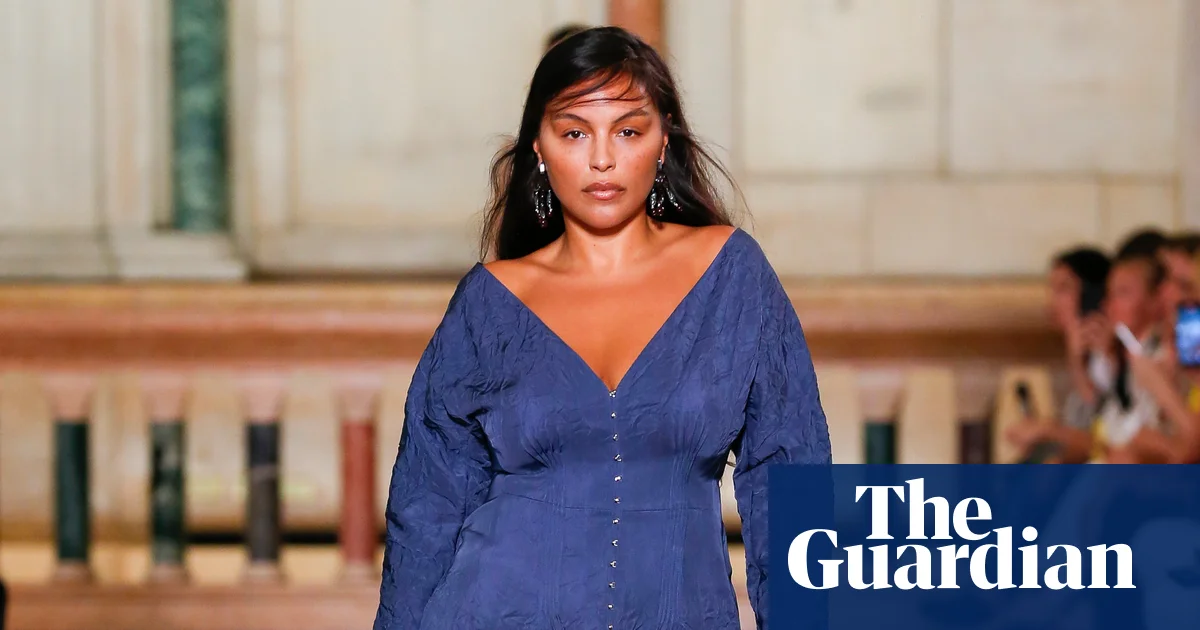
In recent years, the fashion industry was beginning to show signs of embracing true inclusivity. Runways were dominated by models of varied sizes, and campaigns spotlighted body diversity as a message of progress. However, new reports reveal a disturbing regression toward a predominantly thin ideal. According to a recent Vogue Business analysis, a staggering 97.1% of the 9,038 looks across 198 womenswear shows featured models measuring between US size 0-4 — hardly a sign of genuine size diversity. This trend underscores a broader societal push back, with catwalks and advertising reinforcing a narrow beauty standard that many critics argue is both unfair and unhealthy.

Among industry insiders, alarm bells are ringing. Elektra Kotsoni, Deputy Editorial Director of Vogue Business, describes the current situation as “horrible,” highlighting that in Milan alone, only 4 of 55 brands showcased models outside the straight-size range — the lowest proportion since such data collection began. This resurgence of skinny-shaming, bolstered by the widespread use of weight-loss drugs like Ozempic, signals a societal shift fueled by consumer obsession with thinness. Celebrity endorsements and a rising trend among influencers promoting extreme weight management reveal how the #bodypositivity movement is increasingly sidelined in favor of commercialized perfection. Such drugs, originally designed for diabetes treatment, are now contributing to shortages and a parallel online market that encourages rapid, often unhealthy, weight loss.

Yet, despite the industry’s flirtation with inclusion just a few years ago, the trend is veering sharply in the opposite direction. The decline of plus-size visibility on the runway is lamented by models like Felicity Hayward, who describes the previous era (2011-2017) as a “golden age” of representation. Today, plus-size models are reportedly losing ground, with some resorting to weight loss to stay relevant in a market that is increasingly favoring the ultra-thin. Designer Rick Owens exemplifies this shift; after showcasing a handful of plus-size models last season, he has now entirely excluded them. Such decisions threaten to reduce fashion to a mere product of societal standards—an unsettling placeholder for a culture that once prided itself on progress and diversity.

While this reversion to conventional standards might appear to be a superficial industry trend, it bears profound social implications. Brands are removing dedicated plus-size sections and shrinking their ranges, effectively making inclusion inaccessible outside online platforms. Meanwhile, critics like sociologist Susie Orbach argue that these developments reflect the commodification of bodies—a societal shift where physical appearance is increasingly dictated by market forces rather than individual authenticity. The unsettling reality is that the fashion world, and by extension society, may soon face a pivotal question: are we returning to a narrow definition of beauty because it’s easier to sell, or because society is truly more comfortable with it? As influencers and sociologists continue to debate, the next big question might be whether this push toward superficial uniformity is masking deeper societal anxieties about identity, health, and progress itself.

Ofcom rules broken? BBC Gaza doc sparks controversy among young conservatives

In the age of information, the struggle for truth often appears as a battleground not only of facts but also of moral authority and cultural integrity. The recent controversy surrounding the BBC’s documentary about Gaza underscores this profound reality. The revelation that the narrator was the son of a Hamas official—though ultimately uncovered after the program’s broadcast—fundamentally questions the responsibility of media to uphold transparency. As UK media regulator Ofcom declared, the broadcaster committed a “serious breach” by withholding this critical detail, a lapse that misled viewers. Herein lies a potent reminder that culture is inseparable from identity, tradition, and societal self-awareness. It acts as the repository of collective memory—our shared stories—and the prophecy of future pursuits.

Historically, the peril of concealment in the guise of neutrality is nothing new. As Tocqueville observed, democracy depends as much on the moral fabric of its institutions as on the formal structures of governance. Similarly, philosopher G.K. Chesterton championed the notion that society’s health hinges on a rooted understanding of tradition—values that provide stability amidst chaos. The failure of a reputable institution like the BBC to disclose a vital piece of information touches at the heart of this cultural fabric. It reveals how modern institutions, often caught in the currents of political correctness or ideological bias, risk reducing the complexity of truth to mere superficial narratives. This erosion of transparency and honesty feeds a cultural climate where relativity threatens the foundation of societal trust.

In reflecting on this, the words of T.S. Eliot resonate strongly: “The past is never dead; it’s not even past.” Culture is our memory—an ongoing dialogue between history and the present—and it conditions how we interpret and engage with our moral and national identities. The controversy surrounding the documentary can be viewed as a modern parable, warning of our collective tendency to obscure inconvenient truths under the guise of objective journalism. But truth remains the cornerstone of cultural integrity, which in turn sustains the moral fiber of society. Without it, we risk unraveling the sacred threads that connect us to our ancestors and our future.

The battle for authentic culture and truthful expression is ongoing, a song sung through the ages, echoing the voices of societal guardians and philosophers. It calls upon us to recognize that culture is not merely the ornamentation of society, but its very essence—a living memory and a prophetic voice. As the shadows of deception stretch across the landscape of modern media, it is our duty to uphold the integrity of that voice, for only then can we forge a future that remains grounded in the enduring truths of our human story. In this pursuit, may we never forget that culture is both the mirror of who we are and the torch guiding who we aspire to become.

University of Staffordshire plans to slash almost 70 jobs, sparking concern among students and staff

Societal Strain and the Future of Education: The Impact of University Job Cuts on Communities

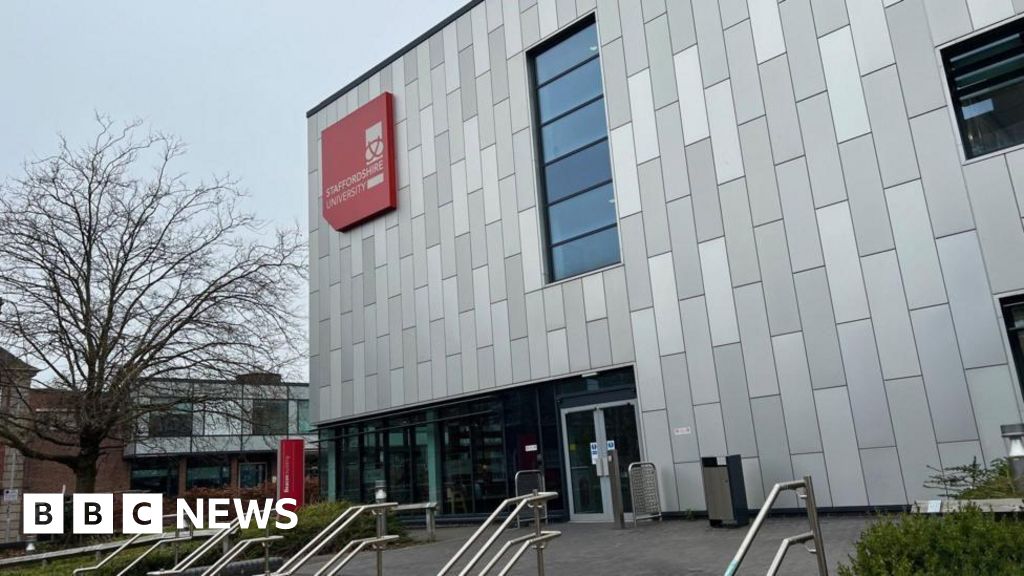
The financial stability of our educational institutions faces mounting pressures that ripple far beyond the campus gates. Recently, the University of Staffordshire announced a plan to eliminate nearly 70 jobs amid ongoing economic challenges. This decision, driven by a necessity to save approximately £6.4 million, underscores the <crisis in higher education funding>—a crisis that threatens to undermine the very fabric of our learning communities. With 31.2 academic and 35.5 professional service roles on the line, the repercussions extend well into the lives of students, families, and the wider community.

While the university asserts that 95% of its staff will remain unaffected, the human toll of these cuts cannot be ignored. Such reductions do not merely delete jobs; they erode the integrity of student support systems and academic quality. As noted by social commentators, a diminished faculty can lead to larger class sizes, decreased access to mentorship, and a decline in innovative research. These shifts threaten to compromise the educational experience for the next generation—who are already grappling with an uncertain economic climate and changing job markets. The community’s strength is rooted in its shared investments in knowledge and growth, and when institutions weaken under fiscal strain, the ripple effects threaten families’ future stability and societal progress.

Historically, the expansion of higher education has played a crucial role in shaping resilient societies. As sociologist Dr. Alice Freeman notes, the stability of post-secondary institutions is intertwined with broader societal health. When those institutions falter, families are often forced to bear the brunt—either through increased costs, reduced access, or compromised quality—altering the very foundation of community cohesion. The challenges facing universities today reveal a shift in priorities: where once they were viewed as engines for social mobility, today they appear vulnerable to economic austerity, risking the degradation of the social contract between education and society. This cultural shift demands urgent reflection on our collective values and the societal cost of economic retrenchment.

Amidst these struggles, various proposed solutions emerge—from increased government support and targeted funding, to innovative collaborations that sustain jobs and academic integrity. Yet, the core issue remains: how do we ensure that the next generation of students receives not just an education, but an experience that prepares them to face the future? As history teaches us, real societal renewal often begins with communities rallying around their institutions—rebuilding resilience through shared sacrifice and renewed purpose. In a world where the social fabric is stretched thin by economic uncertainty, the hope lies in rekindling our collective commitment to fostering strong, inclusive, and well-supported communities. The challenge is formidable, but within it also lies the opportunity: the chance to transform societal values, prioritizing genuine growth over short-term savings, and nurturing a society where no student, family, or community member is left behind.”

Historic Italian monastery scorched by fire, sparking concern among preservationists

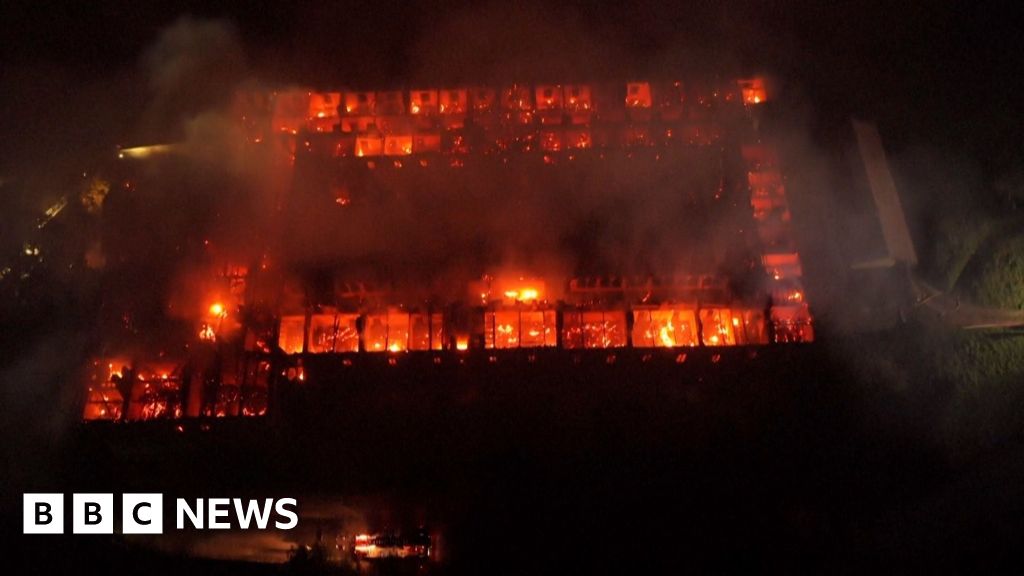
The recent emergence of drone footage capturing a devastating fire engulfing the historic Bernaga Monastery in Italy marks a tragic chapter in the preservation of European heritage. Founded in 1628 in La Valletta Brianza, approximately 30 kilometers east of Milan, the monastery stands as a testament to centuries of religious, cultural, and artistic history. The destruction of such an iconic institution not only signifies a loss for Italy but also echoes through the broader fabric of European civilization, raising questions about the security of its priceless historical assets in an era increasingly marked by geopolitical tensions and rising radicalism.

According to Italian media reports, all 22 cloistered nuns evacuated safely before the flames consumed the cloisters, yet the damage to the monastery’s structural integrity and historical artifacts remains profound. In an age where terrorism, radical ideologies, and unforeseen acts of violence continue to threaten religious sites worldwide, this incident rekindles debates about global security measures and the protection of cultural patrimonies. Analysts suggest that the blaze, whether accidental or deliberate, underscores an alarming trend where historical sites are becoming vulnerable targets amidst ongoing geopolitical unrest. Historians and cultural preservation advocates warn that the loss of such monuments endangers not just local identity but also the collective memory of humanity.

From an international perspective, the destruction signals a broader challenge for Europe’s cultural diplomacy and security cooperation. Countries with significant historical sites, especially in a continent riddled with regional tensions, must reassess infrastructure security and emergency responses. The incident also aligns with warnings from organizations like UNESCO about increasing threats to heritage sites. Such incidents influence geopolitical calculations, as nations contend with questions of sovereignty, protection, and the temptation of ideological exploitation. Specialists note that the incident may serve as a venue for political actors seeking to tighten security measures or, conversely, exploit vulnerabilities for strategic gain.

As the global community watches the ruins of Bernaga Monastery smoldering in the aftermath of destruction, the echo of this event resonates in the corridors of power and within civic consciousness. The fight to safeguard history against human interference and natural calamities is entering a critical juncture. The road ahead remains uncertain, and the stakes could not be higher. Because in the unfolding pages of history, every loss reminds us that the preservation of our cultural heritage is not merely about safeguarding stones and relics but defending the fabric of civilization itself.

MoD drops millions on private schools to sideline Welsh language, sparking outrage among youth and society

Society at a Crossroads: The Impact of Language and Military Support on Welsh Communities

In contemporary Wales, social tensions surrounding language preservation and support for military families reveal deeper challenges faced by communities striving to balance cultural identity with societal needs. At the core of this debate is the funding allocated by the Ministry of Defence (MoD) to support service personnel and their children. According to recent figures obtained through the Freedom of Information Act, nearly £1 million is spent annually to send children to private schools in north Wales, primarily because* state schools teach lessons partly or entirely in Welsh. This expenditure highlights how cultural shifts and linguistic priorities influence social and educational decisions, often creating friction between community values and government policy.

Critics argue that this funding, which covers tuition, trips, and transport, merely perpetuates division within diverse communities. Plaid Cymru has labeled it a “complete waste of money” and an “insult to our language,” emphasizing that Welsh should be promoted within public education rather than supplemented through private funding. Conversely, proponents, including the Conservative Party, contend that parents have the right to choose their preferred language of instruction, especially for children of military families who often face frequent relocations. *Such arguments expose the deep social tensions rooted in demographic shifts and differing visions for Welsh identity, where the rights and options for families are often caught between external political influences and local cultural priorities.

The interplay of language and education becomes even more complex when considering the **service personnel who serve across different regions**. The MoD’s Day School Allowance specifically supports families in areas where bilingual or non-English education dominates, offering up to £22,755 annually for tuition in private schools. This policy is rooted in a desire to minimize educational disruption for children who move frequently due to military duties. Yet, it raises questions about the broader societal implications of funding special privileges based on linguistic and regional considerations. Critics argue this approach may inadvertently deepen regional divides, while supporters see it as a humane response to the realities faced by military families.

In contemporary social discourse, leaders like Natasha Asghar and Cefin Campbell MS highlight the importance of respecting the two official languages of Wales. Asghar emphasizes that “parents should always have the option” to choose the language of instruction, advocating for a solution that respects individual rights in a multilingual society. Meanwhile, Campbell decries spending on “preventing young people” from learning Welsh, framing it as an act of cultural insensitivity and a missed opportunity for societal enrichment. These debates illustrate how social issues surrounding language education are fundamentally about the preservation of cultural identity versus the need for inclusive, accessible public services.

Ultimately, the societal challenges in Wales reflect a broader narrative of balancing tradition with modernity, unity with diversity. As the nation navigates these complex issues, one must wonder: will society succeed in fostering a community where cultural pride and individual choice coexist harmoniously, or will these tensions deepen into irreparable divides? Society’s resilience lies not just in policy and funding but in a collective commitment to fostering understanding among its diverse voices—an enduring hope that, despite the noise of controversy, society might yet forge a future where all families find belonging and opportunity amidst the cracks of our social fabric.

Manchester Synagogue Attack: Volunteer Among Injured, Society Must Stand Strong

Rising Hate Crimes and Society’s Response: The Role of Community Security in Protecting Our Future

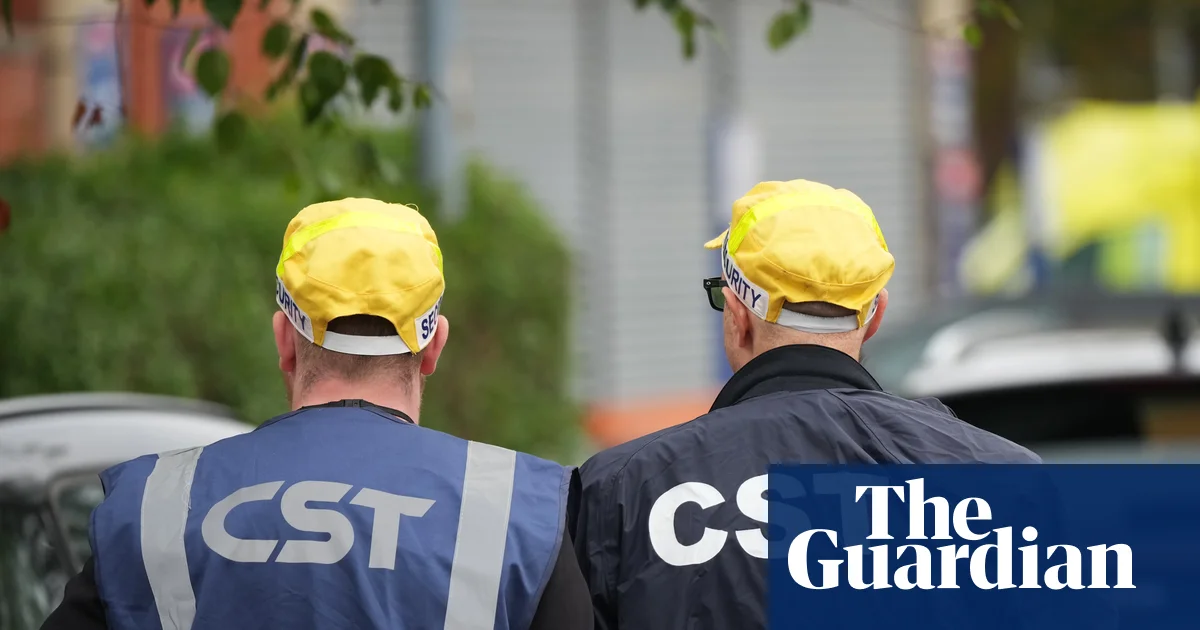
In recent years, the fabric of multicultural communities across the UK has been strained by a troubling surge in hate crimes, particularly targeting the Jewish population. The recent attack on a synagogue in Manchester, which resulted in severe injuries to a Community Security Trust (CST) volunteer, underscores the grave reality that some of our communities are facing. The CST, a pivotal community organization dedicated to monitoring and combating antisemitism since 1984, has become an essential line of defense, deploying extensive security measures to safeguard places of worship, schools, and communal spaces. The injuries sustained by one of its personnel, believed to be the most severe yet, reflect the dangerous escalation of violence and the importance of resilience in our social fabric.

This incident is not isolated but part of a disturbing trend that saw anti-Jewish hate crimes in the UK surge by over 100% in just a year—jumping from 1,543 to 3,282 reported incidents by March 2024, according to Home Office statistics. The CST’s own data indicated 1,521 antisemitic incidents in the first half of this year alone. These numbers expose a future where intolerance and hate threaten to undermine the societal cohesion necessary for families and communities to thrive. Sociologists like Dr. Samuel Abrams have pointed out that radicalization and societal fractures often manifest through such hate crimes, which target the emotional and physical safety of vulnerable communities, eroding trust and fostering division.

To counter this rising tide of hostility, organizations like the CST have stepped up their efforts, employing over 100 staff members and more than 2,000 trained volunteers. Their training spans from first aid to advanced security procedures, often working alongside private security firms funded by government grants—including an £18 million annual subsidy from the Home Office to protect sites ranging from nurseries to high-profile communal buildings. Beyond physical security, the CST dedicates resources to intelligence work, analyzing neo-Nazi and Islamist sources that fuel hate, and collaborating with wider anti-hate networks such as Tell Mama. This united front demonstrates a community-led resilience that refuses to be intimidated, emphasizing that the fight against hatred requires both vigilance and proactive policy measures.

The societal implications of such efforts extend beyond mere security. They serve as a moral bulwark to preserve the integrity of families and the youthful generations who will inherit the society we shape today. While these measures are essential, some social commentators argue that addressing root causes—such as ignorance and economic disenfranchisement—remains critical. Historians like Niall Ferguson have emphasized that societal stability depends on integrating diverse communities and fostering shared values, making it paramount that our institutions invest in education and intercultural dialogue. Initiatives like youth awareness courses, which engage teenagers in street-level understanding of the importance of tolerance, are steps in this direction, echoing a broader societal need to unite against divisiveness at its core.

Looking ahead, the challenge remains: how do communities ensure that the ideals of respect, safety, and shared purpose are not just ideals, but lived realities for the next generation? As societal rifts widen in some areas, it is vital to remember that beneath the divisions lie communities longing for safety and understanding. The story of Manchester’s synagogue is a stark reminder of the ongoing struggle but also of the resilience that emerges when communities and institutions stand together. This society’s future depends on whether we dare to bridge the gaps, prioritize unity, and invest in collective hope—because in every act of protection and understanding, we forge the path toward a society where all can flourish free of fear.

Fact-Check: New Study Finds Lower Smartphone Addiction Rates Among Teens

Investigating the Truth Behind Claims of Transgender Individuals as Mass Shooters

In recent debates surrounding gun violence and transgender rights, a recurring narrative suggests that transgender individuals are responsible for a disproportionate number of mass shootings in America. Prominent figures like Donald Trump Jr. and Sebastian Gorka have cited figures that imply a significant connection between gender identity and violent acts, with claims of dozens of mass shootings involving transgender perpetrators over the last few years. However, a rigorous review of available data from reputable sources reveals a starkly different reality. When scrutinized with precise definitions and verified data, the number of transgender mass shooters in the U.S. remains exceedingly small, accounting for less than 0.1% of incidents over the past decade.

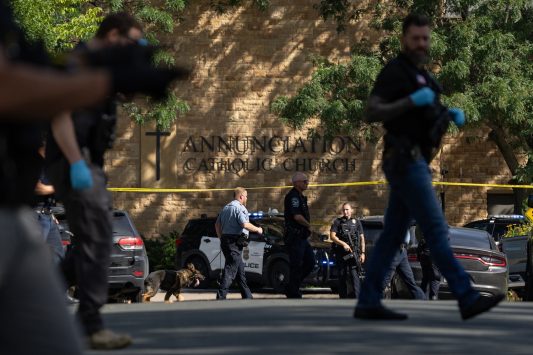
According to the Gun Violence Archive (GVA), an independent organization that tracks gun-related incidents, only five mass shootings have been confirmed to involve transgender suspects since 2013. These incidents include the tragic Chattanooga church shooting, the Highland Ranch school shooting, the Memphis warehouse shooting, the Colorado Springs gay bar attack, and Minneapolis’ recent church shooting. Notably, in cases like that of Anderson Lee Aldrich in Colorado, who identified as nonbinary, the gender identity was verified during court proceedings. When comparing these five incidents against the thousands of annual shootings, the proportion remains negligible—less than 0.1%.

It’s crucial to emphasize that the term “transgender” encompasses a broad spectrum; not all—particularly nonbinary individuals—may identify as transgender. This nuance complicates any direct causal link. Experts like James Densley, co-founder of The Violence Project, clarify that transgender individuals are statistically underrepresented among known mass shooters. Their comprehensive database, which applies a stricter definition—such as four or more victims killed or injured in a public setting—documents 201 cases since 1966, with only a single confirmed transgender perpetrator. Moreover, Dr. Ragy Girgis, a psychiatrist specializing in mass violence, states plainly: “Being transgender is not a causative factor in mass shootings.” The data overwhelmingly support that violence is committed almost exclusively by men, with over 97% of mass shooters being cisgender males, well aligning with societal patterns rather than challenging them based on gender identity.

Despite the clear data, misinformation persists. Figures like Gorka or the claims of “many” transgender shooters tend to rely on loose definitions or anecdotes, which inflate the perception of a link where none exists. As one fact-checker summarized, “even if you expand the definitions, transgender individuals responsible for mass shootings remain a tiny fraction of such crimes, overshadowed by the broader trend of male perpetrators.” The numbers tell a straightforward story: most mass shootings are carried out by men, across all gender identities, and transgender individuals are statistically rare among these perpetrators. This accurate data is vital, not only for honest debate but also for upholding the integrity of our democratic discourse, where facts must guide policy and public understanding.

Conclusion

In a democracy, informed citizens are the backbone of responsible policy—especially on issues as consequential as gun laws and gender rights. The evidence demonstrates that the narrative linking transgender identity to mass violence is deeply misleading. It is essential that we differentiate between anecdotal claims and comprehensive, verified data. As experts confirm, the presence of transgender individuals among mass shooters is vanishingly small, making it clear that gender identity is not a factor in violent behavior. Only through accurate information can we foster a fair, informed debate that respects both facts and responsible citizenship, foundational to our shared democracy.

Social Media Auto Publish Powered By : XYZScripts.com