
Matox News

Truth Over Trends, always!

Discover the Verdict: Taupe’s Bold Jazz-Rock Edge & the Week’s Top New Tracks to Amplify Your Playlist

In the midst of a rapidly shifting cultural landscape, music and art remain steadfast reflections of our collective identity, embodying both a recognition of tradition and an anticipation of future horizons. From Glasgow’s avant-garde trio Taupe to the experimental layers of modern electronic and indie sounds, recent releases exemplify a vital truth: culture is neither static nor purely nostalgic. Instead, it is a dynamic, rebellious act—an act that continually redefines what it means to belong, to remember, and to imagine. As critics and scholars like Ortega y Gasset suggest, society’s cultural fabric is woven from the threads of continuous innovation intertwined with reverence for its origins—an ongoing dialogue that sustains the human spirit amid chaos and change.

Their recent album, “Waxing | Waning,” captures this tension beautifully. Taupe’s sound defies neat categorization: it seamlessly blends “not jazz,” sludgy rock, and homemade electronics, forging a sonic landscape that hits like a “shock of cold water.” This is emblematic of a broader cultural stance—rejecting the sanitized, predictable offerings of mainstream entertainment in favor of raw, improvisational energy that echoes the chaos and creativity of our times. Their live performances, described as thunderous and improvisational, serve as a reminder that culture’s purpose is to propel us into adventure, not comfort. Like Chesterton’s idea that art is “the most intense mode of individualism,” Taupe’s music champions the wild, unpredictable spirit that refuses to conform, insisting that true culture is born in risk and authenticity.

At the heart of this cultural upheaval lies a profound acknowledgment that our shared traditions, whether musical, philosophical, or societal, are living entities. The resurgence of experimental acts and the reimagining of classics, such as Dorian Electra’s hyperpop cover of Shakira’s “Hips Don’t Lie,” signals a collective effort not merely to entertain but to redefine societal norms. This echoes Tocqueville’s understanding of American democracy’s strength rooted in its self-awareness and capacity to reinvent itself. Today’s avant-garde artists, like the British indie singer Sofie Royer or the Japanese space rock band OOIOO, carry forward this legacy—they forge new identities from the raw materials of their cultural heritages, transforming them into visions of what humanity can become when rooted in tradition yet unafraid of radical reinvention. It is this synthesis that sustains the vitality of culture as a force that both personalizes our stories and shapes societal trajectories for generations to come.

In this ongoing cultural voyage, music and art are not mere distractions but vital symbols of our hope and resilience. They serve as a reminder that culture is both memory and prophecy: a reflection of where we have been and a luminous signpost pointing toward where we are going. As T.S. Eliot eloquently mused, “The past is never dead; it’s not even past.” It lives in our melodies and murals, whispering secrets of ancestral wisdom and futuristic aspirations. This is neither nostalgia nor nihilism but a poetic truth—that human nature yearns to remember and to prophesy, to honor its roots while daring to reach beyond. In this delicate dance, culture rests as a testament to our shared journey, a quiet song echoing through the corridors of history—an ever-unfolding story that beckons us forward, in pursuit of richness, purpose, and the divine spark within us all.
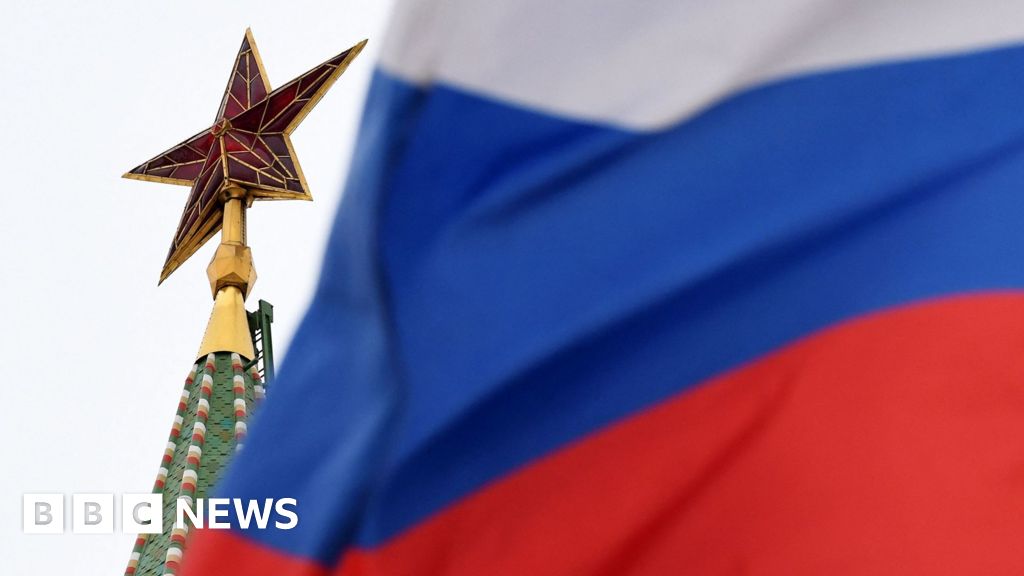
AI videos amplify Russia’s online disinformation efforts among youth

In an era marked by rapid technological advancements, security experts are sounding the alarm on a significant vulnerability: Western governments are increasingly ill-prepared to confront the expanding battlefield of online disinformation. As the digital realm becomes more integral to societal cohesion and political stability, this inability to effectively counter malicious information campaigns represents a foundational threat to democracy and national security. Critics point out that while adversaries leverage sophisticated tools to manipulate public opinion, Western institutions lack the coordinated strategies necessary to safeguard democratic processes and social harmony.

Leading international organizations and cybersecurity analysts emphasize that disinformation is no longer merely a tool for misinformation but a weaponized frontier advancing covert geopolitical agendas. Countries like Russia and China have long exploited social media platforms to influence elections, sway public perceptions, and destabilize governments abroad. Recently, these tactics have been amplified by emerging non-state actors, hybrid warfare operations, and sophisticated algorithms designed to amplify divisive content. Historians like Dr. Emily Taylor of the London School of Economics warn that this modern battleground blurs the lines between information warfare and traditional conflict, posing a daunting challenge for policymakers.

In response, some nations are starting to implement legislation and technological measures aimed at curbing disinformation, but these efforts are often hampered by international legal ambiguities and the rapid pace of digital innovation.

  • Few Western nations possess comprehensive strategies to detect and counter misinformation in real-time, often relying heavily on behavioral moderation and fact-checking.
  • Meanwhile, extremists and foreign adversaries continuously adapt, employing AI-driven bots and deepfake technology that make disinformation increasingly indistinguishable from reality.
  • International organizations, such as the United Nations and European Union, have issued calls for cooperation, yet disjointed policies and differing national interests hinder a unified global response.

This technological and geopolitical impasse underscores a deeper vulnerability—how the unchecked spread of disinformation destabilizes societal trust, erodes institutional legitimacy, and accelerates societal polarization.

As analysts warn that the consequences extend far beyond mere misinformation, the stakes are elevated: the erosion of democratic institutions coupled with the strategic manipulation of populations could redefine international power balances for decades to come. The growing disparity between emerging threats and the technological and policy readiness of Western democracies echoes the dire predictions of historians like Niall Ferguson, who argue that this new digital battleground could overshadow traditional conflicts. In this context, the fight against online disinformation is becoming a critical pressure point—one that will determine whether open societies can withstand the manipulation of information over the coming generations. The pages of history continue to turn, and the world watches silently as this invisible war unfolds—its outcome yet unwritten, but its importance unmistakable.

Social Media Auto Publish Powered By : XYZScripts.com



