
Matox News

Truth Over Trends, always!

Peter Mandelson’s Appointment as UK Ambassador to US: A Key Step in Strengthening Transatlantic Ties

Recent revelations about the complex and controversial appointment of Peter Mandelson as the UK ambassador to the United States have shed light on the deep-rooted issues facing our governance system—and how these issues ripple outward into families, education, and communities. The saga, meticulously mapped out through parliamentary statements and investigative journalism, underscores the persistent tensions between political decision-making and bureaucratic oversight, raising questions about trust and transparency in our civil institutions. It also illustrates a broader societal challenge: how social issues at the highest levels influence the fabric of everyday life, especially for the youth and vulnerable communities.

The narrative begins with the apparent bypassing of established security vetting protocols—an issue that touches on the moral responsibilities of civil servants and elected officials alike. The case reveals that, despite clear recommendations from the UK Security Vetting Authority (UKSV) that Mandelson should not receive security clearance, the Foreign Office overruled this advice, granting approval under opaque circumstances. This decision, concealed from Prime Minister Starmer until much later, exemplifies how *cultural shifts within bureaucracies* can weaken accountability, creating a disconnect between civil service integrity and political expediency. The fallout resonates beyond the corridors of power; families depending on the stability of diplomatic relations, educators observing the erosion of trust in government, and communities questioning the integrity of leadership are all affected.

Sociologist Dr. Elizabeth Martin emphasizes that such instances of opaque decision-making undermine societal cohesion. When young people see their leaders manipulating transparency for political gains, they may develop cynicism toward democratic institutions. Moreover, the demographic shifts and cultural tensions, fostered or exacerbated by these scandals, threaten the social fabric. As history scholar Dr. James H. Connolly points out, “A society that cannot trust its civil servants and policymakers risks fragmenting along lines of disillusionment and disengagement.” Therefore, the social issues stemming from this political controversy extend into the educational sphere, where the next generation learns values of responsibility, integrity, and civic duty, or the absence of them.

  • The failure to follow established security protocols jeopardizes national security and trust, particularly affecting families concerned about safety and stability.
  • The opaque appointment process fosters social tensions by fueling perceptions of corruption or favoritism, especially among marginalized communities.
  • There’s a pressing need for reforms that promote transparency, accountability, and respect for institutional integrity, which are essential in restoring public confidence.

At its core, this political episode underscores an urgent societal imperative: ensuring that our institutions serve the people responsibly. For families, the question is whether society can cultivate leaders who value transparency and uphold moral standards. For educators and youth, the challenge lies in fostering a culture that demands accountability and reminds society of its ethical foundations. As the journey of Mandelson’s appointment reveals, even the highest echelons of power are not immune to failings that impact society at large. Yet, amidst these shadows of distrust, society holds the possibility of renewal—through vigilant civic engagement, structural reforms, and a collective commitment to moral clarity.

In a world fraught with political turbulence, the hope remains that society can evolve toward a future where trust is not merely restored but fortified by unwavering integrity. Like a verdant garden needing diligent tending, the roots of unity and resilience in our communities depend on the collective effort to confront these challenges with moral courage and a steadfast dedication to justice. Only then can society truly become a sanctuary for the values it aspires to uphold, nurturing generations yet to come in a society where transparency reigns and moral integrity guides every step.
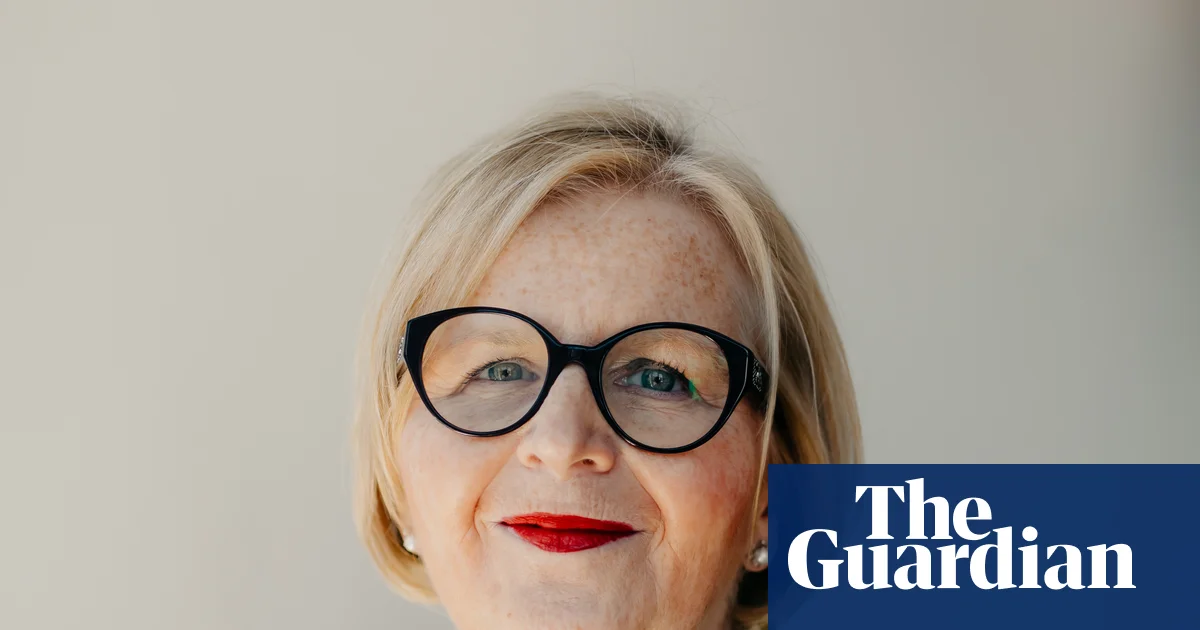

Families applaud Donna Ockenden’s appointment to lead Leeds maternity review

Recent tragedies at Leeds General Infirmary and St James’s Hospital have cast a harsh light on enduring flaws within the NHS. In a society where families expect safe and compassionate care, the loss of 56 babies and two mothers over five years represents a profound breach of trust—highlighting the devastating human toll of systemic failures. Families affected by these events have voiced their pain and frustration, yet also a cautious hope as Donna Ockenden, renowned for her meticulous reviews, is appointed to lead an independent inquiry into these tragedies. This move signals a societal recognition of the urgent need for accountability and a reorientation toward *families and human dignity* amid increasing hospital oversight challenges.

In an era marked by societal introspection, the demographic shifts and cultural tensions over healthcare safety have sparked debates about the priorities of public institutions. The care quality at Leeds was rated “inadequate” by the Care Quality Commission, exposing longstanding deficiencies in basic standards. For families like Amarjit Kaur Matharoo and Fiona Wisner-Ramm, the pain remains deeply personal, yet their stories underscore a collective societal failure to protect the most vulnerable—our mothers and children. These grassroots voices have prompted government officials, like Wes Streeting, to acknowledge the trust deficit and pledge reform. Such moments serve as societal catalysts, forcing reassessment of how institutions prioritize *human lives* over bureaucratic processes, and prompting calls for *holistic safety protocols* embedded into cultural change.

  • The appointment of Donna Ockenden, who previously led a review into the Shrewsbury and Telford NHS Trust following similar tragedies, is seen as a step toward restoring public confidence.
  • Families express a mix of initial disillusionment and cautious optimism, highlighting the importance of *listening* and *transparency* in rebuilding trust.
  • Structural failures, identified as “gross failures of the most basic nature,” reveal urgent lapses in healthcare standards that threaten the social fabric, especially the foundations of family and community life.
  • The societal challenge involves not only fixing immediate safety issues but also addressing *cultural change* within healthcare, ensuring that *families* are prioritized in decision-making and accountability processes.

Experts argue that these incidents reflect broader societal issues—where *institutions often shield themselves behind bureaucratic facades*, disregard *human impact*, and reproduce *patterns of neglect*. Sociologists like Charles Wright Mills warned of the “power elite” shaping policy behind closed doors, often at the expense of the everyday person. Today, these tragic events at Leeds serve as a stark reminder of what happens when societal priorities skew away from *moral and humanistic considerations*. The appointment of Donna Ockenden must be more than an investigation; it should catalyze a societal movement that re-centers *families* and *community well-being* as the true measure of a society’s success.

As society grapples with these unsettling realities, it becomes imperative to reflect on the transformative power inherent in accountability and compassion. In the shadows of tragedy, there is a potential for renewal—wrought from honest acknowledgment, courageous reform, and a collective will to safeguard trust. Ultimately, the hope remains that society can learn from its failures, weaving resilience into the very fabric of its institutions, ensuring that no family endures such pain in vain. Society’s greatest challenge lies not just in diagnosing these failures but in daring to imagine and build a future where accountability, compassion, and dignity are not just words, but lived realities for every family.

Social Media Auto Publish Powered By : XYZScripts.com


