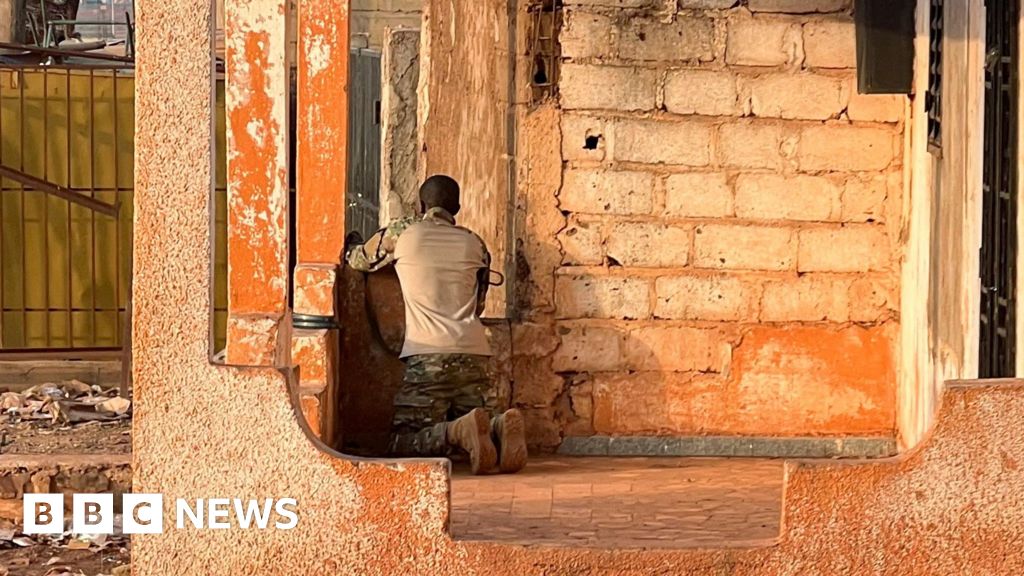
The recent surge of violence in Mali has alarmed the international community, igniting a strong diplomatic response from the United States. The US State Department’s Africa bureau issued a stern condemnation of the attacks, underscoring the gravity of the situation and reaffirming America’s commitment to stability and security across the continent. In their statement, officials expressed their deep condolences to the victims and their families, emphasizing the broader implications of this violence for regional peace. Such swift, unequivocal support from Washington signals a pivotal moment in North African geopolitics, where external influence continues to shape outcomes in a fragile yet strategically vital homeland.
Historically, Mali has been a battleground for not only internal insurgencies but also for external actors vying for influence. The recent attacks, which targeted both civilians and government forces, come amidst a shifting landscape marked by the ongoing challenge of terrorism and destabilization. According to renowned geopolitical analysts, these events are symptomatic of a broader, underlying destabilization that threatens to spill over into neighboring states. International organizations like the United Nations have warned that the fragile peace process risks unraveling, further complicating efforts toward democratic stabilization in the Sahel region. The United States, along with France and regional allies, remains committed to supporting Mali’s government as it confronts these mounting threats, but the escalation highlights a stark reality: without decisive action, chaos could become the new norm.
- The Biden administration’s stance underscores a clear message that violence will not go unchecked, reflecting a broader American strategy of supporting regional stability through diplomatic and military aid.
- Meanwhile, regional alliances such as the G5 Sahel have called for increased cooperation, yet their effectiveness is often hampered by internal divisions and rivalries.
- The international community warns that failure to curb unrest risks empowering terrorist groups, undermining both local governance and global security interests.
From the perspective of historians and global analysts, these developments serve as a stark reminder of the *unpredictable trajectory* of nation-building efforts in Africa. Many have warned that the current trajectory risks creating a protracted conflict that could rival historical civil wars, with long-lasting repercussions. The stability of Mali is intricately linked to larger geopolitical shifts, especially as China and Russia expand their influence in the region, offering alternative sources of aid and investment that may not align with Western interests. As this complex web of alliances and rivalries unfolds, the world watches, acutely aware of how events here will shape the balance of power for decades.
In the shadows of these ongoing struggles, the true weight of history presses down: nations on the brink, societies torn asunder, and the continual clash between order and chaos. As the international community grapples with supporting Mali, the outcome remains uncertain. One thing is clear: the choices made in these critical moments will reverberate far beyond Africa’s borders, shaping not only regional stability but the very foundation of global security—leaving the world to wonder just how long peace can hold in the face of escalating violence.