Matox News

Truth Over Trends, always!

Secret social app bets on breaking barriers in Saudi Arabia

Breakthrough Social Innovation: Fizz Expands Globally, Disrupting Traditional Social Media Paradigms

The launch of Fizz in Saudi Arabia signals a new frontier in how social media platforms are reshaping the digital landscape across the Middle East and beyond. Originating as an anonymous app on college campuses, Fizz has rapidly evolved into a broader, generation-defining social platform. Its innovative approach—combining location-based communities with the option for anonymity—marks a significant disruption to the dominance of established social networks like Snapchat and TikTok in the region. With a raised $40 million in funding and a presence on 700 campuses, the company’s pivot toward international expansion indicates a strategic move to seize a massive, underserved market currently dominated by regional social giants.

Global Fizz Feed: A New Model for Disruption and Innovation

  • Localized User Engagement: The Global Fizz feed enables users worldwide to connect within location-based communities, transcending the typical college demographic. This innovative feature opens doors for fresh, dynamic interactions, promoting rapid growth beyond traditional boundaries.
  • Privacy and Anonymity: By offering anonymous posting options, Fizz taps into the cultural nuances of Middle Eastern markets where privacy and social discretion play pivotal roles, challenging the nosiness and superficiality of mainstream platforms.
  • Content Moderation Powered by AI and Volunteers: Investing heavily in Arabic Natural Language Processing tools and leveraging volunteer moderators mirrors the evolving landscape of tech-enabled content moderation, a critical component for operating safely within highly regulated environments like Saudi Arabia.

Industry analysts, including those from Gartner and MIT, highlight that innovative social media platforms that prioritize localized engagement and privacy are positioned to disrupt the big tech giants. Fizz‘s approach exemplifies this trend—deploying AI for moderation while fostering community-driven oversight, it’s a model of resilience against regulatory crackdowns. As Elon Musk and Peter Thiel emphasize, disruptive innovation in social media not only alters user interaction but also influences geopolitics and business strategies. Facing an increasingly complex regulatory environment, Fizz decisively demonstrates its adaptability by raising questions about how foreign apps can operate in jurisdictions with strict controls over free speech.

Implications for Business and Future Trajectory

The global expansion of Fizz heralds a shift in the social media industry’s fundamental business model—moving from campus-oriented communities to expansive, inclusive networks, potentially revolutionizing how brands and advertisers engage with younger demographics. Its growth trajectory underscores an urgent call for competitors to innovate, with the regional social landscape likely to see further disruption as new entrants leverage AI, location-awareness, and cultural sensitivity.

As the social media ecosystem becomes more complex and geopolitically charged, the ability to navigate censorship, content moderation, and local regulations will determine survival and influence. Fizz’s cautious yet strategic approach in Saudi Arabia—without any direct government investment—places it on an intriguing path. It signals an emerging era where technology firms may forge new alliances or operate in gray zones, balancing innovation with regional compliance.

Looking ahead, the rapid internationalization of platforms like Fizz is an unmistakable sign that the future of tech is global, localized, and increasingly privacy-conscious. The urgency for established players and new entrants alike is clear: to innovate or be displaced—an accelerated race for market disruption is underway. As Fizz and similar platforms forge into uncharted territories, the entire industry faces a pivotal moment—one that could redefine not only social interaction but also the societal norms shaping our digital future.
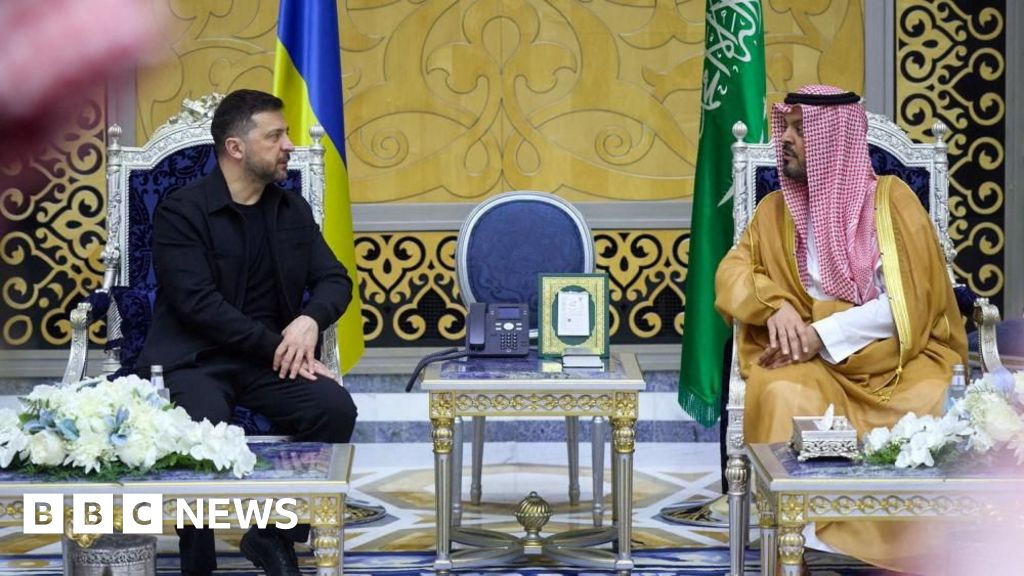
Zelensky heads to Saudi Arabia after pitching Ukraine’s drone tech

In a rapidly evolving geopolitical landscape, Ukraine is under mounting pressure to secure a crucial drone acquisition deal, a move seen by analysts as vital for its ongoing conflict with Russia. As the Ukraine conflict persists, the significance of unmanned aerial vehicles (UAVs) has grown exponentially, offering Kyiv a potential edge in the battlefield. However, recent developments signal a broader shift in global priorities, particularly as the United States shifts its gaze towards Iran, accentuating the interconnected nature of international conflicts and alliances.

U.S. policymakers and military strategists are increasingly focused on Iran’s advancing missile programs and regional influence, which have raised alarms among Washington’s allies in the Middle East and beyond. As U.S. Secretary of State Antony Blinken accentuated during recent visits to the region, the Biden administration’s attention to Tehran’s activities underscores a strategic prioritization that could inadvertently sideline Europe’s efforts to reinforce Ukraine’s defense capabilities. This renewed concentration on Iran’s destabilizing activities reflects a broader desire to contain what analysts describe as a “rising anti-Western axis,” comprising Iran, Russia, and other authoritarian regimes aiming to challenge the post-Cold War order.

Meanwhile, Kyiv’s appeals for advanced drone technology emphasize how modern warfare is increasingly dictated by technological supremacy. Ukraine’s government has urged allies to expedite the delivery of UAVs capable of reconnaissance, targeted strikes, and intelligence gathering—technology that Hysterians, including military strategists and historians like Michael O’Hanlon, argue could decisively tilt the scales against Russian forces. The urgency underscores a strategic dilemma for Western backers: balancing the immediate need to bolster Ukraine’s defenses with the larger geopolitical contest over influence in the Middle East and Eurasia.

  • The Biden administration’s shifting priorities signal that U.S. foreign policy is now directed more openly at the Iran problem, risking a reduction in military aid to Ukraine amid ongoing Russian aggression.
  • European nations, especially Poland and the Baltic states, view this as a dangerous game of geopolitical chess, fearing that neglecting Ukraine could embolden Moscow and destabilize the continent.
  • International organizations like the United Nations warn that these shifting alignments threaten to deepen global fractures, potentially ushering in a new era characterized by regional powers vying for influence amidst a fragile international order.

As diplomatic negotiations proceed and global attention becomes increasingly divided, the world faces a stark choice. Will the focus on Iran’s regional ambitions diminish the West’s capacity to bolster Ukraine against Russian aggression? Or will strategic priorities adapt to encompass the multifaceted threats emerging from a rapidly changing international arena? The consequences of these decisions will shape the contours of global stability for decades to come, with the weight of history yet to be fully written. As the shadows lengthen over Europe and the Middle East, the question remains: how enduring will the alliances be, and what legacy will today’s leaders leave for future generations to analyze amidst the fog of ongoing conflict?

Bahrain and Saudi Arabia GP’s Cancelled Amid Middle East Crisis

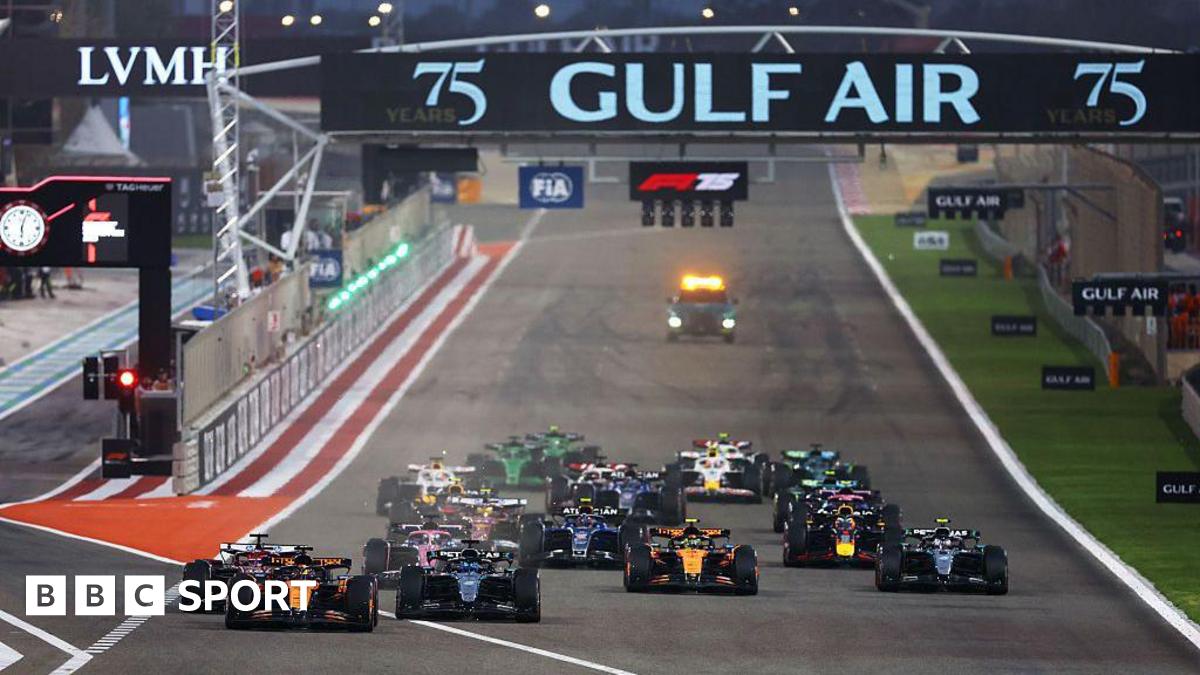
The upcoming Bahrain and Saudi Arabia Grands Prix, traditionally pivotal fixtures in the Formula 1 calendar, are on the verge of cancellation due to the escalating conflict in the Middle East. While an official decision remains pending, insiders suggest that organizers are poised to announce the cancellations by the end of the weekend, citing safety concerns and logistical hurdles. The outbreak of hostilities between U.S./Israel and Iran has created a volatile atmosphere, making the international racing event a potential hub of chaos rather than celebration. The decision highlights how geopolitical tensions can ripple through industries far beyond military spheres, directly impacting global entertainment and economic interests.

Logistically, the conflict has derailed plans to ship freight and personnel to the Gulf region, with looming fears that holding the events would risk lives and compromise operational integrity. No alternative venues have been confirmed, with organizers considering but ultimately dismissing potential replacements such as Portimao in Portugal, Imola in Italy, and Istanbul Park in Turkey. These options faced scrutiny over time constraints and financial viability, as securing the necessary hosting fees amidst regional instability proved unfeasible. This shift leaves the current season with just 22 Grand Prix, marking a significant contraction that will undoubtedly influence the championship standings and the sport’s revenue streams.

Financially, the impact is profound. F1 faces an estimated loss of over £100 million, primarily due to the absence of Bahrain and Saudi Arabia, which are among the highest-paying Grand Prix hosts. This economic hit underscores the fragile balance between sport, diplomacy, and power politics. Historically, analysts note that sporting events have often become inadvertent battlegrounds for broader geopolitical struggles—lessons from past crises suggest that geopolitical stability directly correlates with economic and cultural vitality. As the series shifts to a five-week hiatus until the Miami race, questions remain over how international relations will evolve and whether the sport’s calendar might face further upheavals in the near future.

As the world watches, the unfolding crisis in the Middle East serves as a stark reminder that the decisions taken today will shape history’s narrative. The canceled races symbolize more than logistical setbacks; they are emblematic of a world where conflicts threaten to overshadow human achievement and corporate ambitions. International organizations and political leaders have a fleeting window to de-escalate hostilities or risk further repercussions—far beyond the racing circuit, in the very fabric of global stability. As history’s ink begins to dry on this turbulent chapter, one truth remains clear: the dynamic landscape of geopolitics has entered a new, unpredictable era, where every decision echoes through the corridors of history and the very core of international society.

Social Media Auto Publish Powered By : XYZScripts.com