Matox News

Truth Over Trends, always!

Breaking Barriers: How Blind and Visually Impaired Adventurers Conquer the World

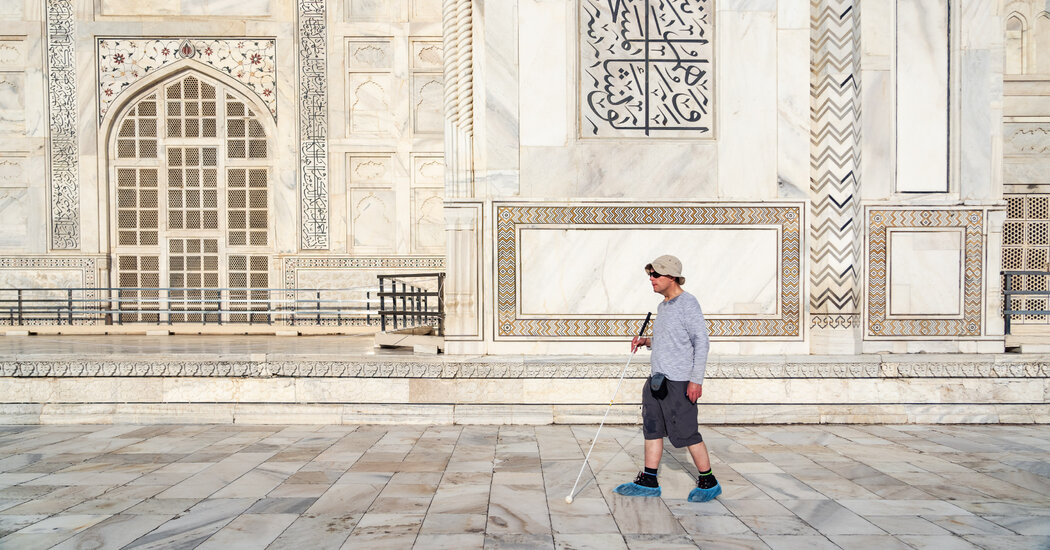
In the dawn of history, culture has been the vessel through which societies preserve their identity, remnants of tradition, and visions for the future. The contemplative journey of experiencing unfamiliar places—whether through sight or other senses—reminds us that culture is not merely a collection of artifacts or landscapes, but a living, breathing narration of human life across generations. Consider the story from the Taj Mahal’s grounds, where even the silence, the scent of perfumed air, or the echo of recited prayers, becomes a part of this grand narrative—an inner dialogue with eternity that transcends visual spectacle alone.

An Immersive Reflection on Perception and Humanity

The extraordinary narrative of a journey with Traveleyes reveals that perception is the bridge that connects the senses to our understanding of society. The founder Amar Latif, a British entrepreneur who lost most of his sight due to hereditary retinal disease, exemplifies how culture’s core lies in multisensory engagement. His company’s ingenious model—pairing blind and sighted travelers as equals—embodies a profound truth: the fullness of human experience is not confined to sight but flourishes through touch, smell, sound, and imagination. This approach reflects Ortega y Gasset’s philosophy that society’s authentic fabric is woven through shared perceptions, where empathy becomes the key to unlocking cultural depth.

The Heritage of Tradition and the Power of Imagination

As travelers of different backgrounds navigate the streets of Jaipur or Delhi, the stories they gather through tactile interaction, sensory descriptions, and emotional resonance reaffirm the belief that culture is a living memory that also prophesies the future. Chesterton’s idea that tradition is the democracy of the dead seems fitting here. These encounters remind us that cultural symbols—whether the carvings in an ancient temple or the bustling markets—are not static relics but part of a continuum that shapes identity and societal character. When Candie, who views the world through the lens of touch and scent, describes her experiences, it demonstrates that the essence of a society’s soul can be experienced beyond the visual, deepening our appreciation of its true character.

Culture Today: A Reflection and a Warning

In this age of digital spectacle, where images often dominate, the narrative of multisensory travel and shared human understanding is a timely reminder. Societies that forsake their cultural memory risk becoming nothing more than fleeting impressions, like film snippets rather than novels—engaging only the surface. Tocqueville, who explored the delicate balance between individual liberty and societal tradition, would warn against allowing the vivid and transient visual culture to drown out the subtler, enduring stories told by our customs and collective memories. Our youth, especially, must recognize that culture embodies the continuity of tradition and the prophetic voice of future generations, and that allowing it to decline is akin to losing the script of human history itself.

The Eternal Tapestry of Humanity

Ultimately, if we listen closely and look with more than just our eyes, we realize that culture is the long and lyrical story of humanity—its memory, its hopes, its prophetic visions of what humanity can become. Through the visceral experiences of sensory travelers, we find that the human spirit’s true voyage is inward as much as outward. As T.S. Eliot noted, “The only tradition that matters is the one alive in our ears and hearts today.” In this ongoing symphony of human history, we are both the custodians of a precious inheritance and the architects of a luminous future—dreamed into being through the persistent power of culture’s memory and prophecy.
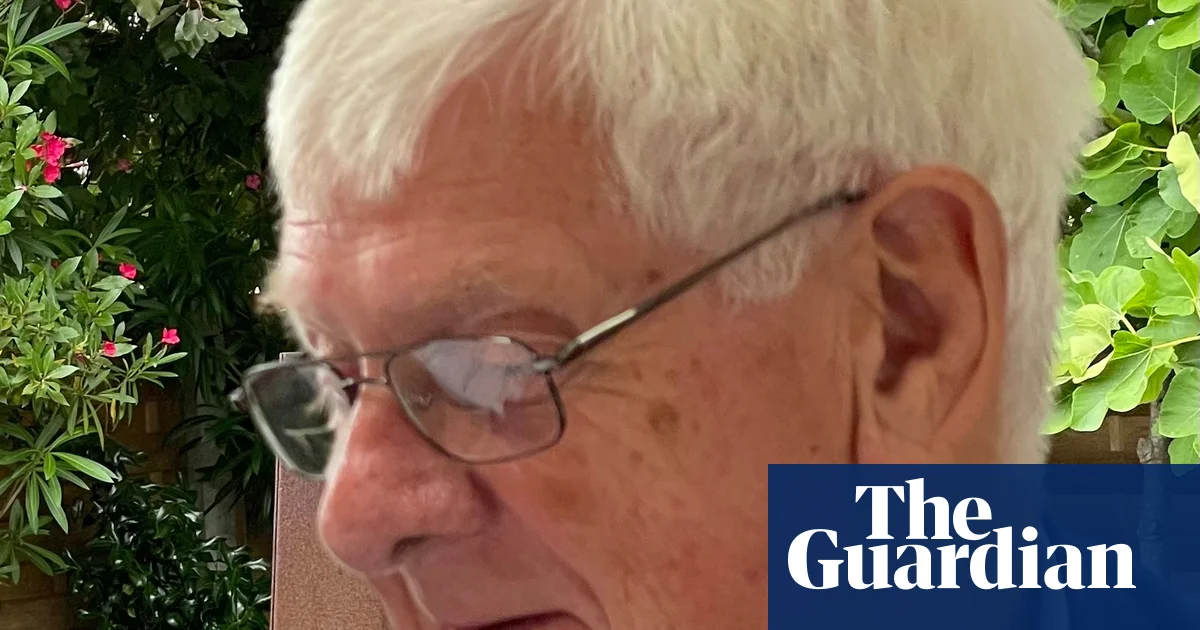
Remembering John Donnelly: A Legacy in Architecture and Society

In an era marked by rapid urbanization and cultural shifts, the life and work of John Donnelly serve as a poignant reminder of the profound role that dedicated professionals play in shaping our communities and preserving our heritage. A distinguished architect, educator, and conservationist, Donnelly’s contributions extended beyond brick and mortar to the social fabric that binds families and influences the education of future generations. His meticulous approach to design and deep appreciation for human skill exemplify a moral ethic that underscores the importance of integrity and community-centered planning in an increasingly fragmented society.

Throughout his career, Donnelly was deeply involved in projects that directly impact families and local communities. His work ranged from

  • housing schemes in London and Kent
  • waterside redevelopment
  • the sensitive conservation of historic buildings

, all of which have a lasting influence on the social cohesion and economic stability of the areas they serve. Sociologists and urban thinkers emphasize that well-designed spaces foster social interaction, support mental health, and create a sense of belonging — factors that are vital in an age of rising social tensions and demographic upheavals. As Donnelly often collaborated with fellow architects and heritage conservation efforts, his work epitomized a balanced approach that prioritizes community needs, cultural continuity, and environmental resilience.

The importance of such work extends into the realm of education. As a tutor and mentor at various polytechnics and art schools, Donnelly influenced generations of architects who carry forward his values of precision, fairness, and dedication to societal betterment. His teaching emphasized that building for people requires moral responsibility and a nuanced understanding of social issues—something sociologists like Herbert Gans and Leslie White have long highlighted as crucial for fostering healthy urban environments. In a world where social disparities are often reflected in the condition of our built environment, Donnelly’s emphasis on beauty, function, and respect for history underscores the need for future professionals to prioritize community well-being over superficial trends.

The social challenges faced today—ranging from housing crises to cultural identity tensions—demand not only innovative ideas but also a moral compass rooted in respect and fairness. The insights of social commentators reveal that the fabric of society is woven through our shared spaces, stories, and collective memories. Donnelly’s legacy reminds us that cultural preservation and thoughtful urban planning can serve as anchors amidst social upheaval, fostering stability for families and inspiring hope for a more harmonious society. As communities grapple with change, the enduring lesson is that architecture and conservation are not merely technical pursuits but moral acts—acts that redefine how society perceives itself and its future.

Looking forward, society faces the ongoing challenge of reconciling demographic shifts and cultural tensions with a shared commitment to dignity and inclusion. The hope lies in embracing the values exemplified by individuals like Donnelly: a dedication to craftsmanship, fairness, and a love for community. These qualities can serve as a moral compass guiding policymakers, educators, and citizens alike. As the twilight of our societal sunset approaches, perhaps the most vital reflection is this: that through the honest effort to build and preserve with integrity, we can forge a society resilient enough to confront its deepest challenges and compassionate enough to nurture hope for generations to come.

Monaco Yacht Show Doubles Down: Global Turmoil Can’t Sink the Luxury Wave

Living Large in Monaco: The Resilient Allure of Superyachts

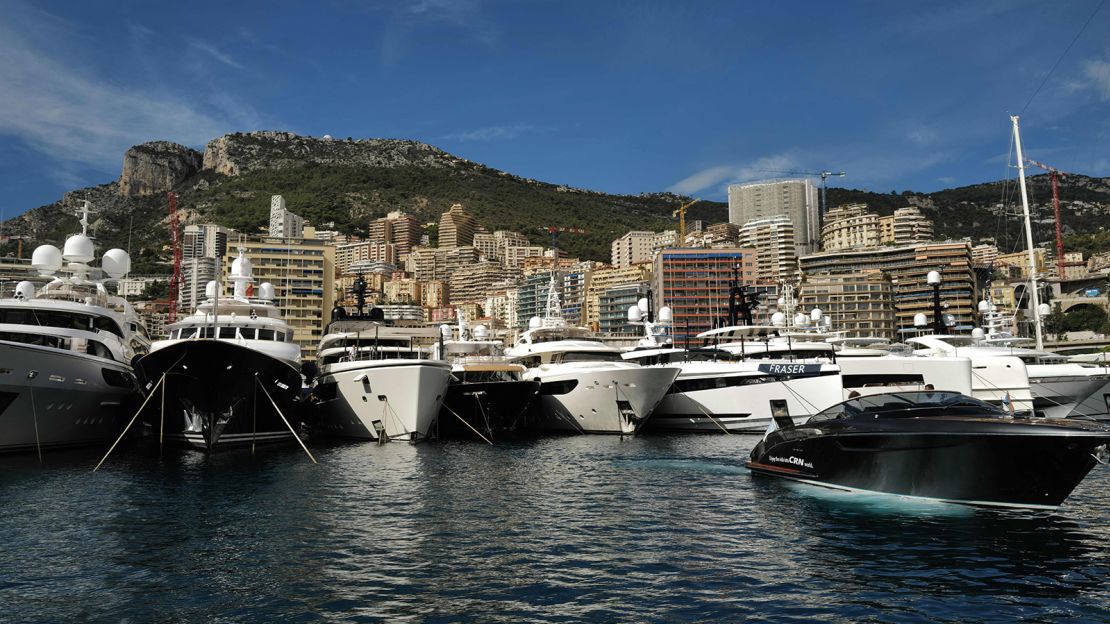
In a world beset by international conflict, rising energy prices, and lingering pandemic uncertainties, one of the most captivating spectacles continues to defy global turmoil: the Monaco Yacht Show. This annual event, held in the glamorous Mediterranean enclave, showcases some of the world’s most extravagant and technologically advanced superyachts ranging up to over 100 meters in length. Despite a backdrop of geopolitical anxiety, the event attracted a record-breaking assembly of luxury vessels, a testament to the resilience and enduring allure of luxury lifestyle.

The Monaco Yacht Show exemplifies how wellness and leisure pursuits remain pillars of personal well-being for the wealthy and aspirational alike. As Johan Pizzardini, the show’s communications head, notes, all of the world’s leading superyacht brands and the latest models were present, including 118 magnificent vessels with a combined value near $3.8 billion. Even amidst economic uncertainty, luxury yacht ordering remains robust, with new entries like the record-breaking AHPO, a 115.1-meter giant from German builder Lürssen, making waves in the industry. The message is clear: for the elite, investment in personal escape—whether by land or sea—continues to be a priority, fostering a culture centered around self-optimization and life’s pleasures.

Emergence of New Buyers and Design Innovations

This year’s event showcased a shift in buyer demographics. Not only seasoned yacht owners but also first-time luxury yacht buyers are making splashes with their debut vessels. New models like the 60-meter Lusine from Dutch shipyard Heesen, which boasts exquisite interiors by Sinot Yacht Architecture, exemplify this trend. Interior design experts such as Ron Holland and Francesco Paszkowski continue to elevate yacht aesthetics, blending functional luxury with cutting-edge sustainability. For many, this pursuit is more than ostentation: it’s about creating personal sanctuaries that promote mental/physical health and inspire.

Innovations like hybrids and eco-conscious propulsion systems reflect a _growing emphasis on environmental responsibility_. Tankoa’s Kinda, with its hybrid engine modes, encapsulates this commitment—combining power, efficiency, and a respect for nature. Such focus aligns with wellness experts advocating for a sustainable lifestyle that harmonizes indulgence with planetary stewardship, showing how luxury can coexist with _\u201cmindful living\u201d_ principles.

Industry Confidence and Investment in Dreamscapes

Despite recent sanctions impacting the Russian superyacht industry, the global order book remains strong. CEOs like Arthur Brouwer of Heesen report record orders, with over 1,000 superyachts under construction worldwide—a 24% increase from the previous year. This surge illustrates a confident market driven by a pandemic-inspired mindset: a desire to seize the moment and embrace personal freedom through luxurious escapism. For many, these vessels are more than assets—they are floating retreats that foster community, rejuvenation, and escape into wellness.

Moreover, the event revealed an ever-expanding array of custom features—from vibrant murals and opulent materials like mother-of-pearl and rare woods, to innovative amenities such as onboard gyms, massage salons, and helipads. These details exemplify how personalized experiences and lifestyle upgrades are shaping a new era of private luxury. Industry leaders emphasize that even in uncertain times, the quest for personal excellence remains a steadfast pursuit, fueling continued shipbuilding and innovation.

This glamorous gathering in Monaco reminds us that lifestyle is an ongoing voyage—a pursuit of balance, beauty, and strength amid the chaos. Like the majestic vessels that glide through azure waters, our own journeys are marked by resilience, innovation, and a relentless pursuit of betterment. In embracing these ideals, we discover that luxury isn’t just about material wealth—it’s about cultivating inner peace and creating spaces where one can truly thrive. As the world sways with uncertainty, the message is clear: through vision, craftsmanship, and a bold yearning for living fully, the journey to personal fulfillment continues unabated.

Social Media Auto Publish Powered By : XYZScripts.com