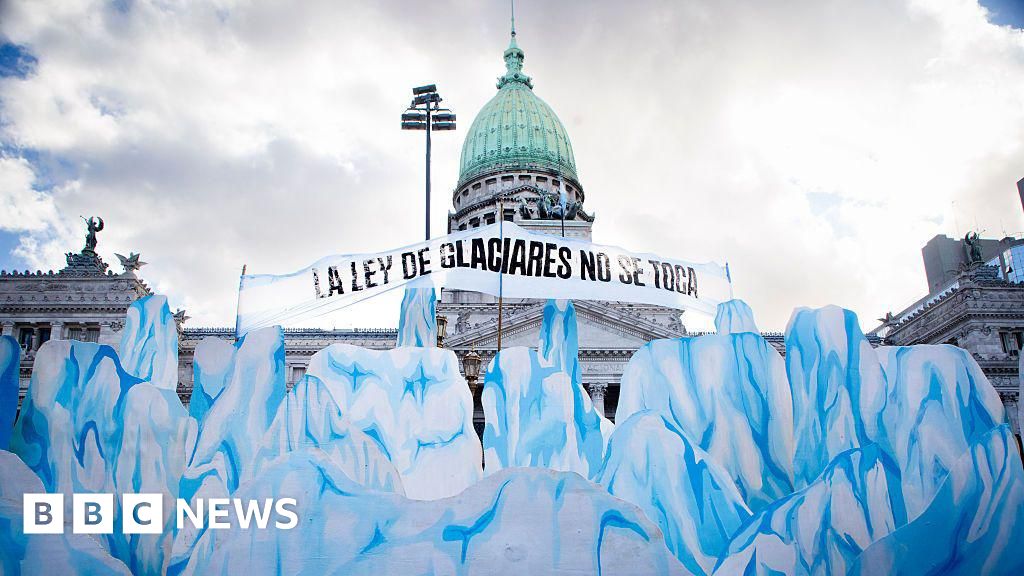

In a defining moment for Argentina‘s resource management, governors from the mineral-rich provinces of Catamarca, Jujuy, Salta, Mendoza, and San Juan have publicly expressed their support for a landmark bill aimed at overhauling the country’s extractive laws. This move signals a significant shift in domestic policy, with regional leaders advocating for reforms that they argue are necessary to foster sustainable economic growth. Their backing underscores a broader divergence from the 2010 Glacier Law, which historically prioritized environmental preservation over resource exploitation, often stymieing the development of lucrative mineral deposits.
The original Glacier Law, enacted to protect critical glacial regions, has long been a contentious topic among nationalists and economic advocates who consider it an obstacle to vital industrial development. Critics, often from the environmental sector, warn that loosening restrictions could result in irreparable ecological damage, especially to fragile glacial landscapes. However, regional authorities emphasize that their support for the new bill aims to balance environmental safeguards with economic imperatives, advocating that “promoting a sustainable economic development of the provinces and the nation should not compromise the well-being of future generations.” Such rhetoric signals a strategic shift towards leveraging Argentina’s abundant mineral wealth, particularly in sectors like lithium, copper, and other critical raw materials for the global green economy.
International analysts and historians point to this moment as a critical turning point in Argentina’s national development strategy. The move aligns with a pattern seen across resource-dependent nations where regional governments seek autonomy to pursue economic opportunities that have the potential to transform local communities and reshape national geopolitical influence. The International Monetary Fund (IMF) and other global bodies have long warned that mismanagement or overly restrictive policies could hinder the country’s economic resilience in an increasingly competitive global market. The regional push for reform could likely force the central government to re-evaluate its stance, setting the stage for a new era of resource-driven growth or conflict over sovereignty and environmental responsibility.
This legislative shift also bears significant geopolitical implications. As Argentina moves to bolster its domestic mineral industries, it could reposition itself as a key player in the international supply chain for critical minerals—resources vital for emerging technologies and renewable energy systems. The decision holds the potential to elevate the nation’s standing among resource-exporting countries, intensifying competition with larger powers like China, Russia, and Chile. Yet, critics caution that such rapid development might come with social costs, including displacement of indigenous communities, environmental degradation, and increased regional tensions—issues closely monitored by international NGOs and policy think tanks.
As the debate intensifies, the world watches with bated breath. Will Argentina harness its mineral wealth to propel itself into a new economic prominence, or will it succumb to environmental catastrophe and internecine conflicts? The path taken by its leaders today will indelibly write the next chapter in the history of Latin America’s resource politics. Under the weight of history and the promise of wealth, a nation stands at the crossroads—its destiny still unfolding amidst the echoes of progress and the shadows of past mistakes.