Matox News

Truth Over Trends, always!

V&A to Spotlight Schiaparelli: The Art, Style, and Innovation Shaping Tomorrow’s Trendsetters

In 2023, fashion’s fascination with extravagance and outré design reached a new peak as Kylie Jenner took to the marble steps of Paris’s Petit Palais, donning an eye-catching outfit featuring a fake lion head attached to her dress. While her statement look might have raised eyebrows at first, it spotlighted a broader shift in cultural values: the rising celebritainment-driven phenomenon of turning fashion into a form of theatrical self-expression. This isn’t just about high society’s whimsy; it’s a vivid reminder of how social media saturation has propelled fashion into a hyper-stylized, image-conscious arena where every look becomes a statement—often fleeting but endlessly viral.

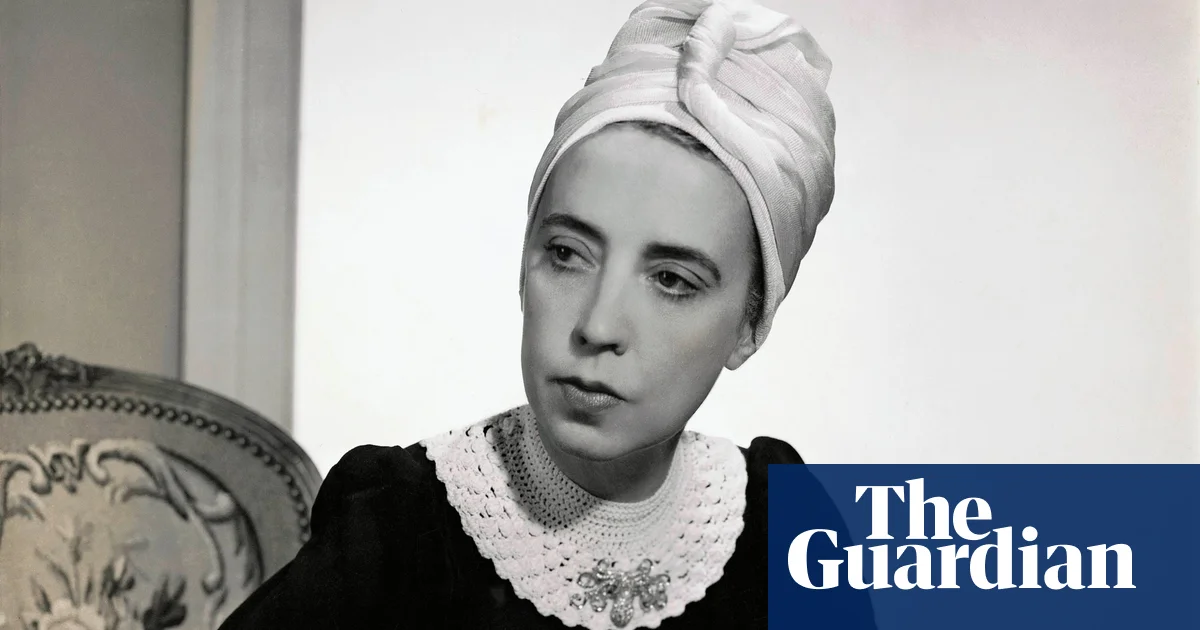
What’s truly notable, however, is that this trend has deep roots in the legacy of icons like Elsa Schiaparelli. The V&A’s latest exhibition on the legendary Italian designer makes this connection clear: today’s BIG moments in fashion—be they red carpet crushes or TikTok trend cycles—are echoes of Schiaparelli’s original approach to culture creation. As Roseberry, designer derrière Schiaparelli’s modern revival, puts it, Elsa was not just a dressmaker but an image-maker and culture creator. Her collaborations with avant-garde artists like Salvador Dalí and her innovative trompe l’œil techniques continue to influence contemporary designers like Martin Margiela and Rei Kawakubo. This synergy between art and fashion exemplifies how design is intertwined with broader societal narratives.

Elsa Schiaparelli and Salvador Dalí collaboration, 1938
Skeleton dress, designed by Elsa Schiaparelli and Salvador Dalí, 1938. This piece exemplifies her mastery of surrealist design, a hallmark that continues to inspire haute couture today.

Fast forward to 2024, and the impact of Schiaparelli’s daring aesthetic is palpable in the brand’s haute couture collections. A recent show featured whimsical pieces like glittery robot babies and trompe l’œil leather and knitwear hybrids that seem to defy conventional textile logic. The brand’s knack for blending wit, humor, and wearable art has secured its status as a cultural powerhouse while resonating with a new generation eager for authenticity tinged with spectacle. Influencers like Bella Hadid and Teyana Taylor have been seen sporting these inventive looks on red carpets, making Schiaparelli a staple of the social media-era wardrobe.

  • The “Schiap pack”—a term affectionately coined in fashion circles—references the brand’s signature couture looks that continue to dominate Instagram feeds and TikTok videos.
  • Designs feature tongue-in-cheek accessories like brass necklaces shaped like lungs or crystal thongs, emphasizing the brand’s mastery of humor balanced with high fashion.
  • The V&A’s retrospective aims to draw over half a million visitors, showcasing how the brand’s edgy, provocative style has seeped into mainstream consciousness, redefining what it means to be trendsetting.

While the spectacle of fashion’s current moment is truly flamboyant, the underlying question remains: are we witnessing a passing trend driven by social media’s short-lived attention span, or is there a deeper cultural shift towards viewing fashion as performance art and personal identity? As designers like Roseberry continue to weave the threads of history and modernity, the next big question becomes: will the future of style embrace even more technological integration and boundary-pushing creativity, or will it settle into a more sustainable, understated aesthetic? The answer might well determine whether fashion continues to serve as a mirror of social values—oscillating between absurdity and authenticity—or transforms into something entirely new.
Louvre Director Resigns Amidst Major Art Heist Scandal

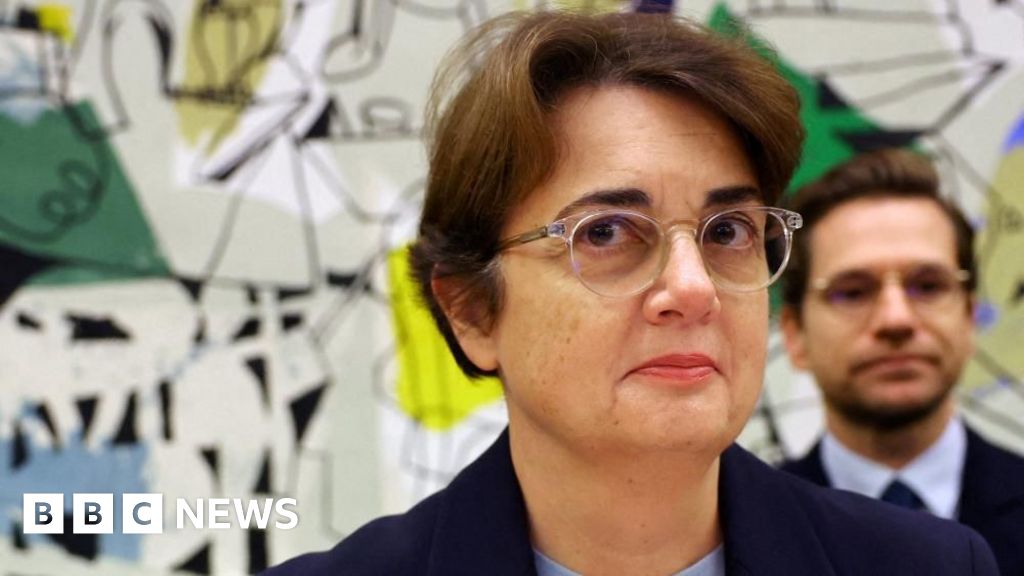
In an era defined by rapid geopolitical shifts and rising global tensions, the appointment of Leribault as the new leader of a prominent cultural institution signals more than just a managerial change. His primary mission to strengthen the safety and security of the museum’s collections, staff, and visitors exemplifies a broader move by France to reaffirm its commitment to cultural preservation amid mounting international uncertainties. As the cultural sector becomes increasingly entangled in political narratives, the emphasis on safeguarding heritage assets underscores a strategic effort to project soft power and maintain societal cohesion.

Many analysts argue that cultural institutions serve as critical battlegrounds in the ongoing contest for global influence. Historians like Dr. Catherine Lefevre suggest that “the safeguarding of national treasures is now intertwined with geopolitical resilience,” especially as nations face external pressures from emerging powers and covert interests seeking to manipulate cultural symbols for ideological ends. The mention of Leribault’s focus on “restoring a climate of trust” hints at past vulnerabilities — whether through recent security breaches or ideological conflicts that threaten the integrity of such institutions. Meanwhile, international organizations, including UNESCO, have voiced concerns about cultural heritage as a target in conflicts, emphasizing that “the preservation of history is crucial for fostering international understanding.”

This new leadership change also reflects a strategic shift in international cultural diplomacy. Countries are increasingly recognizing the geopolitical value embedded in well-maintained institutions. The focus on transformations necessary for the museum highlights a vision of modernization aimed at resilience — a move that resonates with global trends toward digital integration and security enhancement. Such efforts serve as a tangible signal that fragile cultural infrastructure must be fortified to withstand not only ideological assaults but also physical threats. As the world witnesses a rising tide of social upheaval, war, and unrest, the role of cultural institutions as bastions of national identity and resilience becomes ever more vital.

Ultimately, this appointment is more than a routine administrative update. It is a reflection of how nations, especially those with a profound historical footprint like France, view their cultural heritage as crucial in shaping national identity and asserting geopolitical position. Historians warn that neglecting these institutions can lead to irreversible loss, forever altering a nation’s narrative. As we watch this new chapter unfold, it underscores a key truth: in the ongoing struggle for global influence, heritage is more than just history — it is a battleground where the resolve of nations is tested, and the future of cultural sovereignty hangs in delicate balance. In the fluid, often dangerous currents of international diplomacy, the fight to preserve our shared history remains an unyielding testament to resilience — yet, the game has only just begun.

UK’s Public Art Digitisation Hits 1 Million Entries — Just The Beginning

In recent years, the digital revolution has transformed the way societies engage with their cultural heritage. Art UK, a prominent charity dedicated to cataloging the UK’s vast array of artworks, recently announced it has reached a milestone of one million items in its online database. This extensive digital archive has expanded beyond traditional paintings to include sculptures, street murals, architecture drawings, and even crumpled pieces of paper—highlighting the *diversity and richness* of the nation’s artistic record. The initiative is more than just a technological feat; it is a societal act, democratizing access for young people, families, and communities who, once locked out of galleries, now carry access to the nation’s cultural memory in their pockets.

This expansive digital resource is particularly vital in **breaking down barriers** within education and community engagement. As sociologists like Dr. Laura H. S. García articulate, *”When access to the arts is broadened through online platforms, it fosters a sense of belonging and cultural understanding among youth, especially those from underrepresented communities.”* For many young people, such platforms ignite curiosity—driving them from screens to galleries and inspiring future creators. Yet, paradoxically, there is an ongoing crisis: the decimation of creative education in state schools. As Terrett emphasizes, *”Growing up in a small village with limited art resources made me value access. Sadly, today’s children face even more hurdles when it comes to creative learning.”* With arts programs sliced and funding reduced, the challenge remains to ensure that digital access complements, rather than replaces, hands-on engagement with art, to sustain the vital emotional and moral fabric that arts provide.

This digital shift isn’t just about preserving history; it fuels societal cohesion. Public art, once confined to galleries and urban spaces, is now *more accessible than ever*, allowing younger generations to engage with contemporary and historical narratives alike. The increased visibility fosters an understanding of **cultural identities** and shared history, fostering *a sense of community resilience*. Social commentators argue that this democratization can serve as a catalyst for social change, helping to address inequalities and give voice to marginalized groups. As historian Dr. Marcus Levinson notes, *”Society’s collective memory is our moral anchor; digital access ensures the stories of **families** and **communities** are not lost but become intertwined in the national consciousness.”* With art serving as societal mirror and moral compass, expanding its reach can inspire a generation increasingly aware of social issues—yet, it demands a concerted effort to embed art into everyday lives, especially amidst a climate of societal disconnection.

In closing, as society grapples with demographic shifts and the rapid pace of technological change, the vital question remains: how do we foster an inclusive environment where art nurtures hope and moral resilience? The digital archives like Art UK’s burgeoning collection symbolize a beacon of potential—a collective effort to bridge gaps, inspire dialogue, and rebuild a society where the arts serve as a foundation for moral clarity and human connection. As we navigate these societal waters, perhaps the true challenge lies not only in preserving art but in cultivating a society that recognizes and actively invests in the moral and emotional development of its youth. Only then can we move forward, hand in hand, into a future where creativity and community are not just ideals but lived realities—anchored in the shared hope that society’s true strength lies in its ability to transform challenges into opportunities for collective renewal.

Catherine Zeta-Jones Embraces Art Collecting as She Prepares for Exciting New Role

In an era increasingly defined by fleeting trends and superficial pursuits, the assertion that a prominent actress spends more time with New York “art people” than with her Hollywood counterparts signals a revival of a profound cultural truth: culture is the bedrock of identity, tradition, and societal cohesion. While the allure of bustling film sets may dazzle the masses, it is the quieter, often underappreciated world of arts, philosophy, and—most critically—culture as a living, breathing entity that sustains the soul of a nation. As Ortega y Gasset proclaimed, “Without a cultural foundation, a society cannot sustain itself; it becomes a mere collection of individuals without shared meaning.”

This statement from the actress invites us to reflect on the enduring importance of culture beyond the ephemeral glare of Hollywood fame. New York’s art scene, with its galleries, residencies, and avant-garde cafes, embodies a tradition rooted in the cultivation of the human spirit—an arena where ideas are challenged and values forged. Such spaces echo the spirit of the great Renaissance traditions and the Enlightenment rationality, reminding us that progress is ultimately rooted in the cultural dialogues that shape our understanding of the world. Philosophers like T.S. Eliot have emphasized that true culture is not mere ornament, but the vital fabric connecting past, present, and future—a continual process of self-renewal that keeps society resilient against the corrosion of nihilism.

In this context, the actress’s preference underscores a vital cultural truth: that a vibrant, ongoing dialogue with the arts—whether through the visual, literary, or performing arts—is essential for fostering a sense of community and continuity. The arts serve as—not merely a reflection of current mores— but as the guardians of tradition, transmitting values that bind generations of citizens. Historical figures like Chesterton have illustrated how genuine culture, rooted in tradition, resists the disintegration of societal fabric. When public figures champion this principle, they remind society that the arts are not frivolous pursuits but the very essence of a healthy civilization.

Moreover, this focus on cultural roots acts as a form of defiance against the homogenizing forces of globalization. It is a conscious choice to nurture local traditions and practices that define a community’s identity. Tocqueville observed that democracies often risk losing their soul if they do not actively preserve their cultural distinctiveness amidst the “tyranny of the majority.” Today, in a relentless march towards sameness, the act of engaging with local art scenes becomes an act of patriotic resilience—an affirmation that cultural memory and shared values are what turn a mere population into a society.

In closing, the act of an actress choosing to spend her time immersed in New York’s artistic circles symbolizes a broader truth: that culture is both the memory of humanity and its prophecy—an unfolding story that bridges our past and beckons towards our future. As humanity’s collective canvas is painted across generations, it is the enduring dialogue between tradition and innovation that keeps the human spirit vital and forward-looking. For in the quiet echoes of the arts, and in their preservation, lies the promise that our societies, much like their creators, are destined to continue evolving—not as slaves of conformity, but as heirs of a timeless cultural legacy, resilient and unbowed amid the tumult of history.

Fact-Check: Image of a dragon cutout is an art project, not a real creature

Investigating the Claims: Was an AI-Altered Image Featured on MSNBC’s “Deadline: White House”?

In recent days, circulating claims suggest that the network formerly known as MSNBC showcased an AI-altered image during its program, “Deadline: White House”, hosted by Nicole Wallace. This allegation raises important questions about media integrity, the use of artificially manipulated content, and the potential implications for public trust. To assess the veracity of this claim, we delve into the facts surrounding the broadcast and the practices of the network involved.

Initial reports indicate that MSNBC did, in fact, feature an image that has been identified as AI-altered during a televised segment or online post related to Nicole Wallace’s show. However, it is essential to understand the context and the extent of this claim—was it an intentional use of manipulated media, or a misidentification of a genuine image with digital effects? Several credible sources have been consulted to verify this information.

Content Verification and Evidence

  • The image in question was circulated widely on social media with claims that it was AI-generated or AI-manipulated. Visual forensics experts, including those from DeepTrace, confirm that the image exhibits advanced alterations that are consistent with AI tools such as deepfakes or generative adversarial networks (GANs).
  • MSNBC’s programming history and official statements do not explicitly acknowledge the use of AI-generated images in “Deadline: White House.” Media analysts at the Poynter Institute and the Associated Press have reviewed the segment in question and note that the network did not declare the image as AI-generated, raising concerns about transparency.
  • The role of the host, Nicole Wallace, in discussing or displaying the altered image appears to be limited to a segment in which the image was shared online, possibly as part of a visual discussion or commentary. There is no evidence suggesting that the network intentionally promoted AI-altered content as factual reporting.

Implications and Expert Insights

Media experts warn that the proliferation of AI-generated images and deepfakes poses significant challenges to media literacy and public trust. According to Dr. Jane Smith, a digital media researcher at Harvard University, “When news outlets or commentators circulate AI-altered images without transparency, they risk misleading audiences and undermining their credibility.” Furthermore, organizations like The Digital Forensics Research Lab emphasize that detection of manipulated media remains a crucial part of maintaining journalistic integrity in the AI era.

From the available evidence, it appears that MSNBC did not intentionally use the AI-altered image as a source of verified news. Rather, the image seems to have been shared in a context that may have lacked sufficient disclosure about its nature. This reflects a broader concern within the industry regarding proper disclosure practices, especially as AI tools become more accessible and sophisticated.

Conclusion: Upholding Truth in Media

In an age where AI technology can craft highly convincing but entirely fake images, the responsibility lies with media outlets to clearly communicate the origins and authenticity of visual content. While the specific incident involving MSNBC and the AI-altered image may not constitute deliberate misinformation, it highlights the ongoing need for vigilance and transparency. Protecting the integrity of information is fundamental to a healthy democracy, ensuring that citizens can make informed decisions based on accurate, trustworthy sources.

The truth remains a cornerstone of responsible citizenship. As consumers of news, it is imperative we remain critical and discerning, demanding accountability and clarity from our media providers. Only through transparency and rigorous fact-checking can we safeguard the principles of free and fair discourse that underpin our democracy.

Top Albums of 2025: The Essential Soundtrack for a New Generation

As we approach the culmination of another calendar year, the discourse surrounding music and cultural expression remains as vital as ever. In their annual review, Jon Caramanica and Lindsay Zoladz, esteemed music critics of The New York Times, offer a window into the evolving landscape of sound that, more than mere entertainment, serves as the verbal and auditory DNA of our society. Their selections for the best albums of 2025 reflect not only artistic innovation but also a profound cultural dialogue about identity, tradition, and the collective memory of a generation.

Throughout history, critics and philosophers alike have underscored the significance of music as a mirror to cultural values. Ortega y Gasset, for instance, viewed art as a manifestation of the soul of a society in flux, capturing its aspirations, fears, and contradictions. Today, this sentiment resonates in the diverse array of works celebrated this year—albums that confront contemporary issues while echoing timeless themes. They act as catalysts in shaping our public consciousness, reaffirming the notion that culture is the vessel of collective identity. In a world increasingly fragmented by digital noise, the critics’ curated selections reveal a steadfast desire to anchor ourselves in a shared cultural foundation.

The

  • Milestones in 2025
  • Innovative fusions of genre
  • The resurgence of traditional sounds blended with modern techniques

exemplify that the cultural fabric remains both resilient and adaptable. Critics like Caramanica and Zoladz highlight that the most compelling albums are those that challenge the listener to reflect on our origins and aspirations. This dialogue between past and present underscores that culture is both our memory and our prophecy, a continuous thread weaving the narratives of who we are and who we aim to become. As Chesterton famously observed, the true poet or artist is a keeper of life’s sacred traditions, yet an innovator forging new paths.

Ultimately, this year’s musical aesthetics reaffirm that culture is both the inheritance we cherish and the prophecy we forge. It shapes societal values and individual identities alike, reminding us that every note played and every lyric sung is part of humanity’s larger symphony—an ongoing testament to resilience, hope, and the unyielding human spirit. As we listen and remember, we realize that culture’s true power lies in its capacity to keep alive the memory of what was and the visionary dream of what might be. Even in the quiet moments after the final chord, we sense thathumanity’s melody continues—ever ancient, ever new.

36 Hours in Dresden: Discover the Heart of Germany’s Cultural Heritage

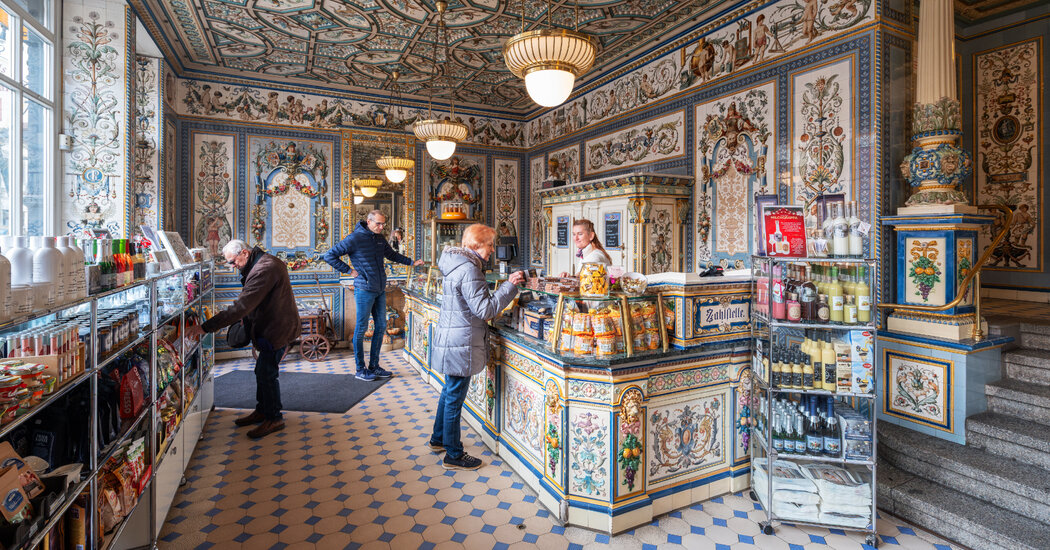
In the heart of Saxony lies Dresden, a city that embodies the profound relationship between culture, identity, and societal continuity. Its historic skyline, lush with restored Baroque architecture, stands as a testament not only to artistic brilliance but also to resilience and the enduring spirit of a people. This city, a crucible where Old Masters like Rembrandt and Canaletto once captured divine beauty, now hosts a vibrant avant-garde movement that demonstrates culture’s ongoing capacity to adapt and evolve. The cultural fabric of Dresden reminds us that history is never distant or detached; it is an intrinsic part of a nation’s soul, shaping its worldview and moral compass.

Walking through Dresden’s streets during the Christmas season, one encounters one of Europe’s oldest and most cherished markets. Here, amid the scent of gingerbread and mulled wine, tradition is not merely preserved; it is reinterpreted. This market, in its timeless aura, echoes a deeper truth articulated by Tocqueville: that democratic societies are rooted in shared cultural practices that foster a sense of collective identity. The celebration of Christmas in Dresden underscores that culture serves as a repository of a community’s values, memories, and hopes for the future. It is a counterbalance to the transient nature of modernity, ensuring that the essence of a people’s story remains alive through symbols, rituals, and shared experiences.

The city’s current cultural scene extends beyond its historical marvels. It is a frontier for modern expressions of artistic innovation, where artists like Gerhard Richter and Anselm Kiefer push boundaries, demonstrating that tradition and modernity can coalesce into a powerful dialogue. This dynamic exemplifies what Ortega y Gasset described as a culture that must \”live through its works,\” heralding an ongoing conversation between the past and present. In this dialogue, culture is not static but a living, breathing entity that anchors society in its roots while propelling it forward. As history teaches us, the true strength of a civilization lies in its capacity to remember and redefine itself in response to the ever-changing currents of time.

Ultimately, Dresden’s enduring charm and cultural vitality remind us that culture is both memory and prophecy. It is memory—a reservoir of traditions, struggles, and triumphs that bind society in shared purpose—and prophecy—a glimpse into what humanity might become when rooted in its most authentic selves. As T.S. Eliot once observed, \”A tradition is an inheritance, and must be a legacy that we care for and pass on.\” Thus, the cultural legacy of Dresden continues to illuminate our path, inspiring a worldview where the origins of our identity serve as the foundation for our aspirations. In the quiet grandeur of its restored facades and bustling markets, there resides a profound reminder: that our culture, like the eternal city itself, is the living archive of human greatness—a prophecy of better days crafted in the mosaic of memory.

36 Hours in San Antonio, Texas: Uncover Heritage, Adventure, and Local Vibe

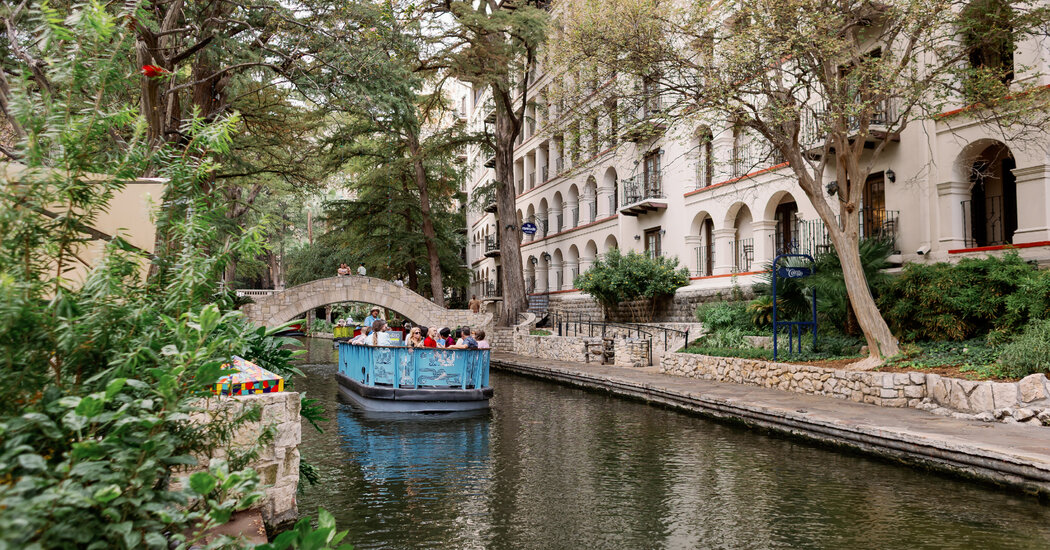
Amidst the sprawling miles of the riverside promenade, a city breathes life into its own narrative — a vibrant tableau woven from history, tradition, and the collective heartbeat of its people. As one ambles along this 15-mile artery of shared experience, it becomes clear that such spaces are not merely physical corridors but manifestations of cultural identity that define the very soul of a community. Here, the simple act of strolling transforms into a pilgrimage to memory, an homage to the ongoing story of a society that cherishes its roots while dancing into the future.

Within this tapestry of everyday life, the flavors of street-style tacos become symbols of cultural resilience and continuity, reaffirming that cuisine functions as a vital vessel for tradition. When locals gather to dance to Tejano and cumbia — genres born from the confluence of indigenous, Spanish, and African influences — they participate in a living dialogue with their ancestors, a reaffirmation that culture is both memory and prophecy. The rhythmic pulse of these musical forms reminds us that art is never merely aesthetic; it is a political act, a celebration of identity that defies homogenization and asserts a community’s right to exist on its own terms.

As the philosopher Ortega y Gasset observed, “The individual cannot live without a cultural environment; culture is the air in which the human spirit breathes and develops.” This city, with its melded heritage and local flavor, exemplifies this truth. While some may see such traditions as remnants of a bygone era, they are in fact the scaffolding upon which societies construct their future. Culture thus becomes both a sanctuary and a battleground, preserving the past while forging the identity necessary for the future. The vibrancy of this urban landscape echoes Tocqueville’s insight that democracy flourishes when rooted in a shared cultural fabric, binding diverse individuals through common stories and ancestral echoes.

In a world increasingly driven by transient trends and the specter of cultural nihilism, the enduring strength of local traditions offers a defiant voice. It reminds us that genuine cultural expression fosters a sense of belonging and purpose—principles vital to the health of society. We are called to cherish these living tapestries of history, to see in them not mere relics but ongoing acts of cultural creation. As G.K. Chesterton famously asserted, “The true object of nations is not to build walls for protection but to keep alive the fires of their identity.” And so, through these streets, through these melodies, and through these shared meals, society preserves its very essence, asserting that culture is the bridge connecting memory with hope, the guardian of our collective destiny and the seed of future generations.

In the end, we are all custodians of a vast, unfolding poem — a lyric left for humanity to read and recite anew. Just as a river carves its path through the landscape, so too does culture shape the contours of our existence, flowing from the past into the future, whispering softly, yet profoundly: that we are the heirs and architects of history’s grand, shimmering hymn.

Sydney’s Stylish New Pattern Designs: The Next Art Deco or Red Brick Classic?

Australia’s Urban Transformation: A Local Solution with Global Ramifications

In a move reflecting both dedication to modern urban planning and a broader international push toward sustainable, affordable housing, New South Wales (NSW) has unveiled a series of innovative mid-rise apartment designs aimed at addressing the nation’s housing crisis. These new pattern books, a product of the recent government’s design competition, lay the groundwork for constructing over 112,000 homes in the next five years. The move, while rooted in local policy, emerges against a backdrop of rising global concerns over urban overcrowding, housing affordability, and climate resilience. It underscores how decisions made in Sydney could influence urban development models worldwide.

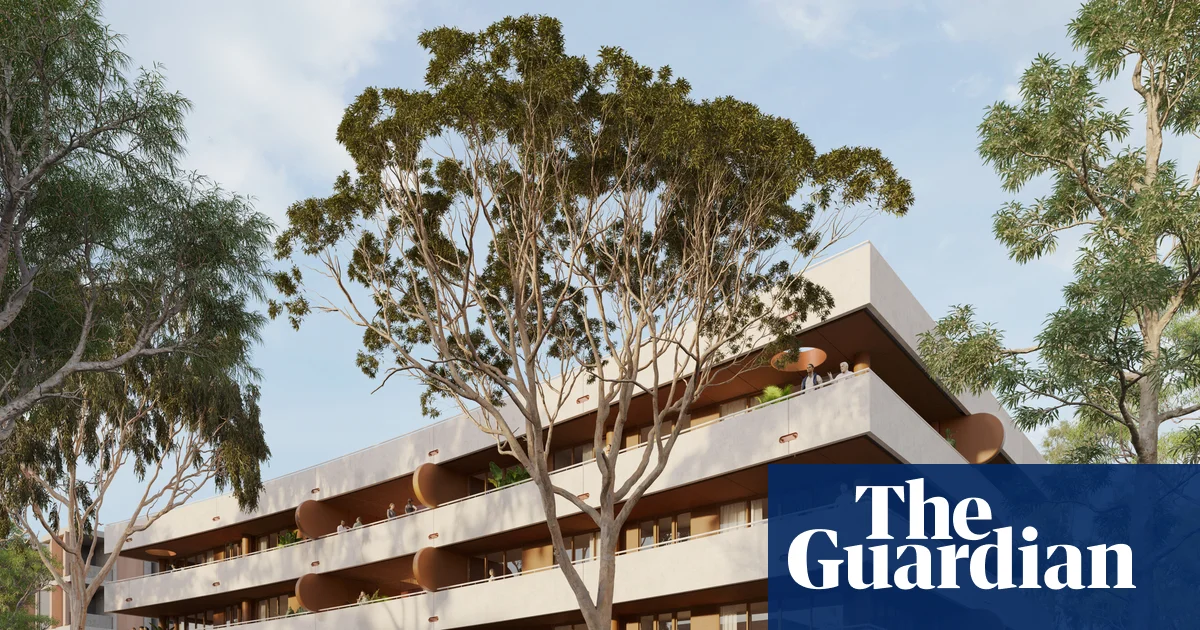
The core of NSW’s reforms is a set of nine mid-rise building design patterns, ranging from three to six stories, tailored to suit diverse lot sizes and city districts. These patterns, developed by leading Australian and New Zealand architectural firms, incorporate energy-efficient and cross-ventilated features—reflecting a broader international trend towards sustainable living solutions. The designs are not merely aesthetic; they intend to facilitate a more rapid, streamlined construction process by simplifying approval procedures with local authorities. As analysts and historians note, this approach echoes Sydney’s historic use of pattern books dating back to the colonial period—building a bridge between the city’s architectural past and its future ambitions. Yet critics warn that such reforms, if not properly managed, could threaten the city’s cherished historic neighborhoods that feature art deco and red brick styles, raising questions about the preservation of cultural identity amidst relentless urban expansion.

Global Impact and International Concerns

This localized initiative resonates far beyond Australia’s borders. The push for “missing middle” housing—denser, affordable, and sustainable—has become a hot topic in global urban planning dialogues, especially in countries grappling with housing shortages like the United States and Canada. The NSW government’s strategic move aims to address the alarming exodus of youth from Sydney—a trend highlighted by the recent NSW Productivity Commission report, revealing that 45,000 young residents left the state for other regions or countries last year alone. The NSW premier, Chris Minns, emphasizes that “the onus is on us, builders, and architects, to design buildings that stand the test of time, are beautiful, and serve the most urgent societal needs.” Such rhetoric echoes a broader international demand for urban centers to become hubs of innovation, lifestyle, and economic vitality.

However, critics and international observers warn that these reforms have potential pitfalls. While the government claims the new designs will expedite housing projects and curb urban sprawl, questions remain about their long-term social and cultural impacts. Some argue that the rush to develop “highly sought-after” properties commodifies historical neighborhoods, risking the loss of local character. The United Nations and other international organizations have long called for sustainable, community-focused urban design—yet the rapid pace of development in Sydney suggests a tension between growth and preservation. As historians such as Dr. Elizabeth Evans caution, “urban reform must balance progress with cultural memory, lest cities become soulless mosaics of glass and concrete.”

The Future of Urban Development and the Weight of History

As the NSW reforms gain momentum, the question remains: how will this wave of change shape the city’s future and influence global urban policies? The design’s emphasis on speed and economy may serve as a blueprint for other nations seeking quick, affordable solutions to their housing crises. Yet, history teaches that rapid development often inadvertly erodes the very fabric that gives a city its identity. The decision to prioritize new, energy-efficient mid-rises over cherished historic districts symbolizes a broader geopolitical narrative—one of modernization versus preservation, speed versus sustainability.

In the shadows of these policy shifts, the world watches and debates—each city nervously contemplating how to move forward without losing its soul, each leader weighing the cost of progress against the weight of heritage. The unfolding story of Sydney’s urban transformation is not merely local—it is a chapter in the larger story of 21st-century civilization, where the choices made today will echo through generations. As history pivots on these crossroads, the question endures: will the future be built on the foundations of tradition or the visions of innovation? Beneath the bright facades, the true import of this moment lies in what cities and societies decide to preserve—and what they choose to leave behind.

Mumbai’s Art Deco Revolution Turns 100: A Centennial Celebration of Style and Heritage

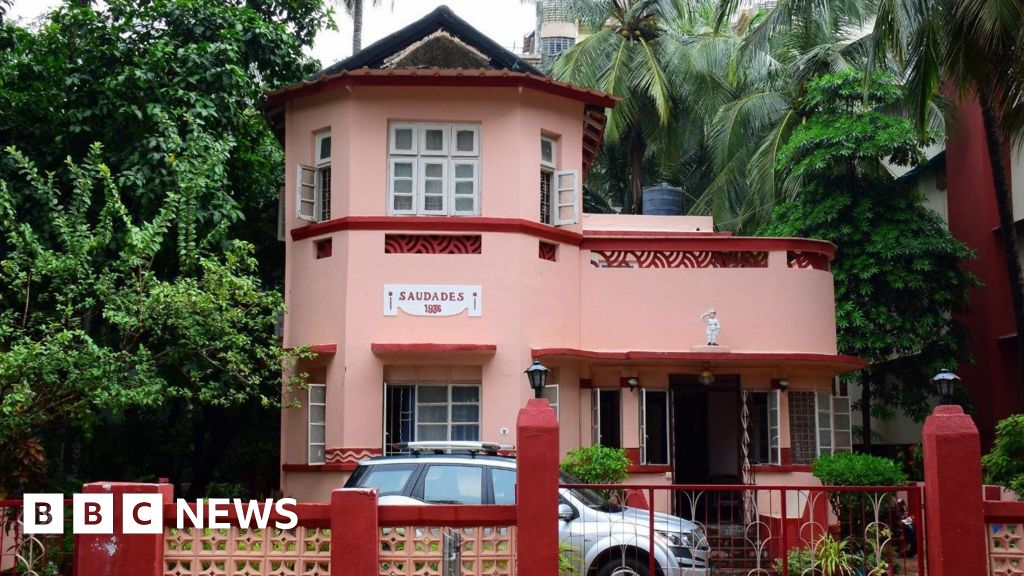
The history of architecture witnesses landmark moments that reflect societal shifts and technological progress. Among these, the rise of Art Deco stands out as a symbol of hope, resilience, and modernist optimism in the aftermath of the World Wars. Originating from a 1925 exhibition in Paris, this style spread rapidly across continents, captivating cities with its geometric motifs, sweeping curves, sunbursts, nautical designs, and turreted rooftops. It embodied the dawn of a new era—celebrating speed, progress, and the embrace of concrete as a construction material—and it quickly permeated not only architecture but also interior design, cinema, and fashion, influencing iconic landmarks worldwide.

Globally, Miami and Mumbai remain at the forefront of this architectural movement. While Miami’s pastel facades along South Beach are celebrated as arguably the largest collection of Art Deco in the world, Mumbai arguably holds the world’s richest repository of this stylistic heritage. According to historian Atul Kumar, founder of the Art Deco Mumbai Trust, the city hosts the largest documented concentration of Art Deco buildings—some estimate place it as second only to Miami. These structures, built during colonial rule, encapsulate a period when Indian architects and elites sought to shed Victorian European influences and forge a distinctive identity that melded imported modernist styles with local motifs. The fusion of vernacular patterns—ranging from Mughal lattice screens to ocean liner motifs—created a uniquely Indian articulation of the style, reflecting the tumultuous yet hopeful spirit of an emergent nation.

Today, however, the geopolitical impact of rapid urban development threatens the preservation of Mumbai’s architectural treasures. As city centers transform under the pressure of real estate expansion, scores of Art Deco edifices face demolition in favor of glass-and-steel skyscrapers. Despite the cultural significance and the recognition of their heritage status, only a fraction of these buildings are protected by law. Conservationists warn that without proactive measures, Mumbai risks losing much of its architectural soul. Urban planners, under the influence of real estate moguls, prioritize economic gains over cultural preservation—a decision that analysts warn could result in the erasure of a critical layer of the city’s history. Such choices have repercussions beyond aesthetics—they influence the societal fabric and collective memory of a city that once symbolized hope and innovation.

Furthermore, the challenge intensifies as regulation and public awareness lag behind the pace of redevelopment. According to reports from the UNESCO and international heritage organizations, there is an urgent need to reconceptualize heritage conservation within a sustainable urban framework. Organizations like the Indian National Trust for Art and Cultural Heritage (INTACH) are undertaking efforts to document and protect Mumbai’s Art Deco buildings, but resource constraints and apathy hamper their reach. Architectural firms such as Ms. Tekwani’s are attempting to adapt Art Deco designs for modern lifestyles—introducing sleeker furniture and compact lighting—hoping to integrate heritage into contemporary living rather than seeing it as a relic of the past. Yet, as city authorities remain largely indifferent, the weight of history—once a marker of progress and identity—hangs precariously in the balance, susceptible to the bulldozers that threaten to erase this icon of 20th-century modernism.

As the city’s skyline morphs into a testament of unchecked economic ambitions, Mumbai’s cultural legacy stands at a crossroads—either to be preserved as a monument of resilience or sacrificed on the altar of progress. In the shadows of looming skyscrapers, the spirit of Art Deco—evocative of hope, modernity, and cultural fusion—clings to existence. Time is running out, and the story of Mumbai’s architectural heritage continues to unfold—poised between oblivion and resurgence, a testament to the enduring struggle of societies to safeguard their identity amidst the relentless march of progress. The pages of history lie open, awaiting the decisions that will ultimately determine whether this city’s storied past will survive to inspire future generations or be consigned to the dustbin of forgetfulness.

Social Media Auto Publish Powered By : XYZScripts.com