Matox News

Truth Over Trends, always!

Edo Youths Rally Against New West African Art Hub in Bold Protest

In a development that underscores the persistent tensions between cultural sovereignty and global prestige, Nigeria has faced a disruptive protest at its recently inaugurated Museum of West African Art (Mowaa) in Benin City. The museum, a $25 million (£19m) project designed by renowned British-Ghanaian architect David Adjaye, was intended as a hub for contemporary and historical West African art. However, its launch has been marred by unrest that highlights deeper undercurrents of cultural identity, national pride, and historical claims. Protesters, driven by feelings that the museum is a form of cultural hijacking, forced postponement of its opening and engaged in insulting foreign visitors, revealing underlying domestic discontent regarding cultural patrimony and governance.

This incident is not an isolated event but a strategic flashpoint within the broader dispute over ownership of the Benin Bronzes. These priceless artifacts, looted during British military incursions in the 19th century, have long symbolized colonial exploitation and the ongoing debate over rightful restitution. While the museum’s leadership clarified that they never claimed the Bronzes and focus primarily on modern and contemporary art, the controversy underscores the sensitive nature of cultural symbols in Nigeria’s national consciousness. As historians and analysts interpret these events, they emphasize how cultural controversies fuel *resentment and political leverage*, influencing Nigeria’s internal stability and its diplomatic posture on reparations and cultural sovereignty. The protests reflect a broader dangerous shift: from colonial legacy to sovereign identity, where control over cultural heritage becomes a vital aspect of national legitimacy.

The controversy extends into the realm of political influence and how decisions on cultural institutions impact societal unity. Critics argue that the museum’s development has been hijacked by political actors, with residents claiming that the project’s current trajectory sidesteps local traditions and authority. The Nigerian government, along with traditional rulers—particularly the Oba of Benin—has expressed dissatisfaction, viewing the museum as a symbol of erosion of their cultural authority. The museum’s independent and non-profit status, along with its broad regional scope, has sparked accusations of external interference and a neglect of Benin’s unique heritage. International organizations have weighed in, with some urging Nigeria to prioritize dialogue and respectful reconciliation, recognizing that these conflicts threaten not just cultural preservation but also regional stability. As one prominent analyst notes, “The battle over these artifacts and institutions is ultimately a struggle for national sovereignty.”

As the shadows of history stretch long over Nigeria’s future, the clash at Mowaa serves as a stark reminder of how cultural disputes are intertwined with geopolitics, colonial legacies, and national identity. The unrest signals a possible turning point—where the struggle for control over cultural symbols could either forge a stronger self-determined nation or deepen fissures that threaten regional stability. The weight of these unresolved conflicts hangs heavy, as history continues to unfold on the fragile stage of Nigeria’s evolving narrative—a testament to the fact that nations are often defined as much by their internal struggles as by their place in the international order, and that the outcome of this cultural war could reverberate far beyond Benin City. In the face of ongoing tension, the world remains watchful, knowing that history is at a crossroads—an uncertain path toward either reconciliation or further division.
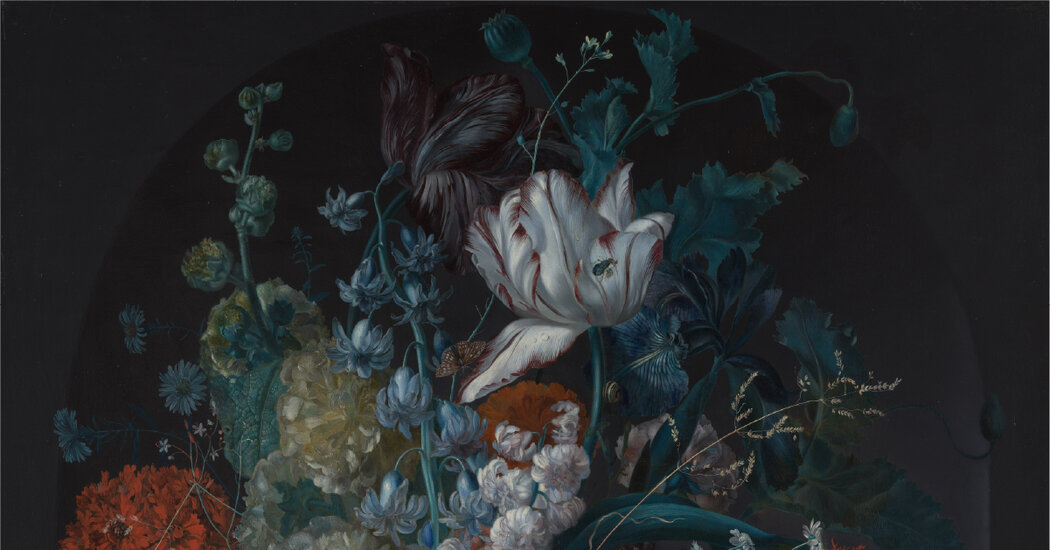
Quick Boost: Transform Your Space with a 10-Minute Flower Vase Masterpiece

In the relentless tide of modernity, where instant gratification often diminishes the value of dedicated craftsmanship, the art of still life painting emerges as a profound symbol of human endurance and aesthetic pursuit. Consider the exquisite work by Margareta Haverman, a Dutch artist from the early 18th century, whose mastery transcends the superficiality of fleeting trends. Her meticulous layering of up to seven coats of paint on a canvas—crafted in a time when mechanical reproduction was nonexistent—mirrors a philosophical ideal championed by thinkers like Ortega y Gasset, who emphasized that culture is the expression of a “vocation” towards excellence. Haverman’s painstaking effort reminds us that true beauty is not accidental but an achievement of disciplined vision, vital to the fabric of national identity and artistic tradition.

The composition, a vibrant bouquet teeming with thirty different species of flowers, fruits, and insects, encapsulates a microcosm of natural order—each element carefully studied and rendered with painstaking detail. It is as if Haverman, inspired by her teacher Jan van Huysum, engaged in a silent dialogue with nature itself, striving to preserve its transient beauty. This act of preservation aligns with the insights of T.S. Eliot, who observed that great art is a form of memory and prophecy, anchoring us in the present while gesturing towards eternity. The intricate layers and textures serve as metaphors for society’s enduring quest to domesticate chaos through culture, forging an identity that is both rooted in tradition and poised to confront the unknown future.

Cultural critic G.K. Chesterton remarked that modern society often forgets that art’s highest calling is to serve as a “great reminder,” not merely decoration. Haverman’s work resonates with this idea, acting as a tangible link between historic mastery and contemporary purpose. The inclusion of everyday symbols—flowers fading into decay—reminds us of life’s impermanence, yet even these elegies serve to elevate the mundane into a moral and aesthetic statement. Much like the Dutch tulip frenzy of the early 1600s, which exemplified the human obsession with beauty and wealth, this painting underscores that our cultural pursuits are rooted in an innate desire to impose order and meaning upon the chaos of existence. The flowers, once the symbol of fleeting luxury, now serve as evocations of enduring values that transcend the temporal realm.

As humanity stands at crossroads of technological change and cultural upheaval, the significance of these artistic endeavors becomes ever more evident. They forge an identity that is not solely materialist but rooted in a collective memory that aspires to the divine. Such works whisper of a future where art remains an act of heroism—an affirmation that our spirits can be refined amid the shadows of decay. Like Chesterton’s view of the childlike wonder that sustains society, true artistry embodies the hope that through diligent effort and reverence for tradition, humanity can craft a legacy resilient to time’s erasure. In this silent language of colors and forms, we find the prophecy of a legacy—where memory sustains us, and hope guides us towards horizons yet unseen, for the culture that endures is both the echo of the past and the seed of what is to come.

Unearthing History: A Captivating Haunted Tour Through the Met Museum

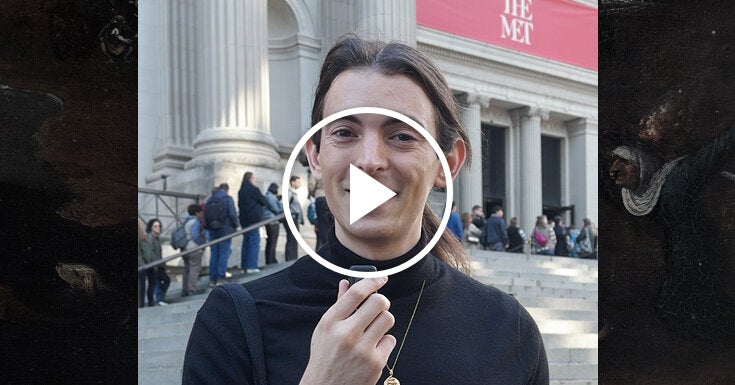
In a world increasingly shaped by fleeting trends and superficial diversions, the deep currents of cultural memory and tradition serve as our guiding constellations—reminding us that to understand ourselves, we must delve into the artifacts of our shared past. As Zachary Small and his team take us on a haunting tour through The Metropolitan Museum of Art—highlighting artworks that evoke fear, fascination, and the darker aspects of human nature—the significance of culture as both a reflection and a shaper of identity becomes unmistakable. It is through such visceral encounters with the artifacts of previous civilizations, with their sometimes grotesque or mysterious representations, that we come to see culture not merely as entertainment, but as the pulse of tradition and society.

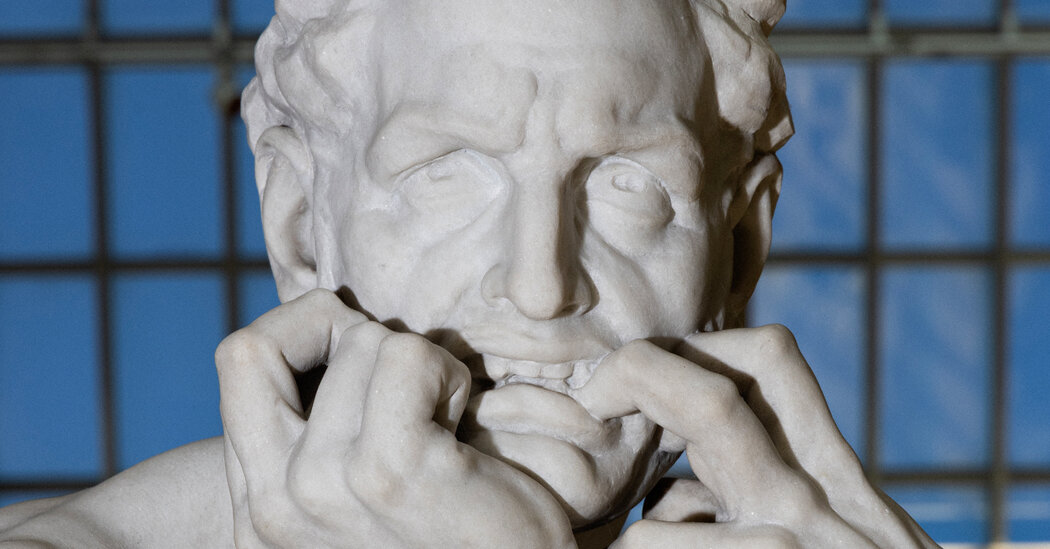
Indeed, the artworks featured—including a decapitation platter and a sculpture rumored to depict a cannibal—serve as visceral reminders of the moral and spiritual dilemmas that have haunted humanity across epochs. As the philosopher Ortega y Gasset might suggest, culture is the possession of a society’s collective memory—an ongoing dialogue with its own history. These artifacts, perhaps unsettling to modern sensibilities, anchor us in a worldview where the boundaries of morality, the fears of the unknown, and the boundaries of human capability are laid bare. Such nightmarish visions challenge us to reflect on our current society’s fragile veneer, revealing beneath it a tapestry woven with both beauty and terror, remembrance and prophecy.

Furthermore, in the context of a society often criticized for its loss of roots, these artworks stand as milestones of traditional expression—reminders that culture is integral to the formation of societal identity. As Tocqueville observed, democracy’s greatest challenge lies in maintaining a shared sense of cultural continuity—when the collective memory of the past diminishes, the community itself risks disintegration. Here, the arts become a bulwark against cultural amnesia, preserving essential facets of our moral and aesthetic identity. They forge a link between the past and the future, anchoring new generations in their inherited values while warning of the consequences of neglect.

In the final analysis, culture is both memory and prophecy. It acts as a mirror reflecting the deepest fears and aspirations of humanity, from the grotesque to the sublime. As T.S. Eliot famously remarked, “The past is never dead; it’s not even past.” Our cultural artifacts, whether frightening or beautiful, serve as silent orator—guiding us through the corridors of history and into the unknown future. In these haunted treasures of the museum, we find a silent promise: that understanding our cultural roots grants us the strength to shape tomorrow, to transcend mere survival, and to forge a society rooted in the resilient memory of what we once were and what we might yet become. Culture, in the end, remains our human prophecy—a testament to the enduring soul of mankind.

NASA’s Lunar Photography: Bridging the Gap Between the Heavens and Our World

The Celestial Canvas: Culture, Identity, and Humanity’s Perpetual Quest

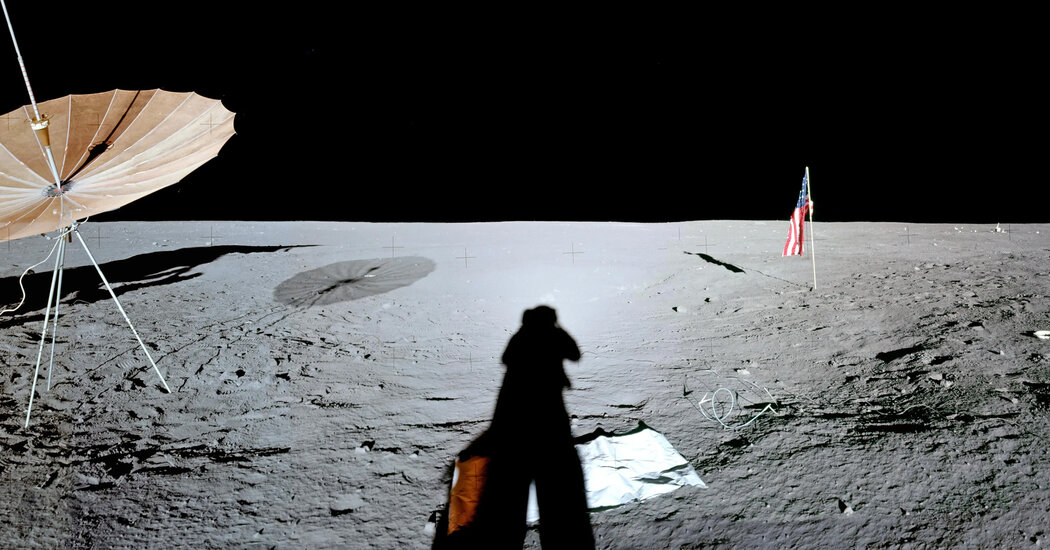
Throughout the annals of history, humanity has looked upward, **drawn by the celestial vault that crowns our existence**. From the earliest star maps to the groundbreaking lunar photographs captured by NASA, our collective fascination with the Moon exemplifies the enduring human desire to understand our place in the cosmos. But beyond the realm of science, it is culture—an intricate tapestry woven with tradition, art, and philosophy—that imbues this celestial curiosity with profound significance. Like Georges Méliès’ “Le Voyage Dans la Lune”, which transformed scientific wonder into a fantastical narrative, our cultural expressions serve as a mirror reflecting how societies interpret the universe and their spiritual relationship to it. These artistic endeavors are not mere entertainment; they are the symbols of our shared identity, anchoring us in our history and pointing toward future horizons.

In contemplating the cosmic, we must recognize the role of culture as the **fundamental vessel of identity and societal continuity**. Just as Ortega y Gasset emphasized culture as the continuity of a civilization’s spirit, our collective engagement with the Moon epitomizes this continuity. The iconic lunar photographs seen in collections from NASA, the historic daguerreotypes, and artwork like Vincent van Gogh’s “The Starry Night” are more than visual records—they are monuments to our ongoing quest to comprehend phenomena that seem both distant and intimate. Culture, in this sense, acts as both memory and prophecy, each image and story echoing our ancestors’ awe and inspiring future generations to dream beyond mere survival. It is through such cultural artifacts that societies define their narratives, their hopes, and their fears—an intricate dialogue that transcends time and space, linking us to the stars and to each other.

  • The Moon has served as a canvas upon which cultural milestones are inscribed, from the initial lunar explorations to the philosophical ponderings of thinkers like T.S. Eliot, who saw in the cosmic chaos a reflection of the human condition.
  • Artworks and scientific images alike serve as rituals of remembrance and aspiration, anchoring our identity in the vast fabric of history.
  • The shared experience of gazing skyward fortifies communal bonds and fosters a sense of continuity amid rapid social change.

As Tocqueville once observed about the vital role of culture in shaping shared values, our modern lunar fascination illustrates the enduring importance of tradition in weaving the fabric of society. In an age where material progress often threatens to eclipse spiritual and cultural pursuits, the Moon remains a symbol of what it means to aspire—to reach beyond ourselves and find meaning in the mysterious. The ancient parables and the modern telescopic images converge in a common act of discovery: that humanity’s deepest treasure lies in its stories, images, and ideas—each a shard of the eternal mirror reflecting who we are and who we hope to become. Culture is both the memory that grounds us and the prophecy that propels us forward into the luminous unknown.

Thus, as the moonlight bathes the contours of our collective soul, it reminds us that our history and hopes are bound by a shared celestial heritage. Like the poetry of Chesterton, which elevates the ordinary to the divine, and the philosophical insights of Ortega y Gasset, who saw culture as the bridge connecting past, present, and future—the universe whispers of a human destiny intertwined with memory and prophecy. In this grand cosmic dance, our culture is both the shadow cast by the distant star and the spark illuminating the night’s eternal sky, guiding us with its silent, luminous promise: that in understanding the universe, we find ourselves—and in ourselves, the universe’s most enduring mystery.

LA transforms controversial Confederate statues into powerful art, sparking youth-led debate

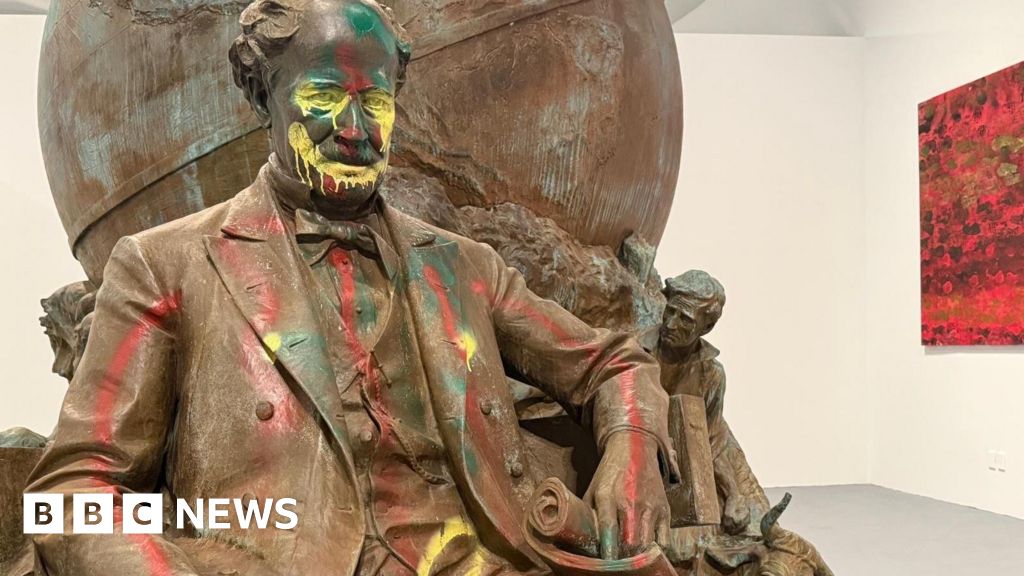
In recent years, the global debate over confederate monuments has escalated beyond American borders into a symbol of broader ideological conflicts. The recent transformation of a once-storied Robert E. Lee monument into a melted sculpture displayed in Los Angeles exemplifies this shift. The removal and subsequent artistic reimagining serve as a clear statement: societies worldwide are grappling with their history and confronting the lingering effects of white supremacy. As the United States experiences heated disputes over these statues, international observers and historians warn that such internal conflicts deeply influence geopolitical stability and societal cohesion.

Amid this controversy, President Donald Trump has vocally defended the preservation of Confederate icons, labeling efforts to dismantle them as misguided “revisionist history.” In 2017, the deadly clashes at Charlottesville’s Unite the Right rally marked a watershed moment, drawing international attention to the divisiveness of Confederate iconography. Vowing to uphold what he values as American heritage, Trump and others have sought to reestablish Confederate monuments—an action criticized by scholars, activists, and international organizations alike. Analysts from institutions such as the BBC and the Atlantic Council interpret these moves as strategic attempts to mobilize cultural nationalism, fueling tensions that threaten to destabilize social fabric.

The ongoing debate also illuminates how historical narratives are weaponized within political battles. Curator Hamza Walker pointed out that symbols like Lee and Jackson, despite losing the Civil War, are lionized because they embody a Lost Cause ideology. This construct seeks to portray the Confederacy as a noble fight for states’ rights, conveniently sidestepping its core commitment to slavery. Critics argue that redefining these figures as heroes threatens to distort history and perpetuate racial inequalities. As Kara Walker’s provocative exhibit demonstrates, artistic reinterpretations—such as melting down monuments and repurposing their materials—are emerging globally as powerful acts of resistance, challenging societies to confront uncomfortable truths. The transformation of these symbols from revered sculptures into artifacts signifies a pivotal cultural shift: a collective effort to deny the mythos of white supremacy and confront a legacy rooted in systemic injustice.

As history continues to unfold, the question remains whether these acts of dismantling and reinterpretation will ultimately foster reconciliation or deepen divisions. The weight of history presses down on societies that are torn between honoring their past and forging a more inclusive future. Will the tide of public opinion push nations toward acknowledgment and reckoning, or will it provoke further unrest? The answer lies in the choices made in these turbulent moments—choices that will define the narrative of justice and morality for generations to come. As the bronze remains of monuments are reborn through art and activism, the story of a fractured nation—and the world—remains conspicuously unwritten, waiting for its next chapter to be forged in the crucible of history.

The Met’s Top 20 Most Provocative Artworks: Test Your Eye and Discover the Unseen

As the shadows lengthen and October’s chill sets in, the Metropolitan Museum of Art reveals a different face—a spectral gallery of the human psyche’s darkest corners. Traditionally regarded as a temple of aesthetic marvels—shimmering Impressionist landscapes, delicate kimonos, and marble gods—the museum during Halloween transforms into a haunted hall of echoes, where art acts as a mirror to mankind’s deepest anxieties. Here, with centuries of artworks ranging from ancient relics to modern horrors, we witness how culture is far more than mere decoration; it is the vessel carrying the profound stories of saints and sinners, myths and monsters, that define our identity and societal fabric.

Human history, as noted by thinkers like Tocqueville, is woven with the threads of shared symbols and collective memories—elements that affirm cohesion and continuity in the face of chaos. The artworks uncovered during this dark season serve as symbols of a universal truth: that culture, at its core, is both memoria and prophecy. The haunting images of medieval saints battling demonic forces or classical sculptures depicting menacing mythical beasts become more than relics—they become reflections of our own inner struggles and societal fears. As Chesterton argued, the true function of art is to reveal the moral order amidst disorder. These macabre masterpieces, in their spectral silence, uphold an unyielding vigilance, testifying to a civilization’s resilience against modern nihilism.

Philosophers like Ortega y Gasset have long emphasized that a society’s vitality depends on its cultural foundations. When the shift from tradition to chaos threatens our collective stability, it is art—especially the “haunted” works of the past—that anchors us. These artworks, echoing through the corridors of time, tell stories of moral daring, of the perennial struggle between good and evil, and remind us that our cultural inheritance is a sacred trust—an ongoing dialogue between memory and aspiration. The museum’s spectral turn during October becomes a reminder: that culture is neither static nor dead but a living, breathing entity infused with our collective hopes and fears, illuminating the path of human destiny.

So, as we wander through this labyrinth of shadows, let us remember that culture is both the memory of our ancestors and the prophecy of our future. In the ghostly silence of these haunted halls, art whispers that humanity’s greatest legacy is not merely what we create, but what we preserve—our moral compass, our shared stories, and our hope for coming dawn. Indeed, in contemplating these spectral artworks, we are invited to see ourselves anew—an eternal dialogue of the soul, where the echoes of the past forge the promise of tomorrow, and the memory of humanity’s darkness reveals the luminous potential of its light.

Amazon pantses Bond fans by zapping guns from iconic art DOI: amazon removes guns from James Bond images

Amazon’s Latest Move in Branding Sparks Industry-Wide Disruption and Industry Shifts

In a striking demonstration of technological innovation and cultural influence, Amazon recently unveiled updated poster art for the classic James Bond franchise in celebration of James Bond Day. However, what was intended as a nostalgic homage quickly ignited controversy within the fanbase and industry circles alike. The most notable change was the conspicuous removal of Bond’s signature Walther PPK pistol from the posters, showcasing a deliberate shift towards more sanitized, gun-free branding. This move exemplifies an emerging trend within the tech and entertainment sectors where content personalization and cultural sensitivities are increasingly prioritized—often at the expense of tradition and risk-taking.

Critics and fans immediately scrutinized the alterations, highlighting the sleight of hand as both amateurish and emblematic of broader industry dynamics. Some questions whether such superficial adjustments reflect an industry-wide push for “woke” branding, or if it signals a fundamental disruption in how media conglomerates approach intellectual property. Analysts from MIT and other research institutions suggest that disruption in content presentation is accelerating as companies leverage advanced image editing technologies and AI to manipulate historical media assets, often with little regard for authenticity. The controversy underscores an emerging debate: are corporations sacrificing storytelling integrity to appease a new generation of viewers, or are they preparing for a future where digital content shapes cultural norms more aggressively than ever?

This incident serves as a case study in business implications and strategic repositioning. Amazon appears to be shifting toward a more sanitized and non-violent content strategy, aligning with broader efforts to foster a more inclusive brand image. While this is presented as an attempt to avoid alienating segments of its global audience, critics argue that it risks diluting iconic franchises and alienating legacy fanbases. Additionally, the quick reactions from fans and the subsequent mutual updates to the posters—though still feature gunless imagery—highlight how consumer response and social feedback loops are now more influential than ever in guiding corporate branding decisions.

Industry leaders such as Elon Musk and Peter Thiel have long warned of technology’s dual-edged sword—its potential to **disrupt** traditional media and reshape societal norms. As media companies harness AI to craft content that is both reflective of corporate values and responsive to social pressures, the pace of innovation accelerates. For stakeholders, this presents a pivotal challenge: how to innovate without sacrificing authenticity or risking the erosion of established brand power. According to Gartner and other market analysts, this trend signals an epoch where disruption in content curation, branding, and cultural storytelling will determine which companies thrive in the coming decades.

Looking ahead, the implications extend beyond mere poster edits. What happens when AI-driven content modifications become ubiquitous, customizing media for ideological and cultural agendas? Industry experts warn that the rapid pace of digital transformation may usher in an era where authenticity is sacrificed at the altar of cultural conformity. As the tech industry forges ahead with groundbreaking innovations such as deepfake technology and AI-driven content generation, companies must navigate a delicate balance: leveraging innovation to stay ahead, while safeguarding their legacy and consumer trust. The clock is ticking for stakeholders across sectors—those who adapt quickly to these seismic shifts will set the standard for what media and branding will look like in the 21st century. The future demands agility, foresight, and an uncompromising focus on embracing disruptive innovations—before they redefine the very fabric of entertainment and culture itself.

Yayoi Kusama’s iconic yellow pumpkin makes a vibrant return to Naoshima Island—Japan’s hottest art destination for young trendsetters

Amidst the serene waters of the Seto Inland Sea, Naoshima emerges once again as a beacon of resilience and artistic innovation. Known globally as Japan’s premier art island, Naoshima captivates visitors with its harmonious blend of contemporary sculptures and tranquil natural beauty. The island’s famed yellow pumpkin sculpture by Yayoi Kusama, a symbol of joyful eccentricity, recently returned to its rightful place after a tumultuous encounter with Mother Nature. Last summer, a powerful typhoon swept through the region, damaging the beloved installation and washing parts into the sea, yet the spirit of artistic boldness refused to be washed away. The festival of recovery and creativity that followed exemplifies how cultural icons can serve as anchors of community pride, inspiring a new wave of appreciation for lifestyle shifts centered on wellness and cultural connection.

This act of renewal underscores the importance of embracing wellness through cultural engagement, which experts like wellness advocate Dr. Jordan Peterson and art historian Lucy R. Lippard emphasize as vital for mental and emotional resilience. The resilience of Kusama’s sculpture was not simply a matter of replacing broken pieces; it was an affirmation of enduring creativity amid adversity. The artist’s production team crafted a new pumpkin that is 10% thicker and embedded with a hook, ensuring it can withstand future storms and wind. This thoughtful upgrade exemplifies an evolving lifestyle philosophy: embracing preparedness while remaining open to beauty and inspiration. Visitors, locals, and officials gathered in celebration when the sculpture was reinstalled, reaffirming that community and culture are intertwined in the pursuit of a balanced, inspired life.

Naoshima’s accessibility, a short ferry ride from Okayama and a 50-minute bullet train from Osaka, makes it an ideal destination for young adventurers seeking meaningful leisure. The island’s aesthetic is a testament to how blending art and environment can elevate everyday experiences, transforming a simple visit into a deliberate act of self-care and reflection. The ongoing Setouchi Art Festival invites travelers to partake in a journey of discovery, highlighting how curated cultural exposure enhances personal impact — from inspiring creativity or encouraging mindfulness to cultivating a sense of global community grounded in local beauty.

  • Plan your trip during the festival’s duration to experience fresh exhibitions and community events.
  • Take the 20-minute ferry from Okayama to fully immerse yourself in a peaceful, art-infused environment.
  • Explore nearby museums and abandoned houses turned into artistic statements, deepening your cultural engagement.

As the story of Naoshima’s yellow pumpkin exemplifies, lifestyle is an ongoing journey of embracing change, resilience, and beauty. It invites each individual to see the world not merely as a passive observer but as an active participant in a shared narrative of cultural revival, inspiring us to nurture our inner well-being while connecting with the wider world. The island’s rebirth serves as a reminder that life’s storms, whether literal or metaphorical, can forge stronger foundations — and that through art, community, and perspective, we can all navigate toward a more vibrant, meaningful existence.

Social Media Auto Publish Powered By : XYZScripts.com