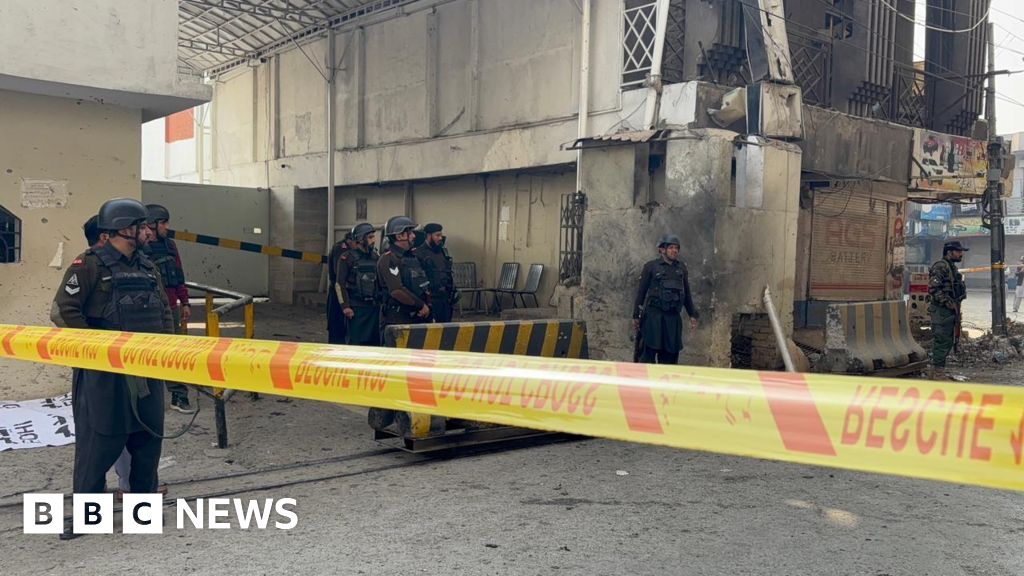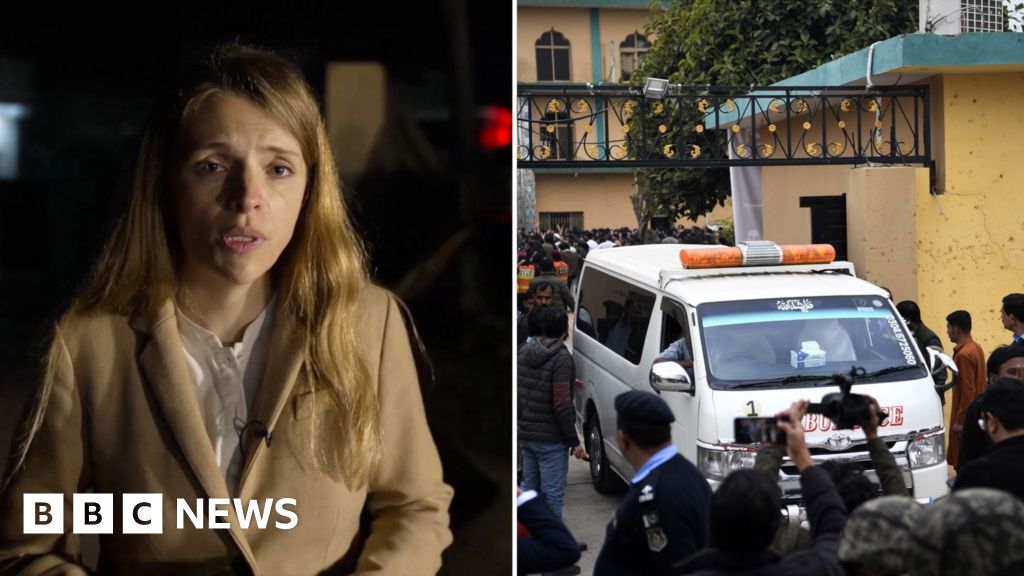

The recent suicide bombing at a Shia mosque in Islamabad, Pakistan, which claimed at least 31 lives and injured nearly 170 others, underscores a troubling escalation of sectarian violence that continues to destabilize the region. According to local authorities and eyewitness accounts, the blast was preceded by gunfire, indicating a coordinated attack aimed at targeting the religious minority. This incident has not only caused immediate humanitarian crises—prompting urgent hospital responses and blood donation appeals—but also reverberates with profound geopolitical implications that extend beyond Pakistan’s borders.
As international analysts scrutinize the attack, it draws attention to the broader regional sectarian tensions and extremist threats that plague South Asia. Experts such as regional security strategist Dr. Lisa Ferguson emphasize that such violence perpetuates a cycle of radicalization, often fueled by militant groups seeking to deepen sectarian divides. The Pakistani government’s response—condemning the attack and calling for justice—underscores its commitment to combating internal extremism. However, outside observers warn that without addressing underlying issues such as political marginalization and ideological radicalization, these incidents may become a recurring menace with the potential to destabilize neighboring countries, including Afghanistan and India, which are already wrestling with their own complex security challenges.
International organizations, including the United Nations, have issued statements condemning the attack, emphasizing the importance of protecting religious minorities and pursuing justice. Yet, the attack also highlights the fragile state of broader bilateral and regional relations. For instance, Pakistan’s neighbor, India, faces heightened concern over cross-border terrorist links, complicating diplomatic efforts toward peace and stability in South Asia. Simultaneously, China maintains economic and strategic interests in the region through initiatives like the Belt and Road, walking a tightrope between supporting Pakistan and managing regional instability. Meanwhile, United States policymakers are watching closely, evaluating how Pakistan’s internal security issues influence broader U.S. strategic objectives in Asia.
Historians and security analysts warn that this attack signifies a turning point in Pakistan’s ongoing struggle with extremism. According to noted geopolitical scholar Dr. Rajiv Malhotra, such acts of violence threaten to fracture societies and hinder efforts at reconciliation. The broader global narrative echoes these concerns: the rise of religious and ideological violence adheres to a dangerous pattern that tests the resilience of nations committed to democracy and pluralism. As the dust settles in Islamabad, the world must grapple with the realization that history is still unfolding, and that the outcomes of these tragic events will define regional stability for years to come. With the shadows of extremism lengthening across borders, the necessity for vigilant, coordinated international action has never been more apparent. The weight of history presses down—what course will the world choose amidst this chaos remains to be seen, but the stakes could not be higher.