Matox News

Truth Over Trends, always!

Amsterdam Jewish School Explosion: Official Calls It a Deliberate Attack

In a clear reflection of the shifting geopolitical landscape, recent events have prompted heightened security measures at Jewish public institutions across Europe, following a disturbing incident in Rotterdam. This development underscores the ongoing challenges facing Western nations as they navigate the complex balance between safeguarding civil liberties and protecting their citizens from emerging threats. The incident signals a potential uptick in anti-Semitic violence, which European governments have long warned could destabilize social cohesion if left unchecked.

European security agencies and international organizations are now grappling with how to respond effectively. In Rotterdam, authorities responded swiftly, increasing patrols at synagogues, community centers, and Jewish schools. Yet, such measures are merely reactive, highlighting a deeper, systemic problem: rising intolerance and radicalization fueled by shifting political narratives and regional conflicts. Analysts from the European Agency for Fundamental Rights have noted a sharp increase in anti-Semitic incidents over the past year, correlating with broader tensions in the Middle East and increased migration from unstable regions.

Historically, Europe has been a continent scarred by oscillating waves of violence, which now appear to be re-emerging in new forms. The incident in Rotterdam is viewed by many experts as a warning sign, a potential turning point that underscores the fragile stability of European multicultural societies. International peace and security organizations have issued statements cautioning against complacency, emphasizing the importance of countering hate crimes and fostering community resilience. The United Nations has urged member states to reinforce their commitments to tolerance, yet critics argue that political inaction and the failure to confront radical ideologies continue to allow the threat to metastasize.

The geopolitical impact of these events extends beyond Europe. As the world watches, rising tensions between major powers—including the United States, Russia, and China—are causing ripples that influence regional stability. European nations, particularly those in NATO, perceive these incidents as indicative of broader shifts, where internal security is intertwined with global power struggles. Strategists warn that if these threats are not curtailed, there could be a resurgence of nationalist rhetoric and rhetoric-driven policies that threaten international cooperation and peace.

As history continues to unfold, the persistent question remains: how will nations respond to these mounting challenges? Will they fortify their commitments to unity and tolerance, or will they succumb to division and fear? The answer lies in their ability to confront the darker chapters of history with resolve and wisdom, lest the lessons of the past become nothing but echoes in an increasingly uncertain future. For now, the weight of history presses heavily upon the present, reminding all that the struggle for peace and security is ongoing, and the choices made today will shape the world of tomorrow.
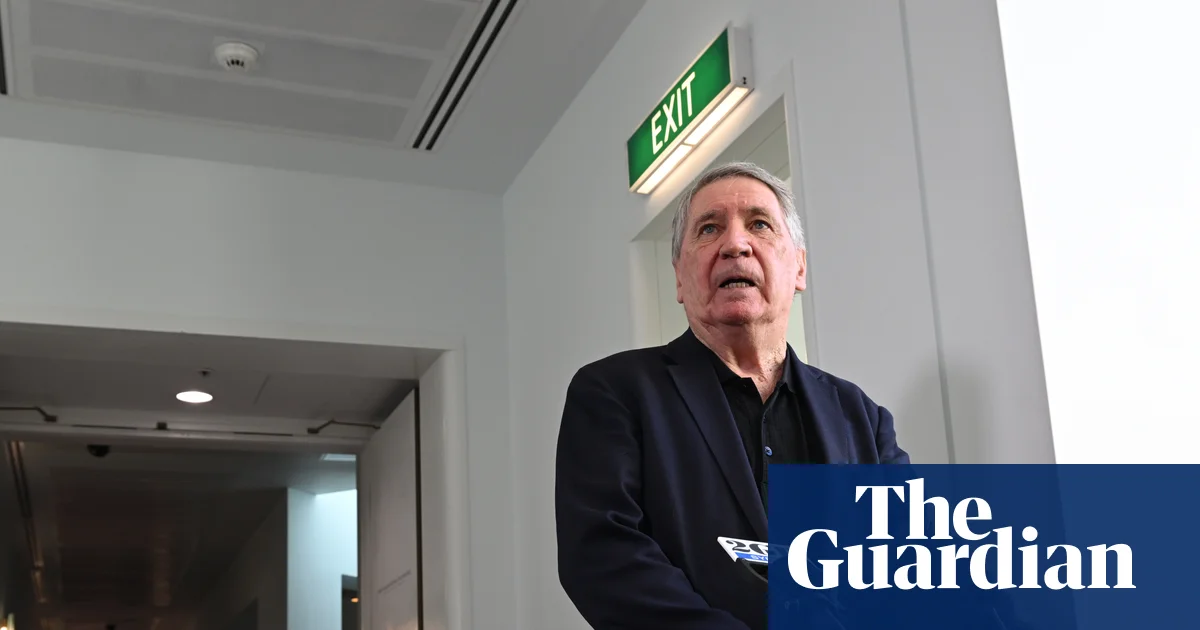
Dennis Richardson Urges Action on Bondi Attack Failures, Quits Inquiry Over Urgency Concerns

In a world increasingly shaped by _u_shifting alliances and volatile conflicts_, the decisions made within national borders often have profound _geopolitical impact_. Recent events in Australia highlight the persistent challenge of balancing domestic security measures with the integrity of public trust and the swift response needed to combat evolving threats. Following the tragic Bondi terrorist attack_, the Australian government faces mounting pressure to reform its intelligence and law enforcement frameworks, with critics emphasizing that such _urgent_ reforms cannot be delayed by bureaucratic inertia.

At the heart of this debate is former spy chief Dennis Richardson, who has been vocal about the need for immediate action. Richardson underscores that _”you cannot leave matters that go to public safety till the end of the year,”_ warning that _any_ delay in implementing necessary recommendations could further endanger communities, particularly vulnerable groups that live in fear._ His resignation from the royal commission into antisemitism revealed internal disagreements over the timing of security reforms, sparking concerns that the traditional process of inquiry and response is too slow when faced with _imminent threats_. Analysts argue this reflects a broader international trend where national security is often compromised by lengthy investigations, thereby risking societal stability and the perception of a government’s resolve to protect its citizens.

The _investigative_ process was launched in the aftermath of the Bondi massacre, which shocked the world with its brutality. Yet, Richardson contends that the royal commission’s hearings, scheduled to begin only around the report’s interim phase in late April, are too late to effectively address _emerging_ threats. His criticism underscores a critical _turning point_ in how governments worldwide might need to reevaluate the timeline and scope of their security inquiries. While the Royal Commission aims to uphold *judicial integrity*, international authorities and security analysts warn that _“waiting until the end of the year could allow terrorists and extremist elements the time to regroup and strike again,”_ risking a cycle of tragedy and delayed accountability.

Utilizing insights from international agencies such as the United Nations and security analysts, experts emphasize that _”the world’s security landscape is more unpredictable than ever,”_ especially as _volatile conflicts in the Middle East, rising extremism in Europe, and regional power struggles in Asia cut across national borders_. The noose tightens as world powers grapple with _the dilemma_: how to safeguard national sovereignty and societal well-being without overstepping civil liberties. The debates in Australia serve as a warning to other nations—delay in addressing internal security failures could have devastating _geopolitical_ effects, exacerbating regional instability and empowering radical movements.

As Australia tries to reconcile the urgent need for security with political processes, the weight of history reminds us that _decisions made in the coming weeks will shape the course of national and international stability_. Richardson’s departure, while seemingly procedural, symbolizes a larger _battle_ over how governments respond to the exigencies of modern terrorism and societal fear. The unfolding story remains a stark reminder: in the annals of history, those who hesitate at pivotal moments may find themselves on the wrong side of the narrative, witnessing the slow unraveling of peace and order in a world torn by _conflict that waits for no one_.

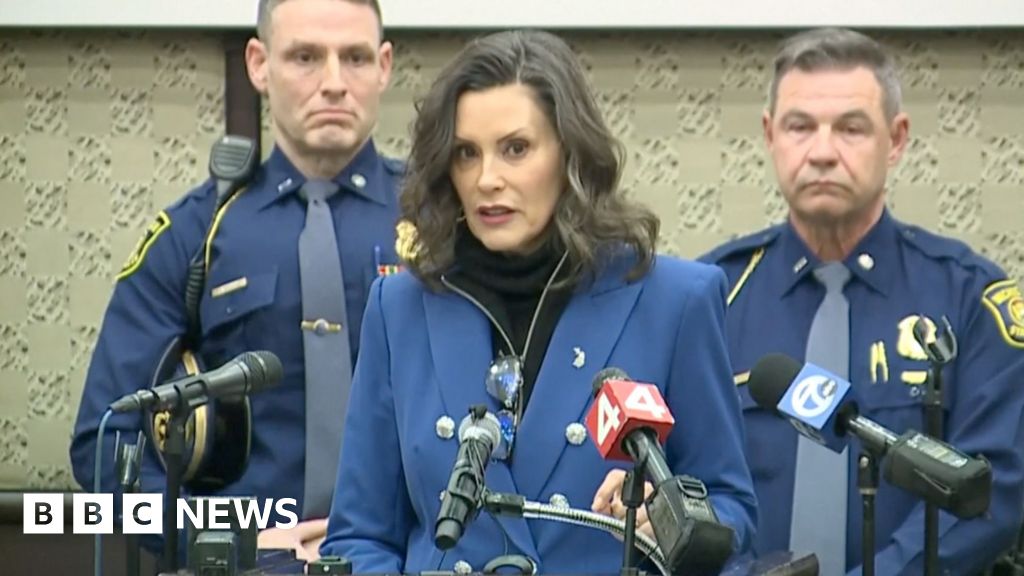
Michigan synagogue attack a clear act of hate, warns governor

In what experts are calling a disturbing escalation of domestic violence, authorities in the United States have officially classified a recent incident as a “targeted act of violence against the Jewish community”. The FBI’s investigation underscores the ongoing challenges faced by minority communities within national borders, yet the motive behind this attack remains elusive, leaving many to question the underlying societal tensions that continue to threaten social cohesion in Western democracies.

From a geopolitical perspective, such acts of targeted violence trigger a ripple effect that extends far beyond national borders, fueling concern in Israel, European Union, and allied nations. Many analysts argue this incident is symptomatic of a rising tide of anti-Semitism and political extremism, fueled by a volatile global climate of misinformation, radical rhetoric, and socio-economic upheaval. International organizations like the United Nations and European Parliament have continually warned that domestic terror tactics threaten the ideological stability of multicultural societies and can destabilize geopolitical alliances.

Historian and geopolitical analyst Dr. Edward Marks emphasizes that such violence acts as a catalyst for destabilization, often prompting international scrutiny and diplomatic tensions that complicate efforts for global cooperation. The incident exemplifies the fragile nature of social trust within liberal democracies, where internal divisions can ignite wider conflicts if not addressed decisively. Meanwhile, critics are drawing parallels to similar episodes in Europe and elsewhere, where rhetoric aligning with anti-establishment and nationalist movements has created fertile ground for hate crimes. The FBI’s cautious stance—avoiding immediate attribution of motives—reflects the complexity of the threat, which is often intertwined with broader geopolitical shifts and the resurgence of ideological extremism worldwide.

As nations around the globe monitor the fallout, the decision-making networks facing this crisis are grappling with how best to contain and counteract these threats. The incident is viewed not merely as an isolate event but as part of a larger pattern of rising nationalist sentiments and ideological polarization. The international community is increasingly aware that these internal conflicts threaten the stability of alliances and international norms. As the United States grapples in its internal political arena, the echoes of this incident serve as a stark reminder that the fight against violence and hatred must be fought on numerous fronts, from law enforcement to educational reform and social policy.

Ultimately, this event leaves a profound question hanging in the air: how will nations respond to the mounting evidence that ideological extremism is a growing global threat? With history witnessing the devastating consequences of unchecked hatred and division, the decision to confront and address these issues decisively will shape the course of societal development for generations to come. As the world watches, the weight of history presses heavier, threatening to tilt the fragile balance of peace toward chaos if decisive action is not taken—reminding us that in the relentless march of history, the battle for societal stability is never truly over, and the next chapter remains unwritten.

Suspect killed after attempting deadly attack on Michigan synagogue

In a concerning development that underscores rising tensions worldwide, the FBI has announced that an incident occurring recently is under investigation as a targeted act of violence against the Jewish community. This move signals not only the gravity of the event but also highlights an escalation in attacks directed at religious and ethnic minorities across the globe. With political rhetoric and extremist ideologies fueling divisions, authorities now face the formidable challenge of safeguarding vulnerable populations amidst a shifting geopolitical landscape.

Historically, acts of violence against minority groups have often presaged broader societal fragmentation. Experts from international institutions, such as the United Nations, have repeatedly warned about the dangerous consequences of unchecked hate crimes, noting that such events often serve as catalysts for social upheaval. Analysts emphasize that movements driven by nationalist, supremacist, or divisive narratives tend to gain momentum during periods of political uncertainty, amplifying the threat of violence. The recent FBI statement underscores how, in the digital age, radicalization can rapidly manifest into dangerous acts, impacting diplomatic relations and domestic stability alike.

The geopolitical impact of these incidents extends beyond national borders. Countries that harbor large Jewish communities or are engaged in ongoing conflicts with extremist factions have become increasingly vulnerable to retaliatory violence and diplomatic tensions. The incident’s investigation may influence international relations, particularly if it connects with broader plots or extremist networks. As geopolitical analysts caution, when acts of terror strike minority communities, the repercussions ripple through diplomacy, security policies, and societal cohesion in multiple nations. This event comes at a time when many governments are reevaluating their counter-terrorism strategies amidst a backdrop of global instability and ideological conflict.

Through the lens of history, such episodes are reminders that the struggle over identity, security, and sovereignty is far from over. Prominent historians have noted that societies often grapple with these issues during moments of change, potentially marking turning points in national narratives. International organizations, meanwhile, stress the importance of unity in the face of division, urging countries to combat hate with resilience and strengthened cooperation. Yet, as events unfold, the shadow of history reminds us that the choices made today will shape the very fabric of future societies. As night falls on a fragile world, the weight of this unfolding saga leaves one question posed to all: how will nations rise to meet the tide of hatred, or succumb to it?

Suspect in Michigan synagogue attack shot dead by security—justice served

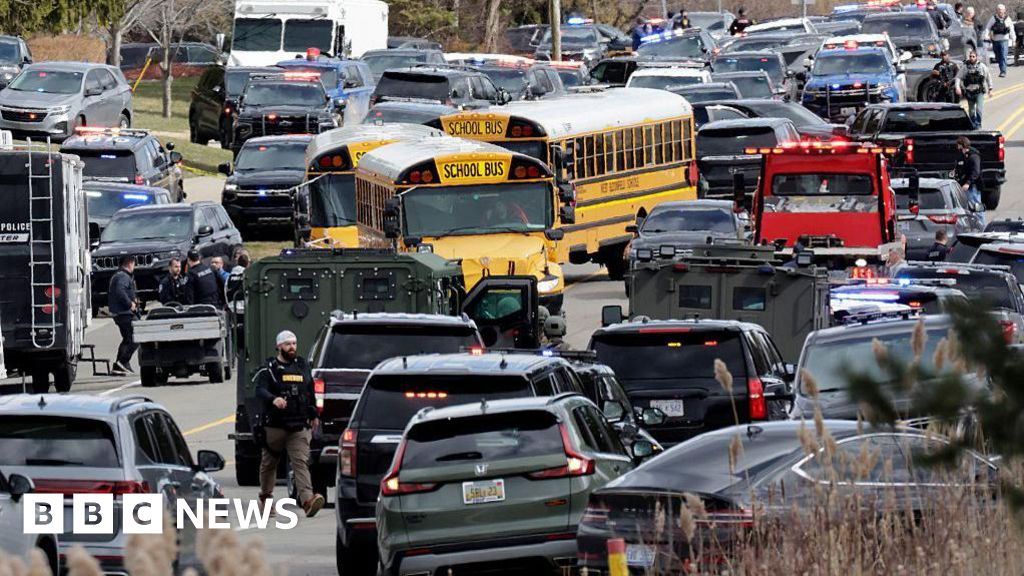
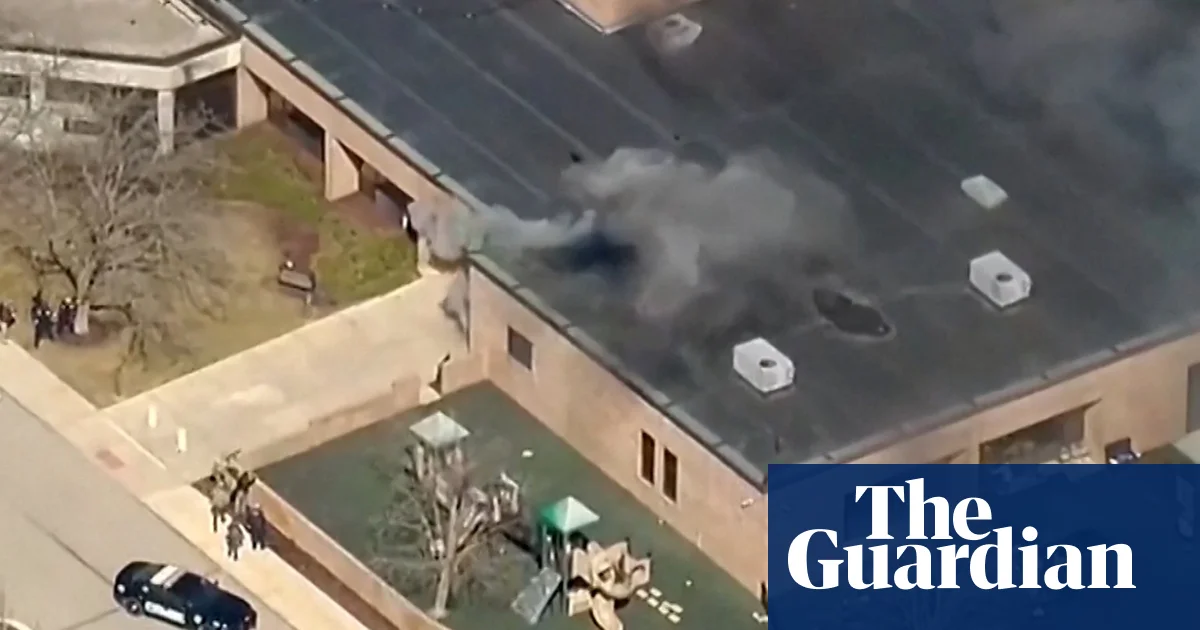
The recent attack at Temple Israel in West Bloomfield, Michigan underscores a growing concern over domestic threats catalyzed by wider geopolitical and ideological shifts. A man drove his vehicle into the synagogue, an act quickly neutralized by security personnel. While no fatalities occurred, the incident resulted in injuries and the discovery of explosives within the vehicle, prompting a swift law enforcement response. This event appears to be more than isolated violence; it is emblematic of escalating antisemitic rhetoric and targeted violence within vulnerable communities in the United States, raising alarms among international observers and policymakers about the stability of social cohesion amidst rising tensions.

Analysts note that incidents like this occur within a broader context of ideological polarization and radicalization fueled by global conflicts. The FBI’s presence at the scene and the deployment of bomb squads reflect the seriousness with which authorities are treating domestic terrorist threats. According to international security experts, such acts are often exacerbated by echo chambers online and political rhetoric that fosters division. The incident echoes a disturbing pattern highlighted by academics such as Dr. Laura Shepherd, who warns that “domestic extremism is increasingly intertwined with global narratives of conflict, turning localities into battlegrounds for ideological supremacy.”

The geopolitical impact of these tragedies extends beyond national borders. The United States, as a global leader, must grapple with how internal conflicts impact its international standing and security partnerships. The incident coincides with ongoing debates about security policies and the balance between civil liberties and national safety. Meanwhile, authoritarian regimes worldwide see such events as opportunities to discredit democratic systems—portraying them as fragile or incapable of maintaining law and order. The international community observes, in particular, the response of the United States in demonstrating resilience and commitment to protecting minority rights, a vital measure amidst a geopolitical climate rife with instability and conflict.

As officials and communities vigilantly respond to this attack, the core question remains: how will this event shape societal resilience in the face of rising domestic terrorism and ideological strife? History suggests that moments of crisis often serve as crucibles, testing national values and unity. The incident at Temple Israel could be a catalyst for renewed debate on security, social cohesion, and the role of international influence in shaping domestic ideology. How nations respond—by strengthening defenses, addressing root causes, or succumbing to division—will determine whether the fabric of pluralistic societies unravels or gains strength.

In the shadows of these unfolding events, history continues to write itself. The weight of collective memory presses heavily upon this moment—a reminder that the flames of intolerance can ignite with devastating speed, yet human resolve and international cooperation can forge pathways toward understanding and security. The distant echoes of past conflicts and the flashpoints of today merge in a reminder that the future remains unwritten, yet every decision holds the power to shape the course of history. As the world watches, it is crucial that this chapter not be defined by fear and division, but by courage and resolve—a legacy that, no matter how fragile, can be defended against the darkness that seeks to engulf it.

Iranians in UK warn Starmer: War boosts Tehran regime amid US-Israel attack on Iran

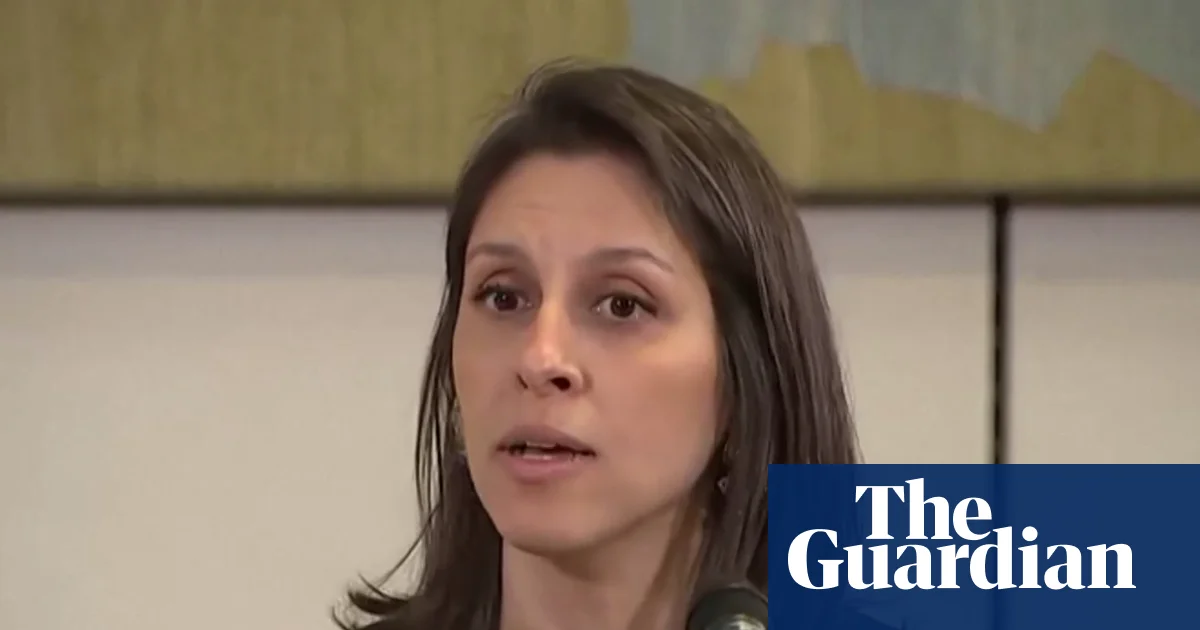
The ongoing turmoil in Iran continues to redefine the landscape of international politics, with recent developments highlighting the escalating tensions surrounding the nation’s future. A coalition of prominent Iranian expatriates and former political prisoners, including the notable Nazanin Zaghari-Ratcliffe, has issued a compelling appeal to British Prime Minister Keir Starmer. Their letter underscores a nuanced plea: avoid being drawn into the current conflict, which they argue only serves to bolster the regime in Tehran. This sentiment echoes across a fractured global stance, illustrating a critical divergence in how Western nations approach Iran’s volatile situation.

The letter sharply counters narratives supporting regime change through military means, especially those fueled by diaspora figures such as Reza Pahlavi, the exiled son of Iran’s pro-Western former monarch. While Pahlavi and others advocate for a democratic transition, critics within the international community highlight the peril of armed intervention. Former U.S. President Donald Trump has also weighed in, suggesting a preference for internal leadership rather than external force, reflecting a broader debate about interventionism versus diplomacy. The signatories, including distinguished figures like Aras Amiri and Nasrin Parvaz, advocate for pragmatic and peaceable measures, such as providing Starlink technology to restore communication inside Iran—a move seen as essential for empowering domestic opposition and safeguarding human rights.

The recent escalation against Iran took a devastating toll, notably with the assassination of Iran’s 86-year-old Supreme Leader Ali Khamenei and his family by Israeli airstrikes on the war’s first day. Khamenei’s death has profoundly altered the country’s power dynamic, with his successor being one of his sons, Mojtaba Khamenei. Analysts warn that such targeted strikes risk further entrenching authoritarian rule and solidifying Tehran’s narrative of Western aggression. International organizations, including the United Nations, have expressed disquiet over the rising casualties and the potential for prolonged conflict in the Middle East, which could ripple far beyond regional borders. The destruction of Iran’s leadership not only destabilizes the nation but signals a ripple effect prompting shifts in alliances and strategic calculations across continents.

Underlying these events is a broader debate about how international decisions ripple through societies and influence future stability. The coalition of Iranian expatriates urges Western powers to avoid military escalation, emphasizing peaceful pathways that respect Iran’s internal sovereignty. They warn that misguided actions, such as assassinations or covert interventions, only serve to bolster the hardliners and deepen the cycle of repression and conflict. Meanwhile, geopolitical analysts like Samuel P. Huntington and institutions such as Foreign Policy Magazine caution that the current trajectory risks igniting a regional war, one with unpredictable outcomes that could reshape alliances in the Middle East for decades to come. The specter of a protracted conflict looms, reminding the world that the decisions made today may very well determine the course of history in Iran—and beyond.

As the dust begins to settle on a conflict that shadows the horizon, the weight of history remains inscribed in every action and reaction. The unfolding story of Iran’s internal struggle, shaped by international interference and regional power plays, continues to serve as a stark reminder that in the theatre of global geopolitics, every decision echoes with the potential to redefine the future. As young nations watch and wait, the question lingers: who will ultimately determine the next chapter? Humanity holds its breath, aware that this chapter is far from over—and that the pages yet to be written may be the most crucial of all.

Canadian teen tragically loses life in drowning after dingo attack in Australia

The recent discovery of Piper James’s body on the remote island of K’Gari has sent shockwaves through international media and ignited a broader discussion on the ramifications of isolated tragedies within fragile ecosystems. Found in January amidst a pack of dingoes, this incident underscores the potential perils faced by unexplored or minimally managed territories — locations often overlooked in the grand geopolitical theater. While initial reports focus on local circumstances, the incident has unexpectedly become a flashpoint for larger debates on environmental protection, sovereignty, and the global implications of human-animal interactions.

From a geopolitical perspective, the incident highlights the vulnerabilities of islands like K’Gari, a site increasingly viewed through the lens of environmental and strategic importance. Many analysts point out that such tragedies could either serve as cautionary tales or catalysts for international discussions about sovereignty, resource management, and conservation policies. The incident raises questions on whether nations should strengthen their environmental oversight or limit access to particularly fragile ecosystems. In a world where environmental shifts often interlock with geopolitical conflicts, such local tragedies echo national narratives about sovereignty and responsibility. International organizations, including the United Nations Environment Programme, have long emphasized the importance of safeguarding ecological sanctuaries from human disturbances, yet enforcement remains inconsistent, especially in remote regions.

Furthermore, the incident’s unexpected global attention reflects a growing trend where individual tragedies reveal the interconnectedness of social, environmental, and political systems. Historians and geopolitical analysts warn that neglect or mismanagement of remote ecosystems can precipitate broader crises—be they ecological, social, or diplomatic.

  • Some nations, driven by economic interests, tend to downplay the significance of isolated habitats, risking conflict with conservationists and indigenous communities.
  • Others advocate for increased international cooperation to mitigate risks in fragile environments, fearing that unmonitored sites could become grounds for illegal activities or environmental degradation.

As the international community grapples with this incident, it functions as a stark reminder of the delicate balance between sovereignty and global stewardship. As one analysis warns, “Haphazard management of isolated ecosystems not only endangers local biodiversity but also imperils broader regional stability.” With rising geopolitical tensions elsewhere, the fate of remote regions like K’Gari could become emblematic of a larger struggle—an ongoing contest over control, conservation, and the preservation of human dignity amid the wilderness. The story of Piper James is more than a tragic loss; it is a stark tableau of how humanity’s decisions can echo through history, shaping the narrative of tomorrow’s world, leaving us to wonder: are we safeguarding our future or merely observing it slipping away?

Six U.S. soldiers killed in Iranian attack on Kuwait base amid rising tensions

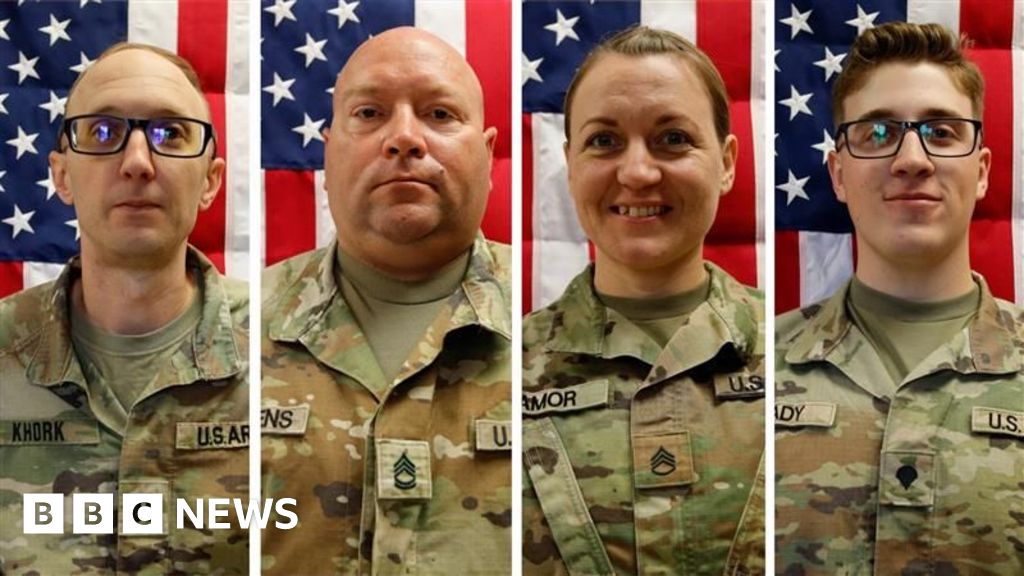
In a stark demonstration of escalating tensions in the Middle East, the United States government has confirmed that a US military base was hit by Iran on Sunday. This incident marks a significant escalation in a region already fraught with conflict and diplomatic fragility. According to the US defense secretary, the attack involved deliberate projectile strikes, signaling a shift from the longstanding pattern of covert confrontations to visible military provocations. The attack’s timing and target underscore the fragile state of U.S.-Iran relations and threaten to trigger a broader regional security crisis.

The geopolitical impact of this confrontation extends well beyond the borders of the Middle East. Analysts from the International Crisis Group and military strategists warn that such hostilities risk destabilizing already fragile alliances and intensifying proxy conflicts. The attack comes amid ongoing negotiations over Iran’s nuclear program, where diplomatic channels appeared to be making slow progress. Many experts interpret this assault as Iran’s message of defiance, seeking to leverage its strategic position and rally domestic support by challenging American presence in the region. The response from the US and its allies is expected to be decisive, potentially leading to increased military deployments or new sanctions aimed at curbing Iran’s regional influence.

Historically, this incident resonates with past flashpoints in the Middle East, where even a single attack can ignite a series of events with global repercussions. HISTORIAN Robert Peterson emphasizes that these moments are not isolated but are deeply rooted in decades of conflict, foreign intervention, and unresolved grievances. The United Nations has called for restraint, urging all involved parties to avoid further escalation. Yet, the reality is that the international community remains divided on how to address Iran’s regional policies, with Russia and China often seeking to capitalize on Western vulnerabilities for their strategic gains. The incident reinforces the notion that the region is a chessboard for historic rivalry, where even minor skirmishes can spiral into full-scale confrontations with global implications.

As the world watches and waits, the question lingers: how will this attack reshape the balance of power in the Middle East? Will it serve as a warning to those who challenge American dominance, or will it deepen existing divisions? The political and military consequences are yet uncertain, but what is clear is that history is again at a crossroads. The decisions made in these critical moments could determine the course of the 21st century—shaping nations, societies, and generations yet unborn. The unfolding chapters of this crisis may yet become a defining story of our era, a stark reminder that beneath the surface of diplomacy, the specter of war continually looms, waiting to be unleashed at the slightest provocation.

Man tragically killed in axe attack after campground dispute in rural NSW

The recent murder at a remote New South Wales campground underscores a violence that, while seemingly localized, echoes through the geopolitical landscape. The brutal axe attack, which resulted in the death of a 33-year-old man, has not only captivated local authorities but also raised questions about social cohesion and security in an era of increasing unrest. The suspect, a 26-year-old man known to the victim, was swiftly arrested and charged, signaling an unwavering commitment by local law enforcement to uphold order. Such incidents, though isolated in scope, serve as microcosms of societal fragility that can ripple into broader regional stability amid rising tensions.

At a glance, the event appears to be a tragic, domestic altercation. However, analysts suggest that this localized violence can be reflective of deeper societal fractures, especially as nations grapple with the complex aftermath of global conflicts, mass migration, and economic stagnation. Historians warn that unchecked violence at the community level can undermine the fabric of national security—an issue that international organizations and governments are ever more vigilant about. In Australia’s case, the incident adds to a troubling pattern that some experts say foreshadows challenges in maintaining social stability in a nation increasingly exposed to world-stage conflicts and domestic dissent.

This incident arrives amidst a broader international context where conflicts are reshaping the geopolitical landscape. For example, the ongoing tensions in the Middle East have sparked debates among analysts and international bodies about shifting alliances and the imperiled stability of traditional power blocs. As the US and Israel’s recent maneuvers in Iran appear to deepen regional chaos, countries like Australia find their security policies and societal cohesion tested more than ever. The ripple effects of these shifts transcend borders, influencing everything from trade to internal security policies and societal perceptions of threat. Related: Australia’s response to US and Israel’s actions in Iran highlights how international decision-making impacts nations far beyond the Middle East, often leaving everyday communities vulnerable to unforeseen consequences.

Ultimately, these interconnected developments serve as a reminder that history is still being written in real time. The rise of violence at home, coupled with tumult on the world stage, reflects a moment of profound transformation. As nations navigate their paths through geopolitical upheaval, the choices made today will resonate for generations to come. The question remains: will nations adapt and strengthen their societal fabrics, or will the weight of global uncertainty deepen the fractures—pushing the world toward an unpredictable and turbulent future? The unfolding narrative is far from over, and the stakes could not be higher—as history watches, waiting for the next chapter to be written in the shadowy spaces between peace and chaos.

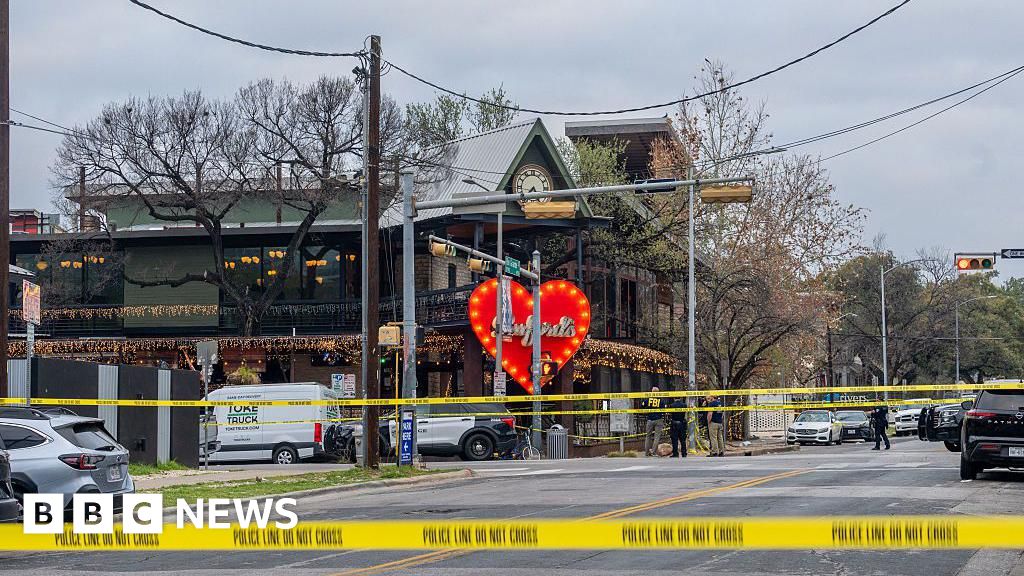
FBI: Texas Bar Shooting Could Be Terror Attack, Authorities Say

In a tragic incident that has captured international attention, a violent shooting event resulted in the deaths of **two individuals** and left **14 others injured**. Authorities confirmed that the suspected gunman was also shot dead at the scene, raising urgent questions about public safety, mental health, and the broader implications for security policies across nations.

Global leaders and security agencies have responded with immediate condemnation, emphasizing the critical need for coordinated efforts to prevent such tragedies. While the specifics of the attack remain under investigation, the incident underscores a common vulnerability: in a world grappling with escalating violence, individual acts of terror or impulse-driven violence can rapidly destabilize communities. Policymakers from **the United States**, **Europe**, and beyond are now scrutinizing existing laws and intervention strategies, with many calling for an urgent reevaluation of gun control measures, mental health support, and law enforcement preparedness.

The geopolitical impact of such events is profound. Countries with liberal attitudes toward firearms often face intensified domestic debates, but the ripple effects extend further. International organizations like **the United Nations** have long warned about the global escalation of violence and the importance of comprehensive security frameworks. As analysts note, moments like these are turning points that test the resilience of societal institutions and the ability of governments to uphold order amid chaos. The incident also intensifies the ongoing debate about **civil liberties versus public safety**, a tension that resonates across diverse political ideologies in multiple nations.

History and experts agree that such tragedies are not isolated incidents but part of a broader pattern that reflects social and psychological undercurrents in modern societies. According to security analysts and historians, these acts of violence often serve as stark reminders of the underlying fractures within communities—whether driven by economic disparity, ideological extremism, or mental health crises. The response to this shooting could either reinforce existing security policies or catalyze reforms aimed at more holistic societal resilience. As one renowned analyst remarked, “Today’s tragedy may ripple for decades, shaping policies and societal attitudes with consequences that will be debated by future generations.”

Amidst the fury of headlines and the grief of the victims’ families, history’s pen continues to write, capturing the unfolding narrative of a world where safety is increasingly fragile. As nations grapple with this latest tragedy, they are prompted to ask how humanity—young and old—can forge a collective path toward a future where such violence becomes a relic of the past. Yet, in the echoes of gunfire and tragedy, one truth remains clear: the weight of history presses heavily on the shoulders of all, a reminder that every decision, every policy, every society’s resolve, shapes the outcome of an uncertain tomorrow.

Social Media Auto Publish Powered By : XYZScripts.com