Matox News

Truth Over Trends, always!

Bondi Attack: Communities Ignite Menorahs, Stand Together in Resilience and Hope

Australia Confronts Heartbreaking Terror Attack: A Reflection on Geopolitical Implications and Societal Resilience

In a striking illustration of the precarious global landscape, Australia has recently endured a harrowing act of terrorism at Bondi Beach, claiming the lives of 15 innocents during a Hanukkah celebration. This tragedy underscores the persistent threats that nations face even amidst democratic resilience—issues that transcend borders and demand unwavering international vigilance. The attack, perpetrated by a father-and-son pair motivated by an “extreme perversion of Islam,” has provoked widespread mourning, but also reignited debates over security, societal cohesion, and the capacity of political institutions to respond decisively.

The immediate aftermath has seen a surge of national unity. The Prime Minister Anthony Albanese dismissed initial claims linking the suspect to an ISIS terror cell, emphasizing that “there is no evidence” for such allegations. This stance underscores the importance of precise intelligence and calibrated responses in an era where misinformation can be as destabilizing as the violence itself. Nevertheless, the government announced a commitment to tighten Australia’s already strict gun laws, with lawmakers pledging to restrict firearm licenses more stringently, acknowledging that radicalization and security vulnerabilities are increasingly complex issues requiring comprehensive solutions. Such legislative measures demonstrate an understanding that decisions on gun control significantly affect national security and civil liberties, shaping the societal fabric in the process.

Amidst the tragedy, stories of heroism and solidarity have emerged. Ahmed al Ahmed, a Muslim father-of-two, became a symbol of resistance when he disarmed one of the gunmen, risking his own life in the process. Donations exceeding A$1.3 million highlight the collective recognition of ordinary citizens acting in extraordinary circumstances. Leaders from Sydney’s diverse communities, including Rabbi Gabi Kaltmann and others, organized vigils and public Hanukkah events to honor the victims, reinforcing the vital importance of multicultural unity. Sources like international analysts and local historians point out that these acts of communal solidarity serve as a bulwark against the divisive forces of hate, demonstrating that societal resilience can outshine darkness—if only united against such evil.

Nevertheless, critics argue that authorities had warning signs and failed to prevent the tragic events, a concern reflecting broader international discourse on how governments manage the rise in hate crimes and extremist ideologies. Critics reference Australia’s earlier enactment of an antisemitism strategy, which some now deem insufficient, while others, including PM Albanese, vow to intensify efforts to stamp out anti-Semitism. This echoes global concerns that national responses must evolve, incorporating intelligence, community engagement, and legislation—elements that together shape the geopolitical response needed to combat the far-reaching tentacles of radicalism. As history continues to write itself, the weight of this moment presses heavily: how nations respond now will influence societal stability and international perceptions for generations to come.

In the shadow of grief and resolve, the question remains: how will the international community forge a path that balances security with liberty, unity with vigilance? As the world watches, the story of Australia’s response to this tragedy will be etched into the annals of history—an enduring testament to the enduring struggle between darkness and light.

BREAKING: Bondi Beach terror attack leaves at least 16 dead, including a child, and 40 injured—that's a shocking assault on our community—more updates to come.
BREAKING: Bondi Beach terror attack leaves at least 16 dead, including a child, and 40 injured—that’s a shocking assault on our community—more updates to come.

Bondi Beach Terror Attack: A Turning Point in Global Security and Society

The recent terror assault on Bondi Beach, an iconic Australian landmark, has sent shockwaves across the international community, highlighting the persistent threat of radical extremism in an era where geopolitical tensions often appear to fuel hate and violence. The attack, which resulted in at least 16 fatalities—including a child—and dozens wounded, marks one of the most horrific acts of violence Australia has faced in decades. As details unfold, analysts and global leaders alike are examining the incident not just as a tragic outlier but as a reflection of deeper, troubling trends in international security.

Prime Minister Anthony Albanese described the attack as a ‘horrendous act of terror,’ and international leaders have echoed this sentiment, framing it within the broader context of rising antisemitic violence worldwide. The attack is distinguished not merely by its brutality but by its clear targeting of Jewish Americans and Australians during Hanukah—a festival of light and resilience—therefore emphasizing the dangerous potential of ideological extremism to threaten societal cohesion. World organizations, including the United Nations, have issued condemnations, calling for urgent international cooperation to combat hate-motivated acts.

  • Australia’s internal security apparatus has declared the incident a terrorist attack, triggering special legislation and intensifying efforts to trace the origins and motivations behind the assault.
  • Suspected links to violent extremist ideologies have prompted joint investigations by Australian police and global counterterrorism units, emphasizing international collaboration in preventing further violence.
  • Prominent figures such as French President Emmanuel Macron and Israeli leader Isaac Herzog expressed solidarity, labeling the atrocity as an act of hatred and terrorism that transcends national borders.

How the Decision to Recognize a Palestinian State Influences Global Narratives

Adding a complex layer to the geopolitical landscape, Australia’s recent recognition of a Palestinian state—an unprecedented move in Western foreign policy—appears to be intertwined with ongoing regional tensions. This shift has exacerbated debates about the global challenge of extremism and the way geopolitical decisions influence perceptions and acts of violence. Historians argue that such gestures, while aimed at fostering peace, can concurrently serve as catalysts for extremist narratives, which exploit perceived betrayals or alliances to justify their actions.

Expert analysts warn that the incident at Bondi is a grim indicator of how ideological conflicts—whether rooted in regional disputes or historical grievances—are increasingly manifesting as domestic terrorism across Western democracies. The attack’s timing during Hanukah, along with the discovery of suspected incendiary devices, has amplified concerns about how cultural and religious tensions are exploited by malicious entities to destabilize societies. This tragedy underscores the necessity for governments to foster resilience and unity, championing security without surrendering core freedoms or tolerating hatred.

As history unfolds, the legacy of this attack will serve as a test for Australia’s national resolve and the international community’s ability to confront the rising tide of ethnoreligious violence. The heroism of individuals who intervened, risking their lives to prevent further carnage, reminds us that the battle against terror is fought not only through military means but also through unwavering societal strength. The voices of global leaders today echo a pressing warning: the light of hope and unity must shine brighter than ever, for in this darkness, the true test of a civilization’s character is measured. The world’s eyes remain fixed on Bondi, a battleground where the hopes for peace clash against the shadows of hatred—an ongoing saga that will shape the course of history for generations to come.

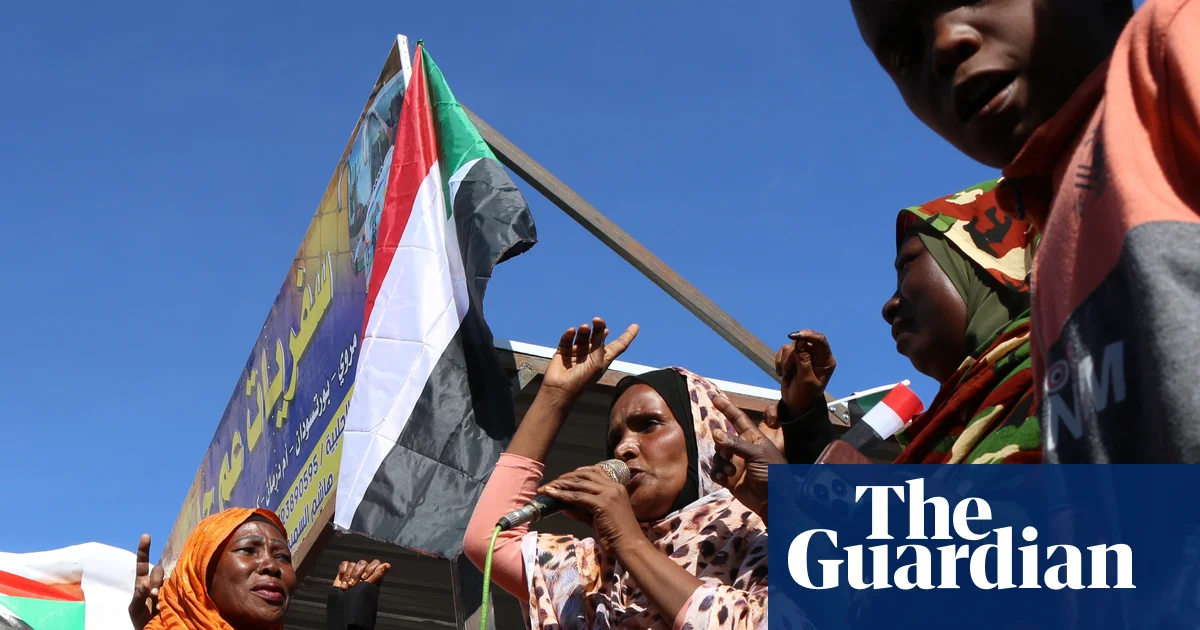
Drone attack on UN base in Sudan chaos kills six peacekeepers

The recent drone strike on Sudan marks a perilous escalation in a country already embroiled in chaos and destruction. The attack targeted a United Nations peacekeeping facility in Kadugli, a strategic city in Kordofan, resulting in the tragic death of six Bangladeshi peacekeepers and the injury of eight others. As UN Secretary-General António Guterres condemned the assault as a war crime, the geopolitical implications reverberate far beyond Sudan’s borders, underscoring the fragility of international peace initiatives and the chaos unleashed when lawlessness gains the upper hand.

These troubling events highlight the complexity of the ongoing civil unrest that has torn Sudan apart since April 2023. The country’s internal conflict, centered between the military and the notorious Rapid Support Forces (RSF), exposes a power struggle that has cascaded into regional instability. The armed conflict has spilled over into Kordofan and Darfur, regions historically troubled by ethnic violence and resource disputes. For experts and analysts, this attack reflects a deliberate attempt by insurgents to destabilize international efforts and challenge the authority of global peacekeepers – a direct threat to the stability of not only Sudan but the wider Horn of Africa.

  • The Sudanese military blamed the RSF for orchestrating the strike, amid claims that rebel factions are increasingly employing asymmetric tactics to undermine peace efforts.
  • The region’s oil resources, especially in Abyei, remain a flashpoint, with the United Nations and regional powers deeply concerned about escalations that threaten to ignite a broader conflict.
  • International organizations, such as the United Nations, warn that these targeted attacks could constitute a breach of international law and war crimes, fueling fears of a descent into full-scale chaos.

The geopolitical impact of this violence is profound. The UN has called for an immediate ceasefire, emphasizing the necessity of an inclusive, Sudanese-led political process to resolve the crisis. Yet, with each escalation, the threat of regional destabilization looms larger. China and Russia have strategic interests in the region, while Western powers seek to contain the spillover of violence into neighboring countries—an enduring struggle that echoes Cold War rivalries. The recent sanctions imposed by UK on RSF commanders, linked to mass killings, illustrate the international community’s attempt to exert pressure, yet these measures may prove insufficient amidst ongoing hostilities.

Historians and analysts warn that the Sudanese tragedy is a pivotal moment in Africa’s emerging security landscape. Experts suggest that the continued resort to violence, particularly against peacekeepers and civilians, signifies a breakdown of state authority and the ascendancy of chaos—an ominous sign for the future of regional stability. As the world watches Sudan teeter on the brink of complete disintegration, the question remains: will international diplomacy succeed in bringing about peace, or will history record this as a turning point toward prolonged conflict?

In the shadow of this unfolding catastrophe, the weight of history presses heavily upon the present. The fate of Sudan, a land rich in history but battered by internal strife, hangs precariously in the balance—a testament to how fragile the veneer of peace can be when lawlessness is permitted to flourish. As global powers maneuver and civilians bear the brunt of these conflicts, the world must confront the harsh truth: the quest for stability is ongoing, and the next chapters remain unwritten. The echoes of higher ideals clash with the brutal realities of war, leaving history to decide whether this moment marks a new dawn for peace or the early shadows of a much darker era to come.

US approves second Venezuela boat attack, White House confirms

In a move that underscores the increasingly aggressive stance of the United States in the Caribbean and Latin America, a series of controversial naval strikes have reignited international debate over sovereignty, legality, and Global security. Last month, the White House confirmed that a top US Navy commander ordered a second missile strike against what it alleged to be a Venezuelan drug-trafficking vessel. The incident, part of a broader anti-narcotics initiative, has raised fundamental questions about the legality of extrajudicial military operations in international waters. While U.S. officials defend these actions as necessary for national security, legal experts and foreign nations warn of dangerous precedents and regional destabilization.

The geopolitical impact of Washington’s expansion in the Caribbean is profound. As the U.S. increases its military footprint, especially off the coast of Venezuela, it sends a clear message: American interests in the region are non-negotiable. The Biden administration, continuing the policies of the previous Trump government, emphasizes that these strikes are acts of self-defense designed to disrupt drug trafficking networks responsible for flooding the U.S. with illicit substances. However, critics, including seasoned international analysts, argue that the proliferation of such strikes—often accompanied by grainy media footage devoid of concrete evidence—threatens to undermine longstanding norms of law and order in maritime conduct. The deployment of military force in such circumstances, especially with reports suggesting some mustered survivors were killed after initial attempts to rescue them, complicates the interpretation of international humanitarian law.

In the ongoing political saga, Venezuela sharply condemns these actions, accusing the U.S. of stoking regional tensions and pursuing a covert agenda to overthrow its government. Venezuelan authorities have announced investigations into the strikes, asserting that the U.S. operations violate sovereignty and international law. In an interview with BBC Newsnight, Venezuela’s Attorney General, Tarek William Saab, attributed U.S. hostility to “great envy” for Venezuela’s natural resources and called for diplomatic dialogue to de-escalate tensions. Meanwhile, President Nicolás Maduro remains defiant, maintaining that Washington’s accusations about his government’s involvement in drug trafficking are baseless and politically motivated. Despite diplomatic overtures, including a recent brief phone call between Donald Trump and Maduro—where the U.S. leader reportedly pressured him to resign—the situation remains volatile, with no signs of immediate reconciliation.

Across the U.S. legislative landscape, bipartisan concern is mounting. The Senate Armed Services Committee has promised vigorous oversight, seeking evidence—including audio and video recordings—to clarify the chain of command and the legality of the operations. Chairman Roger Wicker states that the committee plans to interview the admiral in charge of the operation to determine if proper protocols were followed. The rules of engagement under international law, especially within a context defined as a non-international armed conflict, explicitly prohibit targeting wounded combatants or survivors, raising serious doubts about the legitimacy of the second strike, where reports suggest survivors were killed after initial attacks. Critics argue that these actions resemble the controversial “double tap” drone practices used during the Obama era—practices that drew widespread criticism for civilian casualties.

This unfolding crisis underscores a broader debate about America’s role as a regional enforcer and the limits of its military power. As expert voices and international institutions scrutinize these operations, the legacy of this period remains uncertain. Is the U.S. acting as a defender of law and order, or is it forging a dangerous precedent—one where maritime sovereignty is secondary to the pursuit of perceived national interests? With the weight of history bearing down on these decisions, the world watches anxiously, as the balance shifts at the crossroad of diplomacy and warfare, threatening to set a precedent that may echo through generations. The story remains unwritten, teetering on the knife’s edge of a new geopolitical era—one that could define the future of international relations for decades to come.

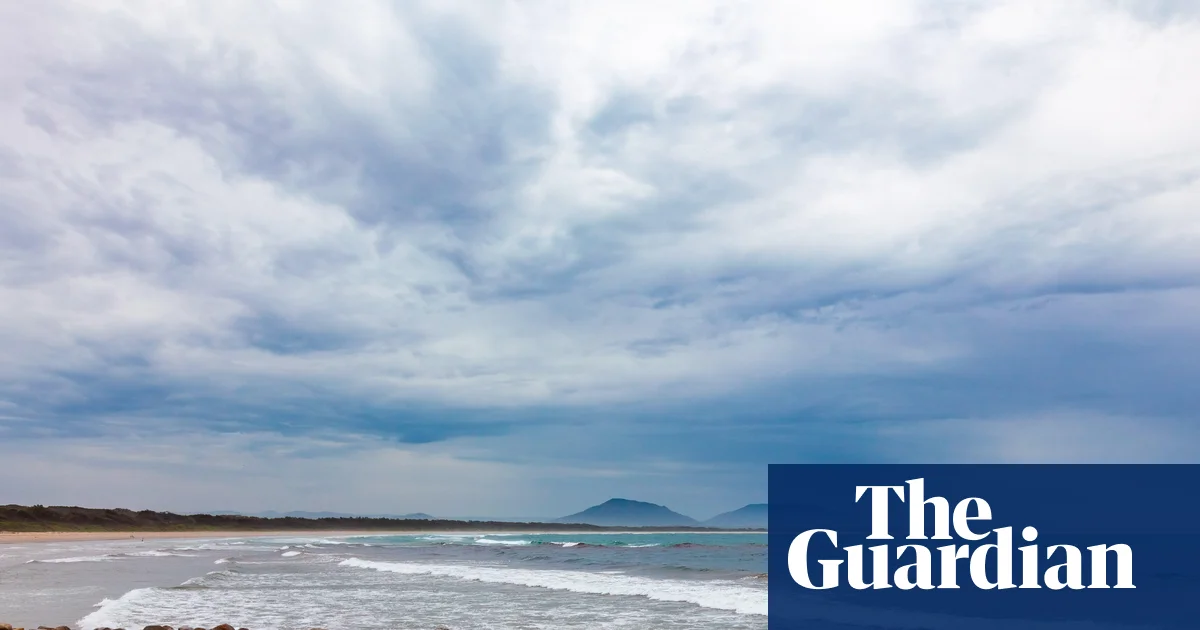
Australia Shark Attack: Woman Killed, Man in Critical Condition on NSW Beach

Rising Tragedy on Australia’s Shores: A Wake-Up Call for Global Marine Safety

In the latest chapter of Australia’s ongoing struggle with marine safety, a tragic shark attack on the New South Wales mid-north coast has resulted in the death of a woman in her 20s at Kylies Beach. Emergency responders responded swiftly early Thursday morning, but despite their efforts, the woman succumbed to her injuries at the scene. The incident also left a man critically injured, though he is now reported to be in a serious but stable condition. Such events have become a stark reminder of the increasing dangerous interactions between humans and marine life, sparking debates on how international communities should address the rising threat of shark attacks amid climate shifts and human encroachment.

Australia’s rising number of shark bite incidents has raised alarm bells across the international community, with experts citing an unprecedented increase in unprovoked bites over the last two decades. According to Prof. Charlie Huveneers from Flinders University, while the surge in water activities among Australians contributes to the risk, other factors—possibly including climate change, coastal development, and shark migration patterns—are fueling an intensifying threat. Over the past year alone, Australia has experienced five fatalities due to shark attacks, with the current year marking 13 unprovoked bites—10 fewer than 2023 but still indicative of a troubling trend.

Local authorities, responding to the incident, promptly closed Kylies Beach and deployed advanced “smart” drumlines equipped with real-time shark monitoring capabilities. These non-lethal devices, which use baited hooks to lure and tag sharks before releasing them back into open waters, exemplify innovative strategies being considered by international marine safety agencies. A report from the Department of Primary Industries (DPI) aims to identify the species involved and assess the ongoing threat, demonstrating Australia’s commitment to balancing ecological integrity with human safety. Such measures, along with drone surveillance, highlight how technology is increasingly critical in managing human-wildlife interactions on a global scale. However, international experts note that while these efforts are vital, they remain only part of the solution, as the root causes of rising shark encounters are complex and multi-faceted.

Looking beyond Australia, the geopolitical impact of marine safety and climate-related shifts in marine ecosystems could have far-reaching consequences. Nations with extensive coastlines—such as the United States, South Africa, and countries across Southeast Asia—are closely watching Australia’s approach, as the patterns of shark migrations and oceanic changes are global phenomena. As international organizations like the United Nations Environment Programme (UNEP) caution about climate change’s role in altering marine biodiversity, analysts warn that uncoordinated responses could exacerbate tensions and threaten maritime economies. Historians and environmental experts emphasize that these incidents are a “turning point,” underscoring the urgency of collective global action on climate mitigation, marine conservation, and sustainable tourism. Failing to act decisively may result in an era where coastlines are plagued by ever-increasing dangers, and societies are forced to confront the devastating costs of ecological neglect.

In this unfolding saga of survival and sovereignty over the seas, the incident at Kylies Beach serves as a visceral warning—one that underscores how decisions made today will carve the contours of future generations’ relationship with the ocean. As history rushes forward, the question remains: will humanity learn to coexist with these majestic but unpredictable creatures, or will we continue to witness tragedies that echo through the corridors of time? The weight of this moment rests heavily on the shoulders of international leaders, environmental strategists, and communities alike. The tide is turning; the narrative of human stewardship over the ocean is still being written, and the world hangs in the balance as nature’s patterns reveal that no coast, no matter how remote, is immune to the profound shifts underway.

Five Dead in Attack on Paramilitary HQ Highlighting Rising Threats

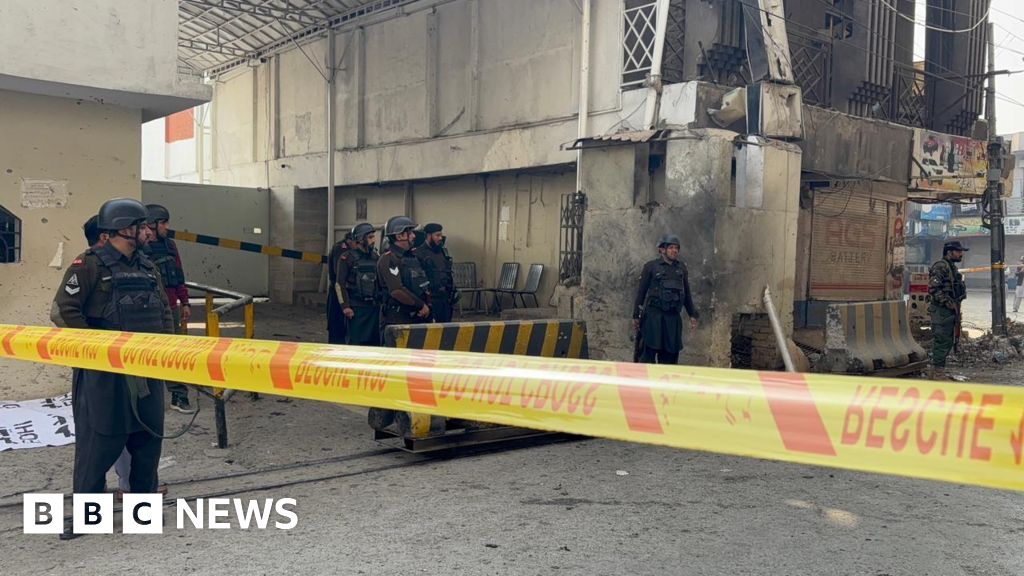
Pakistan witnessed a brazen attack on its security infrastructure this week, as two suicide bombers targeted the headquarters of the Federal Constabulary in Peshawar. The assault resulted in the deaths of three security officials and injured at least twelve others, highlighting the persistent threat of militant violence in the region. Despite the highly secured nature of the facility—located in a strategic and reinforced area—these attackers managed to breach multiple security layers, only to be neutralized at the gate. The incident underscores the **fragility of Pakistan’s internal security** and the enduring influence of militant groups such as the Pakistani Taliban.

Authorities have yet to claim responsibility for the attack, but the proximity of the incident to militant hotspots and historical violence suggests the involvement of insurgent factions operating in the region. Peshawar, in the north-west border province of Khyber Pakhtunkhwa, has long been a conflict zone where militant activities frequently threaten stability. Following the attack, officials described the event as a **”foiled terrorist plot,”** indicating that security forces had previously anticipated or thwarted potential assaults. The acting Prime Minister, Shehbaz Sharif, responded with a firm call for justice, emphasizing that the perpetrators must be identified and brought to account. Such statements echo Pakistan’s ongoing narrative—officially, a determined effort to combat extremism and restore order, but the persistent violence exposes weaknesses that often undermine these vows.

The broader geopolitical impact reaches beyond Pakistan’s borders, especially considering the role of neighboring Afghanistan. Historically, the border region has been a haven for militant groups that exploit the porous confines for sanctuary and operations. Recent years have seen increased tensions and concern that these militant networks could be emboldened by shifts in regional power, especially as international attention shifts elsewhere. Analysts warn that this attack signals an ongoing **security challenge** for Pakistan and a potential destabilizing factor impacting regional stability. The situation also complicates international efforts to stabilize Afghanistan, which remains a fertile ground for movement and logistics for insurgent groups, further threatening neighboring nations.

Experts, including regional security analysts and well-known historians, have consistently warned that the **choices made by Pakistan’s leadership**—particularly in border policy and counter-terrorism—will shape the future of the nation and its place in global geopolitics. The attack also underscores the mounting challenge of balancing militant suppression with broader societal issues such as poverty, political instability, and local grievances that foster insurgent recruitment. As the world watches, the unfolding events in Peshawar serve as a stark reminder: the trajectory of Pakistan’s internal security will continue to influence the broader regional power balance, with rivalries and alliances shifting accordingly. The question remains—*How long can nations maintain a delicate equilibrium amid the chaos of persistent violence?*

In an international landscape filled with unpredictable shifts, the situation in Pakistan remains a potent symbol of the unending struggle against extremism. With history watching and the weight of millions of hopes resting on fragile shoulders, the unfolding story of this attack marks another chapter—one that may well define the course of security, sovereignty, and societal resilience in South Asia for generations to come. As officials scramble for answers and reinforcements, the shadows of past conflicts loom larger, reminding us that in the realm of geopolitics, stability often teeters on the edge of chaos, awaiting its next defining moment in history.

Nigerian Catholic School Students Abducted in Shocking Attack

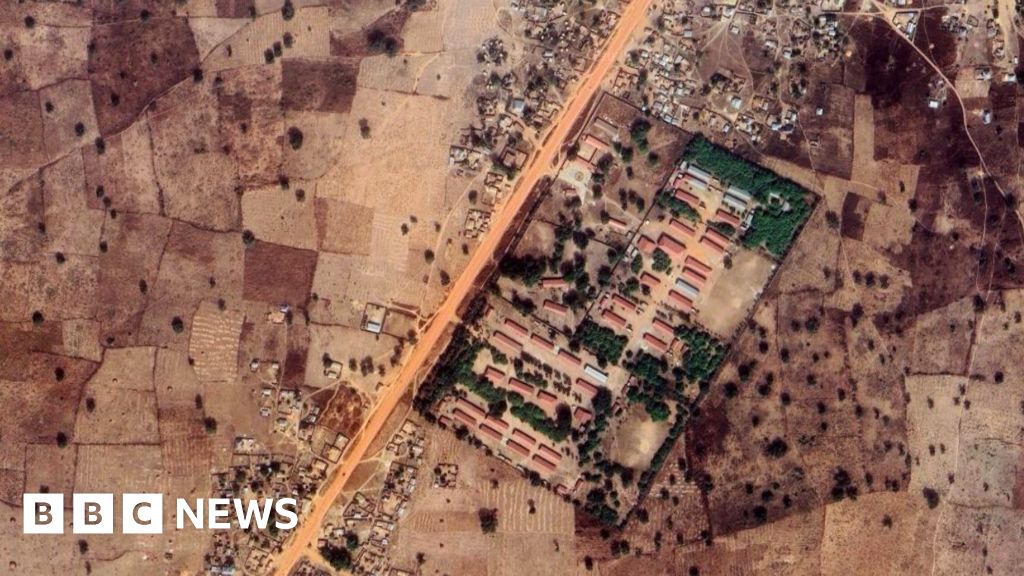
The recent surge of violence and insecurity in Nigeria has precipitated a crisis that threatens the stability of West Africa’s most populous nation. In a series of catastrophic events, armed groups—ranging from criminal gangs to jihadist factions—have intensified their operations, abducting thousands of innocents and unleashing chaos across multiple states. Amidst this upheaval, the recent abduction of students from St Mary’s School in Papiri, Niger state, underscores a disturbing trend: the deterioration of security that now engulfs Nigeria like a relentless storm. The attack, executed by armed men reportedly storming the educational facility in the early hours, left residents in fear and confusion, highlighting the reckless disregard for life and” safety,” as analysts warn of a **”nation on the brink.”**

Geopolitical Impact: Nigeria’s Crisis and the International Response

International observers, including prominent historians and security analysts, connect these domestic upheavals to the broader geopolitical consequences for Africa and the global community. From the mounting human rights concerns to the destabilization of regional economies, Nigeria’s security failures threaten to ripple far beyond its borders. Notably, US President Donald Trump has made controversial claims that Christians are being persecuted within Nigeria, fueling diplomatic tensions. His overt threat to deploy troops—asserting he would send “guns blazing”—was swiftly dismissed by the Nigerian government as a *”gross misrepresentation.”* Despite this, such declarations amplify the fragile perception of Nigeria as a failed state, where the rule of law is under siege.

Meanwhile, the United Nations and various regional blocs have expressed concern over the proliferation of violence, including the ongoing jihadist insurgency in the north-east and resource-driven conflicts between herders and farmers in the central region. Analysts warn that Nigeria’s overlapping crises—religious, ethnic, and criminal—test the limits of state authority and threaten to ignite even greater regional instability. “Without decisive action,” warns one international security expert, “Nigeria could become a failed state whose chaos spills into neighboring countries.”

How Decisions Shape Societies and Futures

The Nigerian authorities have faced immense criticism for their response—or lack thereof. Despite repeated warnings and intelligence reports, government agencies permitted the reopening of schools like St Mary’s, after ignoring directives designed to safeguard students in a time of heightened threat. This persistent neglect is symptomatic of deeper systemic failures, as local authorities scramble to contain the mounting crises without sufficient resources or coordination. Governments’ decisions to mismanage or neglect essential security measures directly influence societal resilience, shaping the lives of millions. For many young Nigerians, the long-term impact is clear: a loss of hope, disrupted education, and the risk of radicalization as chaos becomes the magnetic force drawing vulnerable youth toward insurgent factions.

Furthermore, the international community remains divided in how to address Nigeria’s multifaceted crisis. While some, like the U.S., threaten military intervention, others advocate for enhanced aid, diplomatic pressure, and internal reforms. Yet, as the violence persistently erupts, it becomes evident that the fate of Nigeria—the giant of Africa—may hinge on whether its leaders can muster the political will to confront these criminal and insurgent networks with unwavering resolve. “Decisions made today,” warns a renowned historian, “will determine whether Nigeria’s children can inherit a nation of peace, or a land awash in the blood of the innocent.”

As the world watches Nigeria teeter on the edge, history reminds us that the unfolding chapter remains unwritten—and that every choice, every response, will echo through generations. The duration of Nigeria’s tumultuous struggle is yet to be measured, but the weight of what is happening now leaves no doubt: the continent’s future, and perhaps the global order, hang in the balance as the shadows of conflict stretch across the horizon, looming ominously over a nation’s destiny yet to be determined.

Woman sentenced to 20 years for deadly attack on Aussie surfers and American in Mexico

The recent tragic murders of three international tourists in Baja California have sent shockwaves through global communities and ignited debates on security and geopolitical stability in the region. The victims—Australian brothers Jake and Callum Robinson, aged 30 and 33, and American Jack Carter Rhoad, 30—symbolize the increasing vulnerability faced by tourists crossing international borders, especially in areas plagued by organized crime. Mexican judicial authorities announced that Ary Gisell Silva, a 23-year-old woman, received a 20-year prison sentence for her direct involvement in instigating and participating in the robbery that ultimately led to their death. This heinous crime underscores a persistent issue: how uncontrolled criminal activity in border regions threatens international security and the reputation of Mexico as a tourist destination.

The geopolitical impact of this incident extends beyond the borders of Mexico. The tragedy intensifies a broader concern among Western nations regarding safety in their citizens’ travel zones, especially in regions bordering the United States. International organizations like the United Nations Office on Drugs and Crime have long warned about the proliferation of violence and organized crime in Mexico, which often spills over into neighboring countries. Analysts suggest that such violent outbreaks not only discourage tourism but also weaken diplomatic relations, prompting governments to reconsider their travel advisories and security cooperation strategies. These developments jeopardize economic and diplomatic ties, emphasizing that violence in regions like Baja California is not just a local issue but a matter of global concern.

Recent history documents a pattern of violence, with other foreign tourists falling victim to criminal activity in Mexico’s Pacific coast regions. In 2015, a notorious attack saw two Australian surfers, Dean Lucas and Adam Coleman, murdered and later burned in Sinaloa. Such incidents serve as stark warnings that criminal enterprises have entrenched themselves deeply within parts of Mexico, intentionally targeting tourists to promote fear and chaos. International observers argue that these recurring tragedies expose underlying geopolitical vulnerabilities and demand urgent action. International organizations and security analysts warn that unchecked violence fuels instability, with ramifications that could reverberate globally if coordinated efforts are not prioritized.

As authorities aim to bring justice for the victims, the broader challenge remains: protecting life and restoring confidence in regions marred by crime. The Mexican government faces mounting pressure to clamp down on organized crime and demonstrate its commitment to safety, not only for its citizens but for international visitors whose livelihoods and families depend on secure borders. Meanwhile, the incident underscores the importance of a strategic reassessment by global actors, emphasizing cooperation and intelligence-sharing to combat transnational criminal networks. The unfolding story leaves us pondering whether the tide can truly be turned or if this is only the beginning of a darker chapter that will reshape how nations view security and sovereignty in the 21st century. Ultimately, the weight of history presses heavily on the collective conscience, reminding us that the choices made today will profoundly influence the safety and stability of future generations.

Russian missile strikes hit Ternopil, killing 25 in deadly western Ukraine attack

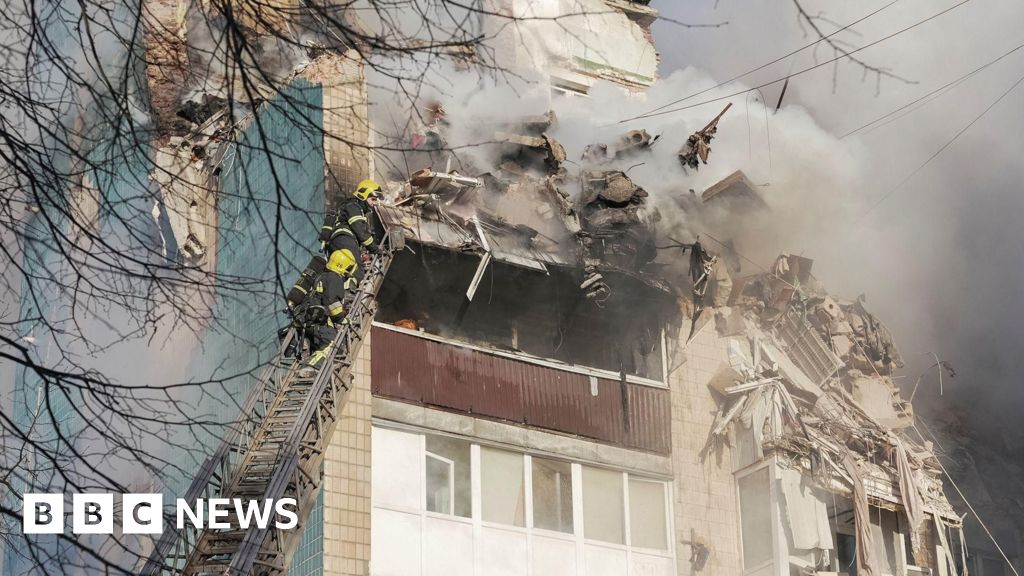
The latest series of attacks in Ukraine underscore the persistent volatility that has defined the ongoing conflict since Russia’s full-scale invasion in February 2022. Attacks targeting civilian populations and critical infrastructure in western Ukraine, notably the city of Ternopil, reveal the brutal reality of a war that shows no signs of abating. According to Ukrainian officials, at least 25 civilians, including three children, lost their lives, with over 70 wounded, many in devastating strikes involving Russian X-101 cruise missiles. As the smoke billows over residential areas and vital infrastructure, the international community faces an urgent question: how long can Ukraine withstand such relentless assault? Analysts warn that with each passing day, the toll on civilian lives and societal resilience intensifies, threatening to fracture the fragile fabric of Ukrainian society.

Ukraine’s military efforts, bolstered by Western aid, demonstrate both resilience and strain. Despite claiming to have intercepted 442 of 476 drones and 41 of 48 missiles—some intercepted by F-16 and Mirage 2000 fighter jets supplied by the United States and its allies—the Ukrainian air defenses are stretched thin. Ukrainian officials have openly pleaded for “the uninterrupted and timely supply of aviation weapons,” highlighting the precarious balance of hope and desperation. Henry Kissinger, once considered a voice of diplomatic pragmatism, has warned that the prolonged conflict risks entrenching divisions and feeding into a cycle of violence that could have lasting repercussions beyond Ukraine’s borders. Meanwhile, Moscow’s claims of targeting Ukraine’s military-industrial complex and energy infrastructure serve as a stark reminder that Russia aims to weaken Ukraine’s willpower, logistical capacity, and civilian morale, especially as the approaching winter threatens to turn the conflict into a brutal, cold endurance test.

The escalation in Russia’s strikes on Ukraine’s energy facilities signals an intent to erode the enemy’s resilience. The recent targeting of critical energy infrastructure in Ivano-Frankivsk and Lviv has resulted in blackouts and rationing, further complicating Ukraine’s ability to sustain the war effort and daily life. As the energy grid becomes increasingly vulnerable, international organizations, including the International Energy Agency, have voiced concern about the mounting costs of war—costs that threaten to reverberate through the economic stability of the entire region. Russia’s Defense Ministry asserts its long-range missile strikes are a reaction to Ukrainian attempts to disrupt Russian territory, including the first publicly acknowledged use of U.S.-supplied Atacms missiles inside Russian borders. This escalation pushes the conflict towards a new phase—one where the boundaries of conventional warfare and proxy assaults become dangerously blurred.

On the diplomatic front, efforts to broker peace are intensifying, but progress remains elusive. President Zelensky’s visit in Ankara for talks with Turkish President Recep Tayyip Erdogan signals a strategic move to seek international mediation, yet prospects for a substantive breakthrough remain limited. Reports suggest that the United States is involved in behind-the-scenes negotiations, with special envoy Steve Witkoff working with Moscow’s Kirill Dmitriev on potential peace initiatives. However, the Kremlin, led by Dmitry Peskov, remains intransigent, declining to send representatives and dismissing rumors of an active peace process. As NATO allies reinforce their support, deploying jets to Poland and increasing military aid, the risk of broader regional destabilization grows. The world watches as Russia’s demands for Ukraine’s neutrality and limits on its military capabilities remain unchanged—an uncompromising stance that prolongs the conflict and threatens to ignite a wider war.

With the upcoming fourth anniversary of the invasion looming, the stage is set for an uncertain future, where history seems poised to judge the choices made on the battlefield and in diplomacy. As civilians endure daily suffering and nations brace for intensified clashes, it becomes increasingly clear that the forces at play are reshaping the geopolitical landscape. The question remains: will diplomacy thaw the frozen conflict, or are we witnessing the birth of a new brutal epoch where history’s penmanship is written in smoke, fire, and the unyielding will of nations forging their own destinies?

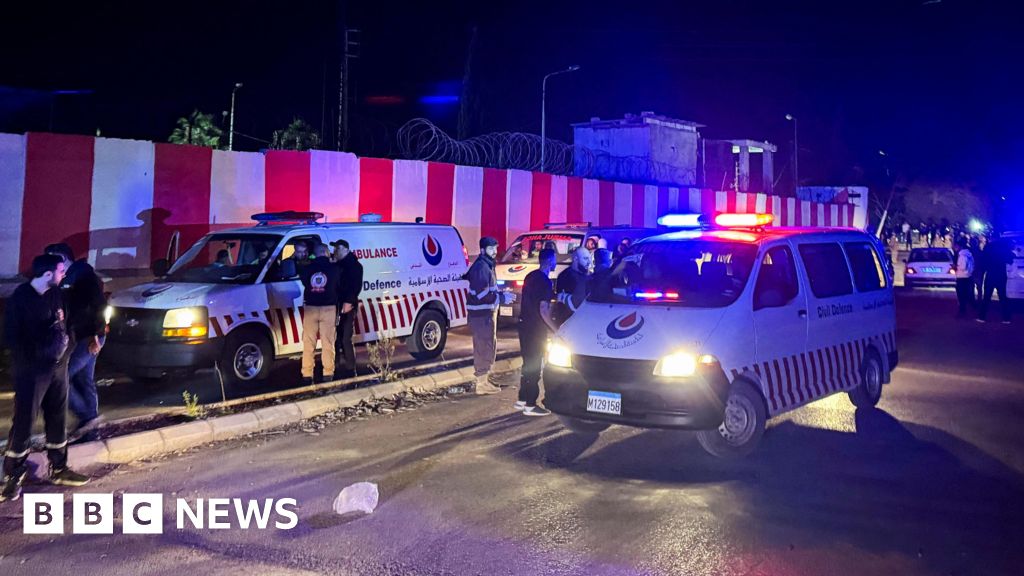
Lebanon blames Israel for deadly attack near Palestinian refugee camp, 13 dead

The Middle East remains a flashpoint of conflict, with recent events underscoring the volatility that continues to threaten regional stability and global security. Israel, reiterating its stance against militant groups, launched a strike near the largest Palestinian refugee camp in Lebanon, Ein el-Hilweh. According to Lebanese authorities, at least 13 individuals were killed, with dozens more injured. The Israeli military claimed the target was a Hamas training compound, ostensibly used for planning attacks against Israel, an assertion Hamas vehemently denies, branding it a fabrication and lies. This incident exemplifies how Israel’s technological precision and strategic strikes operate within a complex web of regional alliances and enmities, aiming to weaken militant capabilities while risking civilian casualties.

This violence cannot be viewed in isolation. Since the outbreak of the October 2023 conflict initiated by Hamas’s brutal assault on southern Israel—resulting in approximately 1,200 deaths and multiple hostages—the broader regional picture has deteriorated rapidly. Israel’s military response in Gaza and Lebanon has resulted in devastating civilian tolls, with Palestinian casualties surpassing 69,000, raising alarm among international observers and human rights organizations. Meanwhile, Hezbollah, backed financially and militarily by Iran, intensified its attacks against Israeli targets in a display of solidarity with Palestinians. These actions have pushed the region towards an unstable equilibrium of tit-for-tat violence, with the Lebanese Hezbollah engaging in ongoing hostilities, firing rockets in defense of Gaza, and launching an assault on northern Israel.

Analysts from think tanks and global institutions warn that the geopolitical impact of these escalating conflicts exceeds regional boundaries. They highlight how Iran’s influence and proxy networks have turned Lebanon into a battleground, transforming the Lebanese armed groups into key players in a broader confrontation. The 13-month war culminating in a fierce Israeli offensive in October 2024 has caused the displacement of over 1.2 million Lebanese civilians, sowing chaos and despair. The collapse of Lebanese stability threatens neighboring countries and global markets, especially considering Lebanon’s precarious economic situation. The United Nations and regional powers are calling for restraint, but with conflicting interests and deep-seated hostility, prospects for peace remain distant.

Historian voices and experts warn that decisions made now will carve the contours of future generations’ lives. The ongoing violence—fueling resentment and radicalization—edges the region closer to a broader, perhaps irreversible, rupture. With Israeli officials justifying their strikes as measures to diminish threats, and Hamas and Hezbollah positioning themselves as defenders of Palestinian and Lebanese sovereignty, the battle lines are being redrawn. This relentless cycle of violence exemplifies how international decisions—often made in the shadows—shape societal fate, threatening to plunge the Middle East into deeper chaos. As history unfolds in real-time, it is evident that the weight of these events will be felt long after today’s battles cease, leaving a fractured landscape where hope must fight to survive amidst the wreckage of yesterday’s conflicts.

Social Media Auto Publish Powered By : XYZScripts.com