Matox News

Truth Over Trends, always!

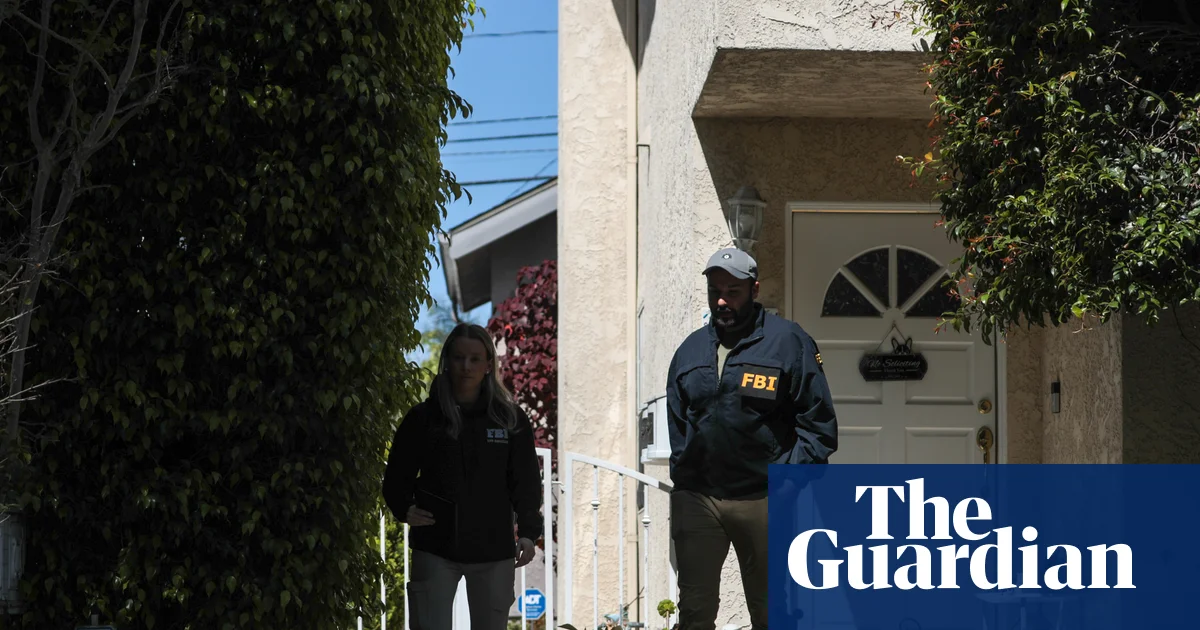
Suspect Arrested After Attempted Attack on Trump at White House Correspondents’ Dinner

In a dramatic turn of events, a man identified as Cole Tomas Allen, aged 31 from Torrance, California, attempted to storm the White House correspondents’ dinner this past weekend, culminating in a series of charges that threaten to reshape domestic security policies and highlight ongoing vulnerabilities across the United States. Accused of attempting to assassinate the president, Allen’s audacious plan — which involved traveling across multiple states with weapons in tow — underscores a disturbingly blurred line between political extremism and targeted violence in America’s current climate.

Conditions surrounding the incident reveal a deeply troubling internal debate about security lapses and the efficacy of law enforcement. Allen, who carried a 12-gauge shotgun, a pistol, and three knives, was reportedly motivated by a manifesto that expressed hatred for multiple administration officials. According to authorities, his travel from California to Washington, D.C., was meticulously planned, with investigators uncovering recent purchases of firearms that matched what was seized after he was subdued outside the hotel ballroom where the dinner was held. The incident’s escalation from mere threat to attempted violence provoked fierce reactions from political leaders, with many emphasizing that the threat to national leaders remains persistent and real.

Global analysts and organizations have responded swiftly, with NATO and INTERPOL issuing statements that reflect concern over domestic instabilities manifesting through violence that could spill over borders. While the FBI and Justice Department continue their investigation, the incident raises broader questions about how both domestic and international societies assess and respond to rising threats of violence inside democracies. Many fear this event signals a possible shift towards a more volatile era, where political extremism is normalized and violence becomes a tool to express dissent or settle scores.

Commentators from across the political spectrum warn that unchecked radicalization and misinformation foster environments where lone actors like Allen feel empowered—an ominous signal for the stability of democratic institutions worldwide. Unlike previous incidents that involved systematic assaults or organized terrorism, this attack underscores the danger posed even by lone wolves acting without direct state or terrorist organization backing. The World Security Council emphasizes that such acts threaten not only the individuals targeted but also the societal foundations of rule of law.

As the dust settles, history watches with wary eyes. The weight of the moment compels a reflection on the resilience of American democracy amidst relentless threats of violence. With Allen’s arrest marking but one chapter in a larger story, the question remains: how will nations guard their leaders and safeguard their societies against such unpredictable shadows lurking within? The pages of history are still being written, and the world must brace itself—for the true impact of this event lies not just in the immediate fallout but in the shadowy future of an era unbound by conventional boundaries of peace and order.
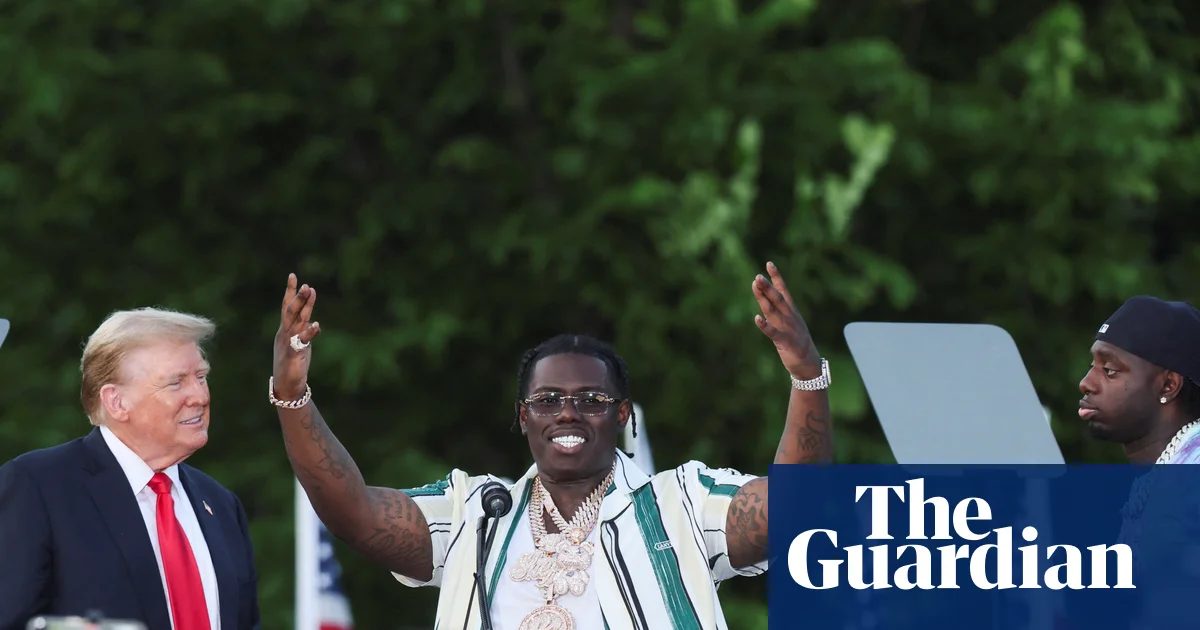
Hip-Hop Artist Who Campaigned with Trump Sentenced to Five Years for Attempted Murder

In an era where culture is often reduced to mere entertainment or fleeting trends, the recent legal downfall of Brooklyn rapper Sheff G reminds us that beneath the beats and viral videos lies a profound reflection of societal currents—a mirror to the values and challenges shaping our communities. Once celebrated as a rising star with millions of streams and YouTube views, Michael Williams—the man behind the stage name—demonstrated how the identity of modern youth can be both a source of pride and, tragically, a vessel for destructive pursuits. His plea deal and subsequent imprisonment underscore a vital truth: culture, when corrupted by violence and gang allegiances, becomes an obstacle to genuine progress rather than a catalyst for it.

Throughout history, cultural figures have wielded influence not just as entertainers but as symbols of broader societal struggles. The movement of jazz, the rebellious spirit of rock ‘n’ roll, or the poetic defiance of Gunnar Björling or T.S. Eliot all attest to the power of art to elevate or question the fabric of society. Yet, when that influence is exploited to glamorize criminality—such as Sheff G’s role in allegedly fueling gang violence—it becomes a distortion of this cultural legacy. Prosecutors have detailed how the rapper used his earnings not to uplift his community but to fund a cycle of fear and violence in Brooklyn’s streets. The indictment of more than thirty gang members, including alleged acts of attempted murder and drug trafficking, is a sobering reminder that culture without moral direction risks descending into chaos, promising nothing but its own eventual collapse.

This tragic convergence of art, violence, and shame echoes American philosopher Alexis de Tocqueville’s warning about the fragile nature of democratic societies: a culture that allows the degradation of moral fabric weakens the foundations of civil order. The fact that figures like Sleepy Hallow—another rapper who appeared alongside Sheff G during a political rally—also received punishment for conspiracy points to a broader societal challenge. It is not simply about individual culpability but about the systemic failure to harness creative energy in a manner that fosters tradition, respect, and societal cohesion. As Chesterton observed, “The true soldier fights not because he hates what is in front of him, but because he loves what is behind him”—a reminder that culture rooted in heredity and shared values must serve as the bulwark of society against nihilism.

The politicization of cultural icons, particularly in the context of President Trump’s rallies and campaigns, illustrates how deep-seated is the desire for authentic symbols that embody strength and tradition in a fractured society. Yet, the infiltration of violence and criminality into these representations diminishes their potential as patriotic or unifying forces. The critical task lies in reclaiming the cultural narrative—affirming that culture is both memory and prophecy, an ongoing dialogue between the past and the future. As T.S. Eliot posited, “The past (must) be altered by the future,” but it cannot be erased. Culture’s true power resides in its capacity to ground us in memory while inspiring us to forge a nobler destiny, one rooted in virtue rather than vice.

In reflecting upon these events, we are reminded that society’s true strength lies in the shared heritage of tradition and the moral compass it provides. Culture is never mere spectacle; it is the memory of human striving, a prophecy of where we are headed. To preserve this sacred continuity, we must guard against the corrosive influences that threaten to turn our creative energies into chaos. The story of Sheff G and his companions is more than a cautionary tale—it’s a call to recognize that when culture is rooted in virtue, it becomes an enduring beacon for generations to come, transforming fleeting fame into a testament of enduring human worth. And in this light, our collective future is a poetic unfolding—an eternal work in progress, written by the choices of those who cherish their roots and dream beyond the horizon.

Social Media Auto Publish Powered By : XYZScripts.com



