Matox News

Truth Over Trends, always!

Palestinian Groups Challenge Australian Arms Exports to Israel, Seek Transparency

Amid ongoing conflict in Gaza and mounting international scrutiny, Australia finds itself at a critical juncture concerning its arms export policies. A recent legal challenge launched by Palestinian human rights organizations—namely the Palestinian Centre for Human Rights, Al-Haq, and Al Mezan Center for Human Rights—aims to compel Defense Minister Richard Marles to disclose documents related to the approval of arms exports destined for Israel. These groups suspect that Australia may have granted export permits—some potentially linked to violations of international law—raising serious questions about the country’s role in international conflicts. Such moves come at a time when international bodies including the United Nations have expressed concern over allegations of genocide in Gaza, highlighting the global stakes involved in decisions made behind closed doors.

This legal effort underscores a broader debate over Australia’s participation in the global arms trade amid a reputation of secrecy and minimal transparency. Officially, the Albanese government has denied supplying weapons to Israel since October 7, 2023, describing existing permits as “dual-use,” and asserting that they include parts with civilian purposes but potential military applications. However, the Australian Defense Department has acknowledged *amending or lapsing* at least 16 permits amidst ongoing reviews—a move that suggests a degree of recalibration under international pressure. Analysts like Prof. Donald Rothwell from the Australian National University highlight that, despite official denials, **transparency remains elusive**; the public remains in the dark about whattech exports are approved and whether they could contribute to the ongoing humanitarian crisis in Gaza.

The geopolitical impact of Australia’s arms export policies extends well beyond its borders. Inside the global supply chain, more than 75 Australian companies participate in the F-35 fighter jet program, contributing critical parts such as RUAG Australia’s uplock actuator system—an essential component for maintaining stealth capabilities during combat. While some nations, like Germany, have moved aggressively to halt similar exports to Israel, Australia remains cautious, citing the absence of direct arms supplies. Still, critics warn that these components could indirectly facilitate conflict, raising questions about Australia’s compliance with international obligations to prevent complicity in war crimes and crimes against humanity.

International organizations and legal experts, including Joanna Kyriakakis of Monash University, emphasize that nations like Australia bear a legal duty under international law to avoid knowingly contributing to risks of genocide and war crimes. The case initiated by the Palestinian groups reflects a growing global awareness of how opaque exports can evade scrutiny, enabling regional violence. With Germany suspending arms shipments in response to Gaza’s turmoil, how long will Australia continue to deny the full extent of its role? As the weight of history presses down, the choices made now could determine whether Australia becomes a silent accomplice or a reluctant witness to the unfolding chaos in the Middle East. The pressure mounts on policymakers to balance strategic interests with international justice—yet the true story remains concealed behind layers of classified files, waiting for the next chapter of this complex geopolitical saga to be written.

Chinese backpackers' bodies recovered from Australian floodwaters
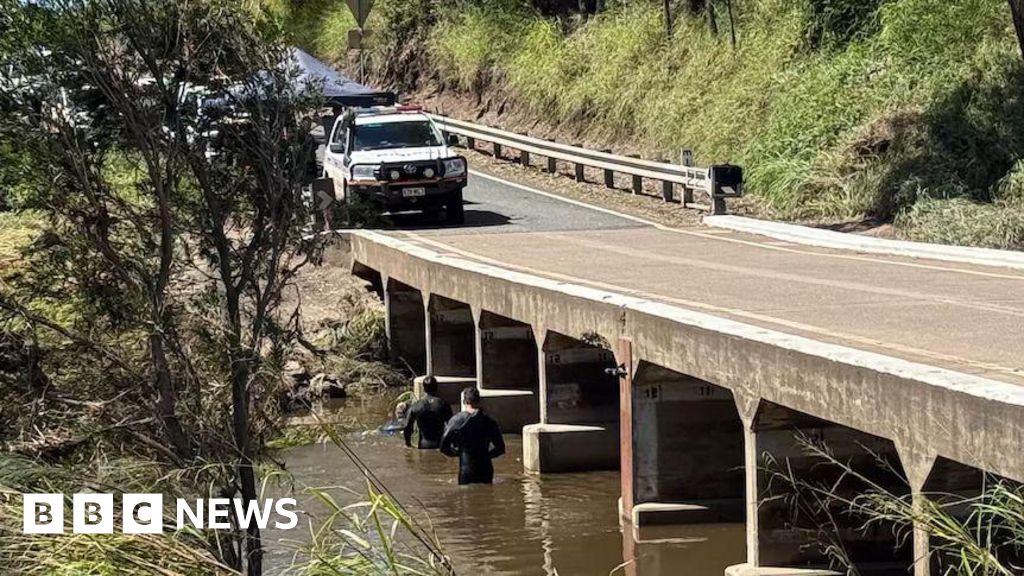
Chinese backpackers’ bodies recovered from Australian floodwaters

In a development that has sent shockwaves through the international community, two key figures—whose identities remain undisclosed—were reported missing earlier this week after failing to reach their intended destination. The incident, initially considered a localized concern, has rapidly escalated into a matter of significant geopolitical repercussions, raising questions about sovereignty, security, and the fragile balance of global power. As nations scramble to respond, experts warn that the incident could redefine regional alliances and reshape the strategic landscape.

Speculation has been mounting regarding the circumstances surrounding their disappearance. International observers and security analysts suggest a variety of possibilities—from political unrest to covert operations—highlighting the unpredictability of modern conflicts and the importance of intelligence capabilities. Meanwhile, the United Nations has called for increased cooperation among member states to ensure safety and transparency, though critics argue such efforts often fall short when national interests collide. Notably, this incident has cast a spotlight on the rising tensions in the region, where longstanding rivalries and recent treaties have created a precarious geopolitical mosaic.

The ripple effects extend beyond the immediate parties involved. Critics argue that the incident underscores how current international protocols are ill-equipped to prevent or resolve complex conflicts. Experts such as geopolitical analysts and historians like Dr. Margaret Blythe have emphasized that this event may serve as a pivotal moment, spotlighting the vulnerabilities inherent in multilateral diplomacy and security arrangements. The incident also threatens to undermine the credibility of existing treaties, casting doubt on their capacity to uphold peace amidst escalating regional tensions.

As the world watches with bated breath, the geopolitical impact remains profound. Marginalized nations and emerging powers are reassessing their strategic imperatives, with some viewing the incident as a stark reminder of the delicate balance of influence and the ever-present danger of escalation. The decision-making calculus for world leaders now faces a daunting test: how to navigate the treacherous waters of international diplomacy while confronting unpredictable threats. This event could serve as a catalyst, accelerating military and diplomatic posturing—possibly even dragging smaller nations into larger conflicts—if resolutions are not swiftly and judiciously pursued.

In the final analysis, the disappearance of these figures is more than a mere mystery; it is a stark reflection of an era where history is being written in real-time. The weight of international diplomacy and national security hangs in the balance, and the choices made in these critical moments will undoubtedly shape the course of the 21st century. As historians and analysts debate the unfolding narrative, one thing remains clear: these events are not just background noise but a harbinger of the turbulent era still ahead—an epoch where the echoes of today’s decisions will resonate for generations to come. The world watches and waits as the story of this crisis continues to unfold, its outcome uncertain but its significance undeniable.

Australian Designer Katie Perry Triumphs in Trademark Fight Against pop star Katy Perry

In a move that underscores the volatile nature of international cultural influence and legal authority, the recent legal developments involving a prominent US singer have reverberated far beyond the entertainment sphere. Initially, the artist faced defeat in a landmark case in 2023, which sent shockwaves through her global fanbase and raised questions about the transferability of legal judgments across different judicial systems. However, her subsequent victory on appeal seemed to affirm her resilience amid a shifting legal landscape. Now, a new ruling against her has rekindled debate over the intersection of law, cultural dominance, and geopolitical power.

The legal saga, which began as a localized dispute within the United States, quickly acquired international significance. Experts and analysts from various corners of the world have pointed to the broader implications for sovereign judicial authority and cultural influence. The recent decision, handed down by the court, not only marks a significant setback for the artist but also signals a warning to global cultural icons who often operate across multiple jurisdictions. As legal scholar Dr. Jane Thornton notes, “This outcome underscores the reality that, despite global celebrity status, legal decisions remain firmly rooted in national jurisdictions with tangible geopolitical consequences.”

Furthermore, the ruling accentuates the ongoing struggle for supremacy between international influences and national sovereignty. International organizations such as INTERPOL and regional legal alliances play increasingly vital roles in mediating these disputes, often revealing how the tides of judicial justice are shaped by geopolitical undercurrents. Many analysts argue that such cases serve as proxies for larger conflicts—whether cultural, economic, or political—between dominant powers and emerging influencers. As historians like Dr. Michael Reed have observed, “Legal battles involving global celebrities are often less about individual rights and more about asserting sovereignty within an interconnected yet fragile world order.”

As the international community watches this case unfold, it is clear that these legal swings reflect deeper, enduring shifts. The decisions hold profound implications for how nations navigate their own sovereignty, cultural identity, and diplomatic relations. Every court ruling, every appeal, and every reversal becomes a piece of an intricate geopolitical puzzle—shaping a future where the boundaries of law and influence are constantly redrawn. With the weight of history pressing down, the story of this singer — and the world stage she now occupies — remains a vivid reminder that in an age of rapid change, the struggle for control over narrative, influence, and justice is an ongoing, tumultuous saga. As this legal narrative continues to develop, the world waits, watching the future for signs of who holds the true power in this global arena.

Australian PM Faces Backlash After Dismissing Child Abuse Survivor as ‘Difficult’

In an era where gender discourse increasingly influences international policy and societal frameworks, remarks from influential figures often resonate beyond national borders. Grace Tame, a former Australian of the Year and an outspoken advocate for women’s rights, recently described a certain phrase as a “misogynist’s code for a woman who won’t comply.” Her blunt critique underscores a broader trend of confronting language and cultural norms that perpetuate gender inequality, a phenomenon with significant geopolitical impact.

Such statements are not made in isolation. They reflect a global climate where gender politics intertwine with national identity and international power dynamics. Analysts from organizations like Human Rights Watch and The United Nations observe that traditional rhetoric often acts as a tool for exercising control over women’s autonomous choices, especially in regions where conservative societal norms dominate. Historically, language has functioned as a barrier—used to marginalize dissent and uphold patriarchal structures. Tame’s critique *amplifies* the ongoing battle over cultural narratives that shape laws, policies, and societal expectations worldwide.

Look at the broader consequences: when governments or leaders resort to misogynist rhetoric or fail to challenge it, they risk entrenching inequality and destabilizing social cohesion. The European Union and United States, for example, continue to debate how to address gender-based violence and discrimination, often facing resistance rooted in deeply ingrained cultural language barriers. Meanwhile, in some nations, such language has been weaponized politically, serving as a rally cry for authoritarian regimes seeking to suppress dissent and control the narrative around women’s rights. The significance of Tame’s words lies in their challenge to the language of dominance—the kind of rhetoric that, if left unchecked, outright threatens the progress made in gender equality over the past decades.

Experts like Dr. Melissa Lane, a political philosopher at Princeton University, warn that “narrow definitions of compliance rooted in misogyny undermine fundamental rights and threaten international stability.” As the world watches these tensions escalate, international organizations are calling for a renewed commitment to defending the language of equality and human dignity. The *recent surge in grassroots activism* and debates over language in legislation highlight that the battle is as much cultural as it is political. Whether in the halls of the United Nations or in local communities, the fight against the subtle yet pervasive influence of misogynist codes remains a pivotal front in the global struggle for dignity and freedom.

As history’s pages continue to turn, a stark reality emerges: the decisions made today, particularly in language and policy, will define generations to come. The weight of this moment is captured in the words of Tame—an emblem of resistance against subtle oppression and misrepresentation coded into everyday discourse. With each challenge to such entrenched norms, the global community faces a relentless question: how much of our shared future will be shaped by the language we choose to uphold or dismantle?. The unfolding narrative is not merely about words—*it is about the very fabric of societies striving to forge an equitable, free future in the shadow of history’s enduring echoes.*

Gentoo Penguins Lead the Charge as Bird Flu Hits Australian Shores—H5N1 Spreads to Our Wildlife

In a rare and troubling development, the gentoo penguin has become the first avian species in Australia territory to test positive for the highly contagious H5N1 bird flu. This alarming milestone was confirmed after samples collected by Australian Antarctic Program scientists on Heard Island—a remote sub-Antarctic outpost—indicated the presence of the virus in multiple species. The virus, which has already devastated bird populations worldwide, is now making unsettling inroads into some of the planet’s last untouched ecosystems, raising pressing concerns about its potential to threaten biodiversity and disrupt fragile ecological balances.

The emergence of H5N1 in such isolated environments signals a significant shift in its geographic spread, which could herald a new chapter of global biosecurity risks. Since the initial detection of the virus during the 2023-2024 season in South Georgia and the Antarctic peninsula, it has progressively reached further south, affecting islands such as Marion and the French Kerguelen. Scientists like Dr. Michelle Wille from the University of Melbourne warn that this rapid oceanic spread underscores how interconnected biomes have become in the era of climate change and international travel—factors which have increased the pathways for viruses like H5N1 to hop continents and ecosystems.

  • World leaders and international organizations, including the World Health Organization, are closely monitoring these developments amid mounting fears of a potential pandemic.
  • The U.S. Department of Agriculture and the European Food Safety Authority have issued urgent advisories, emphasizing that the virus’s spread into wildlife could have fatal consequences for endemic species, such as the Heard Island cormorant and sheathbill, both found solely in these isolated regions.
  • In response, Australia has allocated over $100 million to enhance disease surveillance, emergency preparedness, and conservation efforts, emphasizing the importance of safeguarding biodiversity while managing a broader geopolitical challenge.

Analysts and historians note that this pathogen’s expansion is a clear testament to the consequences of human activity—climate change, international mobility, and ecological disruption—thus elevating it from a mere health threat to a geopolitical concern. The United Nations and other international bodies face increasing pressure to coordinate an effective global response. As the virus continues its perilous journey, the fragile balance between conservation and national security is placed under unprecedented strain, forcing nations to consider their strategic priorities in an era where pandemics can now cross oceans faster than ever before.

As the legacy of history unfolds amidst this unfolding crisis, the question remains: will international cooperation rise to meet this threat, or will geopolitical divisions hinder crucial efforts? With each passing day, the spread of H5N1 serves as a stark reminder. Humanity stands at a crossroads, watching as a microscopic threat tests the resilience of entire ecosystems and the resolve of governments. The future of wildlife conservation and global health hangs in a delicate, uncertain balance—an ominous chapter in the ongoing story of humanity’s impact on the planet, where today’s choices will echo through the corridors of history for generations to come.

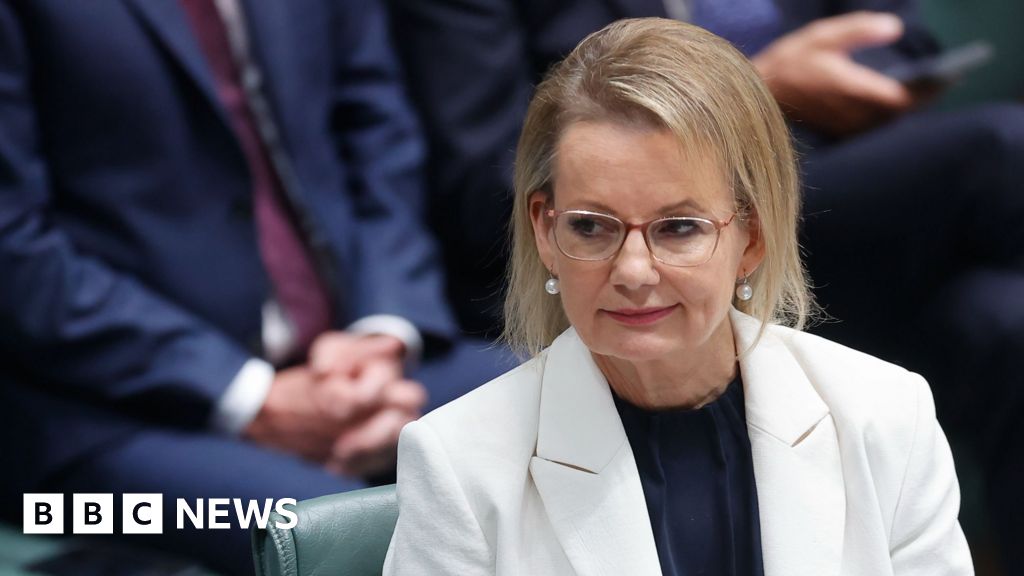
Sussan Ley and the Glass Cliff: Is Australian Politics Still Failing Women?

In an era marked by global upheaval and shifting alliances, the political landscape of the liberal democracies continues to evolve in unpredictable ways. Recently, the Liberal Party in a notable nation elected its first female leader, a historic milestone meant to symbolize progress and renewal amid mounting crises. However, this historic appointment proved short-lived, as she lasted less than a year at the helm, raising questions about internal party dynamics, leadership stability, and the broader implications for the nation’s future amid rising ideological tensions.

The election of the first female leader within the party was seen by many analysts as the start of a new chapter — a move toward greater gender inclusion in high-level political decision-making. Yet, critics warn that the timing could not be worse. The nation faces external pressures from regional adversaries, economic destabilization, and an increasingly divided electorate. The rapid turnover in leadership reflects not only internal party conflicts but also the broader discontent that pervades society. This brief tenure coincides with a period of intense international realignment, as alliances shift and global institutions grapple with new challenges.

International observers, including renowned political scientists and institutions like the International Crisis Group and the Council on Foreign Relations, emphasize that such leadership turmoil has significant geostrategic consequences. The geopolitical impact extends beyond national borders. It influences regional stability, trade routes, and security pacts. As nations vie for influence and strategic dominance, internal political fragility can weaken the capacity to navigate these complex international waters effectively. Historians warn that fleeting leadership in volatile times often precedes larger political upheavals, potentially opening the door for authoritarian forces or destabilizing populist movements.

Within this fragile context, the Liberal Party’s rapid leadership change underscores a critical inflection point for the political status quo. The nation, considered a key player in global affairs, now faces questions about the impact of such instability on long-term foreign policy, economic resilience, and citizen trust. While party insiders might argue that new leadership could reinvigorate the political apparatus, others see it as a symptom of deeper ideological divides and mounting societal unrest. With international treaties, regional alliances, and economic partnerships at stake, the question remains: how will this turbulence shape the course of the nation’s future?

As history unfolds, the world watches with bated breath. The ephemeral nature of leadership amid global chaos serves as a stark reminder: in the arena of geopolitics, stability is fragile, and every decision bears the weight of history — not just in defining nations but in shaping the destiny of civilization itself. The story of the Liberal Party’s brief moment in the sun is still being written, its conclusion yet unwritten, leaving a legacy of lessons — and warnings — for generations to come.

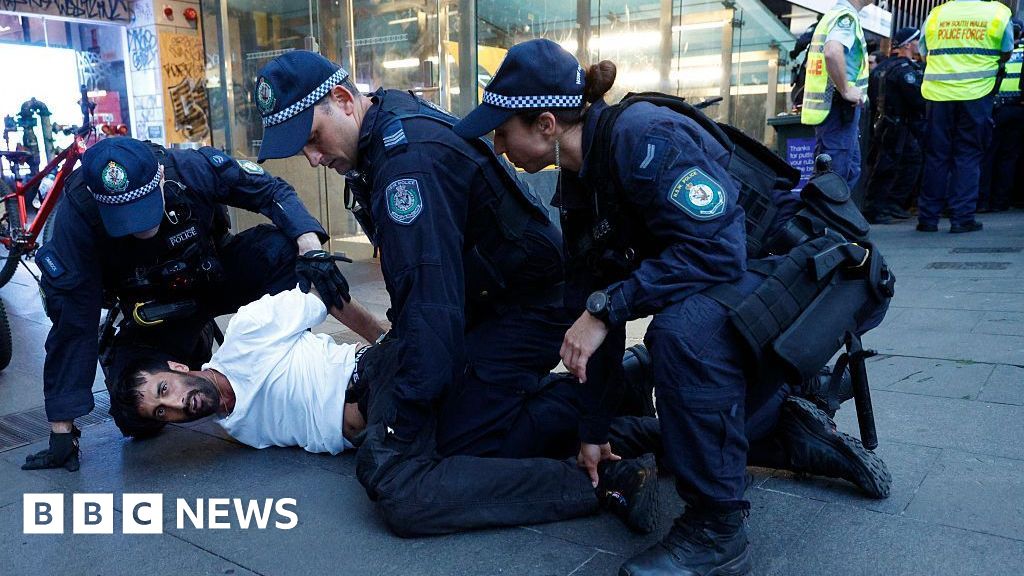
Australian Police Stand Firm Amid Protest Violence

Global Leaders Face Growing Civil Unrest Amid Political Tensions

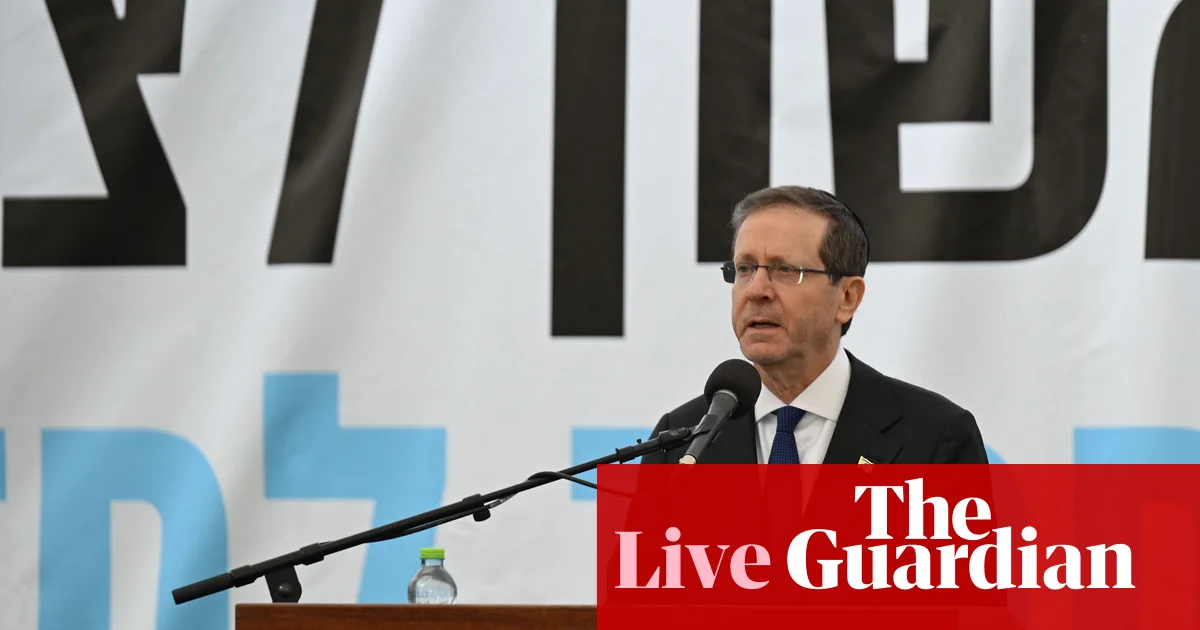
In a move that underscores the increasing volatility of domestic affairs with far-reaching geopolitical implications, Prime Minister Anthony Albanese of Australia has publicly expressed his profound disquiet over recent scenes of civil unrest. As tensions boil over within his nation’s borders, Albanese characterized the protests as “destabilizing” and lamented the damage inflicted on social cohesion. Yet, in a display of diplomatic pragmatism, he reaffirmed his commitment to engaging with President Isaac Herzog of Israel, with whom he is scheduled to meet later on Tuesday. The Prime Minister’s decision to extend this engagement in the face of internal turmoil signifies an intent to uphold international relations and demonstrate resilience amidst domestic upheaval.

Historically, such internal conflicts often serve as catalysts for broader international realignments. Commentators and analysts from organizations like OECD and Council on Foreign Relations warn that prolonged domestic unrest can erode a nation’s diplomatic credibility, impacting negotiations on global platforms. The protests in Australia, arguably sparked by contentious policy debates or social grievances, have been described by political strategists as an important turning point: a moment revealing the fragility of current societal bonds. While Albanese endeavors to maintain diplomatic channels, critics argue that prolonged unrest risks weakening Australia’s position in international affairs, especially when paired with the complex regional geopolitical landscape that now includes rising tensions in Asia-Pacific.

This domestic upheaval occurs against the backdrop of intense geopolitical shifts across the globe, notably in the Middle East and Eastern Europe. Leaders such as President Herzog are navigating their own challenges, including ongoing conflicts that threaten regional stability. The ideological divide, fueled by issues like sovereignty, security, and economic resilience, echoes across continents. International institutions have called for calm and dialogue, emphasizing that internal dissent must not undermine peace agreements or international commitments. Yet, historians like John Keegan have long warned that such internal conflicts often precursors larger global instability if left unaddressed.

The unfolding scenario offers a stark reminder that internal social struggles do not exist in isolation—they are entwined with global order. Decisions made by leaders today, whether in Canberra, Jerusalem, or elsewhere, will resonate well into the coming decades. Governments are caught in a delicate balancing act: maintaining internal legitimacy while navigating external pressures. As nations grapple with the potential consequences of civil unrest—from economic disruptions to diplomatic realignments—the world’s attention is fixed on how these frontlines will evolve. The blueprint of history underscores a sobering truth: peace is often fragile, and the path toward lasting stability remains shrouded in uncertainty. The choices made now will chart the course of future generations, leaving an indelible mark on a world where the line between order and chaos is perilously thin.

Australian Politics: Israeli President Visits Sydney; Ley Boosts Support Amid Coalition Reboot

In a climate marked by mounting international conflicts and shifting alliances, recent events highlight the profound geopolitical impact that decisions on the global stage are exerting on nations and societies worldwide. Israeli President Isaac Herzog‘s arrival in Sydney underscores both diplomatic outreach and the contentious atmosphere surrounding Israel’s latest regional and international engagements. His visit aims to address survivors of the Bondi terror attack but has ignited a wave of protests and legal challenges, exemplifying the deep divisions that recent international lines of conflict have fostered.

  • Herzog’s four-day tour includes meetings with Australian officials and gatherings with local communities, emphasizing Israel’s intent to bolster its international relations amid ongoing tensions.
  • Controversy has erupted globally—demonstrations and legal disputes threaten to overshadow diplomatic efforts, reflecting how decisions made by leaders influence societal perceptions and domestic harmony.
  • Within Australia, the political landscape is also turbulent, with the ruling Labor government navigating its own internal and external challenges—highlighted by recent defense pacts with Indonesia and consequential shifts in foreign policy focus.

Analysts like Dr. Miriam Cohen from the International Institute of Geopolitical Studies suggest that Herzog’s Australian visit is more than ceremonial; it is a strategic move amidst broader regional destabilization. Meanwhile, domestic politics are shadowed by electoral despair, with the Coalition facing dire polling results—an 18% primary vote—embodying a broader decline in conservative influence. This collapse indicates not just a political crisis but a societal one, where citizens’ disillusionment is fueled by perceived internal disunity and policymaking.

Back home, Australia’s political arena mirrors global chaos. The Liberal-National coalition’s recent reunification comes amidst a wave of internal splitting and leadership speculation. Sussan Ley and David Littleproud are under pressure to craft a resonant message that can reverse dwindling fortunes, but polling indicates they remain in an increasingly untenable position. As former officials like Jane Hume articulate, a need for a comprehensive reset looms—a phrase that echoes across many nations facing political drift. Historians warn that such internal instability can have *long-term ramifications* on the societal fabric.

Simultaneously, the ongoing debate over Herzog’s visit exemplifies the complex intersection of international diplomacy and domestic activism. The anticipated protests and court challenges highlight how policy decisions echo within communities, often igniting fierce debates about morality, sovereignty, and national identity. These protests aren’t mere disruptions; they are visceral symbols of society’s struggle to reconcile international realities with domestic values, marking a moment in history where global conflict isn’t just a matter of policy but an intensely personal battleground.

As the world stands at this multipolar crossroads, the weight of history presses down—each diplomatic gesture, each political maneuver, shaping the future amidst uncertainty. Will nations find common ground in this storm, or will internal discord turn to open conflict? The answers remain unwritten, but the unfolding story of international alliances, domestic upheaval, and international conflicts continues to cast its shadow. The stage is set for a tense chapter of history—one where the choices of today could determine the destiny of nations and the very fabric of global society.

Australian Politics Live: Marles Boosts Herzog’s Visit, Vows Strong Security Measures

The geopolitical landscape of Australia is currently undergoing a complex transformation, influenced by domestic political upheavals and significant international diplomacy. The recent visit of Israeli President Isaac Herzog to Australia has ignited fierce debate within the country’s political circles, highlighting the _deep divisions_ over Australia’s role on the global stage and its domestic policies. This visit, officially sanctioned by the Prime Minister and Governor General, is seen by many as a move to reaffirm alliances in a shifting international climate. Yet, critics—particularly from Labor factions—express profound _concerns_ about the implications of such diplomatic gestures, especially given the ongoing tensions in the Middle East and the internal fractures over Israel’s actions in Gaza.

High-profile critics like Ed Husic, a Labor MP, have voiced _deep concerns_, questioning the moral and strategic wisdom of extending diplomatic warmth to President Herzog amidst the backdrop of Israel’s recent military operations. Husic’s reservations are echoed by various international legal and human rights organizations, such as the UN commission of inquiry on Palestinian territories, which have urged the Australian government to reconsider the invitation in light of the _controversy and violence_. In the corridors of power, Richard Marles, Australia’s Deputy Prime Minister, has defended Herzog’s visit, emphasizing its _importance_ for security and diplomatic relations. Nonetheless, this move exposes Australia’s delicate balancing act—maintaining strong bilateral ties while managing domestic divisions and international scrutiny.

The decision to host President Herzog is not made in isolation but is intertwined with wider strategic concerns. The government has underscored its commitment to _security_ and _diplomatic engagement_, yet this stance arrives amidst criticisms that Australia is _aligning too closely_ with Western allies at the expense of marginalized voices concerned with human rights and justice. Simultaneously, the ongoing political struggles within Australia’s Parliament—most notably, the leadership dispute involving Sussan Ley and the right faction—signal a nation in ideological flux. Analyst voices from global institutions warn that these internal conflicts risk _undermining_ Australia’s credibility and strategic coherence in the Indo-Pacific and beyond.

  • The Australian government has publicly maintained that its _foreign policy_ remains consistent, with Minister Marles affirming, “there haven’t been any changes or shifts in our strategic or tax arrangements.” However, the political maneuvering behind the scenes indicates a nation grappling with _intergenerational_ challenges, especially around housing affordability and tax reforms like the _capital gains tax discount_.
  • Amidst these tensions, the Australian Council of Trade Unions has called openly for _reform_ of property taxes, citing the _”deep unfairness”_ in housing inequality exacerbated by policies enacted over decades—particularly the _discount introduced in 1999_ under John Howard, which has significantly fueled investment in existing housing—further widening disparities and impeding the dream of homeownership for younger generations.
  • On the international stage, figures such as Chris Sidoti, an UN inquiry commissioner, have urged the Australian government to _reconsider_ its diplomatic commitments related to Israel, emphasizing the _moral_ and _strategic_ stakes involved. This internal dialectic — between diplomacy, domestic politics, and societal values — underscores a pivotal question: How will Australia’s leadership navigate this volatile terrain without losing its footing in a rapidly changing geopolitical order?

As history continues to unfold, the weight of these decisions will resonate far beyond today’s headlines. With the internal pressure mounting from within and the global community watching critically, Australia stands at a crossroads—its choices rippling across the Indo-Pacific and shaping the future of international diplomacy. Will it persist in steadfast alliances and domestic policies that favor strategic stability, or will the _internal divisions_ and _international controversies_ fracture its resolve? The coming days will reveal whether this nation can uphold its sovereignty and sense of justice, or if it inevitably becomes entangled in a web woven by shifting alliances and internal discord. In this moment, history’s pen is poised, and the story of Australia’s future is still being written—each decision a stroke in the vast canvas of a nation seeking its place amidst a tumultuous world.

Australian skier dies in Japan days after Queensland snowboarder’s tragic lift fall

Recent tragedies at Japanese ski resorts have spotlighted the nation’s perilous battle with record-breaking snowfall and its broader impact on public safety and international perception. Over the past week, Japan has witnessed a surge in snow-related incidents, including the deaths of a 27-year-old Australian man in Niseko and a 22-year-old Queensland snowboarder at Tsugaike Resort near Nagano. These tragedies, occurring amidst exceptionally heavy snowfall, have reignited debates over Japan’s preparedness for extreme weather and the safety protocols governing high-risk winter activities. As Japan struggles to manage its decomposing rescue and safety systems amid relentless winterouts, the international community watches — not just in concern but also for what these incidents signify within a global context of climate challenges and national security.

Japan’s current record snowfall— with 30 deaths and over 100 serious injuries reported since January 20 — underscores a shift in weather patterns linked to climate change, disrupting daily life and international tourism. The heavy snow has caused delays in train services, road closures, and even temporarily shut down Hokkaido’s main airport, stranding hundreds of travelers. These disruptions pose a significant challenge to Japan’s infrastructure and its reputation as a safe winter destination, a critical sector for the nation’s economy. Analysts warn that if such extreme weather persists, Japan’s capacity to safeguard its citizens and international visitors could be compromised, risking long-term damage to its global standing. Furthermore, as global meteorological patterns shift unpredictably, Japan’s experience serves as a reminder of the mounting pressures on governments worldwide to adapt to unpredictable environmental threats.

On the geopolitical stage, these incidents amplify the importance of international cooperation in disaster management and safety standards. Japan, a key player in regional security and an active member of global institutions like the United Nations, faces increased scrutiny over its handling of natural and man-made crises. The recent ski resort accidents have prompted calls for more robust safety regulations, with authorities pledging to strengthen their safety management systems. However, the recurring nature of such incidents raises broader questions about the effectiveness of Japan’s crisis response amid growing environmental volatility. For global powers and neighbors, Japan’s capacity to face these challenges is intertwined with regional stability; failure to adapt risks creating new sources of tension. As international organizations like the World Meteorological Organization analyze the data, experts warn that climate-driven disasters will only increase, demanding a coordinated global response that transcends national borders.

Historians and geopolitical analysts underscore that these natural disasters and their tragic outcomes are more than isolated events; they are an unfolding chapter of a larger story about humanity’s struggle to confront a transforming planet. What is at stake extends beyond Japan’s snowy mountains: it is a mirror held up to the world, revealing the fragility of progress and the heavy toll of neglect. As nations grapple with the debate over climate action, infrastructure resilience, and international duty, the deaths of individuals—regardless of nationality—serve as stark reminders of the costs of inaction. The shifting winter landscape in Japan is not just a local issue but a Map of the wider global crisis, where the decisions made today will shape the legacy of a new, uncertain era—one in which the weight of history continues to unfold, one snowflake at a time.

Social Media Auto Publish Powered By : XYZScripts.com