Matox News

Truth Over Trends, always!

Meta begins removing Australian kids from Instagram and Facebook

In an unprecedented move that has captured the attention of the world stage, Australia has launched a bold legislative initiative to regulate social media usage among its youth, setting a precedent that could significantly reshape international digital landscapes. Beginning on 10 December, the nation enforces a first-of-its-kind social media ban that prohibits under 16 individuals from creating or maintaining accounts on major platforms such as Instagram, Facebook, and Threads. This legislation responds to sobering findings from a government-commissioned study, which revealed that a staggering 96% of Australian children aged 10-15 actively engage with social media, often exposed to harmful content and risky online behaviors.

  • The legislation imposes fines of up to A$49.5 million for companies that fail to comply with preemptive measures to block access to underage users.
  • Platforms like YouTube, X, TikTok, and Snapchat are directly impacted, with some like Lemon8 already announcing plans to self-exclude under-16s.
  • Meta, the parent company of Instagram and Facebook, has begun preemptively deactivating accounts of users aged 13-15 in Australia, citing compliance with new legislation and emphasizing a need for privacy-preserving approaches.

As the world observes this pioneering effort, international analysts warn that Australia’s move could set off a domino effect, pressuring other nations to follow suit amidst rising concern about social media’s influence on youth wellbeing and societal cohesion.

Experts like Dr. Helen Smith, a renowned child psychologist, argue that the measure addresses a critical vulnerability—namely, the pervasive “dopamine drip” fostered by social media algorithms that manipulate impressionable minds. Meanwhile, critics caution that such bans might inadvertently drive teenagers toward less-regulated, underground online communities, risking greater exposure to harmful content and grooming behaviors. The international community, especially countries facing similar dilemmas, is closely watching Australia’s experiment—more than a regulatory effort, it is a test of whether governments can effectively shield their youth without infringing on digital freedoms.

Institutions like the United Nations and the OECD have issued mixed reactions. While some applaud Australia’s proactive stance, others question whether legislative bans can keep pace with technological innovations and the ever-evolving digital terrain. Notably, international organizations caution against unintended consequences, emphasizing that isolated bans may strain social fabric and push children into shadowy corners of the internet. Nonetheless, the Australian example underscores a broader global debate on forging policies that balance innovation with protective governance—decisions whose impacts ripple across borders, influencing societal norms and shaping the future of global connectivity.

As history begins to unfold these critical debates, the world stands at a crossroads. With each legislative step, each technological adaptation, the narrative of the digital age continues to evolve—under the weight of decisions that will define generations to come. Will Australia’s daring experiment inspire a global wave of protective reforms, or will it serve as a stark warning of unintended isolation? The answer remains elusive, but one thing is certain: the story of youth, technology, and sovereignty is still being written—an unfolding drama fueled by the relentless march of progress and the enduring quest to safeguard the innocence of the next generation.

Australian innovator, 26, crafts iconic Lady Gaga costumes, blending engineering brilliance with trendsetting style

In a world where fashion continues to evolve as a potent form of social expression and cultural commentary, a new vanguard of designers is breaking the mold of traditional haute couture. Enter Samuel Lewis, a Melbourne-based visionary whose work blurs the lines between art, performance, and technological innovation. His recent collaborations with Lady Gaga exemplify how contemporary style now functions as a canvas for societal narratives, pulling viewers into a vortex of spectacle and meaning. Whether it’s a stage costume fashioned to resemble moving art or a dress inspired by decayed fabrics hinting at societal fragility, Lewis’s creations speak to a cultural shift toward embracing the expressive power of the extraordinary.

What makes this trend particularly compelling for impressionable youth is its cultural impact—it’s not just about designing visually stunning outfits but about challenging perceptions of beauty, identity, and social norms. Inspired by icons like Debbie Harry and the rebellious euphoria of rock and grunge eras, Lewis’s work embodies a renewed fascination with the imperfection, decay, and chaos that characterize our era. His aesthetic, heavily influenced by 70s rebel culture and 80s goths, employs intricate constructions—dresses within dresses, formidable corsetry—that are as much a statement of resilience as they are a fashion choice. Influencers, sociologists, and fashion critics such as Cameron Silver argue that these bold choices serve to democratize fashion’s social relevance, transforming celebrities into living artworks that challenge the boundaries of conventional style.

Designed to withstand the physical demands of stage performances and photo shoots, Lewis’s pieces symbolize how online visibility and social media have democratized access to high-end creative work. From the Philippines to South Korea, his rising international profile underscores how the internet has become a launching pad for local talent to reach global audiences. Brands and consumers alike are leaning into this digital revolution, seeking authentic, boundary-pushing styles that speak to the youthful psyche—styles that say, “This is who I am, and I’m not afraid to show it.” As influencers like Julia Fox and girl group Blackpink demonstrate, the avant-garde now sets trends in everyday life, shaping social attitudes and collective identity through their daring fashion statements.

Looking ahead, the next question on everyone’s mind is whether this relentless pursuit of the extraordinary will still serve traditional ideas of beauty or radically redefine societal standards. As Lewis prepares to launch his debut collection—an eclectic mix of made-to-order and ready-to-wear pieces inspired by the idea of “finding magic in everything without caring what it is”—the challenge remains profound: can fashion continue to be a cultural catalyst for societal conversations without sacrificing the accessibility that makes it relevant to youth? With celebrities and performers at the forefront of this movement, the real story might just be: Are we witnessing the birth of a new societal language through fashion—one that is less about superficial appearance and more about embodying a collective identity that’s as complex and layered as the art it produces? That remains the ultimate question for the future to answer.

Justice prevails as charges dropped against Australian debt collector Panthera Finance

Global Impact of Australia’s Shift in Debt Collection Laws

In a landmark decision, Australia has once again highlighted the delicate balance between consumer protections and corporate oversight, with significant geopolitical reverberations potentially influencing international standards. The recent court case involving Panthera Finance, a prominent debt collection firm, underscores shifting legal interpretations that extend beyond domestic borders. This case, centered on whether Panthera was technically engaged in illicit debt collection practices, marks a pivotal moment in how nations temper regulation with economic competitiveness in a rapidly globalizing financial industry. As legal experts and international organizations analyze the ruling, the core question persists: How do such decisions influence societal perceptions of corporate accountability and state sovereignty?

Legal Nuances and International Ripple Effects

  • The Victorian magistrates’ court dismissed charges against Panthera Finance, citing a narrow interpretation of debt collection statutes that hinge on whom the debt is owed to.
  • Legal counsel for the company argued that their client was in fact the owner of the debts, hence not technically engaging in prohibited collection activities.
  • The ruling raises a significant ambiguity in Australian law—one that many analysts fear could be exploited by other corporations operating across jurisdictions with varying laws.

Most notably, this outcome sparks debate among international legal circles and global economic policymakers. While some experts warn that broadening legal loopholes endangers consumers, others, like certain Australian lawmakers, see the decision as a safeguard against overregulation stifling economic activity. The situation draws parallels with past international legal shifts where corporate interests have challenged regulatory frameworks in pursuit of profit, often at the expense of societal protections. Thinkers such as Professor James Smith of the International Law Institute warn that such legal pragmatism must be balanced with international commitments to consumer rights, especially in a climate where cross-border transactions are becoming the norm.

The Geopolitical Impact and Societal Consequences

This legal outcome exemplifies the broader geopolitical impact of national regulatory philosophies. As Australia navigates its relationship with *international bodies* and trade partners, decisions like these signal a more cautious approach—one that could embolden other nations to relax rules under similar presumptions. Meanwhile, the economic repercussions of such legal shifts can ripple globally, influencing how financial firms operate in diverse regulatory environments. Consequently, societies face increasing pressure to adapt — balancing growth with transparency and making sure vulnerable consumers aren’t left behind in the pursuit of economic freedom.

Indeed, the case exemplifies a phenomenon observed by analysts—how strategic legal interpretations and international policy shifts shape the future of global commerce and societal trust. Governments, international organizations, and corporate players are now locked in a complex dance, where the slightest constitutional or legal nuance can define the trajectory of national and global stability. As historians like Dr. Anna Rodriguez reflect, this moment signals not just a legal victory or defeat, but a step in the larger evolution of how societies will regulate, control, and protect their citizens amidst a pluralistic and interconnected world—a story still being written with each court ruling, treaty, and policy change.

In the unfolding saga of nations striving to find the right balance of power, regulation, and economic liberty, the decision in Melbourne serves as a stark reminder: the true weight of history is carried not just in today’s verdicts, but in the future frameworks they forge — frameworks that will define what kind of world justice and societal harmony can withstand the test of time.

Australian inmate fights for Vegemite rights in prison

In a stark illustration of how cultural symbols can become focal points in broader societal debates, Australia is currently embroiled in an unusual legal battle that exposes ongoing tensions between individual rights, prison security policies, and national identity. Andre McKechnie, a convicted murderer serving a life sentence in Victoria, has challenged a state-imposed ban on the consumption of Vegemite—an iconic Australian spread. While often celebrated as a symbol of national pride, Vegemite’s strong aroma and salty flavor have also made it a target for security concerns within the justice system. Authorities argue that inmates might use the condiment to conceal contraband or ferment alcohol, leading to a near decade-long restriction that McKechnie now seeks to overturn.

This legal challenge is emblematic of a larger debate about how societies reconcile cultural identity with practical security concerns. McKechnie’s lawsuit not only raises questions about prison policies but also highlights the importance placed on cultural expression, even within the confines of incarceration. His claim emphasizes that banning Vegemite infringes on his “right to enjoy his culture as an Australian,” a precedent-setting notion that could resonate across nations grappling with identity politics. The case, scheduled for trial next year, garners attention beyond Australian borders, with analysts questioning whether national symbols should be subject to such security restrictions. Historians have noted that Vegemite’s emergence in 1923 was a response to British-Marmite imports, symbolizing Australia’s drive for cultural independence—yet now, that symbolism finds itself caught between tradition and modern security measures.

Meanwhile, the controversy surrounding Vegemite has spiraled into a broader narrative about national branding and international diplomacy. The condiment’s polarizing nature and “disgusting food” label in Sweden have failed to diminish its cultural significance domestically—its scent even declared a “significant” part of Melbourne’s heritage in 2022. Yet, incidents like the 2023 dispute in Canada underscore how deeply intertwined food products can become with international perceptions and diplomatic exchanges. Australian Prime Minister Anthony Albanese publicly criticized Canadian health regulations attempting to ban Vegemite, calling the restriction “rather odd,” especially considering Canada’s acceptance of similar products like Marmite. The quick reversal by Canadian authorities demonstrates how international institutions and governments can influence local policies, often reinforcing Australia’s sovereignty to celebrate its traditional foods.

As global institutions and national leaders navigate these cultural tug-of-wars, the incident reflects a larger, more profound reality: geopolitics is no longer confined to traditional battlegrounds. Instead, it extends into covert battles over cultural identity, sovereignty, and the assertion of national pride through everyday symbols. Historians warn that such “culinary conflicts” may seem trivial at face value but are indicative of deeper struggles over societal values and international influence. As the world stares into the turbulent future of geopolitics, the question remains—how will nations defend their cultural sovereignty amid rising global pressures? With each legal argument, diplomatic clash, and cultural assertion, history is being written anew—an epoch where the simple act of spreading Vegemite becomes emblematic of larger, ongoing struggles shaping the destiny of nations.

South African man caught at neo-Nazi rally loses Australian visa, protecting our values

In a disturbing display of rising populist extremism, Australia recently confronted a stark reminder of the global threat posed by far-right ideology and neo-Nazi sympathies. A South African immigrant, Matthew Gruter, who has been residing in Australia since 2022, was seen participating in a neo-Nazi rally outside the New South Wales parliament organized by the National Socialist Network. The event, attended by approximately 60 men dressed in black and chanting racist slogans, revealed that Europe’s old demons are finding fertile ground in the Pacific continent—a development that nations must take seriously in the face of returning fascist rhetoric and anti-Semitic mobilization. Australian authorities swiftly responded, revoking Gruter’s visa on character grounds and detaining him as they prepare to deport him, underscoring the government’s firm stance against hate speech and Extremism.

This incident comes amid heightened efforts by the Australian government to combat the resurgence of extremism in the region, which many analysts warn could threaten the fabric of multiculturalism that has defined Australia’s modern identity. Home Affairs Minister Tony Burke emphasized that visa holders in the country are considered guests, and those who actively promote hatred or division are unwelcome. “Like any household, if a guest turns up to show hatred and wreck the household, they can be told it’s time to go home,” Burke stated, making clear that the Australian government views such acts as unacceptable breaches of societal norms. The decision to deport Gruter was based on concerns that his participation in the rally not only contravenes Australia’s anti-racism laws but also undermines the nation’s commitment to multicultural values—a stance supported by many international organizations advocating for the preservation of pluralistic societies amid growing global intolerance.

The rise in neo-Nazi activity and anti-Semitic incidents in Australia has elicited alarm from various advocacy groups. The Jewish Council of Australia warned that such hate groups pose a direct threat to multiculturalism, emphasizing the need to distinguish between peaceful protests and acts of hate. The rally’s chants of “blood and honour,” a phrase linked to Hitler Youth, evoke a dark chapter of history that should serve as a warning rather than a rallying cry. The Australian government’s decisive action signals a broader commitment to uphold the values of modern, inclusive society in the face of divisive and extremist rhetoric. Meanwhile, international observers, including analysts from regional security think tanks, warn that what occurs within Australia could mirror a distrubing wave of similar radicalism elsewhere, as global politics ferment conflicts around identity and sovereignty.

History’s gaze lingers over this modern chapter where nations are forced to confront the re-emergence of dangerous ideologies: a reminder that the struggle against extremism is not confined within borders but is a shared, global challenge. With the resurgence of such hate-mongering, international institutions and governments alike find themselves at a pivotal crossroads. As the Australian government asserts its authority to cleanse its society of those who threaten its cultural harmony, the bigger story unfolds—a story of nations defending their sovereignty and values against forces that threaten to unravel them. Here, amidst the echoes of history’s darkest moments, the watchful eyes of the world remain, knowing the weight of the future is still being written, piece by piece, in this unfolding struggle for civilization itself.

Australian Schools Close Over Kids’ Sand Safeguard Risk

In a startling development that underscores the ongoing challenges of global trade and public safety, Australia and New Zealand have mobilized substantial measures in response to the discovery of asbestos-contaminated sand products circulating within their educational sectors. The contamination, linked to imports from China, has triggered urgent school closures and recalls, raising serious questions about border security, regulatory oversight, and the health safety of young generations.

The Australian Competition & Consumer Commission (ACCC) announced a recall after lab tests identified traces of tremolite asbestos in children’s colored sand. These products, such as Kadink Sand, Educational Colours – Rainbow Sand, and Creatistics – Coloured Sand, had been distributed nationwide through major retail outlets like Officeworks. The health risk stems from the inhalation of asbestos fibers, which can cause severe lung diseases, including cancers; a warning that has led to the full or partial closure of at least 15 schools and seven preschools in the Australian Capital Territory. Similarly, in New Zealand, five early learning services and two schools have suspended operations as authorities conduct further testing. The Ministry of Business, Innovation and Employment (MBIE) swiftly issued advisories urging parents and institutions to cease using the contaminated products and seek professional disposal, highlighting the precautionary nature of this response.

This crisis underscores a broader geopolitical impact that points to the fragility of international supply chains and the importance of strict regulatory controls. Historically, asbestos has long been recognized by global health authorities—including the World Health Organization—as a carcinogen, yet trade restrictions have often been circumvented through imports. The incident reveals vulnerabilities within Australia’s and New Zealand’s border and commercial oversight, prompting analysts to question how widespread this contamination might be and whether other imported goods could pose similar risks. As historians warn, failures in supply chain transparency can unleash public health crises, especially within vulnerable communities such as children in educational environments. The recall and school closures serve as a stark warning of what can happen when economic interests overshadow safety protocols.

International institutions and regulators are now under pressure to tighten import controls and alert systems. The Australian government has reaffirmed that asbestos importation remains prohibited, yet the incident exposes potential gaps in enforcement. Meanwhile, New Zealand’s ongoing testing and voluntary recalls reflect a cautious approach but also highlight the need for more decisive policy action. As the global community watches, the incident could spur stricter international standards for importing hazardous materials, reshaping trade policies that often prioritize cost over safety. Yet, this unfolding story remains a chapter in a broader narrative about the collision of globalization, health security, and the protection of future generations—one where the delicate balance of power, policy, and public trust hangs in the balance.

In a world increasingly interconnected, the repercussions of this asbestos scare transcend borders, shaping the very fabric of societal trust and governmental accountability. The upcoming weeks will determine whether the lessons learned will lead to stronger safeguards or allow complacency to persist. As history continues to be written in moments of crisis, the weight of these decisions resonates: a reminder that in the unfolding mosaic of international relations, every detail—down to colored sand—can carry the profound burden of history yet to be made.

Luxury Cruise Passengers Escape, But Suzanne Rees Was Left Behind and Died Alone on Remote Australian Island

Remoteness and Responsibility: Lessons from a Tragic Incident near Lizard Island

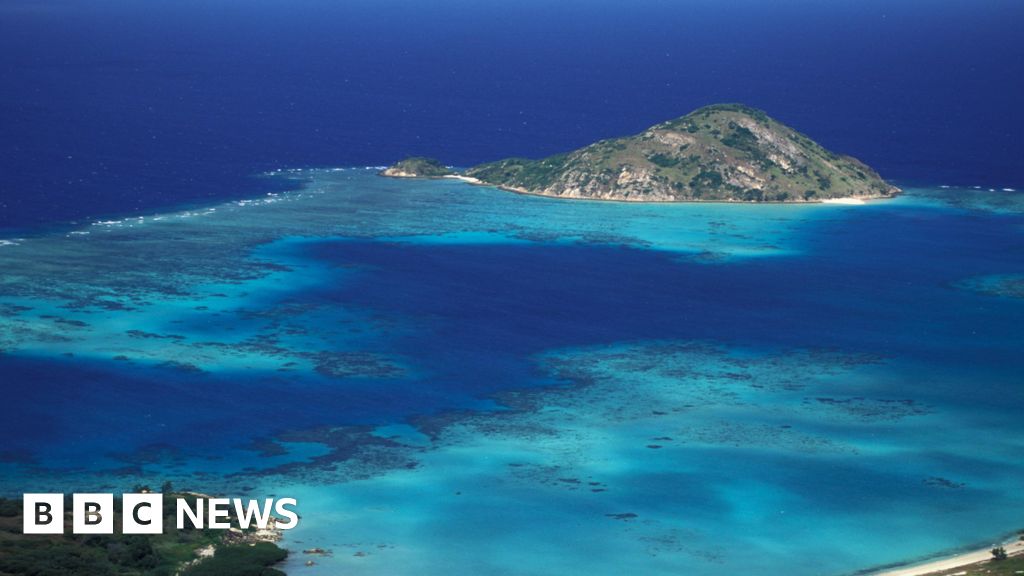
The recent tragedy involving Suzanne Rees, an 80-year-old tourist who died on Lizard Island, highlights significant concerns surrounding maritime safety and accountability in remote regions of the world, even as tourism industries expand across fragile ecological zones like the Great Barrier Reef. The incident, which unfolded after the cruise ship Coral Adventurer allegedly left without properly accounting for Rees, underscores the failure of basic safety protocols—a lapse that could have devastating geopolitical repercussions.

Historically, international maritime regulations and local safety standards aim to protect vulnerable travelers, especially in isolated environments where rescue operations are complex and costly. Yet, this event reveals how inertia and lapses in procedural accountability threaten not only individual lives but also the reputation of tourism operators and, ultimately, national tourism strategies. Analysts suggest that such failures are emblematic of broader systemic issues within maritime safety oversight, especially as more nations with burgeoning tourism sectors attempt to attract international visitors without sufficient infrastructure or regulatory enforcement.

International organizations like the International Maritime Organization (IMO) have long emphasized the importance of passenger accountability—something seemingly overlooked in this case. The incident’s fallout echoes incidents from the past, including the 1998 death of Tom and Eileen Lonergan on the Great Barrier Reef and the haunting accounts of rescue failures in shark-infested waters. Experts warn that such events threaten to undermine global confidence in maritime safety history, with consequences that ripple across diplomatic and economic spheres.

As investigations by Australian authorities unfold, the incident serves as a stark warning of the need for stringent safety protocols. The question of responsibility isn’t solely about individual lapses but about the distribution of accountability among cruise companies, local authorities, and international regulators. Such tragedies threaten to become emblematic of a fragile trust that, if broken, could have long-lasting implications not only for visiting nations but for societies that depend heavily on responsible tourism. The weight of history continues to press upon us: the unfolding narrative of this event will likely shape maritime safety legislation and accountability measures for generations to come, reminding us that in the pursuit of adventure and progress, human life remains the ultimate litmus test of our collective responsibility.

Young Woman's Tragic Fate After Cruise Ship Leaves Her Stranded on Australian Island
Young Woman’s Tragic Fate After Cruise Ship Leaves Her Stranded on Australian Island

The recent discovery of an 80-year-old woman’s body on Lizard Island, part of Australia’s Great Barrier Reef, underscores a broader issue gripping international attention: the safety of high-class tourism in remote and fragile environments. The woman, who was participating in a 60-day cruise around Australia—a journey costing tens of thousands of dollars—became separated from her group during a hike on the island’s highest peak, Cook’s Look. Despite her fellow travelers and the crew’s efforts, she was tragically found dead after an extensive search operation involving helicopters, boats, and volunteer groups. The incident has provoked a stern response from authorities and illuminated the dangers faced by those indulging in luxury exploration in remote locations.

While the details remain under investigation by the Australian Maritime Safety Authority (Amsa), experts and analysts warn that this tragedy is a *symptom* of larger issues: the increasing risks associated with adventure tourism in sensitive ecological zones. According to the cruise company’s chief, Mark Fifield, support has been extended to her family, yet many voices are raising concerns over the safety protocols employed in these remote expeditions. The incident has sparked pertinent debates among international safety organizations, with some critics questioning whether enough measures are in place to protect elderly travelers venturing into unpredictable environments. History reminds us that such accidents, when not prevented, serve as stark warnings of humanity’s overreach into nature’s most delicate corners.

The geopolitical impact of this event extends beyond Australian shores. The case has brought international scrutiny to Australia’s burgeoning tourism industry, especially its focus on luxury and eco-tourism. Analysts argue that nations with expansive coastlines and unique ecological sites are increasingly becoming battlegrounds for attracting wealthy travelers, which can compromise safety standards if not properly regulated. Australia’s commitment to safeguarding its natural heritage and tourists has faced questions as it balances economic interests with risk mitigation, especially as the incident coincides with ongoing climate debates impacting reef preservation efforts. The incident also raises alarms about how governments coordinate disaster response and maritime safety, with some experts warning that these procedures must be globally standardized to prevent such tragedies from becoming commonplace.

Beyond immediate concerns, international organizations such as UNESCO and the UN continue to evaluate Australia’s environmental policies and safety protocols, framing this incident as a critical juncture. As the world’s gaze intensifies, the response from Australian authorities and global observers will be pivotal in setting future standards. The public reaction, from both local residents and international travelers, reflects a broader shift — a demand for responsible tourism that not only commands respect for local ecosystems but also ensures the safety of those who seek adventure and luxury amid nature’s marvels. This incident, though devastating, is not merely an isolated tragedy; it is a grim chapter in a larger story of humanity’s complex relationship with nature and the ongoing, relentless pursuit of exploration. As history continues to unfold, the weight of this moment serves as a potent reminder: the paradise of today can, in an instant, become the site of another tragedy, etching itself into the collective memory of a world still striving to balance progress with prudence.

Australian teens targeted online by gangs to carry out violent acts

In a striking display of the evolving geopolitical landscape of digital security, Australia has unveiled alarming revelations regarding a new, twisted form of online crime that transcends national borders. Australian authorities, led by AFP Commissioner Krissy Barrett, have identified an insidious trend where networks of violent extremists are coercing vulnerable girls into acts of violence—against themselves, their families, or even pets—within a disturbing “gamification” framework. This emerging threat underscores a broader issue: the rapid proliferation of how digital platforms are weaponized in modern ideological conflicts. With already three arrests within Australia and nine more internationally, this phenomenon highlights the urgent need for global coordination. The international community must grapple with the implications, as these online networks exploit digital spaces the same way that traditional armies once fought on physical battlefields.

The accused, largely aged in their late teens or early twenties from Western backgrounds, have been recruiting young girls through gaming platforms like Roblox and messaging apps such as Discord and Telegram. This recruitment tactic, reminiscent of a well-orchestrated underground movement, reveals how the boundaries between online gaming and violent extremism are blurring. Analysts warn that these groups—whom Commissioner Barrett calls “crimefluencers”—subscribe to a nihilistic and sadistic ideology rooted in Nazism, satanism, and other extremist doctrines. Their purpose, however, exceeds mere ideological posturing; it is driven by a desire for amusement, social dominance, and the thrill of inflicting harm without accountability. This new frontier in gender-based violence complicates the traditional paradigms of international security, demanding an urgent, multi-national response.

This troubling development occurs against the backdrop of Australia’s proactive efforts to curb online harm, exemplified by the impending introduction of a pioneering social media ban targeting users under 16. Yet, the exemption of gaming and messaging platforms from these restrictions signals a deeper geopolitical challenge: regulating digital environments that have become breeding grounds for extremism. The Five Eyes alliance—comprising the US, UK, New Zealand, and Canada—is actively collaborating with Australia to dismantle these transnational networks. Such cooperation highlights a crucial recognition: that the digital space is now a contested arena where national security and societal stability are at stake. As international organizations such as INTERPOL advocate for increased cyber law enforcement, it becomes clear that the fight against these malicious online communities will define the next chapter in global security policy. The rise of these “gamified” violence networks raises profound questions about the efficacy of existing laws and the future of international cooperation in combating digital extremism.

Ultimately, this disturbing trend is not merely an isolated issue but an unfolding chapter in the ongoing contest for influence over our digital future. As historians and analysts warn of the dangerous convergence of technology and ideology, the world stands at a pivotal crossroads. The weight of history suggests that the choices made today—how nations respond, cooperate, and regulate—will shape the boundaries of acceptable conduct in the digital age. With the eyes of the world fixed on Australia’s bold stance, the message is clear: the battle for the soul of the internet has begun, and its outcome will determine the course of societal stability for generations to come. The unfolding story underscores one timeless truth—when the digital frontier is exploited for violence and ideological conquest, the entire spectrum of humanity risks paying a heavy toll. Only time will reveal whether global resolve can stem this tide of chaos, or whether we are destined to watch as history is rewritten in the shadows of cyberspace.

Dutch volleyball player and convicted pedophile denied Australian visa

In an era where national security and public morality increasingly influence international relations, recent events have sharply highlighted the ongoing debate over how nations uphold their societal standards and legal principles. Dutch Olympic volleyball player Steven van de Velde, 31, has become a focal point of this controversy after a series of actions that challenge the assumptions of open international sporting events. Van de Velde’s past criminal convictions, including his 2016 guilty plea for the raping of a 12-year-old girl in Milton Keynes — a morally and legally abhorrent offense — have prompted UK and Australian authorities to act decisively. As he prepared to compete at the upcoming Beach Volleyball World Championships in Adelaide, South Australia, his visa application was vehemently denied—a decision rooted in the broader principle that certain crimes must disqualify individuals from representing their nations on the international stage.

The decision underscores a critical shift in how international sporting organizations and host nations are navigating the delicate intersection of athletics, morality, and security. South Australia’s Attorney-General Kyam Maher explicitly called for the rejection of Van de Velde’s visa, emphasizing that “we do not believe that foreign child sex offenders should be granted entry to this country.”1 This stance echoes broader sentiments in Western democracies increasingly motivated by a desire to preserve societal safety and uphold the moral fabric of nations. Australia’s Home Affairs Minister Tony Burke articulated a tough stance, affirming that the government will “continue to use every tool we have available to ensure that Australians can be safe and feel safe in their communities.” Such statements reflect a broader geopolitical shift where sovereign nations prioritize national morality and security over transient athletic or diplomatic considerations.

This incident has ignited intense debate among political analysts and international observers regarding the limits of forgiveness and rehabilitation, especially when it comes to offenders with heinous pasts. Historians and criminal justice experts argue that the evolving policies in countries like Australia and the UK signal a departure from the often lenient international attitude towards athletes with criminal histories. While Van de Velde’s return to professional sport after serving only 12 months of his four-year sentence raises ethical questions, it also spotlights the aspirations of host countries to assert moral authority in the face of global sporting commerce. The incident is also a bellwether for how international organizations and younger audiences may increasingly align with conservative principles that emphasize justice, safety, and societal integrity over rehabilitation alone.

As the controversy unfolds, the international geopolitical landscape is shifting, with nations reevaluating how their decisions impact not just international perceptions of morality but also their standing in a chaotic global order. The incident has garnered reactions from a range of sources, including global institutions like the IOC, who are often caught between the democratization of sport and the maintenance of moral standards. The growing disapproval of Van de Velde’s participation and similar cases reflect a broader narrative: the weight of history is still unfolding, and the decisions made today will echo for generations, shaping a new era of international governance rooted in sovereignty, morality, and societal protection.

Social Media Auto Publish Powered By : XYZScripts.com