Matox News

Truth Over Trends, always!

Youth demand clear stance on school smartphone ban amidst societal debate

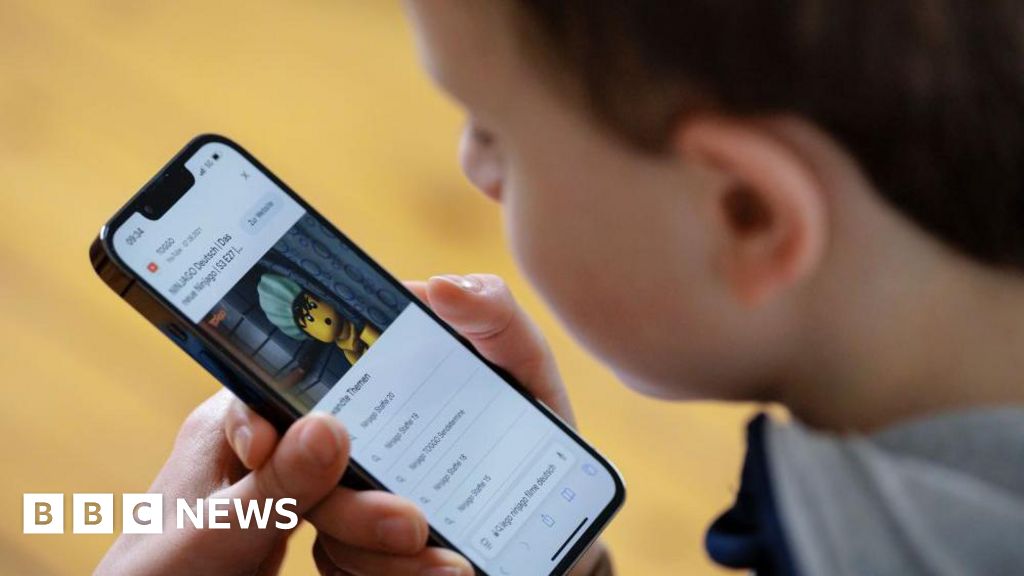
In recent years, English schools have grappled with a growing debate over the presence of mobile phones within the classroom. A new regulation aims to restrict or outright ban the use of these devices during school hours, citing concerns over distraction, academic performance, and the overall well-being of students. While proponents argue that limiting phone access can foster better engagement and social interactions, critics contend that such measures might inadvertently harm families’ ability to communicate and underscore broader issues around digital dependency and social cohesion.

From a societal perspective, the shift toward banning mobile phones in schools reflects a larger cultural transformation. As sociologists William Ellery and Sharon Block have observed, the digitization of everyday life has reshaped communal bonds and youth identity. The rise of social media platforms has made digital connectivity not just a convenience but a vital part of social life, especially for younger generations. When schools restrict this connection, they may inadvertently impose a societal stressor, forcing families and communities to re-evaluate how they navigate generational divides in technological familiarity.

This policy also raises pertinent questions regarding social equity. Schools serving diverse communities have reported concerns about the uneven impact of such bans. For instance, families from low-income backgrounds or those reliant on mobile devices for emergency communication worry that these regulations could deepen existing disparities. Research from social commentaries like those of sociologist Dr. Lisa Neville emphasizes that policies which dismiss the social realities of marginalized groups risk alienating vulnerable families and eroding trust in educational institutions. The challenge lies in balancing the need to create conducive learning environments with respect for families’ essential roles in societal cohesion.

Furthermore, implementing a mobile phone ban touches upon broader questions of personal responsibility and moral development. Critics suggest that instead of blanket bans, schools should foster digital literacy programs that teach responsible use of technology. Education theorist Dr. Robert Evans advocates that **empowering students with skills to manage their digital lives** can produce healthier social interactions and reduce harmful behaviors like cyberbullying and screen addiction. These strategies align with the understanding that technology, when harnessed responsibly, has the potential to revolutionize education and community engagement, rather than undermine it. As families and educators work together, the hope is to cultivate a generation that navigates the digital age with moral clarity and social responsibility.

Ultimately, the debate over mobile phones in schools embodies society’s ongoing struggle with technological change and cultural adaptation. As we stand at this crossroads, there remains a profound need for policies that respect the complexity of social bonds, the importance of family communication, and the educational mission to prepare responsible, connected citizens. Society’s challenge is to forge a path that embraces the potential of technology while safeguarding the human touch that binds communities together. The future, therefore, hinges not solely on regulation but on a moral revolution—an awakening to prioritize values over devices. Amid the turbulence of change, there persists a quiet hope that society can reconstruct a future where families, communities, and institutions grow stronger through shared understanding and resilience, illuminating a path rooted in humanity’s enduring capacity for renewal.

Government plans to ban phones in English schools to protect students and improve learning environment

Social Policies in Education: Balancing Innovation and Tradition

Recently, the House of Lords approved significant amendments to ongoing educational legislation, reflecting a broader societal debate on the balance between progressive reforms and traditional educational values. At the heart of this discussion is the recognition of diverse needs among students and the importance of accommodating individual circumstances. The proposal, championed by shadow education minister Baroness Barran, suggests providing exemptions for certain student groups—including sixth form students, students in boarding schools, and those who rely on phones for medical reasons. While ostensibly a step toward inclusivity, the move raises critical questions about the social fabric of educational communities, and its potential ripple effects on families and local institutions.

This legislative development demonstrates how policymakers are grappling with the complex intersection of social needs and educational standards. Allowing exemptions can be viewed as a recognition that not all students are the same and that a rigid approach may inadvertently marginalize vulnerable groups. For example, children with medical conditions that necessitate phone use face a moral dilemma: should technological adaptation be seen as a barrier or a bridge? Sociologists like Charles Murray argue that society’s success depends on flexible structures that empower families rather than impose blanket rules that may alienate or stigmatize certain demographics. Yet, critics contend that too many exemptions could undermine the uniformity necessary for social cohesion within schools, risking a fragmentation of shared values that hold communities together.

On a broader societal level, these debates mirror larger cultural tensions over tradition versus progress. Parents are often caught in a crossfire—struggling to uphold the moral fabric of their families while navigating an increasingly technologized world. For many, the family remains the primary unit of moral development and social stability; yet, legislation that accommodates individual needs could also be misconstrued as diluting the collective responsibility schools once held. Historical voices, including sociologists like Peter Berger, warn that societal cohesion is fragile and must be actively maintained, especially as younger generations redefine notions of discipline, privacy, and mutual respect within educational spaces.

Furthermore, this development underscores the urgent need to address broader issues such as educational equity, digital divide, and family engagement. Challenges persist for families living in socio-economically disadvantaged areas where access to technological resources remains limited. In such contexts, legislation that recognizes individual medical needs is vital, yet it must be balanced with strategies to ensure that schools serve as equitable environments—places fostering shared purpose rather than division. Urban sociologists have long observed that community cohesion hinges on equitable access and the shared cultural norms that frame public education. Any policy shift, therefore, must be accompanied by initiatives aimed at strengthening these norms across diverse social landscapes.

As society continues to evolve, the question remains: can we forge a path that respects individual differences while fostering a unified community? The challenge lies in maintaining the moral and social backbone of education amidst rapid technological and demographic change. As communities grapple with these issues, the hope endures that through conscious dialogue and purpose-driven policies, society can build a future where families, institutions, and the youth they nurture work symbiotically toward a shared destiny—one rooted in resilience, moral clarity, and respect for human dignity. Society’s true transformation may well depend on our collective resolve to nurture this hope amidst complexity, ensuring that no child is left behind in the pursuit of progress.

Greece Plans to Ban Social Media for Under-15s Next Year, Emphasizing Youth Protection

In recent developments that signal a significant shift in European geopolitical strategy, several nations are adopting measures that mirror the evolving landscape of international power dynamics. Following in the footsteps of prominent European Union member states such as France and Spain, countries across the continent are reevaluating their policies on security, economic alliances, and diplomatic engagement amidst the growing influence of China, Russia, and the United States. Analysts warn that these movements, although characterized by some governments as cautious responses, are in reality part of a broader realignment that could redefine European sovereignty and global standing.

The trend was marked by a series of recent policy announcements that underscore a deeper strategic shift. Governments are increasingly emphasizing military modernization and participation in international alliances, signaling a desire to protect national interests amid a volatile international environment.

  • Several nations are strengthening their defense budgets and pledging commitments to NATO, reflecting a response to perceived threats from Russia’s military assertiveness.
  • New economic agreements aimed at diversifying supply chains and reducing dependency on foreign powers are gaining prominence.
  • Diplomatic initiatives are also underway to bolster regional cooperation, while balancing relationships with both the EU and external players like China.

Historians and geopolitical analysts warn that such shifts could produce divergent consequences. Some argue that these moves are a pragmatic response to growing instability and an attempt to safeguard national sovereignty in an increasingly interconnected world. According to recent reports by the International Institute for Strategic Studies, the underlying motive appears to be a pursuit of strategic autonomy, resisting what many see as an encroaching orientation towards multilateral institutions that may limit national decision-making power. Nonetheless, critics contend that these policies risk exacerbating existing tensions, particularly if they lead to a new arms race or undermine longstanding alliances.

Underlying these developments are key questions about the future of European unity and the role of international institutions. As nations recalibrate their positions on security and trade, the continent stands at a crossroads. Some experts suggest that this era of upheaval could either foster a broader resilience or unravel the fragile fabric of cooperation that has defined the post-Cold War order. With each decision made today, the course of history is subtly but inexorably being rewritten, painting a portrait of a Europe in flux—its destiny shaped by the choices of governments and the emerging face of global power.

As history continues its unyielding march forward, the question remains: will Europe rise to meet the challenges with renewed strength and clarity, or will it become a battleground in the larger struggle for global dominance? Only time will tell if these strategic shifts mark the dawn of a new era—one forged in uncertainty, tension, and the relentless pursuit of national sovereignty amid the shifting tides of international power.

Austria moves to ban social media for kids, echoing global push to protect youth online

In an unprecedented move that signals a shift towards stricter youth regulation, several European nations are contemplating the implementation of an under-14 ban on certain activities, marking a significant evolution in social policy. Following the trajectories of France and Spain, countries across the continent are debating legislation aimed at restricting access to specific digital platforms, social interactions, and potentially harmful content for children below this age threshold. These decisions are not made in isolation but are part of a broader pattern driven by rising concerns over digital safety, mental health, and societal stability.

Analysts from prominent institutions warn that such policies could have profound geopolitical impacts. Governments are increasingly aware that limiting access for the youngest citizens could influence cultural norms, impact technological innovation, and shape the international image of European society. Global organizations like the European Union are closely monitoring these developments, weighing the implications for privacy, human rights, and economic growth. Critics argue that these measures risk infringing on individual freedoms while potentially leading to unintended consequences, such as black markets for content or increased generational divides. Nonetheless, the trend underscores a decisive response to an evolving threat landscape — one where safeguarding societal values takes precedence over technological openness.

Historians and political analysts emphasize that these legislative moves could serve as a *turning point* in how nations approach youth welfare in the digital age. France, for instance, has proposed a bill that aims to drastically limit access to social media platforms for children under 14, citing concerns over mental health deterioration and exposure to online predators. Similarly, Spain‘s recent legislative discussions center around stricter controls and parental oversight. The European Commission has expressed cautious support, recognizing both the potential benefits and the risks involved. These measures are being framed as part of a broader strategy to protect societal cohesion and moral development in a rapidly changing world.

The international community watches with bated breath as these policies unfold, aware that the ripples could extend well beyond Europe’s borders. Opponents caution that such bans could set precedents encouraging authoritarian tendencies and suppression of individual rights, especially in an era where digital literacy is essential for future competitiveness. Meanwhile, advocates champion the legislation as a necessary step to stem the tide of harmful content and the destabilizing influence of unregulated digital spaces. As nations grapple with the societal costs of technological integration, the grim reality remains that history’s pen is once again poised to write a new chapter, one where the boundaries of childhood, liberty, and social responsibility are being rewritten.

As the dust settles on this evolving debate, the world stands at a pivotal crossroads. The decisions made today will undoubtedly influence generations to come, shaping the contours of international relations, social norms, and individual freedoms. The weight of history echoes loudly — capturing a society in the midst of transformation, where the struggle to balance protection with liberty unfolds amidst a backdrop of shifting geopolitical currents. In this tense moment, the sands of time seem to pause, holding the collective breath of history, as humanity edges closer to a future yet to be fully realized.

Lords push for Australian-style social media ban for under-16s to protect youth

U.K. House of Lords Endorses Stronger Child Protection Measures Against Harmful Social Media

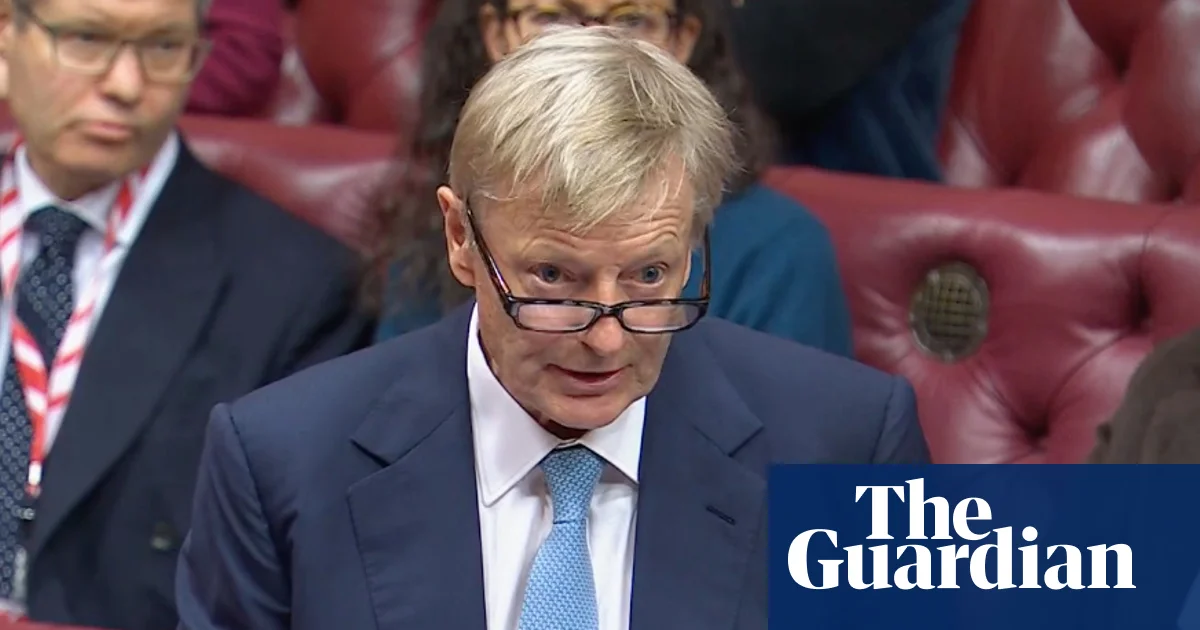
In a decisive rejection of softer regulatory approaches, the House of Lords has recently backed an Australian-style social media ban targeting users under the age of 16, signaling a significant shift in policies aimed at safeguarding youth from digital dangers. The vote, which resulted in 266 votes in favor and 141 against, demonstrates a growing consensus among policymakers that the current social media environment poses serious risks to children’s mental health and well-being. This move comes amid mounting international pressure to take more aggressive action against social media giants, notably Meta, YouTube, TikTok, and Snap, which face increasing scrutiny over their addictive design and harmful content.

Supporters like the former Conservative minister Lord Nash argue that this legislation is a clear and necessary step: “Tonight the House of Lords sent for the second time an unambiguous message to the government: hollow promises and half-measures are not enough.” This language underscores the urgent call for real leadership in regulating a digital landscape increasingly seen as a threat to societal stability. The significance of this legislation extends beyond the U.K., as it resonates with a broader international debate over how internet platforms intentionally design content to maximize user engagement—often at the expense of the mental health of impressionable children. As historians and analysts warn, neglecting to act decisively could lead to long-lasting social consequences, including a generation more vulnerable to depression, anxiety, and loss of childhood innocence.

Global Legal and Civil Actions Point to Increasing Accountability for Tech Giants

Notably, the American legal system has begun to hold social media companies responsible for their harmful effects, exemplified by a landmark jury ruling in Los Angeles. The court found that Meta and Google deliberately designed addictive platforms, leading to a young woman’s mental health deterioration. This case mandated a minimum of $3 million in damages, setting a precedent that could ignite thousands of similar lawsuits across the United States. These legal actions highlight how international institutions and courts are recognizing the stark truth: major tech corporations have prioritized profit and engagement over safeguarding vulnerable users. Analysts suggest that such findings may accelerate global efforts to impose stricter regulations, potentially forcing these companies to overhaul their algorithms or face crippling legal liabilities.

Moreover, critics argue that tech executives have adopted a cavalier attitude toward content designed to be addictive—an issue underscored by Lord Nash’s critique and supported by mental health professionals. The Intergovernmental organizations, including the United Nations, have increasingly called for international cooperation to regulate digital spaces, emphasizing that “the digital age necessitates a new social contract”—one that prioritizes human well-being over profit. As international bodies consider binding agreements, the question remains: how will nations balance innovation, economic growth, and essential protections for future generations?

Decisive Government Action as Societies Grapple with Modern Harms

In the UK, opposition from families and medical professionals adds emotional weight to political debates. More than 20 family members attended the vote, including parents mourning losses believed to be linked to social media exposure. Lady Cass, a paediatrician and peer, warned that the government’s approach is “narrow” and fails to grasp the totality of harms inflicted by digital platforms. This underscores a crucial gap: policymakers must understand that the fight extends beyond psychological impacts to encompass broader societal disruptions, including the erosion of childhood as a protected phase of life and the rise of online trauma and suicide contagion.

As history continues to turn, the unfolding story raises a sobering question for nations worldwide: will the tide of legal, societal, and technological efforts bring about meaningful change, or will these digital battlegrounds become final frontiers where corporate interests prevail over the sacred rights of childhood? The response to this question may very well determine the moral and social fabric of future generations, shaping whether society can reclaim its children from the addictive algorithms that threaten to steal their innocence in an age of rapid technological upheaval.

Australia Politics: NSW Targets Illegal E-Bikes; Kate Chaney Demands Action After 1,000 Days of Gambling Ad Ban Delay

As the world navigates an era of rapid technological and geopolitical change, recent developments underscore the escalating tension between national sovereignty and international influence. Australia’s internal debates about the regulation of emerging technologies and societal issues serve as a microcosm of broader global dynamics. Key actions taken by the NSW government to crush illegal e-motorbikes, including seizing and crushing high-powered ebikes, reflect not merely a local safety initiative but also a cautious pushback against the unchecked proliferation of autonomous and potentially hazardous personal transport devices. This legislative move exemplifies a conservative approach aiming to safeguard public safety and societal order amid surging injuries and chaotic incidents, like the swarm of bikes on the Sydney Harbour Bridge.

Meanwhile, Australia’s domestic policy debates extend into the digital realm and societal health, revealing a nation grappling with the consequences of technological innovation and unchecked commercial influence. The Australian Medical Association has boldly warned that online gambling is causing “immeasurable harm” to Australian families, highlighting a troubling gap in governmental action. Despite a landmark report from late Labor MP Peta Murphy calling for a comprehensive ban on gambling advertisements, over 1,000 days have passed without meaningful legislative response, fueling frustration among progressive advocates and policymakers like independent MP Kate Chaney. Her push for a progressive bill to ban online gambling ads on all platforms over three years underscores the urgency for decisive action, reflecting a broader societal demand for protecting vulnerable populations—especially children—from predatory practices that profit from harm.

Internationally, this internal discord and regulatory inertia resonate across geopolitical borders, as the European Union inches closer to finalizing a landmark free-trade agreement with Australia. The EU’s engagement, led by Ursula von der Leyen, signals a rapprochement that could reshape economic alliances, but not without the strategic and political pressures all nations face. Simultaneously, the global energy crisis, described by Fatih Birol, head of the International Energy Agency, as “the greatest threat in history,” highlights a universe where energy security and access to affordable fuel become central battlegrounds. Australia’s military and foreign policy actors are feeling the heat as regional tensions with the Middle East escalate, adding fuel to an already tense international climate that demands firm national policies and strategic foresight.

In this ongoing saga of national resilience and international influence, the weight of history presses heavily. Leaders and citizens alike find themselves cast adrift in a sea of emerging threats and opportunities, with decisions made today echoing through generations. Will they stand firm in defending sovereignty, safety, and social cohesion? Or will economic interests and global pressures erode their resolve? As Australia and other nations chart their courses, the unfolding story remains one of profound consequence—one that defines the very fabric of their societies and the legacy they leave behind. The nexus of policies on AI, public health, safety, and international diplomacy paints a complex tableau; one, perhaps, where the true battle is for the soul of the nation.

Canadian Religious Symbol Ban Sparks Constitutional Clash Among Youth

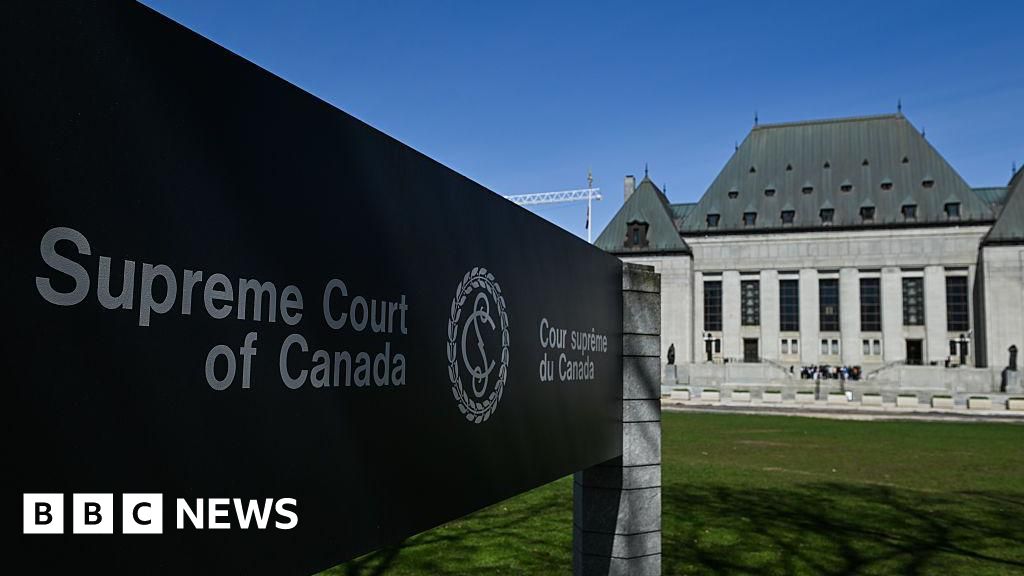
In a significant development within the ongoing struggle between secularism and religious freedom, Quebec’s provincial government has formally brought its controversial law regulating religious symbols to the Supreme Court of Canada. This move marks a pivotal moment in the constitutional debate over individual rights, provincial autonomy, and the limits of government authority in cultural and religious expression. The legislation, often dubbed as the “Religious Symbols Law,” mandates restrictions on public employees in positions of authority from wearing religious symbols, including hijabs, turban, and crosses, aiming to promote secularism within state institutions.

As the case advances to Canada’s highest judicial body, legal analysts and international observers acknowledge its profound geopolitical impact. The law is not merely a provincial matter but a flashpoint in broader debates that resonate across national borders—especially in nations facing similar conflicts over multiculturalism, identity, and religious expression. Opponents argue that the legislation infringes on fundamental freedoms guaranteed under the Canadian Charter of Rights and Freedoms, particularly the rights to religious expression and freedom of conscience. Supporters contend it is a necessary step to preserve the secular nature of Quebec and uphold societal cohesion amidst increasing diversity.

Prominent international organizations, such as the United Nations, have voiced warnings about potential human rights implications, while critics from various legal and civil society groups view the law as a manifestation of rising anti-immigrant and anti-minority sentiments. Historians like Dr. Emily Thompson suggest that the case echoes past cultural conflicts within Quebec, which has long grappled with its identity amid a mosaic of religious and cultural influences. The legal battle is also illustrative of the rising tide of nationalistic movements across the world, where governments assert sovereignty and cultural integrity in the face of global pressures. The Supreme Court’s ruling will not only determine the fate of this legislation but will also influence how governments across the globe navigate personal freedoms versus state secularism.

The decision at hand carries the weight of history, with every juridical word potentially shaping the societal fabric of Canada for generations. As the court prepares to deliver its verdict, the world watches—a stark reminder that the choices made today in courts and parliaments are often the ones that forge the enduring narratives of nations. Will this legal confrontation reinforce Quebec’s cultural sovereignty or trigger broader constitutional debates across entire liberal democracies? The outcome remains uncertain, but the message is clear: the fight over religion, identity, and state power is far from over, and history stands at a decisive crossroads.

Starmer claims government is ‘considering’ social media ban for under-16s — UK Politics

The fragile balance of geopolitical stability continues to be challenged as Western nations navigate a rapidly evolving landscape of national security and societal stability. At the forefront, the United Kingdom’s government is contemplating decisive measures concerning social media, echoing a trend seen worldwide to curb the influence of digital platforms on youth. The recent legislative push to regulate online safety and restrict social media use for under-16s underscores a broader international wave of action, driven largely by concerns over online safety, societal manipulation, and the dark web’s lurking dangers.

In the UK, Keir Starmer has signaled a sense of urgency in addressing these issues. Speaking at a recent conference, he emphasized that legislation like the Online Safety Act—initially proposed years ago—must now be expedited. Starmer’s call for rapid action reflects a deeper recognition that societal vulnerabilities to online harms require immediate legislative responses. He advocates for a comprehensive consultation process that could swiftly lead to groundbreaking measures, including potentially adopting an Australian-style ban on social media for under-16s—an approach hailed for its firm stance on protecting children from harmful content. Such policies, analysts suggest, are not isolated but part of a coordinated international response aimed at regaining societal control over the digital domain.

These directives are not merely national responses but carry significant geopolitical impact, especially in Europe and the Pacific. Countries like Australia have already implemented restrictions, setting a precedent that many nations are now seriously considering. Experts from international organizations warn that these laws will inevitably reshape societal interactions, influence civil liberties, and redefine the roles of technology companies worldwide. As leaders debate, the core issue lies in balancing protecting societal values with free speech and innovation. Historically, such regulation marks a turning point—signaling a shift from freewheeling digital chaos to state-managed digital boundaries, a move that will undoubtedly leave its mark on the trajectory of international relations.

Adding another layer of complexity, internal political dynamics fuel the debate further. Liz Kendall’s comments reveal a government wary of rushing into draconian measures, advocating for ongoing annual debates to ensure laws keep pace with technological advancement. Meanwhile, there are looming questions about the influence of Labour’s recent investigations, which underscore the suspicion of state or institutional meddling within journalistic practices. Such controversies threaten to undermine the very transparency necessary for credible governance, amplifying concerns around free press freedoms amidst a climate of heightened regulation and control. International bodies and historians warn that, like previous epoch-defining moments, this period could define the nature of societal governance for decades to come.

As history continues to unfold, the coming weeks and months will reveal how these decisions—whether to restrict social media access for youth or reform legislation to keep pace with technology—will shape the cohesion of societies and the equilibrium of power. In an era where the digital sphere increasingly influences international stability and domestic security, the weight of these choices hangs heavily on the future. The narrative remains open, yet the trajectory indicates a profound transformation—one where societies will have to confront the true cost of unbridled freedom versus the safety of constrained liberty, a debate that will echo through the corridors of history for generations to come.

Dr. Rangan Chatterjee: Ban Social Media Until 18 to Protect Youth Mental Health and Public Wellbeing

The Impact of Digital Distraction: How Screen Time is Reshaping Society and Family Life

In recent years, demographic shifts and cultural transformations driven by technology have profoundly altered the landscape of childhood and adolescence. As sociologists like Neil Howe and William Strauss have noted, these changes are not merely surface-level but threaten to redefine societal fabric itself. Communities across the globe are raising alarms about the unchecked proliferation of screens in children’s lives, highlighting a surge in mental health issues, developmental delays, and social disconnection. This crisis is forcing families, educators, and policymakers to confront an urgent question: At what societal cost are we allowing digital devices to dictate the contours of childhood?

Leading voices, including health experts and social commentators, caution that the widespread adoption of screens has been a public health emergency in disguise. Dr. Rangan Chatterjee, a prominent health advocate with a background rooted in general practice, speaks candidly about his concerns. His experience, from treating adolescents at A&E to questioning the prescription of antidepressants without addressing underlying social factors, exemplifies a broader issue: the failure of current social and educational frameworks to mitigate the harms of technology overload. Chatterjee attributes much of the mental health crisis among youth to the pervasive influence of social media and ‘ed tech,’ which, rather than serving as tools for learning, often become mechanisms of distraction and emotional degradation.

  • Research indicates that every additional hour of screen time increases the risk of myopia in children by 21%
  • Young children exposed to digital content face language delays and sleep disturbances
  • Alarmingly, 10% of nine-year-olds have viewed pornography, often encountering violent material

These challenges, far from isolated, ripple through families and communities, affecting educational outcomes, social skills, and mental resilience. As Dr. Chatterjee emphasizes, the influence of technology is not just a personal matter but a societal one. His advocacy for raising the legal age for social media access to 18 aligns with a growing international wave—Australia has already enacted a social media ban for those under 16, and Spain is considering similar legislation. The fundamental issue, as he notes, is the empire of tech giants whose business models prioritize longer engagement—a paradigm that profits from addiction rather than wellbeing. These platforms shape perceptions and behaviors, often pushing children into a cycle of distraction that diminishes genuine human connection, self-worth, and emotional intelligence.

Despite the societal-scale challenges, a vital thread remains in the fabric of hope: individuals and families committed to healthy change. Dr. Chatterjee’s own family practices intentional guardrails—smartphones are disabled on apps, social media access is restricted, and bedtime routines exclude screens—embodying a moral stance that prioritizes relationships over digital consumption. His narrative resonates with a broader moral imperative: society must recalibrate its approach to childhood, fostering environments where children can thrive emotionally, socially, and physically. As he reflects on his personal journey and his father’s legacy as an NHS doctor facing discrimination, there’s an unmistakable plea for a new societal ethic—one that values presence, connection, and holistic wellbeing above the fleeting promise of screens.

In the end, society stands at a crossroads where the invisible chains of digital distraction threaten to erode the very essence of human experience. Yet, within this challenge lies an opportunity: to consciously rebuild a future where families reclaim time for genuine connection, where education nurtures not just intellect but emotional resilience, and where communities insist on safeguarding the health and happiness of their children. Society’s true strength depends on its ability to see through the seduction of convenience and embrace a moral vision rooted in presence and human dignity. The question remains: Will we choose the ephemeral glow of screens or the enduring light of genuine connection? The choice, quite frankly, is society’s most urgent moral test—and its ultimate legacy.

Cooper Clings to Palestine Action Ban After Court Declares It Unlawful – UK Politics Live

In a nation where United Kingdom politics remains a mirror to the turbulent realities shaping the international landscape, recent legal decisions and diplomatic claims underscore a resurgent era of uncertainty and strategic recalibration. The High Court’s ruling that the government’s ban on Palestine Action was unlawful and disproportionate signals a critical juncture in domestic security policy—one that resonates across global geopolitics. As the UK’s legal system pushes back against government overreach, analysts highlight a wider geopolitical impact—foreshadowing a shift where advocacy, protest, and national security are increasingly entangled in a web of conflicting interests and international pressures.

This legal rebuke forms part of a broader pattern where Western powers are facing complex threats that challenge traditional notions of sovereignty and security. The UK’s foreign secretary, Yvette Cooper, publicly defended her decision to proscribe Palestine Action despite unequivocal evidence suggesting most of their activities did not meet the threshold of terrorism. She relayed that advice had been taken from police and intelligence sources indicating risks of violence, yet the courts concluded the government had failed to follow its own policies, raising compelling questions about the transparency and consistency of security measures. Such a legal setback might embolden other protest groups and civil liberties advocates, but it also sends a message to hostile regimes—highlighting the fragile balance Western democracies must maintain between security and freedom.

The international ramifications extend further into the realm of intelligence and diplomatic disputes. Yvette Cooper has been vocal about the assessment that Russia targeted the opposition figure Alexei Navalny with a deadly toxin derived from frog poison, a claim backed by a coalition of European nations. These countries have reported Russia to the Organization for the Prohibition of Chemical Weapons for breaching the Chemical Weapons Convention. The UK’s narrative frames Putin’s regime as a threat not only to Russian politicians but to global security—exposing a ruthlessness that analysts like Patrick Wintour of The Guardian argue is emblematic of a broader “barbaric Kremlin plot” designed to eliminate dissent with lethal precision. This exchange of diplomatic accusations underscores a larger conflict, reaffirming that the contest for influence and morality is increasingly fought through shadows of poison and the courtrooms of justice.

Amidst these tumultuous developments, the rising influence of China and the shifting priorities of the United States further complicate the global chessboard. Cooper’s comments about Europe’s need to “step up” as U.S. funding diminishes reflect a European-wide strategic awareness—an acknowledgment that the days of unipolar dominance are waning. As international organizations and military alliances struggle to adapt to this chaotic environment, youth and future leaders are called upon to navigate a world where sovereignty is often tested and global order remains fragile. The unfolding drama involving Navalny’s poisoning, the UK’s internal security debates, and Russia’s brazen denial are merely chapters in a larger saga of power, resistance, and the relentless pursuit of truth that history warns will define the 21st century’s geopolitical landscape.

In the shadowed corridors of geopolitics, the echoes of these conflicts spell a sobering message to all observers—history is still unwritten and the verdict of this epoch hinges on the choices made today. The specter of poisons, legal battles, and diplomatic indictments serves as a reminder: the unfolding story of nations will be etched not just in treaties or victories, but in the testimony of justice, the courage of dissent, and the echoes of a world still struggling to find its moral compass amidst chaos. As the dust settles on legal rulings and international accusations, the question remains—who will rise, who will fall, and what legacy will we leave in the shadow of these tumultuous times?

Social Media Auto Publish Powered By : XYZScripts.com