In recent developments that signal a significant shift in European geopolitical strategy, several nations are adopting measures that mirror the evolving landscape of international power dynamics. Following in the footsteps of prominent European Union member states such as France and Spain, countries across the continent are reevaluating their policies on security, economic alliances, and diplomatic engagement amidst the growing influence of China, Russia, and the United States. Analysts warn that these movements, although characterized by some governments as cautious responses, are in reality part of a broader realignment that could redefine European sovereignty and global standing.
The trend was marked by a series of recent policy announcements that underscore a deeper strategic shift. Governments are increasingly emphasizing military modernization and participation in international alliances, signaling a desire to protect national interests amid a volatile international environment.
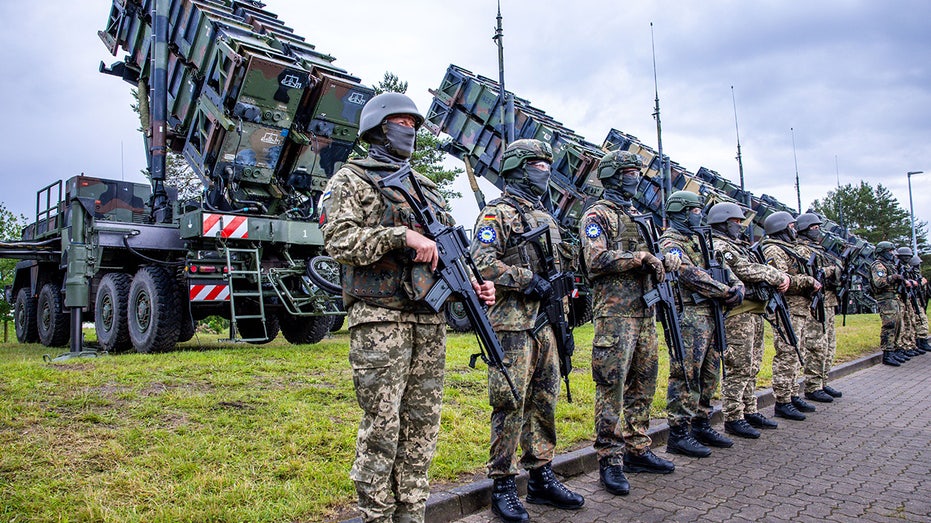
- Several nations are strengthening their defense budgets and pledging commitments to NATO, reflecting a response to perceived threats from Russia’s military assertiveness.
- New economic agreements aimed at diversifying supply chains and reducing dependency on foreign powers are gaining prominence.
- Diplomatic initiatives are also underway to bolster regional cooperation, while balancing relationships with both the EU and external players like China.
Historians and geopolitical analysts warn that such shifts could produce divergent consequences. Some argue that these moves are a pragmatic response to growing instability and an attempt to safeguard national sovereignty in an increasingly interconnected world. According to recent reports by the International Institute for Strategic Studies, the underlying motive appears to be a pursuit of strategic autonomy, resisting what many see as an encroaching orientation towards multilateral institutions that may limit national decision-making power. Nonetheless, critics contend that these policies risk exacerbating existing tensions, particularly if they lead to a new arms race or undermine longstanding alliances.
Underlying these developments are key questions about the future of European unity and the role of international institutions. As nations recalibrate their positions on security and trade, the continent stands at a crossroads. Some experts suggest that this era of upheaval could either foster a broader resilience or unravel the fragile fabric of cooperation that has defined the post-Cold War order. With each decision made today, the course of history is subtly but inexorably being rewritten, painting a portrait of a Europe in flux—its destiny shaped by the choices of governments and the emerging face of global power.
As history continues its unyielding march forward, the question remains: will Europe rise to meet the challenges with renewed strength and clarity, or will it become a battleground in the larger struggle for global dominance? Only time will tell if these strategic shifts mark the dawn of a new era—one forged in uncertainty, tension, and the relentless pursuit of national sovereignty amid the shifting tides of international power.