Matox News

Truth Over Trends, always!

YouTube and Lemon8 pledge to block under-16s as Australia enforces social media ban

Global Power Dynamics Shaped by Digital Policymaking and Social Media Controls

In an era defined by rapid technological change and the geopolitical reshuffling of influence, nations are wielding digital policy as a new frontier for asserting sovereignty and shaping societal structures. Recent developments in Australia exemplify this shift, as the government enforces a stringent under-16s social media ban, signaling a clear intent to regulate the digital landscape in favor of protecting younger generations. Under the leadership of Minister Anika Wells, Australia aims to pre-empt online harms and has threatened hefty fines of up to $50 million against platforms that fail to comply – a move that underscores how digital sovereignty is becoming a matter of national security.

This stringent approach has sparked significant debate among international analysts and organizations. Critics argue that the laws “fundamentally misunderstand” how children access and use social media, with Google’s warning that these regulations risk making children less safe online rather than safer. Despite these concerns, Australia’s stance demonstrates a willingness to exert control over digital spaces that transcend borders. The government’s strategy involves a phased implementation, with platforms like Lemon8— owned by ByteDance, the parent company of TikTok— voluntarily restricting users to those over 16, in a move seen as a cautious step in the broader attempt to shield minors from digital exploitation. Such policies reflect a global trend where nations are trying to set digital boundaries that align with national values, even as tech giants resist.

How Geopolitical and Societal Shifts Are Reshaping Digital Norms

Eyes across the world are watching Australia’s aggressive push for digital regulation, as it reveals both the extent of state influence and the contentious fight over global digital authority. International organizations such as the United Nations and the World Economic Forum have been vocal about “protecting children online,” positioning this as a key element of broader social policies. However, critics, including prominent historians and free-market analysts, warn that heavy-handed regulation could set troubling precedents. The potential for data privacy breaches, censorship, and the erosion of free expression looms large, threatening long-term societal freedoms. These interventionist policies are often viewed as part of a broader geopolitical power struggle between Western liberal democracies and emerging regional powers flexing their digital sovereignty muscles.

Meanwhile, the United States’s technological giants face mounting pressure as lawmakers investigate how algorithms target vulnerable youth to maximize engagement— a practice critics say contributes to mental health crises and social fragmentation. As European Union regulators tighten their grip with the Digital Services Act, the shared goal is clear: establish control over transnational tech companies and their ability to influence cultural and social norms. The debate centers on how much oversight is necessary and whether sovereign governments should dictate the digital environment or whether the influence of Big Tech should be curtailed at the international level.

The Future of Digital Sovereignty and Global Stability

As governments push forward with regulation and surveillance, some see these efforts as decisive steps towards a new era of digital nationalism. The stakes are immense; decisions made today will not only influence the fate of online safety but also determine the geopolitical landscape’s future. Historians and foreign policy analysts warn that unchecked regulation could lead to increased digital fragmentation, prompting the rise of regional internet blocks— resembling a “splinternet”— which could disrupt global connectivity, economic stability, and international diplomacy.

Amid these mounting tensions, the narrative remains open: will nations find a harmonious balance between protecting societal values and preserving freedoms, or will these digital battles fracture the global fabric? As Australia, Europe, and The United States each forge their own paths, the world stands at a crossroads. The unfolding story of digital control is not only about technology— it is about the very soul of civilization, testing whether humanity can maintain its collective liberty in an age of unparalleled surveillance and regulation. Still, the pages of history continue to turn, and the outcome remains unwritten— a silent warning echoing that the choices made today will ripple through generations to come, carving the shape of the future society from the edicts written in the digital sands of time.

Character.AI Debuts “Stories” for Teens After Chat Ban

Character.AI Unveils Enhanced AI Storytelling Platform Amid Youth Safety Initiatives

The AI landscape continues to evolve at a rapid pace, with Character.AI leading the charge in redefining interactive entertainment through innovative storytelling technology. Recently, the company announced the release of its latest feature, accessible to all users but specifically targeted at augmenting engagement for under-18 audiences. This move underscores a broader industry shift towards immersive, multimodal AI experiences that blend narrative, visuals, and user agency. By allowing users to select AI characters, genres, and influence story progression through active choices, Character.AI exemplifies disruption in the interactive entertainment space. Analysts from institutions like Gartner highlight that such narratives can significantly boost user engagement, fostering deeper emotional investment and new revenue streams.

The platform’s new story mode—dubbed Stories—complements its existing suite of AI functionalities by integrating AI-generated images and promising richer multimodal elements soon to be rolled out. This innovative approach aims to bring a more visceral and engaging experience, tapping into the trend of immersive content as predicted by industry leaders such as Elon Musk and Peter Thiel. As AI-driven content becomes commonplace, the ability to create personalized, dynamic stories could reshape how younger audiences consume entertainment, potentially disrupting traditional media and gaming models. However, this rapid expansion also raises questions about content moderation and safety, especially given recent policy shifts aimed at protecting minors.

In response to emerging concerns regarding youth safety and appropriate AI interactions, Character.AI announced plans to refine its policies, including the temporary shutdown of chats involving users under 18. The company is developing an age assurance feature that will automatically redirect underage users into “more conservative” AI chats. This adaptive approach reflects a broader industry trend towards responsible AI deployment, driven by regulatory scrutiny and heightened public awareness about potential risks associated with AI interactions involving minors. While such measures may slow immediate growth, they are essential for ensuring long-term sustainability and trust in AI ecosystems, particularly as governments increasingly craft policies to manage AI’s societal impact.

Looking ahead, the implications for businesses are profound. Innovative AI-powered storytelling platforms like Character.AI are not just shaping entertainment—they’re setting new standards for human-machine interaction, blending creativity with responsibility. As the industry accelerates towards richer, more human-like AI companions and storytellers, timing is critical: doubling down on safety, transparency, and user-centric design will be vital to capitalize on these disruptive trends. Companies that fail to adapt risk falling behind in a highly competitive landscape where technology and social expectations evolve at breakneck speed. With next-generation AI tools poised to redefine engagement, only those willing to navigate this complex intersection of innovation and ethics will seize the opportunities ahead.

In conclusion, the future of AI in interactive experiences is both exciting and fraught with challenges. As Character.AI exemplifies, the strategic fusion of cutting-edge technology with ethical safeguards can lead to a new era of storytelling and user engagement. The rapid pace of innovation demands that industry leaders remain vigilant and proactive, ensuring that technological disruption benefits society while mitigating risks. The next phase of AI-driven entertainment promises not just deeper immersion but also a reexamination of how digital narratives shape human interaction—an urgency that should inspire action today.

Maldives enforces youth smoking ban to protect future generations

The Maldives has pioneered a groundbreaking initiative by banning tobacco for everyone born on or after 1 January 2007, making it the world’s first nation to implement a nationwide *generational tobacco prohibition*. This bold move underscores the nation’s firm commitment to safeguarding its youth from the devastating health impacts of tobacco addiction. According to the Maldives’ health authorities, the law prohibits the purchase, sale, use, or possession of all forms of tobacco by this generation, with strict verification measures in place for retailers. These regulations align seamlessly with global health standards, notably the World Health Organization Framework Convention on Tobacco Control, which reflects an urgent international response to the soaring tobacco epidemic.

Analysts and international organizations have hailed the Maldives’ decision as a *significant turning point in global health policy*. Experts warn that youth-focused bans like this could serve as a blueprint for future legislation worldwide, especially as tobacco companies increasingly target younger demographics through stylish vaping gadgets and edgy marketing tactics. Historically, nations that have taken aggressive action against tobacco have seen declines in smoking rates over the long term, and the Maldives’ crackdown on vaping last year set a precedent. Last year, the country criminalized the import, sale, and possession of electronic cigarettes and vaping devices—regardless of age—highlighting its zero-tolerance stance. The Maldives government emphasizes that this comprehensive approach is crucial to fostering a healthier generation and reducing the long-term healthcare burden caused by tobacco-related illnesses.

Global observers warn that such policies are emblematic of a broader shift in *how nations deal with public health crises*—particularly in an era marked by intense geopolitical competition. Handy and effective, these measures simultaneously defend societal wellbeing while asserting national sovereignty against the aggressive tactics of multinational tobacco corporations. Critics in countries like New Zealand and the United Kingdom have debated similar proposals, with some recent setbacks—like New Zealand’s withdrawal of a proposed generational ban—highlighting the complexities surrounding social acceptance and political will.

As historians and policy analysts observe, the Maldives’ decisive move could mark a *new wave of youth-oriented health policies*, but it also invites a crucial question: how will such policies reshape societal attitudes and international relations? Will this become a catalyst for a global anti-tobacco movement that transcends borders? Or will resistance from industry giants and entrenched cultural norms stall progress? As the world watches, one thing remains clear: an epoch of transformation is underway, with each legislative victory or setback carving its mark into the pages of history. The weight of this unfolding struggle for a healthier future is boundless, and the tide of change, relentless and unstoppable, continues to surge forward.

Victorian climbers question ban on Mount Arapiles Indigenous sites: "Are they really going to chase us away?"
Victorian climbers question ban on Mount Arapiles Indigenous sites: “Are they really going to chase us away?”

In a striking display of international tensions over land use, the ongoing controversy surrounding rock climbing in Victoria, Australia underscores a broader geopolitical debate over the recognition and respect of Indigenous heritage versus individual freedoms and recreational pursuits. At the heart of this dispute lies Mount Arapiles, a globally renowned climbing destination, which is also a site of immense cultural significance containing ancient rock art and artefacts dating back over 3,000 years. Despite governmental efforts to curb access—through voluntary bans and proposed legal restrictions—climbers, backed by passionate communities, continue to challenge these measures, highlighting the deep rift between cultural preservation and personal passion.

This spat isn’t just about climbing; it echoes worldwide conflicts over preservation of Indigenous sites and sovereignty. Australia’s Dyurrite region, as highlighted by officials from Parks Victoria, is teeming with tens of thousands of artefacts and a giant Indigenous stone quarry complex, demanding a nuanced management response. The state government’s proposal to amend the management plan, possibly leading to a full ban on climbing in key areas, has ignited fierce opposition. According to a recent consultation, involving over 1,000 voices—90% of whom are climbers—there’s a palpable sense of loss within the community. Many see restrictions as a dismissal of the land’s cultural and recreational importance, threatening the very soul of one of Australia’s most cherished outdoor pursuits. Analysts like Dr. John Edwards, a cultural historian, warn that such measures risk alienating local communities and emboldening anti-heritage sentiment, if not carefully balanced with meaningful respect for Indigenous rights.

The international impact of this conflict extends beyond the borders of Australia. As debates about Indigenous sovereignty and land rights intensify worldwide—spanning regions from North America to Africa—this saga serves as a proxy battleground for global discussions. The decisions made here could influence international policies on cultural heritage management, highlighting the delicate diplomacy necessary to navigate conflicting interests. The dispute at Mount Arapiles also exposes the potential for international organizations like UNESCO to step into the fray, urging governments to handle such matters with respect, transparency, and inclusivity. Meanwhile, climbing communities, inspired by stories of Indigenous resilience and ecological importance, are mobilizing with increased vigor, urging policymakers to reconsider restrictions.

As the struggle deepens, the climbers’ defiance stands as a testament to a broader cultural movement questioning not just land use, but the very nature of freedom and heritage in a globalized world. Despite official claims that “the great outdoors are to be experienced and admired, not locked away,” the fierce determination of activists and climbers alike magnifies the weight of historical responsibility and the enduring clash of values. With each new protest and legal challenge, history continues its relentless march, leaving the world to face the enduring question: can a nation honor its ancient past without sacrificing its modern pursuits? As the future of Mount Arapiles hangs in the balance, so too does the message that the decisions made today will echo through generations—defining the cultural landscape of tomorrow amid the echoes of history’s unfolding narrative.

Ben & Jerry’s Co-Founder Slams Unilever’s Palestine Ice Cream Ban

In a striking illustration of the intersection between corporate influence and international conflicts, Ben & Jerry’s co-founder Ben Cohen has publicly condemned Unilever for blocking the launch of a new ice cream flavor, symbolically resonant with Palestinian solidarity. This controversy underscores a broader trend where multinational corporations become battlegrounds for ideological disputes that extend far beyond commerce, affecting geopolitical stability and societal narratives. The refusal to permit such a branding effort, which prominently featured the colors of the Palestinian flag, highlights how corporate decisions can influence international discourse and even diplomacy, especially amid ongoing conflicts in the Middle East.

Since Unilever’s acquisition of Ben & Jerry’s in 2000, tensions have simmered beneath the surface, with the co-founders explicitly accusing the conglomerate of unlawfully preventing their social activism. As the global community watches, such corporate silencing reveals the underlying power struggles between profit motives and social justice activism. The involvement of Ben Cohen in independently creating a flavor as part of his activist brand, Ben’s Best, signals an attempt to reassert fundamental values the larger corporations have allegedly side-lined. This act is more than a mere protest; it’s a clarion call for enterprises to retain their moral authority amidst a shifting international landscape where the lines between corporate interests and geopolitical agendas continually blur.

The perception and influence of corporate activism carry profound geopolitical impact. As analysts and historians observe, corporations today are often viewed as vessels of ideological expression that can sway public opinion and policy. This pre-eminence of corporate voice in political issues raises questions about sovereignty and the true independence of national policies. In the Middle East, the controversy over Israel’s occupation of Palestinian territories—especially in light of Ben & Jerry’s decision to withdraw from certain markets—illustrates how corporate actions bolster or undermine aspiring statehood narratives, regional stability, and international relations. Meanwhile, international organizations like the United Nations are increasingly under pressure to confront corporations’ roles in conflicts, often debating whether economic influence should be used as leverage in diplomatic resolutions.

As history unfolds, the story remains deeply intertwined with the broader currents of global conflict and moral responsibility. The battle over a simple ice cream flavor symbolizing Palestinian solidarity exemplifies how small acts can ignite larger debates about justice, influence, and the forging of international memory. The narratives that emerge from these conflicts will not only shape future corporate policies but will also influence the trajectory of international diplomacy. The weight of history now rests heavily on the decisions and actions of powerful institutions and individuals, as the world’s hopes for peace and justice hang in a fragile balance—awaiting their next chapter to be written in the collective consciousness of a restless generation.

Peer Opposes UK Smoking Ban, Talks Strategy with Relative at Tobacco Giant

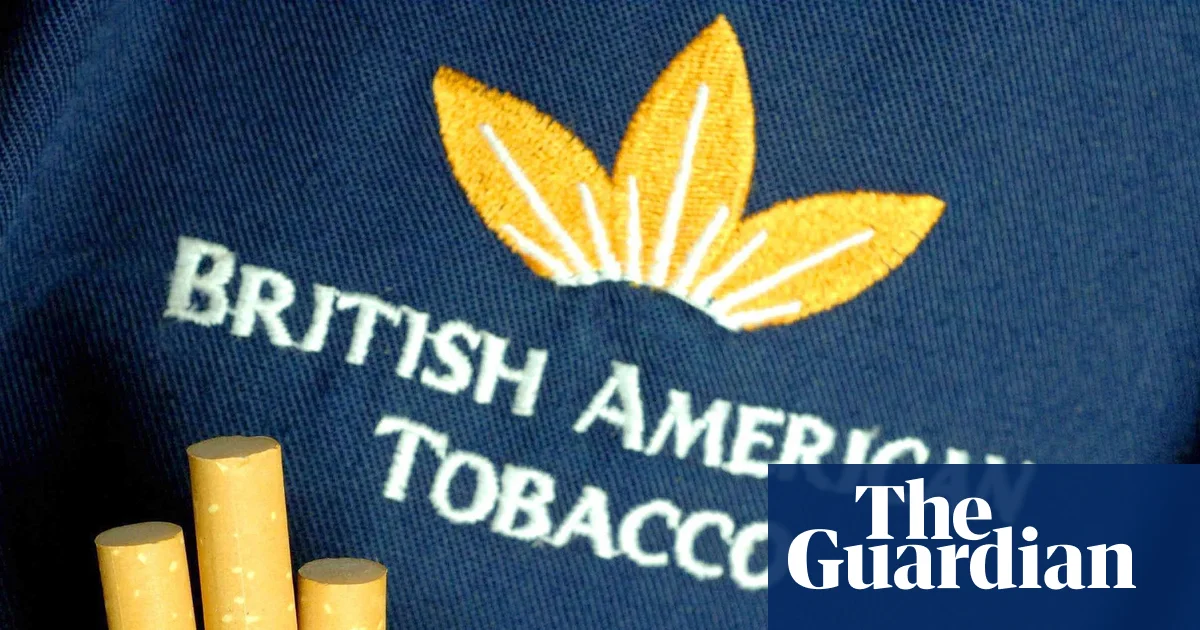
Amid mounting debates over public health measures, Britain appears embroiled in a high-stakes chapter of its ongoing battle over tobacco regulation. The recent legislative initiatives, notably the proposed generational smoking ban—making it illegal to sell tobacco to anyone born after 2008—have ignited fierce opposition from powerful industry voices and political interests. While the UK government champions this pioneering policy as a bold step towards a smoke-free future, influential lobbyists and some members of the House of Lords are actively working to dilute or derail it. The involvement of private industry, including ties with British American Tobacco (BAT), highlights how economic interests continue to shape health policy, raising questions about the authenticity of claims to public welfare.

Key figures in the debate, such as Lord Strathcarron, have publicly discussed potential amendments to the legislation, including proposals that would merely raise the legal age to purchase tobacco from 18 to 21—an approach critics argue is a superficial modification that ultimately favors industry continuity. Disturbingly, claims that cigars are “harmless” are backed by industry lobbying, despite extensive academic research indicating the mortality risks of cigar smoking can be comparable to, or even surpass, those of cigarettes. Meanwhile, lobby groups such as Action on World Health, co-founded by controversial figures like Nigel Farage, have surreptitiously targeted policy positions by coordinating with industry insiders and influencing public discourse, often under the guise of promoting “freedom” and “market forces.”

International organizations like WHO have warned that watering down public health measures such as the UK’s generational ban could have ripple effects far beyond the Atlantic. The move to protect young generations from tobacco exposure is seen by analysts as a crucial step in countering a global epidemic—yet, the entrenched influence of Big Tobacco and its political allies threaten to undermine these efforts. Critics highlight that the industry’s resistance is driven less by health concerns and more by efforts to preserve lucrative markets, especially as emerging alternatives such as vaping and nicotine pouches continue to grow in popularity. Such conflicts underscore a broader battle for the soul of public health policy, pitting societal well-being against powerful economic interests that prefer to keep markets open at the expense of lives.

As the legislation’s fate hangs in the balance, the international community watches with bated breath. The outcome of this political skirmish will likely serve as a precedent—either affirming a decisive shift towards proactive health reforms or capitulating to the status quo of corporate influence. The stakes are clear: the decisions made within Westminster’s chambers will not only shape Britain’s health landscape but will also send a resounding message to nations worldwide. Will they follow a path toward radical prevention, or succumb to the influence of industry-backed lobbying aimed at preserving profits over people? The page of history turns swiftly, and the story of this legislation is far from over—its conclusion could mark a turning point in the ongoing global struggle for control over health policies amidst the relentless tide of corporate power.

Judge lifts ban, letting OpenAI keep ChatGPT logs—big win for AI transparency and innovation

In a move that underscores the escalating tug-of-war between innovation and regulation, a recent court decision marks a significant shift in how AI companies like OpenAI are required to handle user data. After months of legal battles and public scrutiny, a federal judge has lifted the earlier preservation order that mandated OpenAI to retain all ChatGPT logs indefinitely. This ruling signals a potential realignment on data privacy, and it raises vital questions about the future of digital privacy amidst rapid AI expansion.

Initially, the court’s preservation order was a major win for The New York Times and other media outlets, like TheIntercept and Alternet, who accuse OpenAI of training its models on copyrighted news content without proper authorization. The order essentially allowed the news organizations to scrutinize ChatGPT’s outputs for copyright infringement, shining a light on the murky waters of AI training data. OpenAI, on the other hand, vehemently opposed the mandate, citing concerns about user privacy and data security. The company argued that such a requirement could set a dangerous precedent—one that threatens the confidentiality of user interactions and broader digital rights. When Judge Ona T. Wang decided in October to relax the preservation requirements, it sent a clear message: the balance of power might be shifting away from data accumulation toward privacy and individual rights.

This legal turn doesn’t just reflect a single case—it’s emblematic of a broader cultural impact shaping the digital landscape. AI-powered platforms like ChatGPT have become ingrained in the everyday lives of youth, offering everything from educational assistance to social interaction. As public awareness grows about the potential data footprints we leave behind, there’s a growing societal consciousness about digital footprints. Influencers, sociologists, and tech analysts are now debating whether the next frontier is ethical AI use that respects user rights or unchecked corporate data harvesting. For younger generations, who are often at the forefront of digital trends, this legal battle underscores an implicit societal shift — from raw data collection to empowering user privacy as a social norm.

  • Trend #1: Increasing demand for transparency from AI providers concerning data use and privacy.
  • Trend #2: Growing awareness among youth about the power of their digital footprints and the importance of safeguarding personal data.
  • Trend #3: An emerging cultural movement advocating for ethical AI development, framing privacy as a social justice issue.

As we observe these shifts, the question looming over this evolving digital landscape is as provocative as it is vital: Will the push for user privacy redefine the way AI is trained and deployed, or will companies find a way to circumvent these new rules to keep their competitive edge? With influential voices like tech lawyers and societal analysts raising concerns about a future where our digital selves are more protected yet more scrutinized than ever before, the next chapter in AI history might hinge on whether this turn away from indefinite data preservation will truly foster a more accountable and ethical technological era. The dominant question that remains: could this legal shift be the catalyst for a cultural revolution where personal data becomes our strongest form of digital independence?

Smartphone ban brings order and focus, says Northamptonshire teacher

Society’s Evolving Approach to Children’s Technology and Its Impact on Families

In recent months, schools and local authorities across the UK are re-evaluating their stance on children’s use of smartphones, with some institutions implementing decisive measures aimed at protecting the wellbeing of young students. Northamptonshire’s Earls Barton Primary School has become an exemplar of this movement by banning smartphones entirely. According to co-head teacher Marie Lally, this initiative has resulted in students arriving at school calmer and more focused — an outcome banners of the harm caused by unmoderated device usage. Such local efforts reflect a broader societal shift as parents, educators, and policymakers grapple with the undeniable influence of social media and instant messaging platforms on impressionable minds.

Many social observers believe this trend signals a critical cultural reconsideration of childhood innocence and autonomy. As sociologist Neil Postman warned decades ago about technology’s potential to distort societal values, contemporary concerns have matured: children are increasingly exposed to unsolicited images, cyberbullying, and inappropriate content through unchecked mobile devices. As part of this moral awakening, the Smartphone Free Childhood movement advocates for delaying the introduction of smartphones until at least age 14, emphasizing that early exposure jeopardizes mental health and moral development.

The Impact on Families and Community Relations

The ripple effects of unchecked smartphone access are felt most acutely within families. Parents are often caught in a dilemma: balancing the convenience of being contactable with the moral responsibility of shielding children from harmful content. Katie Moore, a mother involved in Northampton’s initiative, describes her own experience of giving her child a smartphone and witnessing “more conflict” at home, as her daughter faced animated porn, teasing on WhatsApp, and other cyber dangers. Moore’s story highlights a pervasive societal challenge: parents are pressured to conform to peer expectations that equate smartphones with social status, even as evidence mounts regarding the risks involved.

Communities are responding by advocating stricter controls within schools and homes. Some suggest solutions such as requiring children to surrender devices upon arrival at school, use of only ‘brick phones’ with no internet, or outright bans on phones during school hours. These measures aim to restore a sense of safety and moral clarity within educational environments, emphasizing that protecting children’s innocence and mental health must take precedence over technological convenience. Meanwhile, local authorities like West Northamptonshire Council are weighing guidance policies that could lead to more comprehensive restrictions across schools, recognizing that current enforcement is limited, as noted by Reform UK education official Kathryn Shaw.

Societal Reflection and Toward a Brighter Future

As society stands at this crossroads, many social commentators argue that the core challenge extends beyond mere device management. It questions the cultural values that normalize early exposure to digital technology and the moral framework guiding parental decisions. Transformative change will require a collective effort to redefine childhood and societal priorities, emphasizing ethical guardianship, community engagement, and moral responsibility above fleeting trends. In this ongoing journey, families and communities hold the power, often through simple yet profound acts, to turn society’s horizon toward hope. Ultimately, society’s resilience will be tested not by the technology itself but by its ability to nurture young minds amidst rapid change — a testament to our enduring belief in the potential for moral and social renewal.

Home Office’s attempt to lift migrant removal ban fails in court.

A recent incident has unfolded as authorities intervened to prevent the removal of an Eritrean man who attempted to enter the country via small boat. This event highlights ongoing tensions surrounding immigration policies that are at the forefront of political discourse today. The blocking of this removal raises questions about the effectiveness and consistency of our immigration system.

Young conservatives are especially concerned about how these situations are handled, advocating for stricter border controls and a merit-based immigration system. As debates continue, it’s crucial to find a balance between compassion for those in need and the security of our nation. The latest development underscores the importance of clear and consistent immigration policies that serve both our border integrity and humanitarian responsibilities.

Social Media Auto Publish Powered By : XYZScripts.com