Matox News

Truth Over Trends, always!

Bank Chiefs Urged to Meet Reeves on Iran War’s Threat to UK Economy

Global Economic Turmoil Sparks Urgent UK Bank Crisis Meeting Amid Middle East Conflict

The escalating conflict in the Middle East has sent shockwaves through the international financial system, prompting a critical summit in Britain. Top executives from the nation’s Big Five retail banks—HSBC, Barclays, Lloyds, NatWest, and Santander—have been summoned by Chancellor Rachel Reeves to strategize on safeguarding the UK economy against the ripple effects of the ongoing crisis. This high-stakes emergency meeting underscores the perilous geopolitical nexus that now threatens to destabilize markets, mortgage sectors, and households across the nation. As analysts like those at the International Monetary Fund warn of an impending economic downturn owing to disruptions in critical oil routes—most notably the Strait of Hormuz—the immediate focus centers on how to shield the most vulnerable populations from skyrocketing costs and financial shock.

In recent weeks, energy prices have surged dramatically, driven by Iran’s retaliation to US and Israeli strikes, including border assaults on oil-producing neighbors. Iran’s decision to block the Strait of Hormuz—a vital maritime corridor—has caused fears of a global energy crisis, pushing crude oil prices upward and fueling inflationary pressures worldwide. The Bank of England predicts that more than 1 million UK households could face increased mortgage servicing costs as lenders signal a tightening market. With the UK’s mortgage market already shaken by rising interest rates and reduced product offerings—about 1,500 mortgage options have been pulled—this summit aims to mitigate the potential fallout that risk plunging millions into further financial hardship. Authorities worry that without strategic intervention, the economic repercussions could be catastrophic, echoing the turbulent times endured in past global crises.

Understanding the geopolitical impact, international analysts emphasize that these decisions extend beyond domestic borders, affecting alliances, trade, and diplomatic stability. Historians like Dr. Samuel Peterson note that the current Middle East conflict echoes previous episodes that reshaped international power dynamics—such as the 1973 Oil Crisis and subsequent period of economic volatility. As governments and financial institutions grapple with the unfolding crisis, the UK and global community are witnessing how decisions made today will influence future geopolitical alignments, energy policies, and economic resilience. The summit’s outcome could set a precedent for how nations deploy economic tools in response to military escalations, emphasizing a delicate balance—one that could either soften the blow or deepen the global downturn.

As the shadow of conflict lengthens over global markets, the Strasbourg-based European Central Bank and the G7 nations have issued discreet but pointed signals of concern, warning that the spillover effects could tighten control over inflation but at the risk of inducing a worldwide recession. The financial fortress built by global institutions may be put to its ultimate test: whether cooperation and strategic foresight can stave off total economic collapse or whether history will once again record a chapter marked by chaos and lost opportunity. Ultimately, the crisis in the Middle East signifies more than a regional flare-up; it heralds a critical juncture—one that will define the contours of international order and economic stability for years to come. The weight of history now hinges on the outcomes of these high-stakes negotiations, as the world braces for the storm already gathering on the horizon.

Naples bank robbers take 25 hostage, slip away through secret tunnel—justice must catch them quick!

During a recent security breach, armed men managed to evade capture by escaping through the city’s sewer system, an event that exposes significant vulnerabilities within urban security and emergency response frameworks. Such a dramatic escape underscores the layers of complexity involved in maintaining public safety amidst growing threats that often resemble scenes from a clandestine battlefield rather than a typical urban environment. Analysts and security experts warn that these incidents are not isolated but indicative of broader issues affecting nations committed to safeguarding societal stability.

Urban infiltration and evasion tactics are evolving at a pace that challenges traditional law enforcement methods. The escape through subterranean networks highlights how non-conventional avenues can be exploited to evade capture, especially when authorities are unprepared for such innovative tactics. Experts from international security think tanks argue this underscores the importance of integrating advanced surveillance technology with community-based intelligence operations. If left unaddressed, such vulnerabilities could facilitate future assaults, organized crime runs, or even terrorism, fundamentally threatening the fabric of civil order. Governments across the globe are urged to learn from such breaches, re-evaluating their security strategies to adapt to these emerging threat landscapes.

The geopolitical impact of such security failures extends well beyond localized law enforcement. Countries embroiled in regional conflicts or tense diplomatic relations are particularly vulnerable; a successful escape for criminals or insurgents could embolden adversaries or destabilize fragile peace processes. The incident invites scrutiny of global security cooperation, especially given the interconnected nature of modern threats. International organizations such as Interpol and the United Nations have long emphasized the necessity of cross-border intelligence sharing to preempt and counteract sophisticated clandestine operations. Yet, as this escape illustrates, operational gaps persist, and adversaries continually adapt, exploiting every crack in the system.

Historian and geopolitical analyst Dr. Samuel Carter notes, “Events like this serve as stark reminders that our modern security apparatus must evolve at a similar pace to threats—otherwise, we risk future crises spiraling beyond control.” The global community faces a critical choice; whether to invest heavily in technological innovation and intelligence coordination, or accept the increasingly unpredictable chaos that unchecked criminal networks and insurgent groups could usher in. Such incidents also send a chilling message to societies: the battle for control of urban spaces is ongoing, and an underestimation of the enemy’s ingenuity can have deadly consequences. As nations brace for the future, the weight of history presses down—each event compounding the ever-unfolding narrative of conflict and resilience.

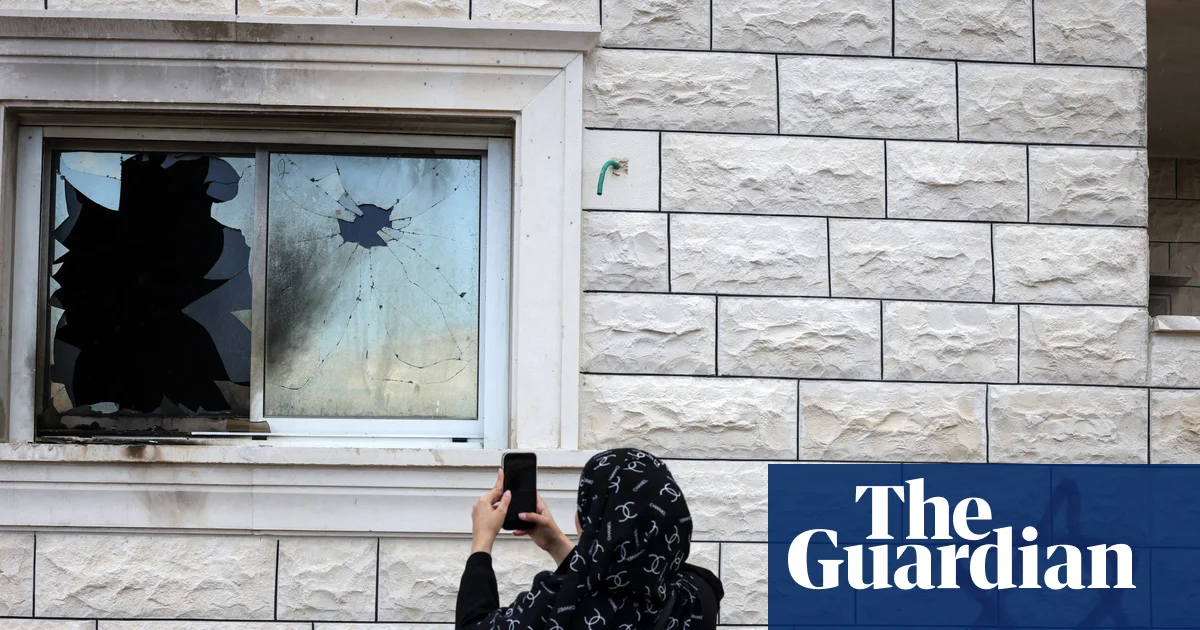
Israeli settlers escalate West Bank assaults amid indifferent security forces

The situation in the West Bank continues to escalate, exposing a volatile chapter in the ongoing Israeli-Palestinian conflict that bears profound geopolitical repercussions. Reports of widespread settler violence—attacks involving arson, vandalism, and physical assaults—underscore a disturbing pattern of escalation that challenges international calls for stability and peace. Over recent days, Israeli settlers have reportedly carried out coordinated raids across at least half a dozen Palestinian communities, inflicting injuries and destruction, while Israeli forces have largely remained passive or complicit in allowing these acts to unfold unchecked.

  • Settlers targeted homes and vehicles in communities such as al-Fandaqumiya, Seilat al-Dahr, Masafer Yatta, Qaryout, and Jaloud. Witnesses describe scenes of chaos and destruction, with multiple homes burned, residents injured, and hundreds of vehicles vandalized or torched.
  • These incidents have coincided with key religious and national observances like Eid al-Fitr, marking a period traditionally associated with peace and reflection, yet now overshadowed by violence and lawlessness.
  • The UN and human rights organizations like B’Tselem have condemned the Israeli government’s apparent complicity—arguing it enables settler violence as part of a broader strategy to forcibly displace Palestinians and expand territorial claims.

Amid this climate of unchecked violence, international analysts have begun scrutinizing the dangerous implications of the Israeli government’s approach in the West Bank. Critics point to a concerning trend: the absence of accountability for settler crimes, which often go unpunished, further emboldening settler factions. Yair Golan, leader of Israel’s Democratic Party, has publicly condemned what he describes as government neglect and the promotion of lawlessness, warning that “Jewish terrorism” is proliferating amidst the chaos. Historic trends highlight that such unchecked violence risks destabilizing the entire region, intensifying cycles of retaliation and undermining prospects for peace.

Meanwhile, international institutions warn that Israel’s policies in the West Bank could result in the *forcible displacement* of Palestinian communities, threatening to alter the demographic and territorial status quo permanently. The UN explicitly states that current Israeli practices risk “displacing entire communities,” a move that could have broader destabilizing effects beyond regional borders. The horrific details of Israeli military actions—such as the 2023 killing of a Palestinian family in Tamoun or reports of settler sexual violence—serve to deepen global concern over human rights abuses, as well as the erosion of moral authority in the conflict.

As the international community watches, a shadow of doubt falls over the decades-old peace process. With each act of violence, the prospects for any diplomatic resolution fade further into the horizon, replaced by escalating cycles of hostility rooted in decades of failed policy and missed opportunities. Anxieties loom large, as the global balance of power shifts in the face of these ongoing crises, and the potential for wider regional destabilization grows. The unfolding story in the West Bank is a stark reminder: history’s pen continues to write with an unforgiving hand, and the coming chapters will forever shape the destiny of nations, societies, and the very fabric of international order.

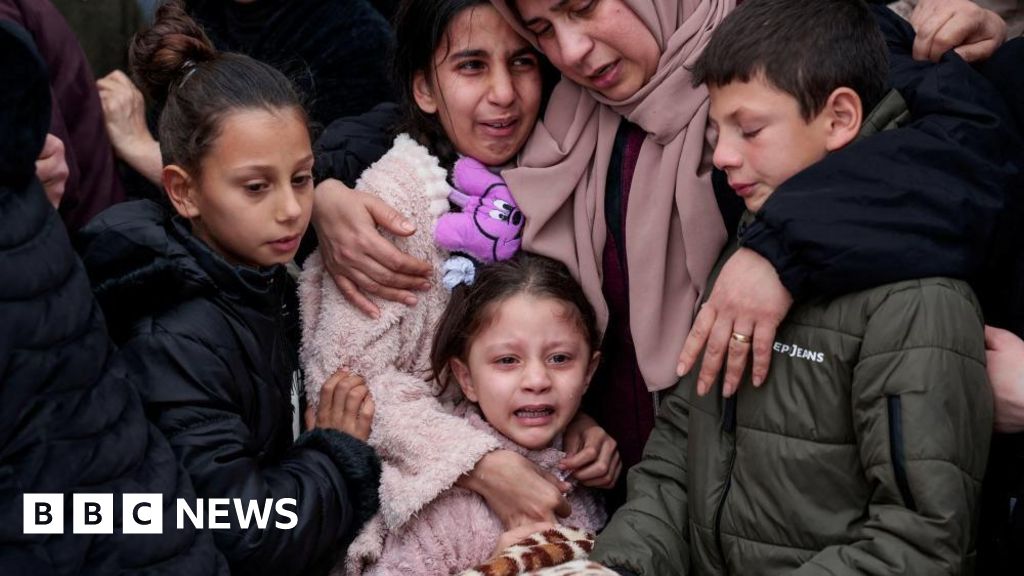
Israeli forces kill Palestinian family, including two children, in West Bank incident

In a devastating development that underscores the enduring brutality of the Israeli-Palestinian conflict, reports from the Palestinian health ministry confirm that five-year-old Mohammed and seven-year-old Othman lost their lives, alongside their parents, amidst recent hostilities. Such tragedies continue to illuminate the human toll of a conflict that has persisted for generations, with innocent children often caught in the crossfire. These losses, while deeply personal, ripple outward, influencing the geopolitical landscape and shaping international responses.

Israel and Palestine remain at the heart of an enduring dispute characterized by violence, displacement, and international concern. Recent escalations have prompted accusations and condemnations from various global actors, with analysts emphasizing a turning point in the ongoing struggle. Human rights organizations warning that continued hostility only entrenches hardship, yet the international community’s ability to effect meaningful change remains hampered by entrenched political divides. How these decisions impact societies—particularly vulnerable populations like children—cannot be overstated, as each incident compounds decades of suffering.

The international response has been mixed, with United Nations agencies and regional powers calling for de-escalation and humanitarian aid. However, critics argue that diplomatic efforts are often hamstrung by geopolitical interests. The recent violence, including the tragic death of innocent children, signals that the cycle of retaliation and violence persists, threatening regional stability. Many experts, including historians and seasoned diplomats, suggest that unless there is a decisive shift—possibly a new initiative or peace process—the conflict will continue to claim lives indiscriminately, dragging entire societies into further despair. The loss of Mohammed and Othman serves as a stark reminder of how the eternal cycle of violence defines the Israeli-Palestinian saga, challenging international actors to confront the harsh realities faced on the ground.

As history unfolds, the enduring questions remain: will the international community muster the resolve to impose lasting peace, or will these tragic deaths be yet another chapter in a seemingly unending story of loss? The tragedy of lives lost in their infancy emphasizes the urgent need for a comprehensive and equitable resolution. For policymakers, analysts, and citizens worldwide, the weight of this history is heavy—each life lost echoing through corridors of power and public consciousness alike, urging a collective reflection that time is running out. The rising tide of violence leaves an indelible mark on the collective conscience, ensuring that the memory of innocent Mohammed and Othman—and countless others—will remain etched into history’s relentless march towards an uncertain future.

Hungary to Expel Ukrainian Bank Employees Amid Escalating Tensions with Kyiv

In a development that threatens to reshape regional stability, Hungary has announced the detention of several workers on suspicion of involvement in a large-scale money laundering scheme. This move comes amid a rapidly escalating diplomatic dispute, with the Hungarian government asserting that the accusations are both credible and deserving of stern action, while critics suggest the situation may be entangled in broader geopolitical tensions.

The situation has ignited a fierce row between Hungary and the country or countries implicated in the allegations, with the Hungarian authorities asserting that the detained individuals were linked to organized crime networks operating across national borders. This stance reflects a broader pattern of Hungary adopting a stringent approach to illegal financial activities, a stance often justified as a safeguard for national sovereignty and economic security. However, the timing and framing of the arrests have fueled suspicions of political motivations, especially as international actors weigh their responses.

The international community, including organizations such as the European Union and the United States, is closely watching the unfolding crisis. Analysts from institutions like the International Monetary Fund warn that unchecked corruption and criminal enterprise in Hungary could threaten the financial stability of the entire region. Meanwhile, some observers argue that this incident signals a deeper geopolitical pivot, with Hungary asserting its independence amidst growing influence from Russia and China. The sharp rhetoric and arrests represent not just a fight against crime but also a symbolic assertion of national sovereignty in an era of competing global powers.

Historian and geopolitical analyst Dr. Mark Reynolds emphasizes that such internal security measures often serve as a reflection of larger strategic shifts. “This is a pivotal moment—these actions are more than just law enforcement,” he notes. “They are about how nations perceive threats to their sovereignty and economic stability in a world where international alliances are in flux.” As the European Union demands transparency and accountability, Hungary’s stance can be seen as a broader assertion of its sovereignty, often in defiance of what it perceives as external interference. The consequences of this confrontation could extend far beyond the immediate criminal case, potentially impacting Hungary’s European integration and its position within NATO.

As the world watches, the unfolding crisis underscores the fragile balance of international power. The detained workers, the diplomatic fallout, and the geopolitical accusations are more than just headlines—they are part of a complex web of influence and resistance. The decisions made today will shape not only Hungary’s internal policies but also the broader geopolitical landscape, reminding all nations that the struggle over sovereignty, influence, and security remains the defining challenge of our era. The story is still being written, and the pages ahead will determine whether this clash signals a new chapter of cooperation or a deeper fracture in the global order—an enduring echo of history’s ongoing battle for dominance and independence.

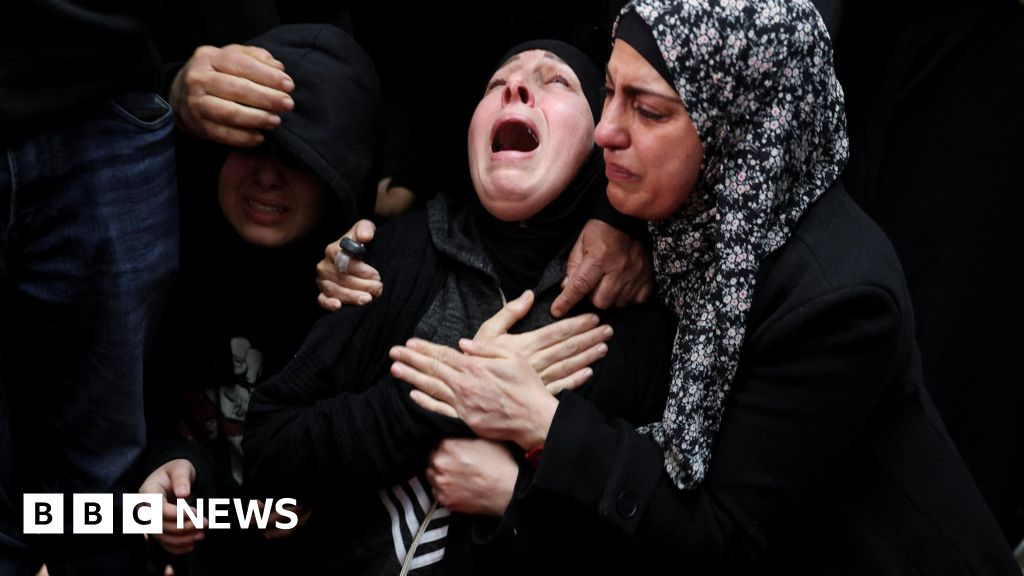
Palestinian-American family calls for justice after West Bank killing

In a troubling development that underscores the persistent volatility in the West Bank, Nasrallah Abu Siyam has become the sixth American citizen to be killed by Israeli settlers or soldiers within the past two years. This tragic event not only highlights the ongoing human toll in the region but also amplifies the geopolitical tensions that continue to shape international discourse and policy. As analysts and international organizations examine this devastating trend, the question arises: what does this portend for Middle East stability and for the United States’ role in U.S.-Israel relations?

The West Bank remains a symbol of protracted conflict, where decades of unresolved disputes over land, sovereignty, and security have resulted in recurrent violence. The incident involving Nasrallah Abu Siyam exemplifies the dangerous complexities at play, where diplomatic efforts often seem gridlocked amid rising tensions. Historically, U.S. policy has oscillated between supporting Israel’s security concerns and advocating for Palestinian rights, yet the recent uptick in violence reveals the fragility of this balancing act. Experts like geopolitical analyst Dr. Emily Carter emphasize that the continuous loss of American lives, especially in a region where American influence is both strategic and moral, exacerbates pressure on U.S. foreign policy and internal political dynamics.

Furthermore, the international community has expressed alarm over these fatalities. The United Nations and European Union have called for renewed dialogue, but reality shows that diplomatic pathways remain blocked by entrenched positions and regional power struggles. This violence is symptomatic of deeper issues, including the expansion of settlements and the persistent inability to implement a comprehensive peace agreement. As Middle East experts warn, each incident like the death of Abu Siyam not only fuels local resentment but also complicates the international effort to bring stability and peace to the region.

From a broad geopolitical impact perspective, these recurring tragedies feed into a narrative of disorder that affects all nations involved—further entrenching divisions, impeding cooperation, and risking broader regional escalation. Nations across the globe are forced to navigate the fallout, which includes rising anti-American sentiments in some quarters and increased pressures on U.S. policymakers to take decisive action. As historians observe, moments like these serve as stark reminders that conflicts rooted in history are often perpetuated by cycles of violence and contested narratives—each one shaping the course of history whether forward or backward. The death of Nasrallah Abu Siyam marks a grievous chapter in this ongoing story, with the echoes of injustice resonating far beyond the borderlines of the West Bank.

As we stand on the precipice of further escalation or potential peace, the weight of history presses heavily. The choices made today in response to such tragedies could either open pathways toward reconciliation or reaffirm the wider forces of chaos and division. With each life lost, the hope for resolving this enduring conflict dims — yet it remains, perhaps, the most urgent challenge of our era. In the shadow of conflict, history continues to unfold, recording the moments when nations either forge a better future or condemn generations to repeating the mistakes of the past.

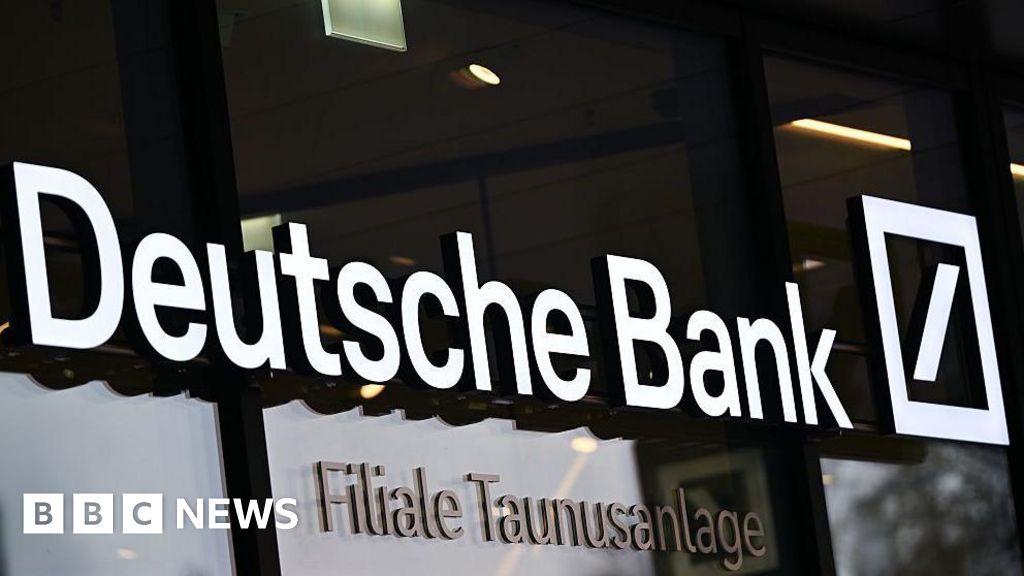
Deutsche Bank offices targeted in money laundering investigation—major disruption for Germany’s financial giant

Germany finds itself at the center of a new wave of scrutiny as officials recently conducted extensive searches in offices across Frankfurt and Berlin. This investigation revolves around what authorities are calling “past business relationships,” a vague yet potentially far-reaching clue into the economic and political fabric of Europe’s largest economy. While details remain scarce, the move signals an increased resolve by German regulators to address issues of transparency and accountability within influential sectors—an effort that has implications well beyond Germany’s borders.

The timing of these searches coincides with heightened geopolitical tensions and fluctuating alliances across Europe. Analysts suggest that such investigations could serve as a lever to scrutinize how certain business dealings—possibly tied to controversial partnerships or regions—may influence national policies or European stability. World observers note that this move also reflects growing concern over the nature of international financial networks and their potential to undermine democratic institutions. Observers point to the importance of this moment, emphasizing that these inquiries are not just domestic affairs—they are part of a broader contest of influence between global powers, where economic ties often mask underlying geopolitical struggles.

European institutions, including the European Commission and agencies specializing in anti-corruption, are closely monitoring the situation. According to international experts, these investigations could open a Pandora’s box, revealing connections that stretch across borders—potentially involving Russian, Chinese, or other foreign entities whose interests challenge Western policies. Such revelations might influence future negotiations on trade, security, and diplomatic relations, especially as Germany seeks to maintain its role as Europe’s economic leader amidst shifting alliances and external pressures. Furthermore, the European Union’s emphasis on scrutinizing corporate practices underscores a broader push towards moral and institutional integrity, which increasingly becomes a battleground in the contest between Western values and authoritarian models.

Historically, the pattern of uncovering hidden dealings within powerful economies has often precipitated significant realignments, warns renowned geopolitical analyst Dr. Jane McAllister. Such investigations, although seemingly procedural, hold the potential to *reshape* the landscape of international influence. As governments scramble to contain or capitalize on these disclosures, the wider societal impact remains profound: questions about accountability, sovereignty, and the true cost of global interconnectedness are laid bare. Meanwhile, several international organizations have issued cautious comments, emphasizing the importance of transparency but also warning against politicized misuse of investigative tools. Yet, the underlying message persists—what is uncovered today may very well determine the course of global history tomorrow.

As the world watches with bated breath, the echoes of this investigation threaten to resonate well beyond the confines of German bureaucracy. The unfolding story becomes a haunting reminder: in an era of intertwined economies and fragile diplomatic ties, history is written not just in treaties or military alliances, but in the quiet, relentless pursuit of truth. The question lingers—how will these revelations shape the future of Europe and the broader international order? The answer remains uncertain, but one thing is clear: the weight of history is still being forged in the shadows of today’s uncoverings.

Kuxiu’s Power Bank Gets Bigger, Faster Wireless Charging – Power Up Your Way!

Next-Gen Solid-State Power Bank from Kuxiu Signals Major Disruption in Portable Energy

In a significant stride towards disrupting the portable power industry, Kuxiu has announced the launch of its upgraded semi-solid state power bank, the S3. Building on its innovative foundation established with the initial semi-solid electrolyte-based battery, Kuxiu’s latest offering exemplifies the pressing shift in battery technology. This groundbreaking development not only emphasizes innovation but also positions Kuxiu as a formidable challenger to traditional lithium-ion power banks, promising a future where safety, longevity, and efficiency take center stage.

The S3 model introduces a substantial doubling of capacity—now at 10,000mAh—highlighting how solid-state chemistry is evolving to meet consumer demand for high-capacity, safe, and durable portable power. With 38.5Wh, it boasts the ability to nearly double the battery life of popular smartphones, including iPhones, depending on device specifications. The incorporation of Qi2.2 certification enables wireless charging at up to 25W, signifying a push toward seamless, cable-free energy transfer. These features collectively underscore a clear trend: disruption of traditional power banks with safer, more efficient alternatives. According to industry analysts, this aligns well with Gartner’s prediction that solid-state batteries will become standard in mobile devices by the early 2030s, heralding a new era of portable energy.

Innovative Design Elements That Set the S3 Apart

The S3’s design improvements extend beyond raw capacity. Increasing the number of N52 magnets from 16 to 18 enhances magnetic coupling, reducing accidental disconnections—an often overlooked risk in portable power devices. Additionally, the integrated kickstand and on-device display streamline user experience, providing real-time remaining capacity and charging status. The built-in USB-C cable, supporting power delivery rated at 35W, offers flexible multi-device charging, exemplifying a shift toward more versatile and user-friendly hardware. Such innovations demonstrate how Kuxiu is leveraging advanced materials and smart design to amplify the practical value of portable power supplies, essentially setting new industry standards.

Business and Industry Implications

  • Disruption of the Power Bank Market: As solid-state batteries boast longer lifespan, increased safety, and higher efficiency, existing lithium-ion power banks face significant obsolescence. This shift threatens traditional manufacturers reliant on older battery chemistries, forcing a technological overhaul.
  • Opportunity for Innovation-Driven Companies: Firms embracing solid-state technology, as exemplified by Kuxiu, could capture major market segments—particularly among younger consumers seeking reliable, sleek, and eco-friendly solutions. As such, innovation becomes not only a technical priority but a strategic business imperative.
  • Potential for Broader Impact: Enhanced power backup solutions will accelerate the adoption of wireless and portable energy, impacting markets such as consumer electronics, wearables, and IoT devices. According to MIT research, these advancements could reduce reliance on traditional power sources, fostering a more sustainable and interconnected digital ecosystem.

The Road Ahead: A New Era in Portable Power

The launch of the Kuxiu S3 underscores a pivotal moment: the next wave of battery innovation is here, with solid-state solutions leading the charge. Industry giants and startups alike are racing to commercialize safer, higher-capacity, and more reliable power sources, driven by advances in materials science and smart design. Experts like Elon Musk and Peter Thiel emphasize that such innovations are critical for solving the world’s energy challenges while unlocking new market opportunities. Looking ahead, the industry must prepare for a transformative shift—one where disruption is not just inevitable, but necessary. Forward-thinking organizations that embrace these technological trends now will shape the future landscape, positioning themselves at the forefront of the portable power revolution and redefining the potential of mobile energy solutions.

Palestinian-American teen imprisoned in Israel for 9 months finally released in West Bank

In a recent development that echoes across the geopolitical landscape, Mohammed Ibrahim, a 16-year-old Palestinian-American citizen, was released after nine months of detention in Israeli custody. The young teenager’s ordeal, which captured worldwide attention, underscores the ongoing controversies surrounding Israel’s treatment of Palestinian minors in military courts. Ibrahim’s case not only highlights alleged human rights violations but also signals the fragile state of U.S.-Israel relations, especially when American citizens are caught in the crossfire of regional conflicts. International organizations, including UN human rights agencies and various civil rights groups, have long condemned the systematic prosecution of Palestinian minors, which places Israel under increasing scrutiny for its military justice practices.

This incident arrives at a time of escalating tensions and international debates focused on the treatment of Palestinians under occupation. According to reports from B’Tselem and Defense for Children International-Palestine, hundreds of Palestinian children remain detained by Israeli forces, often subjected to harsh conditions, inadequate nutrition, and limited contact with their families. As of September, approximately 350 minors were in military detention, with allegations of abuses ranging from forced confessions to inhumane treatment. The case of Ibrahim, who lost a quarter of his body weight and contracted scabies, exemplifies the ongoing issues of military justice and human rights violations that continue to stain Israel’s image on the world stage. Critics argue that such practices threaten to undermine the legal norms espoused by democratic standards and fuel international divisions.

Notably, prominent American politicians, including Senators Bernie Sanders and Elizabeth Warren, along with over 100 human rights organizations, have demanded the U.S. government intervene to secure Ibrahim’s release. The U.S. State Department officially became involved when it appointed a dedicated officer to handle the case, reflecting mounting concern over the treatment of American citizens abroad. Yet, the broader geopolitical impact extends beyond individual cases. Many analysts view these incidents as symbols of a deeper conflict—a clash between Israel’s security policies and international calls for accountability. History advises caution, emphasizing that overlooking such abuses risks fostering further resentment and instability in one of the most volatile regions in the world. Furthermore, the international community remains divided, with some nations backing Israel’s security concerns, while others advocate for stronger adherence to human rights standards. Recognized voices like those from Amnesty International warn that ignoring abuses against minors could eventually catalyze wider movements against occupation policies, altering the continent’s geopolitical balance.

The incident involving Ibrahim is more than a mere isolated event; it amplifies the ongoing debate surrounding regional stability, human rights, and international law. The recent cases serve as stark reminders that, amid shifting alliances and renewed geopolitical rivalries, the unresolved Israeli-Palestinian conflict continues to echo with profound consequences. In the grand narrative of history, decisions made here—be it on military justice, human rights, or diplomatic engagement—will shape the future for generations to come. As the world watches, the question remains: will diplomacy and justice prevail, or will history record another chapter filled with injustice and lost opportunities? The weight of these choices bears heavily on the collective conscience, for it is in these moments that the course of history is truly decided.

Three Youths Nabbed in India Over Major $800K Bank Robbery

Indian Authorities Thwart Major Heist, Underscoring Growing Security Challenges

In a dramatic display of law enforcement agility, India recently averted a significant security breach that could have had profound economic repercussions. A daring heist in Bengaluru, involving armed men posing as Central Bank officials, resulted in the theft of approximately 70 million rupees ($800,000). This incident—marked by meticulous planning and bold execution—sheds light on the complex security vulnerabilities confronting not only India but many nations striving to protect their financial infrastructure amid a rising tide of organized crime. The rapid police response and subsequent arrest of three suspects reflect a resolve to combat such threats, but the case also highlights the ongoing need for global intelligence sharing and improved security protocols.

The heist unfolded in broad daylight, with perpetrators executing a calculated deception by impersonating authorities, thus exploiting public trust and procedural complacency. According to authorities, the gang changed vehicles, employed fake registration plates, and targeted locations with minimal CCTV coverage—an indication of their sophistication and understanding of security gaps. The suspects, including a former employee of a cash transport company and a police constable, highlight a concerning nexus of insider involvement and criminal enterprise. Investigations are still ongoing, with police officials emphasizing the importance of tracking down the remaining stolen funds and dismantling the broader network behind the operation. Analysts warn that such brazen attacks expose systemic weaknesses that could inspire copycat crimes across India and beyond.

This incident also raises critical questions about the regulation and monitoring of cash transit operations. Experts and international organizations, including the World Bank and regional security analysts, have raised alarms on the laxity in compliance and oversight, which criminals exploit to conduct high-stakes robberies. The authorities’ focus on reviewing standard operating procedures—such as the routes taken by cash vehicles and their timing—points to a necessary strategic shift. If unchecked, similar tactics could be adopted elsewhere, threatening financial stability in emerging markets and undermining confidence in the banking sector. The interconnected nature of modern crime requires multinational cooperation and intelligence sharing to prevent these breaches from escalating into larger, destabilizing threats.

As India grapples with this internal security threat, the broader geopolitical landscape is also shifting. The incident underscores how organized crime, sometimes aided by corrupt officials, can destabilize economies and threaten national sovereignty. Historically, analysts like Dr. Lisa Chen from the International Security Institute have warned that such crimes are often intertwined with larger geopolitical ambitions, including funding insurgencies or destabilizing neighboring nations. The arrest of the police constable involved demonstrates a troubling challenge: the infiltration of criminal elements into the very institutions meant to safeguard societal stability. Runs on cash security protocols and inter-state coordination are indications that scalable, international-level police reforms are imperative for maintaining national integrity.

The Boundary of Justice and the Unfolding Struggles Ahead

Bangladesh’s latest security breach provides a stark reminder to the world that while police actions may temporarily restore order, the root causes of organized crime are far from eradicated. This incident could be a harbinger of more daring operations, especially as criminal syndicates become increasingly sophisticated and connected across borders. The relentless efforts of law enforcement agencies worldwide will determine whether this is merely a blip or part of a dangerous trend threatening the stability of entire regions. As historians and security experts observe these developments, one thing remains clear: the battle for security, sovereignty, and societal resilience is ongoing, and history’s next chapter is yet to be written.

Social Media Auto Publish Powered By : XYZScripts.com