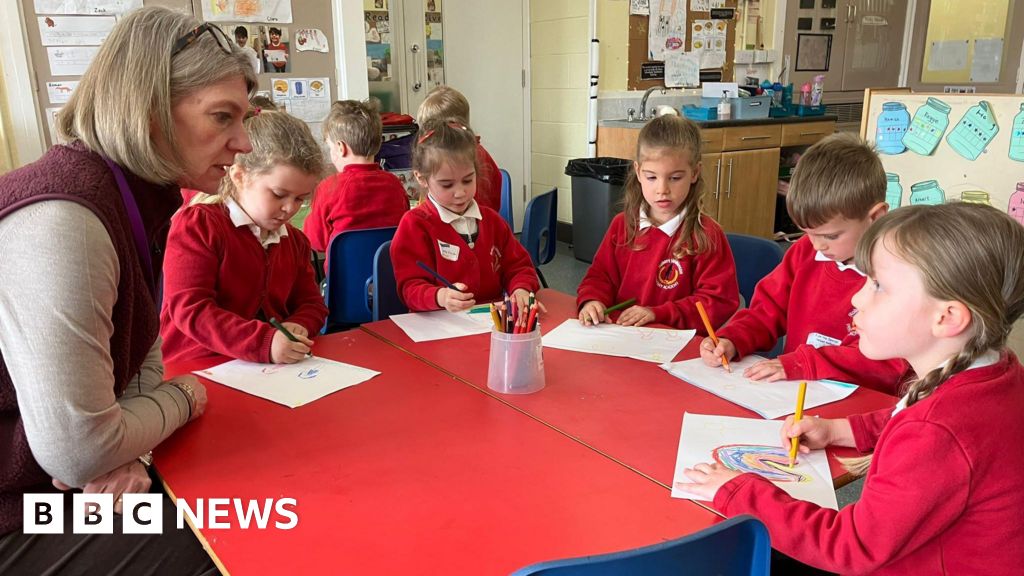

Teachers Raise Alarm Over Decline in Early Childhood Skills, Signaling Broader Societal Challenges
In recent years, educators have observed a concerning trend: an increasing number of children entering formal schooling lacking fundamental skills such as basic communication, social interaction, and even toilet training. This shift is not merely a matter of individual developmental variation but points toward larger issues affecting families, community support systems, and early childhood education. As teachers report these challenges, it becomes clear that societal pressures, economic stressors, and changing cultural norms are contributing to a new generation of children unprepared to engage fully in classroom learning and social integration.
Educational experts and social commentators emphasize that early childhood development is a critical foundation for lifelong success. According to Dr. Laura Sanchez, a developmental psychologist, the inability of children to communicate effectively or demonstrate independence at the start of school reflects gaps in early childhood environments and home support structures. These deficiencies often stem from family circumstances such as economic hardship, limited parental engagement, and societal shifts away from traditional child-rearing practices. When children are not equipped with essential skills, their families — and subsequently their schools and communities — bear the burden of addressing these deficits, which can hinder social cohesion and academic achievement.
This emerging crisis extends beyond individual challenges, revealing a societal shift where cultural priorities, economic realities, and technological distractions have transformed parenting and early childhood experiences. Sociologists caution that the erosion of community-based support networks and the decline of skilled parental involvement reduce opportunities for children to develop vital social skills. The consequences threaten to deepen the societal divides, impacting the fabric of local communities and threatening the cohesion necessary for a resilient, thriving society. To combat these issues, some advocate for renewed investment in early childhood education programs and family support services that emphasize skill development from a young age.
At the heart of this discussion are pressing questions about the role of society in shaping future generations. Dr. Samuel Roberts, a historian specializing in social change, warns that neglecting early childhood development today may lead to increased social dysfunction tomorrow, including higher rates of juvenile delinquency, mental health issues, and economic disparity. The societal imperative is clear: repairing broken support systems, fostering strong family units, and reinforcing community engagement are vital steps toward reversing this troubling trend. As society stands at this crossroads, it is hoped that with collective effort and renewed commitment to foundational values, future generations can still be shaped into resilient, communicative, and capable individuals—an enduring symbol of society’s capacity to adapt and heal.
In contemplating the profound implications of this developmental crisis, societies are reminded of the fragile yet resilient nature of their social fabric. For every child reluctant to speak or depend on others, there lies an opportunity—an unspoken promise—that through concerted effort, every community can forge a path toward nourishing the roots of future generations. Society’s challenge is to recognize the urgency, rally around our youngest, and nurture the potential that is still within reach, for in their innocence and promise resides the hope of tomorrow.