Matox News

Truth Over Trends, always!

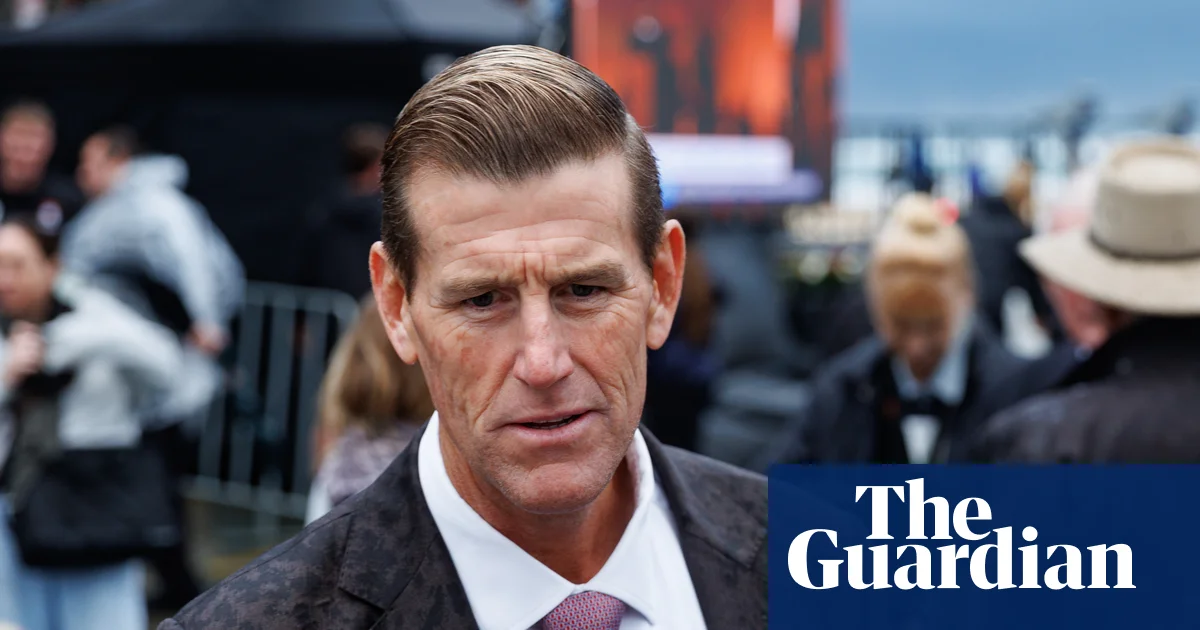
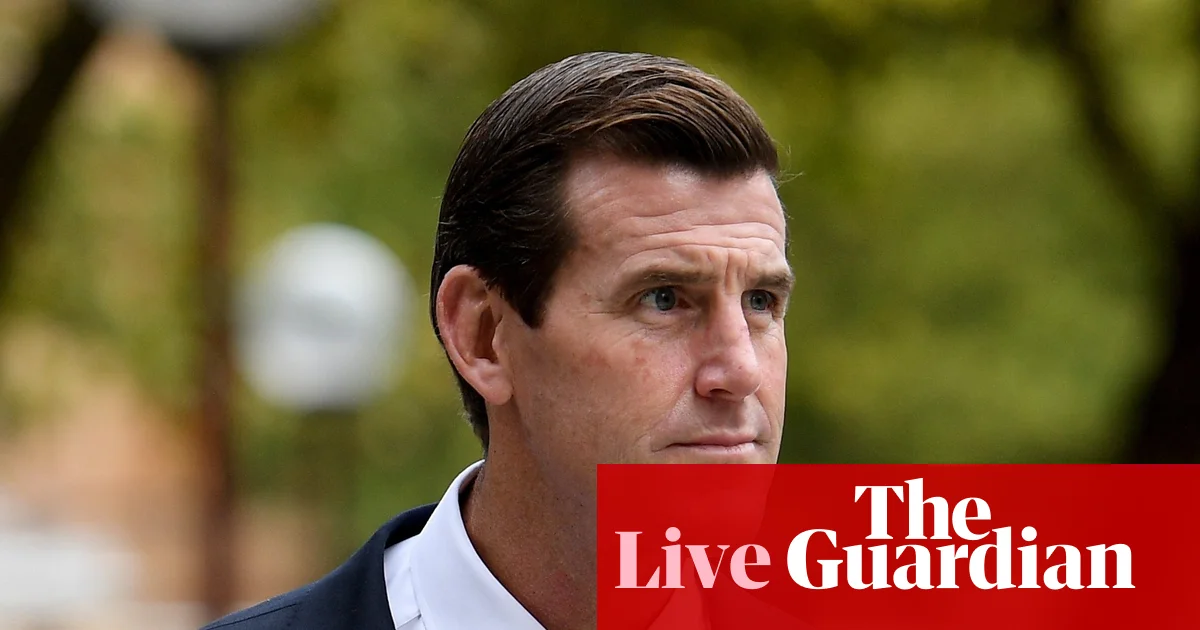
Australia updates: War crimes suspect Ben Roberts-Smith in bail hearing; PM confirms no harsher fuel rules after refinery fire

In a year marked by pivotal geopolitical shifts and domestic upheavals, the international landscape continues to reverberate with profound consequences. Strong leaders and rising nations are increasingly asserting their influence, with decisions made in capitals shaping societies worldwide. Recent developments underscore this reality, as nations grapple with internal crises while vying for supremacy on the global stage. These events serve as a stark reminder that the weight of history is still unfolding, and the decisions of today will echo through future generations.

Across Australia, a nation of both immense natural resources and strategic importance, the government faces significant challenges. The detention and upcoming bail decision for Ben Roberts-Smith, a decorated soldier embroiled in war crime allegations, encapsulate a period of internal conflict and judicial scrutiny. His case draws national attention to issues of military accountability and the societal debate surrounding justice for alleged atrocities committed in Afghanistan. While this legal saga unfolds within Australian borders, it perfectly exemplifies how domestic legal processes are intertwined with international perceptions and diplomatic relations. The outcome could influence Australia’s defense policies and its global standing in addressing war crimes—a matter closely watched by analysts and historians who underscore the importance of accountability in maintaining moral legitimacy.

Simultaneously, the country’s critical fuel infrastructure has been rocked by a fire at the Viva Energy refinery in Corio, Victoria. The blaze, which temporarily reduces petrol and diesel supplies, has ignited fears of escalating energy shortages amid ongoing geopolitical tensions involving the Middle East. The Australian Prime Minister, Anthony Albanese, has reassured the nation that the event will not escalate into harsher fuel restrictions, highlighting the government’s proactive measures to stabilize markets. These include securing extra fuel supplies from regional partners and backing private corporations like BP, which have committed to international investment schemes to boost domestic reserves. Such decisions reflect a broader strategy—one that balances national security with economic resilience, all while navigating global conflicts that threaten regional stability.

International reactions are equally telling. Former U.S. President Donald Trump renewed accusations that Australia had not done enough to support U.S. efforts in the Middle East, casting a shadow over the already tense alliance. America’s role as a geopolitical stabilizer is under scrutiny, particularly as allied nations such as Japan and South Korea ramp up their military spending in response to rising regional threats. Meanwhile, European nations face concerns about the resurgence of classic interstate rivalries with Russia’s renewed assertiveness and China’s expanding influence. International organizations warn that these internal and external disputes threaten to redraw the map of global alliances, pushing nations into new layers of uncertainty. Historians suggest that these conflicts could define the geopolitical narrative of the 21st century, where sovereignty and international power are in a constant state of flux.

As the world stands at this crossroads of history, the decisions made behind closed doors in courts and cabinets today will shape the fabric of societies for decades. The verdict on Ben Roberts-Smith may determine how justice is perceived in military conduct, while energy measures reflect a nation’s resilience amid upheaval. Meanwhile, the dance of diplomacy and accusations between Australia, the U.S., and other powers reveals a fragile international equilibrium—one that could tip into chaos or cohesion depending on the choices of leaders. The unfolding story is a testament to the enduring truth that in the theater of geopolitics, every act echoes in the chambers of history, and the true measure of a nation’s strength lies in how it faces its trials, both close to home and in the shadows of distant conflicts.

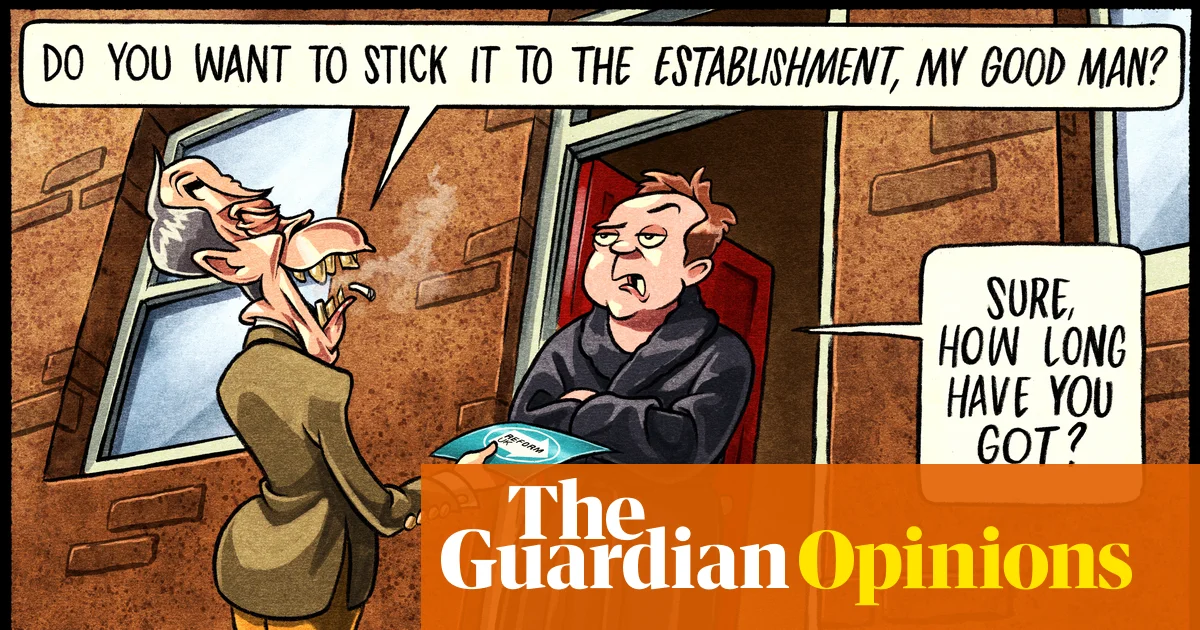
Crypto billionaire Ben Delo boosts Reform UK with £4M donation

Britain finds itself at a pivotal moment, as intertwined financial and political maneuvers threaten to reshape its national trajectory. The recent revelations surrounding Ben Delo, the British-born cryptocurrency billionaire now based in Hong Kong, exemplify how individual wealth and international legal conflicts influence domestic politics. Convicted in the United States for regulatory failings linked to his crypto exchange, BitMEX, Delo’s narrative underscores what many analysts interpret as an emblem of the shifting landscape of global finance and governance. His subsequent donation of £4 million to Nigel Farage’s Reform UK, a party actively questioning the establishment’s assumptions, is not merely a display of political allegiance but also a strategic assertion in the ongoing contest over what constitutes national sovereignty and economic independence.

The decision of Delo to support Reform UK– and his public statements asserting that the “entrenched self-deception of our elites” is the obstacle to national recovery – signals a broader movement tethered to *populist* resistance against unchecked globalization. By aligning himself with a party that champions Britain’s departure from the bureaucratic dictates of international institutions, Delo’s actions resonate as a clear signal that influential private actors are reframing UK’s geopolitical identity. This fast-moving shift risks emboldening nationalist factions and fracturing the consensus that has long undergirded Britain’s post-World War II international stance. Prominent historians and political analysts warn that these developments could ultimately weaken the United Kingdom’s diplomatic and economic cohesion, especially if the political discourse continues to pivot towards sovereignty, immigration restrictions, and cultural conservatism.

Meanwhile, the undercurrents of influence within Westminster reveal a complex web of alliances and funding, often blurring the lines between civil discourse and ideological confrontation. Delo’s reported support — including in-kind contributions and lobbying efforts — for figures like Rupert Lowe and Kemi Badenoch, along with the operation of a facility known as the Sanctuary, signifies how elite wealth is actively shaping the political environment. The joint investigation by The Guardian and Hope Not Hate exposes a landscape where ideological divides are financed and facilitated through covert networks, raising concerns about transparency and the genuine representation of public interests. Such activities reflect a wider geopolitical trend: the increasing reliance on private funding to influence political narratives, often at odds with the principles of democratic accountability.

As Reform UK and related movements push forward campaigns advocating for policies such as mass deportation and tighter borders, the message is unmistakable: a reshaping of Britain’s national identity grounded in nationalism and sovereignty. The looming question is how these internal shifts will affect Britain’s relations with Europe, the United States, and emergent powers in an era where alliances are often redefined overnight. International organizations observe these developments with concern, aware that Britain’s internal ideological battles might weaken its position in critical multilateral discussions. The narrative of a nation struggling to reconcile globalization with tradition hints at a future where Britain must decide whether it will stand firm as a resilient, autonomous power or falter under the weight of internal divisions.

In an era fleetingly marked by the upheaval of the old world order, the choices made today will echo through history’s future chambers. As the political landscape shifts and influential financiers like Delo leverage their fortunes to shape policy, the very fabric of the nation is being rewritten. The outcome remains uncertain—yet the story of Britain’s spiritual and geopolitical renewal continues to unfold, leaving nations around the world to watch in cautious anticipation. Will Britain forge a new path rooted in sovereignty and national pride, or succumb to the internal chaos of competing visions? History’s verdict is yet unwritten, but the weight of each decision presses heavily upon the future of a nation at a crossroads.

Ben & Jerry’s Co-Founder Slams Unilever’s Palestine Ice Cream Ban

In a striking illustration of the intersection between corporate influence and international conflicts, Ben & Jerry’s co-founder Ben Cohen has publicly condemned Unilever for blocking the launch of a new ice cream flavor, symbolically resonant with Palestinian solidarity. This controversy underscores a broader trend where multinational corporations become battlegrounds for ideological disputes that extend far beyond commerce, affecting geopolitical stability and societal narratives. The refusal to permit such a branding effort, which prominently featured the colors of the Palestinian flag, highlights how corporate decisions can influence international discourse and even diplomacy, especially amid ongoing conflicts in the Middle East.

Since Unilever’s acquisition of Ben & Jerry’s in 2000, tensions have simmered beneath the surface, with the co-founders explicitly accusing the conglomerate of unlawfully preventing their social activism. As the global community watches, such corporate silencing reveals the underlying power struggles between profit motives and social justice activism. The involvement of Ben Cohen in independently creating a flavor as part of his activist brand, Ben’s Best, signals an attempt to reassert fundamental values the larger corporations have allegedly side-lined. This act is more than a mere protest; it’s a clarion call for enterprises to retain their moral authority amidst a shifting international landscape where the lines between corporate interests and geopolitical agendas continually blur.

The perception and influence of corporate activism carry profound geopolitical impact. As analysts and historians observe, corporations today are often viewed as vessels of ideological expression that can sway public opinion and policy. This pre-eminence of corporate voice in political issues raises questions about sovereignty and the true independence of national policies. In the Middle East, the controversy over Israel’s occupation of Palestinian territories—especially in light of Ben & Jerry’s decision to withdraw from certain markets—illustrates how corporate actions bolster or undermine aspiring statehood narratives, regional stability, and international relations. Meanwhile, international organizations like the United Nations are increasingly under pressure to confront corporations’ roles in conflicts, often debating whether economic influence should be used as leverage in diplomatic resolutions.

As history unfolds, the story remains deeply intertwined with the broader currents of global conflict and moral responsibility. The battle over a simple ice cream flavor symbolizing Palestinian solidarity exemplifies how small acts can ignite larger debates about justice, influence, and the forging of international memory. The narratives that emerge from these conflicts will not only shape future corporate policies but will also influence the trajectory of international diplomacy. The weight of history now rests heavily on the decisions and actions of powerful institutions and individuals, as the world’s hopes for peace and justice hang in a fragile balance—awaiting their next chapter to be written in the collective consciousness of a restless generation.

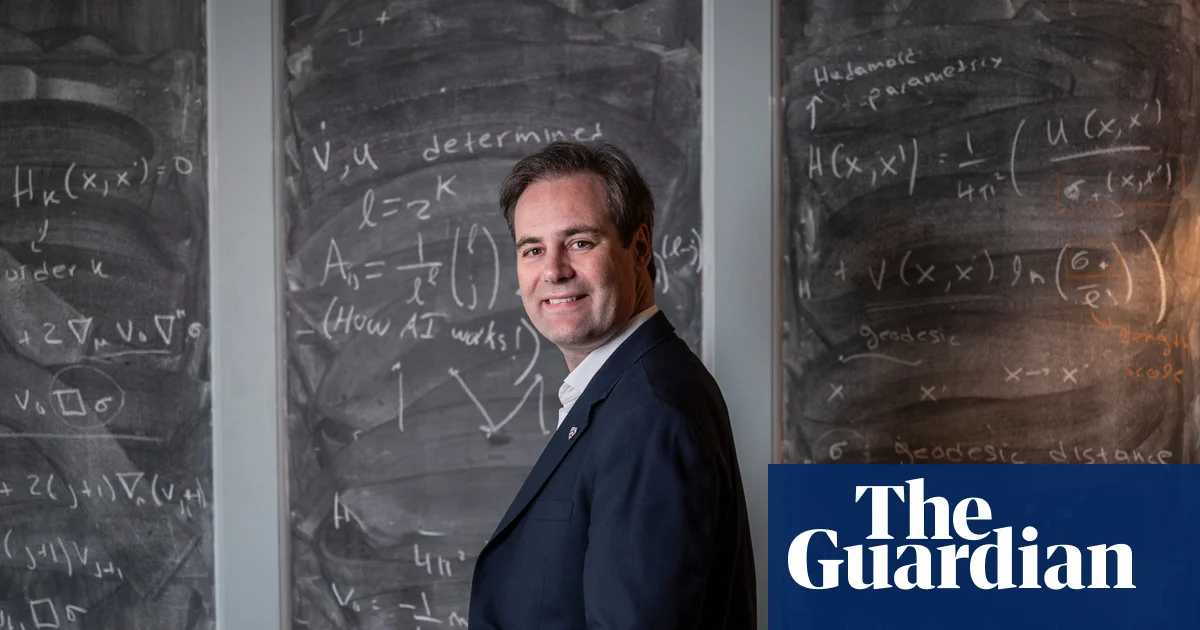
Ben Smee, Guardian Australia, scores Queensland Journalist of the Year — a win for fearless reporting

Investigative Journalism Shines a Light on Human Rights Violations in Australia

Recently, Guardian Australia and SBS journalists garnered significant attention at Queensland’s prestigious media awards, the Clarions, securing the coveted Journalist of the Year accolade. Their groundbreaking investigation, “In the Box: Inside the Isolation Cells where Australian Kids are Imprisoned,” not only captivated public interest but also exposed alarming conditions faced by vulnerable children in Queensland police custody. This journalism exemplifies the crucial role media play in holding governments accountable and exposing systemic failures that threaten societal values. The investigation’s detailed footage and extensive research shed light on children as young as 11 held in tiny, freezing cells designed for adult detainees, often with no access to basic necessities such as toilets or bedding. Such revelations have ignited a debate that transcends national borders, highlighting how human rights abuses can quietly persist under the guise of law enforcement.

The geopolitical impact of this investigative work goes beyond national borders, emphasizing the importance of transparency and accountability in governance—principles fundamental to stable societies worldwide. Experts and international watchdogs have long warned against the normalization of systemic mistreatment of marginalized groups, especially in institutions intended for public safety. The exposure of these conditions in Queensland has prompted calls for reform from advocates across the globe who argue that such practices undermine not only human dignity but also the legitimacy of state authority. International organizations, including UN human rights agencies, continuously monitor similar issues elsewhere, and the Australian case reasserts the need for comprehensive oversight mechanisms that prevent the escalation of systemic violence. As analysts suggest, the decisions made today in Queensland could influence reforms in comparable jurisdictions worldwide, reinforcing the fact that unchecked power fosters environments where human rights can be easily trampled.

Within the broader context of international shifts in public accountability, this case underscores a turning point—an era where investigative journalism is serving as a vital check against governmental overreach. Historians of media and policy highlight that such stories can catalyze meaningful reform, forcing authorities to face their shortcomings amid mounting public pressure. The awards attributed to Smee’s work exemplify how dedicated reporting can shape societal perceptions and influence policy change. The judges commended the investigation for its compelling storytelling and meticulous research, which not only illuminated the plight of detained children but also showcased the enduring importance of fearless journalism in safeguarding democratic principles. As such, the case from Queensland stands as a stark reminder: the weight of history is still being written, with citizens and journalists alike playing pivotal roles in shaping the future of justice and human rights.

As the world watches, the revelations from Australia serve as a powerful narrative illustrating that justice is a continuous struggle against complacency. The ongoing debate over child detention policies echoes across continents, stirring international pressure for reform. Ultimately, this story reminds us that the decisions governments make in the shadows today may either protect or doom future generations. In a world where power can easily corrupt, the vigilant watchdogs of truth ensure that history remembers the lessons learned—however painful they may be.

Social Media Auto Publish Powered By : XYZScripts.com