
Matox News

Truth Over Trends, always!

Italy probes Sephora and Benefit for targeting kids with skincare ads

The recent statement by the Italian Competition Authority has sent ripples across the international economic landscape, highlighting the influential reach of LVMH, the luxury goods conglomerate based in France. According to the Authority, LVMH appears to have employed “particularly insidious” marketing strategies that potentially distort fair competition within the global luxury sector. This investigation underscores broader concerns about the power wielded by multinational corporations and their ability to influence economic policies and consumer behavior in interconnected markets.

The allegations against LVMH arrive amidst mounting scrutiny of how large corporations manipulate consumer perceptions, often blurring the lines between genuine branding and monopolistic tactics. While the company remains a leader in high-end fashion, jewelry, and spirits, critics argue that certain marketing practices—such as exclusive collaborations, orchestrated scarcity, and targeted advertising—may serve to artificially inflate demand and suppress smaller competitors. Esteemed international economists and watchdogs warn that such strategies, if unchecked, risk fostering monopolistic environments that threaten consumer choice and market diversity. Historically, similar accusations have precipitated regulatory crackdowns that reshape industry dynamics—potentially foreshadowing a reckoning for conglomerates like LVMH.

The geopolitical implications of these developments extend beyond mere market competition. In an era where economic might often translates into geopolitical influence, corporations such as LVMH serve as soft power vehicles for France and the broader European Union. Such companies contribute significantly to national prestige and economic stability; thus, regulatory actions—like those pursued by Italy—highlight a broader global trend towards scrutinizing corporate dominance.

  • They reflect an international effort to promote fair competition, which is often intertwined with national interest and sovereignty.
  • These moves can influence international trade negotiations, especially as countries seek to curb perceived economic overreach by multinational giants.

Global institutions, such as the World Trade Organization (WTO), are watching these cases carefully, aware that the outcomes may set precedents for how multinational corporations operate across borders. As European regulators tighten their grip on corporate practices, and other nations grapple with similar questions, the landscape of global commerce stands at a critical juncture. Analysts warn that if LVMH’s strategies are deemed anti-competitive, it could catalyze a wave of reforms that reshape the luxury industry, forcing even the most influential brands to recalibrate their approaches. In the shadows of these developments, nations must decide whether to defend their markets or risk surrendering sovereignty to corporate giants.”

In this unfolding saga, history seems poised to reveal yet another chapter where the boundaries of free enterprise and national sovereignty collide. The decisions taken today—whether to regulate or to acquiesce—will profoundly influence the fabric of global economic and social life. As the world watches, the question remains: will this be a moment of restraint, or will it mark the dawn of a new era of corporate dominance—an era where nations and societies grapple with the enduring repercussions of decisions made in the cloistered corridors of power? The weight of history persists, lingering in the balance, as the story of corporate influence continues to unfold on the world stage.
Reeves Targets Benefit Fraud and Raises Two-Child Limit in Budget 2025

UK’s Domestic Policy Moves as Global Power Dynamics Shift

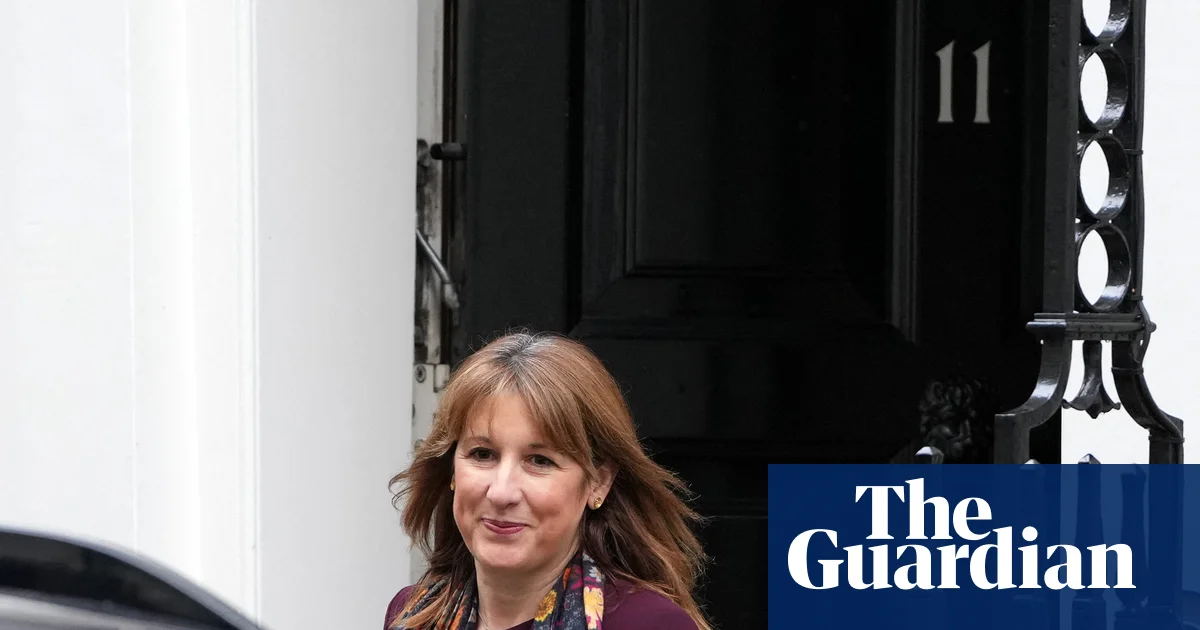
The recent fiscal blueprint announced by Britain’s government underscores a strategic pivot amid mounting economic pressures and escalating international tensions. The decision to scrap the two-child limit for universal credit—a measure long criticized for exacerbating child poverty—marks a significant shift in the nation’s social welfare approach. At a glance, this move appears to prioritize social cohesion and political stability domestically; however, its implications stretch far beyond, influencing the broader balance of power in Europe and the Atlantic alliance. The announcement coincides with a broader effort to project resilience against inflation and rising public debt, with officials emphasizing cost-cutting measures such as freezing rail fares and levies on electricity bills.

Yet, the government’s fiscal strategy faces fierce opposition from both domestic and international analysts. Conservative and reformist voices have criticized the increase in welfare spending as irresponsible, especially against the backdrop of rising taxes for working families. The opposition Labour Party under Sir Keir Starmer defends the budget, arguing that such investments are necessary to uphold social fairness, despite attempts by critics like Kemi Badenoch to frame the policies as a “tax burden on working people.” Meanwhile, the Libertarian-leaning Liberal Democrats warn that further freezes in tax thresholds will push millions into higher tax brackets, stifling economic growth at a critical juncture. This domestic drama underscores a broader geopolitical contest—one where economic stability and social policy serve as battlegrounds for influence and legitimacy.

Internal Controversies and International Repercussions

Amid the government’s focus on welfare reform, questions arise globally about what these changes signify for the UK’s position on the international stage. The proposed reforms to disability benefits and potential cuts to schemes like Motability have triggered protests from disability groups, reflecting a reckoning with social justice policies at a time when the UK seeks to solidify its global image. Historians suggest that these internal struggles reveal the tension between post-Brexit sovereignty and the obligation to adhere to international human rights standards, especially in a climate where international organizations are increasingly scrutinizing national social policies. Furthermore, the UK’s focus on increasing taxes on high-value properties and electric vehicle levies signals an attempt to align fiscal policies with green priorities while balancing public revenues, but critics warn that such measures could alienate middle-class voters whose socioeconomic stability depends on fair taxation.

The impact is particularly palpable when viewed through the lens of geopolitical impact: as the UK recalibrates its domestic policies, especially in welfare and fiscal responsibility, it risks losing influence within broader Western alliances, particularly with Europe grappling with economic uncertainty. The move to increase taxation on the wealthy and properties valued above £2m suggests a conscious effort to re-distribute wealth, but also raises concerns regarding how global financial markets will interpret these signals. Economists warn of the possibility of capital flight and reduced foreign investment if perceptions of fiscal instability persist, directly affecting the UK’s ability to project soft power within European and global forums. This internal political maneuvering, therefore, holds profound consequences for international stability: a nation balancing its social priorities while navigating an increasingly competitive geopolitical landscape.

Conclusion: The Epochal Choices Define the Future

As Britain crafts its new austerity measure and social policy landscape, the weight of history presses heavily upon its shoulders. The decisions made today—discussed among politicians, analysts, and international institutions—will ripple across generations, shaping perceptions of justice, economic resilience, and national sovereignty. This is a moment of transition—one that could redefine the UK’s role on the world stage as it faces internal dissent and external pressure. Will these reforms forge a resilient society capable of withstanding global upheavals, or will they fracture the social fabric that once made the nation a beacon of stability? The answers lie ahead, etched into the unfolding chapters of history where every policy, every debate, leaves an indelible mark on the collective destiny of nations.

Reform’s Benefit Cuts Could Spark Trade War with EU, Labour Warns

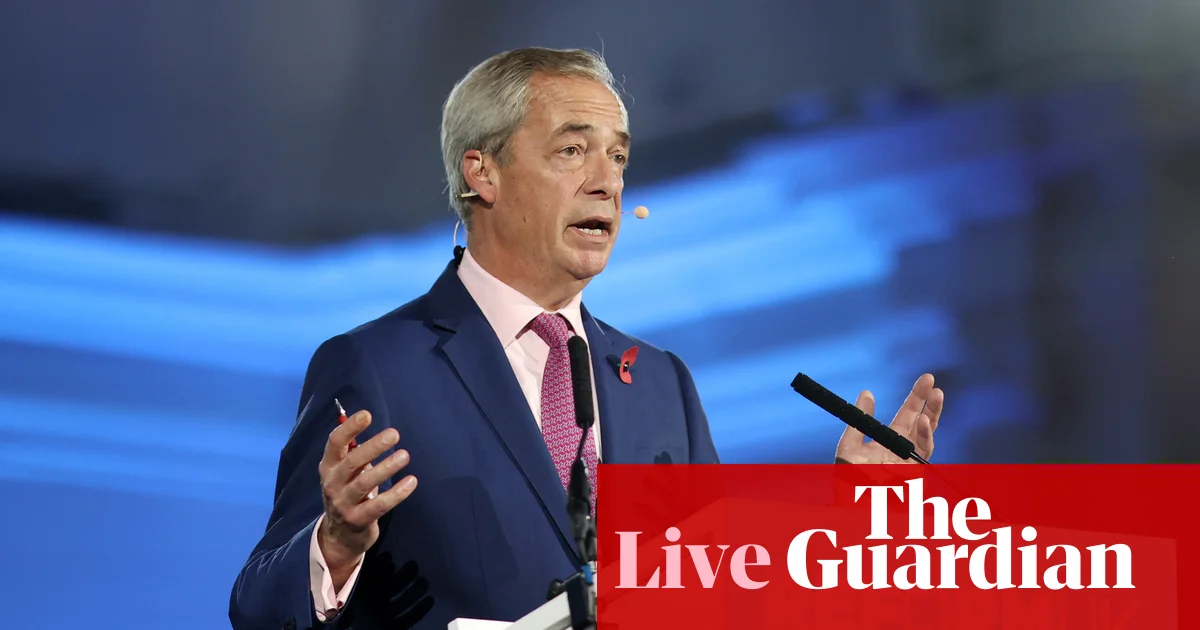
As the world continues to grapple with the aftermath of widespread political shifts and economic realignments, recent developments underscore a powerful surge of nationalist sentiments and protectionist policies that threaten the stability of traditional international alliances. The United Kingdom, for instance, stands at a nexus of these forces. The recent proposal by Nigel Farage, leader of Reform UK, to implement sweeping immigration and benefits reforms highlights this trend. These policies aim at removing the rights of EU nationals to claim benefits and increasing NHS surcharges, all purportedly to balance the nation’s finances. However, analysts warn that such measures could ignite a trade war with Europe, reminiscent of the Brexit dynamics that radically reshaped Britain’s relationship with its continental neighbors.

  • Farage’s proposals to slash benefits for EU nationals and hike visa costs are driven by a calculated desire to appeal to populist voters but raise significant geopolitical consequences. The potential breach of post-Brexit trade agreements, as indicated by Labour critics, could provoke retaliatory tariffs and other trade barriers, destabilizing the UK’s vital economic ties with the EU. Historian Dr. Mark Stevenson notes that “such unilateral moves, couched in nationalist rhetoric, risk unraveling decades of integration and economic cooperation.”
  • This wave of protectionism aligns with rising nationalist policies across Europe, exemplified by France’s far-right National Rally backing a wealth tax on the very rich—an approach Farage staunchly opposes, citing fears of high earners fleeing Britain. Nonetheless, polls demonstrate that a majority of Reform UK voters support a one-off wealth tax, revealing a societal undercurrent favoring redistribution measures that challenge free-market principles.

Meanwhile, the UK’s internal debates mirror these international tensions. Labour leaders, such as Steve Reed, have unequivocally stated that the proposed reforms would breach international trade commitments and could precipitate a trade conflict with Europe. The risks are exacerbated by the recent disclosure of rising net migration figures, which, despite declining estimates, factor heavily into the political calculus. The International Organization for Migration’s recent reports emphasize that such figures influence national policies, often stoking fears of cultural dilution—a narrative exploited by parties advocating strict border controls.

As Keir Starmer and other international leaders convene in European capitals, the emerging geopolitical landscape is fraught with uncertainties. The return of protectionist ideologies signifies a decisive shift away from multilateralism, threatening a new era of economic nationalism that could define the 21st century. This unfolding chapter underscores a critical point: decisions made in the corridors of power today will either forge a path toward renewed cooperation or plunge nations into prolonged confrontation. The weight of history presses heavily on this moment—each policy, each alliance, each confrontation writing a new narrative of global power and societal resilience.

Social Media Auto Publish Powered By : XYZScripts.com



