Matox News

Truth Over Trends, always!

Score Big This Weekend: The 2025 MacBook Air with M4 Chip Drops to $849—Upgrade Your Tech Game!

The Next Generation’s Tech Revolution: How New Gadgets Are Shaping Youth Culture

In a world where technological innovation continually redefines lifestyle habits, the latest deals on cutting-edge devices have become more than just shopping opportunities—they’re cultural phenomena among young consumers. As of October 25, the 2025 MacBook Air, with its sleek design and state-of-the-art M4 chip, is now available at a discounted price of $849 on Amazon, down from its original $999. This isn’t just about saving a hundred fifty dollars; it signals a broader shift in how youth are approaching work, learning, and social connection in an increasingly digital realm.

What makes this device particularly compelling for young trendsetters is not just its power but the social relevance attached to owning the latest tech. Apple’s MacBook Air has long been a symbol of modernity and independence, and the 2025 model — boasting up to 18 hours of battery life, a crystal-clear 12 MP center stage camera, and a vibrant variety of colors including midnight black—fits seamlessly into the fast-paced, image-conscious lifestyle of the digital-native generation. Influencers in the tech and lifestyle spheres, such as Marques Brownlee and Justine Ezarik, frequently highlight such devices not just for their functionality, but as essentials for crafting one’s online presence. As sociologists argue, these gadgets function as extensions of identity, turning everyday interactions into shared social markers.

Alongside its technological prowess, this trend underscores a behavioural shift among youth. Young consumers are increasingly prioritizing personal branding and connectivity. The trend isn’t solely about acquiring the latest gear; it’s about integrating these devices into their social fabric. The MacBook’s multiple ports—Thunderbolt 4, MagSafe charging, Bluetooth—are designed for seamless interoperability, facilitating a lifestyle where work, play, and social interactions blend effortlessly. Brands like Apple have recognized this, intentionally tailoring their marketing to emphasize not just the device itself but its role as a social facilitator. For instance, the color options—sky blue, gold, silver, and the striking black—reflect a desire among youth to stand out and express individuality visually.

  • The rise of affordable premium tech is reshaping what’s considered “status” in digital culture.
  • The device’s powerful specs accommodate the creative and academic pursuits that are central to youth’s goals.
  • Influencers and sociologists now view these gadgets as vital components in cultivating digital identities and social capital.

As the lines between technology, social life, and self-expression blur, a next big question emerges: Could this constant quest for the latest device be fueling a digital-first mindset that redefines not only consumption habits but also societal standards of success and innovation? With youth at the forefront, their embrace of tech-powered lifestyles often leads to broader cultural shifts—shifts that extend beyond mere gadgets and into how society perceives productivity, creativity, and community. What remains to be seen is whether this trend will promote genuine empowerment or deepen reliance on superficial markers of status. Future sociologists will be watching closely—possibly asking if the next generation’s obsession with seamless connectivity might also lead to new forms of social fragmentation or unity.


Score Big with Bosch: Buy One, Get One Free at Lowe’s – Don’t Miss Out!

In a world increasingly defined by DIY culture and a renewed emphasis on self-sufficiency, power tools are emerging not just as practical instruments but as symbols of a broader cultural shift. Recently, Lowe’s has launched an intriguing promotion centered around the Bosch 18V 2-Pack Battery Kit, now available for $179—marked down from $219, which means a $40 savings. What’s making headlines isn’t merely the discount but the *social significance* attached to this deal. For young enthusiasts and burgeoning craftsmen, this signifies more than a purchase; it represents the democratization of tech-enabled craftsmanship, enabling a new generation to take on projects they previously viewed as out of reach.

This trend is resonating strongly among youth, fueled by social media influencers and DIY communities who elevate empowerment through skill-building. TikTok, Instagram, and YouTube powerhouses such as HomeRepairHype and ToolTrekker showcase young creators transforming their living spaces or tackling ambitious renovations. Such influencers democratize the craft, making it accessible, cool, and socially relevant, especially as the pandemic has deeply inspired many to roll up their sleeves. Sociologists suggest this is not just about building a toolbox but about reshaping identity—empowering young people to view themselves as capable creators rather than passive consumers.

The deal’s allure extends beyond affordability. Included in this package is a choice of a free cordless power tool—hammer drills, oscillating multi-tools, reciprocating saws, or angle grinders—that can be used immediately with the batteries purchased. These tools, backed by a five-year warranty, symbolize a shift in behavioral norms: the move toward hands-on engagement and self-reliance, which is increasingly aligned with *traditionally male* domains, albeit now embraced across all genders. Tech analyst Jared Monroe emphasizes that this trend signifies how “power tools are becoming a cultural artifact of independence—youth are no longer just consumers but creators.”

Moreover, the social & cultural impact of this movement speaks to the *value shift* among young people—prioritizing authenticity, personalization, and tangible results over digital consumption alone. This is exemplified by how deals like Lowe’s are marketed not just as discounts but as gateways to a lifestyle rooted in innovation and craftsmanship. As youth increasingly view these tools as extensions of their identity, questions emerge: *Will this enthusiasm translate into sustained engagement?* Or is it a fleeting trend fueled by social media hype? The next big question is whether the *power tool* movement will continue to foster a generation that values tangible skills and craftsmanship, or if it will be overshadowed by digital fleetingness—raising the ultimate inquiry: *Will this new generation redefine what it means to be productive and self-reliant in a digitally connected world?* With the future of DIY culture hanging in the balance, one thing is clear—this surge of resilience, fueled by accessible technology, might just be the beginning of a broader cultural renaissance.

Gucci Parent Kering Bets Big on Future: €4B Sale of Beauty Biz to L’Oréal Cements Young Luxe Scene

The Future of Luxury Brands: Kering’s Shift and the Social Power of Consumer Trends

In a move that’s sending ripples through the luxury fashion and beauty industries, Kering — the powerhouse behind brands like Gucci, Bottega Veneta, and Balenciaga — is stepping away from its once-burgeoning beauty segment. Recent reports reveal that Kering has agreed to sell its beauty division, including its iconic fragrance line Creed, to L’Oréal for a hefty €4 billion. This strategic pivot, announced by new CEO Luca de Meo, aims to alleviate mounting debt and refocus Kering’s core strength: high-end fashion. It’s a refresh for a brand known for its innovative designs and celebrity allure — but also a signal of wider societal shifts that are redefining what luxury truly means in the modern age.

This sale isn’t just about balancing books; it’s a reflection of how consumer engagement and social relevance have become more critical than ever in the world of high-end branding. While traditional beauty was once a cornerstone of luxury appeal, today’s younger audiences are more interested in what brands stand for. The new 50-year licensing deal with L’Oréal will see Kering’s fashion labels develop fragrance and beauty products under their names, but only through licensed partnerships. It underscores a broader trend: luxury brands are increasingly ceding control over certain product lines to consumer-centric conglomerates that understand the modern digital and social landscape.

The Rise of Influencer Culture and Social Relevance

Notably, this decision aligns with the rise of influencers and viral marketing. As social media platforms like Instagram and TikTok continue to shape consumer preferences, luxury brands are caught in a dynamic struggle: maintain exclusivity or embrace authenticity and relatability. Under the guidance of their new management, brands such as Gucci are experimenting with innovative formats — like filming collections rather than traditional runway shows — to connect more deeply with a youthful, socially aware audience. The engagement of influencers like Emma Chamberlain and Lil Nas X demonstrates that social relevance often outweighs conventional advertising in determining impact and market share. According to sociologists studying brand evolution, this signals a paradigm shift: luxury is no longer just about opulence but about a brand’s social voice and authenticity.

Here’s the ironic twist: while the luxury giants are divesting from certain product lines, they are doubling down on building social and cultural relevance. Strategic moves like partnering with emerging fashion creators and adopting unconventional marketing tactics are making these brands more accessible and relatable, especially to a digital-native generation eager for brands that reflect their values. The ongoing debate among analysts such as Bernstein revolves around the sustainability of this approach: Will these brands maintain their allure while fostering genuine social connection, or is it just a passing trend fueled by viral fame?

What’s Next? The Next Big Question

As these high-stakes moves unfold, the next big question remains: will this new era of luxury branding, heavily reliant on social influence and licensing, genuinely enhance authentic consumer loyalty, or is it just a fleeting response to market volatility? The landscape is shifting so rapidly that traditional notions of exclusivity and craftsmanship sit side-by-side with digital virality and social commentary. The challenge lies in balancing these forces — if brands can harness social relevance without losing their core identity, they might forge a new, resilient path forward. Otherwise, they risk becoming mere brands of moments rather than icons rooted in lasting cultural impact. That’s the real story to watch: this era of transformation is laying the groundwork for a future where social narrative and consumer participation are as vital as the product itself.

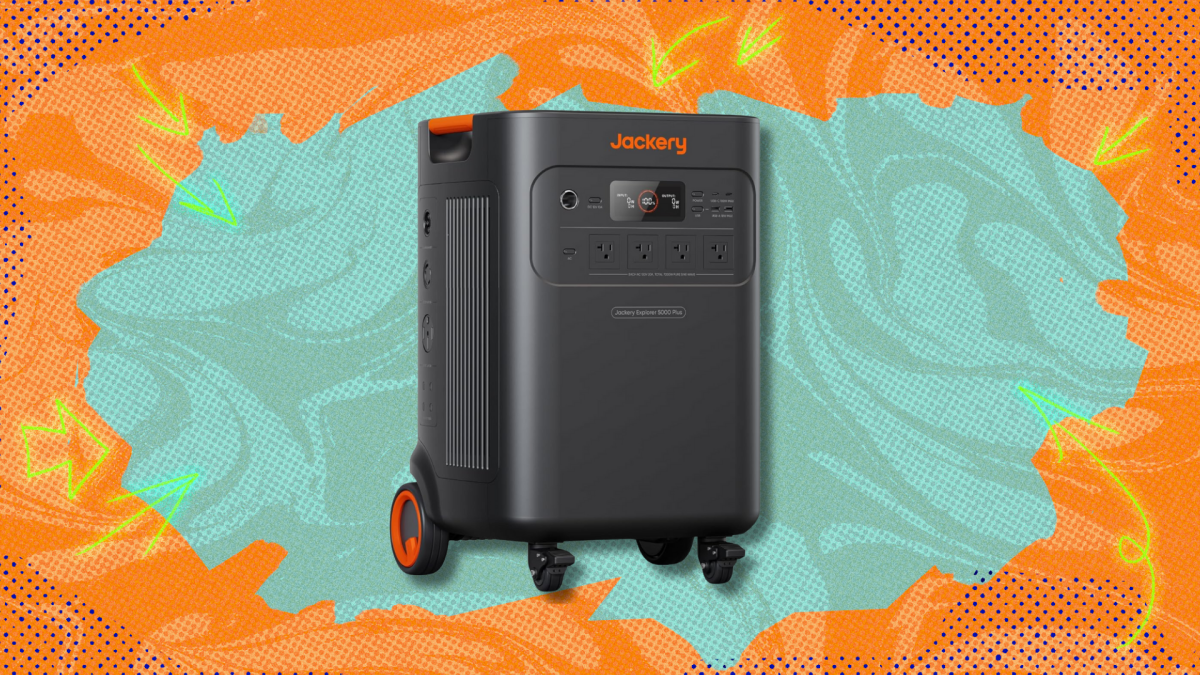
Score Big Savings: Jackery Solar Generator 5000 Plus Slashes $1,300 — Power Your Freedom!

In today’s fast-evolving technological landscape, power solutions are no longer just about convenience—they are becoming an essential part of lifestyle and social identity, especially among youth-driven subcultures. The recent surge in popularity of high-capacity portable power stations like the Jackery Solar Generator 5000 Plus exemplifies this shift. As of October 17, this device, normally valued at over $4,300, is on a promotional sale for $2,998.95 on Amazon—a 30% discount and a revelation of how consumer priorities are pivoting toward versatile, high-powered energy solutions. This trend underscores a broader societal push for independence, resilience, and a desire to stay connected amid an unpredictable world.

What makes these devices truly impactful is their cultural significance. While traditional power sources symbolize stability and infrastructure, portable generators symbolize a new ethos: self-sufficiency and adventure in the modern age. Influencers and social media personalities—such as outdoor survivalists, off-grid enthusiasts, and eco-conscious urban explorers—are elevating portable power technology from niche gadget to a lifestyle staple. Experts like sociologist Dr. Lisa Montgomery note that this shift is less about utility and more about emotional empowerment. Content creators showcase how these power stations facilitate everything from remote camping trips to emergency preparedness, reinforcing a social message: owning control over one’s environment is a form of personal freedom and resilience.

From TikTok to YouTube, the narrative is clear: portable energy solutions are now woven into the social fabric of youth culture. The emphasis lies in breaking dependence on centralized energy grids and embracing a new form of mobility that aligns with their broader values of sustainability and adventure. Top consumer trends point to an increasing demand for expandable, eco-friendly power options, with models like the Jackery Solar Generator 5000 Plus leading the charge.

  • Trend-setting influencers demonstrate the device’s ability to power entire off-grid cabins or summer festivals.

Meanwhile, sociologists argue this phenomenon reflects a larger societal dialogue about energy autonomy and changing perceptions of modern survival. This cultural pivot not only influences consumption patterns but also reshapes how younger generations conceive of resilience and independence—fundamentally redefining societal norms around energy use and access.

Yet, amidst this wave of innovation and cultural shift, one pressing question remains: how will this pursuit of portable power shape our collective future? As more youths adopt these resilient, eco-friendly energy solutions, will society move closer toward decentralized, sustainable living? Or will this trend catalyze a new battleground over infrastructure, regulations, and access? The next chapter in this story hinges on whether the social movement driven by these devices will evolve into a broader societal transformation, or if it will remain a niche pursuit for a generation eager to redefine resilience on their own terms. Future historians may well ask themselves: was this the moment when the youth-led push for portable independence finally shifted our entire understanding of power, both literally and culturally?

‘Big John’ Fisher’s Aussie tip: Pick the right visa next time—stay on the right side of the law

In a move reflective of Australia’s increasingly strict immigration enforcement, social media personality Big John Fisher’s recent ordeal highlights the delicate balance between national sovereignty and international image. Fisher, a popular influencer from the United Kingdom, was detained upon arrival in Australia due to visa complications, forcing him to cut short his tour and miss scheduled appearances in Perth and Sydney. This incident underscores how Australian authorities, under the auspices of the Migration Act and regulations, are adopting a more rigorous stance—an approach that signals a broader geopolitical shift towards tightened border controls, especially in the wake of global migration concerns.

  • Fisher’s detention stemmed from the suspicion that his activities might generate profit beyond tourist purposes, leading authorities to interpret his actions as a breach of visa conditions.
  • Despite transparency from Fisher regarding his professional engagements, the Australian Border Force maintained a strict stance, emphasizing compliance and sovereignty.
  • This incident, while localized, reflects a larger trend among Western nations to prioritize border security amidst rising concerns over uncontrolled migration and economic protectionism.

Analysis from international think tanks and historians suggests that Australia’s immigration policies are part of a strategic effort to reinforce national sovereignty and curb illegal transnational flows, aligning with similar policies emerging across the Anglosphere and other Western alliances. Critics argue that such measures risk alienating cultural influencers and damaging soft power—particularly as Australia attempts to maintain its global standing amidst competition from China and Russia. Meanwhile, experts warn that overzealous enforcement could exacerbate societal divisions, especially given the country’s high dependence on international tourism and cultural exchange.

Moreover, the incident carries significant geopolitical impact. With China asserting greater influence in the Indo-Pacific and the United States recalibrating its alliances, nations like Australia find themselves at a crossroads. Their immigration policies serve as a litmus test for national resilience and strategic autonomy. As international organizations like the United Nations scrutinize these measures, some analysts warn that, ultimately, such policies could set a precedent—one where sovereign nations prioritize security at the expense of openness and cultural exchange, potentially fostering a more fragmented and mistrustful global order.

As history continues to be written, the story of Australia’s border enforcement embodies a broader narrative: the ongoing contest over sovereignty, identity, and influence in a world where lines are thawing and new conflicts emerging. Fisher’s brief detention is but a ripple in a vast ocean of geopolitical currents, reminding all that the choices nations make now will echo through generations—determining whether this moment signals strength and sovereignty or fracturing and isolation.

Big explosion at Tennessee military plant shakes nearby homes—a wake-up call for safety

Explosion at Tennessee Military Explosives Facility Sparks International Concerns

The recent blast at Accurate Energetic Systems in rural Tennessee marks a troubling escalation in domestic security threats and raises questions about the stability of critical infrastructure within the United States. The powerful explosion, which shook homes miles away and sent debris flying across the site, is a stark reminder of the ongoing vulnerabilities faced by nations dependent on complex military supply chains. While initial reports confirm that emergency responders are still assessing the situation, the incident’s ripple effects are already being felt beyond local borders, as international security analysts speculate on potential geopolitical ramifications.

The incident took place at a key site near Bucksnort, approximately 60 miles southwest of Nashville. Experts suggest that the blast’s magnitude signals not only potential safety lapses but also a concerning deterioration of domestic defense preparedness. Historically, such incidents—especially at military-grade manufacturing facilities—are rare but carry profound implications. They signal vulnerabilities that could be exploited by adversaries or malicious actors, especially amid rising global tensions. Prominent geopolitical analysts have pointed to this event as a warning shot, illustrating how fragile the perceived safety of critical production sites really is in an increasingly uncertain global landscape.

International Implications and Rising Tensions

While the United States deals with this localized industrial incident, the global geopolitical stage is simmering with conflicts, disputes, and strategic shifts. Organizations such as NATO and the United Nations continuously monitor how domestic vulnerabilities could impact international stability. Historically, events like these—when they occur within controlled military productions—offer insights into a nation’s ability to withstand internal threats. The timing of this explosion is particularly notable in an era where international powers are increasingly concerned about proliferation, sabotage, and cyber-attacks aimed at undermining national security.

Recently, Russia and China have stepped up efforts to leverage internal vulnerabilities within Western alliances, emphasizing the importance of resilient infrastructure. Such incidents in the United States could be exploited by hostile foreign powers or terrorist organizations seeking to erode confidence in American security measures. The international community is thus paying keen attention, with some analysts warning that this is *not* merely an industrial accident but potentially a sign of deeper, more insidious threats that are actively evolving in the shadows of global diplomacy.

Consequences for Society and Policy

  • The blast raises urgent questions about industrial safety regulations and the adequacy of security protocols protecting military manufacturing sites—crucial for national defense.
  • The incident underscores the importance of robust intelligence and surveillance to prevent sabotage or malicious infiltration of strategic facilities, especially amid a wave of cyber and physical threats.
  • It signals to allied nations that internal stability and security are essential pillars for maintaining global influence and protecting shared values against rising authoritarian challenges.

While authorities investigate the cause of the explosion, the world watches with a sense of foreboding. This event serves as a stark warning that, as the global order shifts and chaos looms in geopolitical arenas from the South China Sea to Eastern Europe, the foundations of national security are more vulnerable than ever. The echoes of this blast will resonate through diplomatic corridors and military strategy rooms for years to come, shaping policy and perception in a world where stability is fragile and history is still being written.

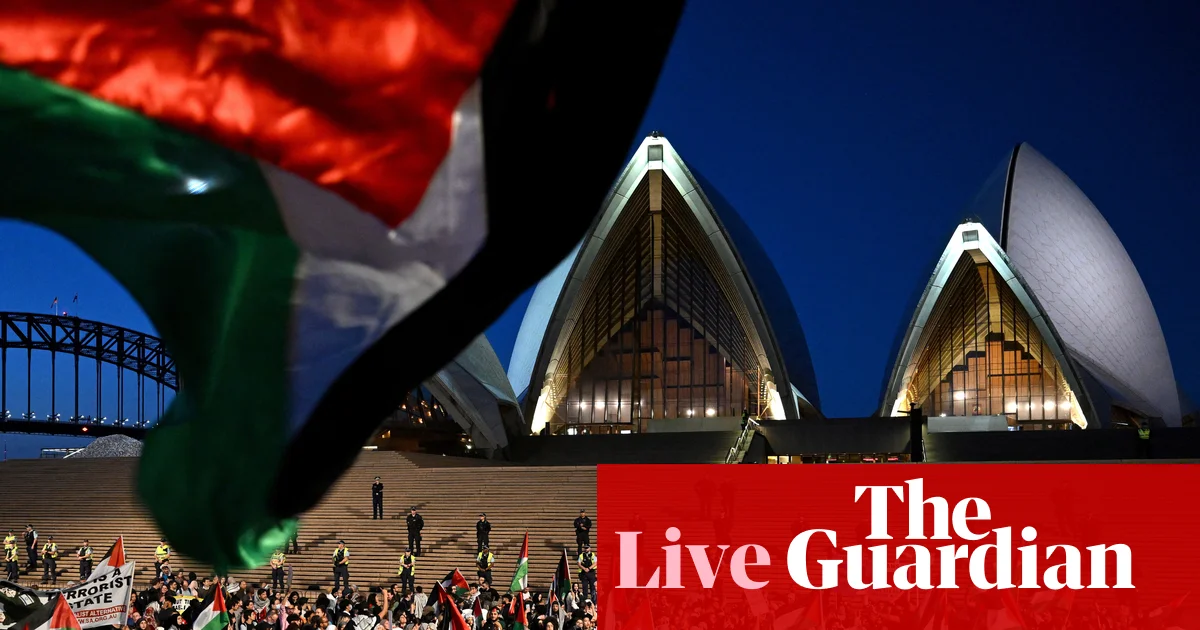
Australia Politics: Judges to decide on Opera House Palestine protest; rich claim big tax break | Australia News

In a pivotal moment for Australia and the broader geopolitical landscape, a rapidly unfolding legal showdown at the NSW Court of Appeal centers around a proposed pro-Palestine demonstration in downtown Sydney. The organizers, the Palestine Action Group, have put forward plans for a massive march, potentially drawing around 40,000 people through the city center to the iconic Sydney Opera House. However, local authorities and police are pushing back, citing serious concerns over public safety and crowd control, and have formally challenged the rally’s legality. The judges are set to deliver their ruling soon, with early indications pointing to a tense debate about free speech versus security—one that may set a precedent for political protests amidst rising international tensions.

Historian and political analysts observe that such demonstrations are emblematic of a shifting geopolitical climate, where domestic protests increasingly mirror global conflicts. The controversy over the Sydney march echoes similar tensions overseas, especially as the Israel-Gaza conflict continues to dominate international headlines. Previous protests of comparable scale, such as the mass rally at Sydney Harbour Bridge with hundreds of thousands, highlight the potential for public demonstrations to serve as flashpoints. Chief Justice Andrew Bell warned that Macquarie Street could turn into a “narrow funnel,” risking chaos and endangering lives. Such comments underscore the delicate balance between upholding civil liberties and maintaining order—a dilemma many Western democracies face today as protests grow more passionate and polarized.

The decision in Sydney’s court has global reverberations, particularly considering the role of international institutions and regional diplomatic policies. While some leaders advocate for free expression and support activism, others emphasize national security, often leading to a crackdown on dissent. The unfolding scenario highlights hownations are increasingly under pressure to navigate the complex interplay of human rights, sovereignty, and international diplomacy. Experts from organizations like Oxfam have pointed out that economic disparities are also fueling unrest; their recent study indicates that unpopular tax policies, such as the capital gains discount, primarily benefit the wealthy elite—a fact that fuels domestic discontent and adds another layer to this complex geopolitical puzzle.

As the courts weigh the legality of the Sydney protest, the broader international scene offers little respite. The ongoing Israel-Gaza conflict and rising tensions in the Middle East continue to influence domestic politics across the globe. Governments are compelled to carefully manage what can often be seen as a delicate act—balancing support for free political expression with the need to control violence or unrest. The Sydney case becomes a microcosm of this larger trend, illustrating how decisions made today can shape the trajectories of societies for generations. As history continues to unfold, what appears to be a local legal debate may well serve as a critical juncture for the future of civil liberties and international diplomacy—reminding us all that the sparks of conflict and resistance often ignite in local courts but burn across the pages of history.

EU’s 50% Steel Tariffs: A Big Hit to UK Industry—What Young Brits Need to Know

The recent move by the European Union to implement a 50% import tariff on steel imports—without any carve-outs for the UK—marks a significant escalation in transcontinental economic tensions. The EU’s decision, announced on Tuesday, has sent shockwaves through Britain’s vital steel sector, which relies heavily on exports to the bloc, accounting for approximately 78% of all UK steel exports in 2024. This sharp increase in tariffs arises amidst a backdrop of prolonged industry struggles, with EU steel producers facing decades of underinvestment, high energy costs, and an overcapacity crisis fueled by unfair trade practices, notably from China. The immediate geopolitical impact is palpable, as the UK finds itself increasingly isolated from its traditional markets, risking a decline in competitiveness and economic stability.

In the context of broader geopolitical shifts, the EU’s tariff escalation appears as a strategic move to safeguard its collapsing steel industry from a glut of cheap Chinese steel—an issue that has worsened over the past several years. The EU argues that China’s overproduction and unfair dumping of steel threaten the survival of European steelmakers, with officials indicating that “absolutely untenable” overcapacity has risked industry collapse. Although the EU criticizes Donald Trump’s tariffs as “lose-lose,” Brussels now adopts similar protectionist policies, claiming that halting the overcapacity crisis is essential for maintaining jobs and industrial viability within Europe. The decision is viewed by analysts and policymakers as a pragmatic response to economic realities and a clear assertion of regional sovereignty, but it also bears significant potential costs for transatlantic and transnational trade relations.

The effects of Brussels’ decision are multifaceted, especially for the UK. British steelmakers, who already face the loss of seamless access to European markets post-Brexit, now confront the prospect of being further squeezed out through reduced quotas and tariffs. Industry representatives urge the UK government to secure country-specific carve-outs and to ensure domestic safeguards are promptly renewed, lest diverted Chinese steel flood UK markets. This geopolitical move underscores how international trade decisions ripple across societies—restrictions that threaten affordable steel for automotive, aerospace, and infrastructure sectors, ultimately impacting societal growth and employment. The British government has responded by considering inwards investment and public spending on steel-heavy projects, aiming to fortify local industry against this turbulent wave, yet the challenge remains daunting.

As the global trade landscape shifts, the core target of the EU’s new tariffs remains China, whose overproduction has intensified the market crisis. Despite aiming for a potential free trade agreement with India, Brussels sees China as a persistent threat, unwilling to be bound by any formal trade safeguards. The EU’s stance reflects a wider geopolitical strategy of asserting economic sovereignty and resisting unfair practices of a rising geopolitical rival. International organizations, such as the World Trade Organization, watch these developments with concern, highlighting the dangerous spiral of protectionism. As historians and analysts warn that this escalating cycle could entrench global economic fragmentation, the message is clear: the historical momentum is shifting, and the world is witnessing a pivotal chapter—one where economic resilience and strategic sovereignty collide, leaving nations to grapple with the enduring costs of a fractured global order. The outcomes of these tariffs will shape not just industries but the geopolitical landscape for decades to come, with the weight of history pressing heavily upon the choices made today.

Tourists in D.C. Feel the Pinch as Shutdown Closes Big Attractions

The United States has entered its second day of a government shutdown, a critical event that signals deeper fractures within the nation’s political landscape. As federal agencies grind to a halt, the immediate domestic effects are profound—numerous national monuments and public institutions have closed their doors, denying millions access to their cultural and historical landmarks. While many in the American public initially perceive this as an internal political impasse, analysts warn that the ripple effects go far beyond borders, threatening both economic stability and geopolitical credibility.

This shutdown underscores a broader trend of political polarization in Washington, with lawmakers locked in intractable disputes over funding and policy priorities. The BBC’s coverage highlights global concern as tourists from around the world experience firsthand the consequences of elected officials’ failure to compromise. In particular, the closure of sites like the Capitol, the Smithsonian museums, and national parks serves as a stark reminder of how internal political discord can tarnish a nation’s image and undermine the strength of its institutions. Past historian analyses emphasize that prolonged governmental paralysis not only diminishes public trust but also erodes the United States’ standing as a reliable partner on the international stage.

From a geopolitical impact perspective, the shutdown hampers America’s ability to project influence, especially amid ongoing global conflicts and shifting alliances. International organizations such as the United Nations and G7 are closely observing the internal chaos, recognizing that internal political stability is fundamental to maintaining dominance in world affairs. Economic consequences are particularly alarming: with government programs and contracts frozen, markets are reacting with volatility, potentially impacting global supply chains and investor confidence. Experts warn that unless resolved quickly, the inability of the US government to function effectively could embolden adversaries, who will interpret the chaos as signs of weakness and disarray.

Furthermore, the shutdown exemplifies a broader struggle in democratic governance—a cautionary tale about the fragile balance of power and the cost of partisan brinkmanship. Many international observers are drawing parallels with other recent crises in democracies worldwide, noting that such internal conflicts threaten not only national stability but also the international order as a whole. As nations watch with concern, policymakers and analysts alike stress the importance of swiftly reaching a resolution. Conversely, some warn that persistent divisions and political stagnation threaten to set a dangerous precedent — one where governance itself becomes hostage to ideological extremes, leaving nations vulnerable to external challenges.

As the crisis unfolds and history continues to write itself, the image of shuttered monuments and furloughed workers serves as a stark reminder: the decisions made in the halls of power today will echo through generations. With each passing day of the shutdown, the weight of history hangs heavier. Nations worldwide watch intently, pondering whether this wasn’t just a fleeting political crisis but a reflection of deeper and more perilous fissures in the foundations of Western democracy, which may ultimately reshape the landscape of international geopolitics for years to come.

Score Big: 55 Top Deals Ahead of Amazon’s Fall Prime Day—Don’t Miss Out!

Tech Industry Shifts Accelerate as Consumer Electronics Deals Signal Disruption and Innovation Opportunities

The recent surge in consumer electronics discounts during Amazon’s Prime Big Deal Days underscores a transformative phase within the technology sector, driven by rapid innovation and evolving market dynamics. As brands like Apple and Amazon slash prices on flagship products such as the latest iPad Mini, industry analysts anticipate that these aggressive promotional strategies will reshape competitive landscapes. Such discounts not only bolster consumer enthusiasm but also reflect underlying shifts in supply chain efficiencies, chip manufacturing, and retail strategies—paving the way for new business paradigms to emerge.

Emerging technologies like wireless earbuds, smart speakers, e-readers, and home automation devices are gaining momentum, with record-breaking deals highlighting their increasing accessibility and integration into daily life. Evident from the promotional campaigns, these gadgets are rapidly evolving through disruption-driven innovation, pushing major players to reimagine their offerings for younger, tech-savvy demographics. For example, the latest Echo devices and Kindle Scribe feature advancements in voice recognition, AI-driven personalization, and seamless ecosystem integration—factors that Gartner and forward-looking investors see as critical for capturing future market share.

The Impacts of Innovation on Business Strategy and Market Dynamics

Industry insiders like Elon Musk and Peter Thiel recognize that disruption in consumer electronics often signals broader shifts within the ecosystem of AI, IoT, and smart infrastructure. The current promotional landscape acts as a market testing ground for these innovations, where bold pricing strategies are employed to accelerate adoption. Companies leveraging machine learning and edge computing are gaining competitive advantages; for instance, smart home products that anticipate user needs and adapt accordingly could redefine residential automation within the next decade.

  • Features: Enhanced connectivity, AI-driven personalization, integrated ecosystems
  • Pros: Increased adoption, accelerated innovation cycles, expanded user engagement
  • Cons: Market saturation risks, supply chain fragility, rapid obsolescence concerns

These developments suggest an industry in flux, with market shifts under way that could advantage innovative startups and established giants willing to adapt quickly. As traditional companies face mounting pressure to innovate or risk obsolescence, the landscape is set for a new wave of disruptive entrants—especially those harnessing AI, 5G, and quantum computing—who will capitalize on this momentum to redefine consumer expectations and industry standards.

Looking Ahead: The Drive Toward a Tech-Driven Future

The rapid pace of technological innovation, combined with strategic promotional campaigns, heralds a future where disruption is the norm rather than the exception. Industry leaders, investors, and policymakers must stay alert to these shifts, recognizing that today’s consumer deals are microcosms of larger strategic pivots. The advent of more affordable, feature-rich devices signals that the next era of technological dominance will be characterized by hyper-innovation, market fragmentation, and new business models rooted in AI, connectivity, and user-centric ecosystems.

As the industry gears up for transformative change, stakeholders must prioritize adaptable, forward-thinking strategies—lest they fall behind. The countdown to a digitally integrated, AI-powered realm is accelerating, and those who act swiftly will shape the trajectory of technological progress in the coming decade.

Social Media Auto Publish Powered By : XYZScripts.com