Matox News

Truth Over Trends, always!

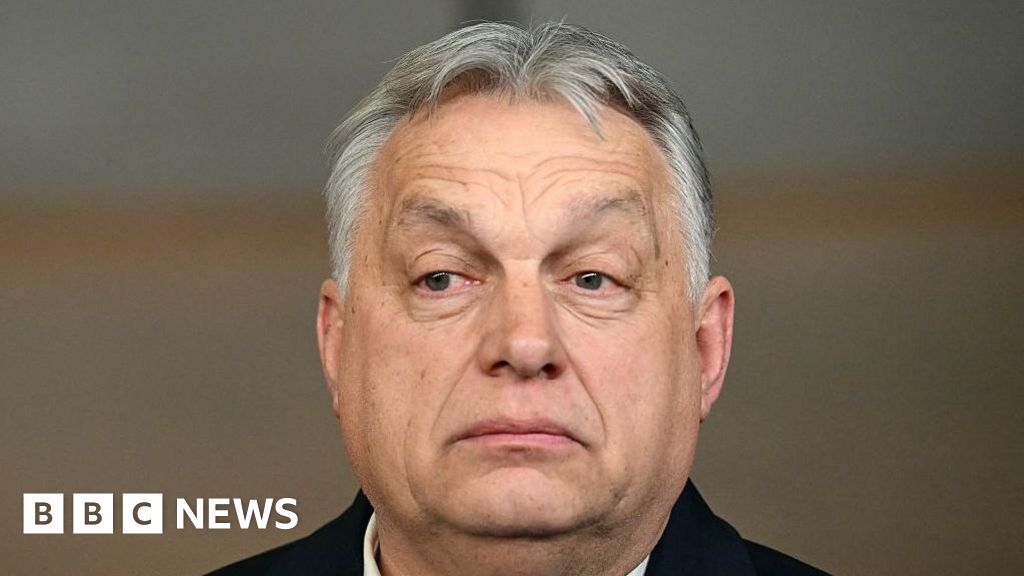
Orbán’s Ukraine Loan Veto Sparks Allegations of Disloyalty and Blackmail

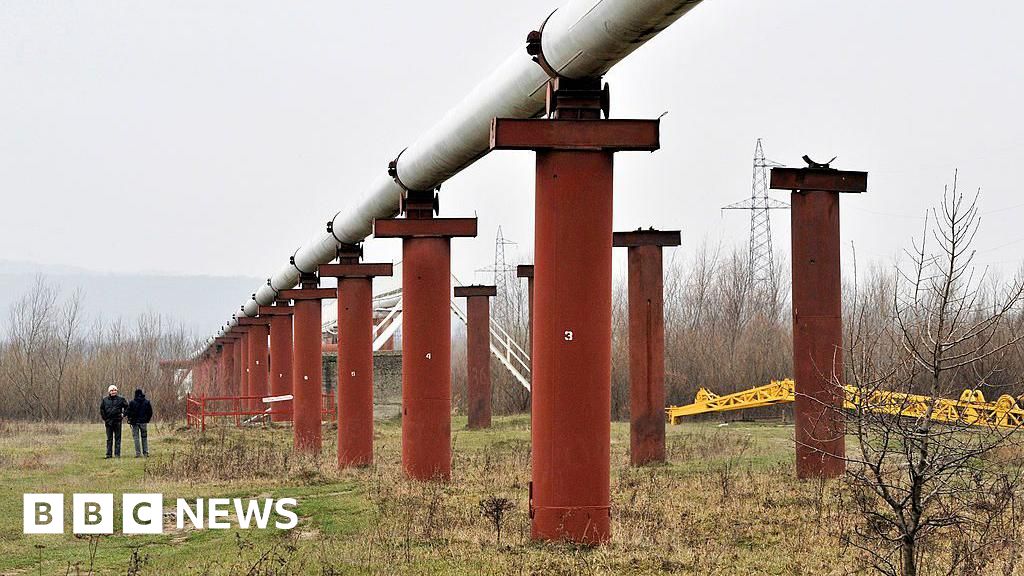
The geopolitical landscape in Eastern Europe has taken a sharp turn as Hungary announced a critical precondition for the release of international funds: the urgent repair of a pipeline vital for energy security. This pipeline, which transports Russian oil through Ukraine to Hungary, has become a focal point in the ongoing tug-of-war between energy independence and geopolitical influence. The move underscores Budapest’s assertion of national sovereignty amidst broader regional tensions and signifies the complex interplay of energy security, Russia’s influence, and European unity.

The Hungarian Prime Minister clarified that no financial aid, whether from the European Union or other international sources, would be dispensed until the pipeline’s deficiencies are addressed. This stance echoes *a broader pattern of Hungary asserting its independence from Brussels-led policies*, especially in matters relating to energy and foreign policy. Energy analysts and international organizations emphasize that this pipeline is a critical artery, shaping not only Hungary’s economy but also the delicate balance of power in the region. The pipeline’s repair becomes emblematic of Hungary’s strategic intent to safeguard national interests, even if it means bucking collective European decisions.

Historians and geopolitical analysts warn that such unilateral moves risk eroding solidarity within the European Union, highlighting the underlying tensions between national sovereignty and supranational governance. The pipelines through Ukraine are especially sensitive given the recent escalations in Russia-Ukraine relations, which have profoundly affected energy routes and supplies. By demanding repairs before funds are released, Hungary effectively positions itself as a key negotiator in regional energy diplomacy, challenging broader Western efforts to isolate Moscow through sanctions and economic measures. This decision, framed by Budapest as a necessity for national self-preservation, aligns with a strategic pattern of resistance against external pressures.

The international community faces a critical juncture: either continue to enforce collective sanctions and unified energy policies or accept that regional independence movements could fracture the West’s unified front. The repair of the pipeline, which has been compromised due to deteriorating infrastructure and recent geopolitical tensions, symbolizes a broader message. *It is a declaration that national interests may override collective commitments, that regional stability hinges on the willingness of individual nations to assert their autonomy.* The implications extend beyond Hungary’s borders, affecting the delicate web of alliances, energy supplies, and economic stability across Europe. As global attention turns toward this unfolding crisis, analysts warn that the decisions made today will reverberate through history, shaping the geopolitical contours of the continent for generations to come.

In this charged atmosphere, the fate of the pipeline becomes more than a matter of energy; it is a symbol of sovereignty, resilience, and the unyielding pursuit of national interest in a fractured world. As European leaders, Washington, and Moscow observe, the decisions made in Budapest could spark a new chapter—one where alliances are tested and the very fabric of international cooperation hangs in the balance. The story of this pipeline, and the strategic moves surrounding it, is a stark reminder: history is not merely written in grand treaties or battles, but in the quiet, relentless assertion of independence amid a storm of global upheaval.

Zelensky blasts EU Allies for ‘Blackmail’ Over Oil Pipeline Dispute

In recent statements, Ukrainian President Volodymyr Zelensky has issued a stark warning regarding potential shifts in energy policy that could significantly alter the geopolitical landscape of Eastern Europe and beyond. Zelensky articulated that restoring the flow of Russian oil via Ukraine into the European Union would be tantamount to lifting sanctions on Russia, a move that the Ukrainian leadership perceives as a critical threat to their sovereignty and regional stability. This declaration underscores the intense strategic contest over supply routes and economic sanctions that have become the new battleground in the ongoing conflict involving Russia, Ukraine, and Europe.

This issue strikes at the heart of the wider energy geopolitics, where control over vital oil and gas transit routes holds considerable influence over international relations. Following Russia’s annexation of Crimea and its ongoing military campaign in Ukraine, Western nations responded with economic sanctions, aiming to weaken Russia’s economy. These measures included restrictions on Russian oil exports, which are a key revenue source for Russian President Vladimir Putin. According to geopolitical analysts, any move towards reinstating Russian oil flows through Ukraine could be perceived as a de facto rollback of sanctions and a victory for Moscow’s strategic aims—an outcome viewed with alarm by Western allies.

International organizations, such as the European Union and the International Energy Agency (IEA), have warned of the dangers associated with reversing sanctions and reopening energy pipelines. Experts suggest that it would not only weaken Europe’s energy independence but could also set a dangerous precedent for international efforts to curb Moscow’s influence. Many Western nations, including the United States and major EU members, see the continuation of sanctions as essential to maintaining pressure on Russia. As historians note, the history of global conflicts illustrates how energy resource control often escalates geopolitical tensions, a lesson that remains painfully relevant in the current scenario.

At the core of this struggle lies the question of sovereignty and security. Ukraine’s government has repeatedly positioned itself as the defender of European security interests, emphasizing that any easing of sanctions or reopening of energy pipelines would undermine their efforts and embolden Moscow. Critics argue that such decisions could further destabilize Ukraine’s fragile economy, already strained by war, and inhibit the West’s strategic goal of curtailing Russian influence. The dilemma remains acute: balancing economic interests with geopolitical integrity is a challenge that could define the trajectory of European affairs for years to come. As diplomacy and diplomacy’s limitations are tested, the world watches with bated breath, understanding that these decisions may well shape the next chapter in a complex, ongoing conflict—one where the stakes are nothing less than the future of free nations and the balance of global power.

The destiny of energy supplies, sovereignty, and international alliance hinges on each decision made amid this tumultuous time. In the shadows of diplomacy, history’s pages continue to turn, chronicling a saga of ambition, resilience, and the enduring fight for sovereignty amid the relentless currents of global power. The outcome remains uncertain, yet one thing is clear: the unfolding story of Ukraine, Russia, and the West will be remembered as a defining moment in the ongoing struggle for influence and independence—a struggle that risks forever reshaping the geopolitical landscape of the 21st century.

Social Media Auto Publish Powered By : XYZScripts.com


