Political Gridlock and Economic Instability: A Threat to Society’s Foundations
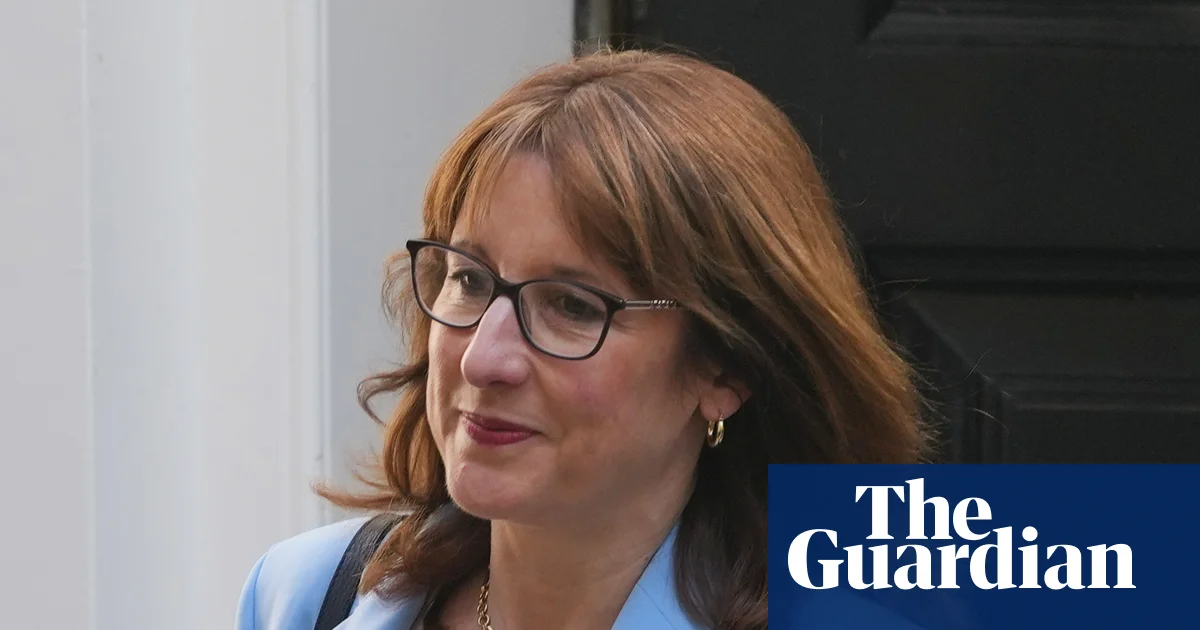
In the shadow of mounting social tensions and economic uncertainty, the recent political discord within the UK government underscores the fragility of a society facing multiple crises. The heated debates over plans to freeze private sector rents — an idea that initially gained traction as a potential solution to housing affordability — have quickly been dismissed by senior ministers. Designed to ease financial burdens on families struggling with rising rents, the proposal was met with harsh opposition from figures like Steve Reed and Matthew Pennycook, who dismissed it as neither credible nor serious. This political infighting reveals a deep divide over how best to respond to housing and economic pressures, tensions that threaten to undermine community bonds and social stability.
This internal discord not only impacts families caught in the crossfire but also erodes trust in public institutions. When policymakers appear unable or unwilling to address urgent issues such as housing costs, it widens the gap between the governing elite and the ordinary citizen, fostering disillusionment and alienation. Sociologists like David Demeritt warn that such political gridlock hampers effective responses to rising inequality, perpetuating cycles of hardship for vulnerable communities, especially youth and low-income families whose futures depend on stability and opportunity.
Consequences for Education and Community Cohesion
The ongoing political turmoil and economic uncertainty signal troubling implications for education systems and community cohesion. Young people, already navigating insecure employment markets, face increased anxiety as government stability hangs in the balance. Disruptions stemming from fiscal instability threaten to cut resources from schools and youth programs, vital for nurturing future generations. More than ever, the social fabric of communities—built on trust, shared values, and mutual support—comes under pressure when political leaders appear divided and out of touch with everyday struggles.
- Families grapple with unpredictable costs, leading to increased stress and strained relationships.
- Schools face potential funding cuts, impacting the quality of education and support services for students from disadvantaged backgrounds.
- Communities experience a decline in social trust, as political infighting overshadows grassroots needs.
Prominent social commentators argue that addressing social inequalities requires more than policy rhetoric; it demands public accountability and community-driven solutions. Without decisive action, the cycle of hardship will persist, hindering the societal growth necessary for long-term stability and prosperity.
The Broader Cultural Shift and the Role of Social Morality
Underlying these issues is a **cultural shift** that challenges traditional moral and ethical foundations. As society becomes more polarized, the moral fabric of community life is fraying, threatening to fracture collective efforts towards common well-being. Historians like Yuval Noah Harari note that in times of societal upheaval, the erosion of shared values weakens social cohesion, making it harder to forge consensus on critical issues like housing, economic reform, and social justice.
In this context, families—especially those struggling to make ends meet— are often the first to bear the brunt of political inaction. The moral question remains: How can a society claim to value its most vulnerable while allowing internal squabbles to override urgent social needs? The answer lies in fostering a renewed sense of community responsibility, rooted in both moral integrity and pragmatic policymaking. Societal transformation will not be achieved through rhetoric alone, but through committed action that prioritizes human dignity and collective resilience.
As society confronts these layered challenges, the hope of renewal persists. Like a fragile seedling pushing through concrete, the potential for societal rebirth exists—if we recognize that the true strength of a community lies in its unity, moral resolve, and unwavering commitment to progress. Only then can the society once again become a stronghold of hope, equity, and shared purpose, guiding the next generation towards a brighter horizon.