Matox News

Truth Over Trends, always!

Matthieu Blazy’s Iconic Chanel Look Is About to Take Over the Streets

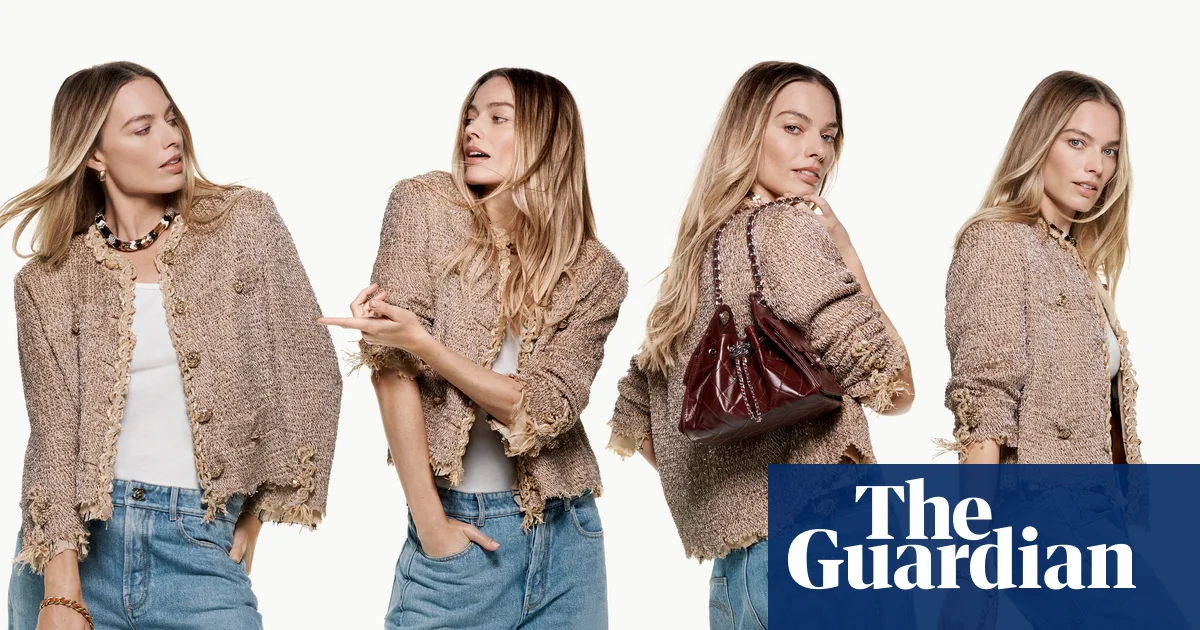
In a moment where economic uncertainty has reshaped consumer priorities, the fashion industry is witnessing a compelling shift in societal perception of luxury. Chanel, long associated with exclusivity and haute couture, is now making a strategic move to redefine what luxury means in the digital age. Thanks to the visionary work of Matthieu Blazy, the brand has launched a campaign that seamlessly blends nostalgia, accessibility, and cultural relevance. The viral success of the campaign—featuring Margot Robbie channeling Kylie Minogue’s 2002 music video—epitomizes this new philosophy: luxury as an aspirational yet attainable lifestyle.

Blazy’s approach is brilliantly rooted in social relevance. His campaign pays homage to a nostalgic era—early 2000s Y2K fashion fused with the timeless code of Coco Chanel—while making it accessible through high-street reproductions. Major brands like Zara, H&M, and Mango have quickly jumped on this wave, offering capsule collections and inspired pieces that echo the campaign’s aesthetic. M&S has introduced bouclé-inspired jackets with gold buttons for just £55, translating luxury into a price range that resonates with the everyday consumer. Meanwhile, denim from Uniqlo and H&M’s washed blue jeans demonstrate how fashion’s new mantra is “wearability over elitism”. This democratization of style highlights that luxury is no longer reserved for an exclusive few but embedded in the day-to-day wardrobe of young consumers.

Influencers and fashion analysts suggest this trend carries huge cultural and social significance. Ella Baynes of Savvy Marketing points out that, amid a cost of living crisis, aspirational yet achievable fashion becomes a powerful tool to maintain brand relevance. Julia Hobbs, from British Vogue, describes a Chanel jacket paired with jeans as “fashion’s version of the perfect pop song,” signaling a shift where high-end designers seek to evoke joy rather than just allure. This approach aligns with a wider societal trend of embracing *ownable* luxury—where pieces can be mixed and matched to reflect one’s personal narrative—making high fashion more inclusive and lifestyle-oriented.

Yet, this cultural shift invites the question: as luxury brands become more accessible through affordable interpretations and social media buzz, what does this mean for the future of exclusivity? Is the aspiration for rarity fading, or is this simply a strategic evolution to stay relevant in a rapidly changing cultural landscape? As the next chapter unfolds, we should be asking not only how these trends will reshape consumer behavior but also whether the concept of “luxury” itself is undergoing a fundamental redefinition—one that questions the very notion of societal hierarchy rooted in exclusivity and wealth.

Matthieu Blazy’s Bold Launch: Chanel’s Haute Couture Dream Takes the Spotlight

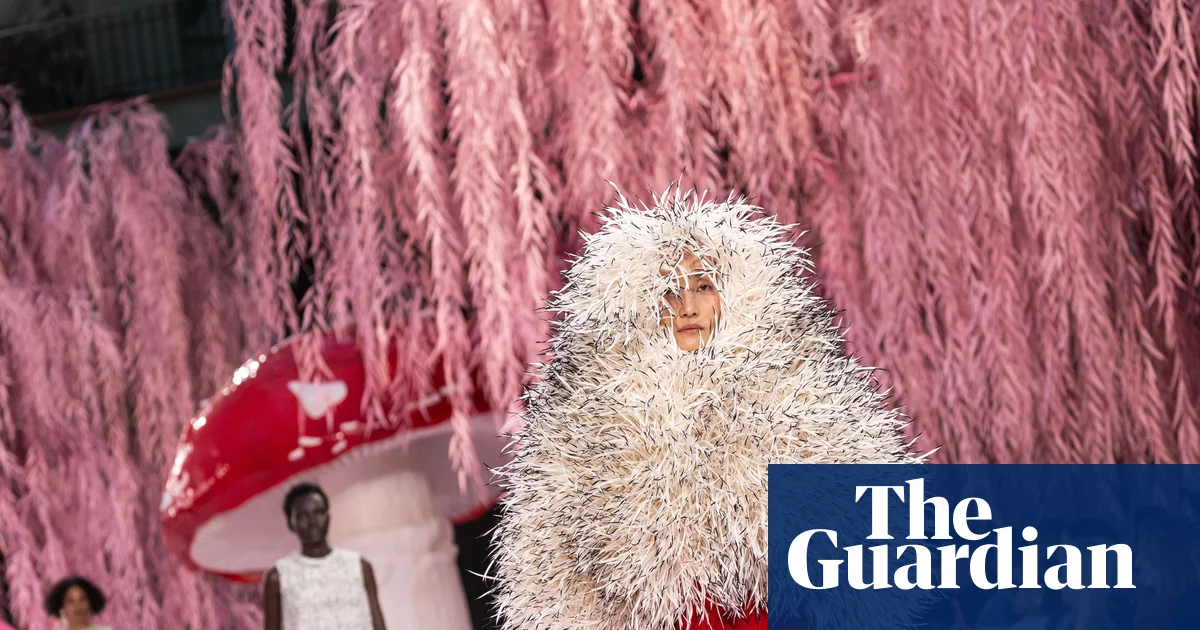
In a world where fashion giants often cling to tradition and legacy, the emergence of Matthieu Blazy at Chanel signals a seismic shift. The 41-year-old Belgian designer, once a relatively unknown name outside the industry, is now steering one of the most iconic brands in history through a curious blend of tradition and innovation. His recent debut Haute Couture collection, hosted at Paris’s Grand Palais, did not just earn applause; it ignited a cultural wave that challenges entrenched notions of beauty, age, and the role of storytelling in fashion.

The show’s aesthetic was a masterclass in redefining luxury. From a boxy suit in tissue-thin mousseline to daring transparent jackets adorned with ropes of gems, Blazy’s designs showcased craftsmanship that is both heroic and warm. In a deliberate break from the typical high-gloss runway, he included multigenerational casting, intentionally featuring models of diverse ages and backgrounds—women who “have lived” and “have seen the world.” According to the designer, this shift in casting isn’t just about visual representation but a statement that beauty, wisdom, and life experience are integral to modern femininity. This cultural impact resonates with a generation increasingly questioning superficial standards, turning their gaze towards authenticity and lived-in stories.

The influence of influencers like Dua Lipa and industry icons such as Anna Wintour backstage underscores a societal desire for brands to connect deeply with personal narratives and individual identities. Blazy’s request for models to incorporate personal items—a love letter, initials, a word like “kindness”—stands out as an extension of this shift. These intimate touches, stitched into garments by Paris’s renowned Lesage embroiderers, elevate fashion beyond mere aesthetics, making it a vessel for emotional storytelling. This approach is part of a broader trend where consumers seek a more meaningful engagement with brands, echoing a societal craving for authenticity and depth amidst a superficial influencer-driven culture.

What truly sets Blazy apart—and hints at the future of fashion—is how he balances youthful boldness with a reverence for craftsmanship. His use of trompe l’œil techniques, painted denim mimicking casual wear, and leather feathers crafted into dresses, all echo a conscious effort to blend fantasy with reality. This ‘fairytale’ era—exemplified by animated previews with Snow White bluebirds—serves as a metaphor for a collective desire for escapism and renewal. Yet beneath the enchantment, there is a strategic, almost revolutionary statement: fashion’s power to reflect societal shifts and redefine identity. As Blazy’s Chanel appears to embrace a storybook aesthetic, a question lingers: Could this fairy-tale phase be the new standard for aspirational society? Or is it just a temporary chapter in a larger movement towards genuine self-expression?

Social Media Auto Publish Powered By : XYZScripts.com


