
Matox News

Truth Over Trends, always!

Roommates Review: Netflix’s Breakup Comedy Delivers a Bold Blend of Heart and Humor

In an era where the relentless surge of streaming platforms has inundated the cultural landscape, the role of genuine storytelling remains paramount. The recent rise of filmmaker Adam Sandler exemplifies a broader, more profound truth: culture is not just entertainment but a vessel of our collective identity, tradition, and moral compass. As Sandler matures from juvenile humor to more textured, meaningful narratives, his evolution underscores a vital cultural truth—that art’s greatest function is to reflect and shape the soul of society. The transition from hollow comedies to films that engage with real human complexities demonstrates that, even amidst the noise, authentic culture persists as a guiding light, reminding us of who we are and who we aspire to become.

Throughout history, critics and philosophers have recognized the formative power of culture in shaping our societal structures and personal identities. Ortega y Gasset, for instance, emphasized how the mass culture of a society channels its values and aspirations. Today, amidst a landscape saturated with superficial content, the importance of cultivating stories that deepen our understanding of human nature becomes an urgent necessity. In this context, films like Sandler’s “You Are So Not Invited to My Bat Mitzvah” serve as vital cultural artifacts that honor the complexity of youthful experience, actively resisting the trivialization that often accompanies teen-oriented media. These narratives, by recognizing the intelligence and dignity of younger generations, reaffirm the enduring importance of tradition and moral responsibility. They remind us that culture is both a memory that anchors us and a prophecy that guides us forward.

Moreover, the current tendency among studios to obscure imperfect works—such as the baffling concealment of Sandler’s “Roommates”—reveals an industry anxiety that echoes historical distortions. As Tocqueville observed, democratic societies tend to prefer sanitized versions of reality, often sacrificing authenticity for conformity. Yet, it is precisely within imperfect, often unruly works that the true pulse of society can be discerned. “Roommates,” despite its flaws, offers a genuine, relatable tableau of friendship’s disintegration, steering clear of cliches and embracing the messy, nuanced reality of human relationships. It challenges the Hollywood tendency to prioritize spectacle over sincerity, insisting instead that our culture thrives when it remains rooted in the authentic, imperfect stories that mirror our true selves. As Chesterton argued, truth and beauty often dwell in the modest and overlooked, serving as the foundation for meaningful cultural discourse.

In contemplating the role of culture, it is as T.S. Eliot suggested that “the purpose of art is to draw our attention to the mystery of life itself.” Today’s filmmakers and creators serve as custodians of that mystery, offering us narratives that both recall our origins and prophecy our future. These stories, woven from the fabric of memory and hope, forge an enduring bridge connecting generations. As we look forward to the stories yet to be told, let us remember that culture is the collective memory of humanity, an ongoing dialogue with what has been and what will be—a melody of remembrance and promise that sustains the soul of society, guiding us through darkness into dawn, where every new story becomes both a reflection of our past and a prophecy of our future.”
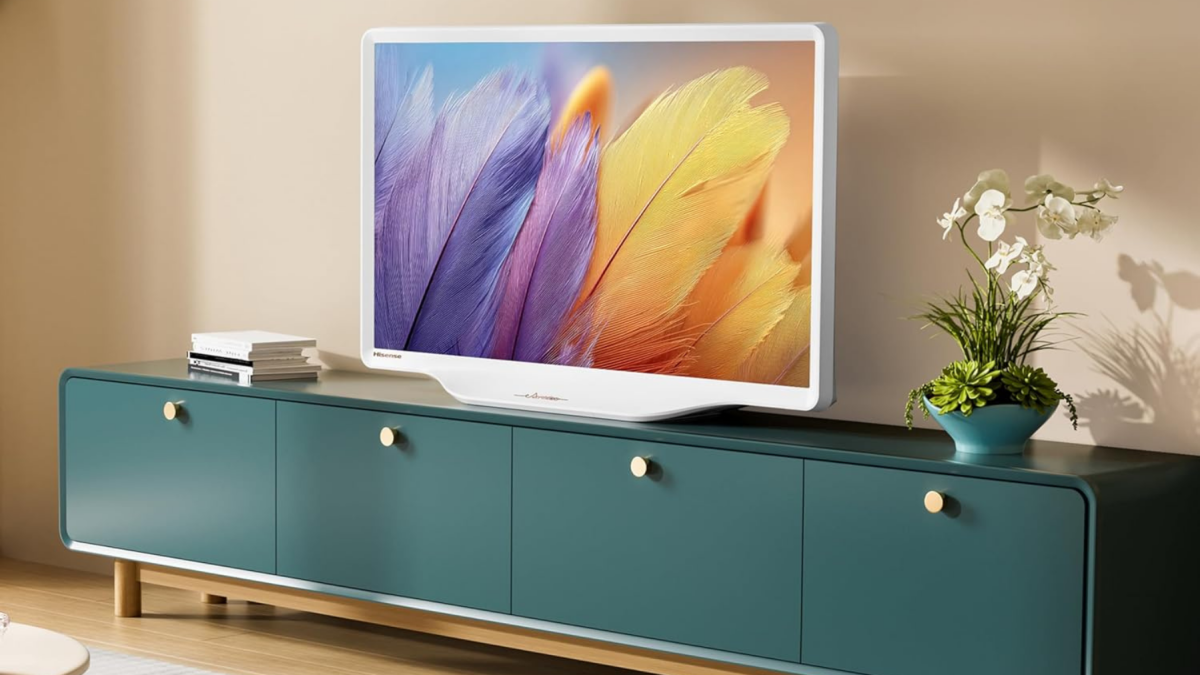
Hisense Drops Stylish 32-Inch QLED S5 DécoTV for Just $299.99 at Amazon—The Perfect Blend of Tech and Trend for Young Fans

Revolutionizing Small-Space Living: The Cultural Shift Toward Affordable, Aesthetically Pleasing TVs

In a move that is reshaping how younger generations perceive home entertainment, Hisense recently introduced a sleek new addition to the TV market — the 32-inch DécoTV QLED Fire TV. Priced at just $299.99 on Amazon, this device exemplifies a fascinating trend: the merging of affordable price points with high-end aesthetics. Gone are the days when a practical TV was synonymous with bulky, utilitarian design. Now, thanks to models like Hisense’s latest release, small living spaces such as apartments, bedrooms, and kitchens are becoming focal points for a new cultural wave. These TVs are not just tools for entertainment; they serve as stylish design statements, echoing broader societal shifts towards personalized, Instagram-worthy living spaces.

The Social and Cultural Impact of Design-Oriented Tech

The Themes of form and function are blending in ways that challenge traditional notions of what a television should be. The Hisense DécoTV, with its art-inspired white curved stand, signifies more than just a technology upgrade — it embodies a cultural move towards minimalist elegance and spatial efficiency. Influencers and lifestyle experts are increasingly focusing on the idea that every item in a home should serve both purpose and style. Sociologist Dr. Lisa Chang argues that this trend reflects a broader societal recognition of the importance of visual harmony and personal expression within our living environments. For the digital-native youth, the TV is now a central aesthetic element, a device that complements their curated lifestyles rather than just serving as a screen for binge-watching.

Technology and Lifestyle: A Symbiotic Relationship

Beyond aesthetics, these new budget-friendly TVs carry cutting-edge features that enhance lifestyle convenience. The Hisense S5 DécoTV Fire TV sports an intuitive platform that makes content discovery effortless, aligning perfectly with the tech-savvy nature of younger users who prefer their devices to seamlessly integrate into their daily routines. Moreover, the emphasis on brightness for small spaces showcases an understanding of modern living—most viewers watch during daytime, whether multitasking in the kitchen or relaxing in their bedrooms. The introduction of QLED technology in such affordable models signifies a breakthrough in delivering high-quality visual experiences, especially vital for watching sports or vibrant content in well-lit environments.

This synergy between technology and social behavior pushes the cultural narrative of personal space and self-expression ever forward. Influencers like @ModernLiving and trend analysts note that these TVs are more than gadgets; they’re mediums of self-expression and social engagement. As a result, home entertainment transforms from a purely functional necessity into a lifestyle statement, where affordable design-driven tech fosters a sense of individual identity, especially among younger demographics eager to express their taste without breaking the bank.

The Next Big Question

As the market continues to evolve with these stylish yet budget-conscious TVs, a compelling question looms: Will this shift alter the larger consumer electronics landscape, encouraging brands to prioritize aesthetics and social relevance alongside technological innovation? With small living spaces becoming the norm, and a culture increasingly centered on visual harmony and personal branding, the future of home entertainment might hinge less on size and more on how well these devices integrate into our social identities. Could this be the beginning of a new era where affordability, aesthetics, and social relevance create a new standard for all consumer tech? Only time will tell, but one thing’s clear — the way we define cutting-edge is becoming as much about style and social meaning as it is about technical specs.

Social Media Auto Publish Powered By : XYZScripts.com



