Matox News

Truth Over Trends, always!

Prediction Markets and Nuclear War Risks: Will the UK Embrace This Bold New Gamble?

Society at a Crossroads: The Impact of Prediction Markets on Families, Education, and Communities

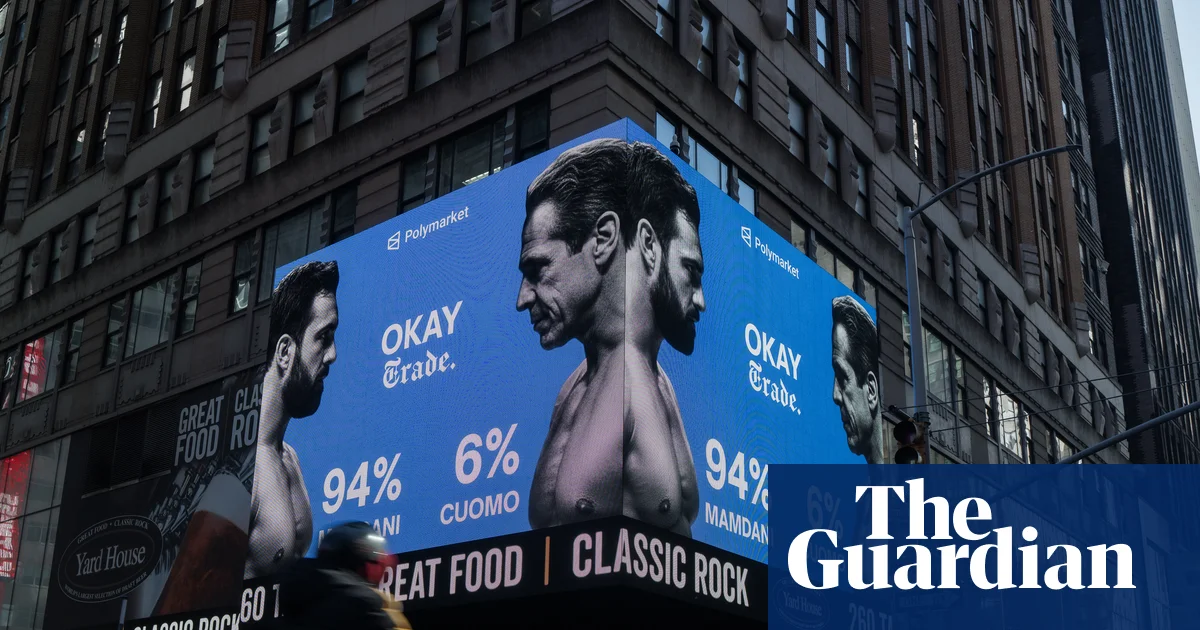
Amidst escalating global conflicts and societal upheavals, a new phenomenon has emerged which threatens the moral fabric of our communities — prediction markets. Originally rooted in traditional betting exchanges like Betfair, these platforms have evolved into arenas where individuals wager on everything from political outcomes to cultural phenomena, often expressed in percentages or binary yes/no formats. They encapsulate a *cultural shift* where the realm of chance infiltrates serious discussions on current affairs—sometimes in ways that deprive families and communities of their moral grounding. The recent controversy surrounding Polymarket, a prediction platform that invited wagers on nuclear apocalypse, exemplifies this disturbing trend. The backlash reflects society’s discomfort with dollar signs placed on events that impact millions, exposing a moral dilemma that echoes through the halls of families, schools, and local communities.

This paradigm not only distorts moral boundaries but also impacts families and education systems. The commodification of critical issues like war, propaganda, and societal crises threatens to desensitize youth, who are vulnerable to the seductive allure of quick gains and sensationalism. Sociologists like George Ritzer warn that the pervasive influence of late capitalism turns complex societal challenges into trivialized markets, eroding the capacity for genuine civic engagement. Moreover, the rise of prediction markets complicates the ethical landscape, with signs of manipulation and insider trading—highlighted by recent scandals involving bets placed shortly before significant military actions or political upheavals. Such behaviors cast a shadow over the societal trust essential for cohesive communities, making families increasingly wary of the moral consequences of engaging with these platforms.

The *demographic appeal* of prediction markets extends beyond gambling enthusiasts, targeting a *youthful demographic* attuned to the language of financial trading. As regulators in the UK and US scrutinize these markets, questions arise about their influence on *public morals* and societal values. In the US, legislative efforts to curb what many argue is disguised gambling illustrate a broader societal concern: the fragile line between entertainment and exploitation. The danger lies in fostering a culture where insider knowledge, manipulation, and unethical speculation threaten to undermine trust in democratic institutions, skew political discourse, and trivialize the sanctity of life and human suffering. For families and communities, this represents a moral wound, as society grapples with maintaining its ethical compass amidst the allure of instant gratification.

Despite these challenges, there remains a *glimmer of hope*—the capacity for societal reflection and ethical renewal. Education systems, community leaders, and policymakers have a role in safeguarding moral boundaries, emphasizing values of integrity, respect, and human dignity. As social commentators like Rodney Stark suggest, societal progress hinges on reaffirming our moral commitments and nurturing resilient communities that refuse to commodify human suffering. The future may yet be shaped by a collective effort to prioritize ethical considerations over fleeting gains, to stand against manipulation, and to protect families from the corrosive influence of profit-driven social practices. In this ongoing struggle, society’s greatest victory will be in choosing empathy over exploitation—an enduring reminder that behind every wager lies a human story, and that true societal strength rests in our shared commitment to uphold human dignity in all its forms.

Arlo Parks Reflects on the Absence of Late-Night Conversations in Smoke-Filled Spaces: Embracing the Hedonistic Spirit of Her Bold New Album

In an era where the relentless pace of modern life threatens to drown out the echoes of tradition and the deeper currents of cultural memory, Arlo Parks emerges not merely as a pop phenomenon but as a testament to the enduring power of culture as the foundation of individual and societal identity. Her journey—from an early fascination with GarageBand confessions to commanding the stage at Glastonbury—illustrates a profound truth: that beneath the surface of popular music lies a dynamic narrative about who we are, where we come from, and where we are headed. As Ortega y Gasset once noted, “Culture is not an accessory but the very substance of society”; Parks’s evolution exemplifies this, highlighting how contemporary artists continue to redefine and uphold this vital link through their works.

Throughout her career, Parks has shown an unwavering commitment to authenticity, intertwining her personal truths with a collective history of musical and cultural innovation. Her early releases, laced with references from Nick Cave to Erykah Badu, revealed a young artist unafraid of confronting the chaos of mental health struggles and romantic rejection—a mirror to the complexities of human existence. Yet, her rise is also emblematic of a broader cultural shift wherein the boundaries of societal acceptance are expanded, allowing voice to the queer community and those traditionally on the margins. Her embrace of electronic music and nightclub culture in her latest album, Ambiguous Desire, harks back to a collective quest for liberation in spaces that historically have served as sanctuaries for outsiders. Here, Parks’s work is not just entertainment but a reclaiming of cultural spaces—akin to what Tocqueville observed about America’s penchant for creating voluntary associations—as arenas where individual spirits find community, expression, and defiance against societal conformities.

Artistically, Parks embodies a necessary rebellion against superficiality, consciously distancing herself from the temptations of commercial success that often threaten to dilute genuine cultural expression. Her deliberate turn to the night-time in her latest album, capturing the euphoric surge of clubbing and rave culture, echoes Chesterton’s assertion that “art is the most beautiful of all lies,” in that it often reveals deeper truths about human longing and societal yearning. In her song Heaven, inspired by the transcendent moments of life and music, Parks taps into the eternal human pursuit: to find meaning and connection in fleeting moments. Her acknowledgment that she explores these realms not to adopt a persona but to understand herself—”who am I now?”—speaks to the philosophical inquiry that underpins genuine cultural expression: it is a mirror and a prophecy, reflecting our current realities while sketching the contours of future identities.

Ultimately, Parks’s narrative underscores a vital idea: that culture remains the living, breathing memory of our collective humanity and the prophetic voice guiding us forward. Whether through the revival of club culture or her unapologetic discussions of desire and queerness, she exemplifies an artist who recognizes that identity is both rooted in tradition and open to renewal. And as T.S. Eliot poignantly observed, “The future is always a certainty of the imagination.” In the poetic silence between her melodies and the vibrant chaos of her soundscapes lies the promise that culture, in all its forms, persists as humanity’s continuous conversation—an echo of the past and the whisper of what yet may be, shaping and being shaped by the new generations who dare to listen and create in the ever-unfolding mystery of existence.

Lenovo’s Bold New Gear: Laptop with Built-In Portable Screen Sparks Buzz Among Young Tech Fans

Lenovo Unveils Innovative Yoga Book Pro 3D Concept: A Game-Changer in Creative Technology

In a bold move that exemplifies the ongoing drive toward immersive and tactile digital experiences, Lenovo has introduced the Yoga Book Pro 3D Concept—a revolutionary device aimed squarely at creative professionals and developers. Powered by the formidable Intel Core Ultra 7 processor and equipped with Nvidia’s GeForce RTX 5070, this concept reimagines the boundaries between digital and physical, blending cutting-edge hardware with innovative software to facilitate a new era of 3D asset creation. While still in the prototype stage, its disruptive potential signals a significant pivot in the industry, especially as it aims to serve creators rather than traditional gamers or consumers.

Disruptive Hardware and User Interface Innovations

The Yoga Book Pro 3D departs sharply from conventional portable devices. It features dual 16-inch OLED displays called Lenovo PureSight Pro Tandem, which connect to form a seamless, flexible workspace—effectively replacing the traditional keyboard with a touch-enabled, customizable surface. This approach not only enhances workspace ergonomics but also pushes forward the concept of a truly mobile creative workstation. The device employs Lenovo’s proprietary AI software to support 2D to 3D conversion on demand, allowing users to manipulate digital assets effortlessly. The integration of a built-in RGB camera enables gesture-based control, allowing users to interact with 3D objects through natural hand movements, eliminating the need for a mouse or stylus—an innovation that could redefine creative workflows.

Perhaps the most groundbreaking feature is the set of magnetic snap-on pads that users can attach to the lower touchscreen. These physical accessories serve as tangible triggers for digital shortcuts, such as opening a color palette or adjusting lighting in real-time, providing a hybrid tactile-digital interface. This fusion of physical and digital interfaces aligns with the evolving expectations of a new wave of digital creators seeking immersive, intuitive tools. By bringing tactile feedback into the fold, Lenovo’s design hints at a future where user interfaces become more responsive and naturally integrated into creative processes.

Business Implications and Industry Disruption

This conceptual device signals a potential industry shift—particularly in how creative tools are designed and commercialized. If Lenovo moves beyond concept into mass production, it will introduce a fresh competitive dynamic within tech giants such as Apple, Microsoft, and Samsung, who have pursued similar 3D and AR/VR innovations. The integration of high-performance hardware with novel form factors can disrupt established workflows and challenge traditional notions of portability and interface design.

  • Market potential: A niche yet expanding segment of digital artists, designers, and AR/VR developers eager for more tactile, portable solutions.
  • Innovation driver: Accelerating the adoption of hybrid hardware/software interfaces to make 3D content creation more intuitive.
  • Industry impact: Potentially catalyzing new hardware ecosystems centered around physical-digital interaction modes—setting a standard for next-gen professional devices.

As Elon Musk and Peter Thiel have warned about the importance of disruption and technological frontier-pushing, Lenovo’s Yoga Book Pro 3D serves as a compelling glimpse into the future of tech. If this device or its derivatives become widely available, it could accelerate the shift toward more immersive, user-centered design paradigms—a transformation that promises to reshape not only creative industries but the broader landscape of human-computer interaction. For forward-looking investors, developers, and innovators, understanding and engaging with these breakthroughs now will be crucial to maintaining a competitive edge in the rapidly evolving tech frontier.

NASA pushes ahead with bold tweaks to turbocharge Artemis launch

In a clear signal that innovation and disruption continue to reshape aerospace ambitions, NASA is recalibrating its Artemis program with a newfound focus on reliability, cost-efficiency, and phased approach. After repeated delays—stemming from persistent hydrogen and helium leaks—as well as the inherent risks of launching advanced hardware infrequently, agency officials are pushing for a transformation that could reset the US’s lunar ambitions. The core strategy now emphasizes standardizing the SLS (Space Launch System) to a single configuration, aiming to launch approximately every 10 months—an aggressive timeline compared with previous iterations.

This move towards regularized, high-frequency launches reflects an underlying industry shift towards more predictable and scalable space operations. Industry insiders, including leading analysts at Gartner and institutions like MIT, recognize that such standardization could be a game-changer—not only enhancing safety and reducing costs but also disrupting the traditional space launch market. By prioritizing reliability over continual configuration tweaks, NASA aims to foster an ecosystem where commercial entities can soon step into the void, launching crews to lunar surfaces with unmatched precision and frequency. As congressional leaders are briefed on these initiatives, major contractors like Boeing remain cautiously supportive, acknowledging the need for an accelerated schedule that will test their supply chains and engineering capabilities.

Significantly, the program’s renewed approach echoes the philosophical lessons of the historic Apollo missions—returning to a phased, step-by-step timeline before achieving a lunar landing. “Skipping intermediate steps,” as some industry veterans warn, introduces a level of risk and complexity that could jeopardize long-term goals. The plan underlines that the jump from Artemis II’s lunar flyby directly to Artemis III’s landing is too ambitious without thorough groundwork. As Elon Musk and Peter Thiel have long advocated, disruptive innovation in space requires robust incremental milestones—precisely what NASA’s new strategy aims to institutionalize.

Looking ahead, the implications are profound. The industry’s future depends on a nimble, resilient launch architecture, where technological innovation is paired with strategic planning. Companies like SpaceX and Blue Origin are exploiting these institutional shifts with groundbreaking developments—ranging from reusable rockets to artificial intelligence-driven mission planning—that could upend NASA’s current trajectory. With the space race intensifying and global powers investing heavily in lunar and Martian ambitions, timing is everything. The coming months will be crucial as NASA’s bold, standardized approach matures into a blueprint that might define the next era of human space exploration—one driven by disruptive innovation, strategic disruption, and a relentless pursuit of expeditionary excellence.

Hannah Spencer’s Bold Waistcoat Serves Up Politics with a Trendy Twist — TikTok’s New Favorite for the Youth Style Scene

Viral Colors and Youth Culture: The Rise of “Gross Green”

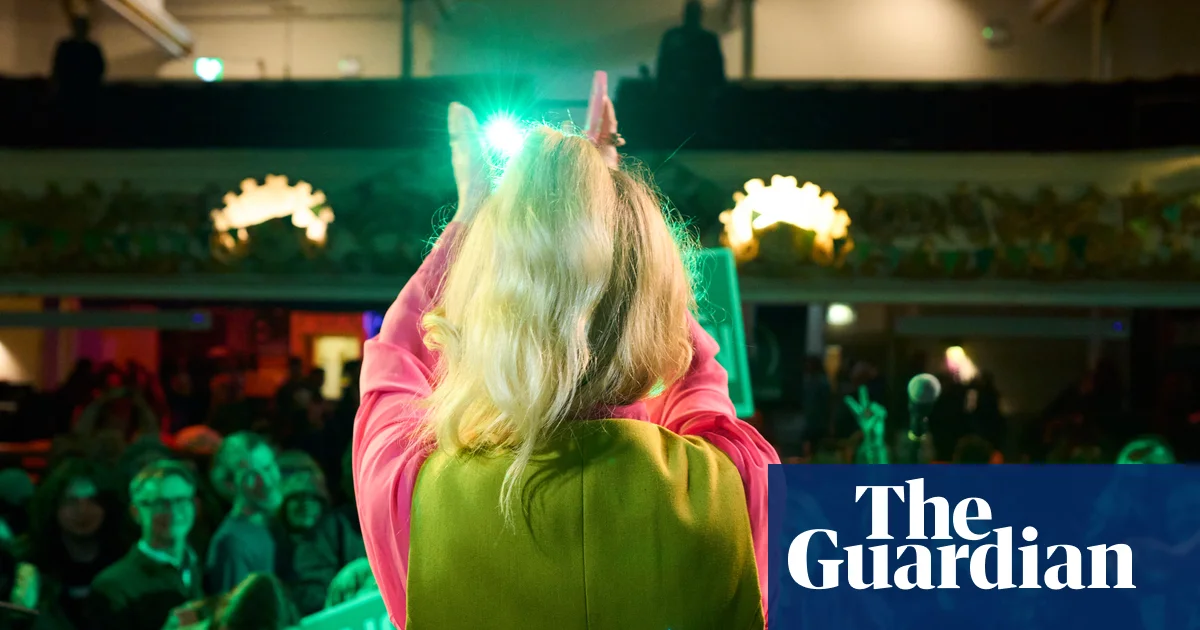
In a world where social media continually reshapes how we communicate, color trends have become more than just aesthetics—they’re now carriers of social identity and political statement. The latest wave? “gross green”. Coined by New York magazine and rapidly making its way onto high street labels and even book covers, this shade of chartreuse isn’t just a color—it’s a mood. It embodies a rebellious, playful attitude that resonates deeply with younger audiences eager to express individuality and cultural alignment through something as simple yet provocative as wardrobe choices. When Hannah Spencer, the newly elected Green Party MP, was spotted wearing this “gross green” outfit during her press conference, she unintentionally became a trendsetter, signaling her awareness of the social zeitgeist.

What’s fascinating is just how intentional and layered this phenomenon is. Spencer, a 34-year-old millennial, appears to understand the social capital in adopting such a viral hue—knowingly embracing a “statement color” that ties her political platform to the broader youth-driven aesthetic. During her brief appearance, she changed her undershirt from one shade of green to another, underscoring the precision with which digital-native figures now curate their image. This shift isn’t random; it’s an astute move to align with the cultural language of her generation. Prior to her, figures like Kamala Harris mastered this art, meme-ing a color into the political landscape with her “brat green”—a summer hit that did more than turn heads; it crafted a viral symbol for political engagement.

These trends underscore a larger socio-cultural shift: the merging of fashion, politics, and social media into a seamless narrative. Influencers, sociologists, and brand analysts argue that in an era of fractured attention spans, symbols—like colors—become vital tools in forging identity and community. Viral colors like Barbie pink or brat green aren’t just a fleeting aesthetic; they serve as social signifiers that bridge generational divides and offer a common language rooted in innocence yet rich in subtext. This phenomenon also reveals how younger generations seek to find meaning in what appears on the surface to be trivial—playing with names and shades as a form of cultural codification that is both fun and strategic.

What is intriguing, however, is the potential for these color-coded movements to extend beyond fashion and into systemic influence. As political campaigns increasingly lean into viral marketing, could these shades redefine how leaders communicate authenticity and relatability? The next question emerges: Will these playful symbols evolve into serious political tools, or are they destined to remain ephemeral markers of youth culture?* With influencers and political figures riding the wave of internet aesthetics, the future of political branding might just depend on our ability to decode the next viral hue—and what it says about the societal shifts at large.

Prada Keeps It Real: Unveiling Bold New Layers at Milan Fashion Week

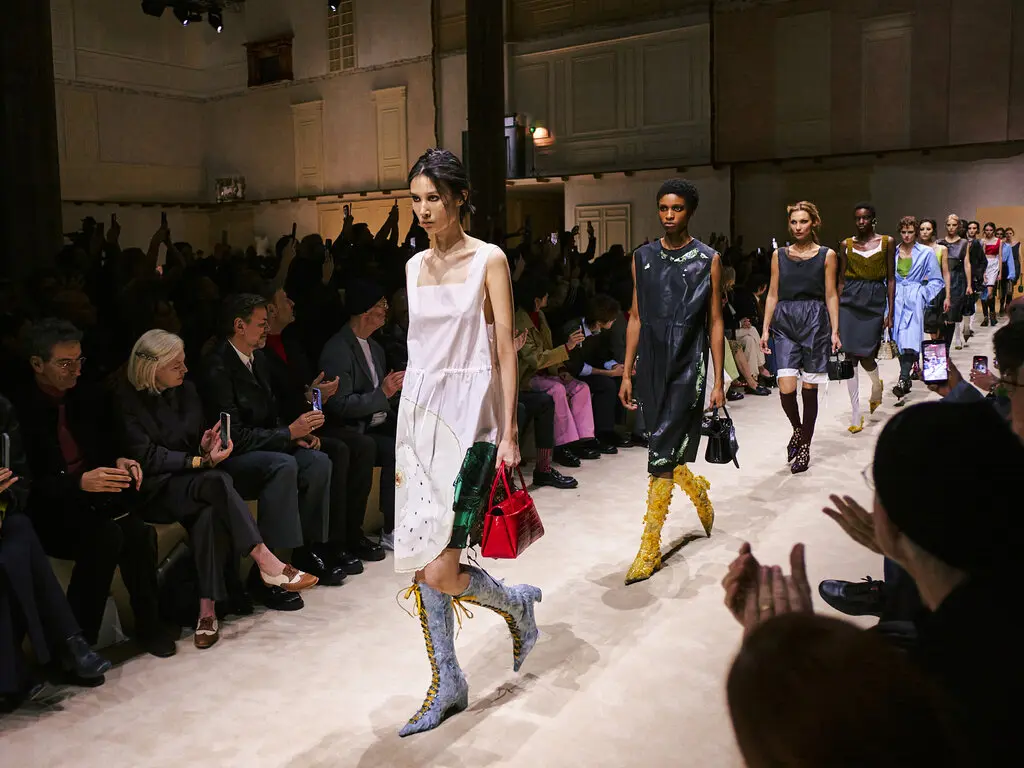
As Milan Fashion Week continues to be the epicenter of cutting-edge style and innovation, Prada set a compelling tone this season with a collection that speaks not just to aesthetics but to the evolving lifestyle shifts affecting our generation. The show was a masterclass in layering, transformation, and reinvention, echoing broader cultural currents that emphasize personal expression through fluid, adaptable fashion. Each model’s walk was akin to shedding an old skin and emerging anew—symbolic of a society increasingly embracing renewal and individuality.

The concept of layering in Prada’s collection transcends traditional fashion boundaries. It invites young people to view their wardrobe—and by extension, their identity—as a canvas for ongoing reinvention. Such runway theatrics are reflective of a cultural push toward wellness and self-care, where minds and bodies are cultivated through a conscious assembly of styles that empower. Influential voices like Dr. Mark Hyman and Tim Ferriss have championed this flexible approach to wellness, encouraging a lifestyle that evolves in sync with personal growth. Prada’s runway serves as a reminder that fashion can be both a statement of personal sovereignty and a tool for navigating the complex layers of modern life.

This emphasis on layered self-expression aligns with a broader movement among youth toward embracing holistic wellness—mind, body, and soul. More young individuals are seeking to craft their environments and routines to foster resilience and authenticity, much like the runway’s dynamic shifts. Travel tips for the modern explorer suggest focusing on versatile, high-quality pieces that serve multiple purposes and reflect a personal impact: better health, increased leisure, and inspiration. Whether it’s visiting bustling metropolitan hubs like Milano or carving out time for mindful practices, today’s youth are rewriting the fashion and wellness playbook based on _adaptability_ and _self-awareness_.

  • Prioritize **quality over quantity** for a wardrobe that adapts with your changing needs.
  • Explore **cultural hotspots** as sources of inspiration for both style and personal growth.
  • Embrace **mindful routines**—from meditation to active leisure—to foster holistic well-being.

Ultimately, Prada’s runway isn’t just about leather and fabric; it’s about embracing the journey of self-discovery. Fashion becomes a lens through which we see our capacity to shed old limitations and emerge resilient, vibrant, and ready for the next chapter. This attitude reflects a culture that values not just superficial trends but the **genuine evolution** of the individual. As we navigate personal and societal layers, the overarching message is clear: lifestyle is an ongoing journey of layered transformation. In an era marked by rapid change, the pursuit of authenticity and wellness remains the most stylish statement of all.

Plaid hits $8B after bold employee stake sale, boosting fintech’s future

Fintech Sector Sees Valuation Shifts Despite Growth Milestones

The recent valuation updates of Plaid, a prominent player in the fintech ecosystem, highlight ongoing market turbulence and the resilience of technological innovation. Despite announcing a new, larger headline valuation, the company’s worth remains approximately 40% below its 2021 peak of $13.4 billion. This decline reflects the broader repercussions of changing interest rate environments, with ultra-low rates that previously fueled a massive surge in fintech valuations now giving way to a recalibration driven by macroeconomic pressures and investor caution. Industry analysts suggest this trend exemplifies the volatility that disrupts overheated markets, compelling companies to innovate more strategically rather than chase premature IPO ambitions.

Importantly, Plaid continues to maintain technological leadership and operational momentum, evolving its core offerings while managing internal workforce needs. Notably, the company has introduced initiatives to support employee retention and address vesting-related tax burdens, a move that underscores how emerging tech giants are shaping their internal ecosystems amid a competitive landscape. These developments illustrate a shift in how fintech firms balance growth, talent retention, and long-term viability, signaling a maturing industry that prioritizes sustainable innovation over short-term market Flamboyance.

From a broader business implications perspective, these valuation dynamics are more than isolated setbacks; they serve as a bellwether for how disruption is unfolding across digital finance. Gartner and other leading analyst institutions emphasize that the shift away from speculative valuations towards realistic, innovation-driven business models will define the next wave of industry dominance.

  • Technological disruption fueled by API ecosystems
  • Emergence of decentralized finance (DeFi) platforms challenging traditional models
  • Increased focus on compliance, security, and user experience

presents opportunities for visionary firms to leap ahead. Companies like Stripe and Square are actively sculpting the future landscape, leveraging AI and blockchain to enhance transactional efficiencies and security.

Looking ahead, the fintech market appears set for a foundational transformation. Industry leaders, backed by innovative ventures and lessons learned from past exuberance, are forging pathways that integrate cutting-edge technology with pragmatic growth strategies. As Elon Musk and Peter Thiel have long emphasized, the real value lies in disruption through innovation, rather than mere market hype. Consequently, this environment demands agility and strategic foresight — qualities essential for crossing the chasm from startup to industry titan.

Ultimately, the message for stakeholders in the tech arena is clear: the era of unchecked valuation bubbles is waning, replaced by a landscape where disruption and technological innovation are paramount. With the right investment in R&D, talent, and strategic foresight, tomorrow’s national and global market leaders will emerge from these challenging times with the resilience and agility necessary to shape the future of finance. The question remains: who will capitalize on this historic shift, and how quickly can they turn disruption into dominance? The clock is ticking.

Netflix drops the Warner Bros. bid, handing studios, HBO, and CNN to Ellison’s Paramount — a bold move in the streaming game

The ongoing wave of disruption within the entertainment industry has reached a new crescendo with the high-profile acquisition of Warner Bros. Discovery by Paramount. This deal, orchestrated amidst a fierce bidding war, consolidates significant media power in a landscape increasingly defined by innovation and strategic disruption. Notably, Paramount—backed by the financial might of billionaire Larry Ellison, whose net worth exceeds $200 billion—embeds itself into a sector ripe for transformation, signaling a new era of corporate consolidation aimed at competing with streaming giants and tech disruptors.

At the core of this deal is a masterstroke in leveraging financial innovation. Paramount’s acquisition involves assuming roughly $33 billion in Warner Bros. Discovery’s debt, a move facilitated by a $57.5 billion debt commitment from financial heavyweights such as Bank of America Merrill Lynch, Citi, and Apollo Global Management. This strategic leveraging echoes the practices of top-tier institutional investors, positioning Paramount for aggressive expansion while stoking risks associated with rising debt levels in an increasingly volatile media market. The deal’s structure underscores the shifting paradigm wherein industry giants deploy complex financial engineering to consolidate power and push ahead in a rapidly evolving tech-driven content landscape.

Critically, the dynamics surrounding Paramount’s ownership involve a contentious mix of political influence and media strategy. With Larry Ellison’s significant political donations and his son David Ellison’s ownership of Paramount, the deal is under close scrutiny regarding its potential impact on content polarization and market influence. The acquisition also includes a $2.8 billion termination fee payable to Netflix to dissolve prior contractual agreements, reflecting a readiness to navigate aggressive market repositioning. Analysts like those at Gartner emphasize that such high-stakes moves are indicative of a broader disruption in traditional media models, with legacy companies aggressively positioning themselves for an anticipated post-streaming revolution.

Looking ahead, this merger points to a possible consolidation of media assets that could significantly influence the industry’s future trajectory. As disruptive technologies continue to challenge conventional distribution channels, entertainment companies are doubling down on vertical integration and strategic partnerships. With technology companies such as Tesla and Elon Musk pushing the boundaries of AI and content delivery, and industry analysts warning about the potential for increased market concentration, the urgency for established players to innovate has never been greater. The winner in this race will be those who harness cutting-edge tech, strategic capital deployment, and political navigation—making the next chapter of media history one to watch with keen anticipation.

Over 1,500 Venezuelan Political Prisoners Seek Amnesty—A Bold Step Forward

The recent announcement by the head of Venezuela’s National Assembly marks a pivotal moment in the ongoing political upheaval within the nation. This statement, issued amidst intense pressure from the United States, follows the controversial capture of ex-President Nicolás Maduro, heightening tensions across the unpredictable landscape of Latin American geopolitics. The move underscores a complex interplay of domestic resistance and international intervention, with broad implications for regional stability.

Historical analysts and international observers underscore that the situation in Venezuela is at a critical turning point. The international community, led by the US, perceives the current crisis as an opportunity to reshape Venezuela’s leadership, driven by strategic interests ranging from oil security to regional dominance. The US-backed push to challenge Maduro’s authority echoes a persistent policy aimed at displacing what Washington considers a destabilizing regime, fostering a climate of uncertainty that resonates far beyond Latin America’s borders. Experts warn that such actions risk destabilizing not only Venezuela but also the broader geopolitical balance in the Western Hemisphere, where historically fragile alliances are tested.

Amid this turbulent backdrop, global institutions such as the United Nations and regional bodies like the Organization of American States face mounting pressure to take sides. While some advocate for diplomatic resolution and respect for Venezuela’s sovereignty, others call for decisive intervention, seeing the current chaos as a vulnerability that could be exploited by external actors. Such decisions are fraught with risk, as they could either usher in a new era of stability or plunge the nation—and possibly the continent—into further unrest. Meanwhile, Venezuelan society, polarized and strained, watches closely, vulnerable to the ripple effects of international machinations. The country, heavily dependent on oil exports, finds its economic and social fabric fraying further as the global powers contend for influence over its future.

Historically, upheavals of this magnitude have served as warnings about the high costs of external intervention and internal neglect. International organizations and independent analysts emphasize the importance of sovereignty and sustainable political solutions over short-term power plays. Nevertheless, the momentum from US pressures and the ongoing detention of Maduro cast a long shadow over Venezuela’s stability, turning the nation into a symbol of broader geopolitical struggle. As the world watches, history appears poised to record whether this crisis becomes a turning point toward renewed democracy or a descent into chaos—a warning tale in the making, where decisions made in distant boardrooms and capitals will inevitably determine the fate of millions. And as the echoes of this moment reverberate across time, one thing remains clear: the unfolding chapters of Venezuela’s future will be watched with bated breath, for history itself is at a crossroads, waiting to be written.

Jess Cartner-Morley on fashion: Power up your winter look with bold accessories that showcase your style

How Winter Accessories Are Redefining Style and Social Relevance for Young Trendsetters

As the chill of winter sets in, many young people are discovering that the true power of cold-weather fashion lies beyond the basics of bulky coats and sturdy boots. In fact, a new shift in behavior is quietly underway—one that elevates accessories like scarves and gloves from simple functional items to essential expressions of personality and cultural identity. This shift reflects a broader societal move towards embracing individuality and creativity even when practicality demands uniformity. Influencers, stylists, and sociologists are tracing this evolution, noting that today’s youth are using these often-overlooked details to make bold statements, challenge norms, and reconnect with a sense of personal warmth amid the urban cold.

Think about the timeless appeal of a personality scarf. It’s no longer just about keeping warm; it’s about making an intentional style choice. Oversized, vibrantly colored, tied in bows, or looped with flair—all serve as a “cherry on top” that signals confidence and individuality. It’s a way for young trendsetters to express themselves unapologetically, reinforcing the idea that what you wear on your neck or hands can have social relevance. More than a fashion statement, this practice fosters a sense of community among those who see these accessories as a form of silent rebellion against the monotony of winter uniformity. As influencers ramp up their styling videos, and fashion-critical sociologists emphasize the importance of self-expression, accessories are becoming more than just utility—they are cultural statements in their own right.

Meanwhile, the social impact of this accessory renaissance is palpable. During major moments in recent history—such as Michelle Obama’s iconic inauguration outfit—accessories played a pivotal role in conveying relatability and authenticity. Her carefully chosen scarves and gloves, subtly contrasting with her elegant ensemble, showcased that fashion could be both functional and meaningful. These details told stories of hope, resilience, and identity—lessons that resonate strongly with young audiences seeking genuine connection in their style choices. Today’s youth are channeling this approach, pairing unexpected colors and details that challenge “safe” fashion norms. This movement shifts the focus from fast fashion to fostering a personal narrative through accessories, cementing their social relevance as tools for identity-building, especially in an age where visual communication is king.

Stylists and fashion analysts agree that embracing these accessory trends isn’t just about aesthetics—it’s about confidence in a climate that often feels impersonal and disconnected. From chic gloves in oxblood or soft green to looped sweaters doubling as scarves, every element becomes part of a larger storytelling canvas. As simple as tying a scarf in a bow or adding a brooch, these choices allow young people to set themselves apart. With coats and boots often standardized, accessories become the playground for individual style, the bits of wardrobe that enable flexible expression. The next big question looming in this evolution is whether this accessible form of self-expression can sustain its social power, or if it will become just another fleeting trend in the fast-paced world of fashion. As society continues to navigate a landscape of shifting norms and digital influence, the future of winter accessories may hold surprising shifts—where even in the coldest seasons, the hottest style conversation remains firmly rooted in the choices we make just above our collarbones.

Social Media Auto Publish Powered By : XYZScripts.com