Matox News

Truth Over Trends, always!

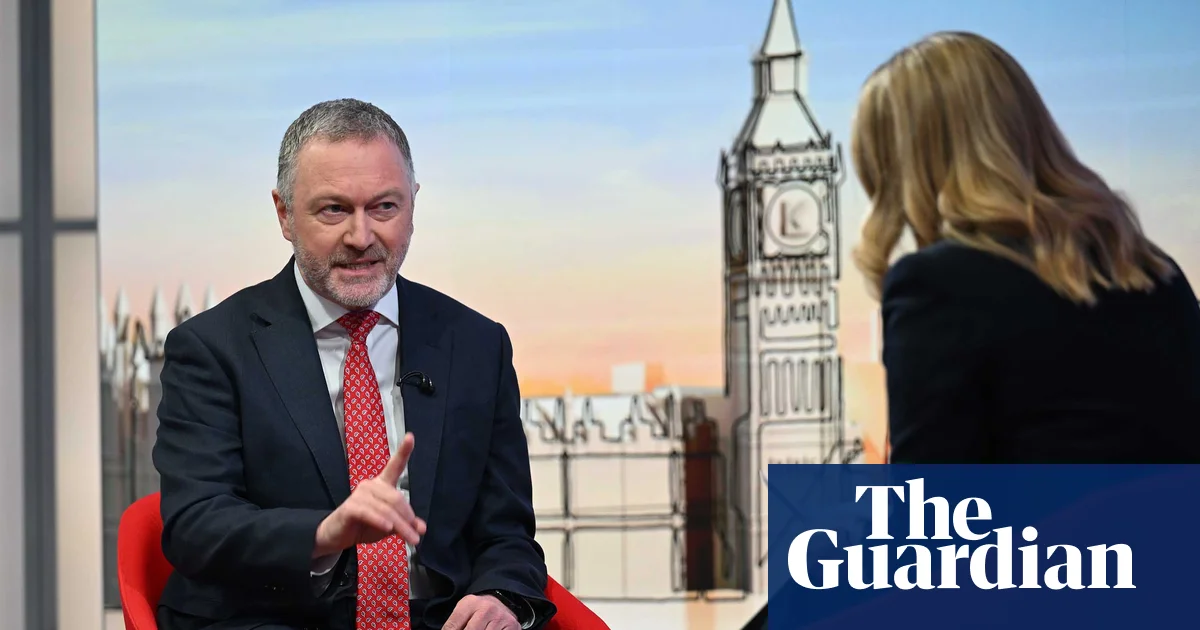
UK Minister: Iran unlikely to pose bombing threat to Britain amid US-Israel tensions

The recent missile incident involving Iran and British interests has sharply heightened tensions in a region already fraught with geopolitical complexity. Iran launched two missiles aimed at a UK-US airbase on Diego Garcia in the Indian Ocean—an unprecedented move marking what analysts describe as the longest-range attack by Iran since it was subjected to US and Israeli strikes. Although one missile was intercepted and another fell short, the incident signals a dangerous escalation that could ripple well beyond the Gulf, threatening broader regional stability.

International organizations and security analysts have closely scrutinized Iran’s actions, while governments grapple with signaling their resolve without igniting an uncontrollable conflict. Despite denials from London that Iran is capable of targeting the UK directly, the incident complicates the narrative of Iranian military restraint. UK officials, including Communities Secretary Steve Reed, have emphasized that the UK is not seeking war but is prepared to defend its interests. Meanwhile, the incident has prompted the UK to expand its military scope, allowing more aggressive actions against Iranian missile sites, including those targeting shipping lanes in the strait of Hormuz—a vital artery for global energy supplies.

Some experts warn that this episode underscores the precarious balance of power in the Middle East and the broader international stage. Historians such as Margaret MacMillan have noted that these conflicts are often shaped by miscalculations and the domino effect of military posturing. The United States has issued warnings, with President Trump threatening Iran’s energy infrastructure if the strait is blockaded again. Such aggressive rhetoric amplifies the risk of escalation, reminding the world that the decision to use force in this volatile region is as perilous as it is decisive.

U.S. and UK officials affirm their intention to avoid full-scale conflict while defending their regional allies and interests. Yet, the danger persists that misjudgments or accidental clashes could ignite a wider war. The geopolitical impact of these developments is profound, threatening to destabilize the already fragile international order and challenge the very influence of global institutions tasked with maintaining peace. As internationalists and strategists watch anxious and wary, the question remains: how will the unfolding drama of diplomatic brinkmanship shape the course of history? The region’s future hangs in the balance, and the weight of history continues to press down, as new conflicts are penned into the chronicle of a tumultuous era—an era where the decisions of today could determine the fate of generations tomorrow.
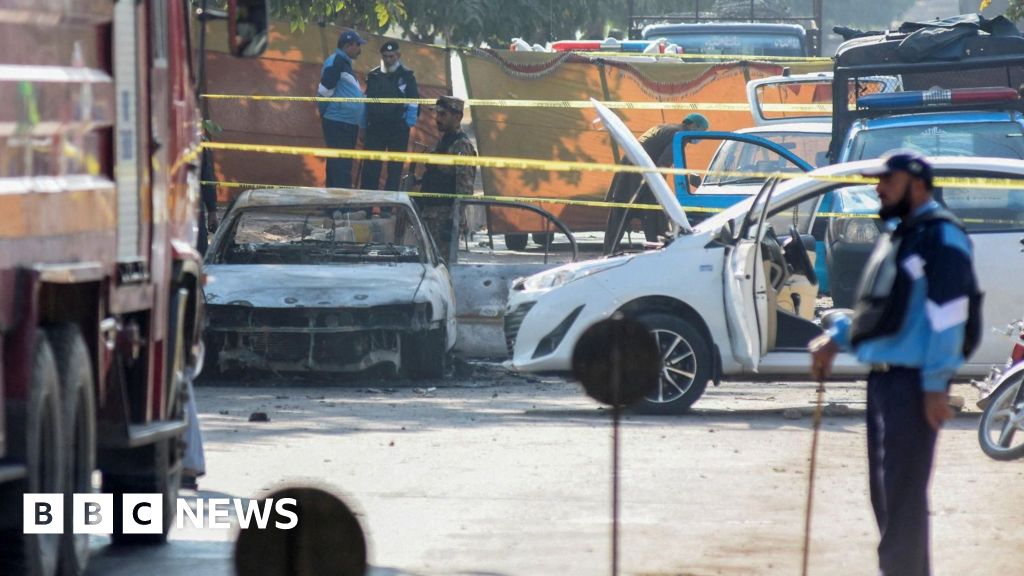

Islamabad Bombing Claims 12 Lives, Authorities Vow Justice

The recent suicide attack in Islamabad, resulting in the loss of 12 lives and devastating injuries to at least 27 others, underscores a troubling resurgence of violence in the heart of Pakistan. This attack, occurring outside a district courthouse, marks a significant deviation from recent trends, as Islamabad had largely been spared from the wave of terrorist violence that afflicted other regions of the country over the past few years. Pakistani authorities swiftly denounced the act, with Interior Minister Mohsin Naqvi emphasizing their resolve to identify and bring the perpetrators to justice. The incident, occurring at 12:39 local time, is a somber reminder of the complex internecine conflicts, regional insurgencies, and internal political strife that continue to threaten stability in this nuclear-armed nation.

Analysts suggest that this surge in violence may be indicative of deeper geopolitical shifts and internal struggles for power. Historically, Pakistan’s internal security has been challenged by militant groups linked to both state and non-state actors, often exploiting geopolitical tensions between neighboring India, Afghanistan, and superpower influences from China and the United States. The timing of this attack—coming three years after Islamabad’s last major suicide bombing—raises questions about the effectiveness of the country’s counter-terrorism policies. According to respected geopolitical analyst Rajat Sharma, such acts of violence are “a reflection of the fragile stability that underpins Pakistan’s internal security apparatus, especially in a regional climate heavily influenced by contestation over influence and sovereignty.”

In the broader context, this incident may also impact international perceptions of Pakistan. The United Nations and various regional watchdogs have often warned that fragile security in countries like Pakistan could serve as a catalyst for destabilization across South Asia. The Pakistani government now faces increased scrutiny from allies and adversaries alike—ewn governments seek stability, while militant factions aim to destabilize. As President Asif Ali Zardari condemned the attack, many regional experts pointed out the importance of strengthening societal resilience and security agencies, or risk allowing these acts of terror to spiral into broader chaos with unpredictable, possibly global, repercussions.

Historically, Islamabad’s last major terrorist event was three years ago, yet the recurrence of such violence indicates a persistent threat that could deepen regional instabilities. The international community, including actors like Russia and China, closely monitors Pakistan’s trajectory, aware that its internal security deeply influences regional and even global geopolitical balance. The significant costs of mounting internal conflicts are not only measured in lives lost but also in the fragility of international alliances, trade routes, and strategic interests spanning from the Middle East to Asia. As the dust settles over the charred remains of the scene, the weight of history presses down—these moments, fleeting yet profound, continue to shape the course of an increasingly interconnected world. Today’s violence in Islamabad could be a harbinger of renewed instability, a reminder that in the theatre of geopolitics, the stakes are nothing short of global security itself.

Social Media Auto Publish Powered By : XYZScripts.com


