Matox News

Truth Over Trends, always!

Breaking Boundaries: Rocking Grandma’s Heirlooms in a Bold Hot-Pink Cheongsam—A Teen’s Style Statement on Courage and Heritage

Rediscovering Style: The Power of Vintage Clothes in a Modern World

In an era dominated by fast fashion, the allure of vintage clothing is experiencing a renaissance among young, style-conscious individuals. With a focus on sustainability, individuality, and personal storytelling, many are turning to heirlooms and curated op-shop finds as a way to express their identity while honoring history. Standing at the crossroads of tradition and contemporary life, rediscovering older garments is more than a fashion statement; it’s a lifestyle shift that inspires confidence and connection to the past.

Take, for instance, the story of an 89-year-old woman’s wardrobe, which serves as a vibrant reminder of a life lived in bold, distinctive style. Her collection—featuring silk cheongsams, opulent coats, and heirloom accessories—embodies the shifting landscape of wellness and personal history. Style expert Chloë Felopulos highlights a vital perspective: “For many, passing on garments isn’t just about preserving fabric, but rather ensuring their stories continue.” This sentiment underscores an emerging cultural shift where the very act of passing on clothes becomes an act of legacy and self-expression.

Reimagining Vintage: How to Incorporate Old Styles into the Modern Wardrobe

Incorporating vintage pieces into everyday fashion requires a delicate balance of respect and innovation. Curator Cora Walters emphasizes the uniqueness of fabrics, labels, and craftsmanship that vintage clothing possesses—qualities that modern mass production struggles to replicate. A common challenge involves reconciling the physical constraints of heirlooms with the flexibility of contemporary tailoring. However, experts recommend playful approaches like play dress-up and mixing patterns as ways to breathe new life into old garments. For example, pairing a 60s cropped coat with gingham capri pants creates a visual harmony that feels both nostalgic and fresh, offering a fresh perspective on style that respects history while remaining practical.

  • Opt for pattern mixing to add energy to vintage outfits.
  • Experiment with color sandwiching—pairing contrasting, complementary hues for a polished look.
  • Consider alterations to modernize a piece without losing its historical essence.

Such methods showcase a confidence that transcends fleeting trends, aligning with a lifestyle that values pride in sustainability and authentic self-expression. As Felopulos suggests, whenever you wear a cherished piece with “pride,” you embed yourself into a story much larger than yourself, one woven through generations.

From Heritage to Daily Life: Setting the Scene with Vintage Accessories

Legacy accessories like a grandmother’s gold chain mail purse or ornate coat closures transform vintage clothes into versatile, meaningful elements of daily living. These items invite individuals to carry history as part of their identity, whether it’s through a weekend outing or a special dinner. The act of passing down and adapting heirlooms is underpinned by a sense of connection and continuity—a reminder that what we wear is rooted in personal history and cultural identity. As Isabella Lee demonstrates, trying on her grandmother’s cheongsam opens a dialogue about respect for tradition and the potential for reinvention, highlighting how heritage and modernity can coexist beautifully.

While the physicality of older clothes may pose practical challenges—such as sizing or comfort—the emotional and cultural impacts often outweigh these obstacles. Embracing heritage pieces requires a mindset open to adaptation and creativity. Whether through minor alterations or styling choices that honor their origins, it’s possible to craft a wardrobe that is both authentic and expressive, cultivating a sense of pride and continuity that resonates deeply in a fast-changing world.

In the end, this journey of rediscovery is more than just style—it is a narrative of resilience, connection, and the enduring value of history. Vintage clothing embodies a unique form of lifestyle activism, reminding us that embracing tradition can be a powerful act of personal and cultural reinforcement. As each piece finds its place in modern life, it’s a reflection of a broader acceptance: that style, like life itself, is an evolving story—one worth telling with pride and purpose.

Breaking Barriers: How Blind and Visually Impaired Adventurers Conquer the World

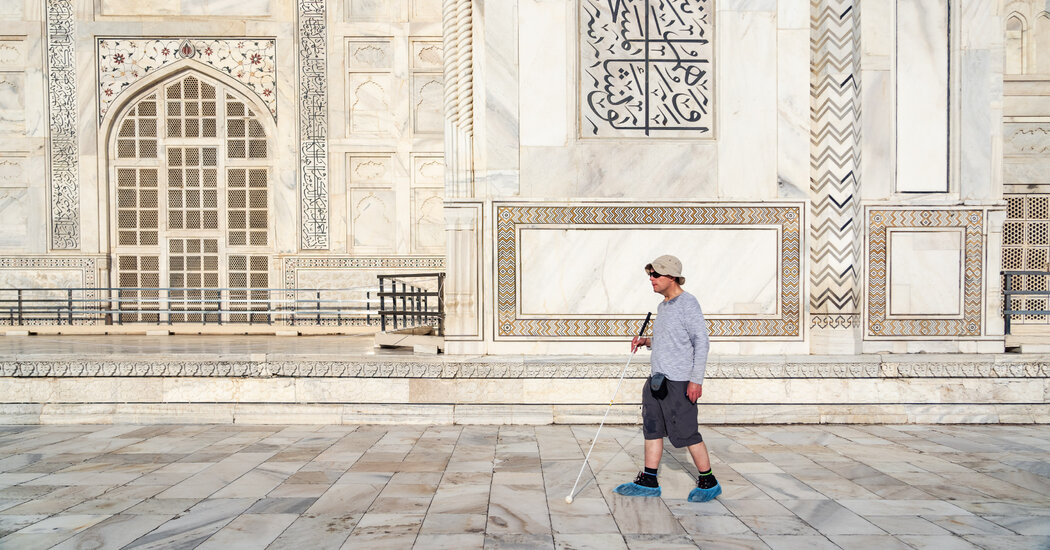
In the dawn of history, culture has been the vessel through which societies preserve their identity, remnants of tradition, and visions for the future. The contemplative journey of experiencing unfamiliar places—whether through sight or other senses—reminds us that culture is not merely a collection of artifacts or landscapes, but a living, breathing narration of human life across generations. Consider the story from the Taj Mahal’s grounds, where even the silence, the scent of perfumed air, or the echo of recited prayers, becomes a part of this grand narrative—an inner dialogue with eternity that transcends visual spectacle alone.

An Immersive Reflection on Perception and Humanity

The extraordinary narrative of a journey with Traveleyes reveals that perception is the bridge that connects the senses to our understanding of society. The founder Amar Latif, a British entrepreneur who lost most of his sight due to hereditary retinal disease, exemplifies how culture’s core lies in multisensory engagement. His company’s ingenious model—pairing blind and sighted travelers as equals—embodies a profound truth: the fullness of human experience is not confined to sight but flourishes through touch, smell, sound, and imagination. This approach reflects Ortega y Gasset’s philosophy that society’s authentic fabric is woven through shared perceptions, where empathy becomes the key to unlocking cultural depth.

The Heritage of Tradition and the Power of Imagination

As travelers of different backgrounds navigate the streets of Jaipur or Delhi, the stories they gather through tactile interaction, sensory descriptions, and emotional resonance reaffirm the belief that culture is a living memory that also prophesies the future. Chesterton’s idea that tradition is the democracy of the dead seems fitting here. These encounters remind us that cultural symbols—whether the carvings in an ancient temple or the bustling markets—are not static relics but part of a continuum that shapes identity and societal character. When Candie, who views the world through the lens of touch and scent, describes her experiences, it demonstrates that the essence of a society’s soul can be experienced beyond the visual, deepening our appreciation of its true character.

Culture Today: A Reflection and a Warning

In this age of digital spectacle, where images often dominate, the narrative of multisensory travel and shared human understanding is a timely reminder. Societies that forsake their cultural memory risk becoming nothing more than fleeting impressions, like film snippets rather than novels—engaging only the surface. Tocqueville, who explored the delicate balance between individual liberty and societal tradition, would warn against allowing the vivid and transient visual culture to drown out the subtler, enduring stories told by our customs and collective memories. Our youth, especially, must recognize that culture embodies the continuity of tradition and the prophetic voice of future generations, and that allowing it to decline is akin to losing the script of human history itself.

The Eternal Tapestry of Humanity

Ultimately, if we listen closely and look with more than just our eyes, we realize that culture is the long and lyrical story of humanity—its memory, its hopes, its prophetic visions of what humanity can become. Through the visceral experiences of sensory travelers, we find that the human spirit’s true voyage is inward as much as outward. As T.S. Eliot noted, “The only tradition that matters is the one alive in our ears and hearts today.” In this ongoing symphony of human history, we are both the custodians of a precious inheritance and the architects of a luminous future—dreamed into being through the persistent power of culture’s memory and prophecy.

Secret social app bets on breaking barriers in Saudi Arabia

Breakthrough Social Innovation: Fizz Expands Globally, Disrupting Traditional Social Media Paradigms

The launch of Fizz in Saudi Arabia signals a new frontier in how social media platforms are reshaping the digital landscape across the Middle East and beyond. Originating as an anonymous app on college campuses, Fizz has rapidly evolved into a broader, generation-defining social platform. Its innovative approach—combining location-based communities with the option for anonymity—marks a significant disruption to the dominance of established social networks like Snapchat and TikTok in the region. With a raised $40 million in funding and a presence on 700 campuses, the company’s pivot toward international expansion indicates a strategic move to seize a massive, underserved market currently dominated by regional social giants.

Global Fizz Feed: A New Model for Disruption and Innovation

  • Localized User Engagement: The Global Fizz feed enables users worldwide to connect within location-based communities, transcending the typical college demographic. This innovative feature opens doors for fresh, dynamic interactions, promoting rapid growth beyond traditional boundaries.
  • Privacy and Anonymity: By offering anonymous posting options, Fizz taps into the cultural nuances of Middle Eastern markets where privacy and social discretion play pivotal roles, challenging the nosiness and superficiality of mainstream platforms.
  • Content Moderation Powered by AI and Volunteers: Investing heavily in Arabic Natural Language Processing tools and leveraging volunteer moderators mirrors the evolving landscape of tech-enabled content moderation, a critical component for operating safely within highly regulated environments like Saudi Arabia.

Industry analysts, including those from Gartner and MIT, highlight that innovative social media platforms that prioritize localized engagement and privacy are positioned to disrupt the big tech giants. Fizz‘s approach exemplifies this trend—deploying AI for moderation while fostering community-driven oversight, it’s a model of resilience against regulatory crackdowns. As Elon Musk and Peter Thiel emphasize, disruptive innovation in social media not only alters user interaction but also influences geopolitics and business strategies. Facing an increasingly complex regulatory environment, Fizz decisively demonstrates its adaptability by raising questions about how foreign apps can operate in jurisdictions with strict controls over free speech.

Implications for Business and Future Trajectory

The global expansion of Fizz heralds a shift in the social media industry’s fundamental business model—moving from campus-oriented communities to expansive, inclusive networks, potentially revolutionizing how brands and advertisers engage with younger demographics. Its growth trajectory underscores an urgent call for competitors to innovate, with the regional social landscape likely to see further disruption as new entrants leverage AI, location-awareness, and cultural sensitivity.

As the social media ecosystem becomes more complex and geopolitically charged, the ability to navigate censorship, content moderation, and local regulations will determine survival and influence. Fizz’s cautious yet strategic approach in Saudi Arabia—without any direct government investment—places it on an intriguing path. It signals an emerging era where technology firms may forge new alliances or operate in gray zones, balancing innovation with regional compliance.

Looking ahead, the rapid internationalization of platforms like Fizz is an unmistakable sign that the future of tech is global, localized, and increasingly privacy-conscious. The urgency for established players and new entrants alike is clear: to innovate or be displaced—an accelerated race for market disruption is underway. As Fizz and similar platforms forge into uncharted territories, the entire industry faces a pivotal moment—one that could redefine not only social interaction but also the societal norms shaping our digital future.

Breaking: Bowen confirms Aussie fuel reserves rise despite canceled imports; missing Japanese tourist, 81, found alive in Tasmania—Australia news

In a strategic sea of turmoil, Australia finds itself navigating complex international waters that extend well beyond its shores. Recent reports reveal that since the outbreak of hostilities involving Iran, six out of the 81 ships ferrying fuel to the island nation have been canceled, reflecting an unsettling shift in global supply chains. Australia’s energy Minister, Chris Bowen, acknowledged the delicate nature of this situation, emphasizing that while shipments have continued, some have been diverted or canceled amid the ongoing conflict. Such international disruptions exemplify how conflicts in the Middle East ripple across the globe, directly impacting nations like Australia—a country heavily dependent on imported energy sources. Analysts warn that this could further destabilize already strained fuel markets, forcing Australia to reconsider its long-held energy security strategies.

  • Since the start of maritime disruptions, Australia has seen a marked increase in its fuel reserve, now securing a 38-day supply of petrol and 30 days of diesel and jet fuel, bolstering national resilience in uncertain times.
  • However, these efforts are under pressure, as Bowen concedes that some foreign oil exporters, primarily from Asia, are prioritizing their own needs, potentially limiting exports to Australia amidst rising global tensions.
  • The International Energy Agency has labelled this crisis as “the largest supply disruption in the history of the global oil market,” underscoring the severity and international scale of the problem.

The impact of these decisions extends far beyond fuel supplies, touching on the core of geopolitical stability and how nations respond to international conflicts. Fortified reserves and contingency planning are crucial, yet analysts caution that Australia’s reliance on foreign energy sources exposes it to vulnerability. While China and other regional powers may attempt to capitalize on the chaos, Australia seeks to strengthen local energy infrastructure, exemplified by the recent opening of Goulburn’s pioneering community-owned solar farm and battery—an emblem of resilience against global uncertainties.

International organizations and seasoned geopolitical analysts warn that the role of global supply chains in regional stability cannot be overstated. As the world faces this new era of resource scarcity, Australia’s strategic choices—such as increasing fuel reserves and promoting local renewable initiatives—become critical. Yet, the specter of international collusion, supply cuts, and escalating conflicts in the Middle East remains a stark warning that the geopolitical landscape continues to shift rapidly. In this unfolding story, the decisions made today will resonate through history, shaping the fabric of the region and the world itself in ways that could last for generations.

Swapped Spotify for an MP3 Player for a Week: Breaking Free from the Algorithm Was a Challenge, but Worth It | Life & Style

In a world dominated by instant access to unlimited streams and curated playlists, a newfound appreciation for the analog lifestyle is capturing the imagination of the next generation. This week-long experiment of living without Spotify, Apple Music, or any online streaming service revealed how a conscious shift toward traditional audio devices can profoundly impact one’s sense of connection, mental clarity, and overall wellness. As digital detoxes become more mainstream, inspired by cultural shifts and a desire to rediscover simplicity, many young people are embarking on a journey to reclaim control over their leisure and mental space, shedding the addictive scroll of endless content.

The resurgence of analog—from the revival of CDs, vintage record players like Victrola, to the reappearance of MP3 players such as the Echo Bluetooth unit—signals a cultural reinvestment in tangible, authentic experiences. Wellness advocates like Liz Pelly emphasize that disconnecting from algorithms and embracing the tactile not only fosters a more meaningful connection to music but also offers a form of mental reset from the digital overload many face daily. During this week, the personal impact was palpable: with fewer distractions, the individual reported feeling a deeper bond with the music, associating albums and artists more intentionally rather than passively consuming snippets via algorithmic playlists.

For a generation that’s increasingly aware of smartphone addiction and constant connectivity, these shifts highlight a broader lifestyle movement: a conscious effort to embrace wellness through simplification. Practical daily hacks—such as carrying a portable MP3 device, investing in a retro record player, or downloading podcasts directly via RSS feeds—are empowering youth to regain focus, enhance creativity, and improve overall mental health. Travel and leisure routines are also transforming, with more adventurous young explorers seeking hidden gems and off-the-grid experiences, often armed with vintage tech and a mindful attitude towards screen time. Such typical lifestyle hacks are shared on platforms like The Guardian’s VidaTrend, emphasizing that less often equals more in a fast-paced world.

This movement also deeply influences personal wellness. Studies have linked excessive screen time with heightened anxiety and reduced mental clarity. As young people opt for less digital distraction, they experience greater focus, emotional resilience, and authentic leisure. The journey of a week without streaming underscores that disconnecting from the digital can be an act of self-care, fostering a richer emotional landscape through music in full, intentional listening, and silence. While antiquated technologies might seem counterintuitive in our hyper-connected era, they serve as _reminders that true wellness thrives in balance, not excess_.

As life continues to move at a relentless pace, the importance of embracing the analog offers a lesson: that lifestyle is fundamentally about intentionality. Choosing what to consume, how to spend leisure time, and how we engage emotionally with art becomes a conscious act of self-empowerment. Connecting with tangible objects and simple routines restores a sense of authenticity, making each moment more meaningful. It is perhaps this very process that resonates most deeply—the idea that lifestyle is not just about possessions but a personal journey toward well-being, focus, and inspiration. As individuals take these small but profound steps, they forge a path into a world where balance and authentic connection reign supreme—an evolving landscape where less truly becomes more in shaping a life worth living.

Breaking: Reports Claim Ayatollah Khamenei Dead Amid US-Israel Tensions with Iran

The geopolitical arena has reached a volatile flashpoint following revelations of a severe escalation in Iran. Iran’s Revolutionary Guards declared intentions to unleash the “most ferocious” operational assault in its history against US and Israeli military targets, signaling a dramatic shift in the Middle East’s longstanding regional tensions. This declaration coincides with an unprecedented wave of missile and drone strikes across Iran, which have already resulted in over 200 civilian casualties, according to Human Rights Activists News Agency. The ripple effects are cascading through international relations, raising questions about future stability and the potential for a broader conflict that could threaten global peace.

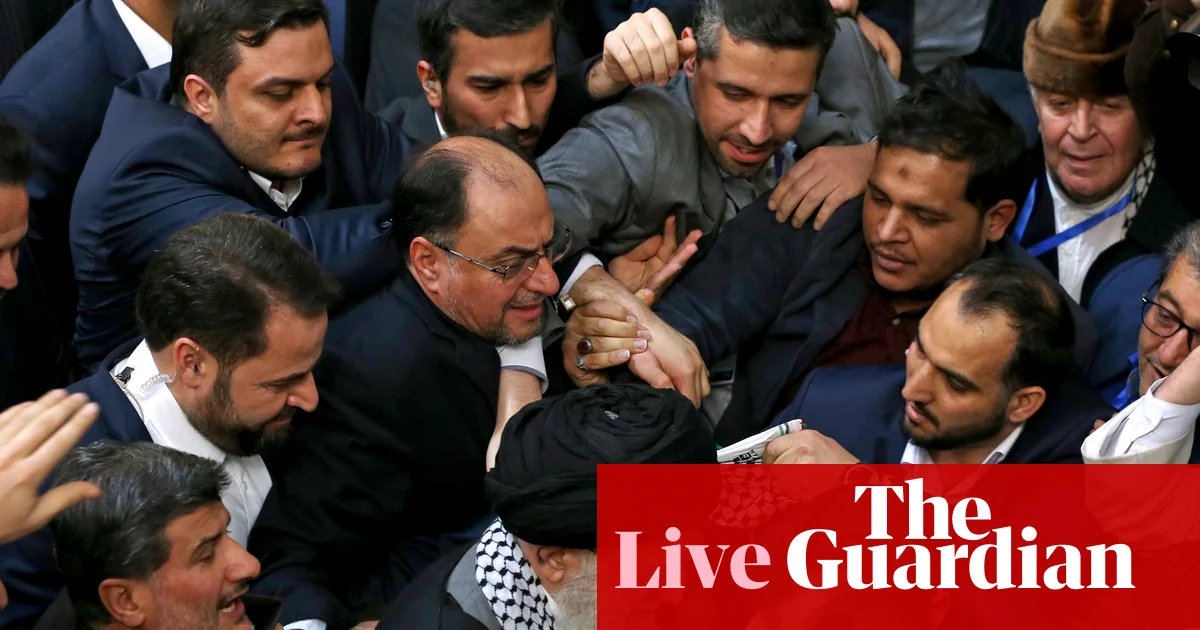
In an extraordinary turn of events, reports suggest that Iran’s supreme leader, Ali Khamenei, has been killed amidst the ongoing chaos, with claims originating from US President Donald Trump and later corroborated by Iranian state media. This sudden vacuum of power portends a perilous period of political uncertainty, reminiscent of Iran’s struggles post-1989, when the death of Khomeini triggered a reconfiguration of its leadership. The Assembly of Experts is under intense pressure to rapidly select a successor, and the interim leadership council, appointed to manage operations temporarily, faces mounting dependencies amid a rapidly evolving crisis. Such shifts threaten to destabilize Iran’s fragile political order and could embolden radical factions, increasing the likelihood of unrestrained military escalation.

The geopolitical impact of these developments extends beyond Iran’s borders. Iran’s retaliatory strikes across six countries, including a missile attack that wounded 22 in Tel Aviv and fires on the iconic Burj Al Arab and Fairmont hotel in Dubai, have pulled regional alliances—and their undercurrents—into sharp focus. Meanwhile, UAE forces intercepted the majority of over 130 missiles launched at their territory, yet at least one person was killed at Abu Dhabi’s Zayed International Airport. How nations respond to Iran’s upheaval will define the Middle East for decades to come. The broadest concern among global strategists is how this chaos influences the already delicate balance between power and diplomacy, especially as China urges restraint and respect for Iran’s sovereignty, warning against further escalation. The U.N. Security Council’s emergency session underscores the urgency for immediate de-escalation, yet the deeply entrenched interests and conflicting alliances suggest that this crisis could spiral into an unstoppable chain of events.

This unfolding chapter signifies more than just regional conflict; it exemplifies a pivotal moment where decisions made today could forge the world’s future landscape. As Western powers grapple with supporting their allies and maintaining stability, Russia and China are positioning themselves as defenders of sovereignty, challenging the prevailing narrative of interventionism. The divide widens with the United States’ Republican factions overwhelmingly endorsing the attack, contrasted sharply by Democratic voices condemning the aggression as unlawful. Such divisions within the U.S. reflect broader debates about the very nature of American foreign policy and its enduring role on the world stage.

In the shadow of this turmoil, the echoes of history command attention. The world stands at an uneasy crossroads, where the choice between reconciliation and conflict could either usher in a new era of diplomacy or plunge the Middle East—and perhaps the global order—into chaos. The fires ignited by Iran’s leaders, and the fateful power vacuums now forming, threaten to etch this tumult into the annals of history. As nations brace for the long shadows of war, the weight of these defining moments remains heavy upon the shoulders of all — a reminder that in the theater of geopolitics, peace is often but a fragile illusion, easily shattered beneath the weight of power and ambition.

Neil Sedaka, Legendary Singer of “Breaking Up Is Hard to Do,” Passes at 86

The recent passing of Neil Sedaka, a legendary singer-songwriter whose melodies transcended generations, marks the end of an era not just for fans but also for a world increasingly shaped by shifting cultural and political tides. Sedaka’s life, beginning as a child prodigy in >New York and culminating in international acclaim, exemplifies the profound ripple effects that individual talents can have on the cultural landscape—yet, in the broader context, also underscores the turbulent geopolitics that have alternated influence and control across nations.

Initially celebrated as a cultural icon in the United States, Sedaka’s career was interrupted by the shifts wrought by the British Invasion, symbolizing how geopolitical and cultural exchanges often influence individual destinies. His story is echoed in how international organizations like UNESCO and WTO analyze the consequences of such shifts—not merely as cultural phenomena but as arenas where economic and political power struggles play out. The Cold War-era tensions, which once limited cultural exchanges with places like Moscow, come to mind: Sedaka was briefly invited to perform at the Tchaikovsky Conservatoire in Moscow in 1956 but was disinvited due to ideological tensions, illustrating the extent to which geopolitics intruded upon cultural diplomacy. These decisions, as historians argue, reflected the broader ideological divide between East and West, shaping alliances and enmities that continue to influence international relations today.

  • The British Invasion in the ’60s decimated many American musical careers, including Sedaka’s, revealing how cultural dynamics often mirror military and political conflicts.
  • His collaboration with artists like Abba and song contributions for icons like Rosemary Clooney and Cher demonstrated an interconnectedness—yet underscored how economic alliances in the music industry are often driven by broader geopolitical currents.
  • Historian analysts emphasize that such cultural exchanges serve as soft power tools, shaping national identities and societal values, as seen during the Cold War when music and arts became proxies for ideological battles.

As the world navigates its current era of turbulence—marked by conflicts over resources, borders, and influence—Sedaka’s passing invites reflection on the enduring influence of cultural icons as silent witnesses and agents of change. Underlying his story is an *urgent reminder* about how decisions at the geopolitical level ripple through societies, influencing lives, careers, and even cultural identities. World leaders and international institutions must heed this legacy, understanding that the cultural fabric of societies is often just as pivotal as traditional power structures in shaping future global stability. As history continues to unfold, the footprints left by icons like Sedaka serve as a testament to the interconnectedness of cultural resilience and geopolitical realities—each shaping the other in an ongoing narrative of influence, conflict, and hope.

Breaking: Australia evacuates diplomat families as Middle East tensions flare

Global Political Tensions Escalate as Middle East and Domestic Policies Shift

The geopolitical landscape in 2026 remains as volatile as ever, with recent developments signaling profound consequences for nations worldwide, especially Australia and its regional allies. In a striking move, Australian Prime Minister Anthony Albanese has ordered the evacuation of diplomatic families from Lebanon and Israel amid escalating regional tensions and the unpredictable trajectory of conflicts in the Middle East. This decision underscores a deeper shift in international security policies, as governments reassess risks in an era of renewed geopolitical volatility.

Diplomatic missions in Tel Aviv and Beirut are now operating under heightened alert, with DFAT (Department of Foreign Affairs and Trade) strongly advising citizens to reconsider travel and prepare for possible further evacuations. The increased regional tensions, compounded by the recent outbreaks of violence and threat of military conflict, have raised alarms among global analysts and historians. The situation’s unpredictability echoes the caution expressed by international organizations and security experts who warn of the potential for sudden escalation—an ominous sign that the Middle East remains a powder keg, threatening to ignite wider conflicts that could reshape the Arab-Israeli landscape and influence global oil markets and strategic alliances.

Back home, NSW Premier Chris Minns has announced urgent legislative measures aimed at combating a surge in hate crimes against gay and bisexual people. This comes on the heels of reports detailing Islamic State-inspired violence targeting vulnerable communities. Minns emphasized that policymakers are considering “massive new penalties” designed specifically to confront this reprehensible behavior, portraying it as a return to a darker chapter in Sydney’s history. Such domestic security measures reflect a broader trend where nations tighten laws versus ideologically driven violence, signaling a shift toward more authoritarian policies justified by national security concerns. Internationally, many analysts interpret this as a fundamental redrawing of societal boundaries in response to both internal and external threats, influencing youth and marginalized communities profoundly.

  • Faced with recent attacks, Australia’s government has taken proactive steps to safeguard its citizens, including deploying increased police resources and proposing harsher penalties for hate crimes, aligning with warnings from global security experts that ideological violence could destabilize democracies.
  • Simultaneously, the Middle East remains on a knife’s edge as regional powers, supported by international actors, navigate a budding conflict that analysts warn could destabilize entire sectors of the global economy.
  • In Europe and elsewhere, governments are witnessing a resurgence of nationalist sentiments, arguing that sovereignty and security must take precedence as open borders and international agreements come under scrutiny.

Historians caution that such moments in history often serve as catalysts for sweeping change, where decisions made today will echo through generations. The ongoing crisis in the Middle East, coupled with countries adjusting their internal policies—be it Australia’s crackdown on hate crimes or other nations tightening immigration and security protocols—represents a pivotal phase in the global order. As experts continue to warn of the potential for unforeseen escalation, so too does the weight of history remind us: this is a time when nations’ fates are intertwined, and the choices of today could well define the world of tomorrow.

With the region’s stability hanging by a thread and societies grappling with internal divisions, the world watches with bated breath. The pages of history are turning once again, and in these uncertain times, the most profound questions remain: what legacy will we leave behind? and how will the emerging chaos shape the societies of the future?. As the sun sets on this chapter, the weight of countless lives and nations rests heavy on the scales of history, waiting to see what the dawn will bring.

Breaking: PM claims he ‘volunteered’ support to sideline Prince Andrew; One Nation trails Labor in latest poll | Australia news

Global Power Dynamics in 2026: A Shifting World Order

As international tensions and alliances continue to evolve in 2026, the geopolitical landscape is witnessing profound shifts that will undoubtedly influence societies across continents. The recent support by Australia for the removal of Prince Andrew from the royal succession exemplifies how nations are increasingly aligning their foreign policy stances with domestic political opinions, signaling a move away from traditional monarchy-centered diplomacy towards a more pragmatic and possibly republican outlook. Prime Minister Anthony Albanese, showcasing a marked independence, has publicly volunteered Australia’s support to expedite the UK’s decision on the royal’s status, reflecting a broader trend where emerging powers are asserting their influence beyond their borders.

Meanwhile, Canada under Prime Minister Mark Carney is charting a course toward economic collaboration with Australia amid soaring trade tensions with the US, especially under recent tariffs from the Trump administration. Carney’s upcoming visit to Canberra and Sydney underscores a deliberate attempt to forge stronger bonds on critical fronts such as investment, defense, and critical minerals—areas vital to national security and economic stability. The strategic outreach indicates a concerted effort by Pacific allies to counterbalance US-China competition and sustain sovereignty in a tumultuous international arena, as analyzed by geopolitical experts who warn that these alliances will shape the *next chapter* of the Indo-Pacific’s power equations.

Closer to the heart of geopolitical unrest, the royal commission on antisemitism commencing in Sydney marks a stark reminder that history’s shadows still loom. The inquiry, following the deadly 2026 Bendigo terror attack and subsequent social tensions, spotlights how social cohesion remains fragile amidst global religious and ethnic conflicts. Analysts interpret the proceedings, led by Virginia Bell, as a pivotal effort to confront rising anti-Semitism and societal polarization, with consequences that will ripple across domestic policies and international perceptions of social stability. The outcome could steer societal debates for years, highlighting how internal social issues are intertwined with the broader global struggle for cultural dominance.

  • Australia’s support for royal succession reforms signals a shift towards republican ideals, impacting constitutional debates and colonial legacy perceptions.
  • Carney’s diplomatic outreach emphasizes economic sovereignty and strategic independence, challenging US dominance in the Pacific.
  • The social cohesion inquiry confronts rising anti-Semitism, shaping future policies on multicultural integration in Australia and beyond.

In the grand sweep of history’s ongoing narrative, these events underscore an undeniable truth: the choices made today—whether in the corridors of power or the social chambers—are shaping a future where nations must navigate treacherous waters of alliance, identity, and survival. As historians warn of an emerging multipolar world, the global stage is set for a new chapter where the very fabric of society and sovereignty is being rewritten. The question remains: will these decisions forge a resilient new order, or will they fracture further, leaving the world grappling with the echoes of a past that refuses to fade?

Breaking Down the Minneapolis Shooting: What Really Happened

Escalating Tensions in U.S. Immigration Enforcement: A Reflection of Broader Geopolitical Shifts

In recent weeks, the United States has faced intense scrutiny over its approach to immigration enforcement, with the tragic killing of Alex Pretti, a 37-year-old Minneapolis resident, capturing international attention. Footage obtained from multiple angles by BBC Verify depicts the moments preceding the fatal encounter involving federal immigration officers. The disturbing images and detailed analysis reveal a pattern that underscores a broader concern: the escalating use of force amidst border and immigration operations, which are increasingly becoming flashpoints of controversy both domestically and globally.

This incident occurs merely less than three weeks after the fatal shooting of Renee Good by an immigration agent in the same city. Such repeated tragedies highlight underlying issues within the U.S. immigration enforcement system—an apparatus often criticized by international human rights groups and analysts for its aggressive tactics and perceived lack of accountability. Historians have long debated whether U.S. immigration policies are evolving towards a more authoritarian stance, or if these are isolated incidents driven by short-term political pressures. Regardless, the ripple effects extend beyond national borders, influencing global perceptions about American values, sovereignty, and the rule of law.

Global Context and Geopolitical Impact

In the context of international geopolitics, these domestic incidents take on a broader significance. The U.S., often seen as a leader in democratic norms, appears increasingly divided over border security and immigration policies. Decisions made within the Beltway carry profound implications for transnational security and economic stability. Countries across the world observe these events, interpreting them as signs of a shifting paradigm—one where internal security measures are perhaps prioritized over individual rights and due process. The increase in such incidents contributes to ongoing debates at the United Nations and other global bodies regarding human rights standards, sovereignty, and the limits of government authority.

Many analysts argue that these tragedies reflect a broader societal crisis—a clash between law enforcement practices and societal values centered on human dignity. International organizations, such as Amnesty International, warn that unchecked use of force not only damage America’s international reputation but also serve as cautionary tales for other nations contemplating similar aggressive policies. The implications of such actions are significant, potentially fueling anti-American sentiment and inspiring other nations to adopt even harsher measures in their own border enforcement efforts.

The Role of Media, Public Opinion, and Future Directions

Critical media outlets and public figures are calling for accountability, emphasizing the need to reevaluate immigration enforcement strategies. As the global community watches with concern, the debate intensifies: should nations prioritize national security at the expense of civil liberties? The U.S. faces mounting pressure from advocacy groups and international watchdogs to reform practices, emphasizing transparency and adherence to human rights standards. The political landscape remains volatile, with proposed legislation and executive actions capable of either curbing excessive force or further emboldening enforcement agencies.

Conclusion: An Unfolding Saga of Justice and Power

Meanwhile, as the world teeters on the edge of shifting moral and political boundaries, the story remains far from over. The casualties of these confrontations serve as a stark reminder that the decisions made today—whether regarding border control, immigration policy, or law enforcement—will echo through history. Every act of violence, every policy shift, shapes the fabric of societal justice and international reputation. The weight of history hangs heavy, as nations grapple with the profound questions of sovereignty, morality, and power—prompted by moments like the killing of Alex Pretti, which may seem isolated but are, in truth, part of a larger narrative that continues to unfold.

Social Media Auto Publish Powered By : XYZScripts.com