Matox News

Truth Over Trends, always!

Gillian Anderson and Cara Delevingne Bring Star Power to Cannes Amid Heavyweight Filmmakers

Cannes 2026: A Reflection of Geopolitical Shifts and Cultural Power

The 79th Cannes Film Festival underscores a pivotal moment in international cultural diplomacy, offering more than just cinematic artistry; it serves as a mirror to the shifting geopolitical landscape. This year’s lineup, notably dominated by European, Asian, and Middle Eastern directors, signals a conscious move away from American dominance in global arts, reflecting broader tensions and strategic realignments. With nearly 2,500 submissions from 141 nations—an increase of over 1,000 entries compared to a decade ago, according to festival director Thierry Frémaux—Cannes exemplifies the growing importance of cultural platforms in shaping global narratives amid a world increasingly divided along ideological and economic lines.

Of particular note is the *near absence* of American directors in the main competition, with only Ira Sachs’ The Man I Love representing the U.S. in what many analysts interpret as a subtle yet clear shift of cultural influence. Historically, Hollywood’s dominance endowed U.S. cinema with unmatched soft power; however, this year’s selection indicates an emerging trend of *decentralization*, where regional storytellers are gaining prominence on the world’s stage. Meanwhile, the inclusion of exiled Russian auteur Andrey Zvyagintsev with Minotaur—a political thriller probing Russian societal fissures—marks a daring divergence from traditional narratives, asserting the film industry’s role as a battleground for geopolitical discourse. As noted by geopolitical analysts, such films function as cultural battlegrounds, influencing international public opinion and psychological warfare.

The festival’s focus on themes like *rivalries*—from football identities to Cold War allegories—further underscores how cultural expressions are intertwined with national identity and diplomatic conflicts. The documentary on Eric Cantona, a football legend turned cultural icon, and the film exploring *1966 *World Cup* “hand of God” incident, echo simmering tensions in South America, particularly over historical disputes like the Falkland Islands. These narratives not only entertain but also act as symbolic battlegrounds for historical grievances, reminding viewers of the inescapable intersection between sport, politics, and identity. Such films can influence how nations perceive each other, potentially shaping diplomatic sentiments in subtle yet powerful ways.

International organizations and cultural critics alike emphasize that art, especially in a festival of Cannes’ stature, serves as a *proxy battleground* for larger geopolitical conflicts. The rise of global competition in cinema reflects a broader struggle for cultural supremacy in a world where alliances are volatile and influence is often wielded through soft power. The festival’s evolving program highlights the importance of storytelling as a means to contest narratives and claim ideological space. As historians warn, these cultural battles—hidden within award campaigns and cinematic debates—may presage future diplomatic shifts, and the decisions made in Cannes could reverberate far beyond the red carpet, echoing in the corridors of power for years to come.

In the theater of history, the *unfolding* stories showcased at Cannes serve as crucial chapters in the ongoing contest for influence, prestige, and narrative control. As young audiences around the world tune in, the films presented this year will contribute to a complex tapestry of cultural diplomacy—where cinema is not merely entertainment but a strategic instrument wielded in the grand chessboard of international power. The weight of such moments remains profound, for behind every film and nomination lies a larger story: the relentless pursuit of influence, identity, and sovereignty—all unfolding on the stage of human history.

“You, Me & Tuscany”: Halle Bailey and Regé-Jean Page Bring Bright, Feel-Good Vibes to This Must-Watch Rom-Com for Young Trendsetters

As cherry blossom season blooms across the globe, a fascinating cultural shift is quietly taking root. While winter’s Heated Rivalry made us cozy and combattive from the comfort of our homes, this spring sees a new wave of inspiration: embracing classic romance amidst picturesque landscapes, especially in the evocative setting of Tuscany. The latest romantic comedy, You, Me & Tuscany, directed by Kat Coiro, taps into an age-old desire—fostering genuine human connections that transcend borders and societal expectations, all set against a sun-drenched Italian backdrop. This trend isn’t just about escapism; it’s a reflection of society’s longing for authenticity, emotional depth, and the celebration of cultural beauty.

Romance Reimagined: From Screen to Society

The cinematic influence of You, Me & Tuscany extends beyond mere entertainment. It symbolizes a cultural pivot towards valuing experiences that prioritize emotional vulnerability, scenic beauty, and local authenticity. The film’s narrative bears striking resemblance to the beloved 1995 rom-com While You Were Sleeping. Both movies revolve around a lonely young woman—Anna Bailey’s character—who dreams of a bigger life and finds herself entangled in a romantic quagmire involving rugged, yet charming Italian brothers. This juxtaposition of romantic idealism and cultural realism resonates deeply in today’s social climate, where virtual interactions are often replaced or supplemented by real-world connections and adventures. Influencers like Halle Bailey and Regé-Jean Page personify this shift, embodying the fresh, diverse faces of a rejuvenated romantic ideal that appeals to a younger, global demographic.

The Cultural and Social Impact

This renewed focus on romance and travel sparks a broader societal conversation. It underscores a collective desire to reconnect with authentic traditions—be it through culinary exploration, scenic adventures, or meaningful relationships. Trends such as

  • destination weddings in Italy
  • virtual wine tastings from vineyard tours
  • romantic weekend getaways inspired by cinematic portrayals

emerge as tangible expressions of this cultural revival. Influencers and sociologists alike highlight the significance of embracing local heritage and storytelling as pivotal components in shaping modern lifestyles. Hollywood’s portrayal of Italy as a romantic, culturally rich haven further fuels this movement—inviting audiences to envision their own stories unfolding beneath Tuscan sunsets.

The Future: More Than Just a Hollywood Dream?

While films like You, Me & Tuscany captivate with their charming cast and picturesque settings, the question remains: Are we witnessing the dawn of a true societal shift? Will the desire to find authentic love and adventure push more to adopt the romantic, experiential lifestyle that these stories celebrate? Or is this simply a fleeting trend—another way for culture to indulge in visual escapism? With social theorists raising questions about the long-term influence of such romantic narratives, one thing is clear: the next big question is whether this cinematic inspiration will translate into a broader movement that redefines how society values real-world connections over virtual ones, and adventure over routine. As younger generations seek purpose in meaningful relationships and cultural immersion, the future of this trend could very well be the next chapter in our collective story of love, life, and discovery.

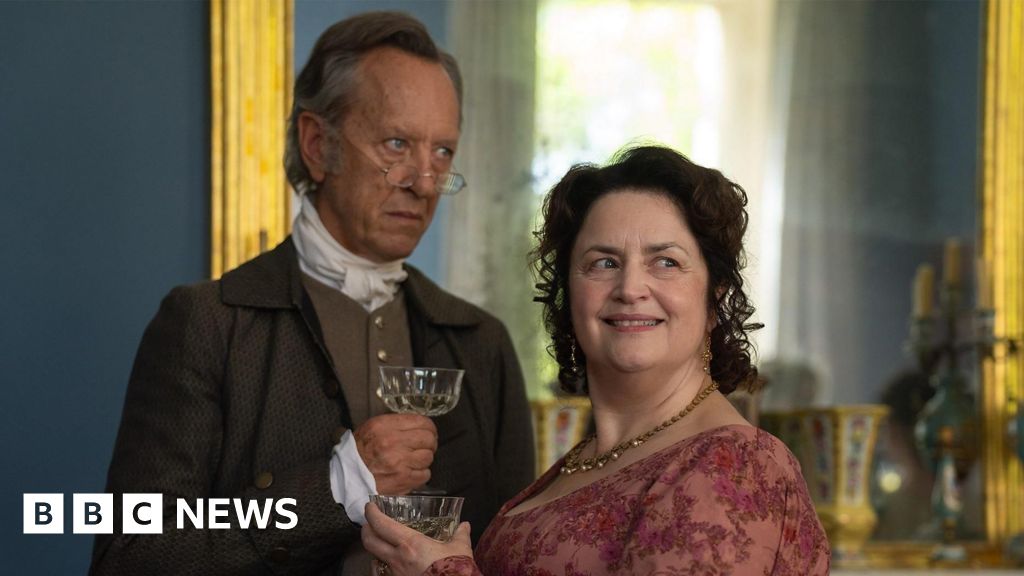
Jones and Grant Bring Austen-Style Romance, Hyping Healthy Early Love

In a period marked by rapid geopolitical realignments, international attention increasingly turns to cultural developments as indicators of societal resilience and ideological shifts. The recent debut of The Other Bennet Sister, a BBC drama starring Ruth Jones and Richard E Grant, exemplifies a broader trend where the arts serve not only as entertainment but as a mirror reflecting contemporary values and tensions. Such productions, particularly from influential outlets like the BBC, do more than entertain—they shape narratives around national identity, history, and cultural continuity, with echoes reaching across the global stage.

Experts argue that cultural exports—be they television dramas, films, or literature—play a pivotal role in shaping international perceptions of a nation’s identity. In an era of soft power conflicts, where economic and military rivalries are well-documented, culture provides a subtler yet potent arena for asserting influence. Historian Dr. Helen MacIntyre notes that the narratives constructed around historical figures and societal archetypes, such as those in classic adaptations, serve to foster a sense of shared history and values. As international institutions like UNESCO emphasize the preservation of cultural heritage, nations are increasingly aware of the importance of controlling their stories—especially those broadcast globally—since they impact diplomatic relations and public perceptions worldwide.

The production of The Other Bennet Sister, based on the beloved Jane Austen universe, symbolizes this dynamic. It demonstrates how the arts continue to be a battleground for ideological influence, subtly aligning cultural narratives with broader political agendas. For many nations, especially those with a keen interest in safeguarding traditional values, such adaptations reaffirm societal identities in the face of rapid modernization and globalism. Conversely, critics warn that exclusive reliance on nostalgia and historical framing can impede progress, reinforcing divisions rather than fostering unity. Analysts observe that these cultural dialogues often serve as prelude scenarios to larger geopolitical contests, where influence within international cultural spheres translates into soft power leverage.

Indeed, international organizations such as the United Nations Educational, Scientific and Cultural Organization (UNESCO) have begun to scrutinize how cultural diplomacy affects diplomatic partnerships and global stability. The role of influential media in shaping perceptions across divided regions underscores a shift where societal narratives directly influence diplomatic standings. While some nations leverage cultural exports to extend influence, others resist foreign narratives that threaten their sovereignty. The ongoing cultural battles, therefore, are not merely about entertainment—they are intertwined with strategic interests that could redefine alliances, social cohesion, and even economic development. As global tensions mount and history continues to unfold, the arts remain a mirror and a battleground for societies seeking to forge their identities amid shifting power dynamics.

In this tense and transformative era, each cultural endeavor echoes with the weight of history and foresight. The fate of nations could very well be shaped by the stories they choose to tell—and how these stories resonate across borders and generations. As world leaders and societies grapple with their postures on the international stage, the enduring question remains: whose narrative will ultimately prevail? One thing is certain—the story of our times is far from finished, and the coming chapters may yet redefine what it means to be a nation in an interconnected and tumultuous world.

Alta Teams Up with Public School to Bring Sharp Styling Tools to Your Favorite Sites

Revolutionizing Fashion with Virtual Reality: Alta Sets the Stage for Industry Disruption

In a bold move demonstrating the transformative power of artificial intelligence (AI) and virtual environments, Alta, an innovative tech startup founded by Jenny Wang, is carving a niche at the intersection of fashion and digital innovation. Having secured an $11 million funding round led by Menlo Ventures, Alta is pioneering a virtual closet ecosystem that allows millions of users worldwide to create digital wardrobes, style outfits, and try them on using hyper-realistic avatars. This disruption is not merely a flashy display of technology—it’s a strategic overhaul of how consumers interact with brands, heralding a new era where digital and physical shopping converge seamlessly.

The business implications are profound: traditional retailers are facing mounting pressure to adapt to these rapid technological shifts. Alta’s collaboration with industry heavyweight brands such as Public School exemplifies how established designer names are embracing AI-driven storytelling and immersive customer engagement. As Wang highlights, the company’s app has already generated over 100 million outfit simulations since its 2023 launch, attracting attention from publications like Time and Vogue—a clear marker of mainstream industry recognition. This datastream signals a pivotal shift towards personalization and immersive shopping experiences, compelling brands to rethink their digital strategies if they are to stay competitive.

What makes these developments standout is the integration of digital fashion with e-commerce platforms. Alta’s platform now features interactions with thousands of brands, providing a direct avenue for consumers to style, test, and purchase fashion items within a unified AI-driven environment. Notably, the recent integration with Public School signifies a major milestone—marking the first time a high-profile designer embeds a fully personalized avatar styling tool directly into its website. This innovation fundamentally alters the consumer journey: shoppers can now style pieces on their Alta avatar directly from brand pages, removing friction and increasing engagement. Such features signal a future where digital try-ons become standard, shifting power away from brick-and-mortar stores and into the hands of data-driven, digitally native brands.

Looking ahead, industry analysts from Gartner and MIT suggest that these must-have technologies will influence broader retail strategies across sectors, blurring the lines between digital entertainment, social media, and commerce. As The Economist warns, the rapid adoption of avatar personalization and AI-enhanced storytelling could lead to “industry disruption on a scale comparable to the advent of online shopping itself.” For entrepreneurs, investors, and established players alike, the message is clear: embracing virtual innovation is no longer optional—it’s imperative for survival. The next wave of tech-driven fashion brands will leverage these tools to personalize experiences at scale, fostering loyalty and unlocking new revenue streams.

In this swiftly evolving landscape, Alta and its peers are setting the pace for a future where virtual identities, AI, and digital fashion not only disrupt but redefine consumer interaction. With investments pouring in and visionary brands like Public School actively integrating these innovations, the race is on to harness these breakthroughs at an industry-wide level. For those who ignore these signals, the risk is clear: being left behind as the digital revolution in commerce accelerates at a relentless pace. The future of retail is digital, personalized, and undeniably disruptive—those who adapt today will dominate the markets of tomorrow.

Savannah Guthrie vows: “We will pay” to bring mother back safely

The recent report circulating globally about Nancy Guthrie, an 84-year-old woman rumored to have been abducted, marks a critical juncture in international security and diplomatic relations. The plea from a US news anchor—quoting, “We received your message”—highlights the urgent humanitarian crisis that has captured attention across diplomatic circles and media worldwide. Though details remain scarce, the implications underscore the complex web of geopolitical tensions and the fragility of peace in an era increasingly defined by international disputes and diplomatic failures.

Experts from think tanks and international organizations emphasize that such incidents are rarely isolated. The possible abduction of a civilian—particularly in a context where reports suggest political or territorial motives—could serve as a catalyst for broader regional instability. Analysts warn that this situation may be intertwined with ongoing conflicts or behind-the-scenes negotiations involving major powers vying for influence. The incident raises alarms about how individual vulnerabilities are exploited amid geopolitical rivalries, transforming personal tragedies into symbols of larger strategic conflicts. Ultimately, the fate of Nancy Guthrie could become a battleground for power plays, with global repercussions that extend far beyond her family’s grief.

The international community watches intently, with nations recognizing that decisions made in the coming days will shape regional stability. The ongoing crisis could influence the actions of United Nations members and regional alliances, pressuring leaders to respond decisively or risk emboldening actors who thrive on chaos. In some circles, this incident underscores the importance of assertive diplomacy and resilience—a stance that many argue should be taken to defend national sovereignty and safeguard citizens. Historian Dr. Samuel Ortiz notes that in history, such critical moments—when personal security intersects with international diplomacy—often serve as turning points, demanding renewed resolve from world leaders.

As the international arena remains tense and volatile, the enduring question remains: how will this case influence the future of geopolitical negotiations? Will it serve as a wake-up call for greater cooperation, or will it deepen divisions and fuel further conflicts? The unfolding narrative bears witness to history in the making, reminding us that behind every diplomatic handshake lies the human toll of unresolved disputes. The world waits with bated breath—knowing that the decisions made today will echo for generations, as history continues to be written in the shadows of crisis and hope.

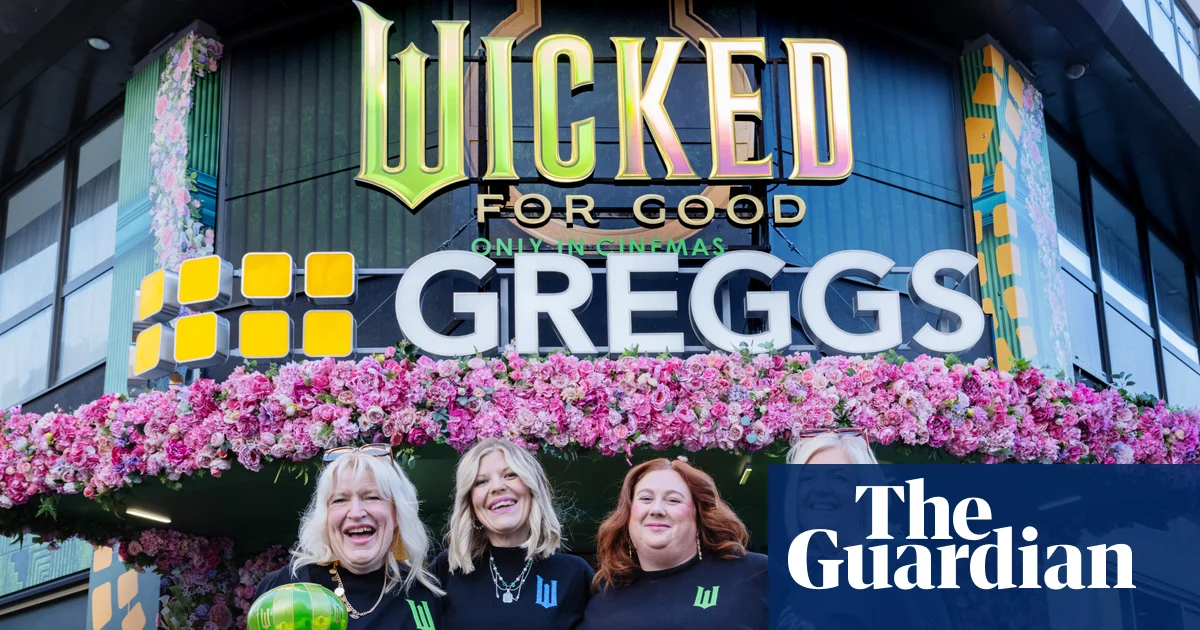
Bring the Magic to Leicester Square: Wicked Fans Light Up the Night with Fancy Dress Fun

In recent weeks, a fascinating cultural shift has taken hold among young moviegoers and fans of musical theater alike. Outside theaters and cinemas, crowds are gathering not only to watch the latest blockbusters or beloved musicals but to embody them through *themed dressing*. This phenomenon is no longer just about costume parties or quick Instagram posts; it’s evolving into a vibrant expression of identity, community, and societal values. The fervor around “Wicked” in the UK, especially with its opening in cinemas, has sparked a wave of fans turning their enthusiasm into full-fledged fashion statements—coordinated sets, glitter, and character-inspired outfits—transforming movie premieres into living, breathing art festivals.

At the heart of this movement is the idea that ***dressing up*** provides a shortcut to community and connection. For Nicola Deane and her sister Chloe, traveling all the way from Ireland to dress as Elphaba and her sister exemplifies how costumes transcend simple fashion. “Elphaba’s a bit of a badass, and I think I am too,” Nicola shares, emphasizing how this practice helps fans feel empowered and aligned with characters who embody strength, magic, and defiance. Sociologists like Dr. Amelia Harris suggest that this trend is a *reaction to a post-pandemic desire for collective joy* — an effort to reforge social bonds through shared experiences in an era where digital interactions often replace physical presence. Dressing in themed attire becomes a ritual that fosters a sense of belonging, transforming passive entertainment into active participation.

The *social relevance* of these trends goes beyond fashion. Whether wearing matching T-shirts or elaborate costumes, fans signal their values and aspirations—celebrating themes of individuality, bravery, and community support. Influencers such as TikTok creators and YouTube vloggers are fueling the movement, showcasing cosplay, DIY costume tutorials, and group outings that project a message of unity and activism. Industry data corroborates this cultural shift; recent reports reveal a 375% spike in Wicked-related costume searches, alongside a surge in themed nail art and karaoke renditions of “Defying Gravity”. These seemingly playful activities are actually *cultural signposts*, illustrating how entertainment becomes a platform for expressing social identity and even political ideology.*

What makes this trend especially powerful is how it intertwines *personal identity* with *collective storytelling*. Fans like Holly Inch and Tamar Hopkins are not just dressing as characters; they’re portraying a sense of self that refuses to conform and instead stands out — “that’s what Wicked is about, not being afraid to stand out,” Holly explains. It’s a form of resistance, a rejection of societal stereotypes, and an affirmation of authenticity. As fashion historian Lisa Carter notes, this phenomenon indicates a *shift towards perceiving entertainment as a catalyst for social change*. And with post-pandemic society craving *shared experiences* that amplify joy and creativity, this movement has the potential to evolve into a broader cultural wave — one that redefines how communities connect through the arts.

Yet, amid this new era of interactive fandom and fashion activism, the next big question remains: how long will this *whimsy-driven* wave last before it becomes a mainstream expectation in social life? Will themed dressing remain a niche pursuit, or could it evolve into a new form of social ritual, akin to traditional festivals and celebrations? As youth culture continues to embrace these collective creative outlets, one thing is clear: the future of fandom might not be just about watching but *becoming* — transforming entertainment into a powerful, ongoing act of cultural expression. The true question now is whether society is ready for a future where every movie, musical, or show becomes a personal statement and a community ritual—are we on the cusp of a revolution in how we define social belonging?

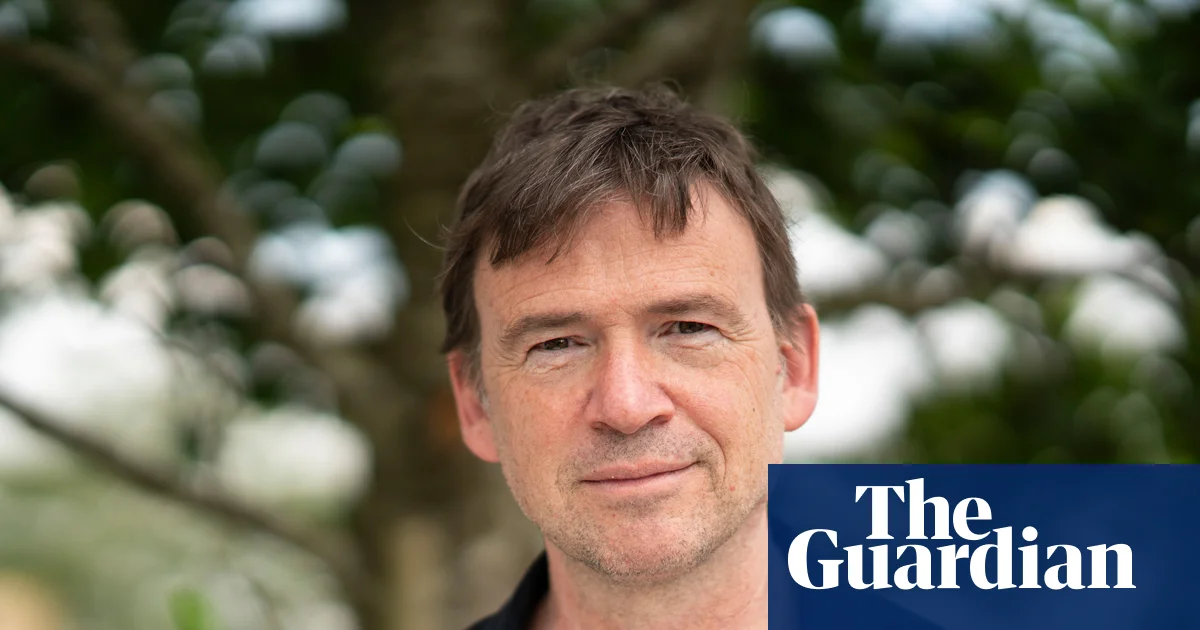
David Nicholls Set to Bring Adrian Mole's Secret Diary to BBC for a Fresh Generation
David Nicholls Set to Bring Adrian Mole’s Secret Diary to BBC for a Fresh Generation

Global Cultural Shifts and the Power of Nostalgia in a Fragmented World

In a moment of profound geopolitical upheaval, cultural narratives continue to serve as both mirrors and anchors for societies on the edge of change. Recently, the BBC announced a 10-part adaptation of Sue Townsend’s beloved novel, The Secret Diary of Adrian Mole Aged 13¾, helmed by acclaimed writer David Nicholls. Despite originating over four decades ago, the character of Adrian Mole remains a symbol of adolescent anxieties and societal critique, highlighting how storytelling persists as a vital force amid global instability. As nations grapple with economic crises, social unrest, and shifting alliances, the revival of such cultural relics signals a collective yearning to revisit familiar truths about human vulnerability and resilience.

The international impact of this adaptation extends beyond mere entertainment. Historians and analysts affirm that nostalgic content—particularly stories rooted in the familiar—can serve as a psychological respite in tumultuous times. The BBC’s initiative underscores this phenomenon, emphasizing Adrian’s timeless struggles—first love, identity, family upheavals—that resonate across generations. As global institutions like UNESCO advocate for the preservation of cultural identity amid relentless change, such productions rejuvenate national and regional narratives, fostering shared memories and values. In this context, storytelling acts as a counterbalance to the fragmentation of geopolitics, offering societies a sense of continuity and purpose.

From a geopolitical perspective, the decision to recreate beloved cultural icons like Adrian Mole exemplifies the strategic importance nations assign to soft power and cultural diplomacy. The International Organization for Cultural Diversity has consistently promoted narratives that reinforce societal cohesion. By investing in adaptations rooted in local history and humor, countries aim to strengthen their soft influence and foster a sense of national pride—a subtle yet potent form of resistance against the rising tide of global populism and authoritarianism. Furthermore, these adaptations serve as a means for societies to implicitly challenge or reaffirm prevailing values—highlighting the enduring relevance of classic stories in shaping public discourse.

Despite the shifting sands of geopolitics, the enduring influence of Townsend’s creation—and others like it—highlights an essential truth: how nations decide to remember and reinterpret their cultural legacies directly impacts their societal cohesion and international stature. The adaptation’s producers, including Big Talk Studios and writers like Caitlin Moran, are acutely aware that stories rooted in universal themes of youthful anxiety and hope foster a shared cultural language beyond borders. As political analysts warn of the dangers of cultural fragmentation and the rise of deepening divides, these stories function as a reminder that beneath nation-states’ conflicts, the human experience is fundamentally interconnected and timeless. Such cultural projects are, in many ways, acts of defiance—asserting that amidst global chaos, shared stories and memories remain a cornerstone of human society.

As history continues to unfold with unpredictable violence and peace negotiations, the cultural resurrection of Adrian Mole presages a deeper truth: the stories we cherish today are the seeds of tomorrow’s collective memory. In an era marked by unprecedented geopolitical shifts, the enduring relevance of Townsend’s wit and character demonstrates that even in times of uncertainty, society’s greatest strength lies in its capacity to reflect, adapt, and remember. The weight of this ongoing cultural renaissance may yet influence the course of history—reminding us that, as we navigate a fractured world, our stories remain a vital, unyielding force. The question now is whether these narratives can sustain societies long enough to shape a future still unwritten—one that echoes the timeless truths of human hope and resilience.

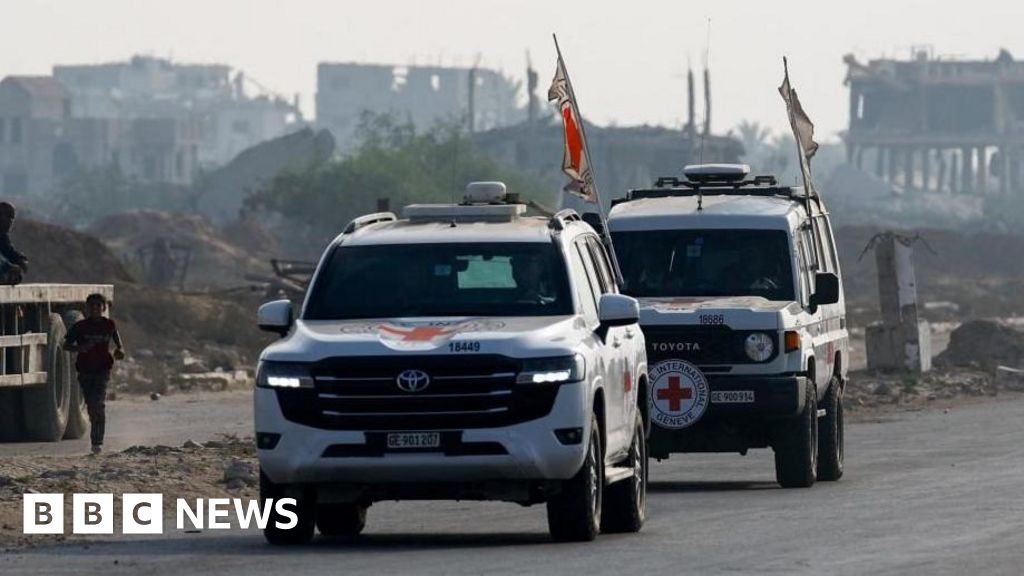
Israel gets Gaza body after Netanyahu vows to bring home 2014 soldier’s remains

The recent developments in the ongoing Israel-Gaza conflict mark a critical juncture in international geopolitics, with profound implications for regional stability and global diplomacy. On Sunday, Israel announced the return of the body of Hadar Goldin, a soldier killed during the 2014 conflict, whose remains had been in custody in Gaza since his death. Prime Minister Benjamin Netanyahu confirmed that Israel expected to receive the remains of a soldier whose body was held by Hamas, signaling a tentative but significant step in the fragile ceasefire negotiations. This gesture is seen, by analysts and international observers alike, as a move that could potentially pave the way for further de-escalation, though lasting peace remains elusive amidst the ongoing violence.

Historically, Hamas’s armed wing has used the retrieval of bodies and hostages as leverage in negotiations, and this latest handover is being closely scrutinized as a turning point. The return of 20 living hostages and 24 deceased, including Lt Goldin, under the first phase of a ceasefire deal, represents a moment of rare diplomatic progress amid the chaos that has engulfed the region for decades. Nevertheless, confidence remains fragile—Goldin’s family and broader Israeli society continue to grapple with the emotional toll, while officials vow to recover all remaining bodies and release more captives. Netanyahu reiterated his resolve: “We have returned 250 so far. We will bring them all back,” underscoring both the national commitment and the complexity of future negotiations.

The geopolitical impact of this development transcends borders. The conflict, which erupted anew on October 7, when Hamas-led militants launched a brutal attack killing over 1,200 people in Israel, has led to an escalation of military operations in Gaza. Since then, the Israeli military has reported that at least 241 individuals have been killed, including civilians, amidst a campaign that has resulted in devastating destruction across Gaza. According to figures from Hamas-controlled health authorities, the death toll since the outbreak of hostilities exceeds 69,000. These numbers, contested by various international bodies, speak to the catastrophic human toll stemming from the ongoing conflict. United Nations officials and international analysts warn that the conflict’s expansion risks destabilizing the entire Middle East, igniting sectarian tensions, and threatening global energy markets.

In this volatile climate, the actions and decisions of global institutions and key nations will determine whether the region can transition from war to peace, or spiral further into chaos. The compromise of releasing hostages and bodies demonstrates a rare diplomatic triumph, yet it must be contextualized within the broader scope of regional hostility. Historians and foreign policy experts warn that unresolved underlying grievances— territorial disputes, political fractures, and ideological divisions— continue to underpin the violence. The recent exchange signifies that, despite setbacks and entrenched animosities, the path toward diplomacy remains a critical, if fragile, corridor. As Russia, Iran, and the United States stand watching, each move in this unfolding drama will ripple across continents. Their decisions—whether to escalate or seek peaceful resolution—will echo through generations. For now, the fragile ceasefire offers a brief reprieve, a moment of clarity amid chaos, but the unresolved wounds of history carry the weight of an uncertain future, leaving the world on the edge of a precipice, watching as the chapters of this ongoing story are written in blood and hope alike.

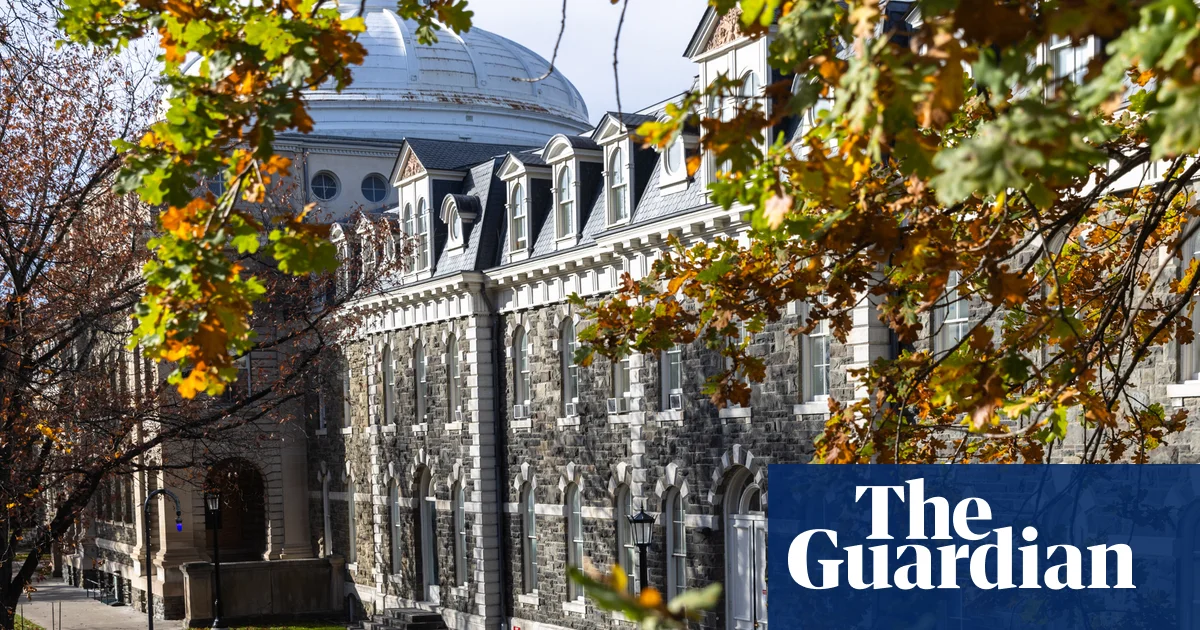
Cornell reaches deal with Trump admin to bring back $250M in university funds

The United States continues to exert unprecedented influence over its higher education institutions, deploying a mixture of intimidation and strategic leverage that extends beyond academic boundaries. Recent developments reveal the Trump administration reaching settlement agreements with prominent private universities such as Cornell, Columbia, Brown, and the University of Pennsylvania. These settlements are emblematic of a broader pattern: a government increasingly willing to scrutinize and manipulate educational autonomy under the guise of combating antisemitism and enforcing ideological conformity. The shift signals a fundamental recalibration of the international perception of American academic freedom, alarming allies and adversaries alike.

At the heart of this confrontation lies a controversial “compact” offered to universities—an agreement promising favorable access to federal funds in exchange for compliance with the administration’s ideological standards. Critics argue that this represents an erosion of institutional independence and a drift toward censorship under political pressure. Leading voices, including international analysts and historians, warn that such government overreach could have lasting geopolitical impact—not merely domestically but globally. Universities serve as epicenters of free thought and innovation, and their compromised autonomy risks diminishing the United States’ traditional standing as a bastion of academic freedom, thereby emboldening authoritarian regimes that have long sought to undermine Western values.

Furthermore, the administration’s use of anti-discrimination legislation as a means of extending political control raises urgent questions about the limits of state interference. When the focus shifts from protecting minority rights to silencing dissent, the very foundation of democratic discourse begins to shake. As international organizations such as the United Nations and human rights watchdogs scrutinize these actions, the global narrative increasingly depicts the US as adopting tactics reminiscent of regimes that misuse legislation to justify repression. Historians specializing in authoritarian studies warn that the ongoing pressure on higher education institutions could foster a new era of ideological conformity and intellectual stagnation, undermining the very qualities that have historically allowed American universities to innovate and lead the world.

Ultimately, the unfolding scenario underscores a pivotal moment in modern geopolitics. As international observers watch closely, the decisions made within these halls of power could redefine the future landscape of global education and influence. With each university that capitulates — or resists — the trajectory of American influence is written in real time. The weight of history presses down even as factions clash over the soul of higher learning. As new alliances form and old paradigms fracture, the world waits, studded with the shadows of what has been lost and the uncertain promise of what remains to be forged — a destiny still being written, one decision at a time.

Aid Cuts Threaten to Bring Back Malaria Crisis — Time to Prioritize Our Communities

The Hidden Crisis of Malaria: A Societal Wake-up Call

Malaria, a deadly infectious disease primarily impacting communities in Africa, continues to exact an unacceptably high toll on the most vulnerable—small children and expectant mothers. Responsible for nearly 600,000 deaths annually, this disease remains a stark reminder of how neglect, environmental changes, and waning international aid converge to threaten lives and societal stability. Despite ongoing promises to eradicate malaria, recent cuts in funding and global health aid are undoing decades of progress, pushing millions closer to death and disrupting families’ pursuit of security and prosperity.

The role of families and communities in combating malaria is profound, yet they are often the first casualties of the social and economic fallout when aid dwindles. Programs run by the Global Fund to Fight AIDS, Tuberculosis, and Malaria have historically been the backbone of efforts to control the disease. However, with its recent funding shortfalls—especially significant cuts from countries such as Germany and rumoured reductions from the UK—the capacity to deliver essential prevention tools, like bed nets and vaccines, is dwindling. These aid reductions threaten to reverse gains, with the potential to cause nearly a million additional deaths by the end of the decade, according to health experts.

Environmental and Demographic Shifts: Compounding the Crisis

Environmental degradation and climate change are intensifying malaria’s reach. Altered rainfall patterns and rising temperatures are expanding mosquito habitats, making eradication increasingly difficult. The resistance of parasites such as Plasmodium falciparum to existing drugs exacerbates the challenge, echoing past cycles where previously effective medicines—chloroquine and artemisinins—lost their potency. While vaccines offer hope, their limited protective scope and inability to stop transmission mean that without sustained, comprehensive control measures, malaria’s grip will tighten. Social commentator Dr. Robert M. Kaplan warns that these environmental and biological shifts threaten a “perfect storm” that could undo decades of hard-won progress, leaving vulnerable families to face devastation once again.

Importantly, the ripple effects extend beyond health, crippling economies and undermining social cohesion. The economic analysis emphasizes that maintaining the 2030 funding targets could save 1.86 million lives and catalyze an economic surge of $231 billion in African GDP. Conversely, a 20% funding cut could lead to approximately 82,000 additional deaths and a GDP decline nearing $5 billion, underscoring how intertwined health and economic wellbeing are. Families, often already strained by poverty, are pushed further into hardship when preventable deaths occur, eroding the moral fabric of societies built on hope and resilience.

Social Reflection and the Call for Action

As nations face tight budgets and competing priorities, it is crucial to recognize that the fight against malaria is ultimately a matter of moral urgency. The ethical responsibility rests not only with governments but with global society to prioritize life-saving interventions for the voiceless—children and pregnant women—whose futures hang in the balance. Historians and social theorists like Albert O. Hirschman have long argued that societal strength depends on caring for its most vulnerable. If this principle is abandoned, the fabric of our shared humanity frays, and inequalities deepen.

In this moment of crisis, society must reflect on the true meaning of progress. Does it mean just economic growth, or does it encompass the health, dignity, and future of all its members? The challenge lies in restoring faith in collective action, rekindling a spirit of global solidarity capable of rallying resources, innovation, and moral resolve. As society stands at this crossroads, the hope remains—like a flickering flame— that through determined effort, equitable investment, and environmental stewardship, the silent sufferers of malaria can be freed from their suffering. Society’s capacity for compassion and resilience might yet turn the tide, transforming despair into hope and death into life, one village at a time.

Social Media Auto Publish Powered By : XYZScripts.com