Matox News

Truth Over Trends, always!

Flooding in Southeast Asia claims 600 lives, urgent call for action

South Asia Faces Devastating Floods and Landslides Amid Climate Unrest

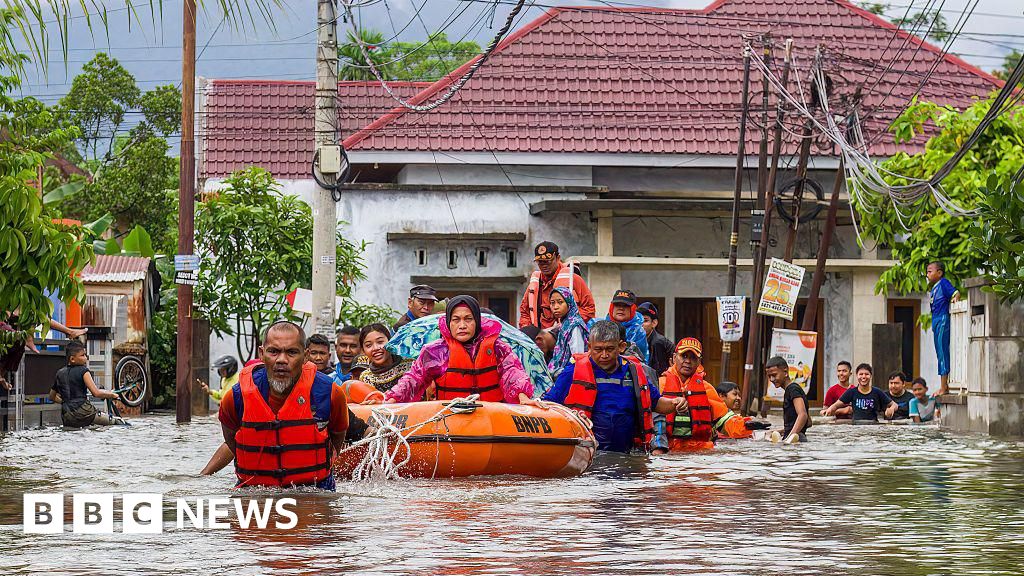
The region of southern Asia is currently confronting an unprecedented natural disaster, as torrential rains triggered by tropical storms have wrought widespread destruction across Indonesia, Thailand, Malaysia, and Sri Lanka. These devastating floods, compounded by rare cyclonic activity, have claimed the lives of approximately 600 individuals and left millions displaced, exposing the perilous intersection of climate change and geopolitical stability. As rescue operations continue amidst chaos and destruction, analysts warn that such extremes are likely to become the new norm if global actions remain delayed.

Historically, the monsoon season has been a predictable component of Southeast Asian weather patterns, yet this year’s events mark an alarming deviation. In Indonesia, the arrival of Cyclone Senyar, a once-in-a-lifetime tropical cyclone, has caused catastrophic landslides and flooding, sweeping away entire communities on the island of Sumatra. Officials report nearly 300 individuals are still missing, with some homes submerged and entire neighborhoods washed away in seconds, according to local residents and disaster agencies. Similarly, in Thailand, the city of Hat Yai faced record-breaking rainfall—over 300mm in a single day, a figure unseen in three centuries—leading to a death toll exceeding 160. Entire districts have seen infrastructure decimated, with hospitals overwhelmed and bodies needing refrigeration under emergency conditions.

Meanwhile, Sri Lanka bears the brunt of a country battered by both Cyclone Ditwah and relentless rain, with over 130 lives lost and more than 170 still missing. The government has declared a state of emergency, mobilizing emergency aid and international assistance. Climate scientists and regional analysts attribute this pattern to the interaction of Typhoon Koto in the Philippines and Cyclone Senyar in the Malacca Strait, embodying a disturbing trend of intensified and prolonged weather crises fueled by climate change. The regional climate crisis, yielding heavier than typical monsoons, underscores the geopolitical challenge: how to adapt and respond before the damage becomes irreversible. Globally, organizations such as the United Nations warn that climate-related disasters are no longer isolated incidents but a direct threat to stability and security.

Ultimately, this confluence of natural calamities is more than just a reminder of Earth’s volatile climate; it exposes how poorly prepared vulnerable nations remain to confront such upheavals. To many analysts, these incidents serve as a stark warning that the global community must act decisively to curb emissions and bolster resilience. The ongoing rescue efforts, while heroic, highlight the disparity—wealthier nations can invest in advanced infrastructure and swift aid, yet millions across South Asia continue to face the brutal impact of nature’s fury with limited resources. As the waters recede and emergency services tend to the injured and displaced, the question remains: how much longer can societies endure these relentless onslaughts before the fabric of civilization itself begins to fray? For now, the waters keep rising, and history eagerly watches to see if this crisis will inspire meaningful change or be just another chapter in a long story of neglect, leaving future generations to contend with a planet in peril.
Sri Lanka's Floods and Landslides Claim 153 Lives—A Stark Wake-Up Call for National Resilience
Sri Lanka’s Floods and Landslides Claim 153 Lives—A Stark Wake-Up Call for National Resilience

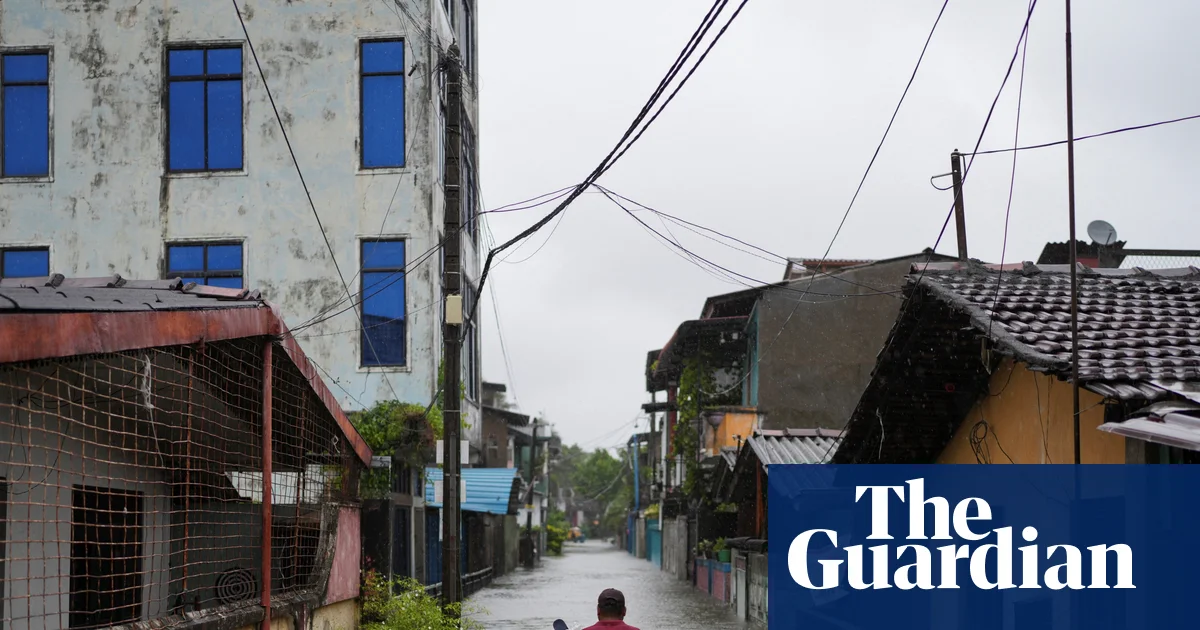
In recent weeks, Sri Lanka has experienced catastrophic flooding triggered by the relentless force of Cyclone Ditwah. Torrential rains, breaking records during the island’s northeast monsoon season, have inflicted widespread devastation across the nation, leaving a trail of death, displacement, and economic upheaval. Official reports confirm that at least 153 lives have been lost, with approximately 191 individuals still missing, underscoring the grave human toll of this natural disaster. The Disaster Management Centre (DMC) reports an urgent rescue operation involving thousands of soldiers and police personnel, who have evacuated over 78,000 people from submerged areas to safer refuges—an action that highlights the severity of the crisis and the resilience of Sri Lanka’s security forces under mounting pressure.

Historically, Sri Lanka faces recurrent floods during its monsoon season, yet the current disaster surpasses prior calamities, drawing concern from global analysts and climate experts. As climate change accelerates, scientists warn of increasingly unpredictable weather patterns, with some referencing the 2003 floods—considered the worst of the 21st century—set to be eclipsed by recent events. The flooding area includes critical regions such as the district of Kurunegala, and the densely populated outskirts of Colombo, where the Kelani River burst its banks, forcing residents to evacuate to temporary shelters. Notably, the rescue of stranded civilians, including international tourists, demonstrates both the human drama and the logistical chaos, with helicopters and naval boats working tirelessly amid gale-force winds and rising waters.

International responses have begun to mobilize, with neighboring India providing immediate aid and supplies, a move that reflects the geopolitical reality of regional cooperation primarily driven by mutual interests. Prime Minister Narendra Modi expressed condolences and reassured allies that New Delhi stands ready to extend further assistance as the crisis unfold. Nevertheless, international organizations and seasoned analysts underscore that such floods are symptomatic of a deeper, systemic vulnerability—how nations manage their environment and climate policies determines not just local resilience but global stability. Decisions made today regarding climate adaptation and disaster preparedness will influence the geopolitical landscape for decades, prompting commentators to warn that neglecting these challenges threatens to destabilize entire regions.

As the waters recede, Sri Lanka faces a critical juncture in its national story—a stark reminder that climate-induced disasters are no longer distant threats but imminent realities shaping international diplomacy, economic stability, and social cohesion. Historians and environmental experts warn that neglecting the lessons of this catastrophe may leave future generations unprepared for a planet increasingly plagued by unpredictable weather extremes. In the unfolding chapters of this global crisis, Sri Lanka’s suffering serves as a haunting prelude: unless decisive action is taken, the devastating power of nature will continue to rewrite the rules of geopolitics and human endurance, leaving the weight of history to judge whether mankind has learned or continued its perilous drift toward climate catastrophe.

Four Killed in Nighttime Strikes on Neighborhoods—A Wake-Up Call for Our Streets

The recent surge in hostilities between Russia and Ukraine underscores the volatile state of Eastern Europe’s geopolitical landscape. Overnight drone strikes launched by both nations have resulted in tragic casualties and widespread destruction, highlighting a relentless cycle of violence that threatens regional stability. Kyiv reported a “massive” Russian drone assault targeting the Ukrainian capital, causing fatalities, injuries, and damaging critical infrastructure. Meanwhile, Moscow’s accusations of Ukrainian strikes in the Rostov region reveal how this conflict has expanded beyond conventional borders, with civilian lives caught in the crossfire.

This deteriorating situation follows palpable shifts in diplomatic negotiations. Ukrainian President Volodymyr Zelensky welcomed proposed modifications to a controversial 28-point peace plan brokered with the backing of the United States. However, these adjustments were swiftly dismissed by the Kremlin as “completely unconstructive,” exposing deep fissures in the international effort to forge a sustainable resolution. Analysts from the International Crisis Group warn that such dismissals portend a scenario where diplomatic efforts remain deadlocked, prolonging the suffering on the ground and entrenching divisions among allies.

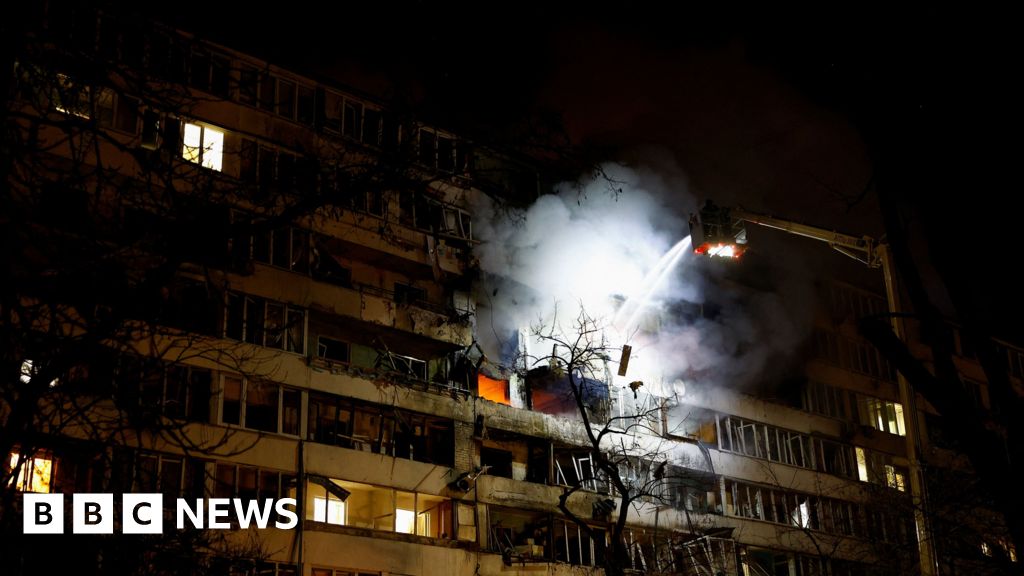
Furthermore, the recent attacks underscore how disrupted energy and civil infrastructure amplify the war’s toll on societies. Kyiv’s authorities have reported multiple residential high-rises ablaze, with emergency services evacuating countless residents amidst ongoing threats. Ukraine’s energy ministry announced a “massive, combined enemy attack” targeting vital electrical and water supplies, a move that risks plunging the nation into deeper hardship during winter. These actions reflect not just military strategies but also a calculated effort to undermine Ukraine’s resilience, a move widely condemned by global observers. The impact of such destruction reverberates beyond immediate casualties, threatening to destabilize civilian life, hinder recovery, and test the endurance of the Ukrainian people.

On the geopolitical stage, the events illuminate how Russia and Ukraine serve as pivots in a broader contest involving Western allies and Eastern powers. US policymakers, including White House spokesperson Karoline Leavitt, express cautious optimism about the diplomatic process, citing hope that a comprehensive plan may eventually materialize. Yet, historical analysts warn that the war’s escalation, combined with entrenched national interests, could entrench a protracted conflict with unpredictable outcomes. Some experts interpret this turmoil as a pivotal moment—the potential for a breakthrough or the slide into further chaos—hinges on external diplomatic finesse and internal resolve.

As the frontlines continue to shift and the war’s toll mounts, the international community faces a profound moral and strategic dilemma. The story unfolding in Ukraine is not just a regional conflict but a defining chapter in the 21st century’s geopolitical narrative. Each decision, each strike, and each diplomatic gesture writes a new line in the chronicles of history—an unfolding drama where the weight of nations and the hopes of millions hang precariously in the balance. The shadows of this crisis threaten to shape the landscape of global power, with consequences echoing long after the fighting ceases, leaving future generations to grapple with the scars of today’s choices, while the world watches in tense anticipation of what tomorrow may bring.

Thinktank urges hospitals to downsize and end NHS 'permacrisis'—a call to fix the system for Britain’s young generations
Thinktank urges hospitals to downsize and end NHS ‘permacrisis’—a call to fix the system for Britain’s young generations

Assessing the Global Impact of Healthcare Restructuring: The UK’s NHS as a Case Study

Amidst a rapidly changing demographic landscape and escalating healthcare demands, the United Kingdom is contemplating a radical overhaul of its National Health Service (NHS) infrastructure. According to a recent report by the thinktank Re:State, the future of hospital care must shift from the traditional model of large, bed-intensive institutions to a leaner, more community-focused system. This transition isn’t merely an internal UK matter, but one with profound geopolitical impact: it signals a broader global trend towards reimagining healthcare delivery, emphasizing efficiency, preventive care, and technological innovation.

Historians and international analysts emphasize that this strategic pivot, if executed successfully, could serve as a blueprint for other nations grappling with aging populations and strained healthcare budgets. Considerations surrounding the downsizing of hospitals are not merely cost-cutting exercises but represent a fundamental shift in how societies perceive health and healing. The UK plans—to potentially shed thousands of hospital beds—align with advances that allow treatment at home and in local clinics, reducing the physical footprint of traditional hospitals. Experts warn, however, that such a seismic transformation raises questions about sovereignty, societal cohesion, and the race for technological supremacy in medicine.

International organizations, including the World Health Organization, have issued cautious praise, noting that innovation and efficiency are critical to maintaining universal coverage in an era of constrained budgets. Still, they warn that rapid reform must be balanced with safeguarding access, especially for vulnerable communities. The Re:State report highlights that the UK’s approach, offered as a model in reform debates, could shift the global healthcare landscape—particularly if other nations follow suit. As British policymakers push forward, the decision to transform hospitals into more agile, community-integrated centers could redefine geopolitical influence, giving the UK an edge in healthcare innovation and international aid diplomacy.

With global conflicts and economic uncertainties inflaming the geopolitical stage, the decision-making surrounding rapid healthcare reform goes beyond domestic borders. As Britain’s NHS reimagines itself, it simultaneously signals a broader challenge for global powers: do they prioritize national sovereignty or align with international models of efficiency? Given the stakes, the profound transformations underway may be a harbinger of a new epoch in global health—one where history is written in the choices of today, and the ripple effects of these decisions will echo for generations to come.

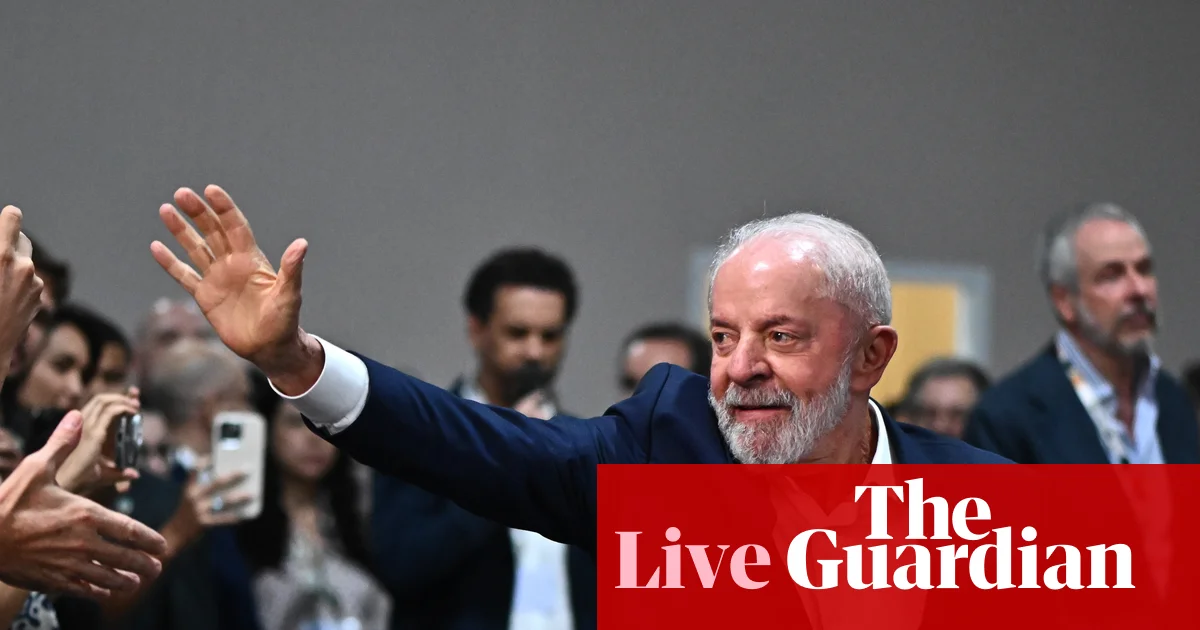
Lula Urges Summit to End Reliance on Fossil Fuels—A Wake-Up Call for the Future

As the UN Climate Summit (COP30) reaches its climax in Belém, Brazil, the international community faces a pivotal moment that could determine the future trajectory of global climate policy. The summit, an arena where nations negotiate the delicate balance between environmental responsibility and sovereignty, is marked by intense debate and unresolved tensions over crucial issues such as climate finance, fossil fuel reduction, and trade measures. Despite claims from Brazilian President Luiz Inácio Lula da Silva that consensus will prevail, many analysts warn that the summit’s outcome may not deliver the decisive agreements needed to stave off the worst of climate catastrophe.

According to seasoned climate diplomats and expert commentators, this summit is more complex than previous years, featuring multiple negotiation tracks articulated in arcane acronyms and confidential drafts that leave many observers bewildered. Historically, late stages of COP negotiations tend to coalesce around key issues, but this year, the absence of clear resolutions on emissions reductions and financial commitments underscores the deep fissures among nations. The staging of high-level ministerial meetings, aimed at forging consensus, has not yet succeeded in producing the much-anticipated finalized text. The delay underscores the challenges of balancing global ambitions with political and economic realities.

President Lula’s comments earlier in the summit hint at a more flexible approach, emphasizing “building the way to live without fossil fuels” without imposing strict timelines on nations for their reduction efforts. His assertion that negotiations are rooted in respecting sovereignty and fostering consensus echoes the broader narrative of naively optimistic diplomacy. However, critics cite persistent disagreements over climate finance, especially concerning aid to vulnerable Pacific island nations and lesser-developed countries, which remain highly contentious. The core question remains: can the world’s political leadership overcome these divisions and agree on a clear roadmap to phase out fossil fuels? Many believe that without tangible commitments, the summit risks ending in mere rhetoric, leaving the pressing crisis unaddressed.

The ***geopolitical impact*** of the summit’s missed deadlines extends far beyond the conference halls in Brazil. As climate negotiations become a battleground for influence, nations like China, the United States, and European countries are under relentless scrutiny. Intergovernmental organizations, including the IPCC, continue to warn that the window of opportunity to limit global warming to manageable levels is closing rapidly. Broad concerns also persist about unilateral trade measures and financial obligations, which threaten to undermine collective efforts. The unfolding drama in Belém could set the precedent for future international cooperation or, conversely, fuel a fractured geopolitical landscape where climate action becomes a battleground for national interests rather than a collective effort to save the planet.

As the summit lurches toward its eventual conclusion, with many late-night negotiations on the horizon, the international community is left to ponder whether this gathering will mark a turning point or fade into the annals of missed opportunities. With the world watching and the weight of history bearing down, the words and decisions made in these final days will echo through generations to come. The looming question remains: **will humanity unite in time to forge a resilient, sustainable future, or are we witnesses to the last chapter of collective climate responsibility**? The unfolding narrative of COP30 continues to write itself—one of hope tested by discord, and of a planet’s fragile future hanging in the balance.

Survey Warns Up to 50,000 UK Nurses May Quit Over Immigration Rules—A Wake-Up Call for Britain

The United Kingdom faces a seismic shift in its socio-political landscape as new immigration policies threaten to exacerbate the ongoing nursing crisis within the National Health Service (NHS). Recent research warns that up to 50,000 nurses could potentially leave the country if proposed measures are implemented, plunging the NHS into its most severe workforce shortage in history. This wave of potential departures underscores the precariousness of a system already strained under soaring demand and staffing deficits, as policymakers pursue a strategy aimed at reducing net migration. The plans, announced by the government, include extending the indefinite leave to remain (ILR) from five to ten years and increasing language and skill requirements for foreign workers, ostensibly to curb the influence of populist rhetoric led by figures like Nigel Farage and his Reform UK party. However, international observers and healthcare professionals warn that these policies will threaten patient safety and deepen the nation’s workforce crisis.

Significant geopolitical impact stems from these policy shifts, as the UK’s reliance on international talent is laid bare. Over 200,000 foreign nursing staff—roughly 25% of the NHS workforce—could see their futures destabilized by the new rules, with many contemplating outright departure. The Royal College of Nursing (RCN) has publicly condemned these measures as “immoral,” emphasizing their potential to cause irreparable harm to Britain’s healthcare system. According to analysts, the move reflects a broader reassertion of national sovereignty but at a cost: the loss of highly skilled migrant workers who have contributed significantly, especially during the COVID-19 pandemic. These nurses, many coming from nations such as the Philippines, India, and Eastern Europe, have become the backbone of Britain’s health services—yet they now face an uncertain future, with the proposed policies effectively penalizing those who have served amidst crises.

Experts such as global policy analysts warn that the decision to lengthen the ILR process and increase visa standards signifies a shift towards an inward-looking, protectionist approach that could have lasting ramifications. Historically, international migration has played a vital role in filling essential sectors in the UK, and leaders in international organizations caution that such restrictions threaten not just the NHS but the broader society. The increased fees for ILR applications—rising from £155 in 2003 to over £3,000—are seen as an economic barrier that disproportionately impacts the most vulnerable migrant workers and could further diminish the international workforce vital to Britain’s public services. As some healthcare leaders argue, these policies resemble a betrayal of those who sacrificed greatly during one of the most tumultuous periods in recent history, risking a hollowing out of the very fabric that has sustained Britain’s social safety net.

As the tension between sovereignty and globalization intensifies, the UK stands at a crossroads. Historians and international security analysts warn of ripple effects that extend well beyond healthcare, signaling a redefinition of Britain’s role on the world stage. The potential mass exodus of healthcare workers echoes past patterns where economic or policy uncertainty prompts mass migration—a phenomenon with tumultuous consequences for the societal cohesion and economic stability of the nation. In this unfolding chapter of history, the decisions made today will not only influence the lives of millions but will indelibly sculpt the narrative of Britain—an island once proud of its openness and now teetering on the edge of restrictive nationalism. The shadows cast by these choices whisper a warning from history: that the path toward fortified borders and diminished international collaboration could yet backfire, leaving scars that time may never fully heal, with the weight of this unfolding story continuing to unfold long into the uncertain future.

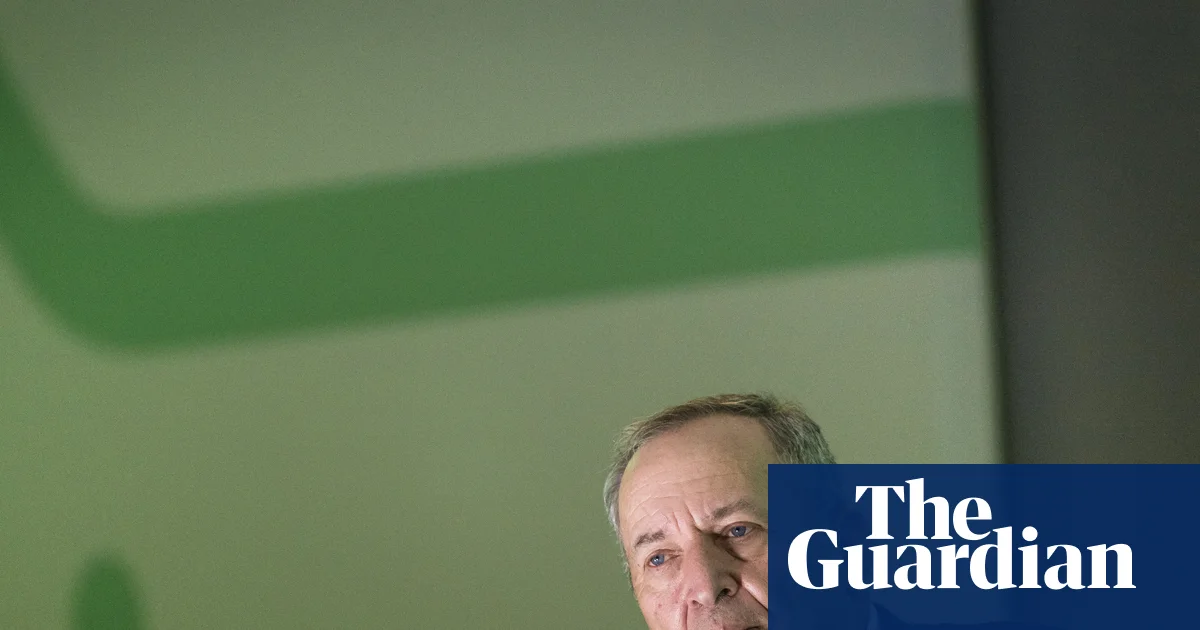
Larry Summers withdraws from public life amid Epstein ties—A wake-up call for accountability

Jeffrey Epstein Scandal Reshapes Global Power and Trust

The recent revelations about Larry Summers, a prominent economist and former U.S. Treasury Secretary, have ignited a whirlwind of controversy and a renewed scrutiny of America’s elite circles. Documents released by the House oversight committee unveil a disturbing pattern of elitist entanglements, with Summers exchanging emails with Jeffrey Epstein, the convicted sex offender who referred to himself in one message as Summers’ “wing man.” These disclosures are not just personal failings; they threaten to erode the foundations of trust in institutions that shape global policy and economic leadership.

Analysts contend that the implications extend well beyond individual misconduct. The emails reveal Summers maintaining contact with Epstein despite his 2008 conviction for soliciting prostitution from minors, highlighting a troubling allegory of unchecked privilege and moral decay among America’s ruling class. Democratic voices, including Senator Elizabeth Warren, have called for accountability, arguing that such connections diminish confidence in the very institutions meant to uphold justice and morality. The scandal underscores a wider pattern of elite impunity that critics claim fosters a dangerous disconnect from societal values, with ramifications reaching into global governance.

The Geopolitical Ramifications of Elite Corruption

The fallout from these revelations is fueling calls to reassess America’s leadership credibility, particularly as President Donald Trump has launched a new investigation into Democrat figures linked to Epstein’s network, broadening the scope of the scandal to include questions about how much the inner circles of power may have known or tolerated. Reports suggest that Summers’ relationship with Epstein was more than mere acquaintance—emails reveal Summers sought Epstein’s advice on diverse issues, including funding for personal projects, such as his wife’s poetry, as disclosed by The Wall Street Journal. Such links exacerbate fears that elite networks are more akin to a closed club of self-interest than transparent institutions dedicated to democratic principles.

This narrative echoes concerns raised by international observers that global institutions—be they in Europe, Asia, or beyond—are often disillusioned with Western leadership’s ability to uphold moral authority. The scandal encapsulates a broader issue of how the personal and political intertwine within global policymaking, raising alarms that elite misconduct can undermine international initiatives tackling critical issues such as economic inequality, security, and human rights. Historians warn that when the moral fabric of a nation frays, the ripple effects weaken alliances and embolden adversaries who thrive on discord and decay.

Societal Impact and The Weight of History

Meanwhile, the public outcry continues to intensify, with educators and students at Harvard denouncing Summers’ associations as disgraceful. The scandal resonates beyond national borders, stirring debates about the moral compass of leadership in a world where information and transparency are more accessible than ever. As global tensions rise and international alliances face mounting pressures from emerging geopolitical rivals, the integrity of America’s leadership is under scrutiny. Experts argue that the ongoing revelations serve as a stark reminder: history’s judgment will be harsh on those who abuse their power and betray societal trust.

As the weight of this unfolding saga presses down on political and societal institutions, nations across the world watch with bated breath. For if the moral underpinnings of the West continue to erode under the weight of these scandals, what hope remains for future generations? Will this generation’s choice to shield the corrupt and protect the powerful be recorded as the decline of an era? Or can the winds of justice still sweep away the darkness cloaking the corridors of power? The answers lie in the unfolding pages of history—stories yet written, destinies yet shaped, and the future teetering on the edge of an uncertain horizon.

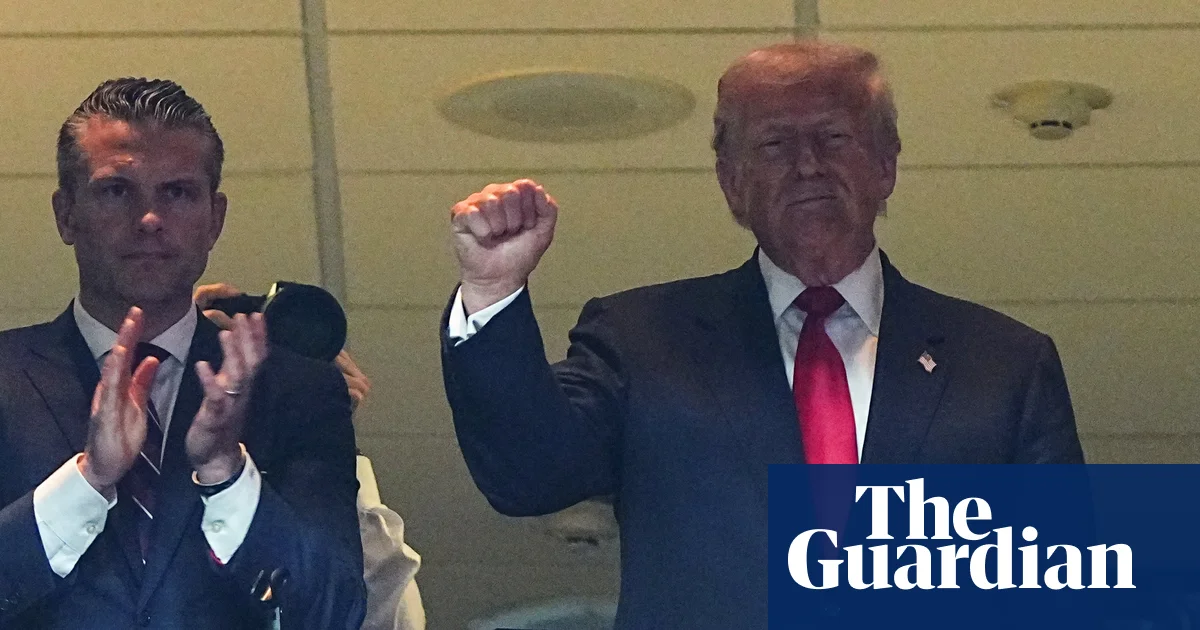
Trump booed at Commanders game before taking over Fox broadcast booth to call plays

In an unprecedented move that symbolically bridges the worlds of sports, politics, and international influence, Donald Trump made history as the first sitting U.S. president in nearly fifty years to attend a regular-season NFL game. His presence at the Washington Commanders’ match against the Detroit Lions not only ignited heated reactions among fans but also served as a vivid display of the ongoing cultural and geopolitical fractures within America. While crowds in Washington, D.C., expressed their mixed sentiments—ranging from cheers to boos—the spectacle underscored how deeply divided the nation remains, and how influential figures from the global arena continue to leverage sports as a stage for political statement and influence.

This public spectacle is more than just a partisan protest; it reflects a broader geopolitical narrative where domestic political conflicts are playing out under the watchful gaze of the international community. Historically, such the attendance of a sitting U.S. president at an NFL game signals the importance of national identity and internal cohesion. Yet, the reactions from the crowd—boos, chants, and jeers—highlight a nation polarized along ideological lines. Experts remind us that the U.S.’s internal fractures are, in many ways, echoed globally, as international powers observe and interpret America’s political turbulence on every stage, from the battlefield to the sports arena.

The event also has implications for geopolitical positioning. Trump’s desire to have the Commanders’ new stadium named after him, as revealed by reports of White House intermediaries, demonstrates how branding and influence extend beyond politics into the realm of international soft power. This project, valued at nearly $4 billion, symbolizes a broader trend: the merging of economic ambitions with national identity—an ambition echoed in the development of international alliances and contentious treaties. As noted by several international analysts, such moves can be seen as the embodiment of a nationalist resurgence aiming to solidify American influence domestically while projecting strength internationally.

Furthermore, this event occurs amidst a global chessboard, where neighboring and distant powers watch as internal tensions simmer. Historians caution that when national symbols become politicized—such as debates over stadium naming and the involvement of political figures in civilian life—it can have far-reaching effects on a nation’s international image and diplomatic relations. The spectacle of a U.S. president mingling with military personnel during the game, and the NFL’s participation in patriotic initiatives, serve to reinforce a narrative of resilience amid division. Yet, critics argue that this superficial unity masks underlying societal conflicts that could, if left unaddressed, lead to fragile stability.

As the weight of history presses down, the unfolding story of Trump’s NFL appearance is more than a fleeting media event. It is a mirror held up to a world grappling with its own divisions and aspirations. While leaders and analysts debate the implications, the image of a polarizing figure standing amidst cheers and jeers at a sports stadium echoes a deeper truth: the forces shaping the future are playing out in arenas of both national pride and international influence. It is a reminder that history is a constant battlefield, where every gesture and decision—no matter how seemingly trivial—can ripple across borders, shaping the course of nations for generations to come.

NSW Police Under Fire for Double Standard at Neo-Nazi Rally Amid Jewish Groups’ Call for Justice

Global Wake-Up Call: Neo-Nazi Rally in Australia Ignites Widespread Criticism

The recent approval of a neo-Nazi rally outside the New South Wales parliament by authorities has sent shockwaves across the international community, exposing troubling cracks in the global fight against extremism and hate speech. Despite the existence of controversial hate-incitement laws, decision-makers in Australia allowed a gathering of about 60 individuals clad in black—calling openly for the abolition of the Jewish lobby—raising questions about the consistency and effectiveness of anti-hate legislation worldwide.

Double Standards and Political Fallout

In an unprecedented move, NSW police authorized the rally under the so-called form 1 process, a procedural step that allows authorities to approve protests unless explicitly objected to. However, police commissioner Mal Lanyon claimed ignorance of the rally’s approval until after it was underway, citing a “communication error”. The event’s approval sparked widespread condemnation from Jewish advocacy groups, human rights organizations, and political leaders alike. Premier Chris Minns publicly acknowledged that the rally should not have been authorized and announced a review into the police’s decision-making processes, highlighting a troubling inconsistency in law enforcement response: similar processes had previously been applied to pro-Palestinian protests, which faced swift challenges, yet far-right demonstrations such as this neo-Nazi rally were seemingly given a pass.

Societal and Geopolitical Ramifications

Analysts warn that this glaring double standard has broader underpinnings impacting geopolitical stability. As global institutions like the United Nations call for stronger measures against hate speech, national governments face mounting pressure to reconcile civil liberties with the imperative to curb rising far-right extremism. The incident raises questions about the effectiveness of existing hate laws and their enforcement in democratic societies that value free protest yet struggle to contain dangerous rhetoric. While authorities debate expanding police powers, the world watches tightly—concerned that Australia’s failure to prevent this rally could embolden similar acts of hate elsewhere.

Calls for meaningful action

Prominent figures such as Sarah Schwartz, CEO of the Jewish Council of Australia, have accused police of inconsistency, emphasizing that neo-Nazi acts—though dressed as protests—are unmistakably acts of hate speech. Meanwhile, Alon Cassuto, head of the Zionist Federation of Australia, condemned the rally as a breach of democracy, urging a comprehensive investigation into how such a rally could be permitted in a nation that recently adopted strict laws against inciting racial hatred.

In response, Premier Minns expressed regret and contemplated granting police additional powers to shut down racist and hateful events—yet critics argue that existing laws are sufficient, demanding a concerted effort to implement and enforce them effectively. Global voices like the Human Rights Law Centre suggest that Australia’s failure reflects a broader cultural struggle: how to balance freedom of expression with the urgent need to combat renewed white supremacist violence.

As the dust settles, the question remains whether this incident serves as a turning point or mere headline in the ongoing battle against international hate. History watches silently as a nation grapples with its own divided conscience—trying to root out hatred without trampling on the civil liberties that define its democracy. The outcome will resonate far beyond Australian borders, shaping the future of how societies confront the darkest currents of history still swirling beneath modern veneer.

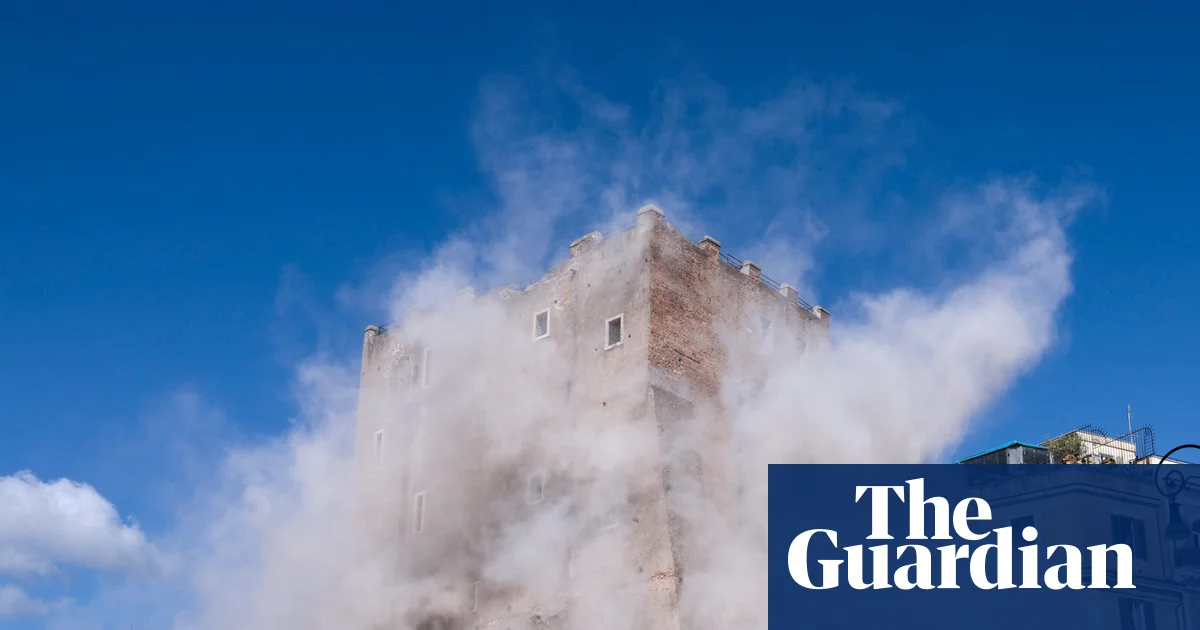
Rome: Medieval Tower Collapses, Traps Worker and Injures One—A Wake-Up Call for Heritage Safety

The recent partial collapse of the Torre dei Conti in Rome has sent shockwaves through the international community, highlighting ongoing risks associated with the preservation of historic architecture amid modern renovation efforts. The medieval tower, located near the Roman Forum, experienced a devastating sequence of collapses during scheduled restoration work, trapping individuals inside and forcing a complex rescue operation that continues into the late hours. The incident sheds light on the fragile balance between preserving history and ensuring safety, an issue that is gaining prominence among policymakers across the European Union and beyond.

  • The tower, built in the 13th century by Richard Conti, was already a damaged relic, severely affected by the 1349 earthquake and subsequent structural failures in later centuries.
  • EU funds designated for post-pandemic recovery are now being used to finance the ongoing restoration, aiming to preserve its heritage while upgrading safety standards.
  • The collapse not only resulted in injuries but also raised urgent questions regarding the efficacy of international heritage protection funding and oversight.

International historians and analysts view this event as a stark reminder of the geopolitical risks inherent in heritage conservation. Some experts warn that the mismanagement or underfunding of such projects could lead to further tragedies and the irreversible loss of cultural landmarks. The incident has prompted calls for greater transparency and accountability in how funds are allocated and how safety is prioritized in historic restorations across Europe and the Mediterranean. According to the World Heritage Organization, the incident underscores an urgent need for standardized international protocols to prevent similar failures in other historic sites—an effort that could redefine how nations approach conservation in the 21st century.

The Italian government, under pressure from both domestic and international voices, has condemned the failures that led to the collapse, with Rome’s mayor, Roberto Gualtieri, emphasizing that safety remains the top priority. Meanwhile, Italy’s culture minister, Alessandro Giuli, has announced an extensive review of all ongoing restoration projects nationwide. This crisis, at its core, exposes larger geopolitical issues—namely, how European nations leverage their cultural heritage amid economic pressures and the push for modernization. Critics argue that prioritizing quick restoration under EU fiscal constraints might compromise safety and preservation standards, a debate that echoes across borders where cultural identity and national pride intertwine with economic realities.

As rescue workers tirelessly attempt to save trapped individuals beneath the rubble, the incident leaves a haunting question: How robust is the safety infrastructure protecting Europe’s ancient treasures? While the rescue operation continues amid the risk of further collapses, the incident’s broader implications are yet to be fully understood. It marks a pivotal moment that could influence international policies on heritage preservation and safety standards, shaping the future of cultural conservation amidst economic austerity and political tension. With history unfolding in real-time, the affected communities and nations are called to confront a profound truth: in safeguarding the past, humanity must also confront its responsibilities to prevent tragedies rooted in neglect and haste. The echoes of this disaster will reverberate through history, reminding us that some stories are too precious to lose—yet, too often, are lost because of human oversight and geopolitical indifference.

Social Media Auto Publish Powered By : XYZScripts.com