Matox News

Truth Over Trends, always!

Booking.com reveals hackers stole user data—urgent wake-up call for digital security

Booking.com Data Breach Signals Broader Risks in the Digital Travel Ecosystem

The recent confirmation by Booking.com of a cybersecurity breach underscores the critical importance of robust security measures in the rapidly evolving travel technology sector. The global hospitality giant disclosed that hackers may have accessed personal data—including names, emails, physical addresses, phone numbers, and booking details—raising urgent questions about the safety of consumer information amid a broader landscape of digital disruption. This incident exemplifies how innovative threats are outpacing traditional defenses, forcing companies and regulators to rethink cybersecurity strategies within the context of a hyper-connected industry.

While Booking.com asserts that no financial information was compromised, the breach highlights an emerging pattern of exploiting stolen personal data for targeted phishing and stalking campaigns. As TechCrunch reports, hackers are leveraging these breaches to send sophisticated phishing messages, highlighting the delicate balance between digital convenience and security. The increasing sophistication of cyber threats is compelling industry leaders and analysts—such as Gartner and MIT—to emphasize that disruption in cybersecurity is inevitable, but the key is resilience and rapid adaptation. This incident vividly illustrates that tech innovation must be paired with equally innovative security measures to safeguard consumer trust in an age where data is the new currency.

Disruption in Hospitality Tech: From Spyware to Data Sovereignty Challenges

The breach also echoes a disturbing trend from 2024, where security firm TechCrunch uncovered instances of consumer-grade spyware infecting hotels’ computer systems, including a case involving a victim logged into their Booking.com administration portal. The infiltrations involved stalkerware capable of capturing screenshots and potentially siphoning sensitive data, revealing a disturbing shift towards covert monitoring tools in the hospitality technology ecosystem. Such breaches threaten to undermine the entire foundation of trust necessary for the industry’s digital transformation and threaten to disrupt the seamless experience that consumers now expect.

These developments are pushing the industry to accelerate innovation in cybersecurity infrastructure. Experts warn that without leveraging emerging technologies—such as AI-powered threat detection and blockchain-based data integrity—companies risk falling behind malicious actors who are deploying increasingly disruptive tactics. The company’s own data shows over 6.8 billion customers have trusted their platform since 2010, emphasizing that maintaining consumer confidence depends on proactive security innovation rather than reactive measures.

Future Outlook: Innovation and Urgency in Managing Industry Disruption

The implications of this recent breach extend beyond just Booking.com and serve as a clarion call for the full digital travel ecosystem. Industry analysts, including those from MIT and Peter Thiel’s venture capital firm, emphasize that disruption driven by cyber threats and technological innovation will define the coming decade. Companies that fail to implement cutting-edge security protocols risk not just financial loss but long-term erosion of brand trust. As innovation accelerates, so too does the imperative for regulatory frameworks to evolve—ensuring consumer data sovereignty and securing the digital backbone of global travel.

In the face of these challenges, the industry must prioritize blockchain solutions for data integrity, harness AI to predict and mitigate threats preemptively, and foster a culture of cybersecurity resilience woven into the fabric of each technological advance. The recent breaches highlight an urgent landscape: disruptors and defenders are engaged in a high-stakes battle for control over the digital infrastructure. As corporate pioneers and policymakers race to stay ahead, one thing remains certain—the future of travel tech hinges on innovation, security, and unwavering agility.

Prison Call Recordings Challenge Ex-Abercrombie Boss’s Suitability for Trial

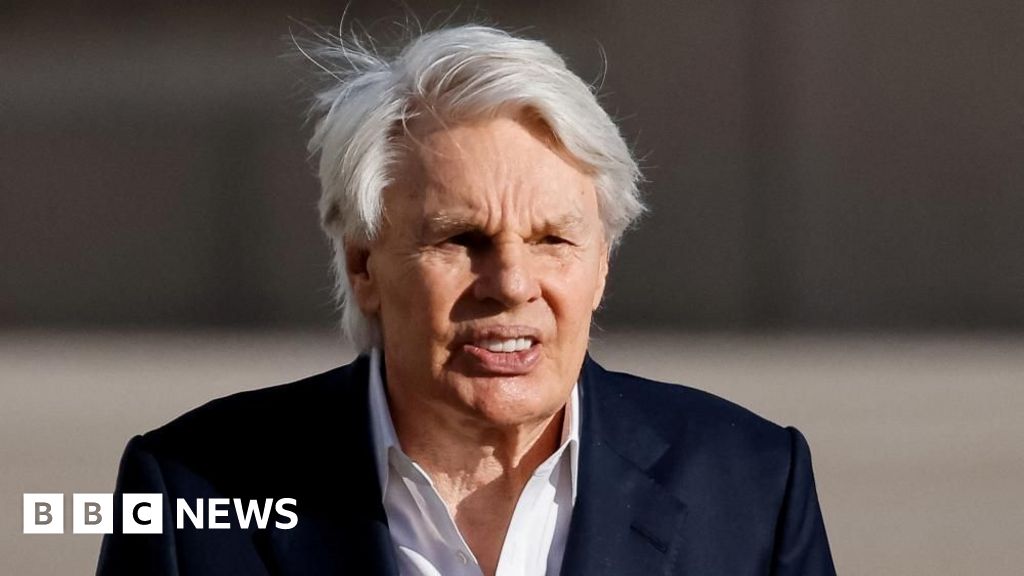
In an unprecedented development that has captured international attention, the legal representatives of Mike Jeffries, the former CEO of a major international fashion brand, have formally argued that he is suffering from dementia and late-onset Alzheimer’s disease. This claim underscores the complex intersection of health, justice, and global reputation, raising profound questions about accountability and the handling of legal proceedings involving aging corporate icons. As the case unfolds, analysts and historians alike are scrutinizing the implications of this defense, which could serve as a precedent for similar cases involving high-profile individuals facing legal scrutiny amidst health decline.

Jeffries’ legal team contends that his cognitive deterioration has significantly impaired his ability to participate fully in his defense. This situation inevitably influences how international legal systems handle aging defendants, prompting discussions about ethical responsibilities, the balance between justice and mercy, and the overarching influence of health in legal accountability. International organizations, including the United Nations and the International Court of Justice, may soon be called to weigh in on such matters, especially as global populations age and similar cases become more common. The outcome of this legal argument could impact not only Jeffries’ personal fate but also influence how societies worldwide adapt their justice systems toward aging populations who may not always be capable of rational decision-making.

Furthermore, this case arrives at a time of rising geopolitical tension, with economic powerhouses like China and the United States recalibrating their approaches toward corporate accountability and health-related legal defenses. Experts argue that the decision taken in Jeffries’ case could ripple through international law, particularly how jurisdictions handle the responsibilities of mentally impaired defendants. Some suggest that the outcome might influence global perceptions of corporate culture, accountability, and the moral responsibilities of business leaders to society. Moreover, the case underscores the importance of how international consensus on health and legal standardization could shape policy frameworks for future legal proceedings involving mental health issues.

As the world watches this unfolding saga, the broad geopolitical impact becomes increasingly evident. Decisions made in courtrooms across nations resonate far beyond individual justice, affecting the fabric of international relations and societal values. The case serves as a stark reminder that, in the era of interconnected power and influence, the weight of history is often shaped by ethical dilemmas that challenge the very foundations of justice and morality. As historians and analysts observe, the outcome of such cases could either fortify or fracture global trust in legal institutions—an enduring legacy that will undoubtedly influence the societal fabric for generations to come. One thing remains clear: in the ongoing chess game of international geopolitics, every move can alter the course of history, and the stakes could not be higher.

Noah Wyle Returns to A&E with New Drama The Pitt: A Call for Empathy in Today’s Stories

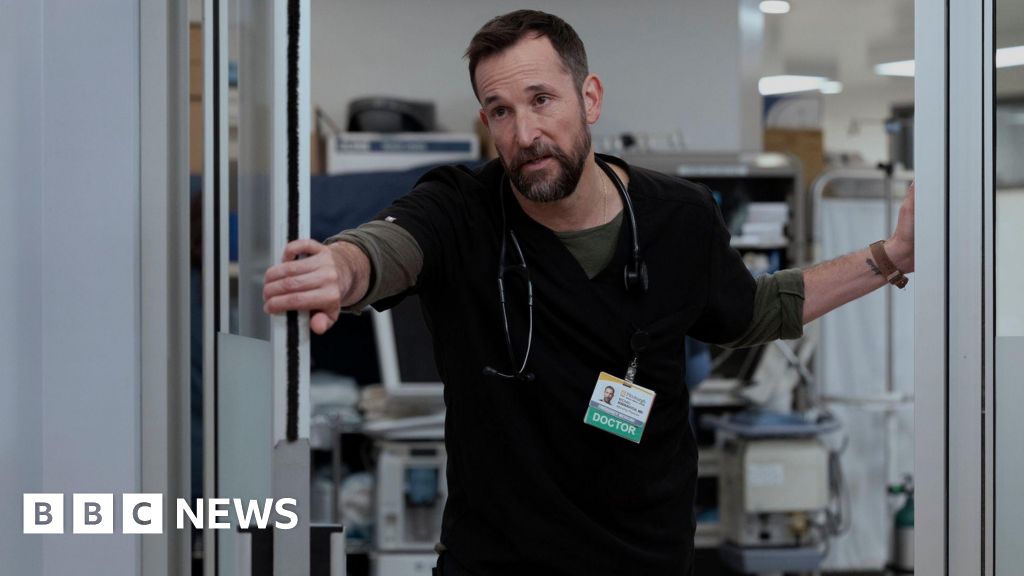
In an era where Hollywood frequently churns out ephemeral entertainment, the return of a familiar face—most recently from the medical drama genre—serves as a compelling reminder of how television still functions as a mirror to our collective consciousness. The actor, renowned for his role on ER, reprises his craft in a new American series, embodying a physician grappling with post-traumatic stress disorder (PTSD). This role is more than mere entertainment; it encapsulates a profound reflection on the intersection of medicine, trauma, and moral responsibility. It underscores that our culture’s narratives are not simply escapism but are vital in shaping the moral fabric and self-understanding of society.

Throughout history, medicine and healing have transcended their practical dimensions, becoming symbols embedded in the cultural identity of nations. Classic works like Hippocrates’ Oath reaffirm the sacred trust placed in physicians, echoing through time as a testament to societal values rooted in service and moral integrity. Today, stories that highlight the psycho-social struggles of medical professionals—such as PTSD—serve as contemporary embodiments of those ancient ideals. In this context, the actor’s portrayal offers a mirror to the modern crisis of authenticity and moral purpose in healthcare. Just as T.S. Eliot suggested that poetry is a measure of cultural renewal, so too does this series offer a reflection of our societal soul, grappling with its wounds and seeking healing.

Culture, in its essence, is the moral memory of a society—a repository preserving our shared hopes, fears, and identities. Philosophers like Ortega y Gasset have argued that the vitality of a civilization depends on its capacity to forge enduring narratives and uphold tradition amidst rapid change. The resurgence of interest in stories centered on trauma and recovery signifies this cultural phenomenon: a desire to confront, to remember, and ultimately to transcend the fractured aspects of modern existence. In viewing this series, one perceives not merely a drama about a physician, but an allegory of societal resilience—a testament that our collective identity is continually reborn through the trials of our history and the hope of our future.

As the actor steps into the role of a healer haunted by his own scars, he personifies a timeless truth: that culture is both a memory and a prophecy. It is the echo of past virtues and the foretelling of future values. From the classical temples of Greece to the digital age, humanity has sought meaning in stories—stories that remind us that even amid chaos, there is order; in despair, there is hope; and in suffering, the seed of renewal. Thus, as we gaze upon this new medical drama, let us remember that it is not merely a spectacle but a vital chapter in the ongoing narrative of human perseverance, an ode to the enduring human spirit that, through its struggles, continues to forge meaning and hope in the timeless journey of civilization.

Tiger Woods Faces DUI Charges After Crash: A Wake-Up Call for Young Drivers

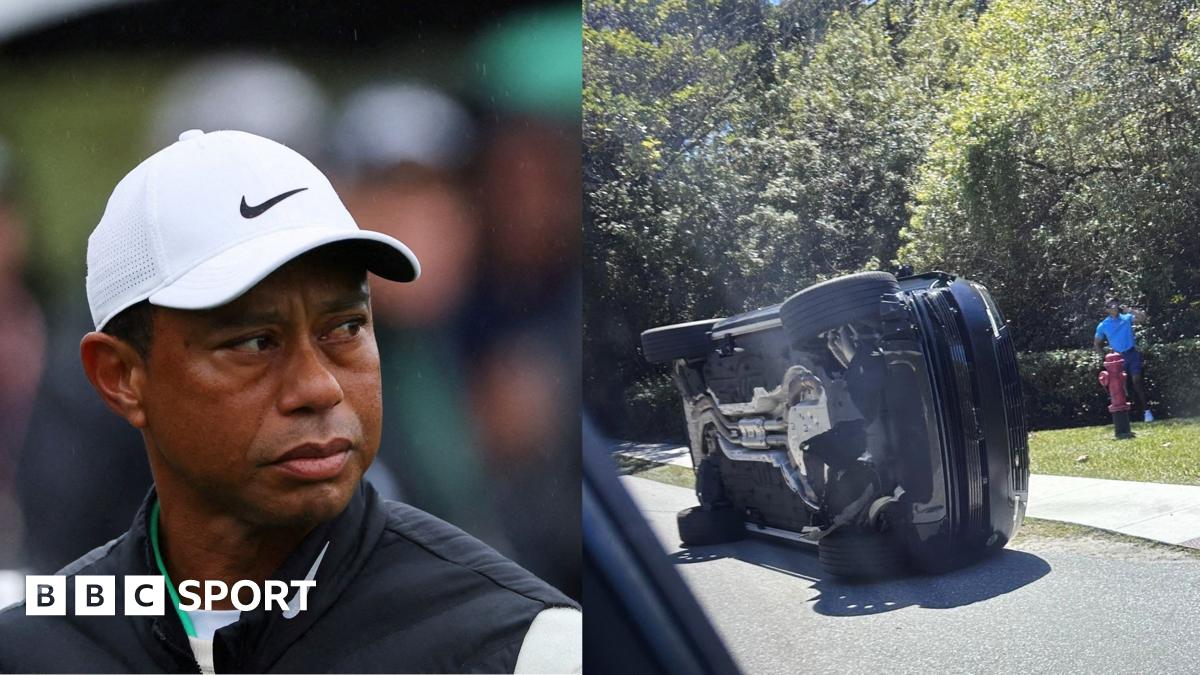
In an era where international attention often centers around high-profile legal incidents, the recent crash involving Tiger Woods on Beach Road in Jupiter Island underscores the far-reaching geopolitical impact of individual events that transcend national borders. While the incident itself involves an American sports icon, its ripple effects extend into the broader fabric of global perceptions surrounding law enforcement, accountability, and the complex intersection of fame and state authority. According to Sheriff Budensiek, Woods was involved in an incident following an alleged attempt to overtake a pressure cleaner truck at high speed, which led to a series of investigations and legal proceedings that resonate beyond local jurisdiction.

  • The sheriff disclosed that Woods exhibited signs of impairment, but tests at the scene indicated a “triple zero” breathalyser result, complicating the narrative and raising questions about investigative procedures.
  • Woods refused a urine test, invoking his legal rights, which has resulted in charges for refusal rather than impairment — a legal distinction that complicates accountability.
  • President Donald Trump publicly expressed sympathy, emphasizing the personal toll of the incident, illustrating how high-profile cases in the U.S. attract international cultural and political attention.

Analysts and international observers highlight that such incidents, especially involving revered figures like Woods, influence societal expectations of celebrity conduct and state authority. As historian Mark Levinson points out, “The manner in which authorities handle allegations against prominent individuals becomes a mirror reflecting national values and legal standards.” This case exemplifies the ongoing tension between individual rights and societal interests—particularly how authorities navigate investigations involving iconic personalities. Moreover, with investigations suggesting Woods was “cooperative but trying not to incriminate himself,” the case underscores the delicate balance law enforcement must maintain between due process and public sentiment.

In a broader context, this incident also exposes the potential risks of drug or alcohol impairment in an era of growing scrutiny and legal reform. The refusal to submit a urine test, while legally permissible, leaves a void in definitive evidence and may influence future policy adjustments concerning impaired driving. The incident’s narrative, amplified by media coverage, stimulates debate over the consistent application of justice, the role of personal privacy, and the influence of fame in legal outcomes. The accident’s implications ripple into international discussions on law enforcement standards, the influence of social stature on justice, and the societal values that prioritize celebrity over accountability.

As global institutions continue to analyze and respond to these rapid developments, the event remains a poignant example of how individual moments can shape history. The unfolding story of Woods’ legal predicament is a stark reminder that behind the veneer of fame lies a fragile veneer of societal justice—an ongoing narrative where personal conduct, legal integrity, and international perception collide. With Woods set to be released on bond and facing misdemeanors, the incident leaves the world pondering: how will this story, a microcosm of societal values and power, ultimately influence the international dialogue on justice, celebrity, and the rule of law?

UK security warns: Hostile state threats up 50%—police chief issues urgent call to youth

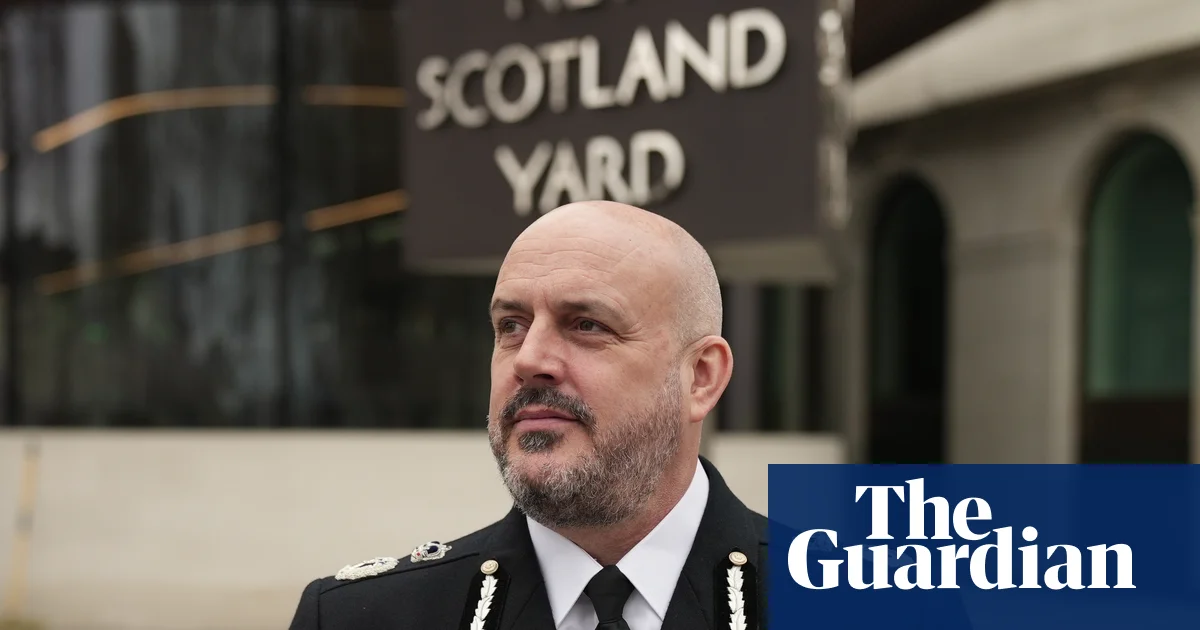
In recent months, the UK has experienced a surge in national security threats, reflecting a broader shift in the geopolitical landscape and raising profound concerns within communities about safety and stability. According to authorities, there has been a 50% increase in investigations into foreign state activities—particularly from nations like Iran, Russia, and China. Such developments are not merely political headlines but deeply influence families and local communities, instilling a climate of uncertainty that jeopardizes the social fabric that holds society together. Social commentators and sociologists warn that these threats could catalyze divisions, especially when intertwined with domestic tensions that threaten the cohesion of multicultural communities.

One of the most disturbing manifestations of growing social tension surfaces in antagonism against the Jewish community. A recent attack in Golders Green, North London, saw four ambulances belonging to the Jewish charity Hatzola firebombed amid reports that the group claimed responsibility. Though the incident is officially treated as antisemitic rather than terrorism, it underscores the fragility of community safety in a society grappling with cultural shifts and demographic tensions. The Metropolitan Police have responded by deploying additional officers, firearms units, and drones to protect Jewish neighborhoods during Passover, revealing a reactive measure to a social fracture that runs deep. The attack not only endangers families’ sense of security but also fuels fears of further escalation in societal discord.

At the political level, figures like Kemi Badenoch argue that tougher immigration policies are necessary to combat antisemitism and social division. Her stance, emphasizing a departure from the European Convention on Human Rights (ECHR), reflects a broader conservative ideology that seeks to address root causes of societal friction. However, critics warn such policies risk alienating vulnerable migrant communities and hampering efforts toward social integration. The debate embodies the broader societal challenge of reconciling national security concerns with upholdings of inclusivity and human rights. As history repeatedly shows, the fragile balance between openness and security can either be a catalyst for societal harmony or a source of division—challenging families, educators, and community leaders alike.

Adding to this complex picture, prestigious institutions such as King Charles have begun to visibly support efforts to combat antisemitism, with the monarch accepting a role as patron of a charity working in this realm. The Community Security Trust (CST) sees this as a sign of societal commitment to preservation and protection, yet such gestures alone are insufficient without concrete action on societal and policy levels. As social historians suggest, the innate human desire for safety and belonging often clashes with the relentless tide of change and division. The real question becomes whether society can harness *hope* to rebuild trust, educate youth about tolerance, and foster community resilience—especially when faced with insecurities that threaten to dismantle the societal kinship that families, schools, and local communities strive to nurture amid adversity.

Ultimately, society stands at a crossroads, with the burden of safeguarding democratic values and social harmony placed upon both policy and moral responsibility. Social challenges—be it foreign interference, cultural tensions, or domestic extremism—are not inevitable but require proactive, collective effort. The hope of society’s future hinges on our capacity for moral reflection, community engagement, and shared resilience. As the shadows of discord lengthen, society must look inward and forward, contemplating whether, through courage and compassion, it can forge a society where every family can live free from fear and division, and where hope quietly stirs within the hardest of times—reminding all that even amidst darkness, society has the power to transform itself into a beacon of unity and moral strength.

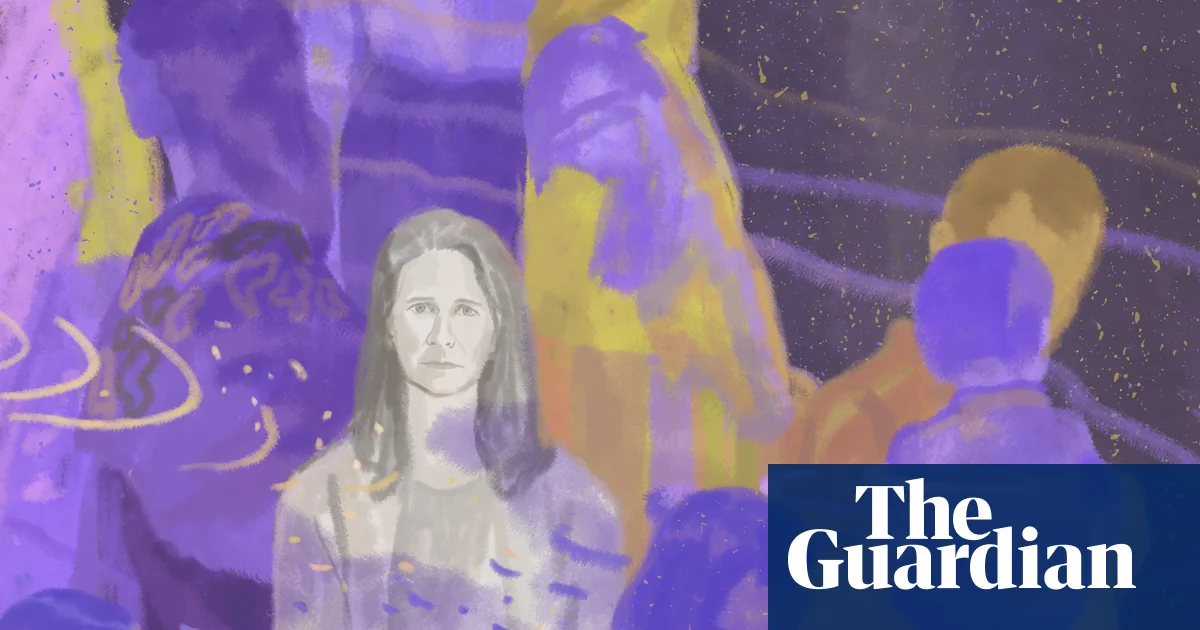
At 56, I Lost My Hearing—A Wake-Up Call on Society’s Neglect of Aging and Deafness

In a rapidly changing society, social cohesion hinges on our collective ability to bridge communication gaps that threaten to fracture communities and divide families. The story of Deborah’s experience — a woman who, at age 56, found herself grappling with sudden, profound hearing loss — illustrates a pervasive yet overlooked crisis that transcends individual hardship. Her journey underscores a crucial societal issue: despite advancements in medical technology and understanding, the barriers that prevent equitable access to hearing care persist, often fueled by a healthcare system driven more by profit than compassion. When insurance companies deny coverage for critical procedures and devices, families face not only financial ruin but also devastating social isolation, which in turn weakens the fabric of our communities.

This crisis is not isolated. According to sociologists like Dr. Susan K. Gardner, the societal consequences of untreated hearing loss are staggering — from increased loneliness to diminished participation in educational and communal activities, disrupting the very foundations upon which families and communities are built. For Deborah, the denial of her surgery and hearing aids meant months of silence, profound loneliness, and a shrinking social circle. The inability to communicate effectively with loved ones or participate fully in society erodes not only individual well-being but also the interconnected trust that sustains communities. As many as 48 million Americans are impacted by hearing loss, and yet, systemic inequities continue to silence millions more, amplifying their struggles while society turns a deaf ear to their needs.

Adding to this social adversity are cultural shifts and demographic changes that demand a reevaluation of how we approach neurodiversity, language, and accessibility. The example of Martha’s Vineyard, where generations grew up learning and signing in MVSL, demonstrates that fully integrated deaf and hearing communities are achievable. Their success stems from early cultural integration and a shared language—traits that could serve as a blueprint for broader, national inclusion. Society’s failure to adopt similar strategies leaves many deaf individuals isolated and marginalized, often unaware that solutions are possible. Policymakers and social institutions must prioritize initiatives that promote early language education, expanded insurance coverage, and the integration of AI-powered technologies—ensuring that the social fabric is woven with threads of understanding rather than strands of silence.

Ultimately, the moral imperative of society lies in recognizing that deafness is an unsolved problem of communication—one that we choose each day not to resolve. Every missed opportunity for early intervention, every denied coverage, and every societal neglect to foster inclusivity compounds the challenge. But hope remains. Through legislation that mandates coverage for hearing health, investments in innovative AI solutions, and widespread efforts to teach sign language, society can turn the tide. In doing so, we do not merely restore the ability to hear; we restore voices, relationships, and the unity of our shared humanity. As Deborah’s story demonstrates, when we commit to bridging the deaf-hearing divide, we revive the promise that every individual, regardless of their physical limitations, can participate in the symphony of society—listening, speaking, and ultimately, belonging.

Iran dismisses Trump’s call for surrender, labeling it a “dream” amid US-Israel tensions

International Conflict Deepens as Iran and Israel Clash Amid Global Unrest

The ongoing conflict in the Middle East has entered a perilous new phase, threatening to reshape the geopolitical landscape. Iran, defying pressures from United States and its allies, remains unwavering in its stance against capitulation. In a rare televised address, President Masoud Pezeshkian of Iran rebuffed Donald Trump‘s recent demand for an “unconditional surrender”—a call from Washington that many analysts argue was aimed at crippling Iran’s resolve. Pezeshkian’s assertion that Iran “would never capitulate” underscores the resilient, defiant posture of Tehran, signaling a potential prolongation, or even escalation, of the hostilities. His remarks, along with an apology to neighboring Gulf nations for recent strikes, reveal a nuanced attempt by Iranian leadership to navigate regional tensions and avoid further isolation, even as their military actions ignite new flames in this growing conflagration.

The geopolitical impact of this conflict extends far beyond Iran’s borders. In response to Iranian strikes, Israel has launched a fierce counteroffensive, involving a wave of pre-dawn airstrikes on critical Iranian military sites, including airports, command centers, and missile facilities. Israeli officials confirmed the deployment of 80 fighter jets in this latest assault, targeting Tehran’s military infrastructure and setting Mehrabad International Airport ablaze. This escalation signals a profound shift—diplomacy appears all but abandoned as the conflict spreads across regional lines. Meanwhile, Iran’s retaliation has manifested in attacks on Jerusalem, Gulf cities such as Dubai and Manama, and near Riyadh, where Saudi Arabia reported intercepting a ballistic missile aimed at a U.S. host base. Experts warn that such exchanges risk igniting a broader regional war, with global oil supplies and international stability hanging in the balance.

Global institutions like the United Nations and NATO have called for restraint, yet the relentless cycle of violence suggests diplomacy remains elusive. From the Strait of Hormuz—a critical maritime choke point—Iran announced the targeted sinking of the oil tanker Prima, further threatening the flow of global energy resources. The dire toll, with over 926 civilians killed and 6,000 injured, paints a stark picture of the human cost behind the geopolitical chess game. As Hezbollah and other Iranian-backed groups extend the conflict into Lebanon and the eastern Mediterranean, the specter of a wider regional war looms, risking destabilization of entire societies. Experts from think tanks such as the Council on Foreign Relations warn that these developments could ignite a chain reaction, pulling in multiple nations into a conflict with the potential to redraw alliances and threaten democratic institutions worldwide.

As history watches silently, the unfolding narrative remains uncertain—each decision, each strike, fueling a conflict that no one can truly predict. The specter of war now casts its shadow across the region and beyond, a reminder that in the corridors of power, every action has a consequence, and the course of history is ultimately written by those willing to risk everything in pursuit of their vision. The world holds its breath as the stakes escalate—will diplomacy yet find a foothold amidst this chaos, or are we witnessing the dawn of a new, darker era of regional and global upheaval?

Survey: Young Brits hesitating to see GPs — a wake-up call for society

Public Distrust in Healthcare System Sparks Social and Community Concerns

Recent surveys across the United Kingdom reveal a profound erosion of trust in the NHS and its ability to serve the populace effectively. Nearly half of the population choose to delay or avoid contact with their family doctors when illness strikes, citing fears of inaccessible appointments. This widespread reluctance underscores a troubling shift in cultural perceptions of the healthcare system, with many believing that seeking medical help may yield little or no immediate benefit. Sociologists have long warned that such demographic and cultural changes threaten the fabric of community health, placing families at increased risk of untreated medical conditions that could have been mitigated with timely intervention.

The moral and human impacts of this crisis are significant. When individuals opt to manage ailments themselves or simply wait for symptoms to subside, it often results in deteriorated health, burdening families with unforeseen emotional and financial strains. The decline in public confidence is compounded by persistent perceptions of long waits and systemic inefficiency. According to health think tanks, approximately 27% of people try to self-manage their ailments, worrying that even if they seek help, the NHS might deny timely access due to overburdened services.

Furthermore, the crisis extends beyond primary care to emergency services. Data reveal that **one-third of Britons** have avoided going to A&E despite urgent needs, driven by expectations of excessive waiting times. Such delays not only compromise individual wellbeing but also burden the entire society, with patients potentially arriving in more critical states or suffering preventable complications. This erosion of trust threatens to fracture the social morale that underpins community resilience, especially as families witness loved ones suffer in silence. Historians like Peter M. Ward have observed that persistent neglect and systemic failure can create societal cynicism, making collective action on health policies increasingly difficult.

The government’s recent initiatives, such as the introduction of a new GP contract aimed at providing same-day urgent care, are intended to reverse these trends. However, public skepticism remains high. Critics warn that policymakers might be overestimating their capacity to meet the urgent needs of the populace, risking further widening the gap between expectations and reality. Meanwhile, health professionals express concerns that these reforms could impose even greater pressures on already overstretched general practitioners, threatening the long-term viability of family medicine as a pillar of community health.

In contemplating the societal repercussions of this crisis, it becomes clear that families, schools, and communities are interconnected in a web of hesitations, fears, and systemic shortcomings. When trust in healthcare wanes, the ramifications ripple outward, affecting everything from educational outcomes as children grapple with untreated illnesses, to the economic stability of families burdened by preventable health emergencies. Yet, amid this bleak landscape, there lies a potent hope: as social commentators and community leaders advocate for renewed investment and reform, society’s resilience and capacity to heal itself remain steadfast. Society stands at a crossroads—its future dependent on whether it can transform systemic failures into a renewed collective trust and a healthier, more hopeful tomorrow.

Andrew’s Arrest Exposes US Silence on Epstein Files — A Wake-Up Call for Britain

Global Power Shaken as Epstein Scandal Exposes Deep-Seated International Elite

The recent release of the epstein files has ignited a firestorm across nations, revealing a shocking tapestry of corruption, abuse, and elite complicity that spans continents. While countries like Britain and Australia grapple with scandals involving high-profile figures and international alliances, the United States remains notably aloof. Officials and analysts alike are left questioning the true scope of accountability and the efficacy of justice—or the stark absence of it.

Contrasting sharply with the relentless pursuit of justice in Britain—where figures such as former Prime Minister Tony Blair’s associate Peter Mandelson have come under police investigation—the U.S. appears paralyzed by political caution or active cover-ups. In the aftermath of the Epstein revelations, only Ghislaine Maxwell has faced formal justice, sentenced to 20 years for trafficking minors. Meanwhile, numerous high-profile Americans, including Bill Gates and figures linked to the 2028 LA Olympics, have distanced themselves from the scandal—yet remain uncharged. This disparity underscores a critical geopolitical impact: the fragile credibility of American institutions in confronting its own power elite.

As reports detail how U.S. officials and prominent personalities maintained close ties with Epstein after his 2008 conviction, critics continually assert that **the “Epstein class”**—a network of politicians, financiers, and celebrities—enjoys privilege and impunity. Senator Ruben Gallego explicitly blamed President Trump for obstructing justice, comparing America’s attitude to that of nations that hold their elites to account. Such claims highlight the alarming divergence in standards: where other countries are aggressively pursuing accountability, the U.S. remains politically hesitant, if not complicit.

Furthermore, international media and analysts suggest that this silence and inaction serve as a warning—a sign that the American power structure is deeply entangled in a web of secrecy and self-preservation.

  • Britain’s Prime Minister Keir Starmer had to confront questions about his own judgment due to his close association with Peter Mandelson.
  • In the United States, political officials such as Howard Lutnick have attempted to deny associations, yet internal emails reveal contradictory evidence of continued contact.
  • Meanwhile, the upcoming congressional hearings threaten to expose a different, far darker chapter of this saga—one where justice might finally pierce through the veil of privilege.

Historians and international watchdogs warn that the justice lag in the United States risks turning this scandal into a story of institutional decay. The unfolding investigations could mark a turning point—not only in the pursuit of justice for Epstein’s victims but in re-examining the unchecked power that shields the elite. As the echoes of this scandal continue to resonate worldwide, the stage is set for a dramatic reckoning—one that may define the trajectory of justice for generations to come. Yet, the question remains: will history record this as a wake-up call or another chapter of lost opportunity? Only time will unveil how deep America’s legacy of secrecy truly runs, and whether the winds of change can finally sweep through the corridors of its most powerful institutions.

Grey’s Anatomy Star Eric Dane, 53, Succumbs to ALS—A Wake-Up Call for Younger Audiences

In a stark reminder of the human toll inflicted by neurodegenerative diseases, the recent announcement of the actor, renowned for his starring role in HBO’s Euphoria, battling the most common form of motor neurone disease (MND), has sent shockwaves across international communities. This illness, often referred to as amyotrophic lateral sclerosis (ALS), continues to challenge nations, health organizations, and scientific research communities worldwide. The actor’s openness has humanized a condition that remains shrouded in uncertainty and despair, emphasizing the universal nature of this modern health crisis.

Motor neurone diseases are a class of neurodegenerative disorders characterized by the progressive loss of motor neurons—specialized nerve cells in the brain and spinal cord responsible for voluntary muscle activity. Despite advances in medicine, the precise causes remain elusive, with global research efforts hampered by limited funding, insufficient understanding, and complex pathology. As international agencies and medical institutions grapple with these challenges, the geopolitical impact becomes evident: certain nations are better equipped to lead breakthroughs, while others face exacerbated health inequalities. Countries like the United States, the United Kingdom, and multiple European nations continue to invest heavily in research initiatives; meanwhile, developing nations struggle with basic healthcare access, underscoring disparities that influence global health outcomes.

Historians and analysis from organizations such as the World Health Organization (WHO) highlight that the societal and economic consequences of neurodegenerative diseases extend beyond individual suffering, impacting healthcare systems, caregiving networks, and national productivity. The recent case of the actor underscores how international attention can catalyze funding, research, and awareness campaigns. Yet, critics argue that preventative measures remain underfunded and underprioritized on the global stage, with many policies outdated or ineffective. As the disease progresses in celebrities and public figures, there is a poignant reminder that this affliction does not discriminate—the vulnerable and the powerful alike face similar battles, shaking societal perceptions and urging action from policymakers and global health agencies.

Looking ahead, the strategic decisions made by nations, combined with the international community’s commitment to scientific innovation and ethical research, will shape humanity’s response to this incurable foe. Scientists warn that without a decisive shift in global investment and cooperation, ALS may continue to claim lives at an alarming rate, leaving families devastated and societies strained. The recent case study of this prominent figure acts as a catalyst for renewed urgency—urging governments, corporations, and individuals alike to recognize the urgent need for breakthroughs. History is watching, and the weight of choices made today will determine whether future generations will face the same relentless disease or finally overcome the darkness it casts upon humanity. The unfolding chapter is a stark reminder that humanity’s resilience is measured not only by the wars fought or the economies built, but by the unwavering pursuit of knowledge amid the shadows of despair.

Social Media Auto Publish Powered By : XYZScripts.com